
Active service-area notice
Happy to Help does not currently list San Diego as an active service area. This article is general educational information. For local care availability, browse our active service areas.
Browse active service areasFor families in our service areas
For families in our service areas, this guide explains caregiver support and how non-medical in-home caregiving can support care planning in East Idaho, Treasure Valley & Magic Valley, Northern Wasatch, North Central West Virginia, and Northeast Ohio.
Why Choose the Right San Diego Caregiver Matters
Choosing a caregiver for a loved one in San Diego presents a significant challenge for families. This decision not only affects the individual receiving care but also has profound implications for their family members. Understanding the specific needs, preferences, and qualifications necessary for effective caregiving is crucial. Without this understanding, families may struggle to create a supportive environment that promotes well-being.
With numerous options available, navigating the complexities of this choice can feel overwhelming. Families often find themselves asking: How do we find the right match? This guide addresses these concerns by delving into critical factors to consider. By offering insights and strategies, we empower families to make informed decisions throughout their caregiving journey.
Identify Care Needs and Preferences
Creating a comprehensive list of your loved one's daily routines, medical needs, and personal preferences is crucial for a San Diego caregiver to provide effective caregiving. San Diego caregivers often encounter challenges in understanding these aspects, which can lead to unmet needs and increased stress for both the caregiver and their loved one.
-
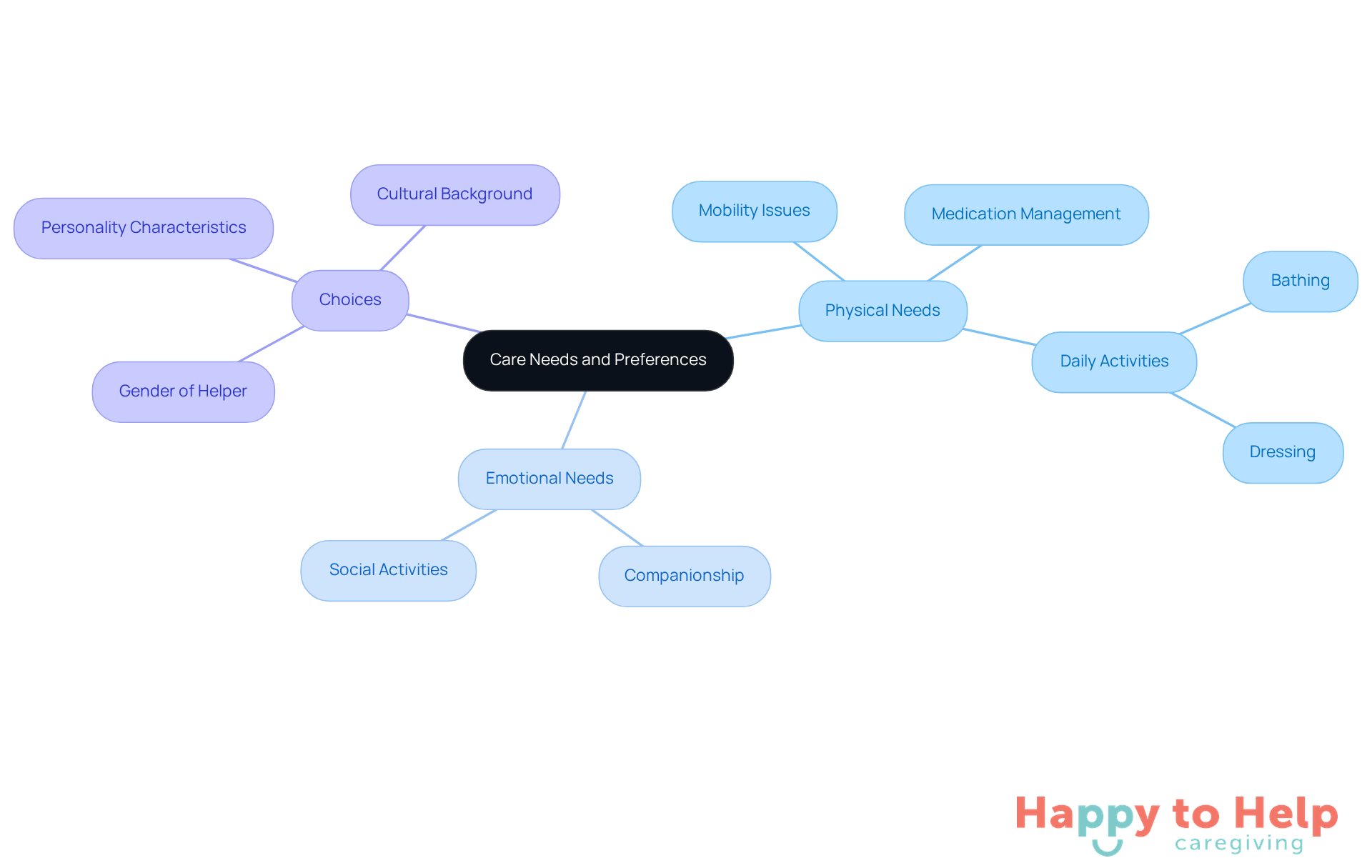
Physical Needs: Assess mobility issues, medication management, and assistance with daily activities like bathing and dressing. These factors are essential to ensure your loved one’s safety and comfort.
-
Emotional Needs: Identify any emotional support required, such as companionship or help with social activities. Neglecting these needs can lead to feelings of isolation and depression.
-
Choices: Discuss your family member's preferences regarding the gender of the helper, personality characteristics, and cultural background. This conversation is vital for ensuring compatibility and comfort.
Engaging your loved one in this discussion not only provides valuable insights but also helps them feel involved in the decision-making process. By addressing these needs proactively, caregivers can create a supportive environment that enhances the quality of life for their loved ones.
Evaluate Caregiver Qualifications and Experience
Finding the right caregiver for your loved one can be a daunting task. With so many options available, how do you ensure that the person you choose is truly qualified? The implications of selecting an unqualified caregiver can be significant, affecting not only the quality of care but also the well-being of your family member.
To navigate this challenge, consider the following qualifications:
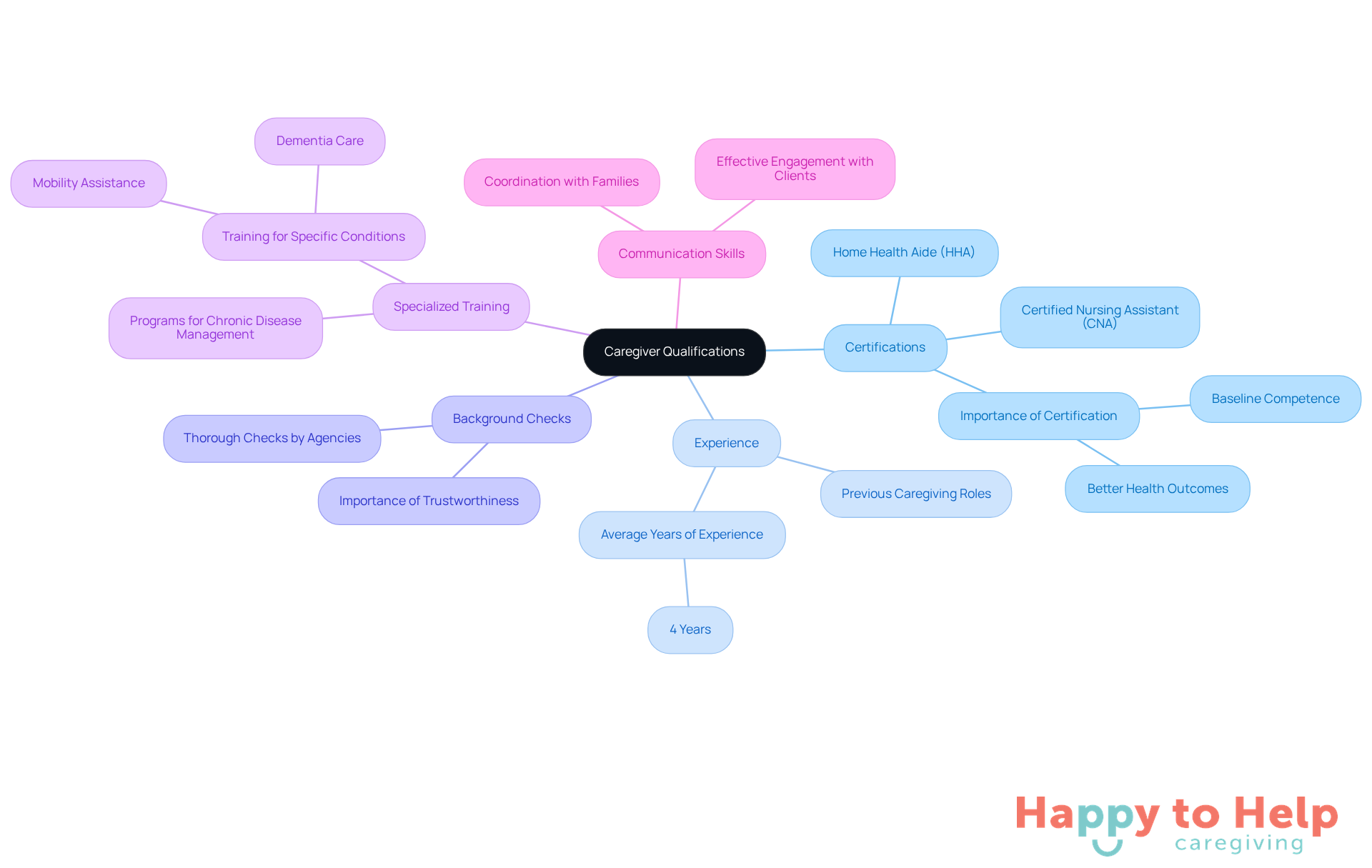
- Certifications: Look for caregivers with relevant certifications, such as Certified Nursing Assistant (CNA) or Home Health Aide (HHA). These credentials indicate that the caregiver has met industry standards and possesses a baseline level of competence, which is crucial for delivering quality service. In fact, clients receiving assistance from certified professionals often experience better health outcomes compared to those cared for by non-certified individuals.
- Experience: Ask about their previous caregiving roles, particularly with clients who have similar needs to your loved one. Caregivers with an average of four years in their roles are typically better equipped to handle the complexities of in-home care, ensuring a smoother caregiving experience.
- Background Checks: Ensure that the individual has undergone thorough background checks, usually conducted by reputable agencies. This step is vital for guaranteeing trustworthiness and safety, as agency-appointed support providers often come with references and a history of reliable service.
- Specialized Training: If your family member has specific health conditions, such as dementia or mobility issues, seek caregivers with specialized training in those areas. Programs focusing on memory care or chronic disease management can significantly enhance the quality of care provided, leading to better health outcomes for clients.
- Communication Skills: Effective communication is essential for coordinated care. Caregivers should engage with clients and families, ensuring that concerns are addressed and care plans are followed accurately.
By focusing on these qualifications, families can make informed choices that prioritize the well-being and comfort of their loved ones.
Conduct Interviews and Assess Compatibility
Finding the right caregiver for your loved one can be a daunting task. The challenge lies not only in assessing qualifications but also in ensuring a personal connection that fosters trust. This connection is crucial for a positive caregiving experience.
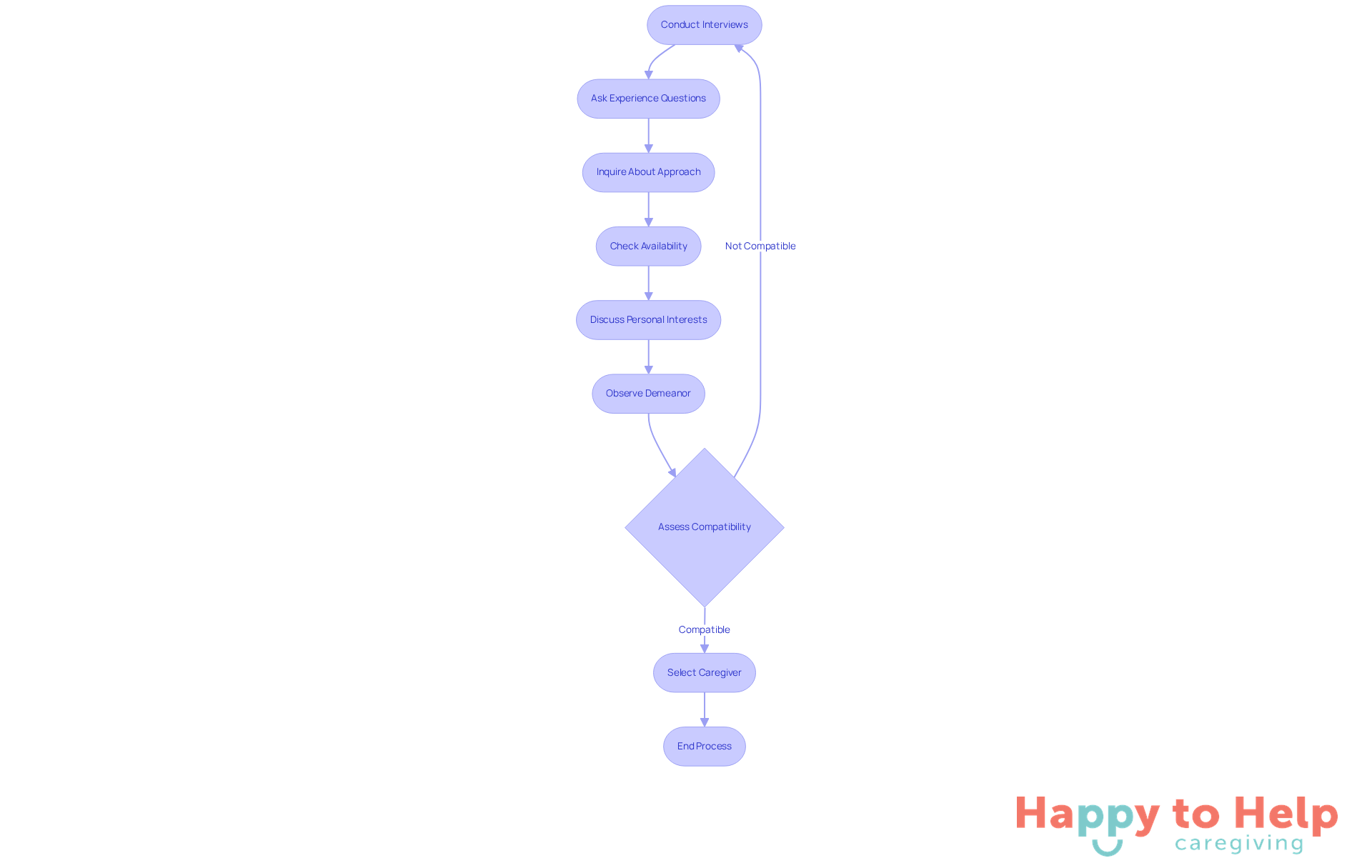
During the interview, consider asking questions that reveal the candidate's experience and approach. For instance:
- Experience: "Can you describe your previous caregiving experiences?"
- Approach: "How do you handle challenging situations or difficult behaviors?"
- Availability: "What is your availability, and are you flexible with scheduling?"
- Personal Interests: "What activities do you enjoy that you could share with my dear one?"
As you engage with the provider, pay attention to their demeanor and communication style. Effective communication, patience, and empathy are essential traits that contribute to compatibility in caregiving. Research indicates that caregivers who share common interests with seniors can significantly enhance the support experience, leading to improved emotional well-being and reduced feelings of loneliness.
Moreover, it’s vital for caregivers to create an environment where seniors feel comfortable sharing their thoughts without fear of judgment. This emotionally secure atmosphere promotes open communication, which is key to a successful caregiving relationship. By prioritizing these aspects during the interview process, you can better assess whether a provider will be a suitable match for your family member.
Explore Support Options and Technology Integration
Caregiving can be a challenging journey, especially as statistics reveal that 56% of adults over age 65 will need long-term care services, which is why many families seek a San Diego caregiver. This highlights the pressing need for effective strategies for a San Diego caregiver. San Diego caregivers often encounter challenges in managing daily tasks, coordinating care, and ensuring the safety and well-being of their loved ones.
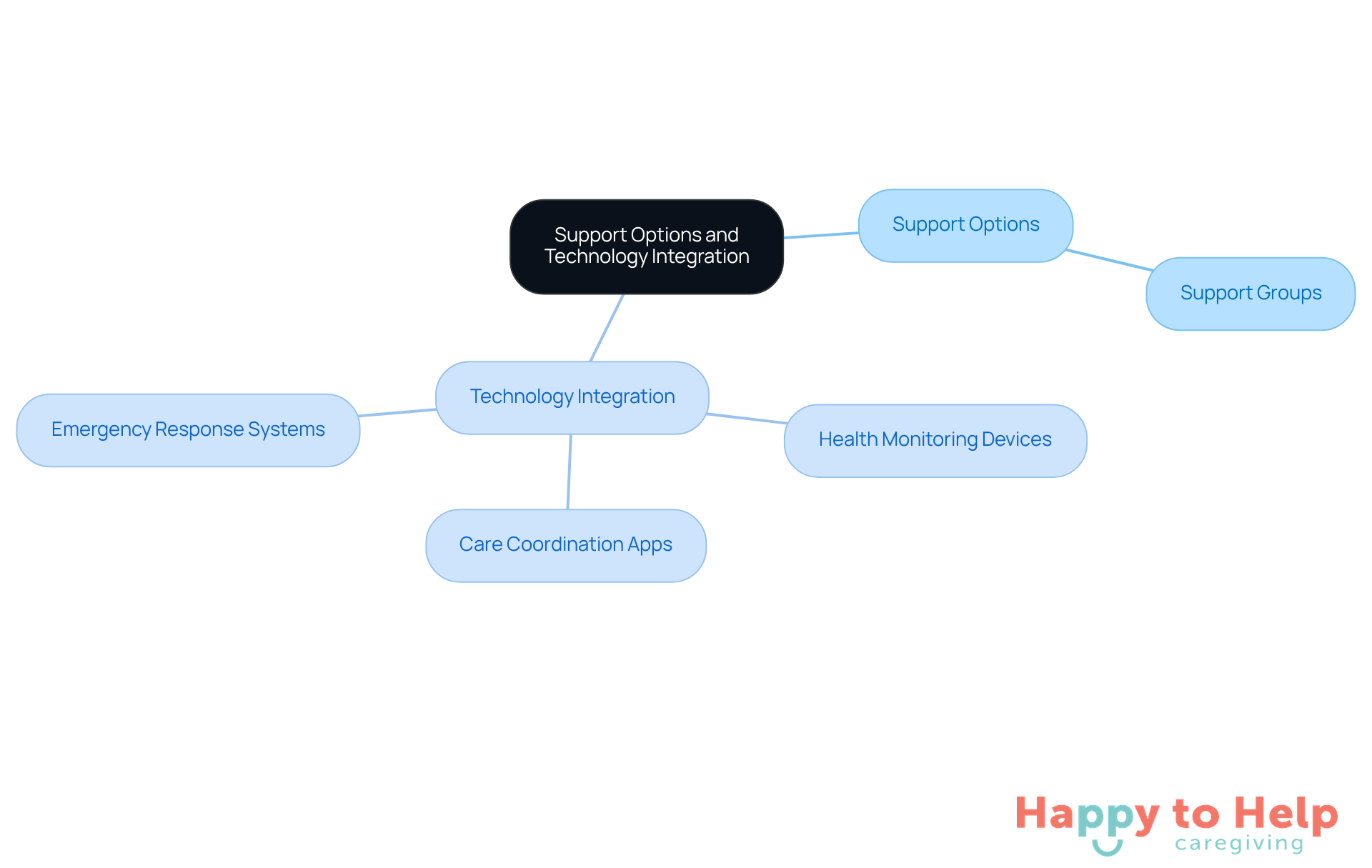
To address these challenges, consider integrating technology into your caregiving plan:
- Care Coordination Apps: These apps allow caregivers to log daily activities, medication schedules, and communicate with family members, streamlining the caregiving process.
- Emergency Response Systems: Implement systems that provide immediate assistance in emergencies, ensuring safety for your loved one.
- Health Monitoring Devices: Explore wearable devices that track health metrics, such as heart rate and activity levels, which can be shared with healthcare providers for better management.
- Support Groups: Encourage caregivers to join local or online support groups for additional resources and emotional assistance.
By leveraging technology and support systems, a San Diego caregiver can enhance their efficiency and improve the overall well-being of their loved ones.
Making the Right Choice
Choosing the right caregiver for a loved one in San Diego presents a significant challenge that can greatly affect their quality of life. Families often struggle with understanding specific care needs, evaluating qualifications, and ensuring compatibility with the caregiver. This decision is crucial, as it directly impacts the well-being of elderly relatives.
To address these challenges, families should start by identifying both the physical and emotional needs of their loved ones. Assessing caregiver qualifications, such as certifications and experience, is essential. Conducting thorough interviews can help gauge personal compatibility, ensuring a good fit. Additionally, integrating technology and exploring various support options can enhance the caregiving experience, making it more efficient and effective.
Ultimately, selecting a caregiver is not merely about finding someone to assist with daily tasks; it’s about fostering a relationship built on trust and understanding. By prioritizing these factors, families can ensure their loved ones receive the compassionate care they deserve. This thoughtful approach leads to improved well-being and a more fulfilling life. Taking the time to make informed choices today can create a lasting positive impact on the lives of both caregivers and those they care for.
https://iframe.tely.ai/cta/eyJhcnRpY2xlX2lkIjogIjY5MjdhNWQ5MDFkMWUzYmY0NmRiMjRjMSIsICJjb21wYW55X2lkIjogIjY4ZWU1ZGNhNzMxNzYyNTU3ZjNjOTVjMSIsICJpbmRleCI6IG51bGwsICJ0eXBlIjogImFydGljbGUifQ==Frequently Asked Questions
Why is it important to identify care needs and preferences for a loved one?
Identifying care needs and preferences is crucial for providing effective caregiving, as it helps ensure that the loved one's daily routines, medical needs, and personal preferences are understood and met, reducing stress for both the caregiver and the loved one.
What physical needs should be assessed for effective caregiving?
Physical needs to assess include mobility issues, medication management, and assistance with daily activities such as bathing and dressing, which are essential for ensuring the loved one's safety and comfort.
How can emotional needs impact caregiving?
Emotional needs, such as companionship and support with social activities, are important to address; neglecting these can lead to feelings of isolation and depression for the loved one.
What factors should be considered regarding the caregiver's compatibility with the loved one?
Factors to consider include the gender of the helper, personality characteristics, and cultural background, which are vital for ensuring compatibility and comfort in the caregiving relationship.
How can involving the loved one in discussions about care needs be beneficial?
Engaging the loved one in discussions about their care needs provides valuable insights and helps them feel involved in the decision-making process, contributing to a supportive environment that enhances their quality of life.
List of Sources
- Identify Care Needs and Preferences
- Families Prefer In-Home Care To Senior Living – Yet Struggle To Identify Needed Support (https://homehealthcarenews.com/2025/11/families-prefer-in-home-care-to-senior-living-yet-struggle-to-identify-needed-support)
- Bridging the Gap in Elderly Care: The Case for Comprehensive In-Home Assessment (https://reachmd.com/news/bridging-the-gap-in-elderly-care-the-case-for-comprehensive-in-home-assessment/2474101)
- Empowering Older Adults: The Importance of Involvement in Their Own Care - NursePartners, Inc (https://nursepartners.org/empowering-older-adults-the-importance-of-involvement-in-their-own-care)
- How to Involve Seniors in Their Own Care Decisions (https://hbrhc.com/blog/how-to-involve-seniors-in-care-decisions)
- Warning From Older Adults: Care for Aging in America Needs Urgent Rethinking (https://johnahartford.org/newsroom/view/warning-from-older-adults-care-for-aging-in-america-needs-urgent-rethinking)
- Evaluate Caregiver Qualifications and Experience
- Things you Should Know Before Hiring an In-Home Caregiver | Walfinch (https://walfinch.com/news/things-you-should-know-before-hiring-an-in-home-caregiver)
- Trusted Senior Care in Richmond - Assisting Hands (https://assistinghandsrichmond.com/the-importance-of-caregiver-certification-in-home-care-2024)
- The Future of Home Healthcare: Why HHAs and CNAs Are More Vital Than Ever (https://fordhaminstitute.com/the-future-of-home-healthcare-why-hhas-and-cnas-are-more-vital-than-ever)
- Finding the Right Senior Caregiver: What to Look For - With A Little Help (https://withalittlehelp.com/finding-right-senior-caregiver)
- Caregiver Statistics: Demographics (https://caregiver.org/resource/caregiver-statistics-demographics)
- Conduct Interviews and Assess Compatibility
- Choosing the Right Senior Caregiver in San Antonio, TX (https://fox40.com/business/press-releases/ein-presswire/866933575/choosing-the-right-senior-caregiver-in-san-antonio-tx)
- The Importance of Caregiver-Client Relationships in Senior Well-Being (https://homeinstead.com/home-care/usa/in/goshen/588/news-and-media/the-importance-of-caregiver-client-relationships-in-senior-well-being)
- Why ‘The Best’ Caregiver Might Not Be the Right Fit for Your Loved One (https://homewatchcaregivers.com/woodbridge/about-us/blog/why-the-best-caregiver-might-not-be-the-right-fi)
- Caregiver Compatibility is Key – Generations Magazine (https://generations808.com/caregiver-compatibility-is-key)
- Number of Family Caregivers Supporting Older Adults Increased Nearly One-Third Between 2011 and 2022 | Johns Hopkins Bloomberg School of Public Health (https://publichealth.jhu.edu/2025/number-of-family-caregivers-supporting-older-adults-increased-nearly-one-third-between-2011-and-2022)
- Explore Support Options and Technology Integration
- 10 Essential Senior Apps for Family Caregivers' Peace of Mind - Happy To Help (https://happytohelpcaregiving.com/10-essential-senior-apps-for-family-caregivers-peace-of-mind)
- Technology and interventions are changing care for older adults (https://fastcompany.com/91414509/technology-and-interventions-are-changing-care-for-older-adults)
- 6 Tech Tools Transforming Caregiving for Aging Loved Ones (https://ltcnews.com/articles/tech-tools-transforming-caregiving-aging-loved-ones)
- How Caregiver Apps Are Shaping Home Care | ShiftCare (https://shiftcare.com/us/blog/the-future-of-caregiver-apps)
- CAN Tech (https://caregiveraction.org/can-tech)