

For families in our service areas
For families in our service areas, this guide explains dementia care and how non-medical in-home caregiving can support care planning in East Idaho, Treasure Valley & Magic Valley, Northern Wasatch, North Central West Virginia, and Northeast Ohio.
Understanding Cope with a Parent with Dementia: 5
Dementia is a complex and often heart-wrenching condition that reshapes not just the individual but also the very fabric of family relationships. Caregivers face emotional and practical challenges as they support a parent experiencing cognitive decline. Understanding the nuances of this journey is crucial.
This article explores essential strategies that empower caregivers. We’ll offer insights into effective communication, meaningful engagement, and self-care practices. How can families navigate this difficult terrain while also caring for their own well-being and fostering a supportive environment for their loved ones?
Together, we can find ways to ease the burden and create a nurturing space for both caregivers and those they care for.
Understand Dementia and Its Impact
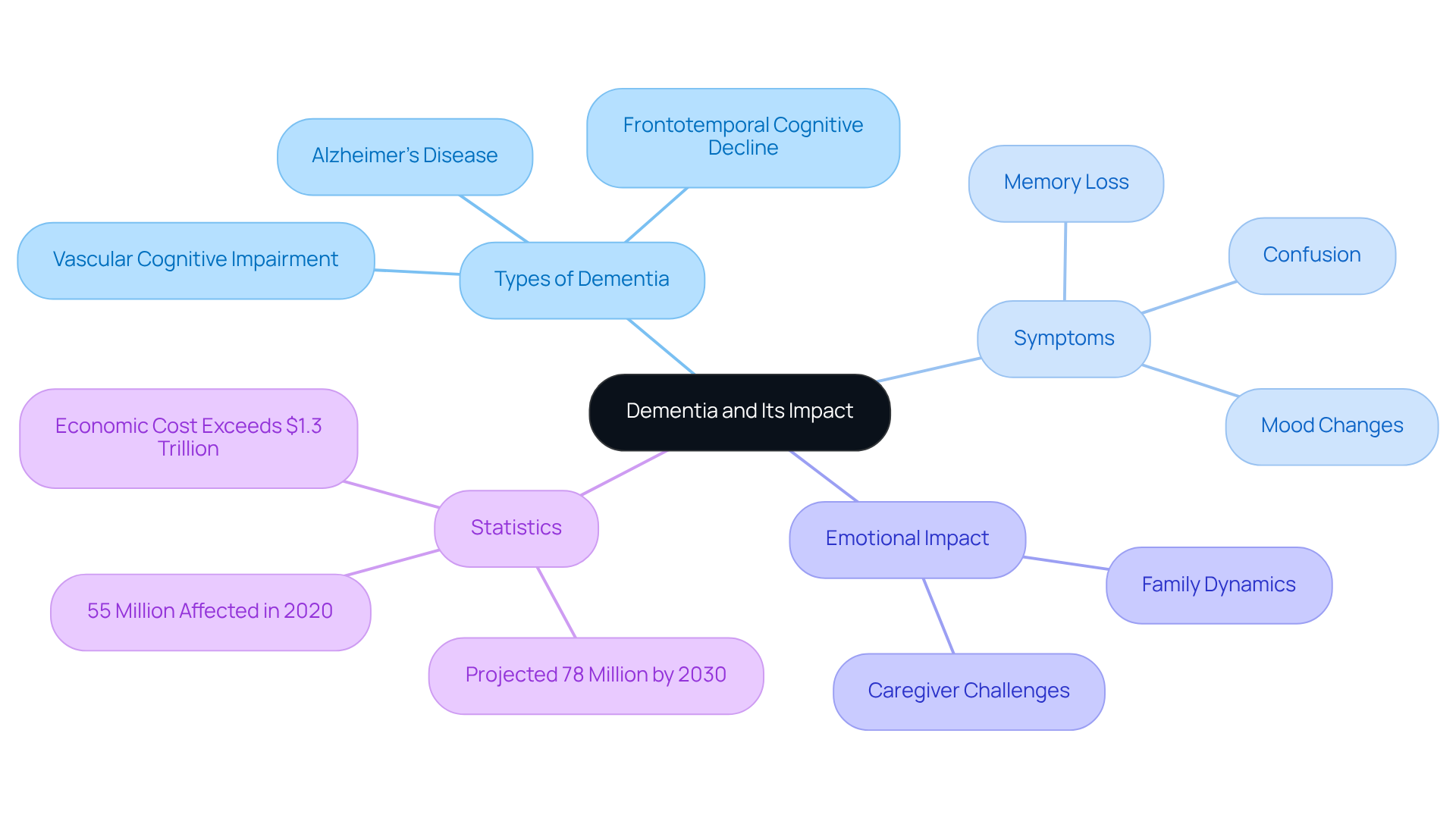
Dementia brings a range of cognitive challenges that deeply impact memory, thinking, and social abilities. It’s important to understand the specific type of cognitive decline your parent may be experiencing - like Alzheimer’s disease, which accounts for 60-70% of cases, or vascular cognitive impairment. Each type comes with its own set of challenges and symptoms. Common signs include memory loss, confusion, and noticeable changes in mood or behavior. For instance, individuals with frontotemporal cognitive decline might show early signs such as a loss of empathy or changes in humor, while those with mild cognitive impairment may struggle with managing finances or keeping appointments.
Recognizing these symptoms is vital for responding with compassion and understanding. The emotional toll of cognitive decline extends beyond the individual, affecting family dynamics and relationships. As families navigate the complexities of caregiving, they often grapple with feelings of grief, anxiety, and frustration, particularly regarding how to cope with a parent with dementia. Statistics reveal that nearly one in three people with dementia who didn’t have a spouse or child at the start were living in nursing homes by their eighth year after diagnosis. This underscores the importance of family involvement in care decisions. A study indicates that family support significantly influences the choice to move to a nursing home, highlighting the crucial role caregivers play in this journey.
By nurturing empathy and patience, caregivers can better understand how to cope with a parent with dementia, fostering a more supportive environment that acknowledges the emotional challenges faced by both the individual and their loved ones. Moreover, with over 55 million people affected by cognitive decline in 2020, and projections suggesting this number will rise to 78 million by 2030 and 139 million by 2050, the urgency of understanding and addressing these issues becomes even clearer. As Dr. Tim Rittman, a Neurology Consultant at the Addenbrookes Memory Clinic, emphasizes, early identification and intervention are key to managing cognitive decline effectively.
Communicate Effectively with Your Parent
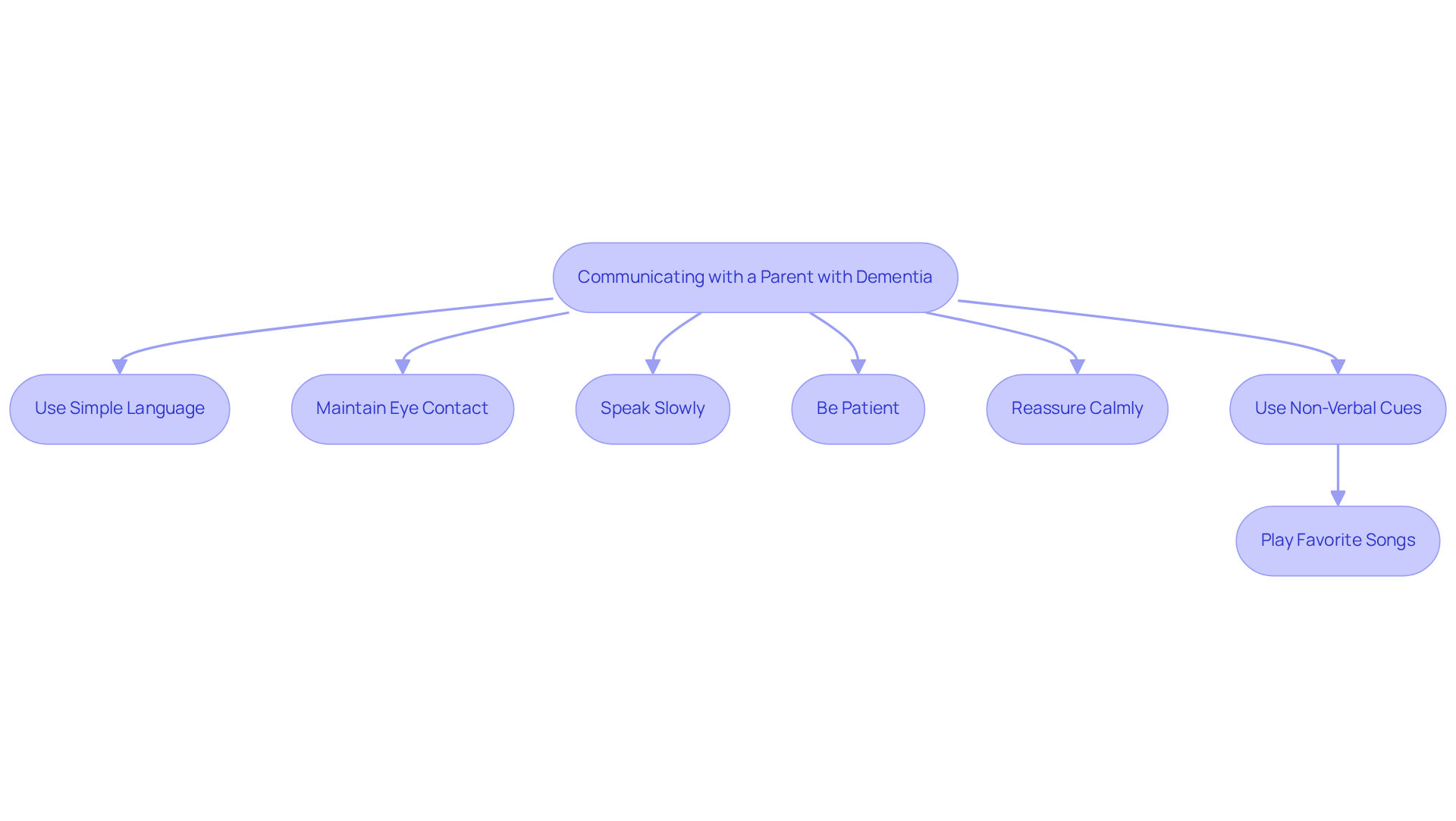
Communicating effectively with a parent experiencing cognitive decline can be challenging, so learning how to cope with a parent with dementia through a thoughtful approach makes a world of difference. Start by using simple language and short sentences; this helps them understand better. Maintain eye contact and speak slowly, giving them the time they need to process and respond. Remember, patience is key. If confusion or distress arises, calmly reassure them and gently steer the conversation towards familiar topics.
Non-verbal cues, like gestures and facial expressions, are incredibly important in facilitating communication. For example, playing their favorite songs can evoke cherished memories and positive emotions, creating a deeper connection. Research from the study 'Finding the Communication Sweet Spot' highlights how adapting our communication styles can enhance the personhood of family members living with dementia.
Always engage with empathy and understanding. Acknowledge that their perception of reality may differ from yours. As Amanda Cooper wisely suggests, adjusting your communication based on their current capabilities is vital. This approach not only supports their dignity but also teaches you how to cope with a parent with dementia, thereby strengthening your relationship during these challenging times. You’re not alone in this journey; many caregivers share similar experiences, and together, we can navigate these waters with compassion and care.
Engage in Meaningful Activities Together
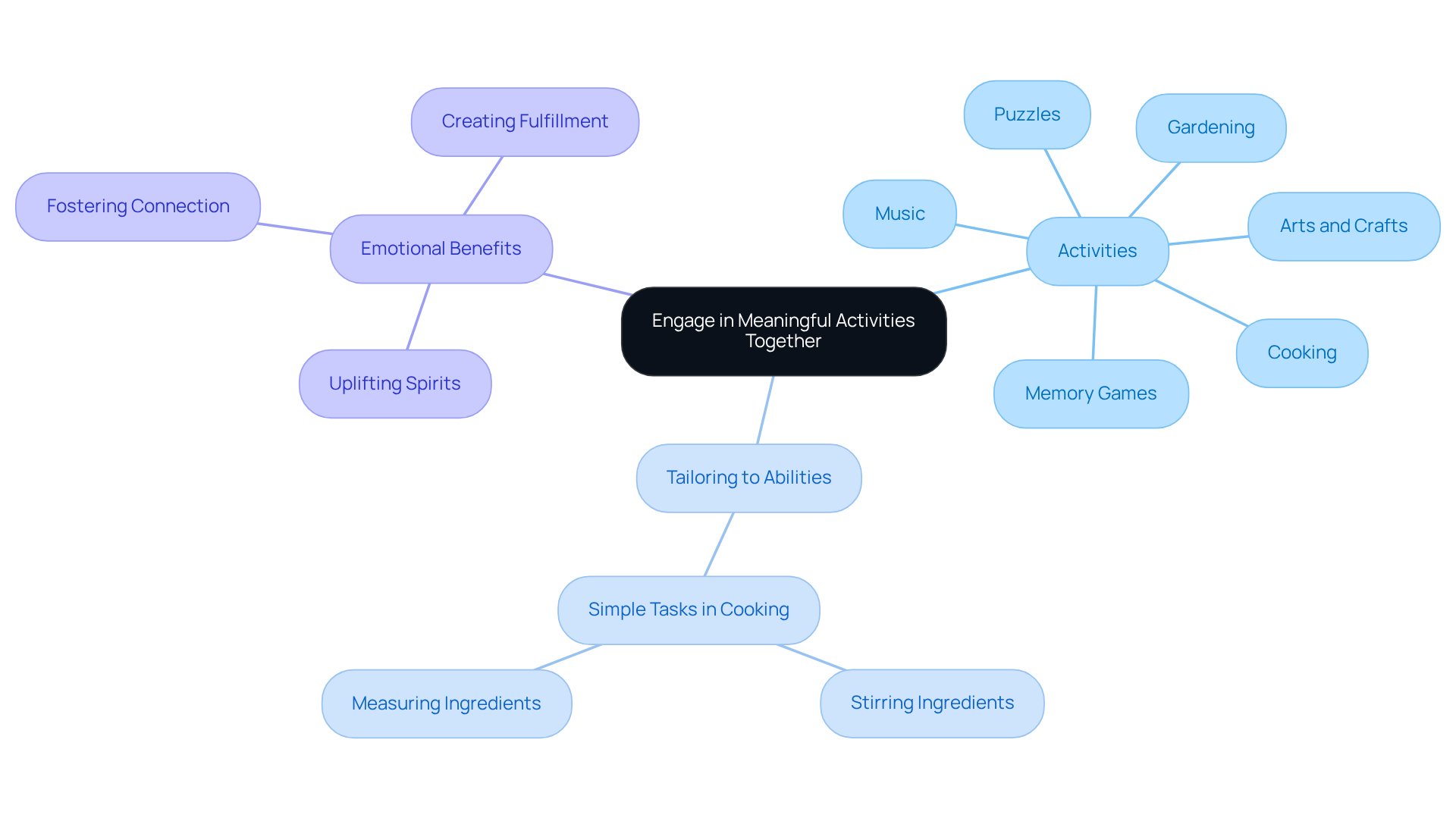
Engaging in meaningful activities can truly uplift your parent's spirits and stimulate their mind. Think about the things they loved before their diagnosis - gardening, cooking, or perhaps arts and crafts. Even simple puzzles, memory games, or listening to their favorite music can work wonders.
It's important to tailor these activities to their current abilities. For example, if cooking was a passion, involve them in simple tasks like stirring or measuring ingredients. This not only keeps them engaged but also fosters a sense of accomplishment.
Regularly participating in these activities can create a beautiful bond between you, making your time together more enjoyable and fulfilling. Remember, it’s these moments of connection that truly matter.
Prioritize Your Emotional and Physical Well-Being
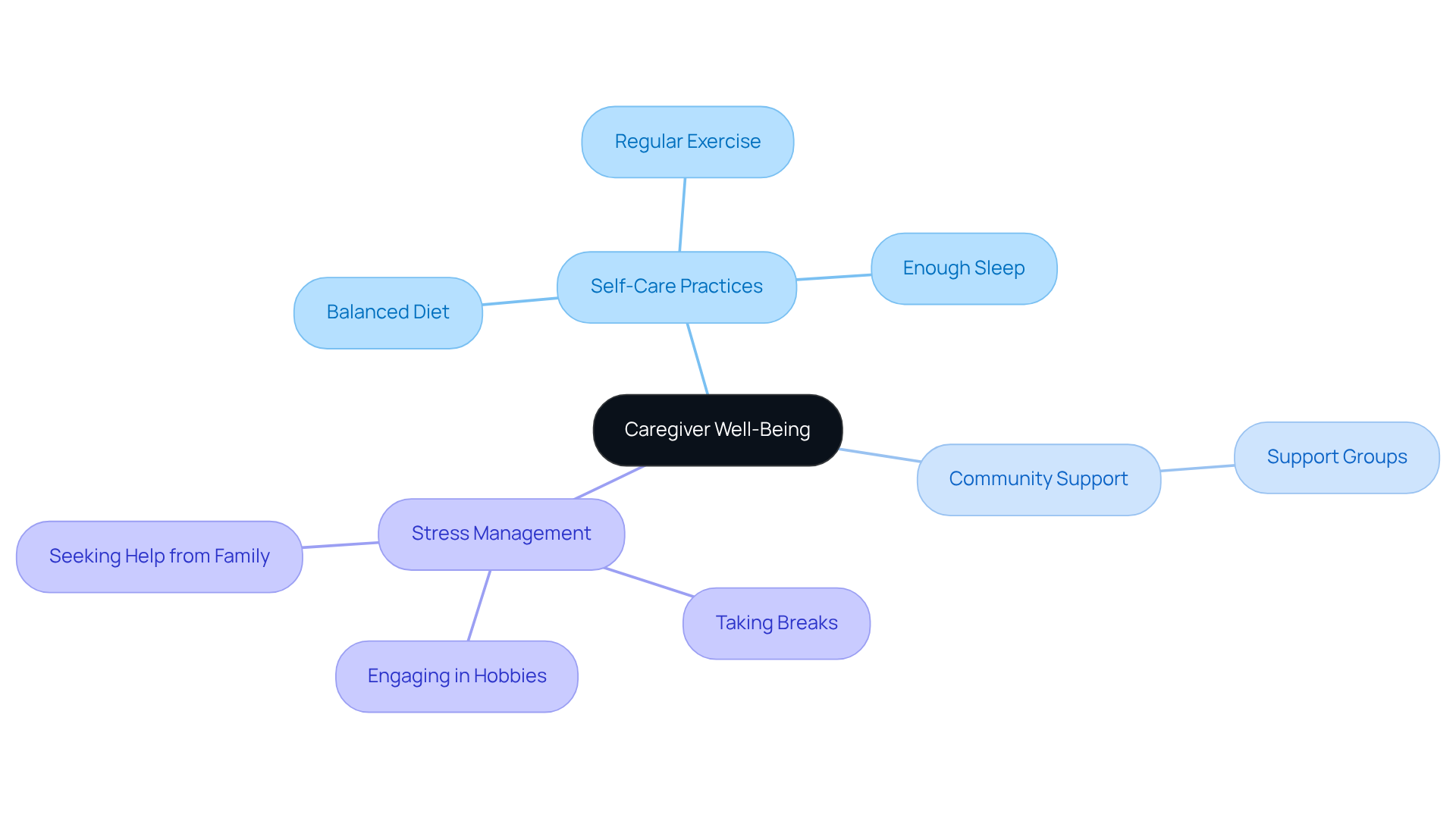
As a caregiver, understanding how to cope with a parent with dementia is essential for maintaining your own emotional and physical well-being. Establishing a routine that includes:
- Regular exercise
- A balanced diet
- Enough sleep
can make a world of difference. Research shows that those who practice self-care experience lower stress levels and improved overall well-being. In fact, 39% of caregivers report they seldom or never feel relaxed, highlighting the critical need for breaks.
Consider joining a support group for caregivers. It can be incredibly beneficial to share experiences and coping strategies on how to cope with a parent with dementia. Studies reveal that 40% of caregivers experience increased emotional stress due to their responsibilities, which underscores the value of community support. Taking breaks is essential; don’t hesitate to ask family members for help or look into respite support services.
Engaging in hobbies or activities you love can also provide a much-needed outlet for stress. Remember, taking care of yourself isn’t selfish; it enables you to offer better support to your loved ones. As Charlotte Yeh, chief medical officer for AARP, wisely states, "Family supporters must learn to prioritize their own well-being first and foremost." You deserve that care, too.
Seek Professional Support and Resources
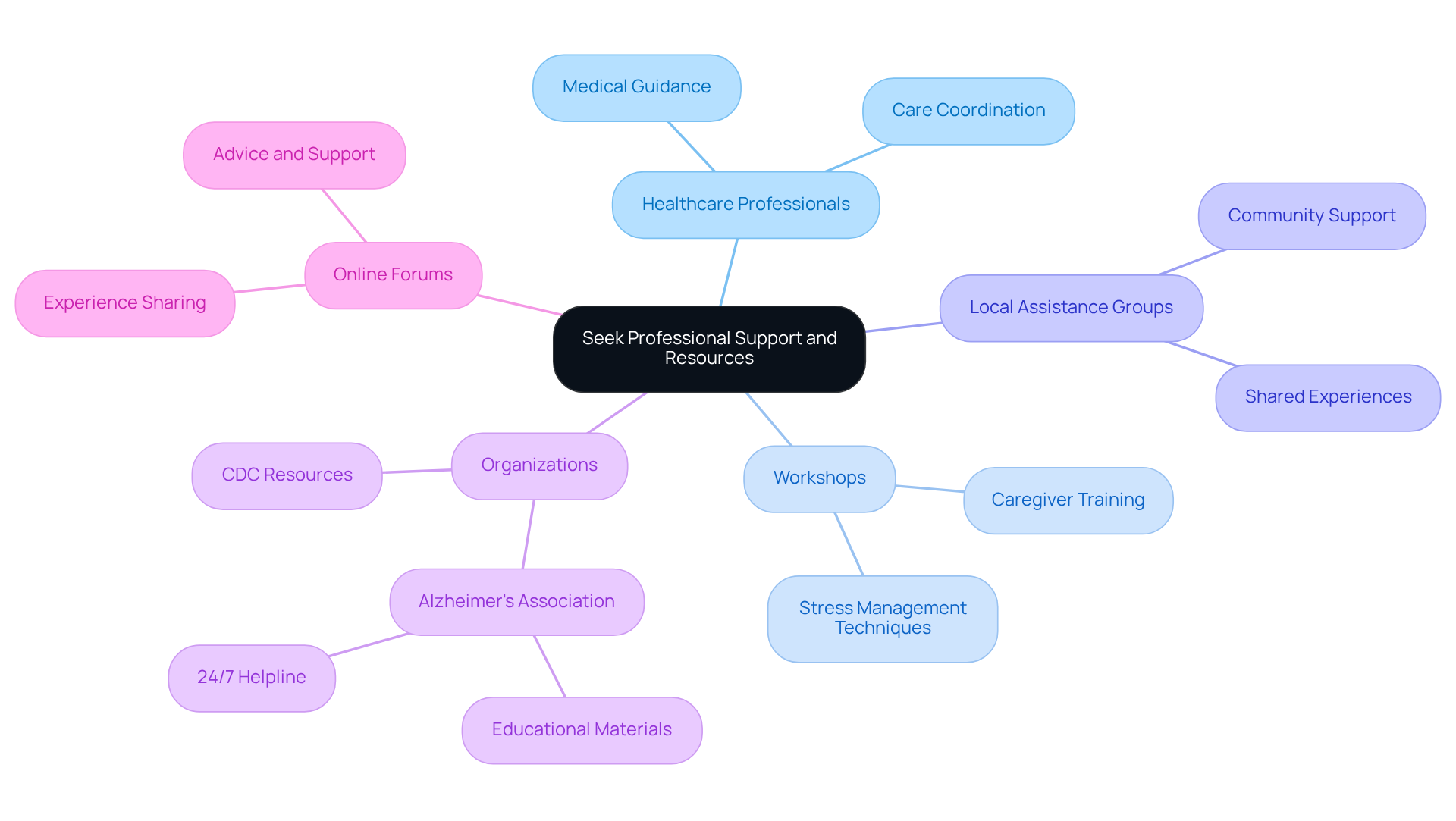
Don’t hesitate to seek professional assistance. It’s completely understandable to feel overwhelmed when trying to understand how to cope with a parent with dementia. Consulting with healthcare professionals can provide you with the medical guidance you need. Attending workshops designed for those who assist others can also be incredibly beneficial. Plus, local assistance groups can offer a sense of community and support.
Organizations like the Alzheimer's Association are here to help, offering valuable resources, including educational materials and community support. Online forums can serve as a comforting space for sharing experiences and advice with fellow caregivers.
Utilizing these resources can help you feel less isolated. Remember, you’re not alone in this journey. With the right support, you can gain insight on how to cope with a parent with dementia and navigate the challenges of caregiving with greater confidence and resilience.
Making the Right Choice
Caring for a parent with dementia is a journey filled with emotional challenges. It’s not just about managing symptoms; it’s about navigating the feelings of stress and burnout that often accompany this role. Recognizing these challenges is the first step toward finding the support you need.
Effective communication is crucial. Tailoring your approach to your parent’s abilities can make a world of difference. Engaging in activities that resonate with their interests not only brings joy but also strengthens your bond. Remember, as a caregiver, your well-being is just as important. Prioritizing self-care isn’t selfish; it’s essential for sustaining your ability to provide care.
Seeking professional support can feel daunting, but it’s a sign of strength. You’re not alone in this journey. Many caregivers have walked this path and found solace in community resources and professional guidance. Embracing these strategies can transform your caregiving experience into one that is fulfilling and hopeful.
Ultimately, addressing the challenges of caring for a parent with dementia enhances the quality of life for both of you. It’s about fostering resilience and hope in the face of adversity. Remember, reaching out for help is a courageous step toward a more compassionate and understanding caregiving journey. You are not alone, and together, we can navigate this path with love and support.
https://iframe.tely.ai/cta/eyJhcnRpY2xlX2lkIjogIjY5MTY5OGUwNTA5Y2JiNmRmMDI4ZDA4ZSIsICJjb21wYW55X2lkIjogIjY4ZWU1ZGNhNzMxNzYyNTU3ZjNjOTVjMSIsICJpbmRleCI6IG51bGwsICJ0eXBlIjogImFydGljbGUifQ==Frequently Asked Questions
What is dementia and how does it impact individuals?
Dementia is a condition that brings a range of cognitive challenges affecting memory, thinking, and social abilities. It can manifest in various types, such as Alzheimer's disease and vascular cognitive impairment, each with specific symptoms and challenges.
What are the common signs of dementia?
Common signs of dementia include memory loss, confusion, and noticeable changes in mood or behavior. For example, individuals with frontotemporal cognitive decline may experience a loss of empathy or changes in humor, while those with mild cognitive impairment might struggle with managing finances or keeping appointments.
How does dementia affect family dynamics and relationships?
The emotional toll of cognitive decline extends beyond the individual, impacting family dynamics and relationships. Families often face feelings of grief, anxiety, and frustration as they navigate the complexities of caregiving.
What is the significance of family involvement in dementia care?
Family involvement is crucial in care decisions, as statistics show that nearly one in three people with dementia who did not have a spouse or child at the start were living in nursing homes by their eighth year after diagnosis. Family support significantly influences the choice to move to a nursing home.
How can caregivers cope with a parent who has dementia?
Caregivers can cope by nurturing empathy and patience, which helps them understand the emotional challenges faced by both the individual and their loved ones. This supportive environment is essential for effective caregiving.
What are the statistics regarding cognitive decline?
Over 55 million people were affected by cognitive decline in 2020, with projections suggesting that this number will rise to 78 million by 2030 and 139 million by 2050.
What is the recommended approach for communicating with a parent experiencing cognitive decline?
Effective communication involves using simple language and short sentences, maintaining eye contact, and speaking slowly. It is important to be patient and reassure them if confusion arises.
How can non-verbal cues enhance communication with a parent with dementia?
Non-verbal cues, such as gestures and facial expressions, play a significant role in communication. Playing familiar songs can evoke positive emotions and memories, fostering a deeper connection.
Why is it important to adjust communication based on a parent's capabilities?
Adjusting communication based on a parent's current capabilities supports their dignity and enhances the relationship during challenging times. It acknowledges that their perception of reality may differ from yours.