How to Deal with a Dementia Parent: 4 Essential Caregiver Steps

For families in our service areas
For families in our service areas, this guide explains dementia care and how non-medical in-home caregiving can support care planning in East Idaho, Treasure Valley & Magic Valley, Northern Wasatch, North Central West Virginia & Southwestern Pennsylvania, and Northeast Ohio.
The Importance of Deal with a Dementia Parent: 4
Caring for a parent with dementia presents a significant challenge, often overwhelming caregivers with emotional and practical hurdles. Understanding the complexities of dementia is essential, as it shapes caregivers' approaches and profoundly affects the quality of life for both the caregiver and their loved one.
The emotional toll of this journey can be immense. Caregivers frequently find themselves grappling with feelings of frustration, sadness, and isolation. How can they effectively bridge the gap between their loved one’s evolving needs and their own emotional well-being?
This guide offers essential strategies to empower caregivers in managing the intricacies of dementia care. By focusing on communication, creating a supportive environment, and prioritizing self-care, caregivers can transform their experience and improve their loved one’s quality of life. Here are some actionable tips to consider:
- Enhance Communication: Use clear, simple language and non-verbal cues to connect with your loved one.
- Create a Supportive Environment: Adapt the living space to reduce confusion and promote safety.
- Prioritize Self-Care: Make time for personal well-being to sustain your ability to care for others.
By implementing these strategies, caregivers can navigate the complexities of dementia care more effectively, ensuring both their own well-being and that of their loved ones.
Understand Dementia: Key Concepts and Symptoms
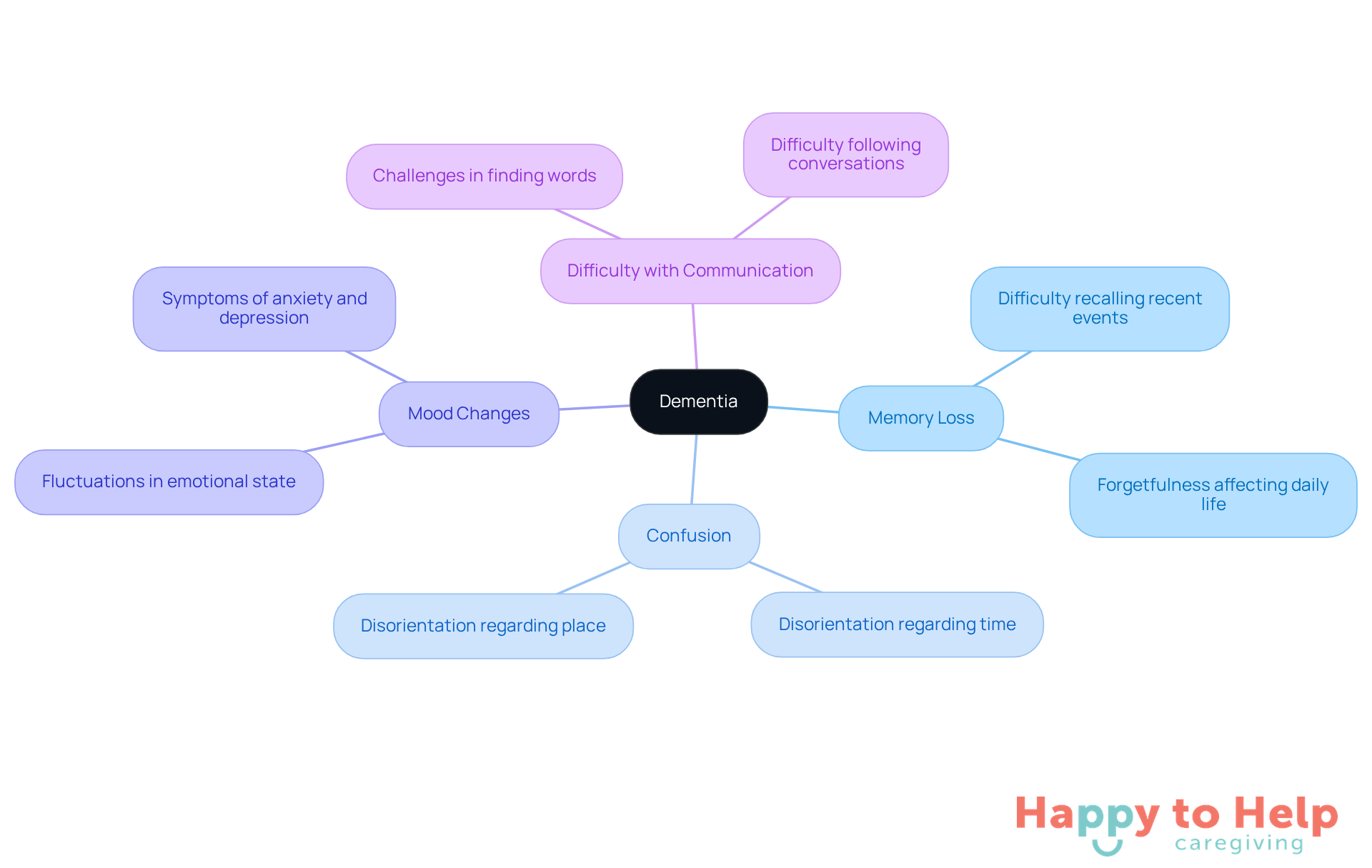
Dementia is an umbrella term for a range of neurological conditions that affect memory, thinking, and social abilities. This presents a significant challenge for caregivers who need to know how to deal with a dementia parent, as understanding the symptoms is crucial for providing effective support.
Key Symptoms Include:
- Memory Loss: Difficulty recalling recent events or conversations.
- Confusion: Disorientation regarding time and place.
- Mood Changes: Fluctuations in emotional state, including anxiety and depression.
- Difficulty with Communication: Challenges in finding words or following conversations.
Recognizing these symptoms early can assist caregivers in understanding how to deal with a dementia parent by adapting their approach and providing the necessary support. Familiarizing yourself with the specific type of dementia that your family member has is essential, as symptoms can vary significantly between Alzheimer's disease, vascular dementia, and others. By understanding these differences, caregivers can better learn how to deal with a dementia parent and tailor their strategies to meet the unique needs of their loved ones.
Communicate Effectively: Strategies for Caregivers
For caregivers, understanding how to deal with a dementia parent can make effective communication less challenging. This issue often leads to frustration and emotional distress for both parties, making it crucial to explore how to deal with a dementia parent in order to connect meaningfully.
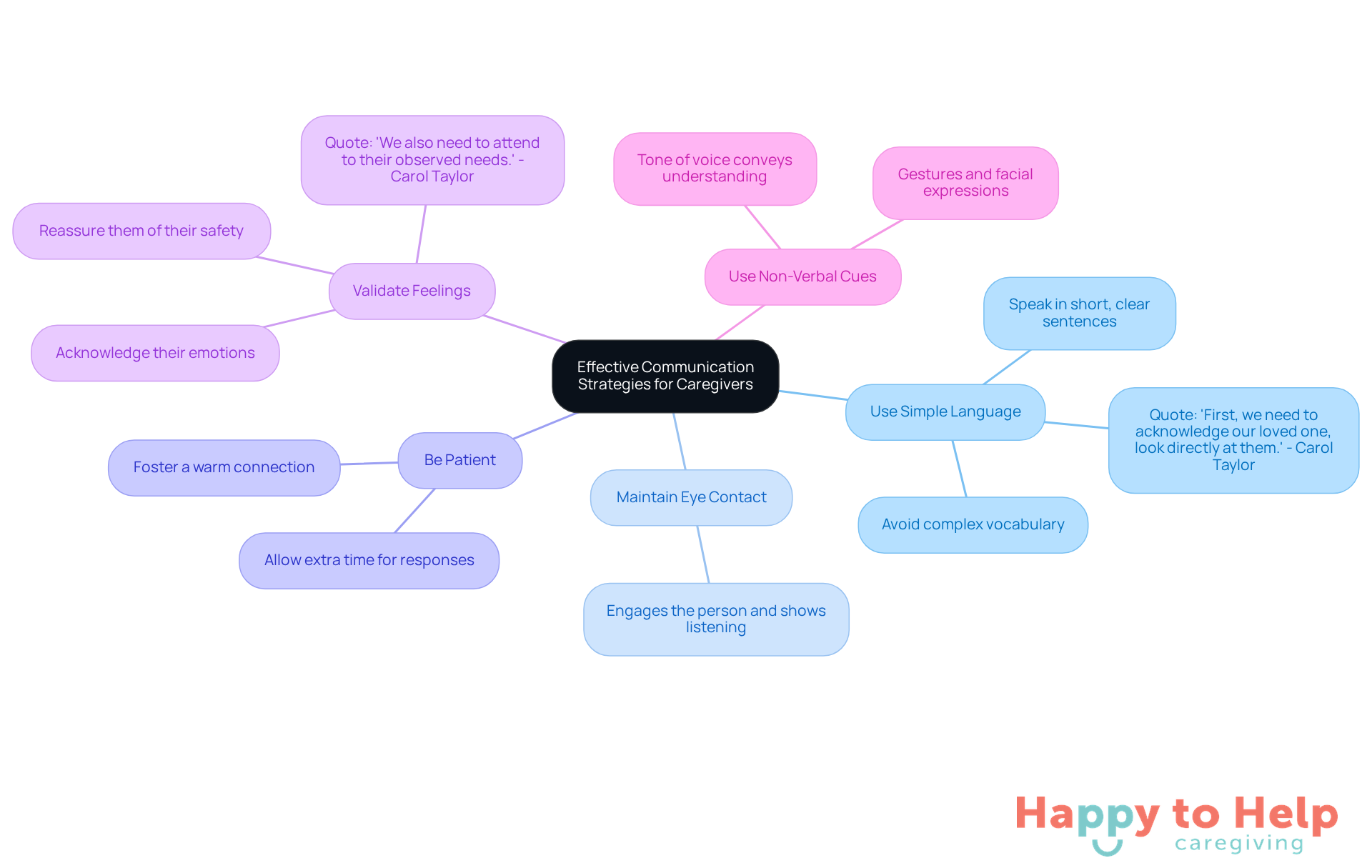
To address these challenges, consider the following strategies:
- Use Simple Language: Speak in short, clear sentences and avoid complex vocabulary. As Carol Taylor, a geriatric social worker, notes, "First, we need to acknowledge our loved one, look directly at them." This approach helps ensure clarity and understanding.
- Maintain Eye Contact: Engaging the person through eye contact shows that you are listening and reinforces the connection.
- Be Patient: Allow extra time for responses, as processing information may take longer. Research indicates that caregivers should understand how to deal with a dementia parent to foster a warm connection.
- Validate Feelings: Acknowledge their emotions, even if their perceptions are not accurate. For example, if they express fear, reassure them of their safety. As Taylor states, "We also need to attend to their observed needs."
- Use Non-Verbal Cues: Gestures, facial expressions, and tone of voice can convey understanding and support.
Implementing these techniques can foster a more positive interaction and help reduce anxiety for both parties. Real-life instances, such as caregivers using simple language and validating feelings, demonstrate the effectiveness of these strategies in enhancing communication and connection.
Establish Routines and a Safe Living Environment
Creating a safe and structured environment poses a significant challenge for caregivers who need to learn how to deal with a dementia parent. The unpredictability of daily life can lead to increased anxiety and confusion for those affected. Therefore, understanding how to deal with a dementia parent is essential for establishing a secure atmosphere that promotes their well-being.
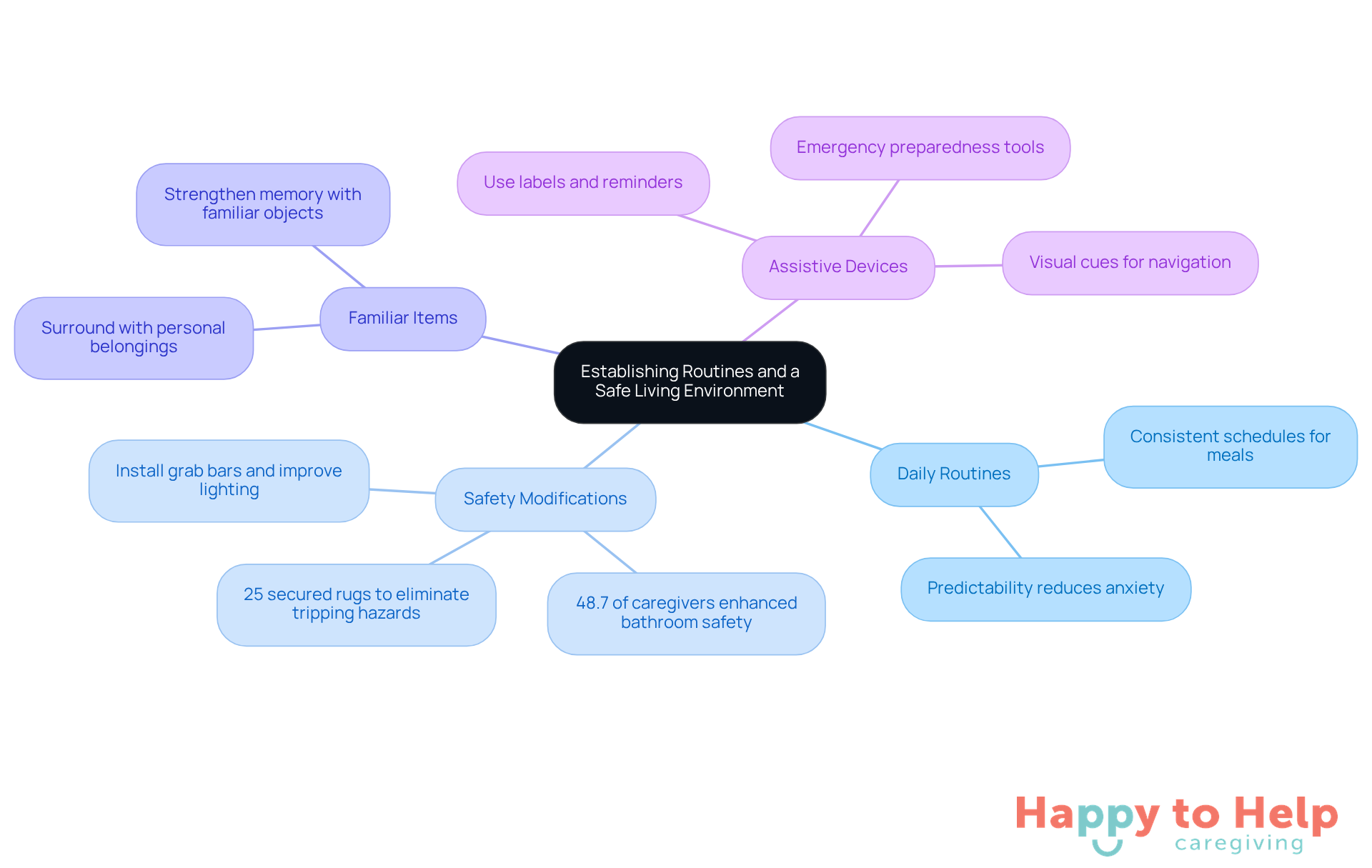
Daily Routines: Consistent schedules for meals, activities, and rest can greatly reduce anxiety. Predictability helps individuals feel more secure in their surroundings, making daily interactions smoother and more enjoyable.
Safety Modifications: Implementing safety modifications is crucial for preventing accidents. Statistics reveal that:
- 48.7% of caregivers have enhanced bathroom safety
- 25% have secured rugs to eliminate tripping hazards
Installing grab bars in bathrooms and ensuring adequate lighting throughout the home are effective measures that can significantly enhance safety. Additionally, using contrasting colors for grab bars and other safety features can improve visibility and reduce accidents.
Familiar Items: Surrounding loved ones with personal belongings and photographs can provide comfort and a sense of identity. Familiar items strengthen memory and create a calming environment, which is vital for mental well-being. Research indicates that personal items can significantly enhance the emotional state of individuals with dementia.
Assistive Devices: Utilizing labels, reminders, and other assistive tools can help family members navigate their environment more easily. Clear signage and visual cues assist individuals with dementia in locating essential areas in their home, promoting independence and reducing frustration. Emergency preparedness is also crucial; having important phone numbers and safety devices readily accessible can provide peace of mind.
Caregivers can significantly enhance their loved one's quality of life by learning how to deal with a dementia parent, fostering a safe and predictable environment that makes daily interactions more manageable and enjoyable.
Prioritize Caregiver Well-Being: Self-Care and Support
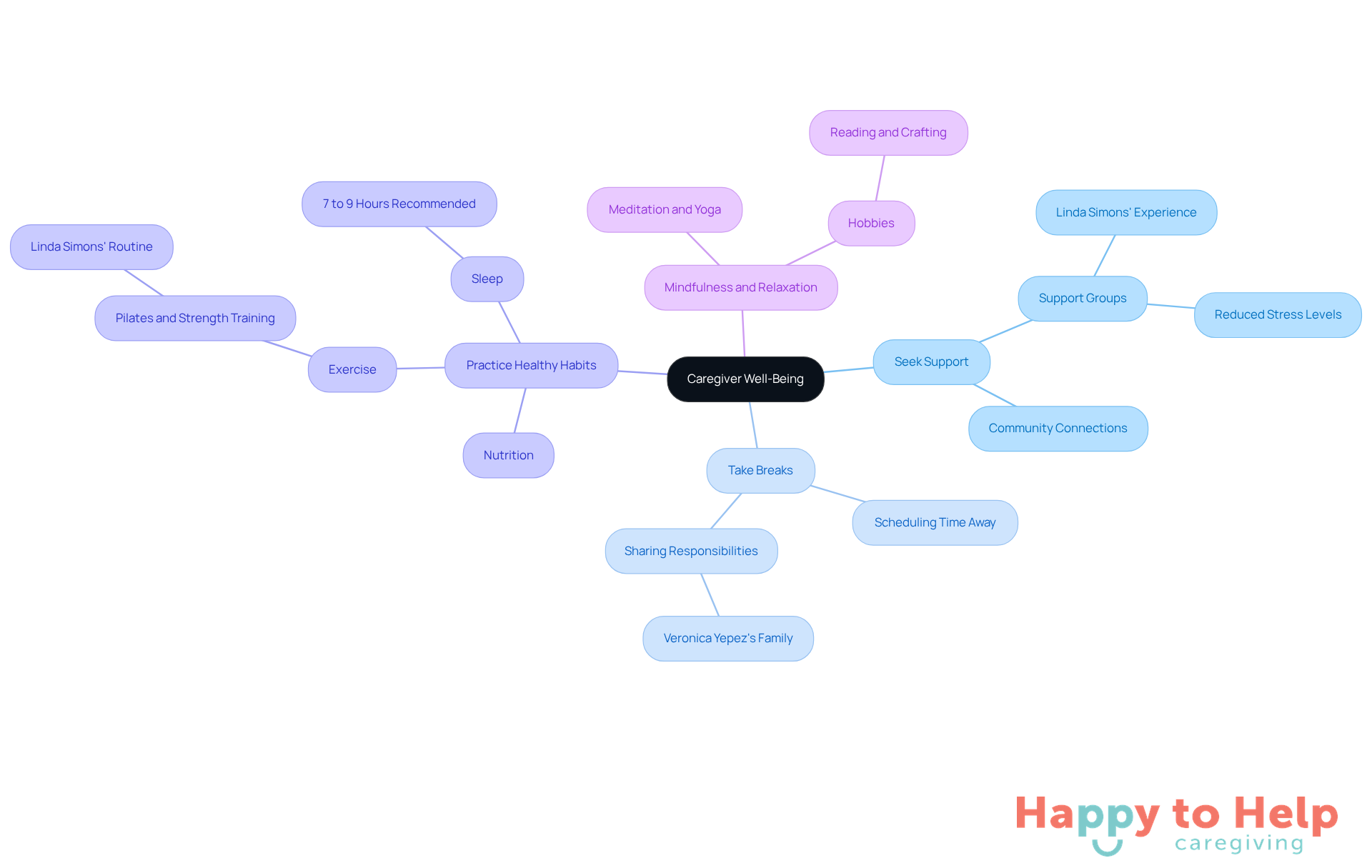
To maintain your well-being as a caregiver, it’s essential to address the challenges you face. Caregiving can lead to significant emotional and physical strain, often leaving you feeling isolated and overwhelmed. In fact, a recent AARP study found that 50% of caregivers experience heightened emotional stress due to their responsibilities. This highlights the urgent need for effective self-care strategies.
-
Seek Support: Engaging with caregiver support groups can provide invaluable emotional relief and connection. For instance, Linda Simons, who cares for her husband, finds comfort in these groups where shared experiences foster understanding and lessen feelings of isolation. Research shows that individuals involved in support networks report reduced stress levels and a greater sense of purpose.
-
Take Breaks: Regularly scheduling time away from caregiving duties is crucial for recharging. Caregivers often juggle overwhelming responsibilities, and taking breaks can significantly alleviate stress. Many caregivers, like Veronica Yepez, emphasize the importance of sharing caregiving tasks within their families, allowing for essential downtime.
-
Practice Healthy Habits: Prioritizing nutrition, exercise, and sleep is vital for maintaining physical health. Aim for 7 to 9 hours of sleep each night, as sleep deprivation can worsen stress and health issues. Engaging in physical activities, such as Pilates or strength training, can enhance overall well-being. It’s also important to note that family caregivers spend over $7,000 out of pocket each year on caregiving costs, which adds to their financial strain and stress.
-
Mindfulness and Relaxation: Incorporating mindfulness practices, such as meditation or yoga, can promote relaxation and mental clarity. Simple hobbies like reading or crafting can serve as effective stress relievers, allowing caregivers to escape the pressures of their responsibilities. November is National Family Caregivers Month, a timely reminder to acknowledge and support the essential role caregivers play.
Remember, taking care of yourself is not selfish; it enables you to provide better care for your loved one. Many caregivers, about 80 percent, report feeling a sense of purpose from their caregiving roles, underscoring that self-care is essential for sustaining the emotional and physical demands of caregiving.
Key Takeaways for Caregivers
Caring for a parent with dementia presents significant challenges that can be overwhelming for caregivers. The emotional toll, coupled with the complexities of the condition, can lead to feelings of frustration and helplessness. Understanding these challenges is crucial for caregivers to navigate this journey effectively.
To address these issues, caregivers can implement several key strategies:
- Recognizing the symptoms of dementia is essential, as it allows caregivers to tailor their approaches to meet the unique needs of their loved ones.
- Effective communication techniques, such as using simple language and validating feelings, can greatly enhance interactions and minimize frustration.
- Establishing routines and ensuring a safe living environment are also vital, promoting stability and comfort for individuals with dementia.
Moreover, caregivers must prioritize their own well-being. Engaging in self-care practices and building support networks can help sustain the emotional and physical demands of caregiving. By taking care of themselves, caregivers can better support their loved ones.
Ultimately, the journey of caring for a parent with dementia is both challenging and rewarding. By implementing these strategies and remaining attuned to the needs of both the individual with dementia and themselves, caregivers can create a supportive atmosphere that enhances the quality of life for everyone involved. Embracing these practices not only aids in managing the complexities of dementia but also strengthens the bond between caregivers and their loved ones, underscoring the profound impact of compassion and understanding in caregiving.
https://iframe.tely.ai/cta/eyJhcnRpY2xlX2lkIjogIjY5MjRmMWFjZWM0Y2FiOGU3NGVjMDA5NCIsICJjb21wYW55X2lkIjogIjY4ZWU1ZGNhNzMxNzYyNTU3ZjNjOTVjMSIsICJpbmRleCI6IG51bGwsICJ0eXBlIjogImFydGljbGUifQ==Frequently Asked Questions
What is dementia?
Dementia is an umbrella term for a range of neurological conditions that affect memory, thinking, and social abilities.
What are the key symptoms of dementia?
Key symptoms of dementia include memory loss, confusion, mood changes, and difficulty with communication.
How does memory loss manifest in dementia?
Memory loss in dementia often involves difficulty recalling recent events or conversations.
What does confusion look like in individuals with dementia?
Confusion may present as disorientation regarding time and place.
How can mood changes affect a person with dementia?
Individuals with dementia may experience fluctuations in their emotional state, including anxiety and depression.
What communication difficulties might someone with dementia face?
People with dementia may struggle to find words or follow conversations, leading to challenges in communication.
Why is it important for caregivers to recognize symptoms of dementia early?
Recognizing symptoms early can help caregivers adapt their approach and provide necessary support to their loved ones.
Why should caregivers familiarize themselves with the specific type of dementia?
Familiarizing themselves with the specific type of dementia is essential because symptoms can vary significantly between conditions like Alzheimer's disease and vascular dementia, allowing caregivers to tailor their strategies accordingly.
List of Sources
- Understand Dementia: Key Concepts and Symptoms
- Dementia research news (https://alzheimers.org.uk/research/our-research/dementia-research-news)
- ADI - Dementia statistics (https://alzint.org/about/dementia-facts-figures/dementia-statistics)
- Dementia Often Misdiagnosed As Normal Aging For 3.5 Years, New Study Finds (https://healthcare.msu.edu/news/2025-08-13-Dementia-Often-Misdiagnosed-As-Normal-Aging-For-Over-3-Years-New-Study-Finds.html)
- Alzheimer’s & Dementia News Roundup (October 2025) - Alzheimer's Orange County (https://alzoc.org/alzheimers-dementia-news-roundup-october-2025)
- Alzheimer's Research Advances at AAIC 2025 | alz.org (https://aaic.alz.org/releases-2025/highlights-aaic-2025.asp)
- Communicate Effectively: Strategies for Caregivers
- What is good communication for people living with dementia? A mixed-methods systematic review (https://sciencedirect.com/science/article/pii/S1041610224011153)
- Clearer Conversations, Better Care: New Guide Highlights Best Practices for Communicating with Older Adults (https://geron.org/News-Events/GSA-News/Press-Room/Press-Releases/clearer-conversations-better-care-new-guide-highlights-best-practices-for-communicating-with-older-adults)
- Effective Communication With Loved Ones With Dementia Premieres on UW-Led YouTube Program (https://uwyo.edu/news/2025/02/effective-communication-with-loved-ones-with-dementia-premieres-on-uw-led-youtube-program.html)
- Establish Routines and a Safe Living Environment
- (https://belleviecare.co.uk/support-advice/dementia-quotes-to-lift-your-spirits)
- Alzheimer's Caregiving: Home Safety Tips (https://nia.nih.gov/health/safety/alzheimers-caregiving-home-safety-tips)
- How To Create A Dementia-Friendly Environment: Guide For Caregivers - NCCDP (https://nccdp.org/how-to-create-a-dementia-friendly-environment-guide-for-caregivers)
- The Importance of a Daily Routine for Dementia Patients | Where You Live Matters (https://whereyoulivematters.org/resources/importance-of-routines-for-dementia)
- A Descriptive Study of Home Modifications for People with Dementia and Barriers to Implementation - PMC (https://pmc.ncbi.nlm.nih.gov/articles/PMC3167170)
- Prioritize Caregiver Well-Being: Self-Care and Support
- What to expect when you become a caregiver– and how to cope with the challenges (https://heart.org/en/news/2025/11/20/what-to-expect-when-you-become-a-caregiver-and-how-to-cope-with-the-challenges)
- Facebook (https://newsroom.clevelandclinic.org/2025/11/19/importance-of-self-care-for-family-caregivers)
- More Than 60% Say Caregiving Increased Their Level of Stress, AARP Report Finds (https://aarp.org/caregiving/medical/report-caregiver-mental-health)
- Self-Care for Caregivers - Charter Research (https://charterresearch.com/news/self-care-for-caregivers)
- Location, individual circumstances impact caregiver well-being, researchers find | Penn State University (https://psu.edu/news/research/story/location-individual-circumstances-impact-caregiver-well-being-researchers-find)