Understanding Deal with a Family Member with
Caring for a family member with dementia presents unique challenges that can profoundly affect both the individual and their loved ones. Understanding the specific type of cognitive decline is crucial, as it shapes the caregiver's approach and the emotional landscape of the family.
The emotional toll on caregivers can be significant, leading to stress and burnout. This situation not only impacts the caregiver's well-being but also affects the quality of care provided to the individual with dementia.
To navigate these complexities, caregivers can implement essential strategies:
- Effective communication is key; using simple language and maintaining eye contact can foster understanding.
- Creating a supportive living environment, filled with familiar objects and routines, can also help ease anxiety for both the caregiver and the individual.
- Prioritizing self-care is vital. Caregivers should take time for themselves, whether through regular breaks, engaging in hobbies, or seeking support from others.
How can caregivers ensure their own well-being while providing the best care for their loved ones? By adopting these strategies, they can create a balanced approach that benefits everyone involved.
Understand Dementia and Its Impact
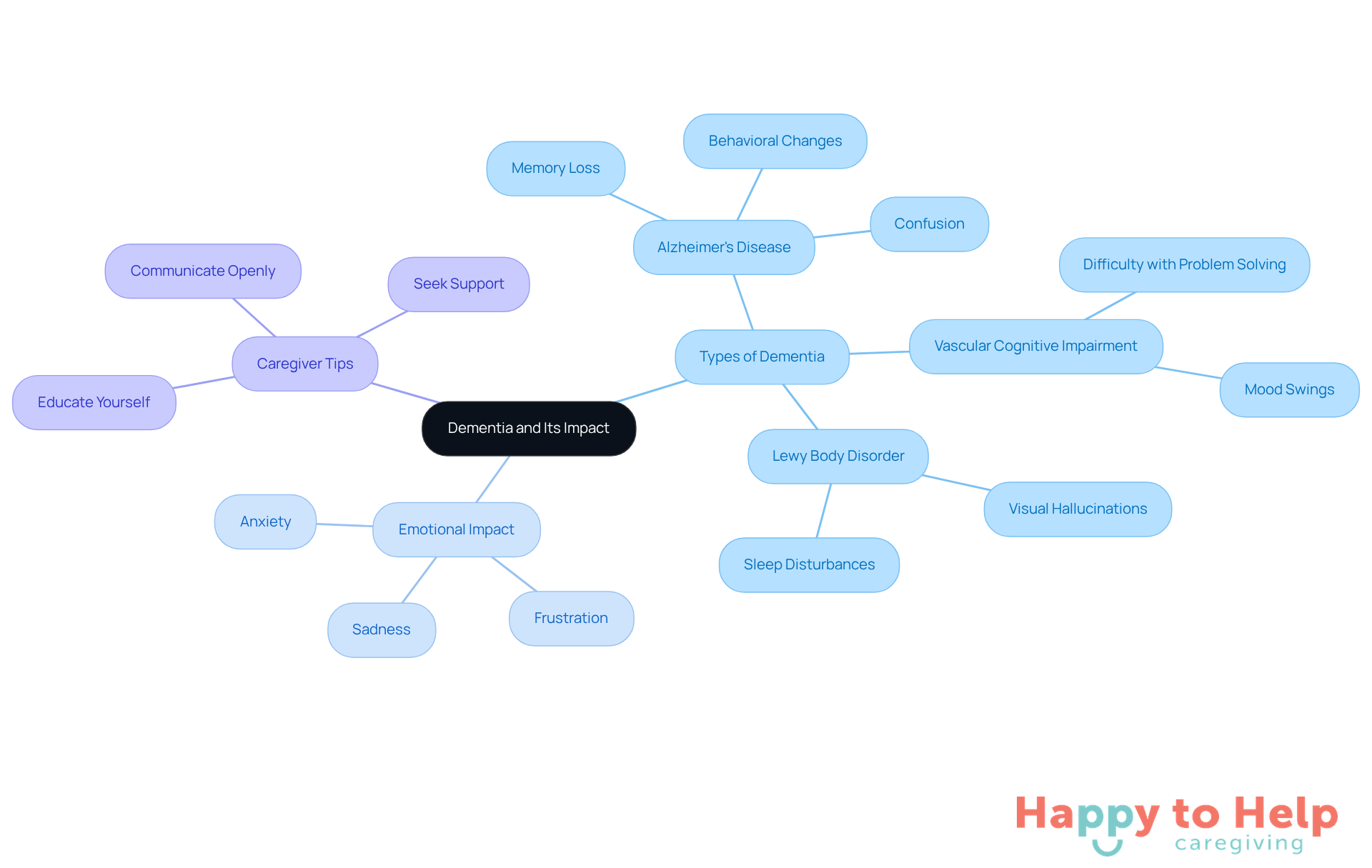
Dementia encompasses various brain disorders that significantly impact memory, thinking, and social abilities. Understanding the specific type of cognitive decline your loved one faces is essential, as symptoms can vary widely. Common forms include Alzheimer's disease, vascular cognitive impairment, and Lewy body disorder. Each type brings unique challenges, such as memory loss, confusion, and shifts in mood or behavior.
Recognizing these symptoms is crucial for anticipating your loved one's needs and reactions. Moreover, the emotional impact of cognitive decline affects both the individual and their family. Feelings of frustration, sadness, and anxiety are common, making it vital to acknowledge these emotions. By doing so, you can provide compassionate support and reassurance.
To effectively navigate these challenges, consider the following actionable tips:
- Educate yourself about the specific type of dementia your loved one has.
- Communicate openly with family members about feelings and concerns related to how to deal with a family member with dementia.
- Seek support from local or online caregiver groups.
By familiarizing yourself with the symptoms and emotional landscape of dementia, you can better support your loved one and foster a more understanding environment.
Communicate Effectively with Your Loved One
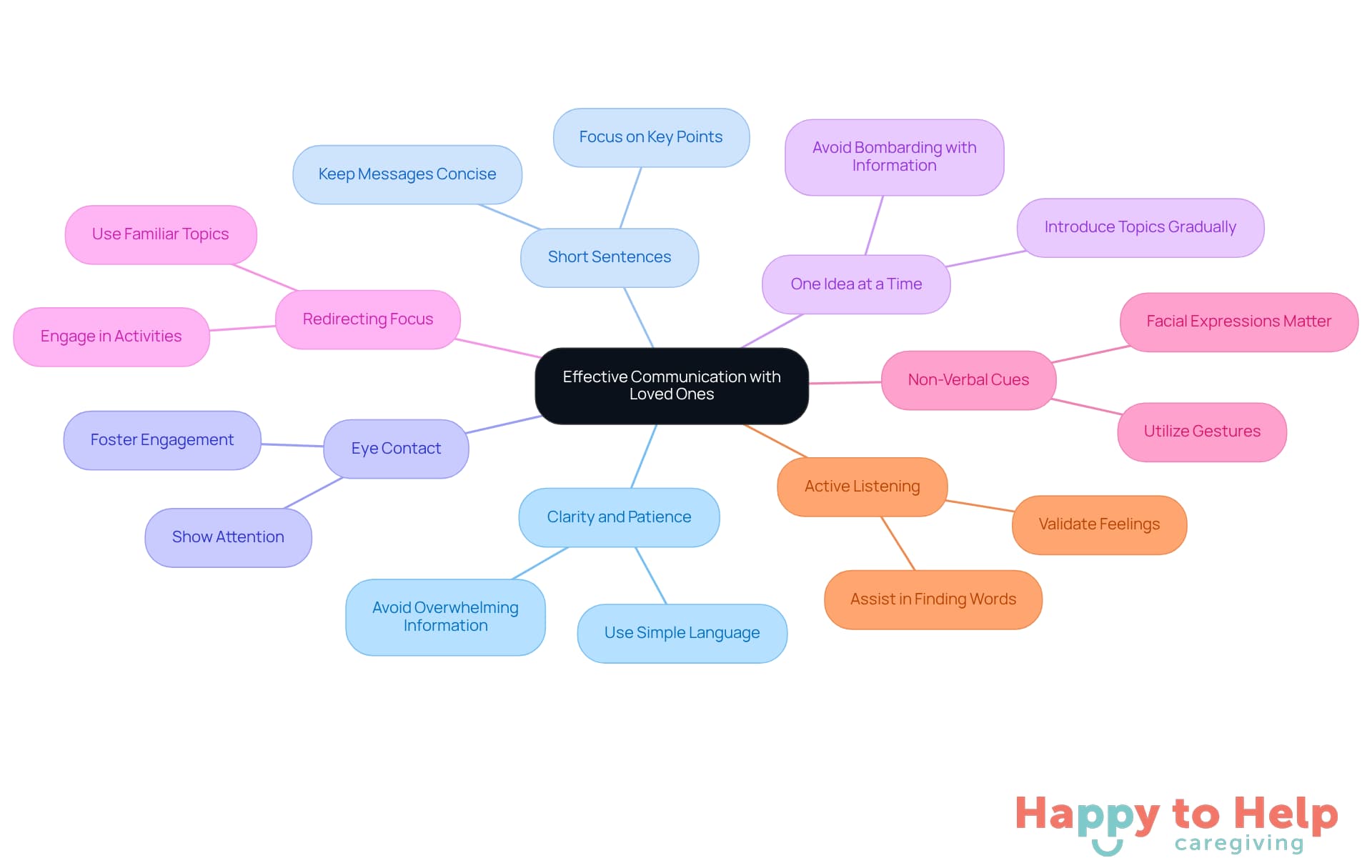
Caregivers face a significant challenge in effective communication when learning how to deal with a family member with dementia. Clarity and patience are essential in these interactions. Caregivers often struggle with how to deal with a family member with dementia while conveying information without overwhelming their loved ones, which can lead to confusion and agitation.
To address this issue, caregivers should utilize short, straightforward sentences and maintain eye contact to foster engagement. Concentrating on one idea at a time is crucial; avoid bombarding them with excessive information. If confusion arises, gently redirect their focus to familiar topics or activities, which is a useful strategy when considering how to deal with a family member with dementia. Non-verbal cues, such as gestures and facial expressions, play a vital role in enhancing understanding.
As Carol Taylor, a geriatric social worker, emphasizes, "The most primal human need is the need to be heard." Active listening is essential - validate their feelings, even if their responses appear fragmented. Remember, do not speak for individuals with dementia; assist them in finding words only if they request help. This approach not only aids in conveying your message but also reassures them of their value and the care they receive.
Create a Supportive Living Environment
Caregivers often face challenges when creating a dementia-friendly home, particularly in learning how to deal with a family member with dementia. One major issue is the presence of potential hazards that can lead to falls and confusion. Loose rugs, sharp objects, and poor lighting can significantly impact the safety and comfort of your loved one, leading to increased anxiety and distress.
To address these concerns, start by:
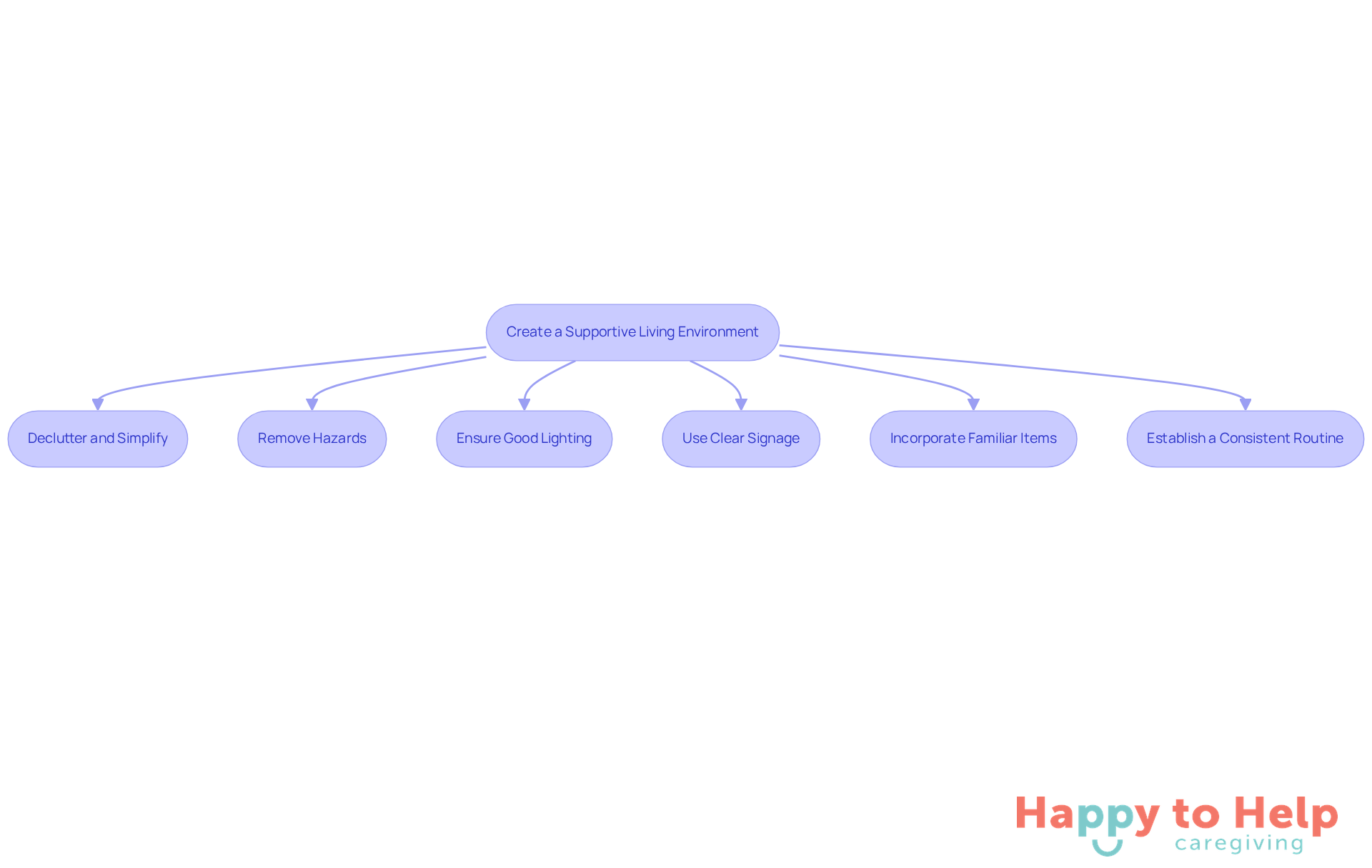
- Decluttering and simplifying the living space.
- Removing any potential hazards, ensuring that the environment is safe and navigable.
- Ensuring good lighting; it helps reduce confusion and creates a more welcoming atmosphere.
- Using clear signage and labels to assist your loved one in navigating their surroundings more easily.
Incorporating familiar items, such as family photos, can provide comfort and a sense of belonging. These personal touches can help ground your loved one in their environment. Furthermore, consider adding assistive devices like grab bars in the bathroom and non-slip mats to enhance safety.
Establishing a consistent routine for daily activities is an effective strategy when considering how to deal with a family member with dementia. A predictable schedule can help reduce anxiety and promote a sense of stability, making daily life more manageable for both caregivers and those living with dementia.
Prioritize Caregiver Self-Care and Support
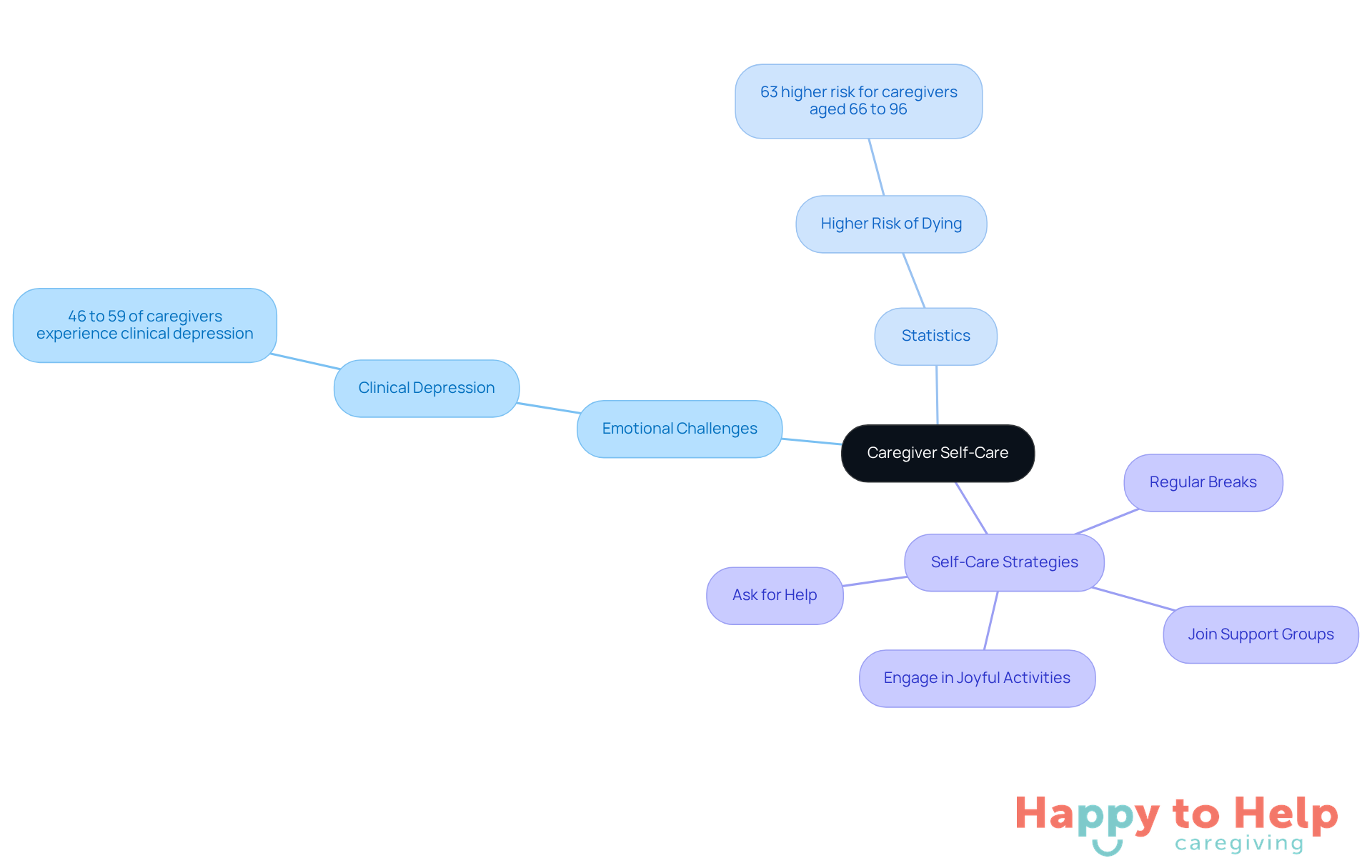
As a caregiver, prioritizing your own health and well-being is crucial. Many caregivers face significant emotional challenges, with research indicating that 46% to 59% may experience clinical depression. This highlights the importance of self-care in managing stress and maintaining mental health.
Neglecting self-care can have serious implications. Those aged 66 to 96 who experience mental strain have a 63% higher risk of dying compared to non-care providers of the same age. This statistic underscores the need for caregivers to actively engage in self-care practices.
To combat these challenges, consider:
- Scheduling regular breaks to recharge.
- Asking for help from family members or friends.
- Joining a support group to provide a valuable outlet for sharing experiences and gaining insights from others in similar situations.
Engage in activities that bring you joy and relaxation, whether it’s reading, exercising, or spending time with friends. Remember, looking after yourself is not selfish; as the Family Caregiver Alliance states, "Caring for yourself is one of the most important-and one of the most often overlooked-things you can do in that role."
If you feel overwhelmed, seeking professional support can be beneficial. Mental health professionals can offer coping strategies tailored to your situation. Resources such as the Family Caregiver Alliance and the Hub provide valuable support for caregivers looking to enhance their well-being.
Key Takeaways for Caregivers
Caring for a family member with dementia presents significant challenges that require a multifaceted approach. Caregivers often face emotional strain and practical difficulties, particularly when dealing with various types of dementia, such as Alzheimer’s and vascular cognitive impairment. This situation can take a toll not only on the individual but also on their caregivers, leading to feelings of frustration and helplessness.
To address these challenges, it’s essential to implement effective strategies that can make a difference. Here are some key solutions:
- Simplify the living space: Reduce hazards to create a safer environment.
- Use effective communication techniques: Prioritize clarity and patience to enhance understanding.
- Recognize the necessity of self-care: Caregivers must prioritize their own well-being to provide the best support.
By establishing a safe and familiar environment, caregivers can help reduce anxiety and promote stability for their loved ones. Moreover, focusing on self-care ensures that caregivers remain equipped to handle the complexities of dementia care.
Ultimately, the journey of caring for someone with dementia is both challenging and profoundly impactful. It requires a balance of understanding, preparation, and emotional resilience. Caregivers are encouraged to seek support, engage in self-care practices, and foster a nurturing atmosphere that acknowledges the needs of both the individual with dementia and themselves. Embracing these principles can lead to a more compassionate caregiving experience, enriching the lives of everyone involved.
https://iframe.tely.ai/cta/eyJhcnRpY2xlX2lkIjogIjY5MjRmMjBkZWM0Y2FiOGU3NGVjMDExMiIsICJjb21wYW55X2lkIjogIjY4ZWU1ZGNhNzMxNzYyNTU3ZjNjOTVjMSIsICJpbmRleCI6IG51bGwsICJ0eXBlIjogImFydGljbGUifQ==Frequently Asked Questions
What is dementia?
Dementia encompasses various brain disorders that significantly impact memory, thinking, and social abilities.
What are the common types of dementia?
Common forms of dementia include Alzheimer's disease, vascular cognitive impairment, and Lewy body disorder.
What symptoms are associated with dementia?
Symptoms of dementia can vary widely but often include memory loss, confusion, and shifts in mood or behavior.
Why is it important to recognize the symptoms of dementia?
Recognizing the symptoms is crucial for anticipating your loved one's needs and reactions, allowing for better support.
How does dementia affect the emotional well-being of individuals and their families?
The emotional impact of cognitive decline can lead to feelings of frustration, sadness, and anxiety for both the individual and their family.
What steps can be taken to support a loved one with dementia?
To support a loved one with dementia, consider educating yourself about their specific type of dementia, communicating openly with family members about feelings and concerns, and seeking support from local or online caregiver groups.
List of Sources
- Understand Dementia and Its Impact
- Caregivers: the invisible backbone of dementia care (https://hap.gmu.edu/news/2025-11/caregivers-invisible-backbone-dementia-care)
- Study: Nearly 4 in 10 U.S. Extended Families of Older Adults Include a Relative with Dementia (https://ltcnews.com/articles/relative-with-dementia-study)
- Dementia’s financial and family impact | News | University of Michigan School of Public Health | Aging | Dementia | (https://sph.umich.edu/news/2023posts/dementias-financial-and-family-impact.html)
- Communicate Effectively with Your Loved One
- Effective Communication With Loved Ones With Dementia Premieres on UW-Led YouTube Program (https://uwyo.edu/news/2025/02/effective-communication-with-loved-ones-with-dementia-premieres-on-uw-led-youtube-program.html)
- Clearer Conversations, Better Care: New Guide Highlights Best Practices for Communicating with Older Adults (https://geron.org/News-Events/GSA-News/Press-Room/Press-Releases/clearer-conversations-better-care-new-guide-highlights-best-practices-for-communicating-with-older-adults)
- Study offers guidance for communicating with loved ones living with dementia (https://news-medical.net/news/20250827/Study-offers-guidance-for-communicating-with-loved-ones-living-with-dementia.aspx)
- Prioritize Caregiver Self-Care and Support
- Dementia care study highlights importance of caregiver self-efficacy (https://newsroom.ucla.edu/releases/dementia-care-study-highlights-importance-of-caregiver-self-efficacy)
- Caregiver Action Network (https://caregiveraction.org)
- D-CARE study finds caregiver satisfaction higher with dementia care programs than usual care (https://uclahealth.org/news/release/d-care-study-finds-caregiver-satisfaction-higher-with)
- Taking Care of YOU: Self-Care for Family Caregivers (https://caregiver.org/resource/taking-care-you-self-care-family-caregivers)
- Support Groups | Alzheimer's Association (https://alz.org/help-support/community/support-groups)