

For families in our service areas
For families in our service areas, this guide explains dementia care and how non-medical in-home caregiving can support care planning in East Idaho, Treasure Valley & Magic Valley, Northern Wasatch, North Central West Virginia, and Northeast Ohio.
Why Deal with an Elderly Parent with Matters
Navigating the complexities of dementia care presents a significant challenge for caregivers supporting elderly parents. The various types of dementia come with unique symptoms and behaviors, making it essential for caregivers to develop effective strategies. This not only helps in fostering meaningful connections but also ensures that their loved ones feel secure.
However, the emotional toll of caregiving can be overwhelming. Caregivers often struggle to balance their own well-being with the demands of providing care. This article explores essential steps and practical tips for managing dementia care, offering insights that can transform the caregiver experience.
Key Challenges:
- Understanding diverse dementia types and their symptoms.
- Managing the emotional strain of caregiving.
- Ensuring the safety and security of loved ones.
Actionable Solutions:
- Equip yourself with knowledge about dementia.
- Establish a support network for emotional relief.
- Implement daily routines that promote stability for your loved one.
By addressing these challenges head-on, caregivers can find a path that not only supports their loved ones but also nurtures their own well-being.
Understand Dementia: Key Concepts and Behaviors
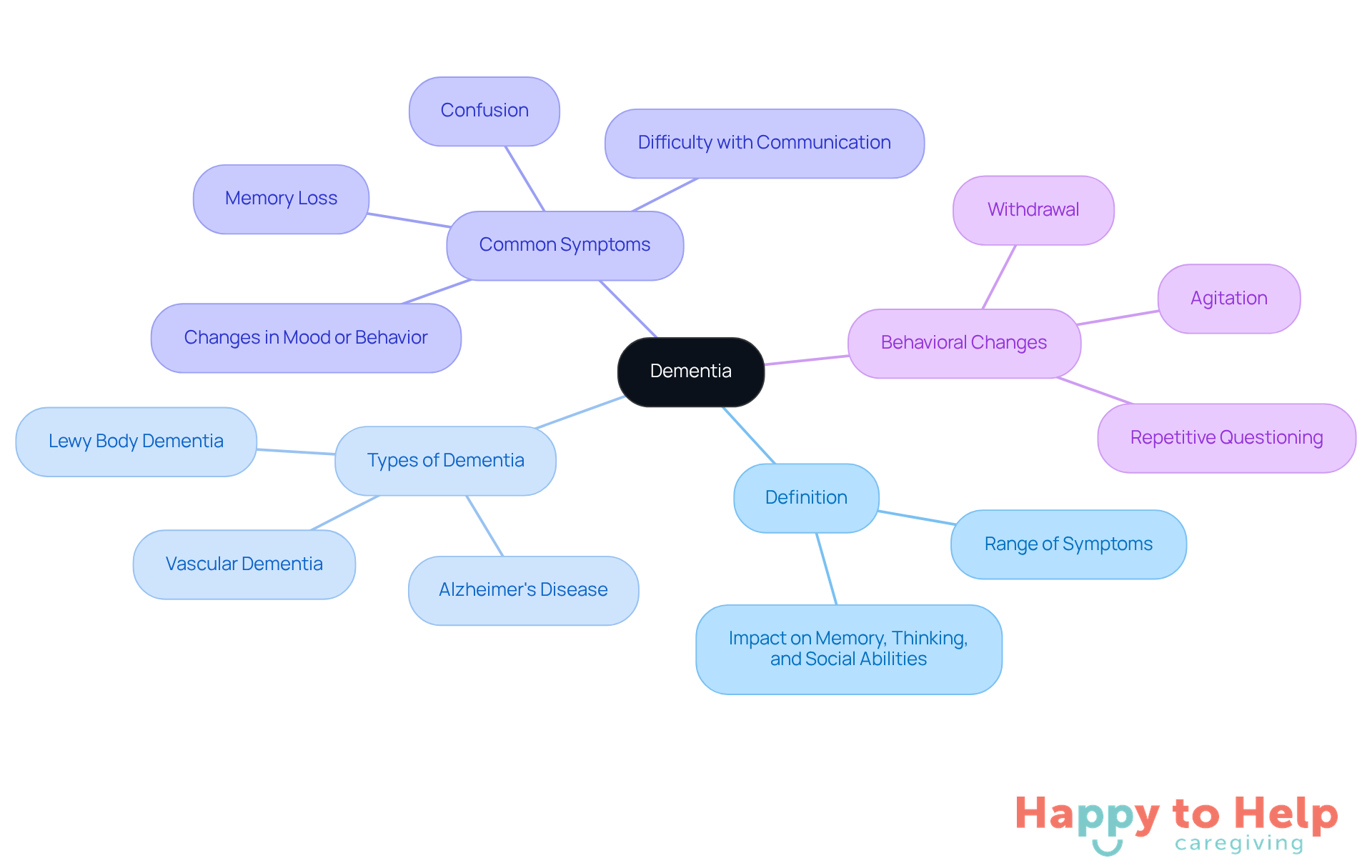
Dementia is not just one disease; it encompasses a range of symptoms that impact memory, thinking, and social abilities. This complexity poses significant challenges for caregivers who need to learn how to deal with elderly parent with dementia.
Types of Dementia: It's crucial to familiarize yourself with various types, such as:
- Alzheimer's disease
- Vascular dementia
- Lewy body dementia
Each type presents unique challenges and symptoms that caregivers must navigate.
Common Symptoms: Caregivers often encounter symptoms like:
- Memory loss
- Confusion
- Difficulty with communication
- Changes in mood or behavior
Understanding how to deal with elderly parent with dementia symptoms is vital for responding appropriately and providing effective care.
Behavioral Changes: Individuals with dementia may show behaviors such as:
- Agitation
- Withdrawal
- Repetitive questioning
Recognizing these behaviors as part of the disease can help caregivers remain patient and compassionate.
By grasping these key concepts, caregivers can understand how to deal with elderly parent with dementia, better managing the complexities of dementia care and fostering a supportive environment for their loved ones.
Communicate Effectively: Tips for Engaging with Your Parent
Learning how to deal with an elderly parent with dementia can make effective communication less challenging. Caregivers often face difficulties in understanding how to deal with elderly parent with dementia to ensure their loved ones feel understood and secure. This situation can lead to frustration and emotional strain for both parties.
To address these challenges, consider the following strategies:
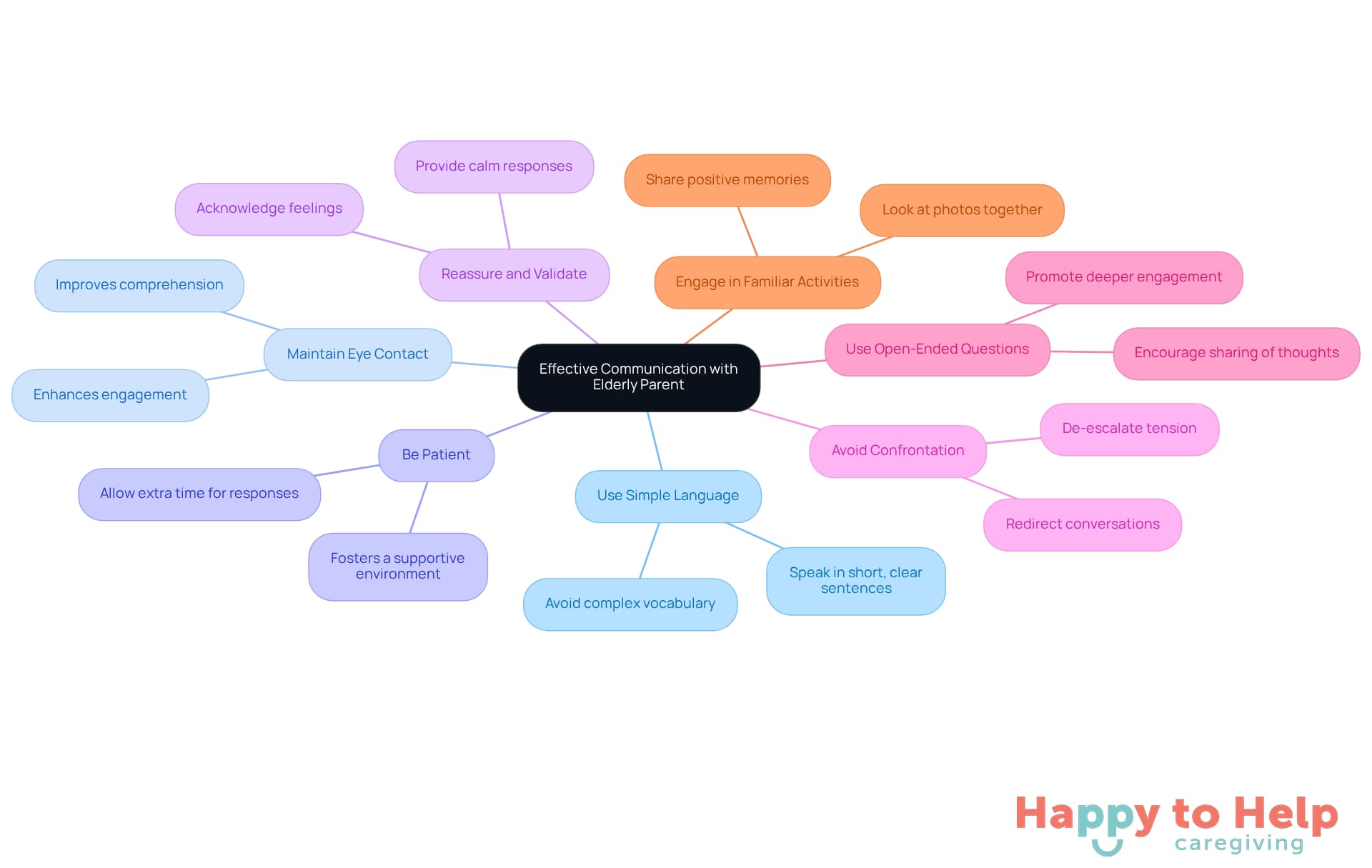
- Use Simple Language: Speak in short, clear sentences and avoid complex vocabulary. This approach facilitates understanding and reduces confusion.
- Maintain Eye Contact: Establish eye contact to ensure your guardian is focused on the conversation. This connection can enhance their engagement and comprehension.
- Be Patient: Allow extra time for your guardian to respond, as they may need more time to process information. Patience fosters a supportive environment.
- Reassure and Validate: Acknowledge their feelings and provide reassurance. If they express confusion or fear, respond with calmness and understanding, which can help alleviate anxiety.
- Avoid Confrontation: If your guardian is confused or upset, redirect the conversation instead of arguing or correcting them. This technique can de-escalate tension and promote a more peaceful interaction.
- Use Open-Ended Questions: Encourage your guardian to share their thoughts and feelings by asking open-ended questions. This strategy can lead to more informative responses and deeper engagement.
- Engage in Familiar Activities: Consider looking at photos or sharing positive memories together. These activities can create comforting and familiar conversations, enhancing emotional connections.
Implementing these strategies on how to deal with elderly parent with dementia can significantly enhance the quality of interactions, helping your guardian feel more secure and understood. Engaging in this manner not only respects their dignity but also fosters a sense of connection, which is crucial for their emotional well-being.
Establish Daily Care Routines: Activities and Support
Establishing a daily care routine is essential for understanding how to deal with elderly parent with dementia to help your loved one feel secure and engaged. Caregivers often face the challenge of ensuring their loved ones maintain a sense of normalcy and independence. Without a structured routine, individuals may experience confusion and anxiety, which can impact their overall well-being.
To address this issue, consider implementing the following effective routines:
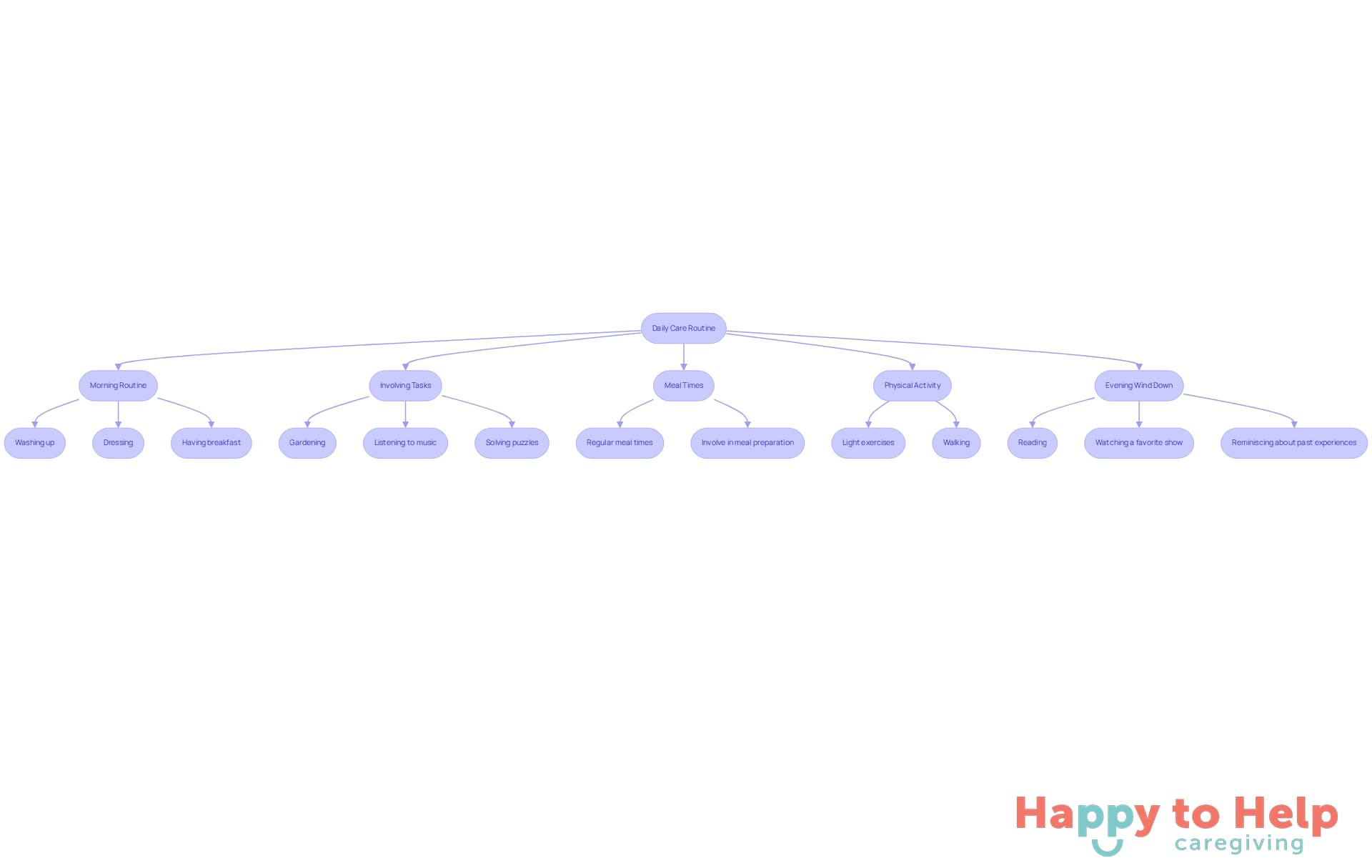
- Morning Routine: Begin each day with familiar activities like washing up, dressing, and having breakfast at the same time. This consistency sets a positive tone for the day.
- Involving Tasks: Incorporate pastimes your loved one enjoys, such as gardening, listening to music, or solving puzzles. These activities stimulate cognitive function and bring joy.
- Meal Times: Schedule regular meal times and involve your parent in meal preparation when possible. This promotes independence and encourages social interaction.
- Physical Activity: Include light exercises or walks in the daily routine to enhance physical health and well-being.
- Evening Wind Down: Create a calming evening routine that may involve reading, watching a favorite show, or reminiscing about past experiences. This signals the end of the day and prepares them for rest.
By establishing a structured routine, caregivers can significantly assist their loved ones in understanding how to deal with elderly parent with dementia while preserving a sense of normalcy and independence.
Prioritize Self-Care: Strategies for Caregiver Well-Being
Caregivers often face the challenge of neglecting their own well-being, which can lead to increased stress and decreased effectiveness in their roles. This neglect can result in burnout, making it difficult to provide the best care for loved ones. To combat this issue, prioritizing self-care is essential.
Here are some effective strategies:
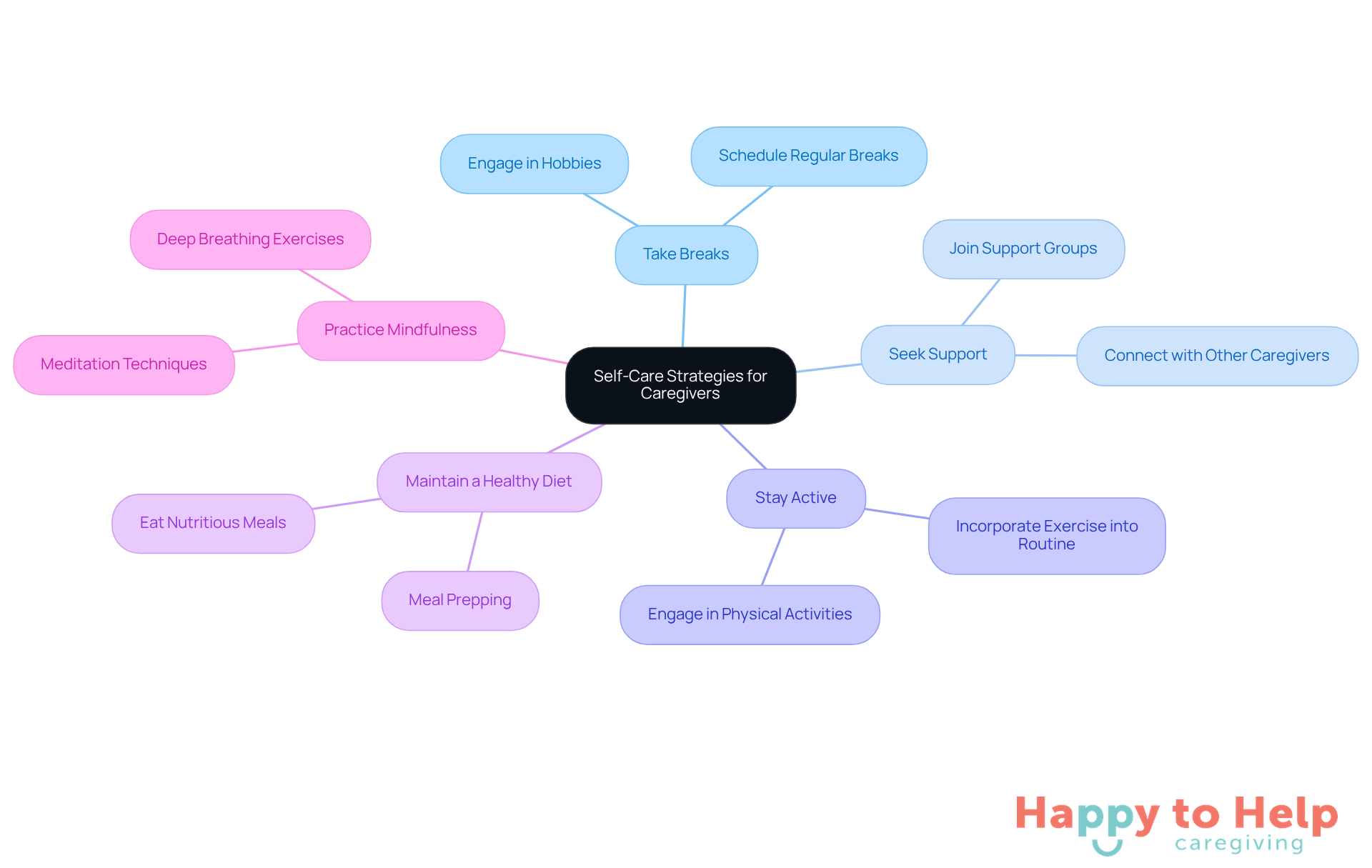
- Take Breaks: Schedule regular breaks to recharge. This could be as simple as a short walk or time spent on a hobby.
- Seek Support: Connect with other caregivers or join support groups. Sharing experiences can provide emotional relief and practical advice.
- Stay Active: Engage in physical activities that you enjoy, such as yoga, walking, or dancing. Regular exercise can improve mood and reduce stress.
- Maintain a Healthy Diet: Eating nutritious meals can help sustain your energy levels and overall health. Consider meal prepping to save time.
- Practice Mindfulness: Incorporate mindfulness techniques such as meditation or deep breathing exercises to manage stress and promote mental clarity.
By prioritizing your well-being, you can enhance your ability to care for your loved one and maintain a positive outlook.
Taking the Next Steps
Caring for an elderly parent with dementia presents significant challenges that require a thoughtful approach. Caregivers often face emotional strain, confusion, and the daunting task of managing complex care routines. These difficulties can lead to feelings of isolation and frustration, making it essential to address both the caregiver's and the parent's needs.
To navigate these challenges effectively, caregivers can implement several key strategies:
- Recognize the Types of Dementia: Understanding the various forms of dementia and their symptoms is crucial for tailored care.
- Employ Effective Communication: Use clear, simple language and non-verbal cues to enhance understanding and connection.
- Establish Daily Routines: Consistent schedules can provide a sense of security and engagement for the elderly parent.
- Prioritize Self-Care: Caregivers must also focus on their own well-being to maintain the strength needed for caregiving.
Ultimately, the journey of caring for a parent with dementia is about more than just managing symptoms; it’s about nurturing relationships and preserving dignity. By embracing these strategies, caregivers can foster a compassionate environment that enhances emotional health and improves the quality of care. This approach not only benefits the elderly parent but also enriches the caregiver's experience, reinforcing the importance of support and understanding in the face of dementia.
https://iframe.tely.ai/cta/eyJhcnRpY2xlX2lkIjogIjY5MjdhNWQ3MDE4NTMyOWI1NWI5ODQ4ZCIsICJjb21wYW55X2lkIjogIjY4ZWU1ZGNhNzMxNzYyNTU3ZjNjOTVjMSIsICJpbmRleCI6IG51bGwsICJ0eXBlIjogImFydGljbGUifQ==Frequently Asked Questions
What is dementia?
Dementia is a range of symptoms that affect memory, thinking, and social abilities, rather than being a single disease.
What are the types of dementia?
The main types of dementia include Alzheimer's disease, vascular dementia, and Lewy body dementia, each presenting unique challenges and symptoms.
What are common symptoms of dementia?
Common symptoms of dementia include memory loss, confusion, difficulty with communication, and changes in mood or behavior.
What behavioral changes might individuals with dementia exhibit?
Individuals with dementia may show behaviors such as agitation, withdrawal, and repetitive questioning.
Why is it important for caregivers to understand dementia symptoms and behaviors?
Understanding dementia symptoms and behaviors is vital for caregivers to respond appropriately and provide effective care, fostering a supportive environment for their loved ones.
List of Sources
- Understand Dementia: Key Concepts and Behaviors
- Mayo Clinic's AI tool identifies 9 dementia types, including Alzheimer's, with one scan - Mayo Clinic News Network (https://newsnetwork.mayoclinic.org/discussion/mayo-clinics-ai-tool-identifies-9-dementia-types-including-alzheimers-with-one-scan)
- How Do You Stop or Slow Alzheimer’s Disease? Start Early. (https://bu.edu/sph/news/articles/2025/how-do-you-stop-or-slow-alzheimers-disease-start-early)
- Alzheimer’s & Dementia News Roundup (June 2025) - Alzheimer's Orange County (https://alzoc.org/alzheimers-dementia-news-roundup-june-2025)
- New Alzheimer's discoveries unveiled at the 2025 Alzheimer's Association International Conference (https://alz.org/wi/news/aaic-2025)
- 2025 NIH Alzheimer’s Disease and Related Dementias Research Progress Report: Advances and Achievements (https://nia.nih.gov/about/2025-nih-dementia-research-progress-report)
- Communicate Effectively: Tips for Engaging with Your Parent
- Improv training: A new approach to dementia care | Emory University | Atlanta GA (https://news.emory.edu/stories/2025/01/hs\_improving\_dementia\_care\_through\_improv\_15-01-2025/story.html)
- How to Communicate With People Suffering From Dementia (https://wsj.com/health/wellness/how-communicate-dementia-alzheimers-disease-11649424615?gaa\_at=eafs&gaa\_n=AWEtsqeI-AWPp4bWDBgprArlzbUEhczxnWUJnjV14OoKKRHplxPg8qgiuem1&gaa\_ts=6927a9b7&gaa\_sig=rqUnlL-ODmjgwn6q9wW0QEmQIbk3\_A\_IGAFBMXo0Dy7hoEOy8Do4E-BdW55PFdAcz4UB11ARD-TMLMKjbEdyWA%3D%3D)
- Dementia advice: Here are 16 safe things to say to your loved one (https://foxnews.com/health/dementia-advice-16-safe-things-say-loved-one)
- Communication strategies for delivering personalised dementia care and support: a mixed-methods systematic review and narrative synthesis - PMC (https://pmc.ncbi.nlm.nih.gov/articles/PMC12078768)
- Clearer Conversations, Better Care: New Guide Highlights Best Practices for Communicating with Older Adults (https://geron.org/News-Events/GSA-News/Press-Room/Press-Releases/clearer-conversations-better-care-new-guide-highlights-best-practices-for-communicating-with-older-adults)
- Establish Daily Care Routines: Activities and Support
- Dementia Care Activities (https://health.usnews.com/best-senior-living/articles/dementia-care-activities)
- Scientists Say These Daily Routines Can Slow Cognitive Decline (https://time.com/7306434/daily-routine-cognitive-decline-study)
- Meaningful activities for a person with dementia (https://dementiauk.org/news/meaningful-activities-for-a-person-with-dementia)
- Dementia: Why Routines Matter! (https://heritagesenior.com/elm-grove/blog/memory-care/dementia-why-routines-matter)
- The Importance of Routine for Seniors with Alzheimer’s and Dementia (https://blog.thebristal.com/importance-routine-seniors-alzheimers-dementia)
- Prioritize Self-Care: Strategies for Caregiver Well-Being
- Facebook (https://newsroom.clevelandclinic.org/2025/11/19/importance-of-self-care-for-family-caregivers)
- 5 Self-Care Tips for Caregivers | United Way Worldwide (https://unitedway.org/news/5-self-care-tips-for-caregivers)
- Self-Care Strategies for Brain Tumor Caregivers - National Brain Tumor Society (https://braintumor.org/news/self-care-strategies-for-brain-tumor-caregivers)
- Tips for Family Caregivers: Balancing Care and Self-Care - Bryan Skilled Home Care (https://bryanskilledhomecare.com/2025/11/20/tips-for-family-caregivers-balancing-care-and-self-care)