How to Explain Dementia to Someone with Dementia: 4 Key Steps

For families in our service areas
For families in our service areas, this guide explains dementia care and how non-medical in-home caregiving can support care planning in East Idaho, Treasure Valley & Magic Valley, Northern Wasatch, North Central West Virginia, and Northeast Ohio.
What You Need to Know About Explain Dementia to Someone with
Dementia is a complex syndrome that significantly affects not only those diagnosed but also their caregivers and loved ones. As cognitive decline becomes more prevalent, the challenge of communicating effectively with those impacted grows. This situation creates a pressing need for caregivers to understand how to engage compassionately with individuals experiencing dementia.
The implications of this challenge are profound. Caregivers often find themselves navigating emotional and practical hurdles, which can lead to frustration and feelings of helplessness. How can they bridge the gap between understanding and empathy? This article explores essential strategies for explaining dementia, emphasizing the importance of compassionate communication and creating a supportive environment.
To enhance the quality of life for those facing the challenges of dementia, caregivers can implement several practical solutions:
- Foster open dialogue
- Use clear, simple language
- Create a calm and reassuring atmosphere
By implementing these strategies, caregivers can help demystify the condition for both themselves and their loved ones. Additionally, creating a calm and reassuring atmosphere can significantly improve interactions, making it easier for individuals with dementia to express their needs and feelings.
Define Dementia Clearly
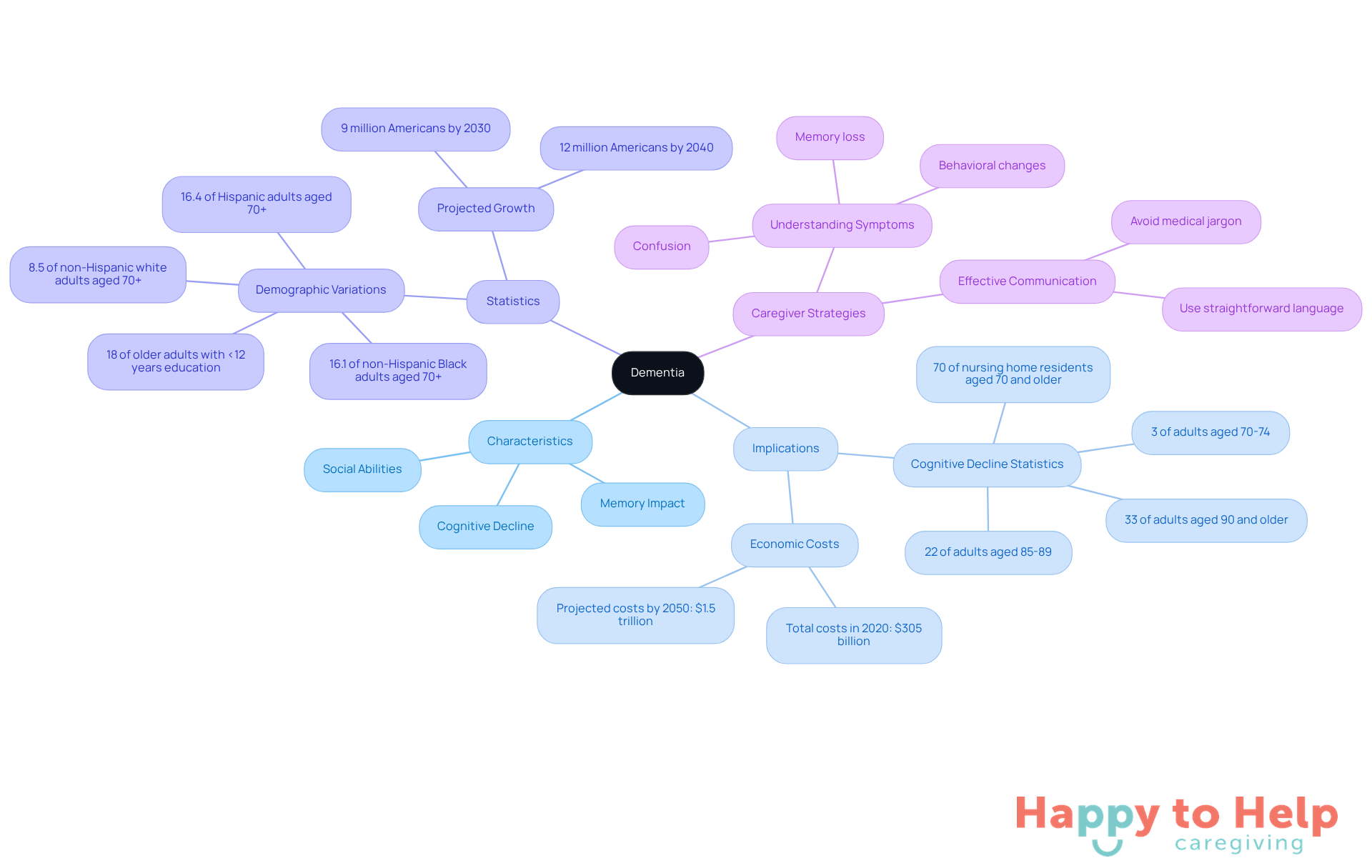
Dementia represents a significant problem, characterized by a decline in cognitive function that impacts memory, thinking, and social abilities, ultimately interfering with daily life. This condition is not a singular illness but a syndrome associated with various underlying issues, including Alzheimer's disease, vascular cognitive impairment, and Lewy body disorder.
The implications of dementia are profound. In 2019, around 3% of adults aged 70 to 74 experienced cognitive decline, a figure that escalates to 22% among those aged 85 to 89 and 33% for individuals aged 90 and older. Furthermore, 70% of nursing home residents aged 70 and older were affected, highlighting the significant impact on care environments. The financial burden is equally alarming, with total economic costs in the U.S. estimated at $305 billion for 2020, projected to soar to $1.5 trillion by 2050.
To effectively support those impacted, caregivers must understand the multifaceted nature of cognitive decline. Engaging in discussions with empathy and clarity is crucial. For instance, when considering how to explain dementia to someone with dementia, caregivers should use straightforward language and avoid medical jargon to ensure comprehension.
Neurologists emphasize that understanding this complex syndrome can greatly enhance the support caregivers provide. By recognizing the variety of symptoms-such as memory loss, confusion, and behavioral changes-caregivers can foster better communication and understanding. This approach not only aids in managing the condition but also improves the overall quality of care.
Utilize Compassionate Communication Techniques
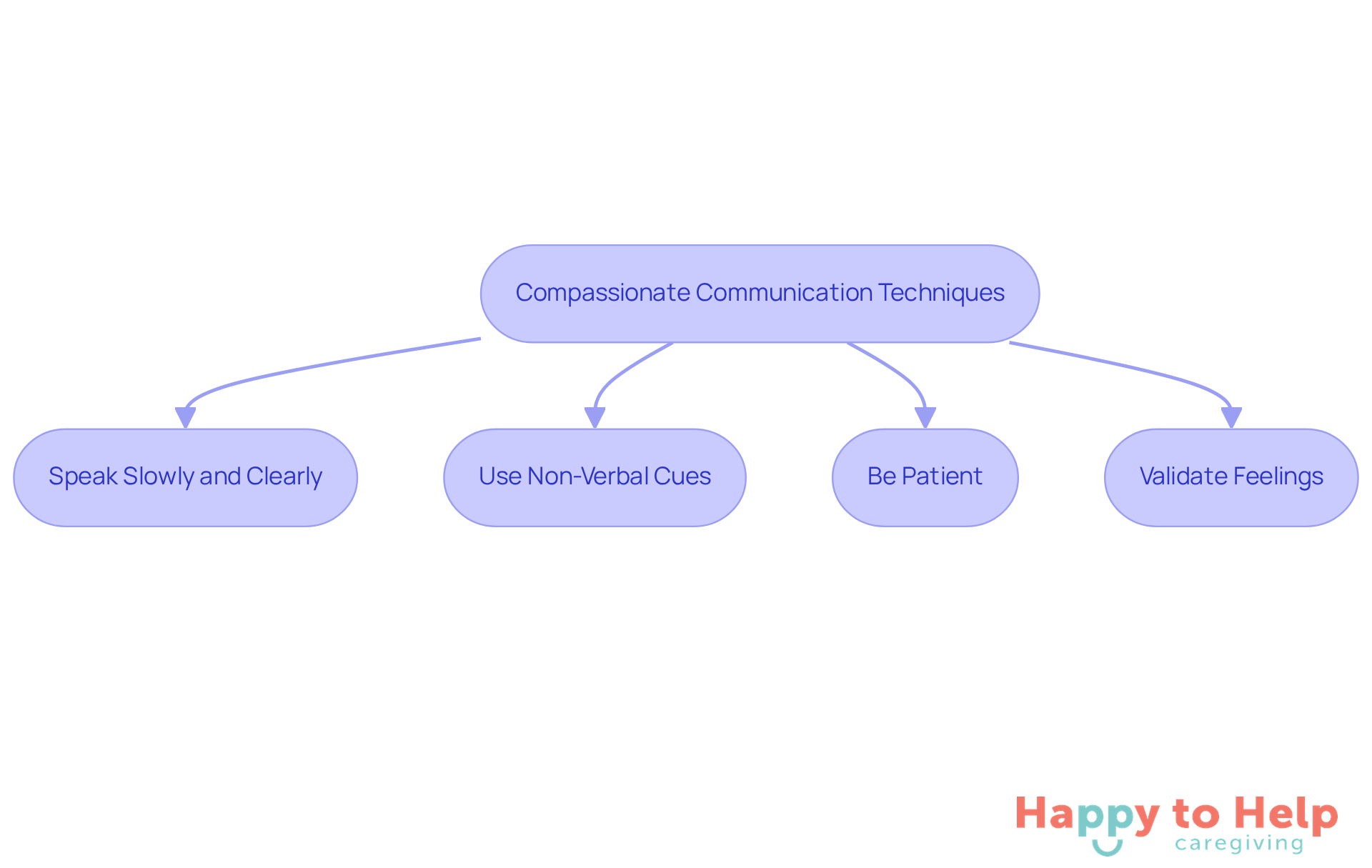
Caregivers may find it challenging to communicate compassionately with someone who has dementia, particularly when they need to know how to explain dementia to someone with dementia. These difficulties can lead to feelings of frustration and helplessness, both for the caregiver and the individual with dementia. However, there are effective techniques that illustrate how to explain dementia to someone with dementia, which can help improve communication and foster understanding.
-
Speak Slowly and Clearly: Use short, simple sentences and maintain a calm tone. This approach assists individuals in processing information without feeling overwhelmed.
-
Use Non-Verbal Cues: Maintain eye contact and employ gentle gestures to reinforce your message. Non-verbal communication often conveys understanding and support more effectively than words alone.
-
Be Patient: Allow extra time for the person to respond. They may need more time to process what you’ve said, so patience is essential.
-
Validate Feelings: Acknowledge their emotions, whether they express confusion, frustration, or sadness. Phrases like, 'I understand this is difficult for you,' can be essential when considering how to explain dementia to someone with dementia, as they provide comfort and reassurance.
Recognize Behavioral Changes and Their Implications
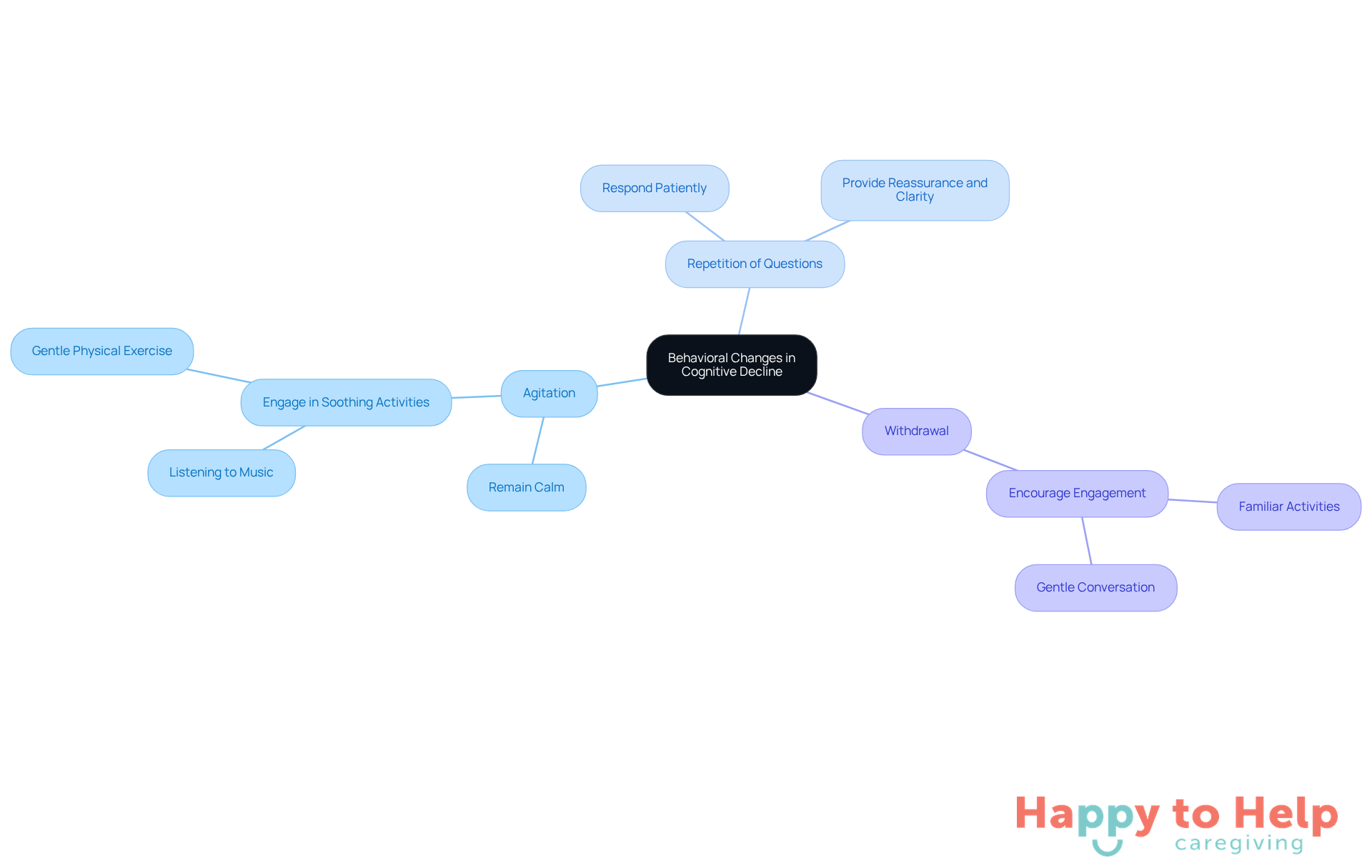
Behavioral changes in individuals with cognitive decline present significant challenges for caregivers, impacting both the quality of life for those affected and the caregiving experience itself. One of the most pressing issues is increased agitation, which often arises from confusion or frustration. Studies indicate that agitation affects 30 to 80 percent of people with dementia, making it a critical area for caregivers to address.
When agitation occurs, caregivers should remain calm and redirect the individual’s focus to soothing activities. Engaging in calming tasks, such as listening to music or gentle physical exercise, can help alleviate distress and restore a sense of peace.
Another common behavior is the repetition of questions, frequently linked to memory loss. Caregivers can reduce anxiety by responding patiently and consistently, providing reassurance and clarity. This not only addresses the immediate concern but also fosters a sense of security for the individual.
Withdrawal may also signal discomfort or fatigue. If a person becomes less communicative, it’s vital to encourage engagement through familiar activities or gentle conversation. This approach can help re-establish connection and comfort, reducing feelings of isolation.
Understanding how to explain dementia to someone with dementia allows caregivers to tailor their approach effectively, ensuring they provide the right support at the right time. By grasping the underlying causes of agitation and other behaviors, caregivers can enhance the overall well-being of those with cognitive decline, making a meaningful difference in their daily lives.
Establish a Supportive and Understanding Environment
Creating a supportive environment for someone with dementia involves understanding how to explain dementia to someone with dementia, which can be challenging. Caregivers often face difficulties in ensuring comfort and effective communication, especially when learning how to explain dementia to someone with dementia. Distractions, unfamiliar surroundings, and lack of routine can exacerbate anxiety for individuals with dementia.
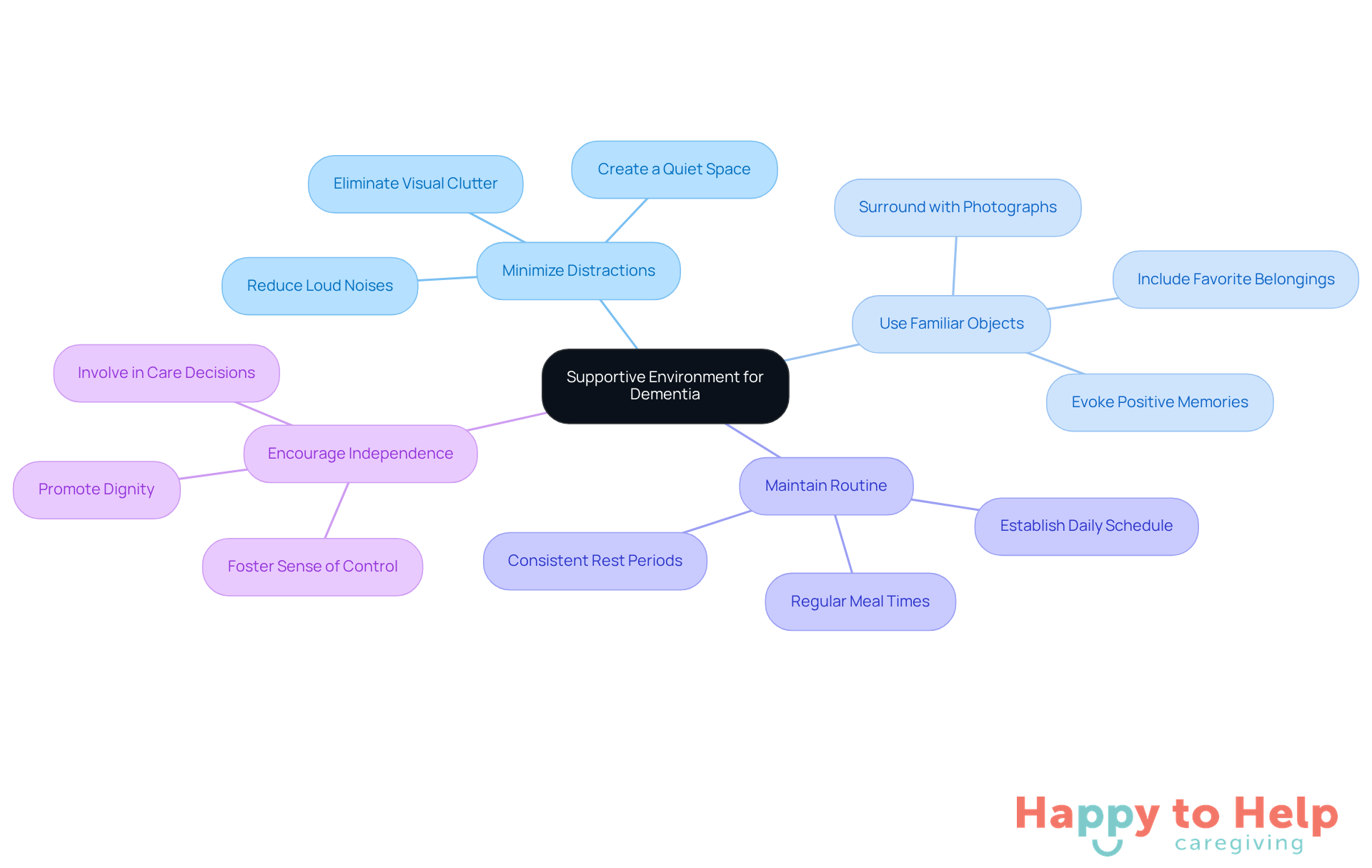
To address these issues, consider implementing the following strategies:
- Minimize Distractions: Create a quiet space for conversations, free from loud noises or visual clutter that could overwhelm the person.
- Use Familiar Objects: Surround the person with familiar items, such as photographs or favorite belongings, to evoke positive memories and feelings of security.
- Maintain Routine: Consistency can help reduce anxiety. Establish a daily routine that includes regular times for meals, tasks, and rest.
- Encourage Independence: Allow the individual to participate in decisions about their care and daily activities, fostering a sense of control and dignity.
By implementing these strategies, caregivers can create an environment that promotes comfort and understanding, which is important for how to explain dementia to someone with dementia, facilitating better communication.
Taking the Next Steps
Understanding dementia and effectively communicating with those affected presents significant challenges for caregivers. These difficulties can lead to frustration and feelings of helplessness, both for caregivers and those experiencing cognitive decline. Clear, compassionate communication is essential in navigating these complexities and fostering a supportive environment.
To address these challenges, caregivers must first grasp the various cognitive impairments that dementia encompasses. Using simple language and non-verbal cues can greatly enhance communication. Patience is key; recognizing behavioral changes, such as agitation or withdrawal, allows caregivers to respond proactively, creating a sense of security for those affected. Additionally, establishing a familiar and routine environment can significantly reduce anxiety and improve overall well-being.
Ultimately, the importance of understanding dementia cannot be overstated. Caregivers play a vital role in enhancing the quality of life for individuals with cognitive decline. By implementing the communication techniques and supportive strategies outlined, caregivers can make a profound difference. Embracing these practices not only aids in managing dementia but also reinforces the dignity and humanity of those navigating this challenging condition.
https://iframe.tely.ai/cta/eyJhcnRpY2xlX2lkIjogIjY5MjY0MzdiMTRjODUwNzI1NGI4N2FiMyIsICJjb21wYW55X2lkIjogIjY4ZWU1ZGNhNzMxNzYyNTU3ZjNjOTVjMSIsICJpbmRleCI6IG51bGwsICJ0eXBlIjogImFydGljbGUifQ==Frequently Asked Questions
What is dementia?
Dementia is a syndrome characterized by a decline in cognitive function that affects memory, thinking, and social abilities, interfering with daily life. It is associated with various underlying issues, including Alzheimer's disease, vascular cognitive impairment, and Lewy body disorder.
How prevalent is dementia among older adults?
In 2019, approximately 3% of adults aged 70 to 74 experienced cognitive decline, which increases to 22% among those aged 85 to 89 and 33% for individuals aged 90 and older. Additionally, 70% of nursing home residents aged 70 and older were affected.
What are the economic implications of dementia?
The total economic costs of dementia in the U.S. were estimated at $305 billion for 2020, with projections suggesting that this figure could rise to $1.5 trillion by 2050.
How can caregivers effectively support individuals with dementia?
Caregivers should understand the multifaceted nature of cognitive decline and engage in discussions with empathy and clarity. Using straightforward language and avoiding medical jargon is essential to ensure comprehension when explaining dementia.
What should caregivers recognize about the symptoms of dementia?
Caregivers should be aware of the variety of symptoms associated with dementia, such as memory loss, confusion, and behavioral changes. Recognizing these symptoms can enhance communication and understanding, ultimately improving the quality of care.
List of Sources
- Define Dementia Clearly
- Dementia (https://who.int/news-room/fact-sheets/detail/dementia)
- Fact Sheet: U.S. Dementia Trends (https://prb.org/resources/fact-sheet-u-s-dementia-trends)
- Scientists Just Uncovered A Surprising Dementia Warning Sign—And It's More Common Than You Think (https://womenshealthmag.com/health/a67950962/excessive-sleepiness-dementia-symptom-new)
- Risk and future burden of dementia in the United States (https://nih.gov/news-events/nih-research-matters/risk-future-burden-dementia-united-states)
- ADI - Dementia statistics (https://alzint.org/about/dementia-facts-figures/dementia-statistics)
- Utilize Compassionate Communication Techniques
- Improv training: A new approach to dementia care | Emory University | Atlanta GA (https://news.emory.edu/stories/2025/01/hs\_improving\_dementia\_care\_through\_improv\_15-01-2025/story.html)
- Study offers guidance for communicating with loved ones living with dementia (https://news-medical.net/news/20250827/Study-offers-guidance-for-communicating-with-loved-ones-living-with-dementia.aspx)
- What is good communication for people living with dementia? A mixed-methods systematic review (https://sciencedirect.com/science/article/pii/S1041610224011153)
- The facilitators of communication with people with dementia in a care setting: an interview study with healthcare workers (https://academic.oup.com/ageing/article/45/1/164/2195309)
- Do communication interventions affect the quality-of-life of people with dementia and their families? A systematic review (https://tandfonline.com/doi/full/10.1080/13607863.2023.2202635)
- Recognize Behavioral Changes and Their Implications
- Frontiers | Prevalence of Behavioral and Psychological Symptoms of Dementia in Community-Dwelling Dementia Patients: A Systematic Review (https://frontiersin.org/journals/psychiatry/articles/10.3389/fpsyt.2021.741059/full)
- Expert Consensus Highlights Evidence-Based Recommendations for Managing Agitation in Alzheimer Dementia (https://hmpgloballearningnetwork.com/site/altc/news/expert-consensus-highlights-evidence-based-recommendations-managing-agitation)
- Publication Highlights Person-Centered Approach to Managing Agitation in Alzheimer’s Disease (https://geron.org/News-Events/GSA-News/Press-Room/Press-Releases/publication-highlights-person-centered-approach-to-managing-agitation-in-alzheimers-disease)
- ADI - Dementia statistics (https://alzint.org/about/dementia-facts-figures/dementia-statistics)
- Non-drug therapies show real promise in calming agitation in Alzheimer’s (https://news-medical.net/news/20250528/Non-drug-therapies-show-real-promise-in-calming-agitation-in-Alzheimere28099s.aspx)