The Importance of Find a Live-In Caregiver for Your
Finding the right live-in caregiver for an elderly loved one can feel overwhelming. It’s a crucial task, as the quality of care directly affects their well-being and independence. Families often grapple with the emotional weight of this decision, wanting nothing but the best for their loved ones.
This guide explores the essential steps and considerations for families seeking compassionate, skilled caregivers. These caregivers provide not just physical assistance but also emotional support, which is vital for maintaining a sense of dignity and comfort. However, with so many options available, how can you ensure that the caregiver you choose not only meets the necessary qualifications but also aligns with the unique needs and preferences of your loved one?
It’s important to remember that you’re not alone in this journey. Many families share similar concerns, and there are resources available to help you navigate this process. By focusing on the emotional and practical support that caregivers can offer, you can find someone who truly understands and addresses the needs of your loved one.
Understand the Role of a Live-In Caregiver
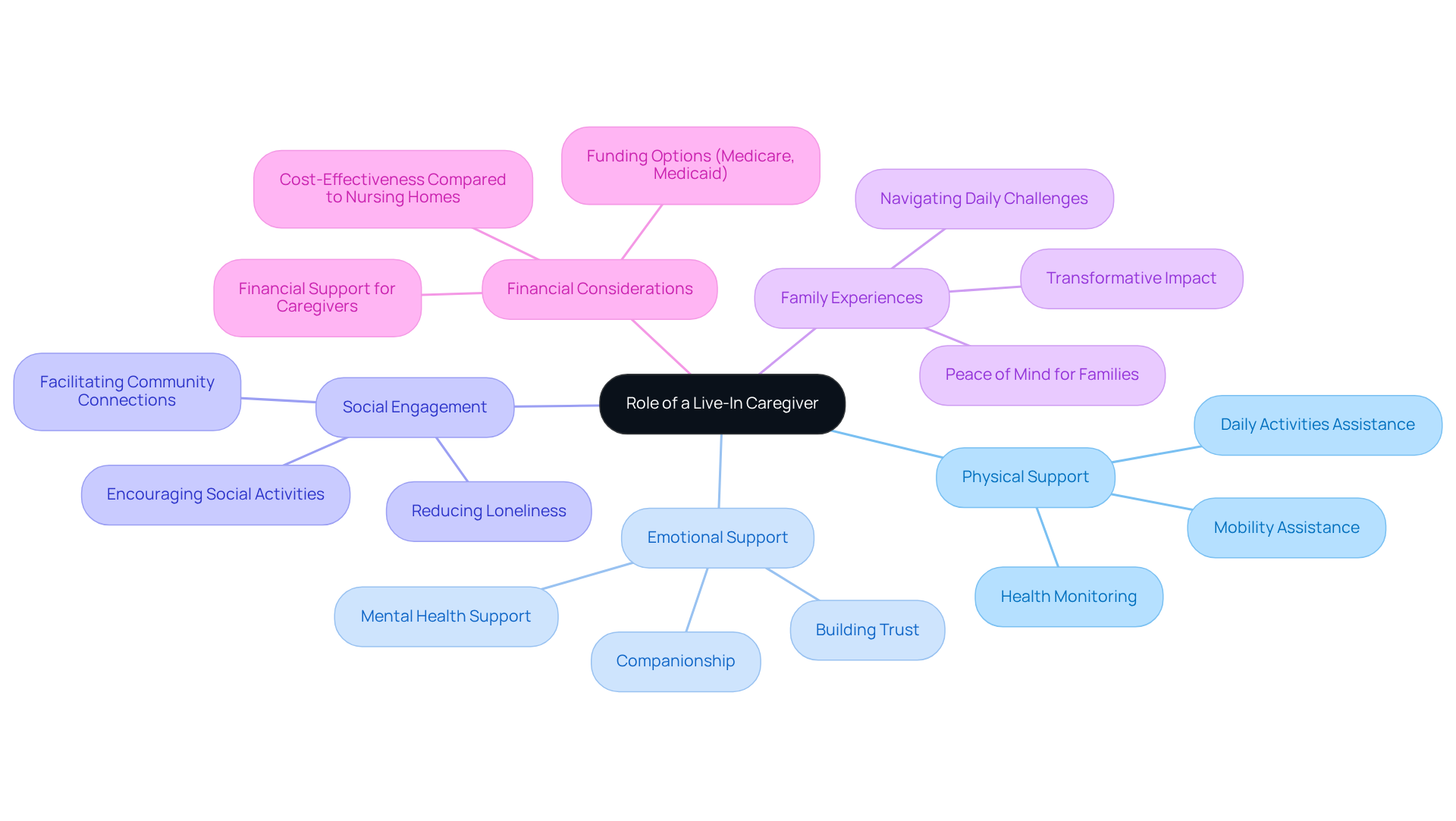
To understand how to find a live-in caregiver for the elderly, it's important to recognize that a live-in caregiver provides compassionate, round-the-clock support to seniors or individuals with special needs, residing in their homes to assist with daily activities. Their role goes beyond just physical tasks like bathing, dressing, and meal preparation; they also offer vital emotional support and companionship, closely monitoring health conditions. This constant presence fosters a sense of security and comfort, significantly enhancing the client's independence.
Research indicates that home support helps seniors maintain their independence and engage in social activities, which are crucial for their overall quality of life. For example, studies reveal that seniors receiving in-home care are more likely to participate in social interactions, which can alleviate feelings of loneliness and isolation. The emotional bond formed between caregivers and clients can ease these feelings, positively impacting mental health.
Families often share successful experiences that highlight the transformative impact of live-in support providers. These caregivers assist seniors in navigating daily challenges while allowing them to maintain their routines and familiar surroundings. To ensure quality assistance, it's essential for families to know how to find a live-in caregiver for the elderly by verifying caregivers' qualifications and experience.
Considering the financial aspects, in-home assistance can frequently be more cost-effective than nursing home services, enabling families to provide necessary support without the stress of relocation. This personalized approach to care ensures that seniors can thrive in an environment where they feel safe and valued.
Identify Key Responsibilities of Live-In Caregivers
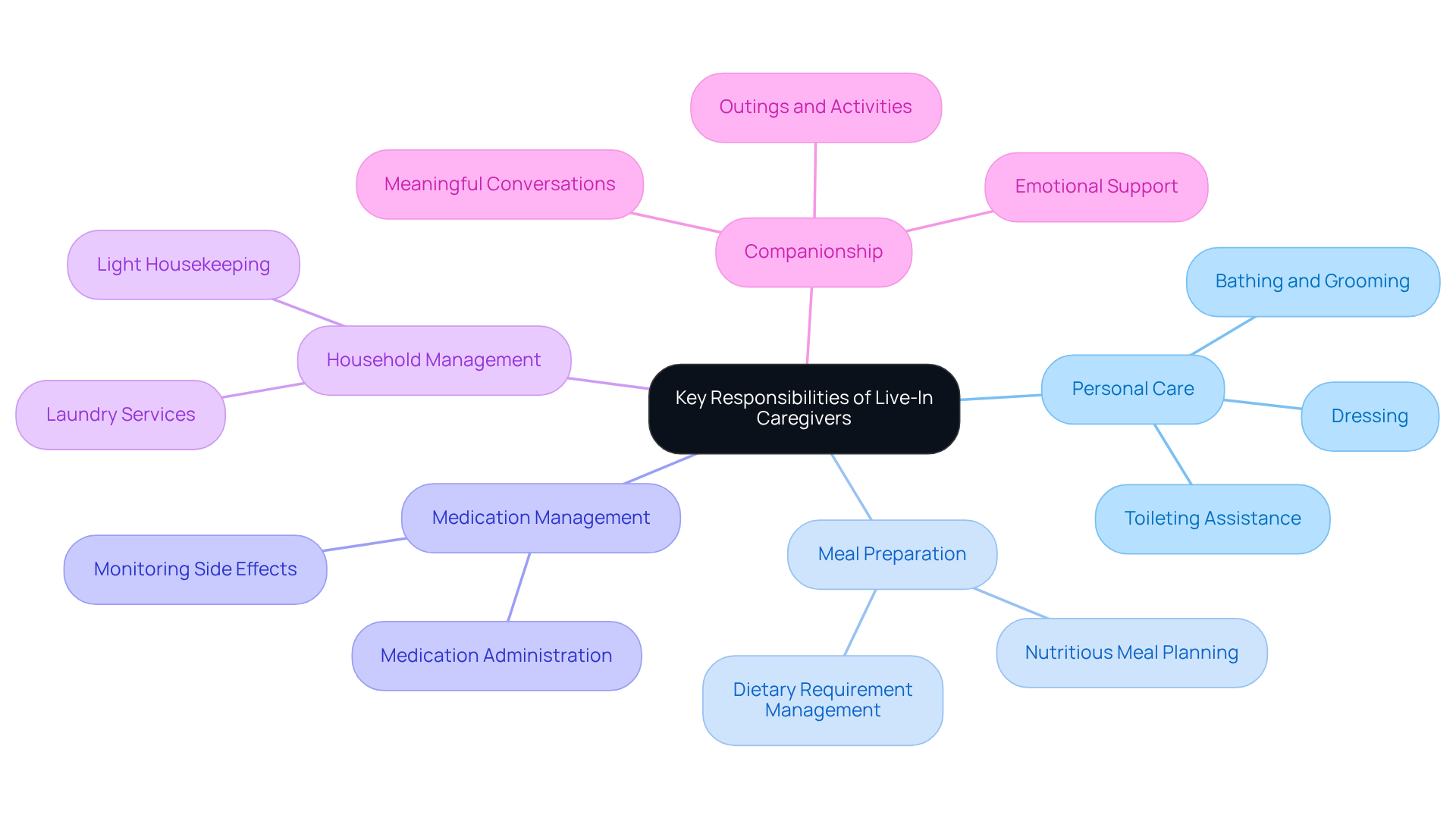
It can feel overwhelming when you're concerned about your loved one’s well-being, especially when considering how to find a live in caregiver for elderly. These caregivers take on a variety of responsibilities that not only address practical needs but also provide emotional support.
-
Personal Care: They assist with bathing, grooming, dressing, and toileting, ensuring your loved one feels comfortable and dignified.
-
Meal Preparation: Caregivers plan and prepare nutritious meals tailored to specific dietary requirements, helping to maintain health and vitality.
-
Medication Management: They ensure medications are taken as prescribed, keeping an eye out for any side effects, which can bring peace of mind to families.
-
Household Management: Light housekeeping and laundry are part of their duties, creating a safe and clean living environment that feels like home.
-
Companionship: Perhaps most importantly, they engage in meaningful conversations, accompany clients on outings, and provide emotional support, fostering a sense of connection and belonging.
Understanding these responsibilities can assist families in knowing how to find a live in caregiver for elderly who meets their loved one’s unique needs. Remember, you’re not alone in this journey; compassionate care is available to support both you and your family member.
Evaluate Qualifications and Personal Traits of Caregivers
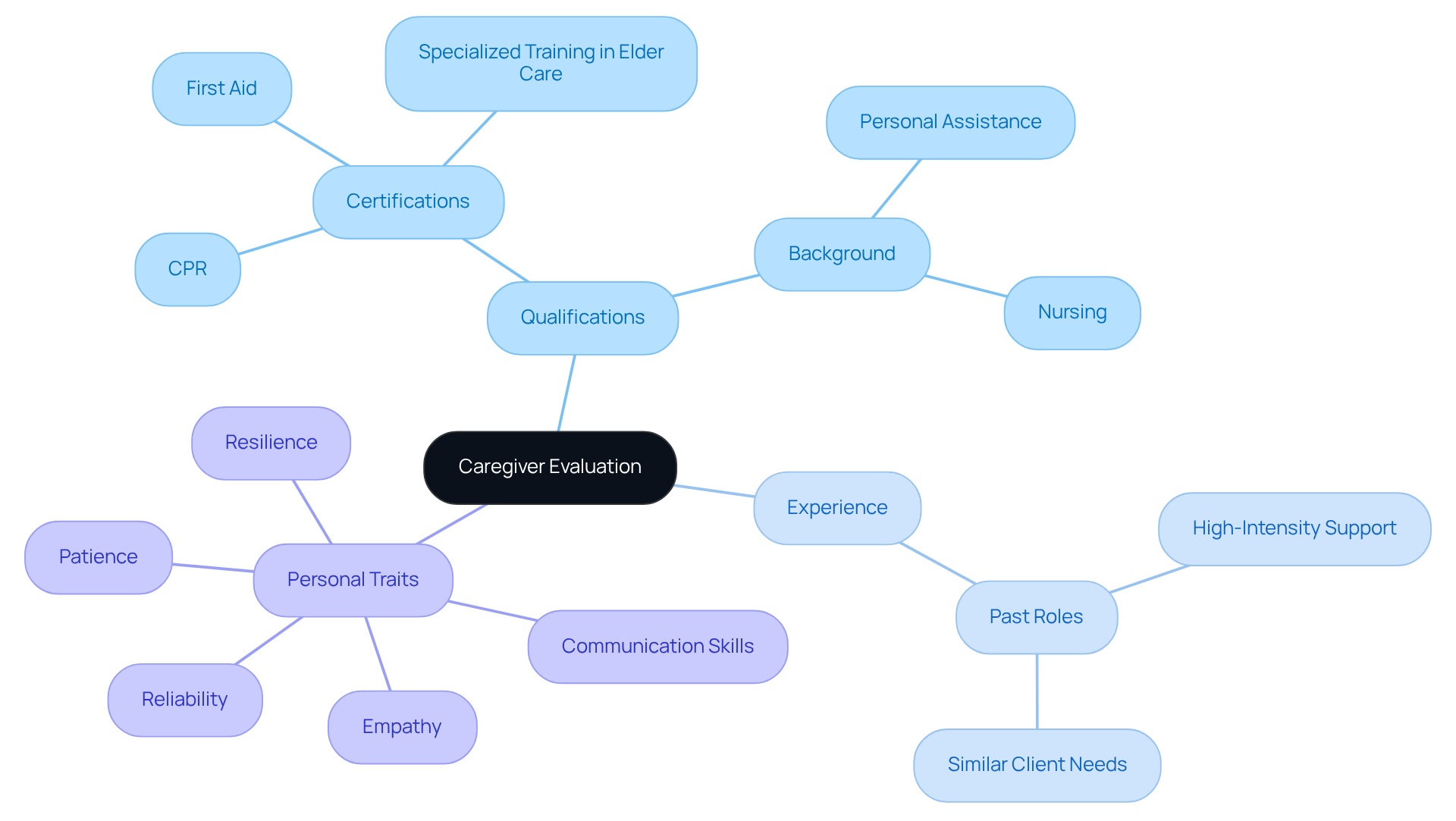
When learning how to find a live in caregiver for elderly, it’s essential to recognize both their qualifications and the personal qualities that contribute to effective caregiving.
Qualifications: Look for certifications such as CPR, First Aid, or specialized training in elder care. A background in nursing or personal assistance can greatly enhance a caregiver's ability to provide meaningful support.
Experience: Take a moment to evaluate their past caregiving roles, especially with clients who share similar needs. Caregivers with a solid history in high-intensity support often feel more equipped to handle complex situations.
Personal Traits: Important qualities to look for include empathy, patience, reliability, and strong communication skills. Those who excel in caregiving are adaptable and adept at managing the emotional aspects of care, which is vital for building trust and rapport with clients. Caregiving specialists frequently highlight empathy, patience, and resilience as the top three strengths of an effective provider, helping to manage stress and nurture connections with those they care for. It’s worth noting that nearly 40-70% of caregivers experience depression, underscoring the importance of these personal traits in navigating stress and emotional challenges.
Conducting thorough assessments, including evaluations of caregivers, is essential for understanding how to find a live in caregiver for elderly individuals, ensuring they not only meet technical standards but also possess the personal qualities necessary for effective support. This holistic approach is crucial, as those who possess these traits are more likely to provide compassionate and attentive care, ultimately enhancing the quality of life for those they serve. Additionally, it’s important to acknowledge that 23% of caregivers report being in debt due to their responsibilities, highlighting the financial pressures that can accompany this role.
Source and Approach Potential Caregivers
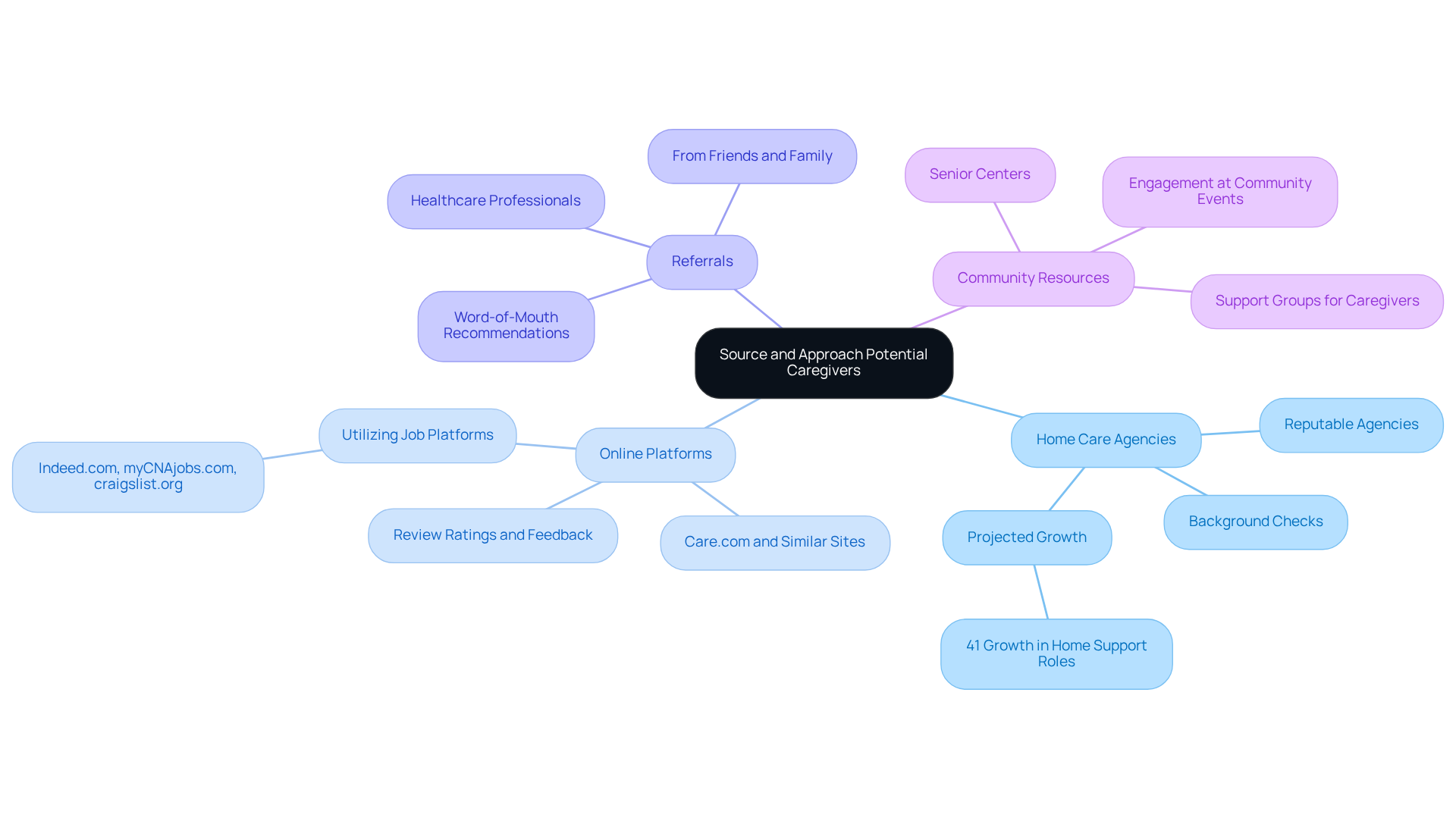
Finding the right caregiver for your loved one can be a daunting task, filled with emotional challenges. It’s essential to approach this process with care and understanding. Here are some methods to help you source potential caregivers effectively:
- Home Care Agencies: Consider reaching out to reputable agencies that specialize in live-in care. These agencies often conduct thorough background checks and provide qualified providers, ensuring a higher level of reliability and professionalism. With the US Bureau of Labor and Statistics projecting a 41% growth in home support roles over the next five years, the need for qualified individuals is more pressing than ever.
- Online platforms like Care.com or local community boards can be valuable resources for understanding how to find a live in caregiver for elderly. It’s crucial to review ratings and feedback from previous clients to assess the provider's reputation. As Scott Zielski wisely notes, "If you are not utilizing internet job platforms to recruit support staff, you’re potentially overlooking a significant recruitment resource."
- Don’t hesitate to seek referrals from friends, family, or healthcare professionals on how to find a live in caregiver for elderly. Personal referrals often lead to trustworthy candidates, as they come with firsthand experiences. Successful home care organizations frequently leverage their existing staff as a vital recruiting asset, underscoring the importance of word-of-mouth recommendations.
- Explore nearby senior centers or support groups for caregivers to discover how to find a live in caregiver for elderly individuals, as these can be excellent local community resources. Engaging with potential applicants at community events can significantly enhance your recruitment efforts.
Once you’ve identified potential candidates, approach them with clear communication about your loved one's specific needs and expectations. This openness fosters trust and helps ensure that the provider is a suitable match for your family. Remember, finding the right caregiver is not just about qualifications; it’s about building a relationship based on understanding and compassion.
Conduct Interviews and Background Checks
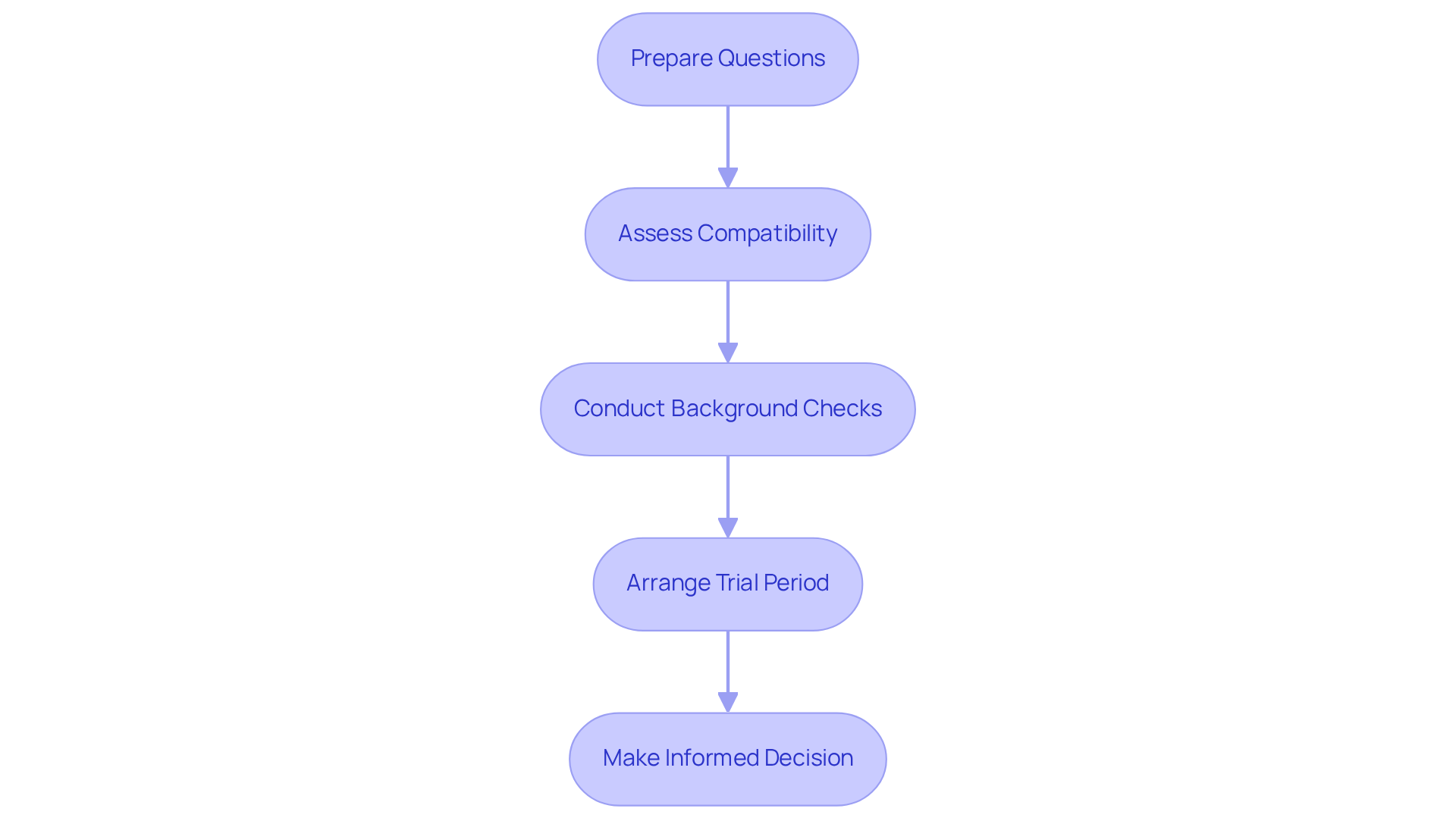
When interviewing potential caregivers, it’s important to approach the process with care and compassion. Here are some steps to help ensure a successful match:
- Prepare Questions: Start by crafting a thoughtful list of questions that explore their experience, caregiving philosophy, and how they would respond to specific scenarios. This will help you understand if they’re the right fit for your loved one’s unique needs.
- Assess Compatibility: Pay close attention to how the caregiver interacts with your loved one during the interview. Compatibility is key to building a positive caregiving relationship, which can greatly influence the quality of care provided.
- Background Checks: It’s essential to conduct thorough background checks, including criminal history, employment verification, and references. Engaging a Consumer Reporting Agency (CRA) can assist with this process, ensuring compliance with legal requirements, especially in states like California, Wisconsin, and Massachusetts where background checks are mandated. With one in five adults over age 70 experiencing some form of elder abuse each year, ensuring the safety and reliability of caregivers is crucial. Background checks should also include abuse and neglect registries to identify any concerning behaviors, even if unconvicted. Additionally, periodic re-checks of support providers are vital to maintain ongoing safety and trust.
- Trial Period: If possible, arrange a trial period to observe how the caregiver interacts with your loved one in a real-life setting. This allows both parties to adjust and assess the fit before making a long-term commitment. This step is essential for ensuring compatibility and safety in the caregiving relationship.
By following these steps, families can focus on cherishing meaningful moments with their loved ones, knowing that safety measures are in place and that they’ve made informed hiring decisions.
Develop a Personalized Care Plan
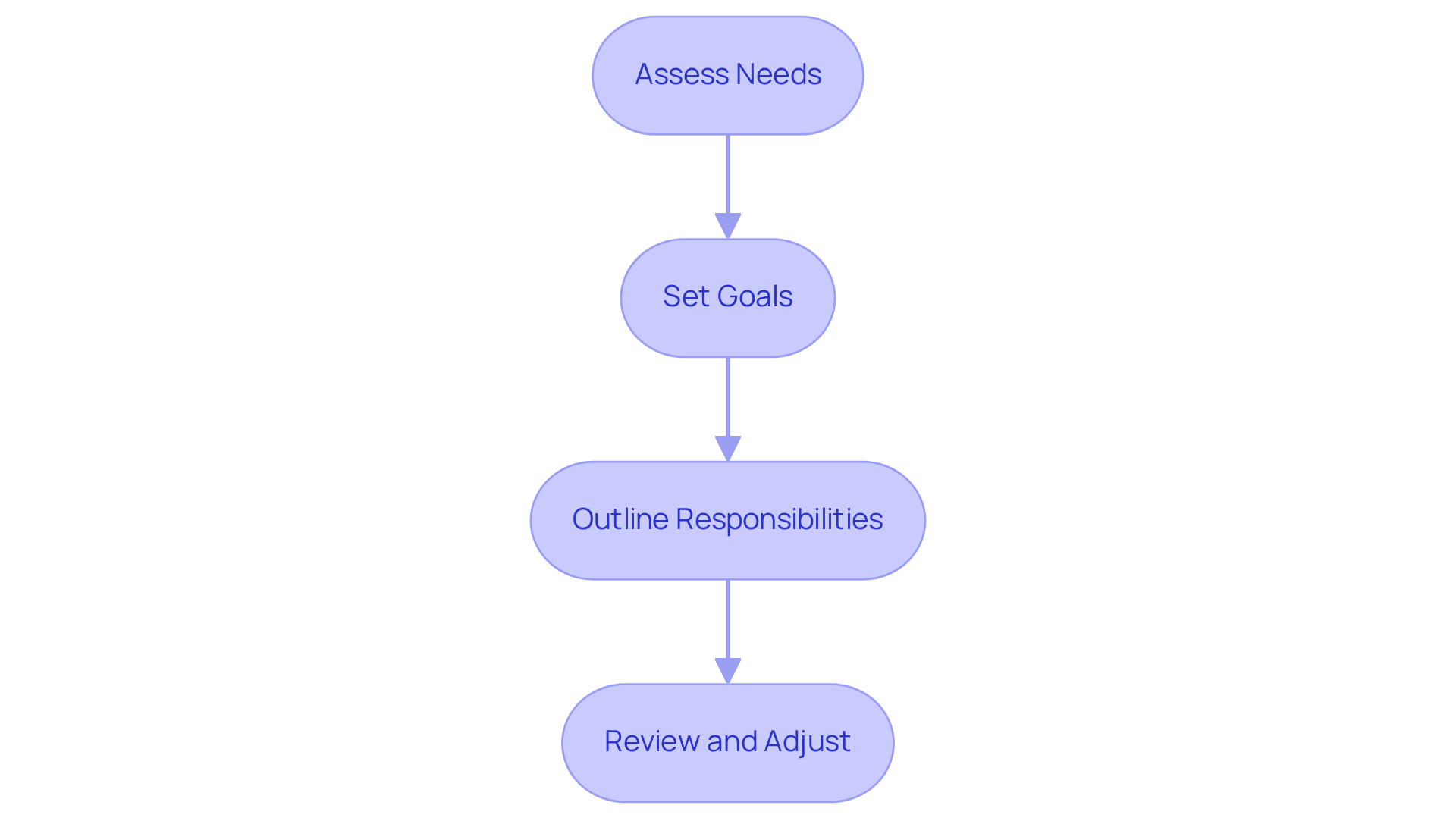
Creating a personalized care plan can feel overwhelming, but it’s a vital step in ensuring your loved one receives the support they truly need. Here are some essential steps to guide you through this process:
- Assess Needs: Start with a heartfelt evaluation of your loved one's physical, emotional, and social needs. It’s important to engage them in this discussion, as understanding their preferences ensures their voice is heard and valued.
- Set Goals: Establish clear and achievable objectives for the care provider to focus on. Whether it’s enhancing mobility or fostering social interactions, these goals should be tailored to fit your loved one’s unique circumstances, making them feel more involved in their care.
- Outline Responsibilities: Clearly define responsibilities based on the assessment and established goals. This includes daily routines, medication schedules, and any specific tasks that need attention. Clarity here can ease anxiety for both caregivers and those receiving care.
- Review and Adjust: Regularly revisit the support plan with both the caregiver and your loved one. This ensures the plan remains relevant and effective. Be open to making adjustments as needs or circumstances change, reinforcing that their well-being is a priority.
Research shows that individualized treatment strategies significantly enhance the well-being of the elderly. Patients receiving customized support report a remarkable 25% improvement in anxiety and depression scores. Geriatric management professionals emphasize the importance of evaluating personal requirements to develop effective support strategies. For example, many successful care plans have led to improved mobility and increased social engagement among clients, showcasing the profound impact of personalized approaches on overall health outcomes.
Remember, you’re not alone in this journey. By taking these steps, you’re not just creating a care plan; you’re fostering a nurturing environment that prioritizes your loved one’s needs and feelings.
Your Path Forward
Finding a live-in caregiver for an elderly loved one is a big decision, one that can truly enhance their quality of life. It’s essential to understand that a caregiver’s role goes beyond just helping with daily tasks; it includes providing emotional support and companionship. This holistic approach is vital for ensuring that seniors not only receive the care they need but also maintain their dignity and independence.
Throughout this guide, we’ve highlighted the key responsibilities of live-in caregivers, such as:
- Personal care
- Meal preparation
- Medication management
- Companionship
It’s equally important to evaluate caregivers based on their qualifications and personal traits. Look for those who possess empathy, patience, and reliability-qualities that are crucial for effective caregiving. The process of finding potential caregivers, conducting interviews, and developing a personalized care plan are all critical steps that can lead to a successful match and a nurturing environment for your loved one.
Ultimately, finding the right caregiver isn’t just about meeting physical needs; it’s about building a relationship based on trust and compassion. By taking the time to understand and implement these best practices, families can ensure their loved ones receive the support they deserve, allowing them to thrive in a familiar and comforting environment. Taking action today to seek the right caregiver can lead to a brighter, more fulfilling tomorrow for both the elderly and their families.
https://iframe.tely.ai/cta/eyJhcnRpY2xlX2lkIjogIjY5MTY5OGRlZjczNzUxMzU0ZDJjZjQ1ZiIsICJjb21wYW55X2lkIjogIjY4ZWU1ZGNhNzMxNzYyNTU3ZjNjOTVjMSIsICJpbmRleCI6IG51bGwsICJ0eXBlIjogImFydGljbGUifQ==Frequently Asked Questions
What is the role of a live-in caregiver?
A live-in caregiver provides compassionate, round-the-clock support to seniors or individuals with special needs in their homes. Their role includes assisting with daily activities such as bathing, dressing, and meal preparation, as well as offering emotional support and companionship.
How does in-home care benefit seniors?
In-home care helps seniors maintain their independence and engage in social activities, which are crucial for their overall quality of life. It can alleviate feelings of loneliness and isolation, positively impacting mental health through the emotional bond formed between caregivers and clients.
What responsibilities do live-in caregivers have?
Live-in caregivers have several key responsibilities, including personal care (bathing, grooming, dressing), meal preparation, medication management, household management (light housekeeping and laundry), and providing companionship through meaningful conversations and outings.
How can families find a qualified live-in caregiver?
Families can find a live-in caregiver by verifying the caregivers' qualifications and experience to ensure they meet the unique needs of their loved ones.
Is in-home care more cost-effective than nursing home services?
Yes, in-home care can often be more cost-effective than nursing home services, allowing families to provide necessary support without the stress of relocating their loved ones.
What emotional support do live-in caregivers provide?
Live-in caregivers offer emotional support by engaging in meaningful conversations, providing companionship, and fostering a sense of connection and belonging for their clients.