How to Get Certified to Care for the Elderly: A Step-by-Step
For families in our service areas
For families in our service areas, this guide explains caregiving and how non-medical in-home caregiving can support care planning in East Idaho, Treasure Valley & Magic Valley, Northern Wasatch, North Central West Virginia, and Northeast Ohio.
Why Get Certified to Care for the Elderly: Matters
The growing demand for skilled caregivers reveals a significant issue in the healthcare industry: the lack of proper certification. This gap not only affects job prospects for aspiring caregivers but also impacts the quality of care provided to the elderly. Without the right qualifications, caregivers may struggle to deliver safe and effective support, leaving many vulnerable individuals at risk.
Navigating the certification process can feel overwhelming, with many aspiring caregivers unsure of how to begin their journey. This uncertainty can lead to missed opportunities and a lack of confidence in their ability to provide care. So, what can be done to bridge this gap?
To ensure personal success and the well-being of those in their care, aspiring caregivers should focus on obtaining essential qualifications. This includes:
- Understanding the specific certifications required in their region
- Enrolling in accredited training programs
- Seeking mentorship from experienced professionals in the field
By taking these steps, caregivers can enhance their job prospects while ensuring they are equipped to provide the highest standard of care.
Understand the Importance of Caregiver Certification
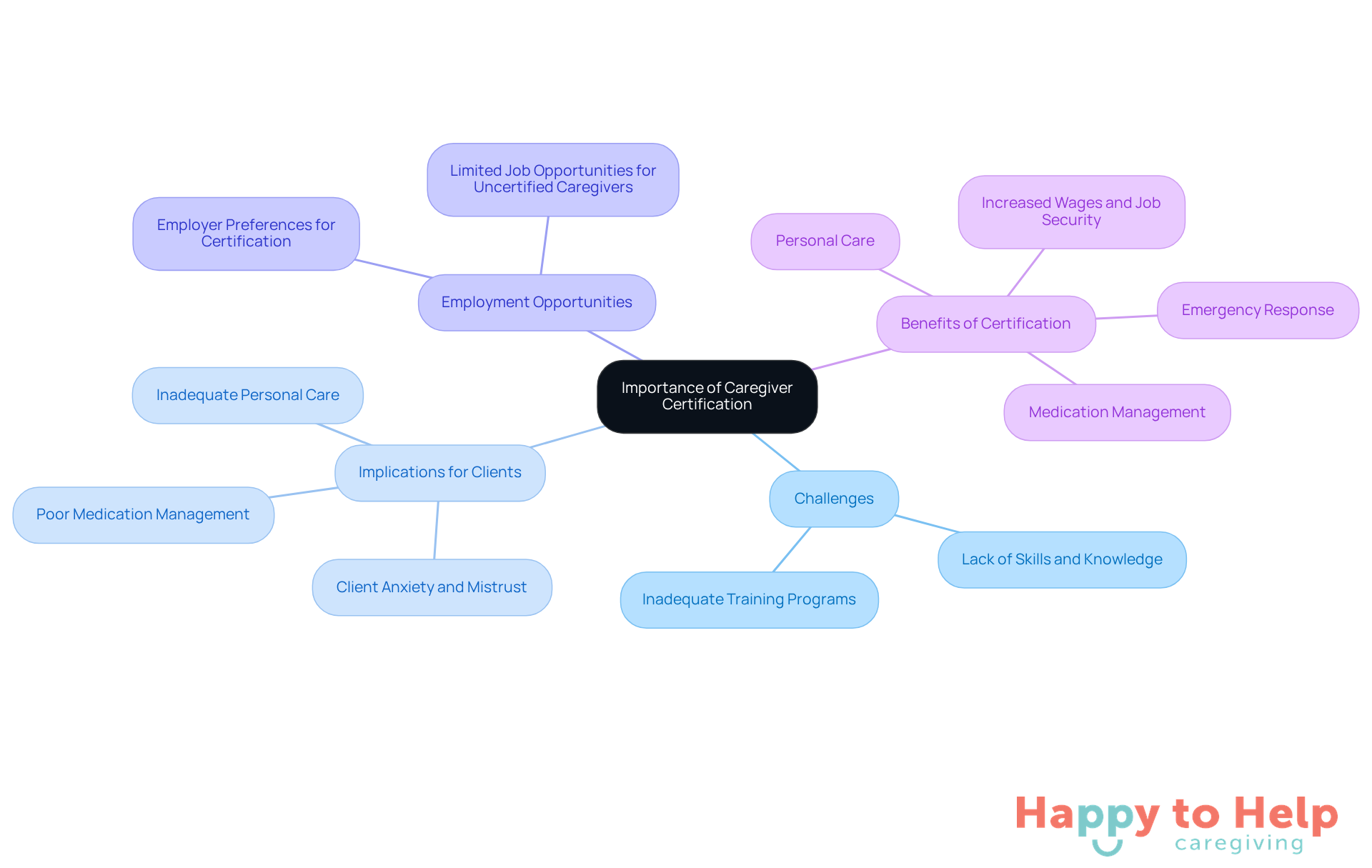
Caregiver certification presents a significant challenge in the caregiving field. Without proper certification, caregivers may lack the essential skills and knowledge needed to provide safe and effective assistance. This gap in training can lead to serious implications for clients, including inadequate personal care and poor medication management, which can jeopardize their well-being.
The absence of certified caregivers not only affects client safety but also limits employment opportunities for caregivers themselves. Many employers prefer or even require qualifications, making it difficult for uncredentialed individuals to secure positions. Families seeking assistance for their loved ones often feel uncertain about the quality of care provided by non-certified professionals, which can lead to anxiety and mistrust.
However, learning how to get certified to take care of elderly can serve as a practical solution. Certification programs cover vital topics such as:
- Personal care
- Medication management
- Emergency response
These programs equip caregivers with the necessary skills to excel in their roles. Moreover, certified caregivers often enjoy increased wages and improved job security, making certification a valuable investment for anyone considering a career in caregiving. By learning how to get certified to take care of elderly, caregivers not only enhance their professional prospects but also instill confidence in the families they serve.
Explore Key Caregiver Certifications
Aspiring caregivers face several challenges when considering their qualifications, particularly in a field that is rapidly evolving. The demand for skilled caregivers is on the rise, making it essential to understand the various certifications available. Here are some key qualifications to consider:
-
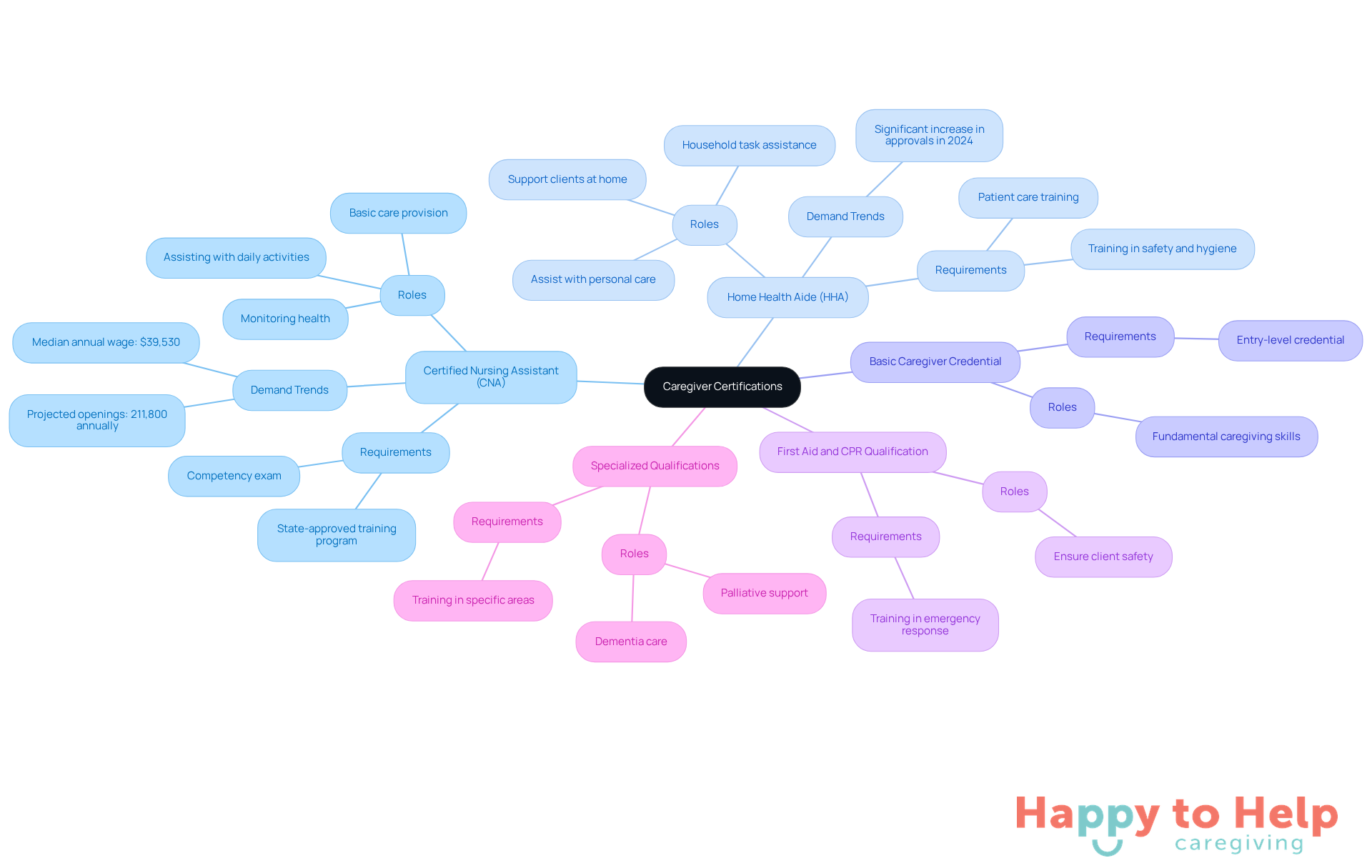
Certified Nursing Assistant (CNA): To earn this certification, candidates must complete a state-approved training program and pass a competency exam. CNAs are vital in providing basic care, assisting patients with daily activities, and monitoring their health. According to the U.S. Bureau of Labor Statistics, the demand for CNAs is projected to grow, with approximately 211,800 openings expected annually due to workforce turnover.
-
Home Health Aide (HHA): HHAs support clients in their homes, assisting with personal care and household tasks. Qualification typically includes training in safety, hygiene, and patient care. Each year, thousands of HHAs are certified, reflecting the increasing need for in-home support services. For instance, in 2024, the number of HHA approvals reached a significant milestone, highlighting the growing demand for these essential services.
-
Basic Caregiver Credential: This entry-level credential covers fundamental caregiving skills and often serves as a prerequisite for more advanced qualifications. It provides the foundational knowledge necessary for effective caregiving.
-
First Aid and CPR Qualification: Essential for all providers, this qualification equips individuals with the skills to respond to emergencies effectively, ensuring client safety.
-
Specialized Qualifications: For those focused on specific areas like dementia care or palliative support, specialized qualifications offer comprehensive training, enhancing practitioners' knowledge and effectiveness.
Each credential has its own requirements and advantages, making it crucial for aspiring caregivers to explore which aligns best with their career goals. The right credential not only boosts job prospects but also significantly enhances the quality of care provided to clients. Furthermore, the median yearly salary for nursing aides was noted at $39,530 in May 2024, underscoring the financial benefits of obtaining these qualifications.
Follow Steps to Obtain Each Certification
To learn how to get certified to take care of elderly, it's crucial to navigate a process that can be challenging yet rewarding. Many aspiring caregivers struggle with understanding how to get certified to take care of elderly, which can hinder their career prospects in a competitive job market.
Here’s how to tackle this issue effectively:
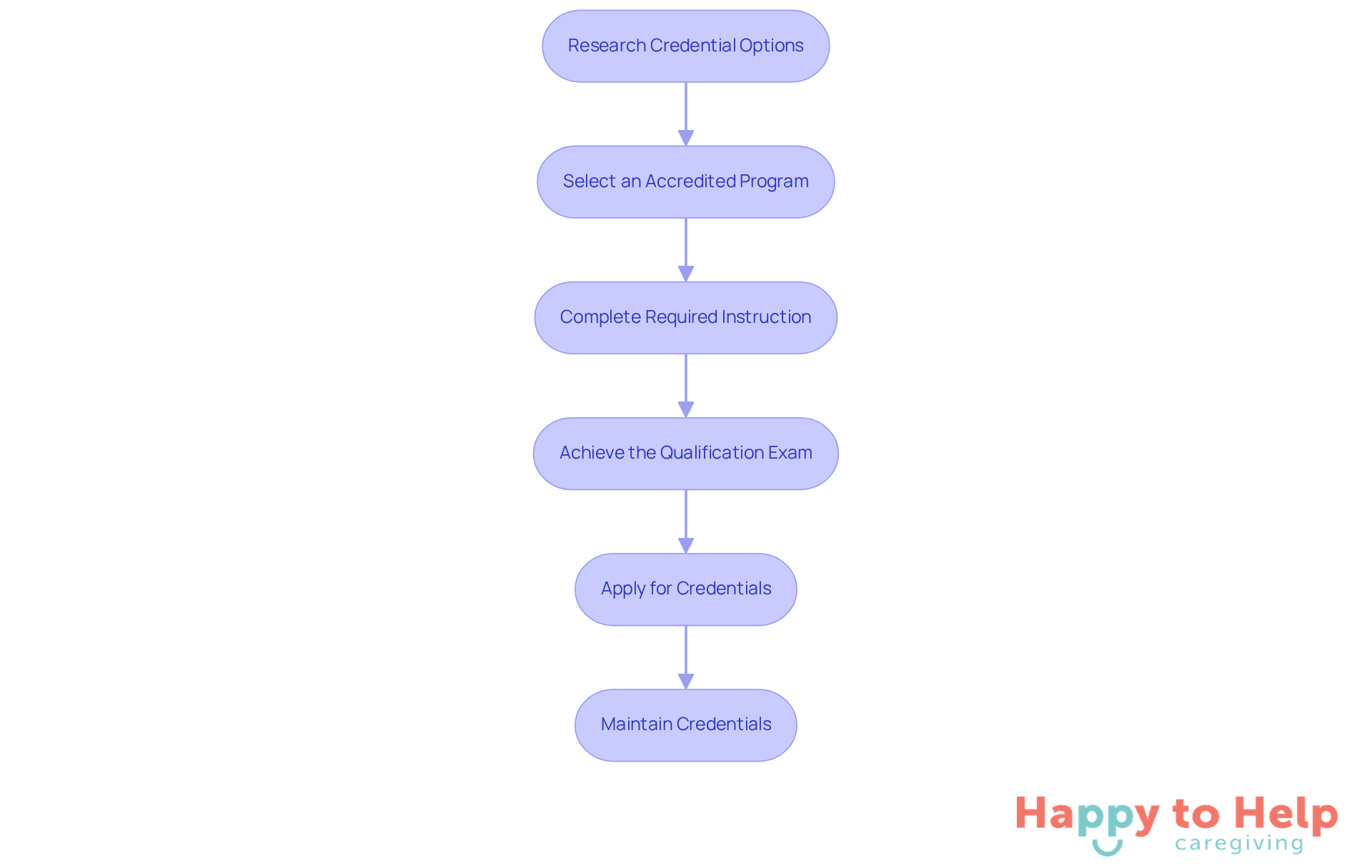
- Research Credential Options: Start by identifying credentials that align with your career goals. Think about job requirements, your areas of interest, and the specific populations you want to serve.
- Select an Accredited Program: Enroll in a state-approved course that offers the certification you desire. Ensure the program meets industry standards and provides thorough education, as this is essential for your future success.
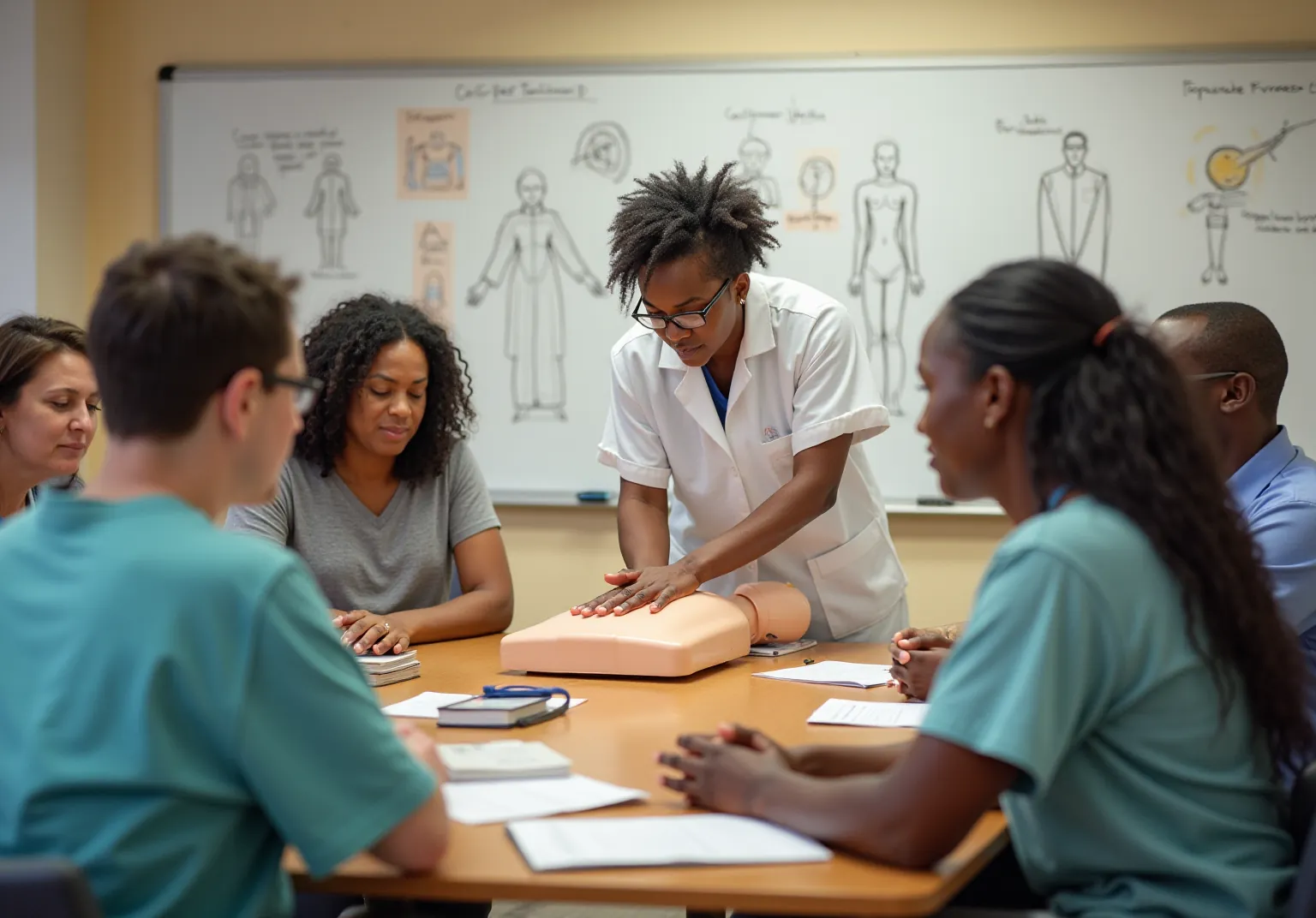
- Complete Required Instruction: Attend all classes and fulfill any hands-on components. This may include practical skills assessments and coursework on caregiving techniques, which are vital for effective care delivery.
- Achieve the Qualification Exam: After your preparation, passing a competency examination is necessary. This exam assesses your knowledge and abilities related to caregiving, demonstrating your readiness to provide care.
- Apply for Credentials: Once you pass the exam, submit your application for credentials to the relevant certifying authority. This typically involves providing proof of training and exam completion, ensuring you meet all necessary criteria.
- Maintain Credentials: Many qualifications require ongoing education or renewal every few years. Stay informed about your credential's requirements to ensure compliance and continuously enhance your qualifications.
By following these steps, you can effectively manage the accreditation process and understand how to get certified to take care of elderly, thereby significantly enhancing your credentials as a caregiver. Choosing accredited programs is essential, as they not only provide quality training but also improve your employability. Remember, the average time to complete caregiver certification programs can vary, but many can be finished within a few months, allowing you to start your rewarding career in caregiving promptly.
Taking the Next Steps
Obtaining certification to care for the elderly presents a significant challenge for aspiring caregivers. Without proper training, caregivers may lack the essential skills and knowledge needed to provide safe and effective assistance. This gap not only affects the quality of care delivered to clients but also raises concerns for families seeking reliable support for their loved ones.
The importance of caregiver certification cannot be overstated. Key qualifications, such as Certified Nursing Assistant (CNA) and Home Health Aide (HHA), serve as pathways to professional growth. To achieve these certifications, caregivers must follow structured steps:
- Researching credential options
- Selecting accredited programs
- Completing required instruction
- Maintaining credentials
Each step is crucial in preparing caregivers for the challenges they will encounter in the field.
Given the increasing demand for skilled caregivers, pursuing certification is more than just a personal achievement; it represents a commitment to delivering high-quality care to the elderly. By investing in proper training and credentials, caregivers enhance their professional prospects while contributing to the well-being and safety of those they serve. Taking action towards certification today can lead to a rewarding career and a significant impact on the lives of others.
https://iframe.tely.ai/cta/eyJhcnRpY2xlX2lkIjogIjY5MjNhMGIzYzVlZWQyYmRiNTU3YmYxZCIsICJjb21wYW55X2lkIjogIjY4ZWU1ZGNhNzMxNzYyNTU3ZjNjOTVjMSIsICJpbmRleCI6IG51bGwsICJ0eXBlIjogImFydGljbGUifQ==Frequently Asked Questions
Why is caregiver certification important?
Caregiver certification is important because it ensures that caregivers possess the essential skills and knowledge needed to provide safe and effective assistance, which directly impacts client safety and well-being.
What are the consequences of not having certified caregivers?
Without certified caregivers, clients may experience inadequate personal care and poor medication management, which can jeopardize their health. Additionally, uncredentialed caregivers face limited employment opportunities, as many employers prefer or require qualifications.
How does the absence of certification affect families seeking care?
Families often feel uncertain about the quality of care provided by non-certified professionals, leading to anxiety and mistrust regarding the assistance their loved ones receive.
What topics are covered in caregiver certification programs?
Caregiver certification programs cover vital topics such as personal care, medication management, and emergency response.
What are the benefits of becoming a certified caregiver?
Certified caregivers often enjoy increased wages, improved job security, and enhanced professional prospects, which makes certification a valuable investment for those considering a career in caregiving.
How can caregivers get certified to care for the elderly?
Caregivers can get certified by enrolling in certification programs that provide training on essential caregiving skills and knowledge necessary for effective elderly care.
List of Sources
- Understand the Importance of Caregiver Certification
- Key Trends in 2025 & the Future of Caregiver Training (https://blog.nevvon.com/key-trends-in-2025-the-future-of-caregiver-training)
- Caregiver Certification California: Training & Requirements (https://learn2care.us/blog/caregiver-certification-california)
- Caregiver Statistics: Work and Caregiving (https://caregiver.org/resource/caregiver-statistics-work-and-caregiving)
- Caregiving Statistics US 2025: Insights for Family Caregivers (https://zencaregiving.org/caregiving-statistics-us-2025)
- HHS Launches $2M AI Initiative To ‘Transform’ Caregiving, Address Staffing Challenges (https://homehealthcarenews.com/2025/11/hhs-launches-2m-ai-initiative-to-transform-caregiving-address-staffing-challenges)
- Explore Key Caregiver Certifications
- CCA Celebrates 25 Years of Caregiver Training (https://advancecaregivers.org/cca-celebrates-25-years-of-caregiver-training)
- TheKey’s Caregiver Mobility Training Improves Client Independence, Caregiver Retention, Business Sustainability (https://homehealthcarenews.com/2025/07/thekeys-caregiver-mobility-training-improves-client-independence-caregiver-retention-business-sustainability)
- Nursing Assistants and Orderlies (https://bls.gov/ooh/healthcare/nursing-assistants.htm)
- Certified Nursing Assistant (CNA) Career Outlook for 2025 - Supplemental Health Care (https://shccares.com/blog/nursing-resources/certified-nursing-assistant-cna-career-outlook-for-2025)
- CCA Announces Free Online Caregiver Training Program for IHSS Workers (https://advancecaregivers.org/cca-announces-free-online-caregiver-training-program-for-ihss-workers)
- Follow Steps to Obtain Each Certification
- California's Care Workforce (https://ppic.org/publication/californias-care-workforce)
- Family Caregiver Stats | The Caregiving Years Training Academy (https://careyearsacademy.com/stats)
- Caregiver Quotes: 50+ Inspiring Encouragement Quotes for Strength (https://h2hhc.com/blog/inspiring-caregiver-quotes)
- How to Become a Caregiver: Certification Requirements in Ohio for 2025 | Research.com (https://research.com/careers/how-to-become-a-caregiver-certification-requirements-in-ohio)
- 27 Inspirational Quotes for Caregivers (https://ultimatecareny.com/resources/27-quotes-for-caregivers)