How to Handle Hallucinations in the Elderly: A Caregiver's Guide
For families in our service areas
For families in our service areas, this guide explains caregiver support and how non-medical in-home caregiving can support care planning in East Idaho, Treasure Valley & Magic Valley, Northern Wasatch, North Central West Virginia, and Northeast Ohio.
What You Need to Know About Handle Hallucinations in the Elderly: A
Understanding the complexities of hallucinations in the elderly is essential for caregivers navigating this challenging aspect of care. These false perceptions can arise from various causes, including cognitive decline and medication side effects. Recognizing the signs is crucial, as it can significantly enhance the quality of life for both seniors and their caregivers.
However, managing these experiences often takes an emotional toll on caregivers, leaving them feeling overwhelmed and isolated. This situation raises an important question: how can caregivers effectively support their loved ones while also seeking the necessary resources for their own well-being?
To address this, caregivers can implement several strategies:
- Educate themselves about the causes and signs of hallucinations.
- Establish open communication with healthcare providers to discuss medication adjustments.
- Seek support groups to connect with others facing similar challenges.
By taking these steps, caregivers can not only improve their loved ones' experiences but also find the support they need to manage their own emotional health.
Understand Hallucinations: Definition and Types
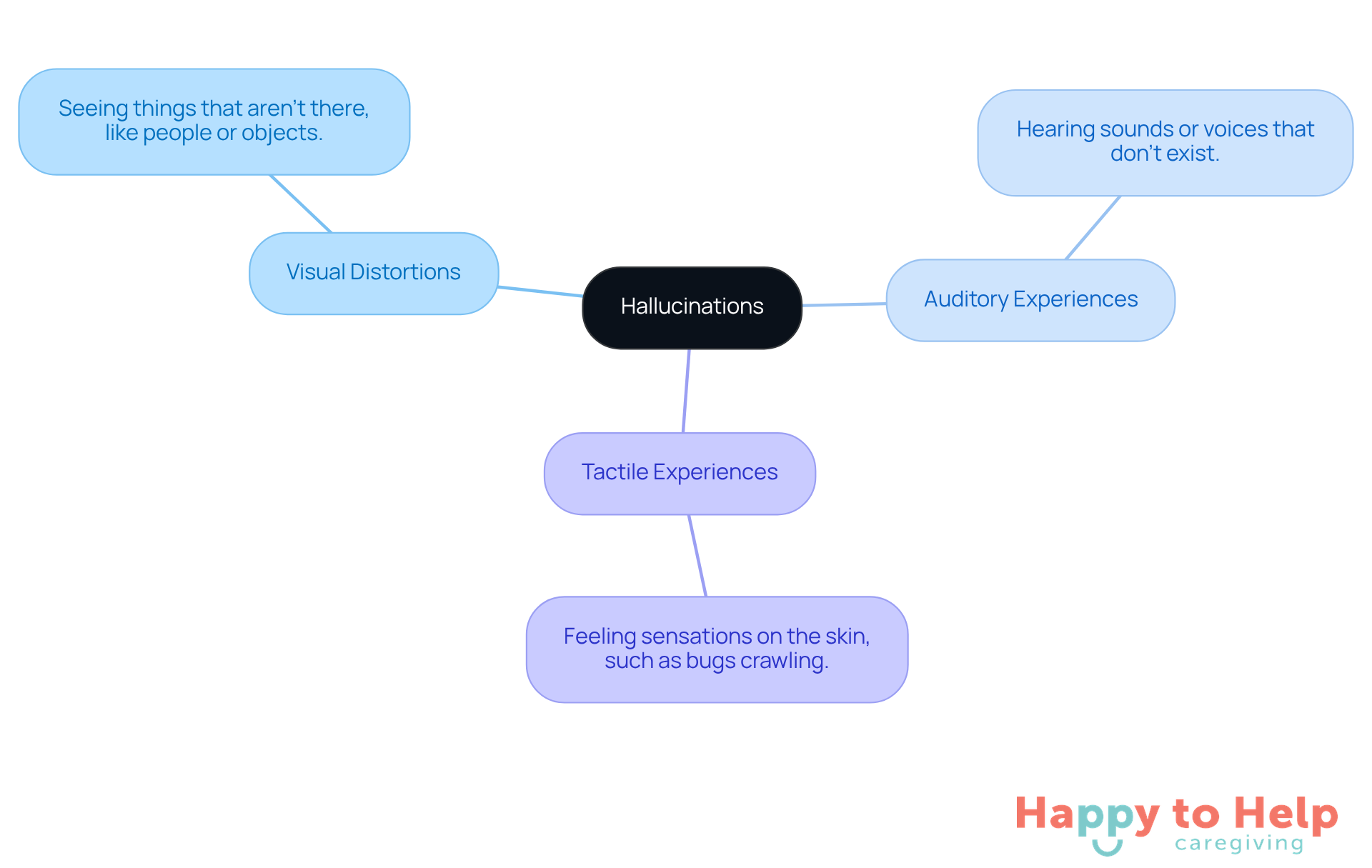
False perceptions can significantly impact caregivers, as they influence the five senses: sight, sound, smell, touch, and taste. Understanding how to handle hallucinations in the elderly is crucial for providing effective support.
Types of False Perceptions:
- Visual Distortions: Seeing things that aren’t there, like people or objects.
- Auditory Experiences: Hearing sounds or voices that don’t exist.
- Tactile Experiences: Feeling sensations on the skin, such as bugs crawling.
Recognizing these types helps caregivers identify what their loved ones are experiencing. This understanding is vital for providing appropriate support and reassurance regarding how to handle hallucinations in the elderly. By being aware of these false perceptions, caregivers can better navigate the challenges they face and provide the necessary comfort.
Identify Causes of Hallucinations in the Elderly
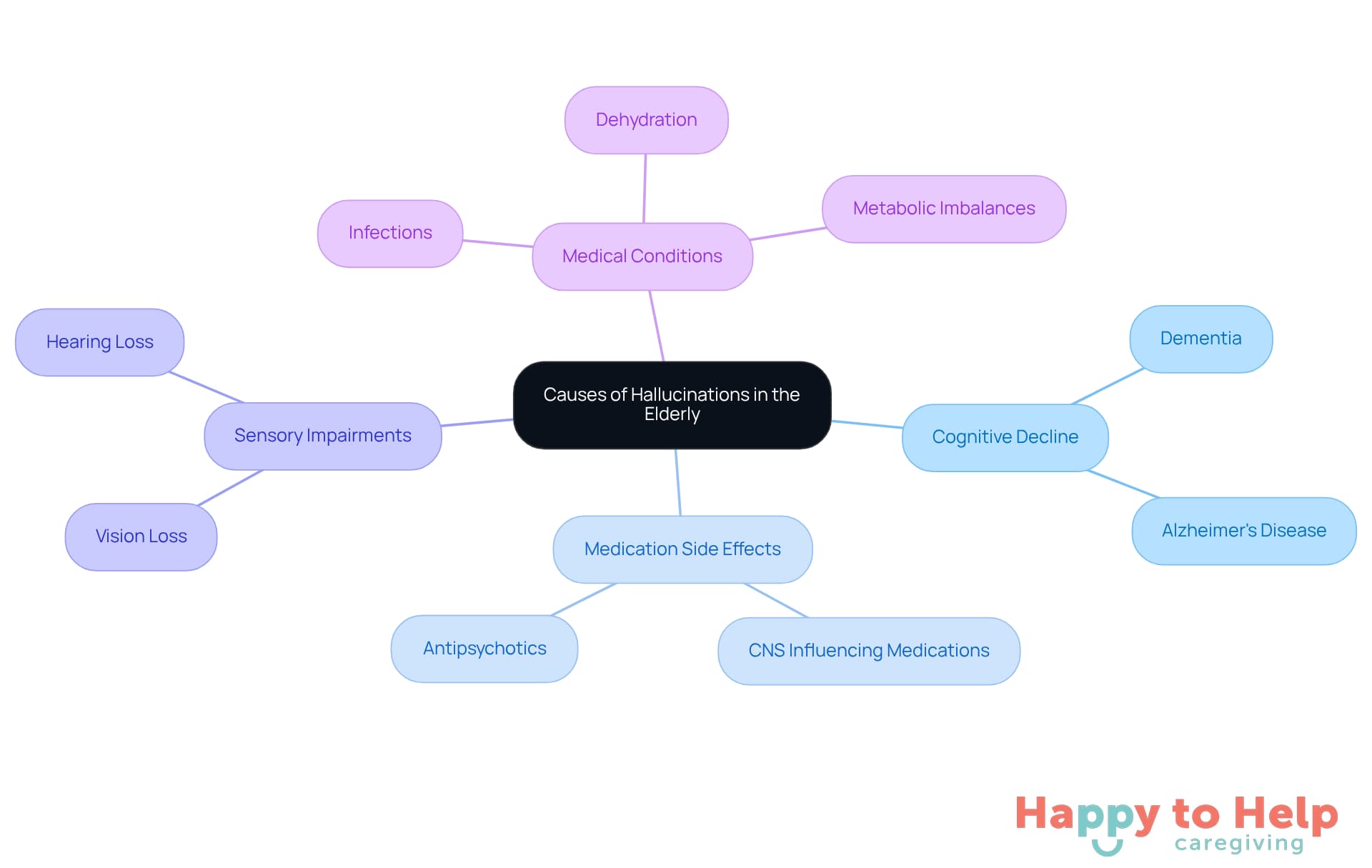
Caregivers face a significant challenge when learning how to handle hallucinations in the elderly. These episodes can stem from various factors, including:
- Cognitive Decline: Conditions like dementia or Alzheimer's can lead to hallucinations.
- Medication Side Effects: Certain medications, particularly those influencing the central nervous system, can result in visual or auditory distortions.
- Sensory Impairments: Vision or hearing loss may cause misinterpretations of stimuli, leading to false perceptions.
- Medical Conditions: Illnesses such as infections, dehydration, or metabolic imbalances can induce altered perceptions.
For caregivers, understanding how to handle hallucinations in the elderly is crucial. By identifying the underlying factors, they can take appropriate actions, such as consulting healthcare professionals for medication reviews or medical evaluations. This proactive approach not only helps in how to handle hallucinations in the elderly but also supports their overall well-being.
Implement Strategies to Manage Hallucinations
Caregivers often seek guidance on how to handle hallucinations in the elderly, as it can be a significant challenge. These experiences can lead to anxiety and confusion for both the individual and their supporters. To address this issue effectively, caregivers can implement several strategies that promote a sense of safety and well-being.
-
Stay Calm and Reassuring: Approach the individual with a calm demeanor, offering reassurance without challenging their perceptions. This helps alleviate anxiety and fosters a sense of safety. Caregivers have noted that maintaining a soothing presence is crucial in these situations.
-
Create a Safe Environment: Ensure the living space is well-lit and free from potential hazards. Research suggests that a well-structured and illuminated setting can significantly decrease confusion and the incidence of perceptual disturbances in seniors. For instance, studies show that proper lighting and minimizing reflective surfaces can help create a more comfortable atmosphere.
-
Engage in Distraction Techniques: Redirect attention by engaging the individual in a favorite activity or conversation. This can help shift focus away from troubling perceptions, promoting a more peaceful state. Caregivers have found that activities like listening to music or reminiscing about positive memories can be particularly effective.
-
Monitor Triggers: Identify and minimize environmental triggers, such as loud noises or chaotic settings, that may provoke distorted perceptions. For example, switching off distressing television shows can reduce the frequency and intensity of false perceptions. Caregivers should also be aware of how certain patterns or colors in the environment might be misinterpreted by seniors.
-
Consult Healthcare Providers: Regularly communicate with healthcare professionals about the individual's experiences. This partnership is crucial for modifying care plans and ensuring the best possible assistance. Bringing a list of observed behaviors and any changes can facilitate more productive discussions with healthcare providers.
By implementing these strategies, caregivers can understand how to handle hallucinations in the elderly, thereby helping to lower their frequency and severity and fostering a more peaceful atmosphere for both themselves and their loved ones.

Seek Support and Resources for Caregivers and Patients
Caregivers often face significant challenges regarding how to handle hallucinations in the elderly. This situation can lead to emotional strain and feelings of isolation, making it crucial for caregivers to seek support and resources.
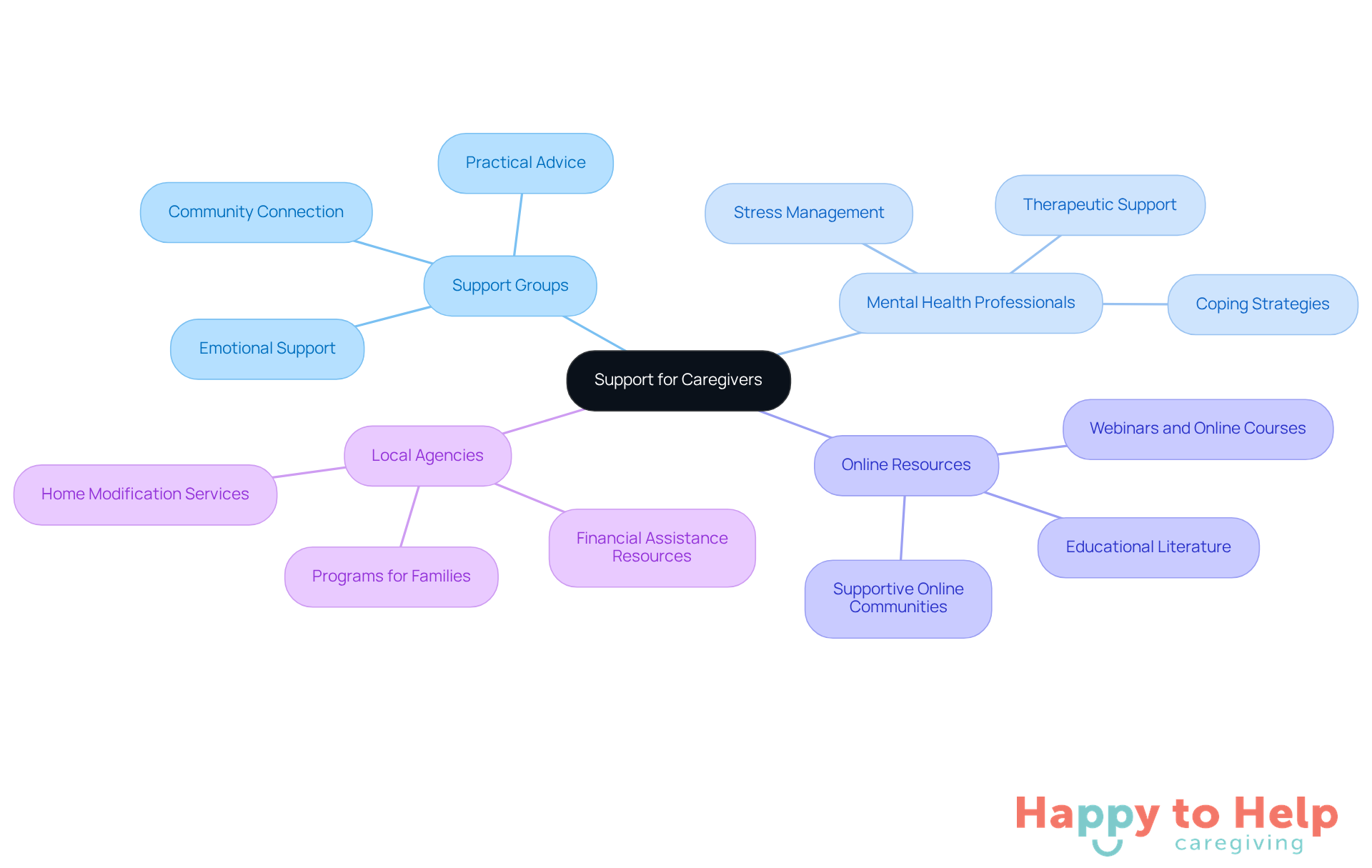
To address these challenges, caregivers can explore several valuable options:
- Joining caregiver support groups can provide emotional support and practical advice from others in similar situations.
- Engaging with mental health professionals can help caregivers cope with stress and emotional challenges.
- Utilizing online platforms and literature focused on elderly care can enhance understanding and skills in managing perceptual disturbances.
- Local agencies frequently offer programs and services designed to assist caregivers and their family members.
By leveraging these resources, caregivers can find the support they need to navigate the complexities of managing hallucinations in the elderly.
Making the Right Choice
Understanding and managing hallucinations in the elderly presents a significant challenge for caregivers. These experiences can lead to confusion, distress, and a decline in the quality of life for both the elderly and their caregivers. Recognizing the various types of hallucinations - visual, auditory, and tactile - and their potential causes, such as cognitive decline or medication side effects, is crucial for effective caregiving.
To address these challenges, caregivers can implement several practical strategies:
- Maintaining a reassuring presence and creating a safe living space are essential steps.
- Utilizing distraction techniques can help redirect attention away from distressing experiences.
- Engaging in proactive communication with healthcare professionals can further enhance support for both caregivers and their loved ones.
The emotional toll of caregiving cannot be overlooked. Seeking support and resources is vital, as it underscores the importance of community and professional assistance. By fostering an environment of understanding and compassion, caregivers can navigate the complexities of hallucinations more effectively.
Ultimately, the journey of caregiving is filled with challenges, but by leveraging the strategies outlined and seeking support systems, caregivers can manage their responsibilities with greater confidence and resilience. This proactive approach not only benefits the elderly but also empowers caregivers, enhancing the overall caregiving experience.
https://iframe.tely.ai/cta/eyJhcnRpY2xlX2lkIjogIjY5MjRmMWRkZWM0Y2FiOGU3NGVjMDBkNyIsICJjb21wYW55X2lkIjogIjY4ZWU1ZGNhNzMxNzYyNTU3ZjNjOTVjMSIsICJpbmRleCI6IG51bGwsICJ0eXBlIjogImFydGljbGUifQ==Frequently Asked Questions
What are hallucinations?
Hallucinations are false perceptions that can significantly impact individuals, affecting the five senses: sight, sound, smell, touch, and taste.
Why is it important for caregivers to understand hallucinations in the elderly?
Understanding hallucinations is crucial for caregivers as it enables them to provide effective support and reassurance to their loved ones experiencing these false perceptions.
What are the different types of hallucinations mentioned in the article?
The article mentions three types of hallucinations: visual distortions (seeing things that aren’t there), auditory experiences (hearing sounds or voices that don’t exist), and tactile experiences (feeling sensations on the skin, such as bugs crawling).
How can recognizing types of hallucinations help caregivers?
Recognizing the types of hallucinations helps caregivers identify what their loved ones are experiencing, allowing them to navigate challenges more effectively and provide the necessary comfort and support.
List of Sources
- Implement Strategies to Manage Hallucinations
- Managing Dementia Hallucinations: How To Keep Your Loved One Relaxed (https://homeinstead.com/home-care/usa/az/glendale/882/news-and-media/managing-dementia-hallucinations-how-to-keep-your-loved-one-relaxed)
- Top List of Inspirational Dementia Quotes for Caregivers (https://rochesterlawcenter.com/dementia-resources/dementia-quotes)
- 12 Deep Schizophrenia Quotes From People With the Disorder (https://everydayhealth.com/schizophrenia/on-schizophrenia-inspirational-quotes-from-people-with-the-disease)
- How to Manage Hallucinations in the Elderly (https://assistinghands.com/98/ohio/westlake/blog/manage-hallucinations-in-the-elderly)
- Seek Support and Resources for Caregivers and Patients
- The Benefits of Support Groups for Older Adults and Caregivers (https://watermarkcommunities.com/resources/in-the-news/the-benefits-of-support-groups-for-older-adults-and-caregivers)
- CaringBridge (https://caringbridge.org/resources/inspirational-quotes-on-caregiving)
- Caregiver Statistics: Health, Technology, and Caregiving Resources (https://caregiver.org/resource/caregiver-statistics-health-technology-and-caregiving-resources)
- 2023 Study — Caregiving in America, Statistics on Family Caregivers and Beyond | Guardian (https://guardianlife.com/reports/caregiving-in-america)
- The Caregiving Landscape: Data & Insights on the Caregiver Experience in the U.S. (https://caregiveraction.org/caregiver-statistics)