How to Help Alzheimer's Patients Not Eating: Practical Steps

For families in our service areas
For families in our service areas, this guide explains alzheimer's care and how non-medical in-home caregiving can support care planning in East Idaho, Treasure Valley & Magic Valley, Northern Wasatch, North Central West Virginia, and Northeast Ohio.
What You Need to Know About Help Alzheimer
Understanding the complexities of appetite changes in Alzheimer's patients is crucial for caregivers who want to ensure their loved ones receive adequate nutrition. Cognitive impairment, emotional challenges, and physical difficulties can significantly hinder a patient's desire to eat, leading to serious health risks.
Caregivers face the daunting task of navigating these obstacles. The implications are profound: inadequate nutrition can exacerbate health issues and diminish quality of life. So, how can caregivers create a supportive mealtime environment that encourages better eating habits and enhances overall well-being?
This guide delves into practical strategies designed to empower caregivers. By fostering a nurturing dining experience tailored to the unique needs of Alzheimer's patients, caregivers can significantly improve mealtime outcomes. Here are some actionable tips to consider:
- Establish a Routine: Consistency can help patients feel more secure and willing to eat.
- Create a Pleasant Environment: A calm, inviting atmosphere can stimulate appetite.
- Offer Favorite Foods: Familiar tastes can encourage eating and provide comfort.
By implementing these strategies, caregivers can effectively support their loved ones in maintaining better nutrition.
Identify Causes of Reduced Appetite in Alzheimer's Patients
To effectively assist Alzheimer's patients not eating, it’s crucial to identify the underlying causes of their reduced appetite.
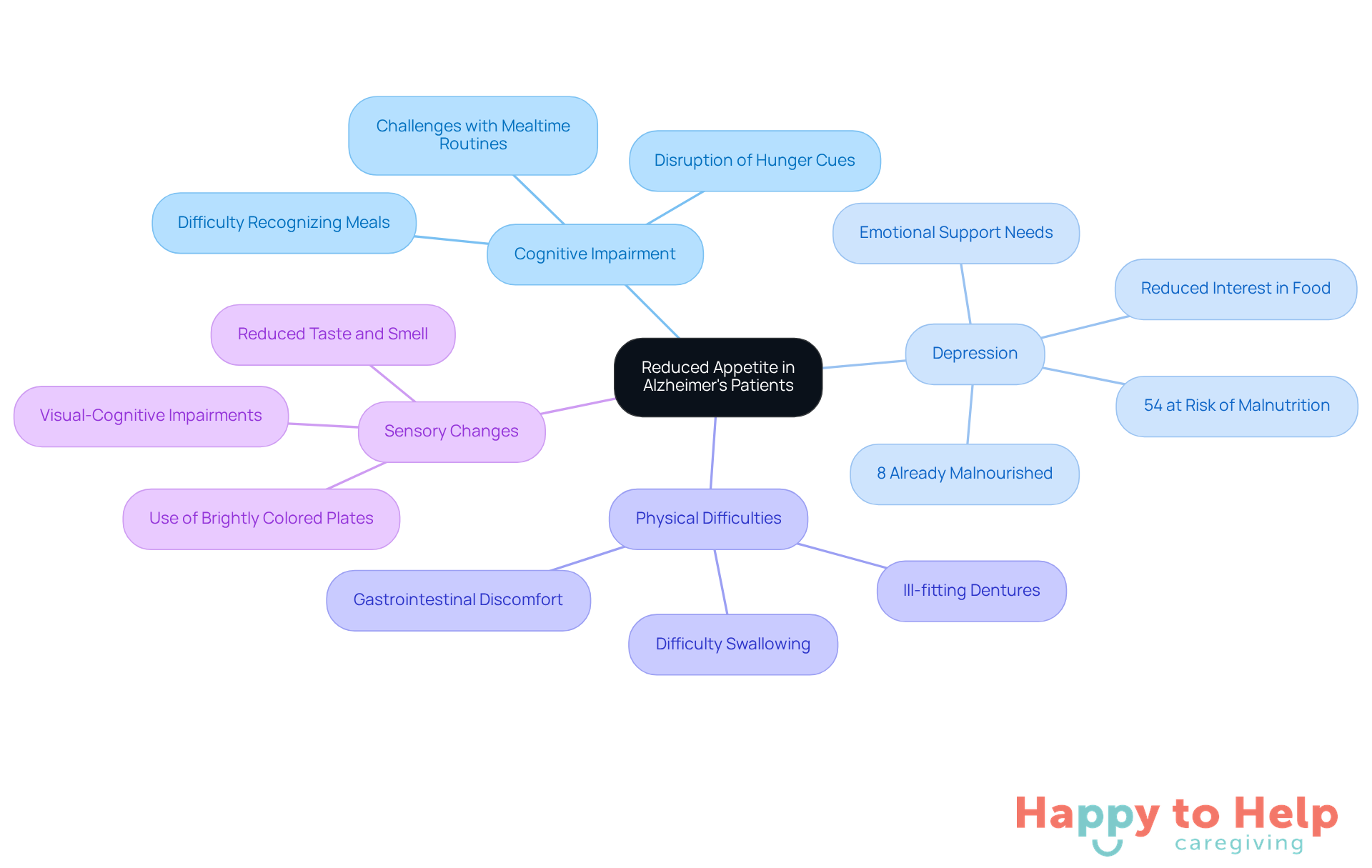
Problem: Reduced appetite in individuals with Alzheimer's can stem from several key factors:
-
Cognitive Impairment: Alzheimer's disease disrupts the brain's ability to recognize hunger cues, leading to missed meals and a lack of awareness about the need to eat. This cognitive decline often results in reduced consumption, which is evident in Alzheimer's patients not eating, as they may not identify sustenance or comprehend mealtime routines. As noted by Iris Senior Living, "Multiple factors contribute to appetite changes - from depression often associated with Alzheimer's to growing difficulty recognizing meals, recalling mealtimes or handling utensils."
-
Depression: Depression is prevalent among Alzheimer's patients not eating and can significantly reduce their desire to consume food. This emotional state often manifests as a lack of interest in food, making it essential for caregivers to monitor mood and provide emotional support. Research indicates that 54% of Alzheimer's patients not eating in the early stages are at risk of malnutrition, with an additional 8% already malnourished, underscoring the importance of addressing these emotional factors.
-
Physical Difficulties: Many patients encounter physical challenges such as difficulty swallowing, ill-fitting dentures, or gastrointestinal discomfort, complicating the consumption process. Ensuring that dentures, hearing aids, and glasses are properly used during meals is vital for encouraging better nutritional intake. Addressing these issues is essential for fostering a supportive dining environment.
-
Sensory Changes: Reduced taste and smell are typical in individuals with Alzheimer's, diminishing the attraction of meals. Caregivers can improve the dining experience by utilizing brightly colored plates; individuals consume 25% more food when using red plates. Displaying food appealingly can also stimulate interest.
Agitate: Understanding these causes is vital for caregivers, as they can significantly impact the nutritional well-being of their loved ones. If these factors are not addressed, Alzheimer's patients not eating may face serious health risks related to malnutrition.
Solution: By tailoring their approach to meet the specific needs of their loved ones, caregivers can foster a more supportive and effective eating environment. Patience, understanding, and flexibility are essential for maintaining nutritional well-being.
Create a Supportive Mealtime Environment
Creating a positive mealtime experience for Alzheimer's patients not eating is crucial, yet it presents unique challenges for caregivers. Distractions, discomfort, and a lack of engagement can significantly hinder the dining experience, particularly for Alzheimer's patients not eating, which leads to decreased appetite and nutritional intake.
To address these issues, consider the following effective strategies:
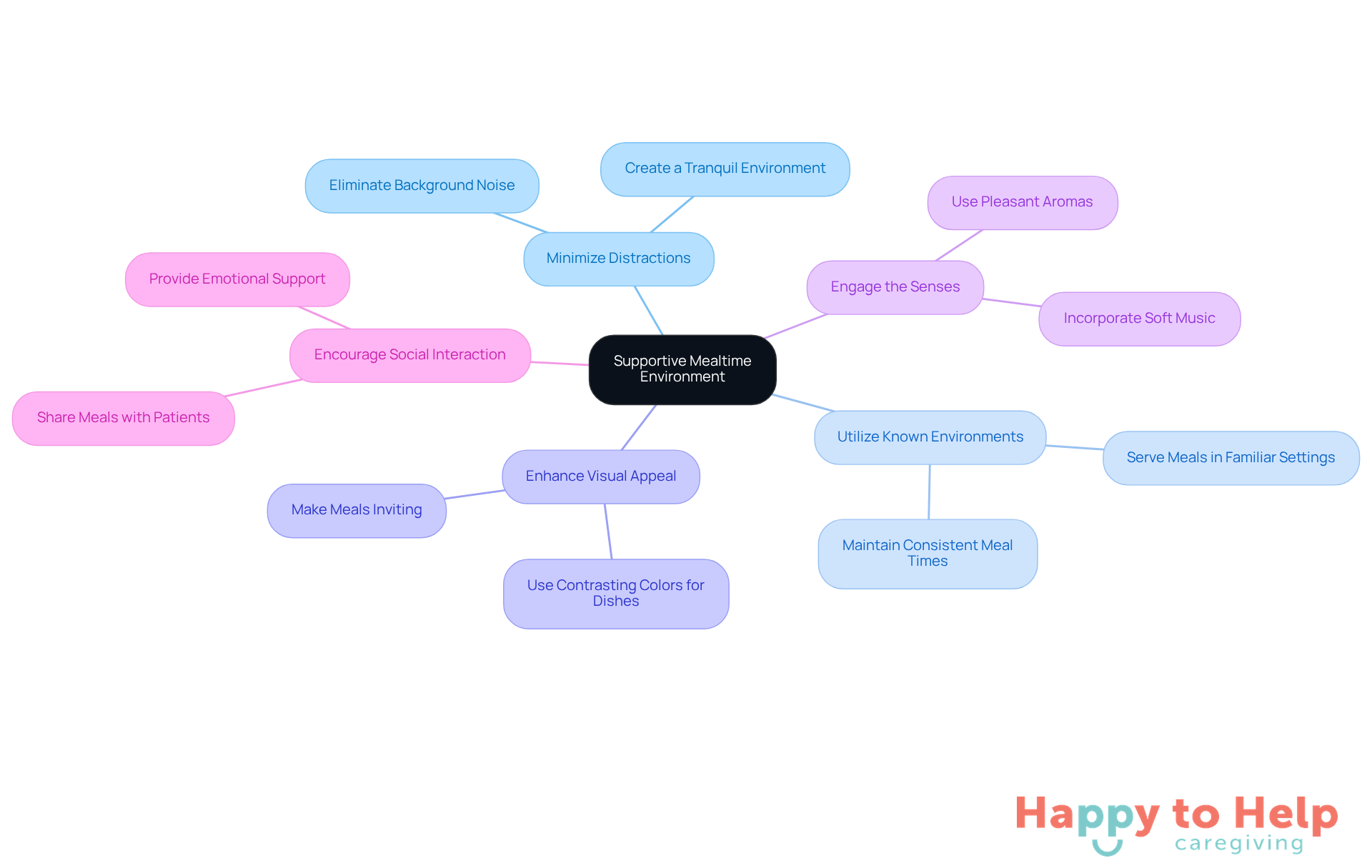
- Minimize Distractions: Eliminate background noise by turning off the television and reducing other auditory distractions. A tranquil environment can significantly improve concentration during dining. As Ruth Drew, Director of Family and Information Services for the Alzheimer’s Association, notes, "Caregivers are embracing a person-centered approach that focuses on individuals’ remaining abilities, meaningful engagement, and effective communication."
- Utilize Known Environments: Serve meals in a familiar setting at consistent times each day. This routine fosters a sense of security and predictability, which is essential for individuals with dementia. Research indicates that maintaining a consistent location, timing, and company during meals can enhance comfort and routine.
- Enhance Visual Appeal: Use contrasting colors for dishes and utensils to improve visibility and make meals more inviting. This simple adjustment can encourage better engagement with food. Studies suggest that visual appeal plays a significant role in stimulating appetite among Alzheimer's patients not eating.
- Engage the Senses: Soft music or pleasant aromas can create a welcoming atmosphere that stimulates appetite and enhances the overall dining experience. Neil Prashad, President and CEO of Origin Active Lifestyle Communities, emphasizes the importance of normalization in dining experiences, stating, "If you focus on normalization, food shouldn’t come out of a hole in the wall already plated and chosen."
- Encourage Social Interaction: Whenever possible, share meals with the patient. This companionship not only makes mealtimes more enjoyable but also offers emotional support, which is crucial for addressing the issue of Alzheimer's patients not eating and positively affecting their dining behavior. Caregivers have noted that dining together can significantly enhance the mealtime experience.
Studies show that a clutter-free and calming setting can lead to improved consumption among dementia patients. By reducing distractions during meals, caregivers can help individuals focus on their food and appreciate the dining process. Implementing these strategies can create a nurturing mealtime environment that promotes better dietary habits and overall well-being, especially for Alzheimer's patients not eating.
Adapt Meal Options to Suit Changing Needs
Caregivers face the challenge of overwhelming meal choices that can lead to decreased appetite and engagement during mealtimes, particularly for Alzheimer's patients not eating. This situation can be particularly distressing for both the patient and the caregiver, especially when considering Alzheimer's patients not eating, as it may lead to inadequate nutrition and increased frustration.
To address this issue, consider the following strategies:
-
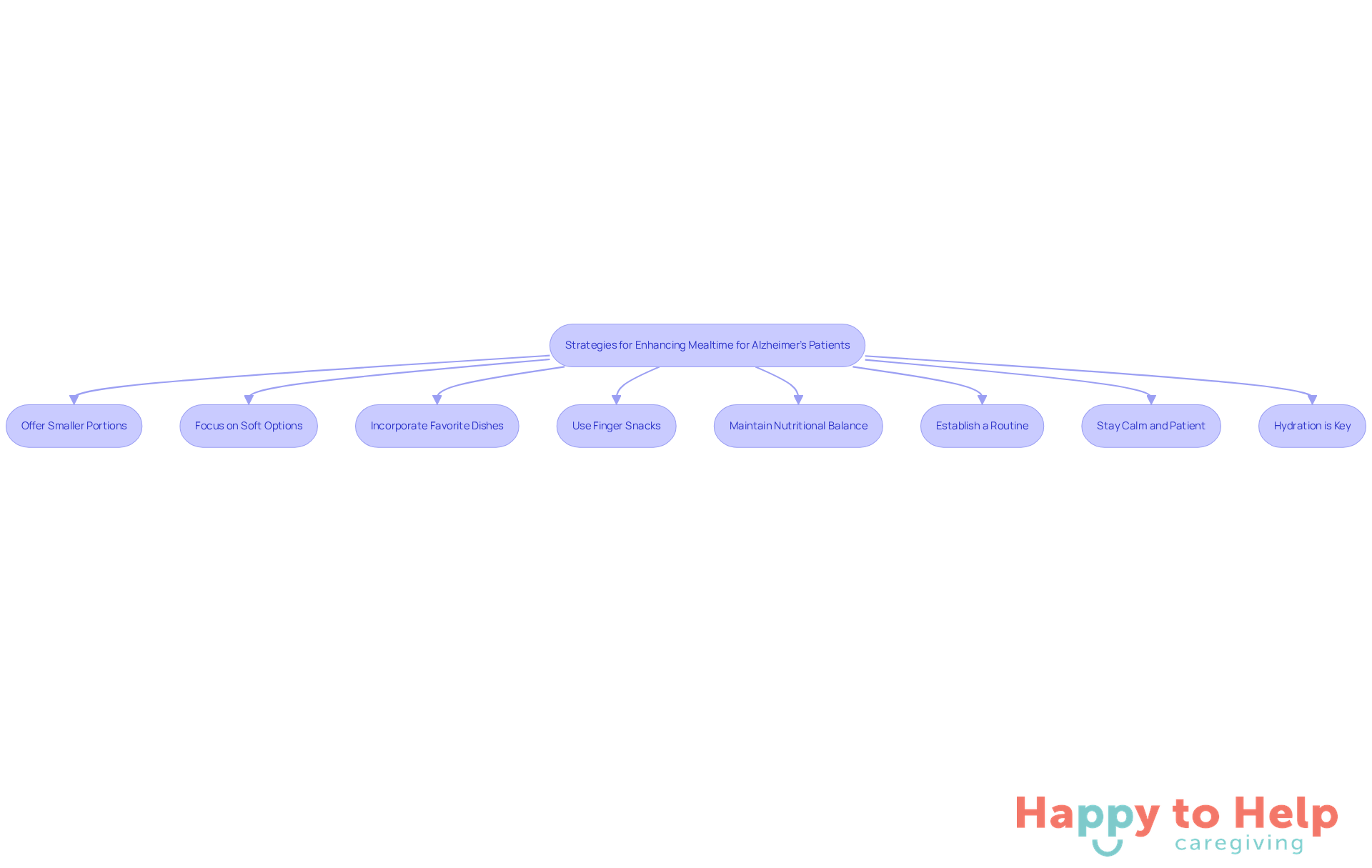
Offer Smaller Portions: Presenting smaller, manageable portions can significantly reduce feelings of overwhelm. Studies suggest that offering one or two items at a time can improve concentration and promote consumption. Dietitians emphasize that smaller portions help prevent waste and create a more enjoyable dining experience.
-
Focus on Soft Options: Choose soft, easy-to-chew items that require minimal effort, such as mashed potatoes, yogurt, or smoothies. These options not only address the chewing difficulties frequently faced by individuals with cognitive decline but also enhance the overall dining experience.
-
Incorporate Favorite Dishes: Including items that the patient enjoys can stimulate interest in eating. Familiar flavors and textures can evoke positive memories and encourage participation during mealtimes.
-
Use Finger Snacks: Serving finger snacks that are easy to pick up and consume without utensils-like cheese cubes, fruit slices, or small sandwiches-can enhance independence and make mealtimes less stressful.
-
Maintain Nutritional Balance: Ensure that dishes are balanced and nutritious, incorporating a variety of food groups to support overall health. High-protein foods, vibrant fruits, and vegetables should be included to satisfy dietary needs while appealing to the individual's preferences.
-
Establish a Routine: Serve meals at the same time each day to create predictability, which can help reduce anxiety and confusion for individuals with dementia.
-
Stay Calm and Patient: Caregivers should remain calm and avoid rushing the person with dementia during mealtimes. A relaxed atmosphere can significantly enhance the dining experience.
-
Hydration is Key: Regularly provide beverages, such as water, herbal teas, or milkshakes, to avoid dehydration, which is a frequent concern among individuals with dementia.
By implementing these strategies, caregivers can create a supportive mealtime environment that respects the changing needs of Alzheimer's patients not eating, ultimately enhancing their nutritional intake and overall well-being.
Key Takeaways for Caregivers
Addressing the nutritional needs of Alzheimer's patients who struggle with appetite presents a significant challenge for caregivers. Reduced appetite can stem from various factors, including cognitive impairment, depression, physical difficulties, and sensory changes. These issues not only affect the patients' health but also place emotional strain on caregivers, making it essential to approach mealtime with understanding and compassion.
To tackle this problem effectively, caregivers can implement several key strategies:
- Establishing a calming mealtime atmosphere is crucial. This can be achieved by minimizing distractions and creating a peaceful environment.
- Offering visually appealing and familiar foods can entice patients to eat.
- Adapting meal options to meet the changing needs of these individuals, such as providing smaller portions and soft foods, can significantly enhance their dining experience.
- Fostering social interaction during meals is another effective approach. Engaging patients in conversation and maintaining a consistent routine can help alleviate anxiety and encourage better nutritional intake.
By prioritizing these strategies, caregivers not only improve the nutritional health of their loved ones but also contribute to a sense of dignity and enjoyment during meals.
Ultimately, the well-being of Alzheimer's patients hinges on the efforts of caregivers to create an engaging and supportive mealtime environment. By implementing these practical steps, caregivers can ensure that patients receive the nourishment they need while feeling valued and cared for.
https://iframe.tely.ai/cta/eyJhcnRpY2xlX2lkIjogIjY5NDBhMjJhM2RiOWY3ZmNiNDY0N2VjYyIsICJjb21wYW55X2lkIjogIjY4ZWU1ZGNhNzMxNzYyNTU3ZjNjOTVjMSIsICJpbmRleCI6IG51bGwsICJ0eXBlIjogImFydGljbGUifQ==Frequently Asked Questions
What are the main causes of reduced appetite in Alzheimer's patients?
Reduced appetite in Alzheimer's patients can be caused by cognitive impairment, depression, physical difficulties, and sensory changes.
How does cognitive impairment affect the appetite of Alzheimer's patients?
Cognitive impairment disrupts the brain's ability to recognize hunger cues, leading to missed meals and a lack of awareness about the need to eat.
What role does depression play in the eating habits of Alzheimer's patients?
Depression is common among Alzheimer's patients and can significantly reduce their desire to consume food, resulting in a lack of interest in meals.
What physical difficulties might Alzheimer's patients face that impact their ability to eat?
Patients may experience difficulties such as swallowing issues, ill-fitting dentures, or gastrointestinal discomfort, which complicate the eating process.
How do sensory changes affect the appetite of individuals with Alzheimer's?
Reduced taste and smell can diminish the appeal of meals, making it less likely for patients to be interested in eating.
Why is it important for caregivers to understand the causes of reduced appetite in Alzheimer's patients?
Understanding these causes is vital for caregivers as they can significantly impact the nutritional well-being of their loved ones and help prevent health risks related to malnutrition.
What strategies can caregivers use to improve the eating experience for Alzheimer's patients?
Caregivers can create a supportive dining environment by ensuring proper use of dentures and hearing aids, utilizing brightly colored plates, and displaying food attractively to stimulate interest.
List of Sources
- Identify Causes of Reduced Appetite in Alzheimer's Patients
- Poor Appetite in Your Alzheimer’s Patients? (https://guidestareldercare.com/blog/poor-appetite-in-your-alzheimers-patients)
- Factors affecting the appetites of persons with Alzheimer's disease and mild cognitive impairment (https://onlinelibrary.wiley.com/doi/10.1111/ggi.13455)
- Appetite Loss in Memory Care: Warning Signs & Solutions (https://irisseniorliving.com/senior-living/tx/dallas/dickason-ave/blog/appetite-loss-in-memory-care-warning-signs-solutions)
- Appetite and dementia (https://alzheimers.org.uk/get-support/living-with-dementia/poor-appetite-dementia)
- Create a Supportive Mealtime Environment
- Supporting Residents with Dementia Through Therapeutic Hospitality and Culinary Wellness (https://providermagazine.com/Articles/Guest-Columns/Pages/2022/Supporting-Residents-with-Dementia-Through-Therapeutic-Hospitality-and-Culinary-Wellness.aspx)
- Create Enjoyable Mealtimes in Memory Care (https://gfs.com/en-us/ideas/create-enjoyable-mealtimes-memory-care)
- Fostering the Enjoyment of Eating through Inclusive Strategies for People Living with Dementia | Global Brain Health Institute (https://gbhi.org/news-publications/fostering-enjoyment-eating-through-inclusive-strategies-people-living-dementia)
- Supporting someone with dementia to eat and drink (https://alzheimers.org.uk/get-support/living-with-dementia/improving-eating-experience-dementia)
- Helping caregivers help people with dementia eat at home (https://news.osu.edu/helping-caregivers-help-people-with-dementia-eat-at-home)
- Adapt Meal Options to Suit Changing Needs
- Supporting someone with dementia to eat and drink (https://alzheimers.org.uk/get-support/living-with-dementia/improving-eating-experience-dementia)
- Eating Behaviors and Dietary Changes in Patients With Dementia - PMC (https://pmc.ncbi.nlm.nih.gov/articles/PMC10852764)
- Tips for Caregivers: Helping People With Alzheimer’s Disease Eat Well (https://nia.nih.gov/health/alzheimers-caregiving/tips-caregivers-helping-people-alzheimers-disease-eat-well)
- The Benefits of Specialized Dining for Seniors with Dementia (https://blog.thebristal.com/specialized-dining-for-seniors-with-dementia)
- Simple Mealtime Strategies for Dementia Caregivers (https://physioinq.com.au/blog/simple-mealtime-strategies-for-dementia-caregivers)