
Understanding Hire a Nurse for Home Care: A
As the aging population increasingly chooses to stay in the comfort of their own homes, understanding the complexities of home care has never been more crucial. Families often face the daunting challenge of hiring a nurse for home care, a decision that can profoundly affect their loved ones' quality of life. This situation presents a significant problem: how can families ensure they select the right caregiver to meet specific health and emotional needs?
The implications of this decision are far-reaching. Families may feel overwhelmed by the multitude of options available, and the potential pitfalls can lead to anxiety and uncertainty. Without proper guidance, the hiring process can become a source of stress rather than a solution to their loved ones' needs. So, how can families navigate this process with confidence?
This article provides a step-by-step guide to help families make informed choices when hiring a home care nurse. By following these actionable tips, caregivers can ensure they find the right support for their loved ones, ultimately enhancing their quality of life.
Understand the Basics of Home Care
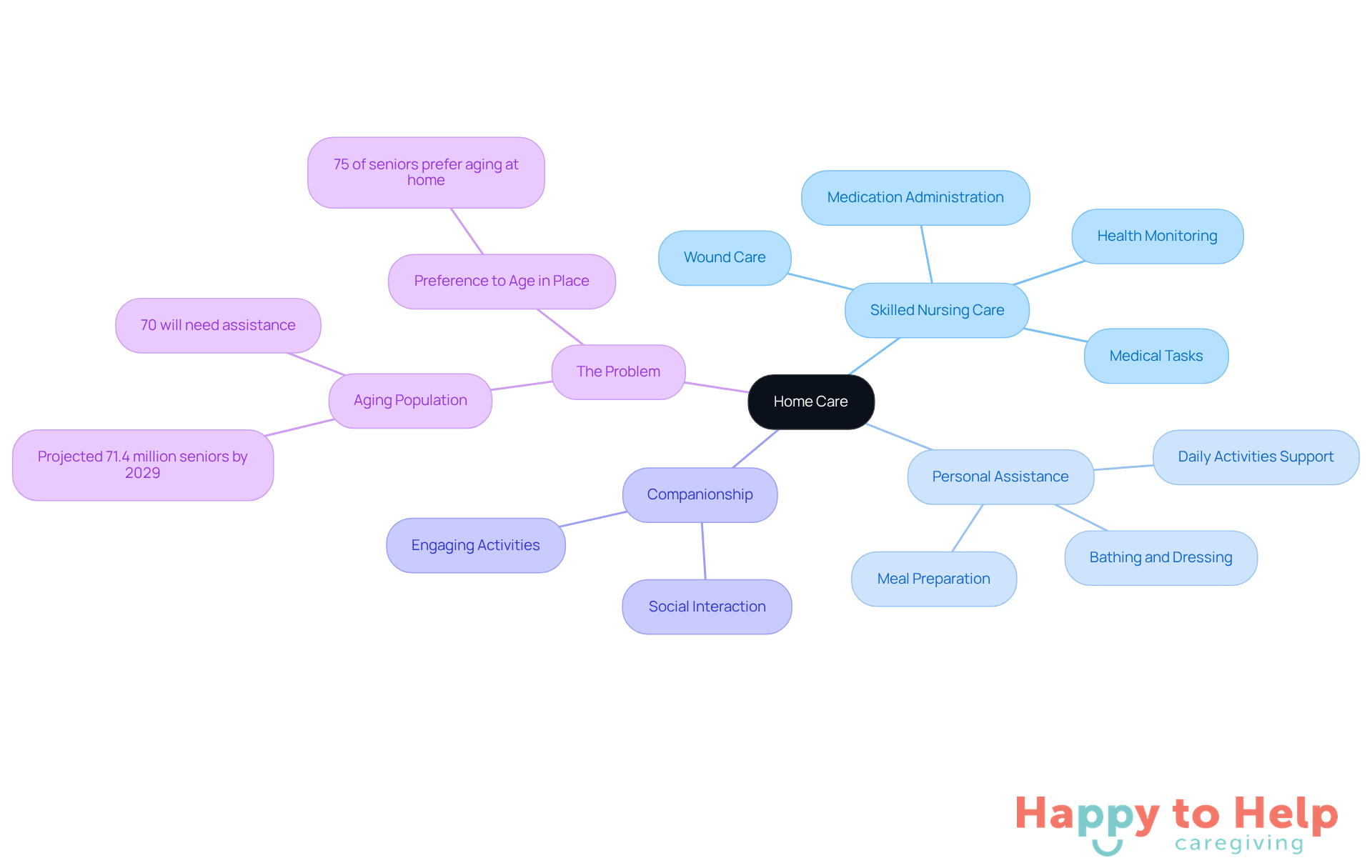
Home assistance encompasses a variety of health and social services delivered in the comfort of a person's home, and you can hire a nurse for home to improve overall health and well-being. As the population ages, understanding the different types of home care becomes crucial for caregivers who decide to hire a nurse for home to make informed decisions about their loved ones' care.
The Problem: Approximately 70% of Americans aged 65 and older will require some form of assistance during their lives. With projections indicating that by 2029, there will be around 71.4 million seniors, the need for effective home care solutions is more pressing than ever.
The Implications: Many seniors prefer to age in place rather than transition to assisted living facilities. This preference highlights the importance of identifying the right type of support, such as when families choose to hire a nurse for home, to ensure they can maintain their independence while receiving necessary care.
The Solutions: Here are the main types of home care services:
-
Skilled Nursing Care: Provided by licensed nurses, this service includes essential medical tasks such as administering medications, wound care, and monitoring health conditions. It's vital for individuals recovering from surgery or managing chronic illnesses, ensuring professional oversight of their health needs.
-
Personal Assistance: This support focuses on daily activities like bathing, dressing, and meal preparation. Typically offered by home health aides, personal assistance is crucial for those who struggle with these tasks due to age, illness, or disability, allowing them to retain a degree of independence.
-
Companionship: Non-medical support that emphasizes social interaction, companionship services help reduce feelings of loneliness and isolation. Caregivers engage clients in enjoyable activities, fostering a sense of connection and support.
By understanding the specific needs of your loved one, you can better determine the suitable type of assistance, which may involve deciding to hire a nurse for home, ensuring they receive the support necessary to thrive.
Identify Your Care Needs and Service Types
Identifying care needs can be challenging for caregivers, especially when faced with the complexities of their loved ones' requirements. Without a clear understanding of these needs, caregivers may struggle to provide adequate support, leading to increased stress and potential health risks for their family members.
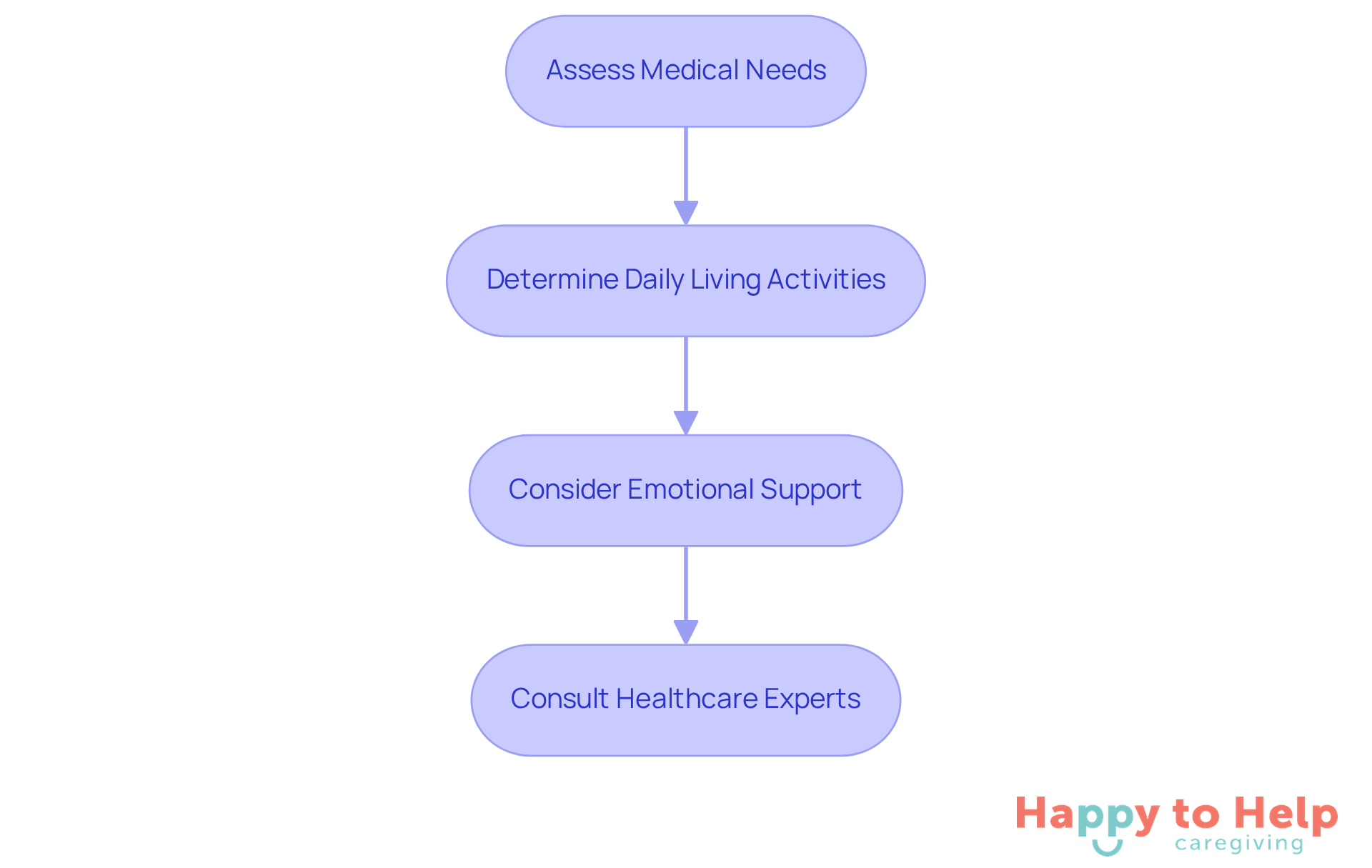
To effectively assess care needs, consider the following steps:
- Assess Medical Needs: Evaluate any medical conditions that require attention, such as chronic illnesses or post-operative care.
- Determine Daily Living Activities: Identify which daily tasks your family member struggles with, such as bathing, dressing, or meal preparation.
- Consider Emotional Support: Reflect on the emotional and social needs of your loved one. Would they benefit from companionship or social interaction?
- Consult Healthcare Experts: Speak with physicians or discharge planners to gain insights into the level of assistance required.
By compiling this information, you can create a clear picture of the type of services needed. This understanding will guide your search for a suitable nurse, ensuring that your loved one receives the care they deserve.
Find and Evaluate Qualified Nursing Candidates
Finding and evaluating candidates to hire a nurse for home care can be a daunting task. With the anticipated rise of home health and personal care aides by 21% from 2023 to 2033, there is a growing demand to hire a nurse for home care in this sector. Caregivers face the challenge of navigating various options to hire a nurse for home to ensure they select the right professional for their loved ones.
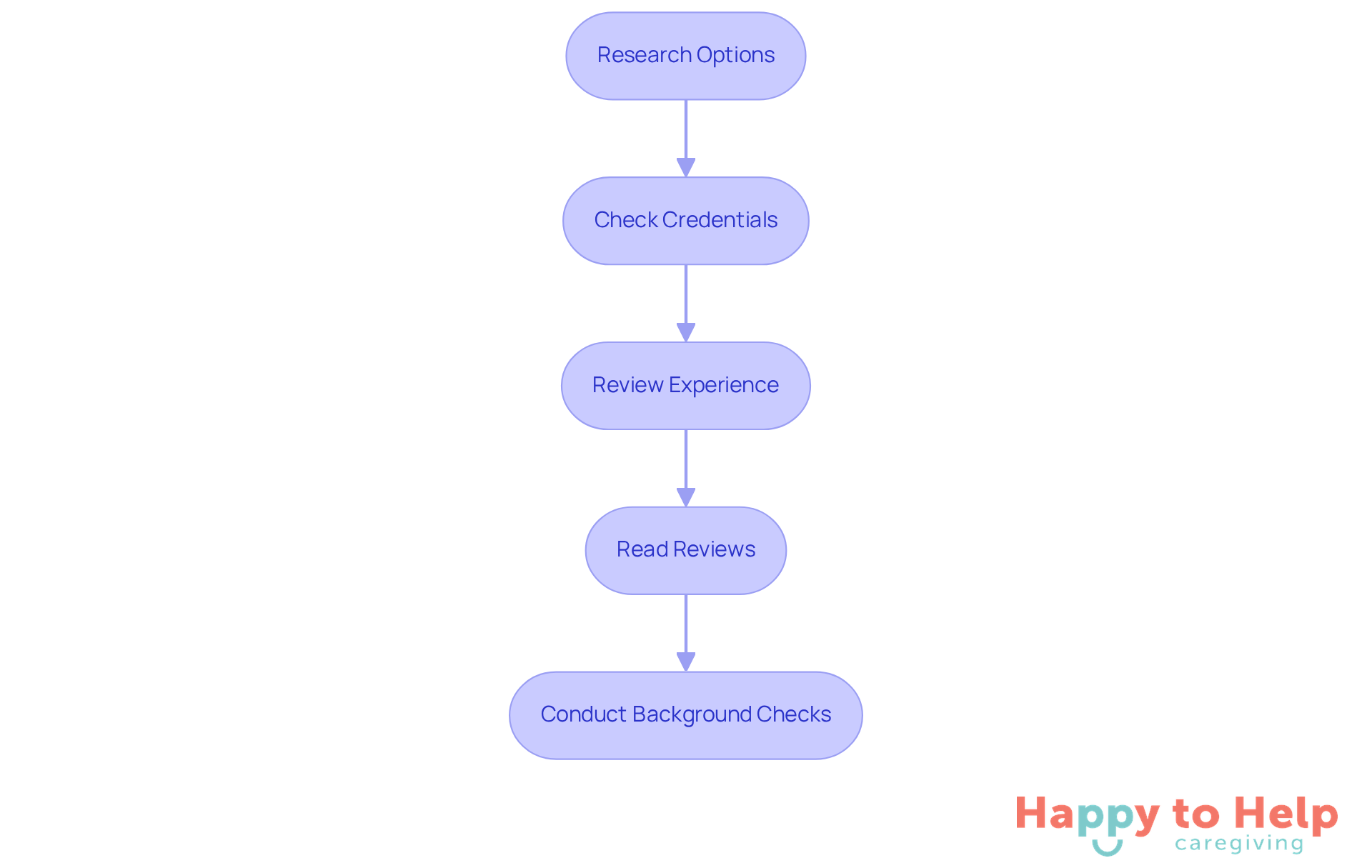
To tackle this issue, start by researching options. Explore avenues such as home support agencies or nurse registries if you want to hire a nurse for home. Resources like Care.com and local health department websites can provide valuable information.
Next, check credentials. Confirm that applicants possess the necessary licenses and certifications, including RN or LPN licenses, CPR certification, and any specialized training relevant to your loved one's needs. With nearly 4.7 million registered nurses (RNs) nationwide, there’s a substantial pool of applicants to consider.
Then, review experience. Prioritize individuals with experience suited to specific needs, such as geriatrics or post-operative support. The average caregiver experience is about one year, which can help set expectations for the qualifications of potential hires.
Additionally, read reviews and testimonials. Examine online evaluations or ask for referrals from former clients to assess the quality of service and dependability of the applicants.
Finally, conduct background checks. Perform thorough checks to ensure individuals have no history of malpractice or criminal activity, safeguarding your family member's well-being. With the annual caregiver turnover rate reaching 77% nationally in 2024, understanding the hiring landscape is crucial.
By following these steps, you can effectively narrow down your choices to qualified nursing professionals to hire a nurse for home who are well-suited to meet your family member's needs.
Conduct Interviews and Onboard Your Chosen Nurse
Once you identify potential candidates, it’s crucial to conduct interviews and effectively onboard the nurse you hire for home. The challenge here is that approximately 57% of caregiver turnover occurs within the first 90 days of employment, underscoring the need for a solid onboarding process.
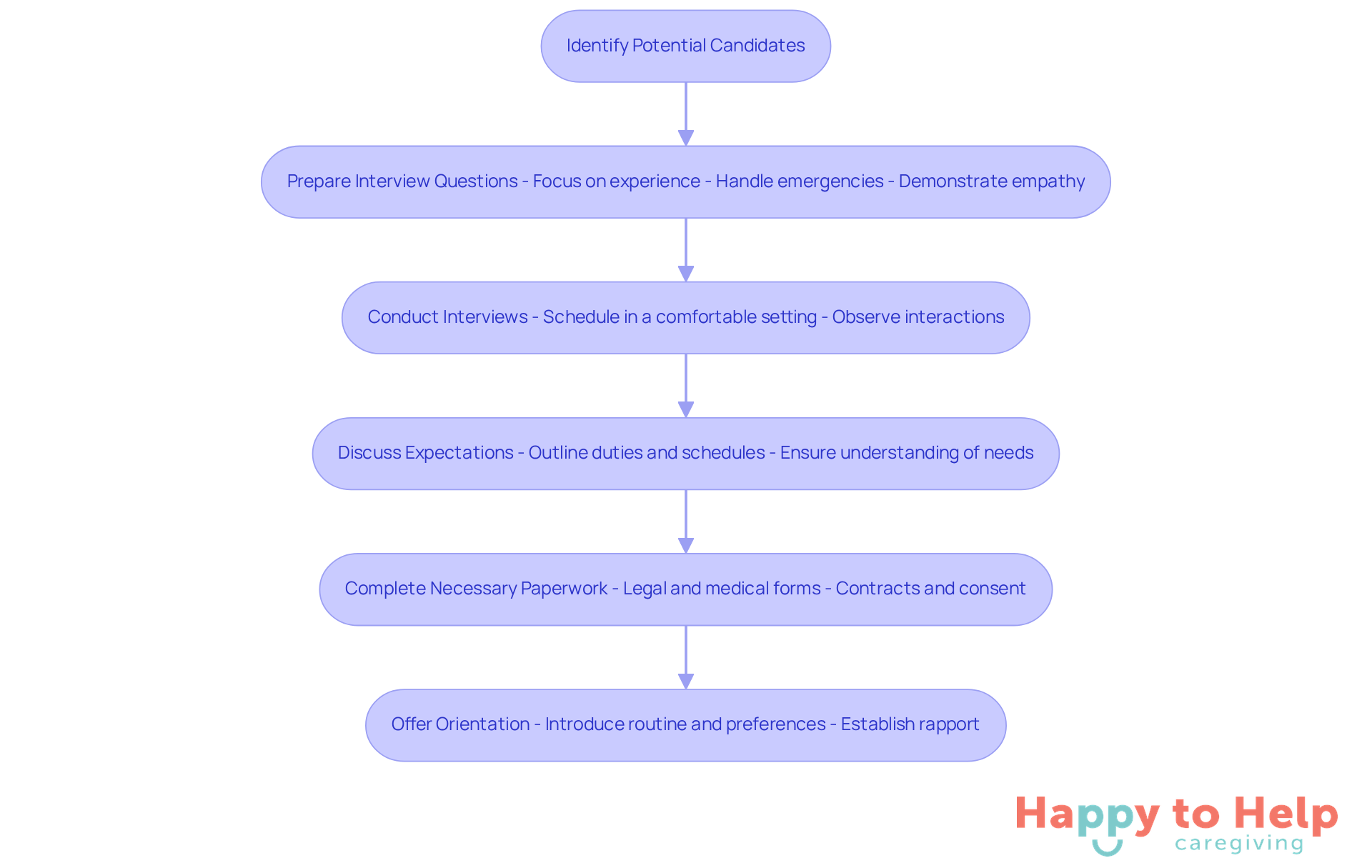
Prepare Interview Questions: Start by creating a thorough list of questions that focus on the candidate's experience, support approach, and situations relevant to your family member's needs. Consider asking:
- What experience do you have with [specific condition]?
- How do you handle emergencies?
- Can you describe a situation where you had to demonstrate empathy and problem-solving in your care approach?
Conduct Interviews: Schedule interviews in a comfortable setting. Observe how candidates interact with your loved one; this can reveal their compatibility and ability to connect on a personal level.
Discuss Expectations: Clearly outline your expectations regarding duties, schedules, and communication. Ensure the nurse understands the specific needs of your family member. Clarity here is crucial for a successful caregiver-client relationship. As John Pandolfi states, "Effective recruitment is the foundation of the onboarding process, and getting the first step correct can influence the success of the stages that follow."
Complete Necessary Paperwork: Make sure all legal and medical paperwork is completed, including contracts and consent forms. A streamlined onboarding process is essential for compliance and helps establish a solid foundation when you hire a nurse for home.
Offer Orientation: Introduce the nurse to your family member’s routine, preferences, and any specific treatment protocols. This orientation not only helps establish rapport but also ensures a smooth transition into the caregiving role. Continuous assistance is vital for sustaining effective caregiver-client collaborations, as it builds trust and improves the quality of service.
By following these steps, you can create a comprehensive onboarding procedure that lays the groundwork for efficient support, making it easier to hire a nurse for home and fostering a positive atmosphere for both the caregiver and your family member.
Establish Communication and Support Systems
Effective communication and support systems are crucial for caregivers. Without them, misunderstandings can arise, leading to inadequate care and increased stress for both caregivers and their loved ones.
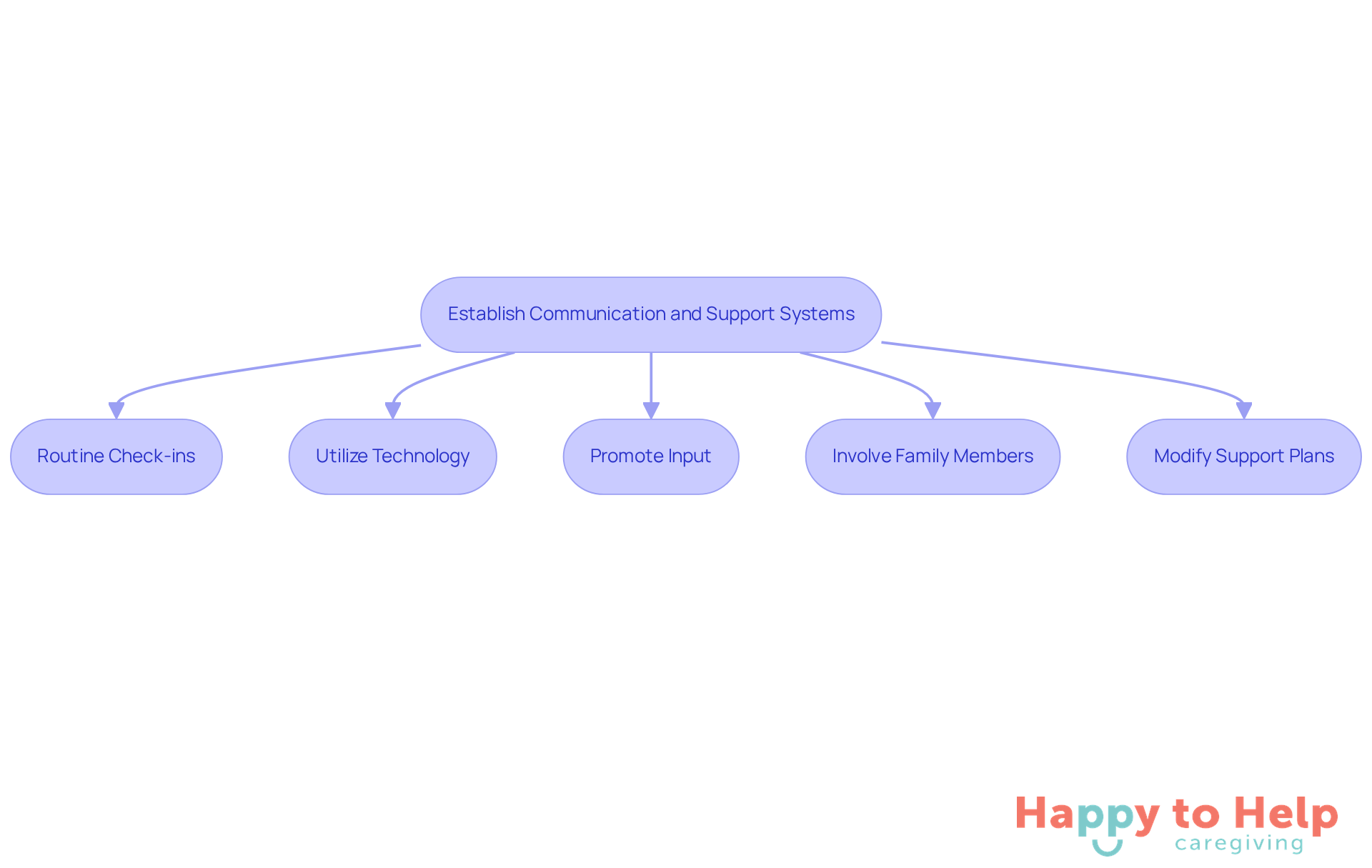
To address this issue, consider implementing the following strategies:
- Establish routine check-ins by arranging consistent meetings or calls with the nurse you hire for home to discuss your family member's progress and any changes in their condition.
- Utilize Technology: Use apps or online platforms that facilitate easy communication and updates on support, such as shared calendars or health monitoring tools.
- Promote Input: Create an environment where your loved one and the nurse feel comfortable sharing their thoughts about the assistance being provided.
- Involve Family Members: Keep family members informed and engaged in treatment decisions. This ensures everyone is aligned and can offer additional support.
- Modify Support Plans as Necessary: Be open to reviewing and adjusting support plans based on feedback and changing needs. Regular evaluations help maintain effective support.
By establishing these systems, you foster a collaborative environment that enhances the quality of care provided.
Key Takeaways for Caregivers
Hiring a nurse for home care is a critical process that directly impacts the well-being of loved ones. Caregivers face the challenge of ensuring that their family members receive the right support to thrive in their own homes. Without a clear understanding of the various home care services and the specific needs of the individual, caregivers may struggle to make informed decisions, which can lead to inadequate care and diminished quality of life.
To navigate this complex landscape, caregivers should follow a structured approach. Here are some essential steps to consider:
- Assess Care Needs: Understand the specific requirements of the individual needing care.
- Find and Evaluate Candidates: Research and identify qualified nursing candidates who meet those needs.
- Conduct Thorough Interviews: Engage in detailed discussions to gauge their experience and compatibility.
- Establish Communication Systems: Create effective channels for ongoing dialogue between the nurse and family members.
Each of these steps is vital in securing a skilled and compassionate nurse who can provide necessary care while building a trusting relationship with the family.
The significance of hiring the right home care nurse cannot be overstated. As the demand for home care continues to rise, taking the time to assess needs and select the best candidate will enhance the quality of care. This thoughtful approach not only promotes independence but also fosters well-being for loved ones. By embracing this step-by-step method, caregivers can create a more fulfilling and sustainable caregiving experience for everyone involved.
https://iframe.tely.ai/cta/eyJhcnRpY2xlX2lkIjogIjY5MjY0MzZmZDdhYTIxYWI5OTE3NmUwYyIsICJjb21wYW55X2lkIjogIjY4ZWU1ZGNhNzMxNzYyNTU3ZjNjOTVjMSIsICJpbmRleCI6IG51bGwsICJ0eXBlIjogImFydGljbGUifQ==Frequently Asked Questions
What is home care?
Home care encompasses a variety of health and social services delivered in a person's home, allowing individuals to receive assistance while maintaining their independence.
Why is understanding home care important?
Understanding home care is crucial as approximately 70% of Americans aged 65 and older will require some form of assistance during their lives, especially with the increasing senior population.
What are the main types of home care services?
The main types of home care services include:
- Skilled Nursing Care: Provided by licensed nurses for medical tasks like administering medications and monitoring health conditions.
- Personal Assistance: Support for daily activities such as bathing, dressing, and meal preparation, typically offered by home health aides.
- Companionship: Non-medical support focused on social interaction to reduce feelings of loneliness and isolation.
How can families determine the care needs of their loved ones?
Families can determine care needs by assessing medical needs, identifying struggles with daily living activities, considering emotional support requirements, and consulting healthcare experts.
What role do nurses play in home care?
Nurses provide skilled nursing care, ensuring professional oversight of health needs, which is essential for individuals recovering from surgery or managing chronic illnesses.
How can hiring a nurse for home care benefit seniors?
Hiring a nurse can help seniors maintain their independence while receiving necessary medical care, allowing them to age in place comfortably.
List of Sources
- Understand the Basics of Home Care
- Home Care Industry Trends to Watch in 2025 (https://firstlighthomecare.com/blog/home-care-industry-trends)
- Understanding the Different Eldercare Options (https://health.usnews.com/senior-care/articles/understanding-the-different-senior-care-options)
- Home Care Industry Trends to Look Out for in 2025 (https://axiscare.com/blog/home-care-industry-trends)
- The Top 4 Trends Affecting the Home Health Care Industry in 2025 | JM Search (https://jmsearch.com/blog/the-top-4-trends-affecting-the-home-health-care-industry-in-2025)
- How 3 Top Trends Have Shaped Home-Based Care This Year (https://homehealthcarenews.com/2025/08/how-3-top-trends-have-shaped-home-based-care-this-year)
- Identify Your Care Needs and Service Types
- The US is not ready for its aging population. New Northeastern research explains why (https://news.northeastern.edu/2025/08/16/aging-population-us-challenges)
- The Future of Senior Care: What to Expect in 2025 and Beyond (https://arhomecare.com/the-future-of-senior-care-what-to-expect-in-2025-and-beyond)
- WHO calls for urgent transformation of care and support systems for older people (https://who.int/news/item/01-10-2024-who-calls-for-urgent-transformation-of-care-and-support-systems-for-older-people)
- Trends in Senior Care: What to Expect in 2025 (https://agingconnections.org/blog/trends-in-senior-care-what-to-expect-in-2025)
- Find and Evaluate Qualified Nursing Candidates
- Home Care Industry Overview and Statistics (https://ankota.com/home-care-industry-overview-and-statistics)
- Despite progress, new survey reveals broad gaps in finding qualified, interested long-term care workers (https://mcknightsseniorliving.com/news/despite-progress-new-survey-reveals-broad-gaps-in-finding-qualified-interested-long-term-care-workers)
- 10 Must-Know U.S. Home Care Industry Stats for 2025 - North American Community Hub (https://nchstats.com/us-home-care-industry-stats)
- Nursing Workforce Fact Sheet (https://aacnnursing.org/news-data/fact-sheets/nursing-workforce-fact-sheet)
- Winning at Caregiver Recruitment For Homecare Agencies - Alora Health (https://alorahealth.com/blog-winning-at-caregiver-recruitment-for-homecare-agencies)
- Conduct Interviews and Onboard Your Chosen Nurse
- Improving employee onboarding key to engaging, motivating, retaining caregivers (https://mcknightsseniorliving.com/news/improving-employee-onboarding-key-to-engaging-motivating-retaining-caregivers)
- 85 Nursing Quotes: Words of Wisdom for Nurses | USAHS (https://usa.edu/blog/nursing-quotes)
- How to Onboard Caregivers Quickly and Effectively | HHAeXchange (https://hhaexchange.com/blog/how-to-onboard-caregivers-quickly-and-effectively)
- Perfect Pairings: Creating Personalized, Highly Compatible Caregiver-Client Matches to Boost Your Bottom Line | Aaniie, formerly Smartcare Software (https://aaniie.com/news/creating-personalized-highly-compatible-caregiver-client-matches-to-boost-bottom-line)
- Caregiver-Patient Matching in Home Care (https://carevoyant.com/home-health-blog/caregiver-patient-matching-home-care)
- Establish Communication and Support Systems
- Effective Communication as a Caregiver | Always Caring of CT (https://alwayscaringct.com/news/effective-communication-as-a-caregiver)
- Overcoming Challenges In Home-Based Care For Medically Intensive Patients (https://homehealthcarenews.com/2025/09/overcoming-challenges-in-home-based-care-for-medically-intensive-patients)
- Home Health Care Trends for 2025 (https://carevoyant.com/home-health-blog/home-health-care-trends-2025)
- Caregiver Statistics: Demographics (https://caregiver.org/resource/caregiver-statistics-demographics)
- Clearer Conversations, Better Care: New Guide Highlights Best Practices for Communicating with Older Adults (https://geron.org/News-Events/GSA-News/Press-Room/Press-Releases/clearer-conversations-better-care-new-guide-highlights-best-practices-for-communicating-with-older-adults)