How to Keep Dementia Patients from Wandering: Essential Steps

For families in our service areas
For families in our service areas, this guide explains dementia care and how non-medical in-home caregiving can support care planning in East Idaho, Treasure Valley & Magic Valley, Northern Wasatch, North Central West Virginia, and Northeast Ohio.
What You Need to Know About Keep Dementia Patients from Wandering:
Wandering is a significant challenge faced by many individuals living with dementia. This behavior often stems from confusion, restlessness, or unmet needs, creating a complex problem for caregivers. The implications of wandering extend beyond mere safety concerns; they also add emotional strain to caregivers who strive to provide the best care possible.
Understanding the underlying causes of wandering is essential for caregivers. It not only impacts the safety of those in their care but also affects the overall quality of life for both patients and their families. How can caregivers effectively mitigate this risk while ensuring the dignity and autonomy of dementia patients?
This article explores practical strategies that caregivers can implement to prevent wandering. By creating a safer environment, caregivers can enhance the quality of life for dementia patients and alleviate some of the emotional burdens they face. Here are some actionable tips to consider:
- Establish a Routine: Consistency can help reduce confusion and restlessness.
- Create a Safe Environment: Remove potential hazards and ensure that the living space is secure.
- Engage in Meaningful Activities: Keeping patients occupied can help minimize the urge to wander.
By addressing the problem of wandering head-on and implementing these solutions, caregivers can foster a safer and more supportive environment for those they care for.
Understand the Causes of Wandering in Dementia
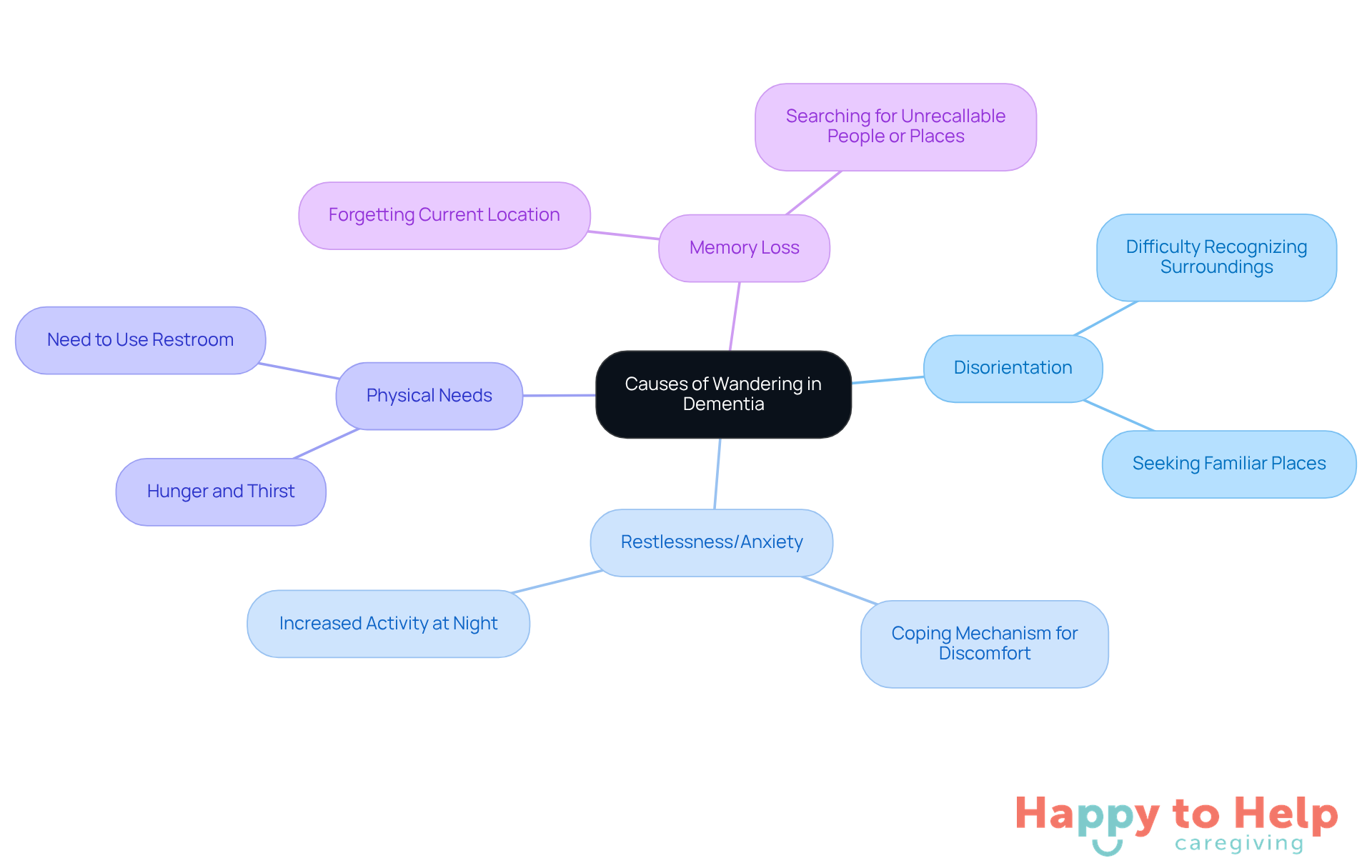
A significant challenge for caregivers is understanding how to keep dementia patients from wandering. This behavior can stem from confusion, disorientation, and the need to address basic physical needs. Understanding these factors is crucial for caregivers, as it enables them to predict and respond effectively to how to keep dementia patients from wandering.
- Disorientation is a common issue; many patients struggle to recognize their surroundings, prompting them to seek familiar places, which can lead to dangerous situations.
- Additionally, restlessness or anxiety often manifests as roaming, serving as a coping mechanism for underlying discomfort or stress.
- Basic physical needs such as hunger, thirst, or the urge to use the restroom can also trigger wandering, especially when individuals cannot communicate these needs effectively.
- Furthermore, memory loss frequently causes patients to forget their current location or the purpose of their visit, leading them to leave in search of something or someone they cannot recall.
Research indicates that approximately 6 out of 10 individuals with dementia will wander at least once. This statistic underscores the importance of understanding how to keep dementia patients from wandering in caregiving. Caregivers should implement safety measures such as locks requiring a key from the inside, door alarms, cameras, and monitoring systems to understand how to keep dementia patients from wandering.
It's also essential to recognize the significant stress families and supporters experience when a person living with dementia wanders. By identifying indicators of disorientation and the emotional conditions linked to roaming, caregivers can learn how to keep dementia patients from wandering and create a safer environment while applying strategies to reduce hazards.
Implement Safety Measures to Prevent Wandering
A significant concern for caregivers of individuals with dementia is how to keep dementia patients from wandering. This behavior can lead to dangerous situations, including getting lost or injured. It is crucial to address how to keep dementia patients from wandering to ensure the safety and well-being of those in their care.
To effectively prevent wandering, caregivers should implement a variety of safety measures:
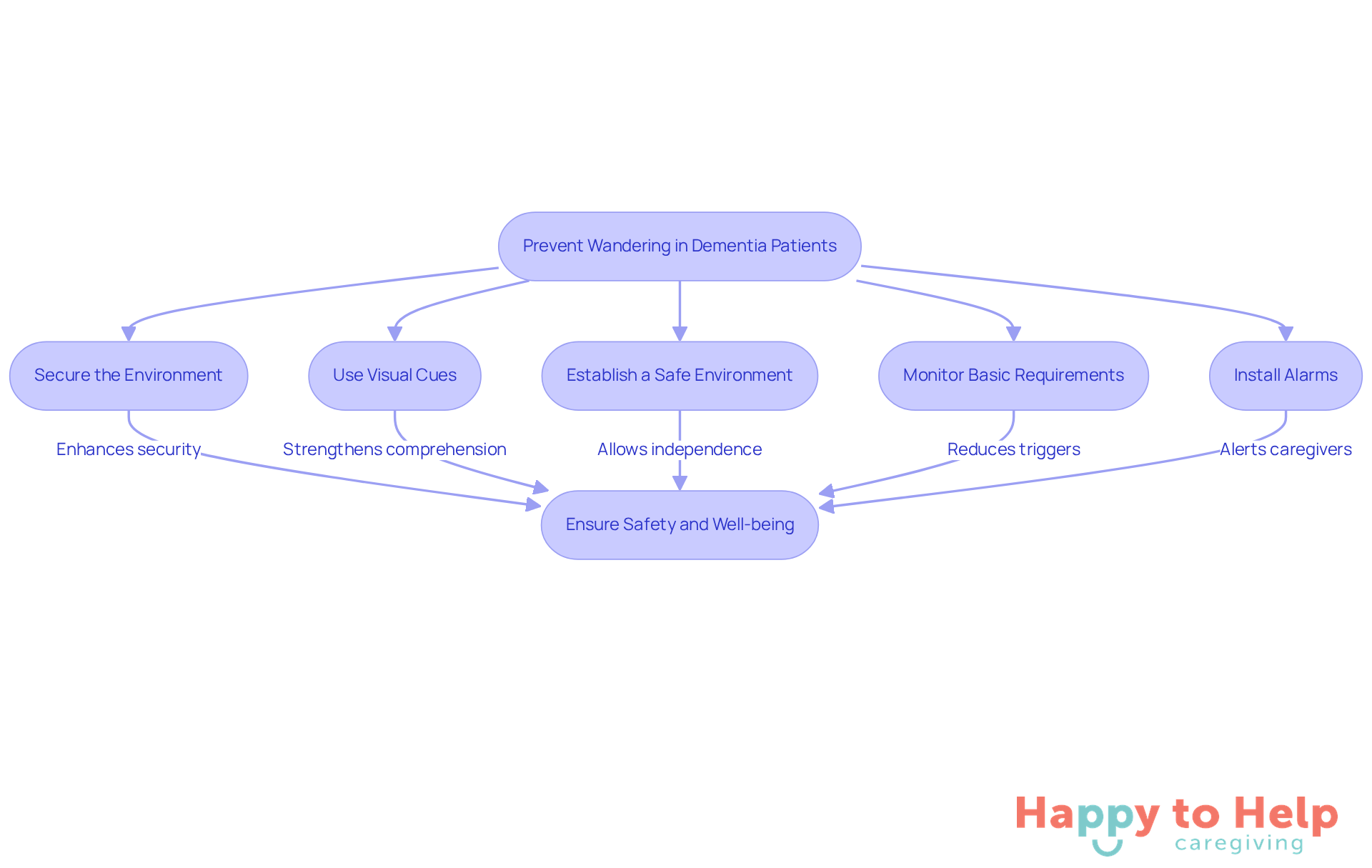
- Secure the Environment: Install locks on doors and windows that are out of the patient's line of sight. Consider using childproof doorknob covers or deadbolts placed high to enhance security.
- Use Visual Cues: Place signs on doors that say 'STOP' or 'DO NOT ENTER' to discourage roaming. These visual reminders can help strengthen the individual's comprehension of their environment.
- Establish a Safe Environment: Designate a secure area where the individual can move freely without the risk of straying outside. This could be a fenced-in backyard or a safe room within the house, allowing for independence while ensuring safety.
- Monitor Basic Requirements: Regularly ensure that the patient’s fundamental requirements are met, including hydration, nutrition, and toileting. Addressing these needs can significantly reduce triggers for roaming behavior.
- Install Alarms: Consider using door alarms that notify attendants when a door is opened. This offers a prompt chance for caregivers to react and avert possible roaming incidents.
By applying these strategies, caregivers can considerably improve the safety of individuals living with dementia and understand how to keep dementia patients from wandering, thus decreasing the chances of straying and the related risks.
Prepare for Potential Wandering Incidents
Wandering can pose significant challenges for caregivers, making it essential to learn how to keep dementia patients from wandering, even with preventive measures in place. This issue not only raises safety concerns but also adds stress to caregivers who must remain vigilant. To effectively address this problem, caregivers should implement a comprehensive plan that includes the following actionable solutions:
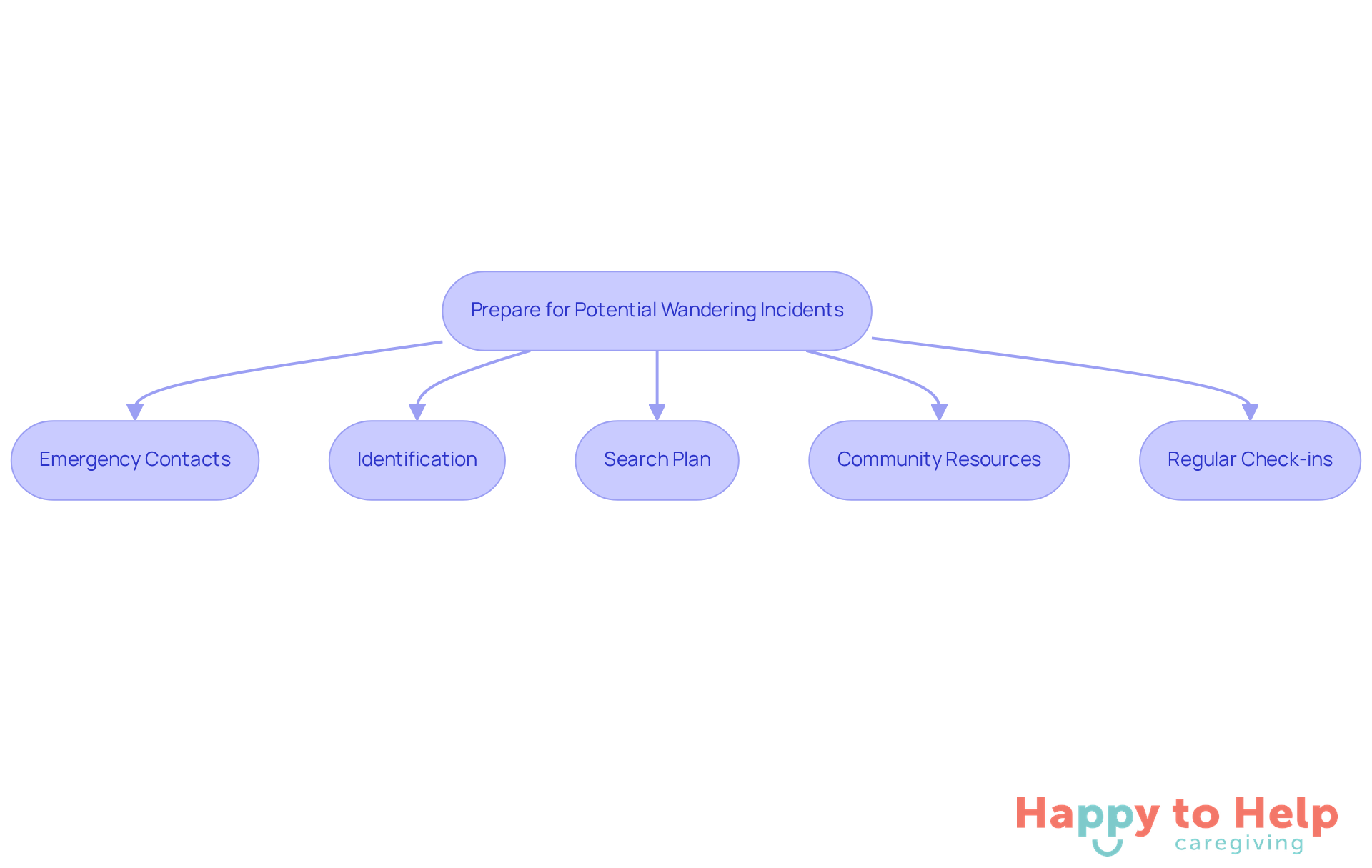
- Emergency Contacts: Keep a list of emergency contacts handy, including family members, neighbors, and local authorities, who can assist if wandering occurs.
- Identification: Ensure the individual wears an ID bracelet or carries identification that includes their name, address, and emergency contact information.
- Search Plan: Develop a search plan that outlines immediate steps to take if the individual wanders, focusing on how to keep dementia patients from wandering. This should include checking common areas and places the individual may wish to visit as part of understanding how to keep dementia patients from wandering.
- Community Resources: Familiarize yourself with local resources, such as mobile response services or support groups, that can provide assistance in emergencies.
- Regular Check-ins: Establish a routine for checking in with the individual to learn how to keep dementia patients from wandering, especially during times when wandering is more likely, such as late afternoons or evenings.
Utilize Tools and Resources for Ongoing Support
Wandering behaviors in patients can pose significant challenges for caregivers, highlighting the need for strategies on how to keep dementia patients from wandering, which can lead to stress and safety concerns. Caregivers often find themselves in a difficult position, needing to ensure the safety of their loved ones while managing the emotional toll of these behaviors. Fortunately, there are various tools and resources available to support caregivers in this endeavor.
-
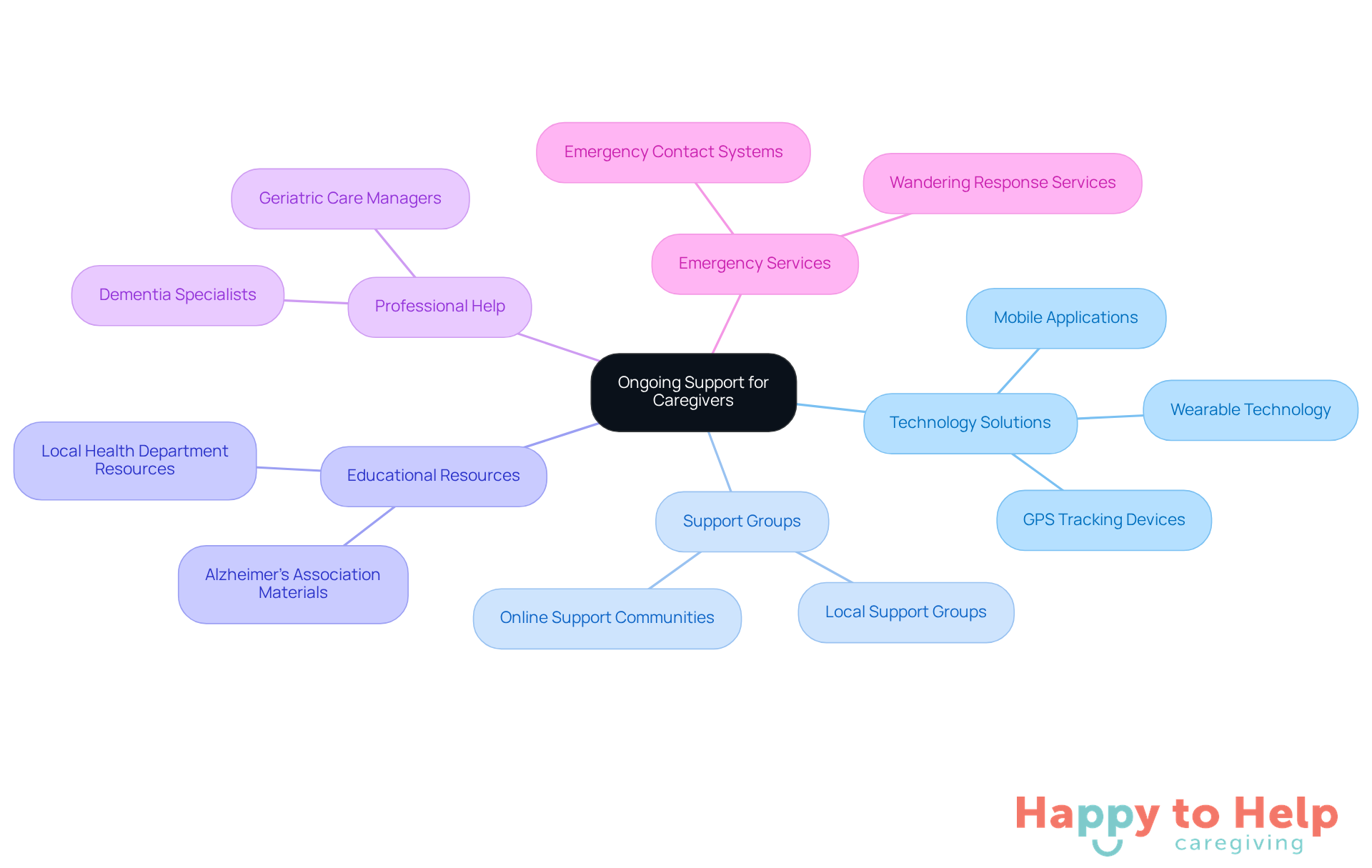
Technology Solutions: GPS tracking devices and wearable technology can be invaluable. These tools help locate patients if they wander and can send notifications to guardians when the individual exits a designated safe area.
-
Support Groups: Connecting with local or online support groups for caregivers of individuals with dementia can provide much-needed emotional support. These groups offer a platform for sharing experiences and advice, helping caregivers feel less isolated.
-
Educational Resources: Accessing educational materials from organizations like the Alzheimer’s Association or local health departments can equip caregivers with insights into managing dementia-related behaviors effectively.
-
Professional Help: Engaging with professionals, such as geriatric care managers or dementia specialists, can provide tailored advice and support for specific situations, ensuring caregivers have the guidance they need.
-
Emergency Services: Enrolling the patient in a wandering response service ensures immediate assistance if they go missing, allowing for a rapid response to wandering incidents.
By utilizing these resources, caregivers can learn how to keep dementia patients from wandering, which enhances both their own well-being and the safety of those they care for.
Moving Forward with Keep Dementia Patients from Wandering:
Understanding how to keep dementia patients from wandering is essential for ensuring their safety and well-being. Wandering behavior can stem from disorientation, anxiety, and unmet physical needs, posing significant risks for both patients and caregivers. Recognizing these underlying factors is crucial for caregivers to anticipate and mitigate wandering incidents effectively.
To address this challenge, caregivers can implement several key strategies:
- Creating secure environments with visual cues can significantly reduce the risk of wandering.
- Regular check-ins also play a vital role in monitoring patients' well-being.
- Preparing for potential incidents through emergency plans and utilizing technology can enhance caregiver readiness and patient safety.
Resources such as support groups and educational materials empower caregivers to manage these challenges more effectively. By leveraging these tools, caregivers can foster a safer environment for individuals with dementia. This proactive approach not only protects patients but also alleviates the emotional strain on caregivers, promoting a more supportive atmosphere for everyone involved.
Ultimately, the significance of proactive care in preventing wandering cannot be overstated. By employing the strategies outlined and utilizing available support networks, caregivers can create a safer environment for individuals with dementia.
https://iframe.tely.ai/cta/eyJhcnRpY2xlX2lkIjogIjY5Mjc5NGY2MDFkMWUzYmY0NmRiMjQ5ZSIsICJjb21wYW55X2lkIjogIjY4ZWU1ZGNhNzMxNzYyNTU3ZjNjOTVjMSIsICJpbmRleCI6IG51bGwsICJ0eXBlIjogImFydGljbGUifQ==Frequently Asked Questions
What causes wandering in dementia patients?
Wandering in dementia patients can be caused by confusion, disorientation, restlessness, anxiety, and unmet basic physical needs such as hunger, thirst, or the urge to use the restroom. Memory loss can also lead patients to forget their location or purpose, prompting them to search for something or someone they cannot recall.
How common is wandering among individuals with dementia?
Research indicates that approximately 6 out of 10 individuals with dementia will wander at least once, highlighting the importance of understanding this behavior in caregiving.
What safety measures can caregivers implement to prevent wandering?
Caregivers can implement safety measures such as locks that require a key from the inside, door alarms, cameras, and monitoring systems to help prevent wandering.
Why is it important for caregivers to understand the causes of wandering?
Understanding the causes of wandering enables caregivers to predict and respond effectively to the needs of dementia patients, helping to create a safer environment and reduce the risk of dangerous situations.
What emotional impact does wandering have on families and caregivers?
Wandering can cause significant stress for families and supporters of individuals living with dementia, making it essential for caregivers to recognize the emotional conditions linked to roaming and to implement strategies to minimize these hazards.
List of Sources
- Understand the Causes of Wandering in Dementia
- Dementia-related wandering claims four lives around metro Atlanta | How to combat it (https://fox5atlanta.com/news/dementia-alzheimers-missing-dead-wandering)
- Wandering | Alzheimer's Association (https://alz.org/help-support/caregiving/stages-behaviors/wandering)
- (https://belleviecare.co.uk/support-advice/dementia-quotes-to-lift-your-spirits)
- Pan‐Canadian estimates of the prevalence and risks associated with critical wandering among home care clients (https://alz-journals.onlinelibrary.wiley.com/doi/10.1002/alz.14195)
- Implement Safety Measures to Prevent Wandering
- Alzheimer's and dementia: Understand wandering and how to address it - Mayo Clinic News Network (https://newsnetwork.mayoclinic.org/discussion/alzheimers-and-dementia-understand-wandering-and-how-to-address-it)
- Wandering | Alzheimer's Association (https://alz.org/help-support/caregiving/stages-behaviors/wandering)
- Dementia Wandering: Safety Tools Every Caregiver Should Know (https://trualta.com/resources/blog/dementia-wandering-safety-tools-every-caregiver-should-know)
- Coping With Alzheimer’s Behaviors: Wandering and Getting Lost (https://nia.nih.gov/health/alzheimers-changes-behavior-and-communication/coping-alzheimers-behaviors-wandering-and)
- Approach to Management of Wandering in Dementia: Ethical and Legal Issue - PMC (https://pmc.ncbi.nlm.nih.gov/articles/PMC8543604)
- Prepare for Potential Wandering Incidents
- Wandering Big Risk for those with Dementia (https://newsroom.clevelandclinic.org/2022/09/20/wandering-big-risk-for-those-with-dementia)
- Expert advice on preventing wandering in Alzheimer's patients with innovative solutions (https://cbs12.com/news/local/expert-advice-on-preventing-wandering-in-alzheimers-patients-with-innovative-solutions-south-florida-health-news-june-18-2025)
- New Toolkit Addresses Elder Safety Crisis in Native Communities (https://nativenewsonline.net/health/new-toolkit-addresses-elder-safety-crisis-in-native-communities)
- Responding to Elderly Patient Elopement and Wandering: Part 2 (https://campussafetymagazine.com/news/elderly-patient-elopement-wandering/51336)
- AOL is part of the Yahoo family of brands. (https://aol.com/dementia-related-wandering-caregivers-know-175700039.html)
- Utilize Tools and Resources for Ongoing Support
- Advanced Wearable Technology Improves Support For People With Dementia And Their Caregivers (https://stories.tamu.edu/news/2025/02/18/advanced-wearable-technology-improves-support-for-people-with-dementia-and-their-caregivers)
- GPS devices can help caregivers of dementia patients | Medical Economics (https://medicaleconomics.com/view/gps-devices-can-help-caregivers-of-dementia-patients)
- (https://belleviecare.co.uk/support-advice/dementia-quotes-to-lift-your-spirits)
- Dementia GPS Tracker Market Report | Global Forecast From 2025 To 2033 (https://dataintelo.com/report/global-dementia-gps-tracker-market)
- How can GPS tracking devices keep a person with dementia safe from wandering? (https://eurekahealth.com/resources/dementia-wandering-gps-tracking-devices-safety-en)