
For families in our service areas
For families in our service areas, this guide explains caregiver support and how non-medical in-home caregiving can support care planning in East Idaho, Treasure Valley & Magic Valley, Northern Wasatch, North Central West Virginia, and Northeast Ohio.
What You Need to Know About Keep Elderly Hydrated: Essential
Understanding the critical role hydration plays in the health of seniors is essential for caregivers. Many older adults struggle to recognize their thirst, leading to a significant issue: up to 40% of this population faces chronic dehydration. The implications can be dire, resulting in serious health complications that can affect their quality of life.
So, how can caregivers address this challenge? It’s crucial to implement effective strategies to ensure elderly clients remain properly hydrated. By exploring practical solutions, caregivers can overcome common barriers to hydration and enhance overall well-being.
Transforming hydration from a challenge into a seamless part of daily care is not just beneficial; it’s necessary for the health of seniors.
Understand the Importance of Hydration for Seniors
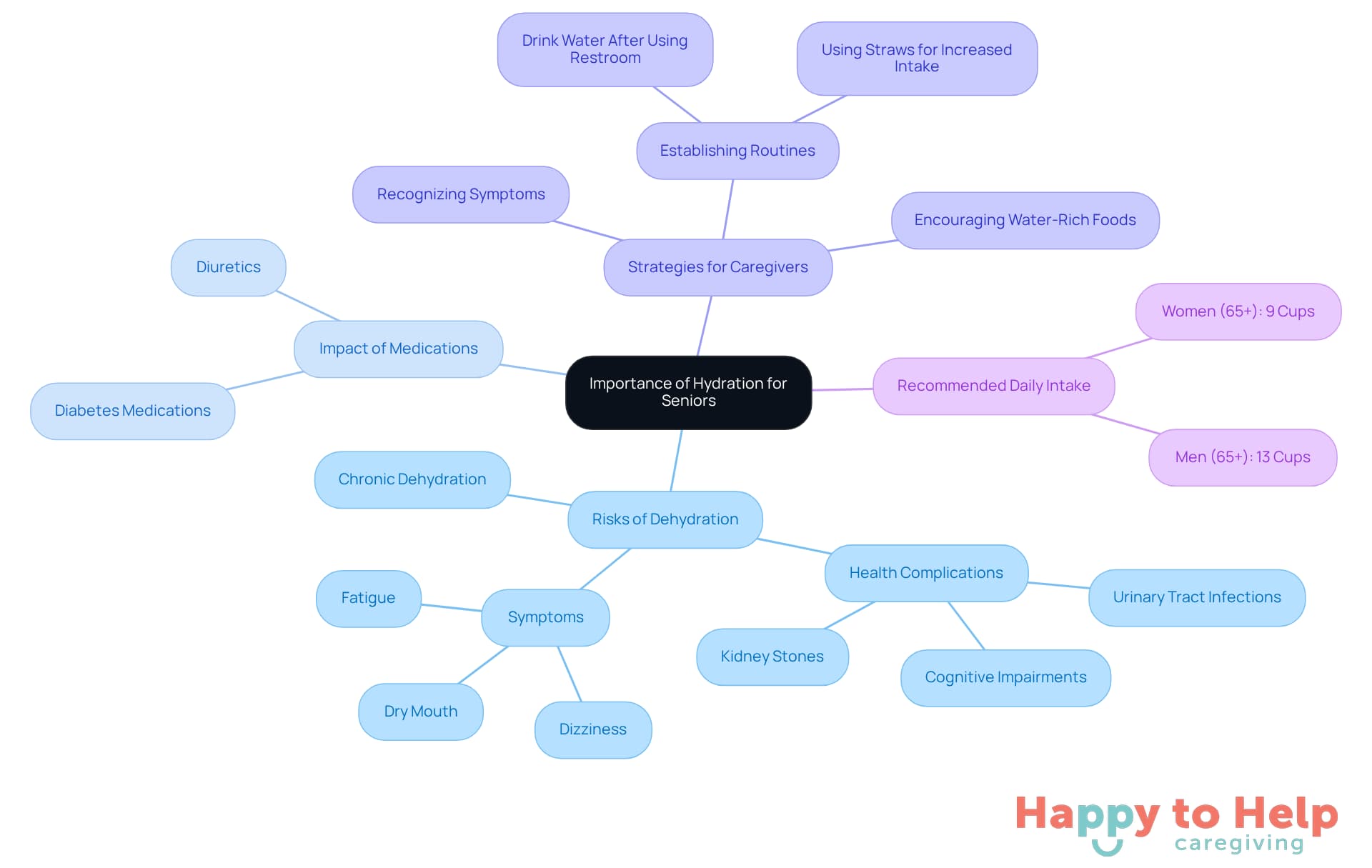
Understanding how to keep elderly hydrated is essential, as hydration is a critical issue for maintaining health, especially in seniors whose bodies are composed of about 60% water. The problem arises as individuals age; their ability to sense thirst diminishes, significantly increasing the risk of dehydration. Alarmingly, up to 40% of older adults may face chronic dehydration, leading to severe health complications such as urinary tract infections, kidney stones, and cognitive impairments.
This situation is further complicated by common medications prescribed to elderly individuals, like diuretics, which can increase fluid loss. Therefore, it’s essential for caregivers to understand how to keep elderly hydrated. Sufficient liquid consumption supports vital bodily functions, including digestion, temperature regulation, and nutrient transportation.
To combat this issue, caregivers can create routines that teach how to keep elderly hydrated and encourage better drinking habits. For instance, drinking water after using the restroom can serve as a helpful reminder. By understanding the importance of fluid intake and the recommended daily consumption of 13 cups for men and 9 cups for women, caregivers can effectively advocate for their clients' hydration needs.
Recognizing the symptoms of dehydration, such as dry mouth and dizziness, is also crucial for timely intervention. By implementing these strategies, caregivers can enhance their clients' quality of life and understand how to keep elderly hydrated.
Implement Effective Hydration Strategies
Caregivers face a significant challenge in understanding how to keep elderly hydrated, as many older adults do not drink enough fluids. This issue can lead to serious health complications, including cognitive impairment and increased risk of falls. As thirst signals diminish with age, caregivers must be proactive in understanding how to keep elderly hydrated to ensure that seniors maintain proper hydration.
To address this problem, here are some practical strategies caregivers can implement:
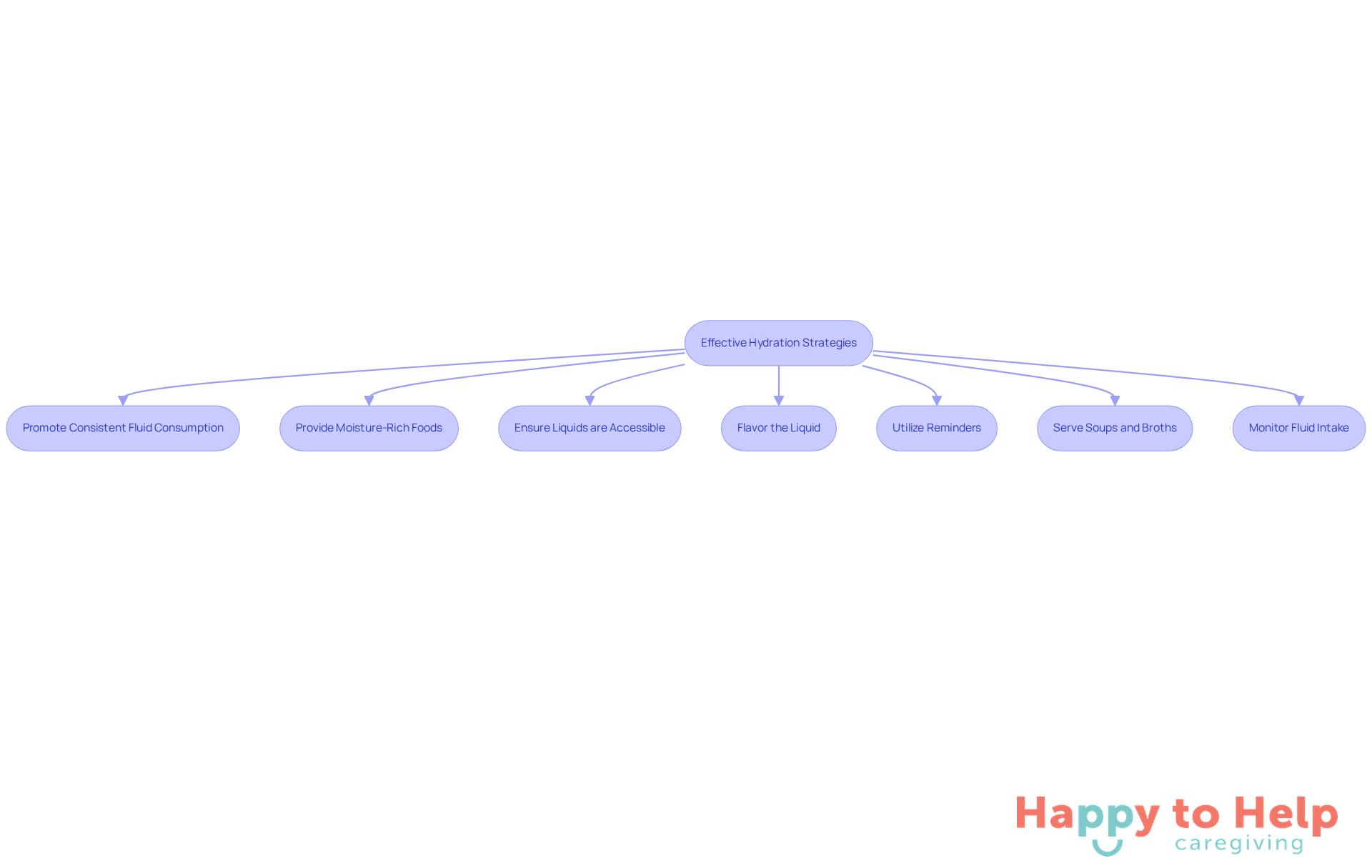
- Promote consistent fluid consumption by reminding seniors how to keep elderly hydrated by drinking liquids regularly throughout the day, rather than waiting for thirst signals. Setting up a fluid intake schedule can assist in developing a routine that shows how to keep elderly hydrated through consistent liquid consumption.
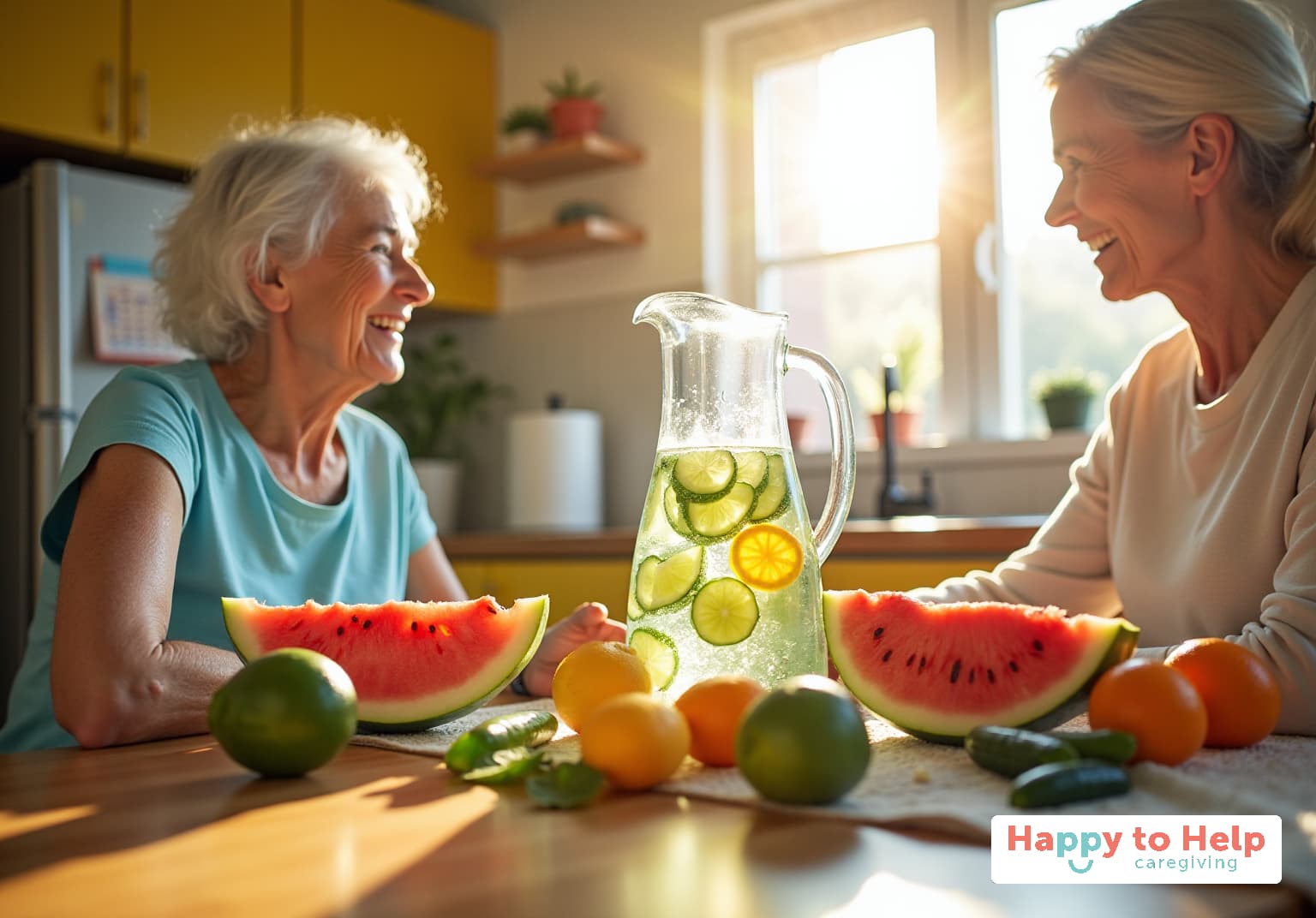
- Provide moisture-rich foods: Include fruits and vegetables with significant liquid content, such as watermelon, cucumbers, and oranges, in their meals. These foods not only supply moisture but also essential nutrients.
- To understand how to keep elderly hydrated, ensure that liquids are accessible by keeping beverage bottles or cups within easy reach to encourage spontaneous drinking. Installing hydration stations in shared spaces can promote social drinking and demonstrate how to keep elderly hydrated.
- Flavor the liquid: Enhance the taste of beverages by adding slices of lemon, cucumber, or herbs. This simple adjustment can make consuming fluids more enjoyable and appealing to older adults who may find plain liquids uninviting.
- Utilize reminders as a strategy on how to keep elderly hydrated by setting alarms or using water intake apps to prompt them to drink water consistently. Scheduled reminders can be more effective than relying on thirst, which may diminish with age, in learning how to keep elderly hydrated.
- Serve soups and broths: Incorporate hydrating soups and broths into their diet, as these can greatly aid in overall liquid consumption while offering warmth and comfort.
- Monitor fluid intake by keeping track of how much fluid the senior consumes daily to understand how to keep elderly hydrated and ensure they meet their hydration goals. This can be accomplished through logs or by counting empty beverage containers, assisting in identifying patterns and modifying strategies as necessary.
Additionally, the National Academy of Medicine recommends that men over age 51 should drink 13 cups of water daily, while women in the same age range should aim for 9 cups. Caregivers should also be aware of the challenges older adults encounter concerning moisture needs, such as reduced thirst signals and worries about incontinence, which can complicate their intake of liquids. Furthermore, research indicates that as little as 2-3% of body fluid loss can cause cognitive impairment, underscoring the urgency of implementing these hydration strategies.
Overcome Challenges in Senior Hydration
Caregivers often face significant challenges in understanding how to keep elderly hydrated.
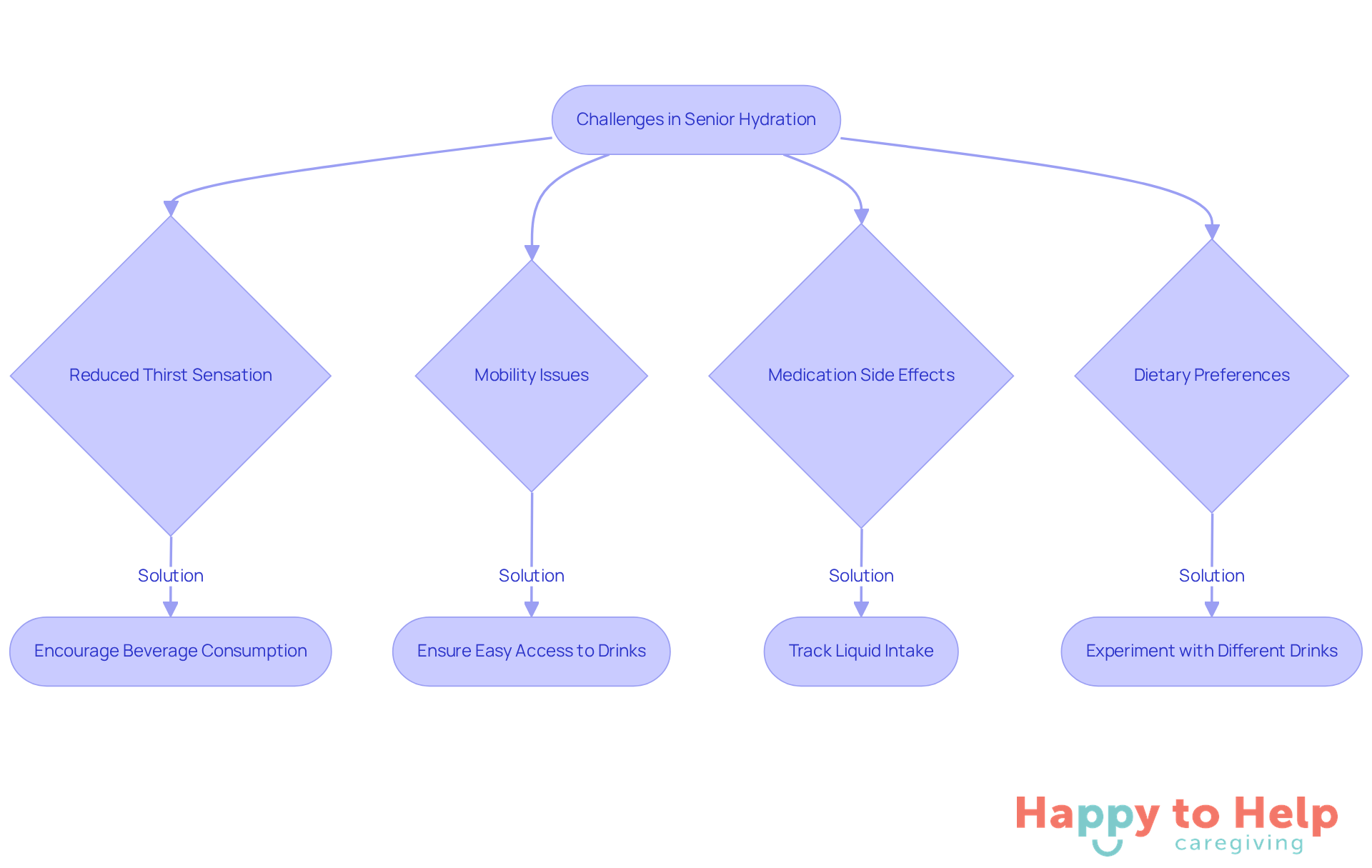
Problem: Reduced Thirst Sensation
Many seniors experience a diminished sense of thirst, leading to chronic dehydration. Research indicates that up to 40% of older adults may struggle with this condition. As the sense of thirst weakens with age, caregivers must proactively promote how to keep elderly hydrated by encouraging beverage consumption to mitigate this risk.
Agitate: Mobility Issues
Seniors with restricted movement may find it difficult to obtain hydration independently. This can exacerbate dehydration, which makes it crucial for caregivers to understand how to keep elderly hydrated by ensuring that beverages are easily accessible. Placing water bottles or cups within reach encourages regular drinking.
Solution: Cognitive Decline
Memory impairments can lead to forgetfulness about drinking. Caregivers can utilize visual cues, such as brightly colored cups or reminders in visible areas, to effectively teach seniors how to keep elderly hydrated. Additionally, using a straw can assist in boosting beverage intake without requiring deliberate effort.
Problem: Medication Side Effects
Certain medications can increase the risk of dehydration by raising urine output. Caregivers must be vigilant in tracking liquid consumption and understanding how to keep elderly hydrated, particularly for individuals with chronic conditions like heart disease and diabetes that can interfere with liquid regulation.
Agitate: Dietary Preferences
Seniors often have specific tastes or aversions that can affect their willingness to drink. Caregivers should experiment with different drinks, including flavored waters or herbal teas, to discover appealing options for how to keep elderly hydrated. The recommended daily beverage consumption is 13 cups for men and 9 cups for women aged 65 and above, providing guidance on how to keep elderly hydrated.
Solution: Social Factors
Feelings of loneliness can diminish a senior's desire to drink. Involving them in social activities, such as shared meals or group drinking challenges, can create a more inviting environment for consumption and enhance overall beverage intake.
Utilize Tools and Resources for Monitoring Hydration
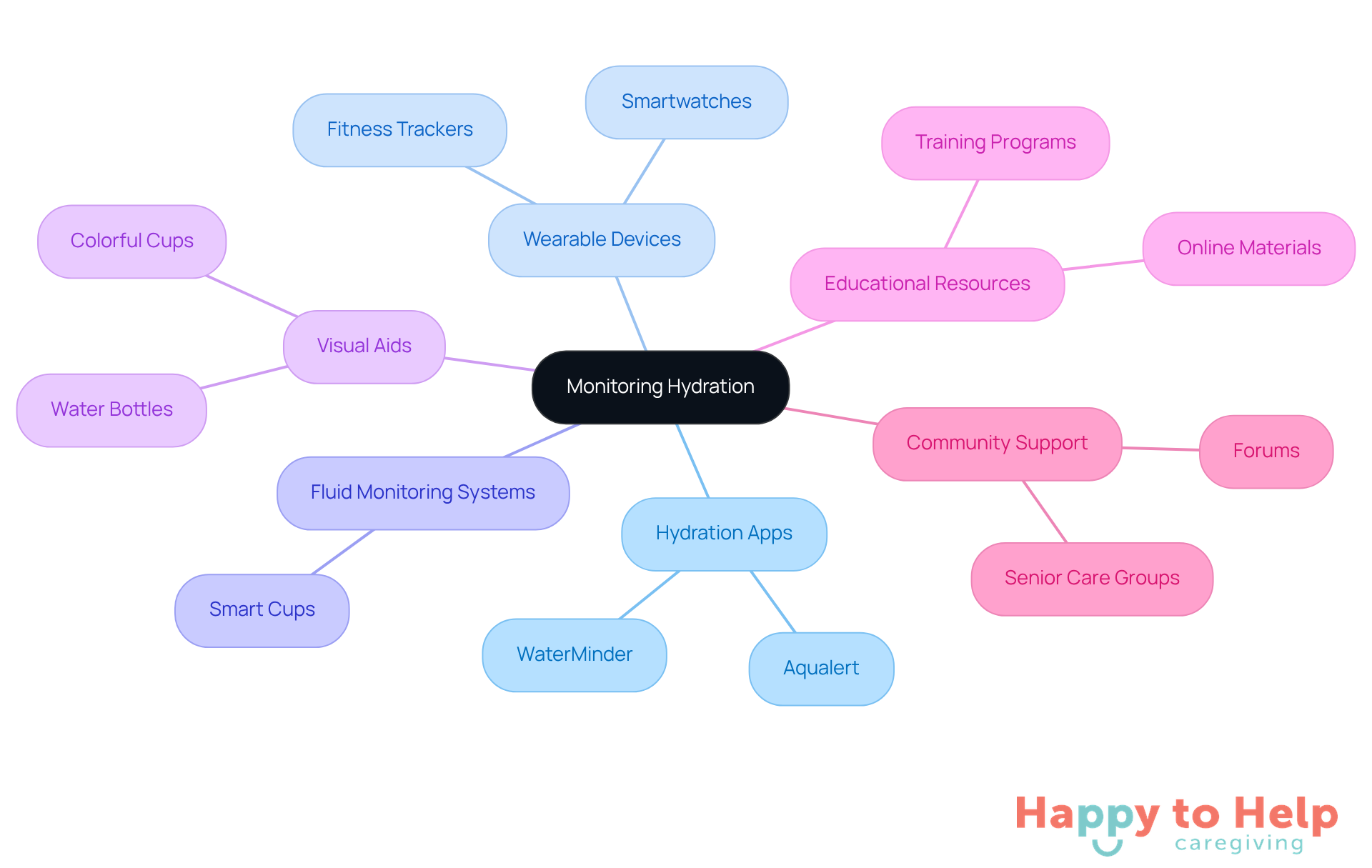
Caregivers often face the challenge of understanding how to keep elderly hydrated. Inadequate hydration can lead to serious health issues, particularly among older adults, making it crucial for caregivers to learn how to keep elderly hydrated by actively promoting fluid intake. Here are some effective tools and resources that can help:
- Hydration Apps: Applications like WaterMinder and Aqualert assist in monitoring daily beverage intake and send reminders to drink, making it easier to track hydration goals.
- Wearable Devices: Smartwatches and fitness trackers frequently include features for tracking water consumption, allowing caregivers to monitor intake in real-time.
- Fluid Monitoring Systems: Innovative solutions, such as smart cups that track liquid intake, provide caregivers with valuable insights into hydration levels.
- Visual Aids: Using colorful cups or water bottles can make drinking more appealing and serve as a visual reminder to stay hydrated.
- Educational Resources: Caregivers can access online materials and training programs that offer additional strategies and tips on how to keep elderly hydrated.
- Community Support: Engaging with local senior care groups or forums can provide caregivers with shared experiences and effective strategies for overcoming hydration challenges.
By utilizing these tools, caregivers can learn how to keep elderly hydrated, which can significantly improve the overall health and well-being of those they care for.
Making the Right Choice
Understanding how to effectively keep elderly individuals hydrated is crucial for caregivers committed to improving their clients' health and well-being. Dehydration poses serious risks, especially for seniors whose thirst responses may be diminished. This challenge can lead to significant health complications, making it essential for caregivers to implement strategies that encourage fluid intake.
To address this issue, caregivers can adopt several key strategies:
- Establishing regular drinking routines
- Providing moisture-rich foods
- Utilizing technology to monitor fluid intake
Recognizing barriers such as reduced thirst sensation, mobility issues, and medication side effects is vital for caregivers to meet hydration needs effectively.
Ultimately, keeping elderly individuals hydrated is about more than just fluid intake; it’s about enhancing their overall quality of life. Caregivers should actively engage in hydration practices and explore tools like hydration apps and community support to ensure their clients receive the care they deserve. By prioritizing hydration, caregivers can help seniors thrive, significantly enhancing their health and happiness.
https://iframe.tely.ai/cta/eyJhcnRpY2xlX2lkIjogIjY5MmY5MTg3Y2E4MDg5MWIwMmZiMDA5NyIsICJjb21wYW55X2lkIjogIjY4ZWU1ZGNhNzMxNzYyNTU3ZjNjOTVjMSIsICJpbmRleCI6IG51bGwsICJ0eXBlIjogImFydGljbGUifQ==Frequently Asked Questions
Why is hydration important for seniors?
Hydration is critical for maintaining health in seniors, as their bodies are composed of about 60% water. Proper hydration supports vital bodily functions, including digestion, temperature regulation, and nutrient transportation.
What challenges do seniors face regarding hydration?
As individuals age, their ability to sense thirst diminishes, increasing the risk of dehydration. Up to 40% of older adults may experience chronic dehydration, which can lead to severe health complications like urinary tract infections, kidney stones, and cognitive impairments.
How can medications affect hydration in elderly individuals?
Common medications prescribed to elderly individuals, such as diuretics, can increase fluid loss, further complicating hydration efforts.
What strategies can caregivers use to keep elderly individuals hydrated?
Caregivers can create routines that encourage better drinking habits, such as reminding seniors to drink water after using the restroom. They should also understand the recommended daily fluid intake, which is 13 cups for men and 9 cups for women.
What are the symptoms of dehydration in seniors?
Symptoms of dehydration in seniors include dry mouth and dizziness. Recognizing these symptoms is crucial for timely intervention.
How can caregivers enhance the quality of life for elderly individuals regarding hydration?
By implementing strategies to promote hydration and recognizing the importance of fluid intake, caregivers can significantly enhance their clients' quality of life and ensure they remain properly hydrated.
List of Sources
- Understand the Importance of Hydration for Seniors
- Drink up: The importance of staying hydrated for seniors (https://morningjournalnews.com/news/local-news/2025/05/drink-up-the-importance-of-staying-hydrated-for-seniors)
- Staying hydrated is especially important for older adults - WellMed Medical Group (https://wellmedhealthcare.com/patients/healthyliving/healthy-aging/staying-hydrated-is-especially-important-for-older-adults)
- Good hydration linked to healthy aging (https://nhlbi.nih.gov/news/2023/good-hydration-linked-healthy-aging)
- Hydration and older adults: Why water matters more as you age (https://uclahealth.org/news/article/hydration-and-older-adults-why-water-matters-more-you-age)
- Hydration in the Elderly | PortalCLÍNIC (https://clinicbarcelona.org/en/news/the-importance-of-hydration-in-older-people-during-extreme-heat)
- Implement Effective Hydration Strategies
- How Much Water Should Seniors Drink? | Elder Care Alliance (https://eldercarealliance.org/blog/how-much-water-should-seniors-drink)
- Seniors Should Boost Their Water Intake; Here Are 6 Ways (https://morningstarseniorliving.com/seniors-should-boost-their-water-intake-here-are-6-ways)
- The Importance of Hydration for Older Adults (https://ncoa.org/article/how-to-stay-hydrated-for-better-health)
- Hydration and older adults: Why water matters more as you age (https://uclahealth.org/news/article/hydration-and-older-adults-why-water-matters-more-you-age)
- 118 Uplifting Wellness Quotes to Inspire and Motivate (https://primalhealthcoach.com/blog/wellness-quotes)
- Overcome Challenges in Senior Hydration
- Study finds a lack of adequate hydration among the elderly (https://newsroom.ucla.edu/releases/study-finds-a-lack-of-adequate-hydration-among-the-elderly)
- Hydration and older adults: Why water matters more as you age (https://uclahealth.org/news/article/hydration-and-older-adults-why-water-matters-more-you-age)
- Why Should Older Adults Stay Hydrated? (https://ncoa.org/article/10-reasons-why-hydration-is-important)
- Hydration Quotes (9 quotes) (https://goodreads.com/quotes/tag/hydration)
- Hydration Status Assessment in Older Patients - PMC (https://pmc.ncbi.nlm.nih.gov/articles/PMC10644957)