How to Manage Sundowning: Practical Steps for Caregivers

For families in our service areas
For families in our service areas, this guide explains caregiver support and how non-medical in-home caregiving can support care planning in East Idaho, Treasure Valley & Magic Valley, Northern Wasatch, North Central West Virginia, and Northeast Ohio.
Understanding Manage Sundowning: Practical Steps
Sundowning presents a significant challenge for caregivers of individuals with cognitive impairments. As daylight fades, the peaceful twilight hours can quickly turn into a battleground of confusion and agitation. This phenomenon not only affects those experiencing it but also leaves caregivers grappling with the emotional toll it takes on their well-being.
Understanding the underlying triggers of sundowning is crucial. Factors such as fatigue, changes in routine, and environmental stimuli can exacerbate feelings of distress. Caregivers must recognize these triggers to effectively manage the situation and foster a calmer environment during these challenging times.
So, what can caregivers do to alleviate the distress associated with sundowning? Here are some practical steps:
- Establish a Routine: Consistency can help reduce anxiety. Try to maintain a regular schedule for meals, activities, and bedtime.
- Create a Calm Environment: Dim the lights and minimize noise to create a soothing atmosphere.
- Engage in Relaxing Activities: Gentle activities like listening to music or reading can help distract and calm the individual.
By equipping themselves with these tools and knowledge, caregivers can navigate the complexities of sundowning more effectively, ultimately enhancing the quality of life for both themselves and those they care for.
Understand Sundowning: Definition and Causes
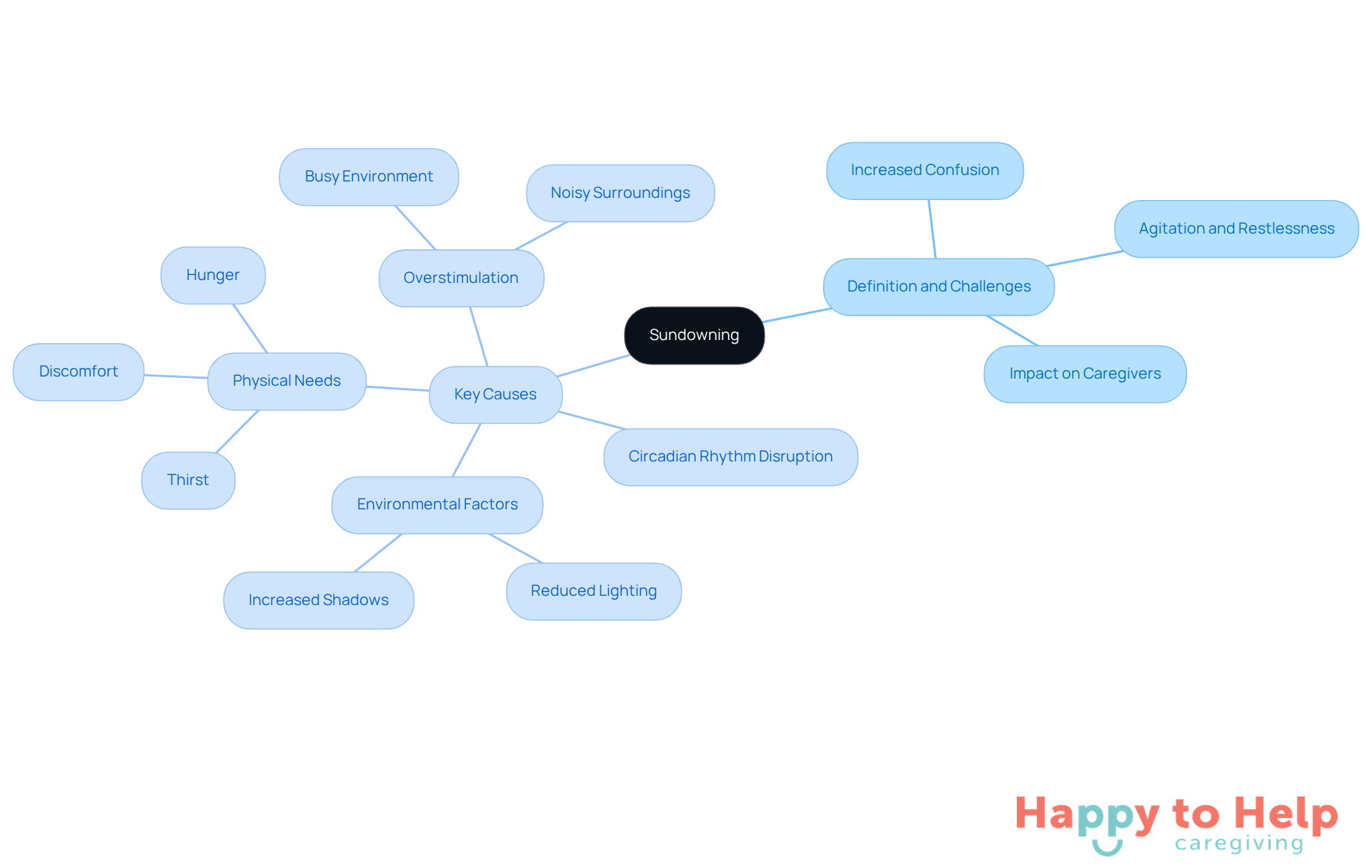
Sundowning is a significant challenge for caregivers, as it describes a phenomenon where individuals with cognitive impairment experience heightened confusion, agitation, and restlessness during the late afternoon and evening hours. This behavior can stem from various triggers, including fatigue, hunger, pain, and environmental changes like reduced lighting. Understanding these triggers is crucial for caregivers to anticipate and know how to manage sundowning episodes effectively.
Key Causes of Sundowning:
- Circadian Rhythm Disruption: Many individuals with dementia have impaired circadian rhythms, which can lead to confusion as day turns to night.
- Environmental Factors: Changes in lighting and increased shadows can create a sense of disorientation.
- Physical Needs: Unmet needs such as hunger, thirst, or discomfort can exacerbate feelings of anxiety and confusion.
- Overstimulation: A busy or noisy environment can overwhelm individuals, leading to agitation as the day progresses.
By identifying these factors, caregivers can better prepare for and reduce the impacts of evening confusion, which is crucial for learning how to manage sundowning. Implementing strategies such as maintaining a consistent routine, ensuring physical needs are met, and creating a calm environment can significantly help in how to manage sundowning episodes.
Create a Calming Environment: Environmental Adjustments
Understanding how to manage sundowning is essential, as evening confusion can be a significant challenge for caregivers, impacting both the caregiver and the individual receiving care. This confusion can lead to increased agitation and stress, highlighting the importance of knowing how to manage sundowning by creating a calming environment to mitigate these effects.
To address this issue, caregivers can implement several effective strategies:
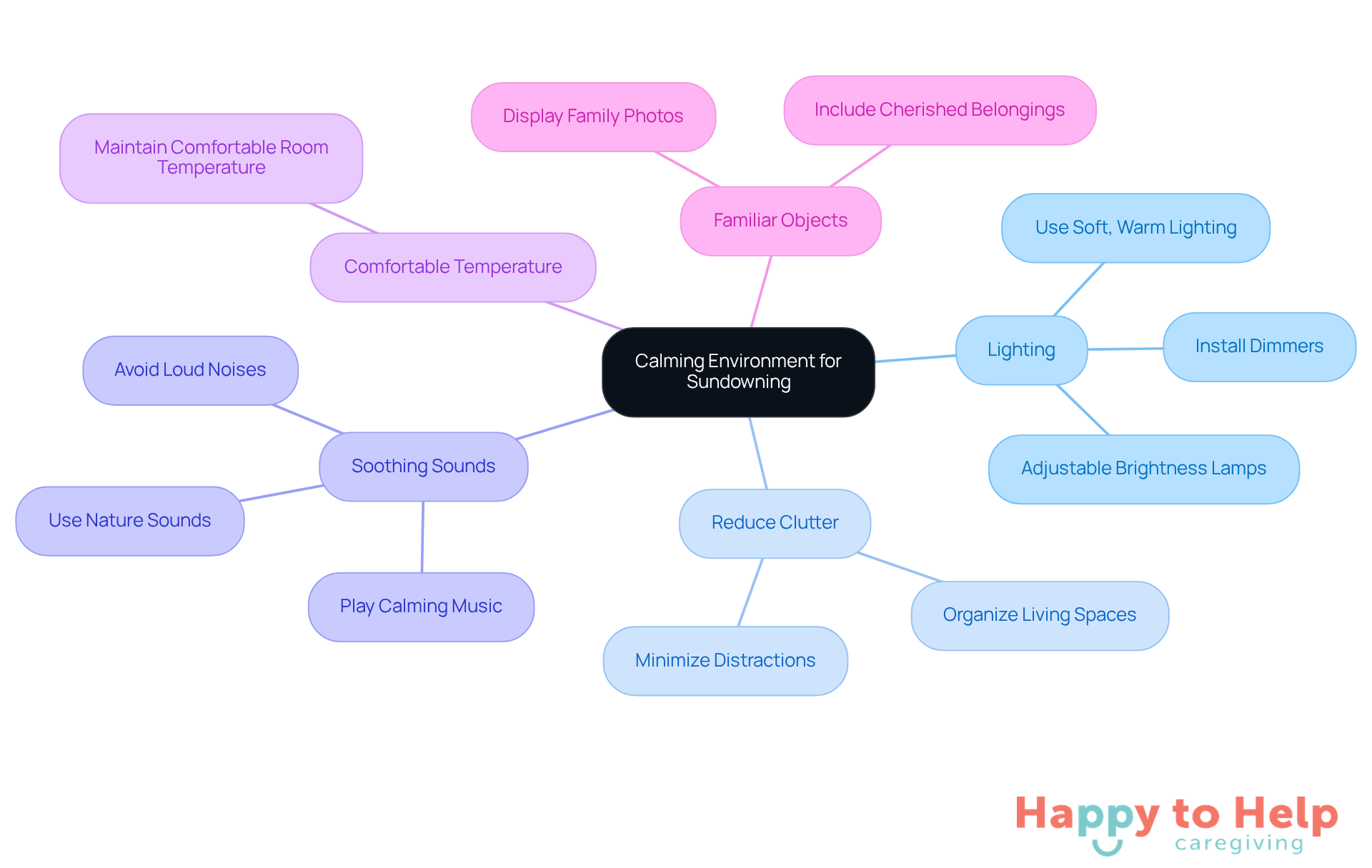
Environmental Adjustments:
- Lighting: Use soft, warm lighting in the evening to reduce harsh shadows and create a soothing atmosphere. Consider using dimmers or lamps with adjustable brightness.
- Reduce Clutter: Keep living spaces organized and free of unnecessary items to minimize distractions and confusion.
- Soothing Sounds: Play calming music or nature sounds to create a peaceful ambiance. Avoid loud noises that can increase agitation.
- Comfortable Temperature: Ensure the home is at a comfortable temperature, as discomfort can lead to increased agitation.
- Familiar Objects: Surround the person with familiar items, such as family photos or cherished belongings, to provide comfort and a sense of security.
By making these adjustments, caregivers can create a more tranquil atmosphere, which is crucial for understanding how to manage sundowning and significantly lowering the chances of evening confusion episodes.
Implement Behavioral Techniques: Responding to Sundowning
Sundowning presents a significant challenge for caregivers, often leading to increased agitation and confusion in individuals with dementia. This phenomenon can create distress not only for the patients but also for those providing care. Understanding how to manage sundowning is crucial for effectively handling these situations and maintaining a supportive environment.
To address the issue of sundowning, caregivers can implement several behavioral techniques:
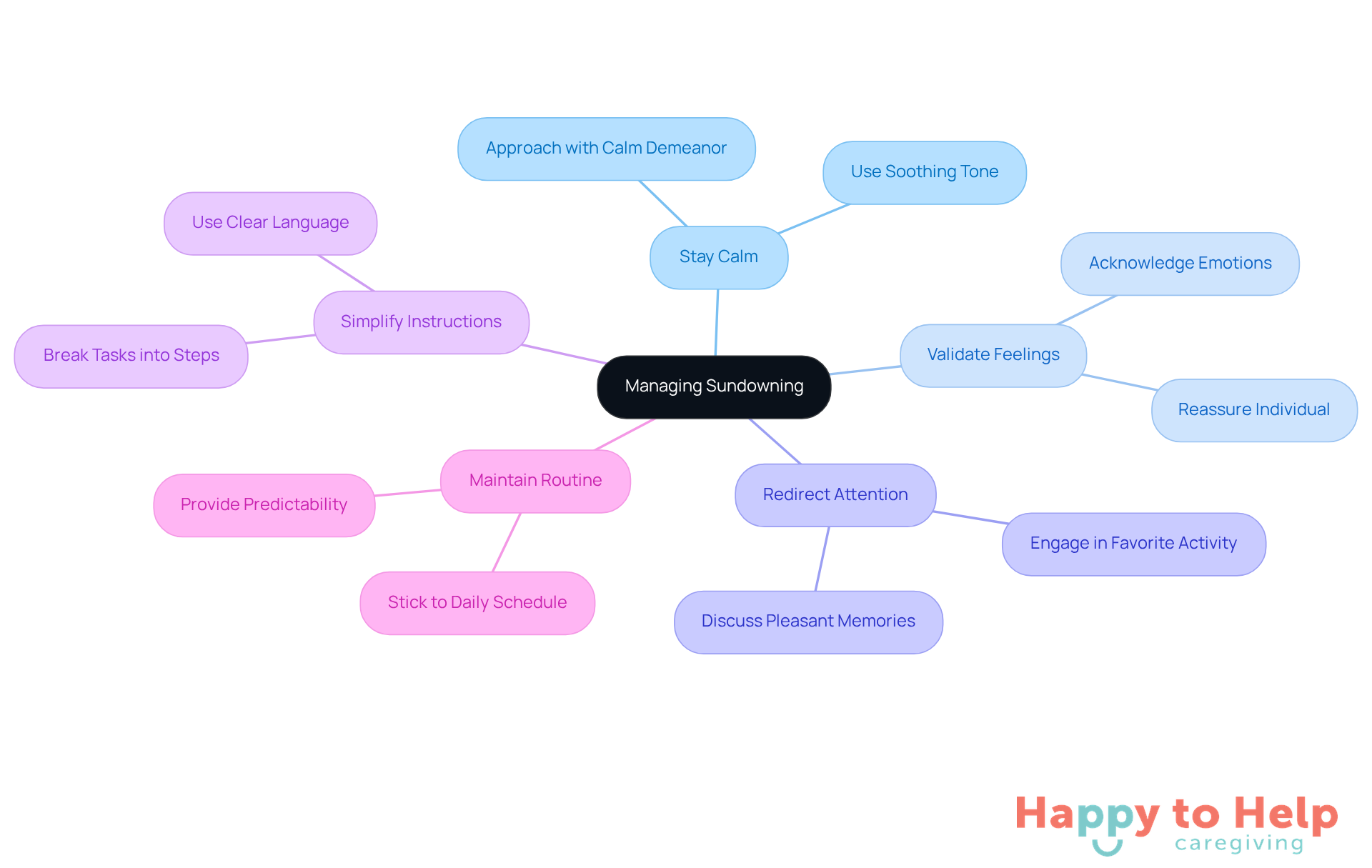
- Stay Calm: Approach the individual with a calm demeanor. Use a soothing tone of voice and avoid raising your voice or showing frustration. Research indicates that a calm and structured approach can lead to improved outcomes, as caregivers' demeanor plays a crucial role in the emotional state of dementia patients.
- Validate Feelings: Acknowledge the person's feelings and reassure them. For example, if they express fear or confusion, gently validate their emotions without arguing. This validation fosters a sense of safety and security.
- Redirect Attention: Distract the person with a favorite activity or engage them in a conversation about a pleasant memory to shift their focus away from distress. This technique can help alleviate anxiety and confusion.
- Simplify Instructions: Use clear, simple language when giving instructions. Break tasks down into manageable steps to avoid overwhelming them. This approach can enhance their ability to follow along and reduce frustration.
- Maintain Routine: Stick to a consistent daily schedule for meals, activities, and bedtime to provide structure and predictability, which can help reduce anxiety. Research indicates that keeping a schedule is advantageous for people facing evening confusion.
By employing these techniques, caregivers can create a supportive environment that teaches individuals how to manage sundowning more effectively. The prevalence of evening agitation syndrome (SS) among dementia patients ranges from 1.6% to 66%, highlighting the importance of these strategies in managing this common issue.
Access Resources: Tools and Support for Caregivers
Caregivers often face the challenge of how to manage sundowning, a condition that can lead to increased confusion and agitation in individuals with dementia during the late afternoon and evening. This can be emotionally taxing and may leave caregivers feeling overwhelmed and isolated. To effectively navigate these challenges, it's essential for caregivers to seek additional support and resources.
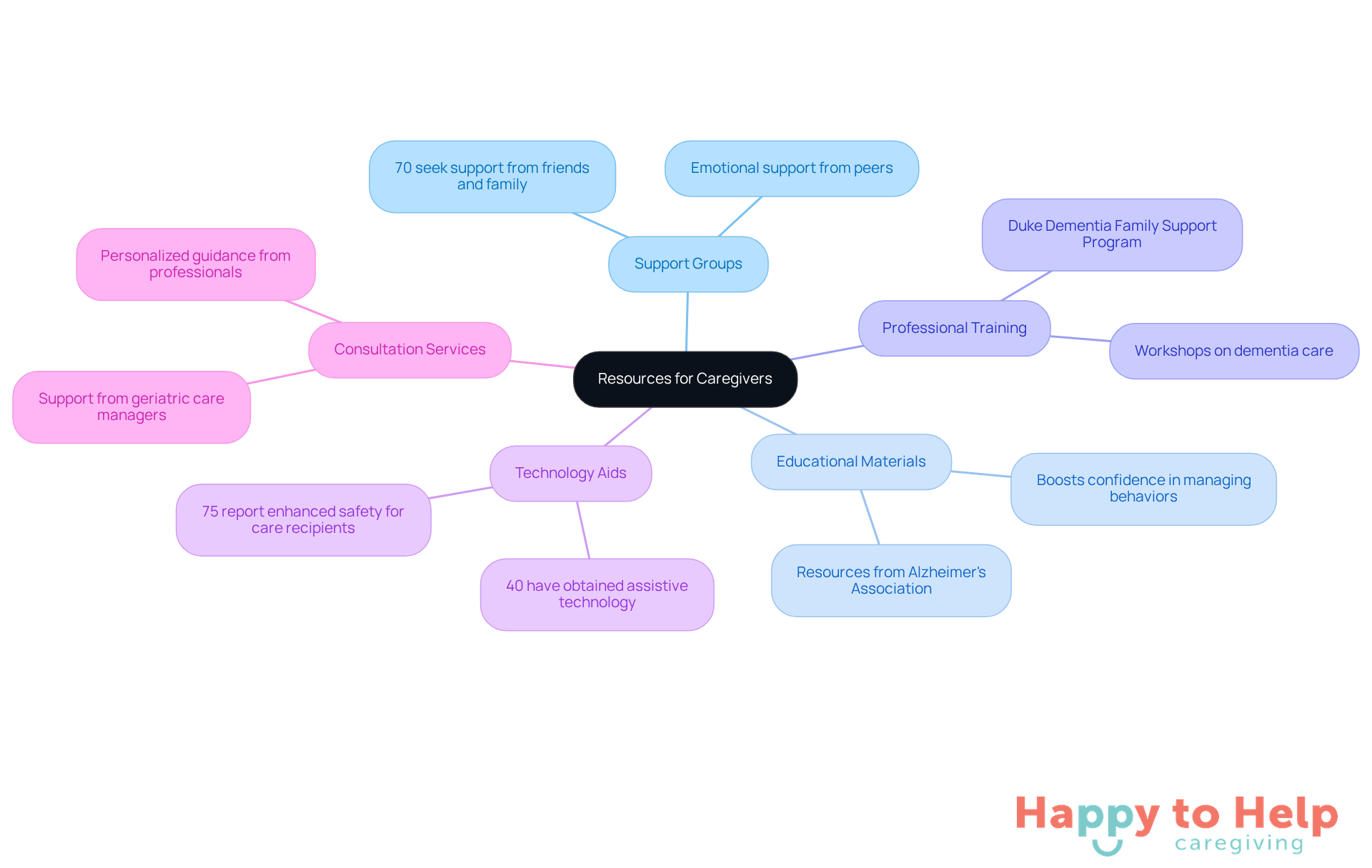
Resources for Caregivers:
- Support Groups: Engaging with local or online support groups allows caregivers to share experiences, advice, and emotional support with others facing similar challenges. Research shows that 70% of caregivers seek information and support from friends and family, underscoring the importance of community in overcoming caregiving hurdles.
- Educational Materials: Utilizing resources from organizations like the Alzheimer's Association or local caregiving agencies can provide valuable insights into how to manage sundowning and cognitive impairment care. Studies indicate that access to educational resources significantly boosts caregivers' confidence in handling challenging behaviors. The Family Caregiver Alliance also offers materials that enhance understanding and skills.
- Professional Training: Attending workshops or training sessions focused on dementia care and behavioral management techniques can be beneficial. Programs such as the Duke Dementia Family Support Program offer valuable insights into effective caregiving strategies.
- Technology Aids: Exploring apps and devices designed to assist caregivers in tracking behaviors, managing schedules, and sending medication reminders can be a game changer. Approximately 75% of caregivers report that technology enhances the safety of care recipients, making it an essential tool. Additionally, 40% of family supporters have obtained assistive technology for their care recipients, highlighting its significance.
- Consultation Services: Reaching out to professionals like geriatric care managers or social workers can provide personalized guidance tailored to specific caregiving situations. This professional insight is crucial for navigating the complexities of dementia care.
By leveraging these resources, caregivers can enhance their skills and confidence in how to manage sundowning, which ultimately improves the quality of care they provide.
Making the Right Choice
Understanding how to manage sundowning is crucial for caregivers supporting individuals with cognitive impairments, particularly dementia. This condition leads to increased confusion and agitation during the late afternoon and evening, significantly impacting both caregivers and those receiving care. Recognizing the triggers and implementing effective strategies can create a more peaceful environment, ultimately enhancing the quality of life for everyone involved.
The challenges of sundowning stem from disrupted circadian rhythms and environmental factors. Caregivers can address these issues by fostering a calming atmosphere through thoughtful adjustments in lighting, reducing clutter, and maintaining a consistent routine. Additionally, employing behavioral techniques - such as staying calm and validating feelings - can create a supportive environment that helps individuals navigate their confusion more effectively. Accessing resources like support groups, educational materials, and technology aids empowers caregivers to manage these situations with greater confidence and skill.
The importance of these strategies cannot be overstated. Caregivers should prioritize their well-being while seeking support from their communities and available resources. By taking proactive steps to manage sundowning, caregivers not only improve their own experiences but also enhance the dignity and comfort of those they care for. Embracing these practical approaches ensures that both caregivers and individuals with dementia can find moments of peace amidst the challenges of sundowning.
https://iframe.tely.ai/cta/eyJhcnRpY2xlX2lkIjogIjY5NDBhMjJhNmYzZjk5NzYxYTM2ZTNkOSIsICJjb21wYW55X2lkIjogIjY4ZWU1ZGNhNzMxNzYyNTU3ZjNjOTVjMSIsICJpbmRleCI6IG51bGwsICJ0eXBlIjogImFydGljbGUifQ==Frequently Asked Questions
What is sundowning?
Sundowning is a phenomenon where individuals with cognitive impairment experience increased confusion, agitation, and restlessness during the late afternoon and evening hours.
What are the main causes of sundowning?
The main causes of sundowning include circadian rhythm disruption, environmental factors, unmet physical needs, and overstimulation.
How does circadian rhythm disruption contribute to sundowning?
Many individuals with dementia have impaired circadian rhythms, leading to confusion as day transitions to night.
What environmental factors can trigger sundowning?
Changes in lighting and increased shadows can create a sense of disorientation for individuals experiencing sundowning.
How do physical needs affect sundowning?
Unmet needs such as hunger, thirst, or discomfort can exacerbate feelings of anxiety and confusion in individuals with cognitive impairment.
What role does overstimulation play in sundowning?
A busy or noisy environment can overwhelm individuals, leading to increased agitation as the day progresses.
How can caregivers manage sundowning episodes effectively?
Caregivers can manage sundowning by maintaining a consistent routine, ensuring physical needs are met, and creating a calm environment.
List of Sources
- Understand Sundowning: Definition and Causes
- Sundowning in Patients with Dementia: Identification, Prevalence, and Clinical Correlates - Marco Toccaceli Blasi, Martina Valletta, Alessandro Trebbastoni, Fabrizia D’Antonio, Giuseppina Talarico, Alessandra Campanelli, Micaela Sepe Monti, Emanuela Salati, Marina Gasparini, Simona Buscarnera, Martina Salzillo, Marco Canevelli, Giuseppe Bruno, Carlo Abbate, 2023 (https://journals.sagepub.com/doi/abs/10.3233/JAD-230094)
- Sundown Syndrome in Persons with Dementia: An Update - PMC (https://pmc.ncbi.nlm.nih.gov/articles/PMC3246134)
- New findings shed light on sundowning with dementia and Alzheimer’s patients – Integrative Practitioner (https://integrativepractitioner.com/practice-management/new-findings-shed-light-on-sundowning-with-dementia-and-alzheimer-s-patients)
- Clock changes and dementia: Tips for managing the challenge (https://deseret.com/family/2025/10/29/time-change-alzheimers-dementia-patients-caregivers-struggle-sundowning)
- Enhanced Light Sensitivity May Play Key Role in Alzheimer's (https://newsroom.uvahealth.com/2023/07/26/alzheimers-discovery-suggests-key-role-for-light-sensitivity)
- Implement Behavioral Techniques: Responding to Sundowning
- 11 Ways to Manage Sundown Syndrome (https://aarp.org/caregiving/medical/ways-to-manage-sundown-syndrome)
- Sundowning Syndrome in Dementia: Mechanisms, Diagnosis, and Treatment - PMC (https://pmc.ncbi.nlm.nih.gov/articles/PMC11856004)
- Frontiers | Sundowning in Dementia: Clinical Relevance, Pathophysiological Determinants, and Therapeutic Approaches (https://frontiersin.org/journals/medicine/articles/10.3389/fmed.2016.00073/full)
- Tips for Managing Sundowning (https://brightfocus.org/resource/tips-for-managing-sundowning)
- Coping With Agitation, Aggression, and Sundowning in Alzheimer's Disease (https://nia.nih.gov/health/alzheimers-changes-behavior-and-communication/coping-agitation-aggression-and-sundowning)
- Access Resources: Tools and Support for Caregivers
- The Why and How of Dementia Caregiver Support Groups (https://springvillagedover.com/news/the-why-and-how-of-dementia-caregiver-support-groups)
- Dementia Caregiver Resources Stanford PD Community Blog (https://parkinsonsblog.stanford.edu/2025/09/dementia-caregiver-resources)
- Caregiver Statistics: Health, Technology, and Caregiving Resources (https://caregiver.org/resource/caregiver-statistics-health-technology-and-caregiving-resources)
- Support Groups | Alzheimer's Association (https://alz.org/help-support/community/support-groups)
- Caregiver Action Network (https://caregiveraction.org)