

For families in our service areas
For families in our service areas, this guide explains dementia care and how non-medical in-home caregiving can support care planning in East Idaho, Treasure Valley & Magic Valley, Northern Wasatch, North Central West Virginia, and Northeast Ohio.
Why Redirect Dementia Patients: 4 Essential Matters
Dementia poses significant challenges that can leave caregivers feeling overwhelmed and uncertain. This emotional burden can lead to increased stress and anxiety, impacting both the caregiver's well-being and the quality of care provided to patients. Understanding the behaviors associated with dementia is crucial for creating a nurturing environment that enhances life for both caregivers and patients.
To address these challenges, this article explores four essential strategies for effectively redirecting dementia patients. These practical techniques aim to help caregivers manage agitation and confusion, transforming moments of distress into opportunities for connection and calm. By implementing these strategies, caregivers can foster a more supportive atmosphere, ultimately improving the experience for everyone involved.
Understand Dementia Behaviors
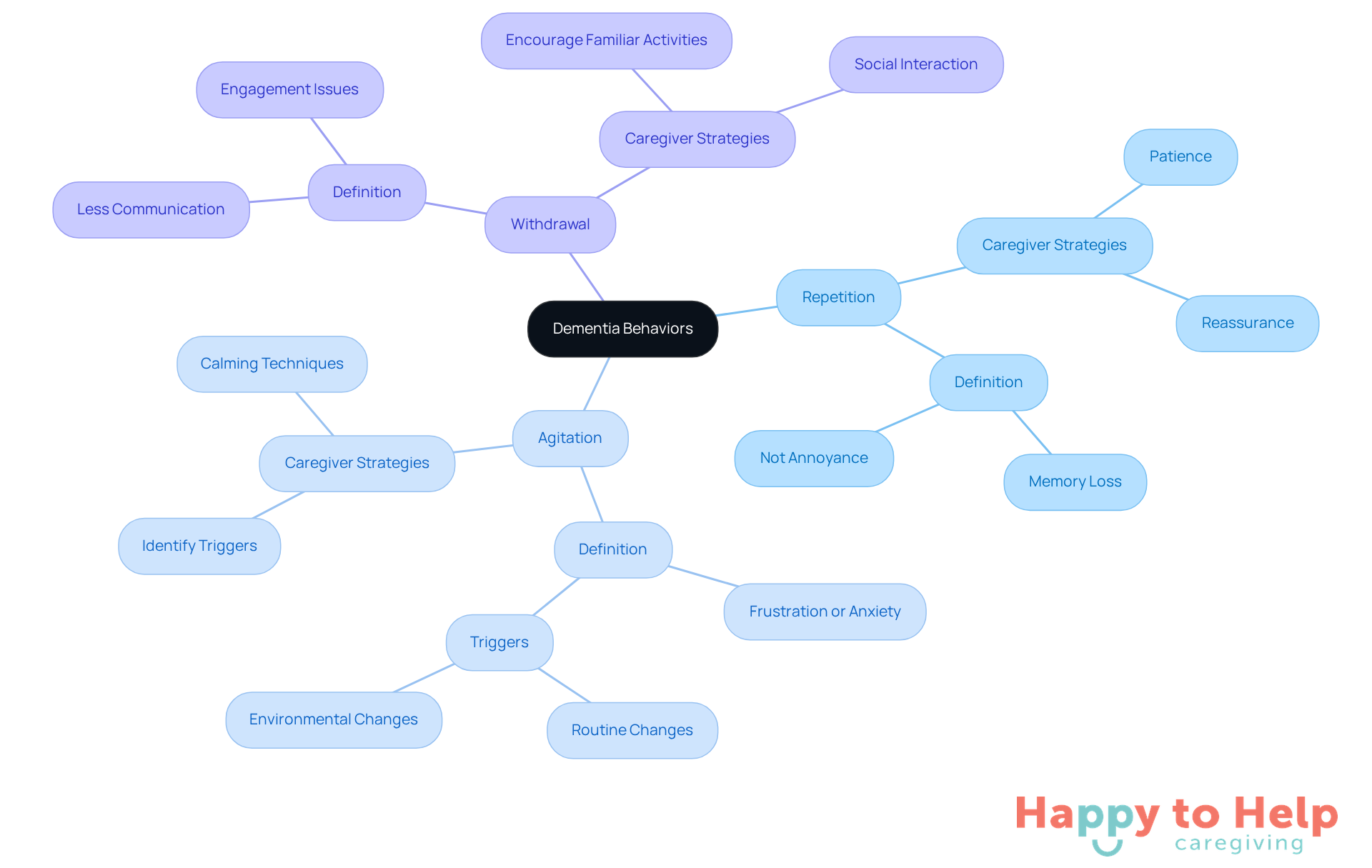
Dementia presents significant challenges for caregivers, often manifesting in behaviors such as confusion, agitation, and repetitive questioning. Understanding these behaviors is crucial for providing effective care.
-
Repetition is a common behavior where individuals may ask the same questions or repeat statements. This repetition stems from memory loss and is not a sign of annoyance; rather, it reflects their cognitive state.
-
Agitation can arise from feelings of frustration or anxiety. Caregivers can help by identifying triggers, such as changes in routine or environment, which can lead to these heightened responses.
-
Withdrawal is another behavior where individuals may become less communicative or engage less with others. Encouraging participation in familiar activities can help re-engage them.
By recognizing and understanding these behaviors, caregivers can better anticipate the needs of those they care for, responding with empathy and patience. This proactive approach not only enhances the quality of care but also fosters a more supportive environment for individuals with dementia.
Implement Redirection Techniques
Redirection is a crucial method for caregivers, emphasizing how to redirect dementia patients' attention away from troubling thoughts or actions. Caregivers often face the challenge of managing agitation and distress, which can significantly impact both the caregiver and the individual. Understanding effective strategies on how to redirect dementia patients can lead to a more positive caregiving experience.
Here are some effective strategies:
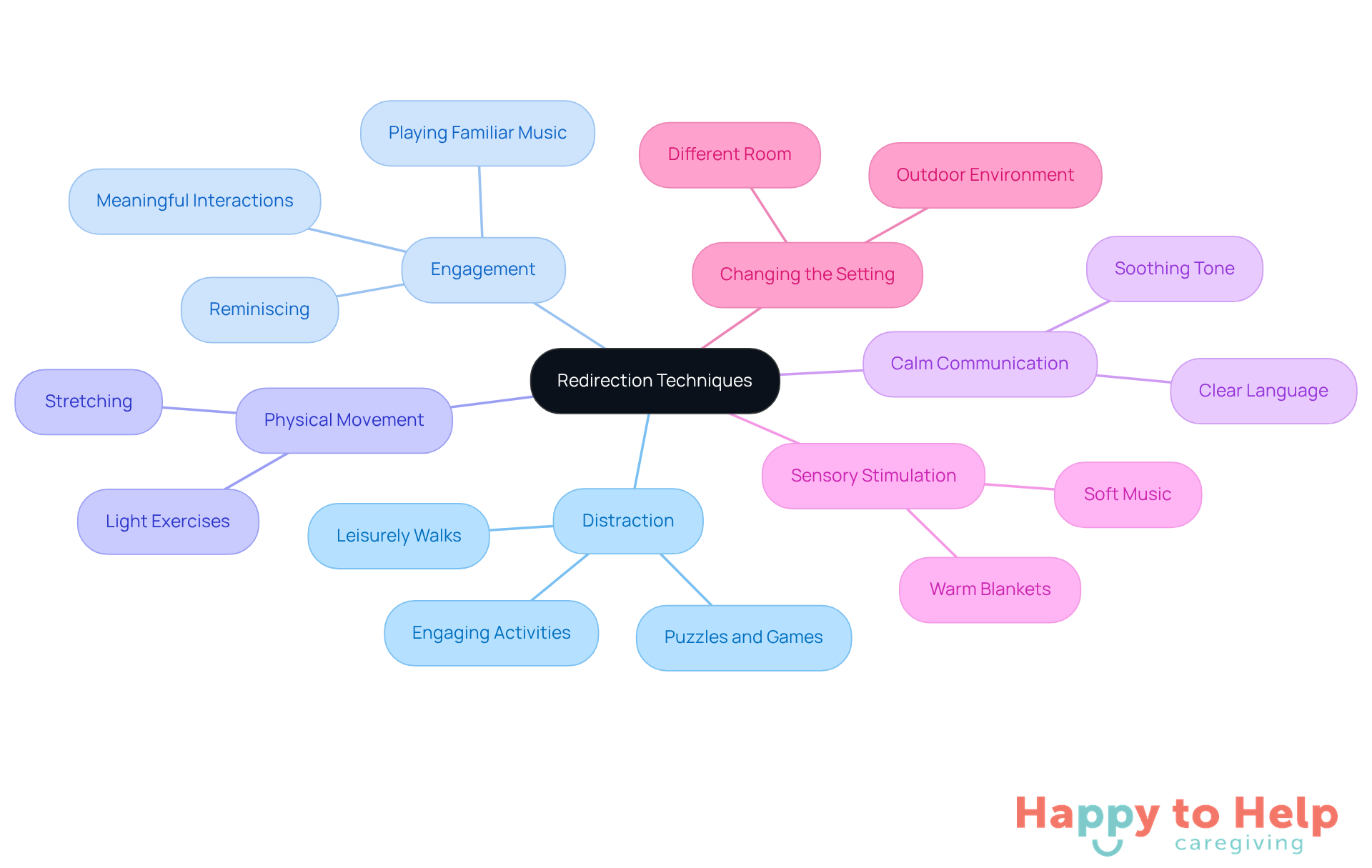
- Distraction: Introduce engaging activities that the individual enjoys, such as puzzles, gardening, or a leisurely walk outside. These activities can help divert attention from negative feelings and create a more positive atmosphere.
- Engagement: Utilize meaningful interactions that resonate with the person. Reminiscing about cherished memories or playing familiar music can evoke positive emotions and foster connection.
- Physical Movement: Encourage light physical activities, such as stretching or simple exercises. This not only alleviates restlessness but also helps refocus attention and improve overall mood.
- Calm Communication: Maintain a soothing tone and use clear, simple language. This approach assists people in feeling secure and understood, lowering anxiety and improving the caregiving experience.
- Sensory Stimulation: Incorporate sensory engagement techniques, such as offering a warm blanket or playing soft music, to create calming distractions and redirect focus.
- Changing the Setting: If agitation persists, consider changing the environment by moving to a different room or stepping outside, which can help reset the mood and alleviate distress.
Applying these methods can greatly improve engagements, resulting in a more tranquil setting for both supporters and those experiencing cognitive decline, especially in learning how to redirect dementia patients. Remember, redirection requires patience, creativity, and practice to be effective.
Create a Supportive Environment
Creating a nurturing atmosphere for individuals with cognitive disorders is essential, especially when learning how to redirect dementia patients, yet it poses significant challenges for caregivers. A cluttered environment can lead to distractions and confusion, making it difficult for individuals to feel secure and comfortable. Therefore, addressing these issues is crucial for enhancing their quality of life.
To tackle this problem, consider the following actionable solutions:
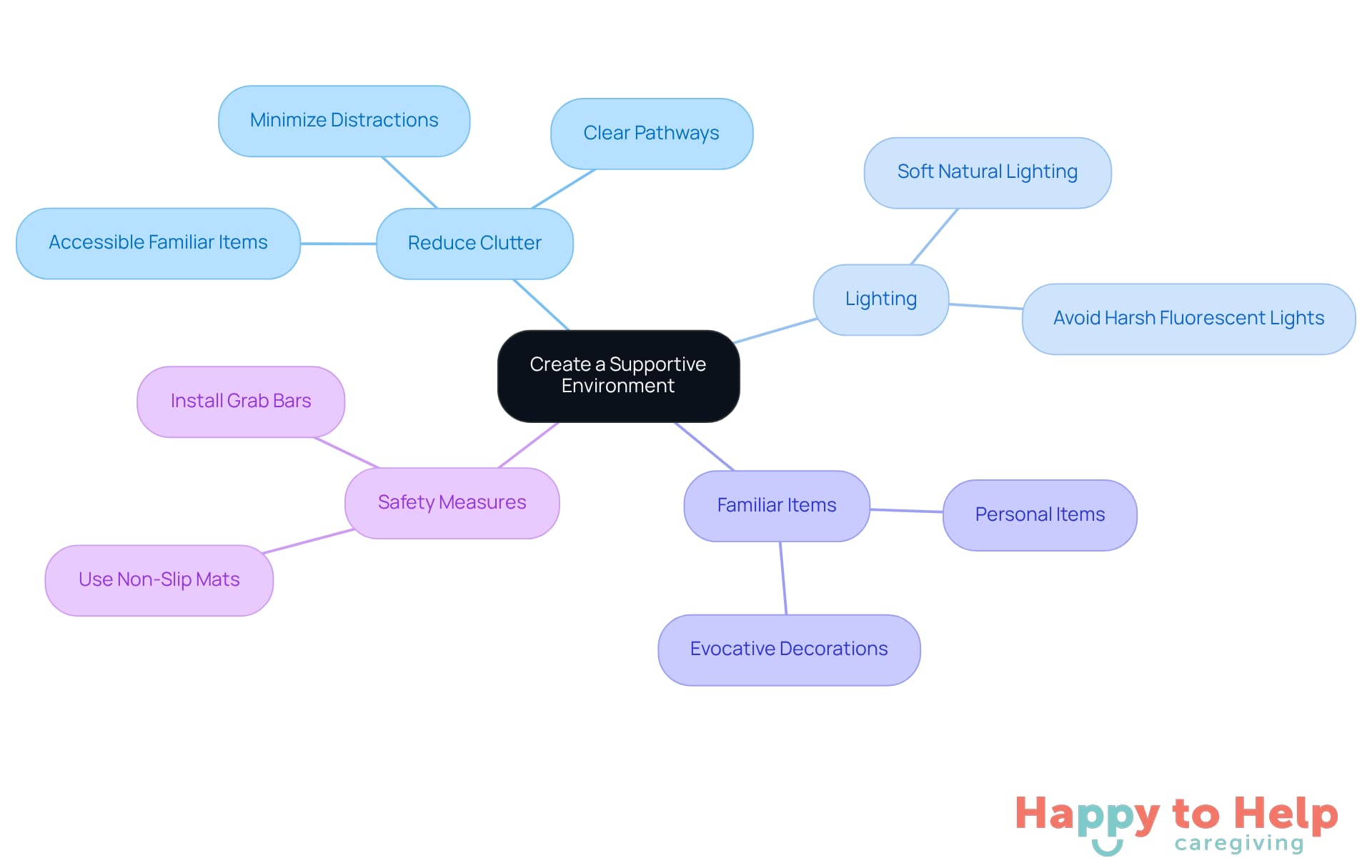
- Reduce Clutter: A tidy space minimizes distractions. Ensure pathways are clear and familiar items are easily accessible.
- Lighting: Soft, natural lighting creates a calming atmosphere. Avoid harsh fluorescent lights that can be disorienting.
- Familiar Items: Incorporate personal items that evoke positive memories, such as family photos or favorite decorations, to foster a sense of belonging.
- Safety Measures: Install safety features like grab bars and non-slip mats to prevent accidents and promote independence.
By implementing these strategies, caregivers can create a supportive environment that significantly enhances the quality of life for individuals with dementia, particularly in learning how to redirect dementia patients.
Access Caregiver Resources and Support
Caregiving can be overwhelming, presenting significant challenges for those involved. The emotional burden is substantial, with 59% of family members reporting high or very high stress levels. This situation is further complicated by the fact that 70% of memory-related care expenses are borne by family members through unpaid assistance and personal costs. Given these pressures, seeking assistance is essential for caregivers.
-
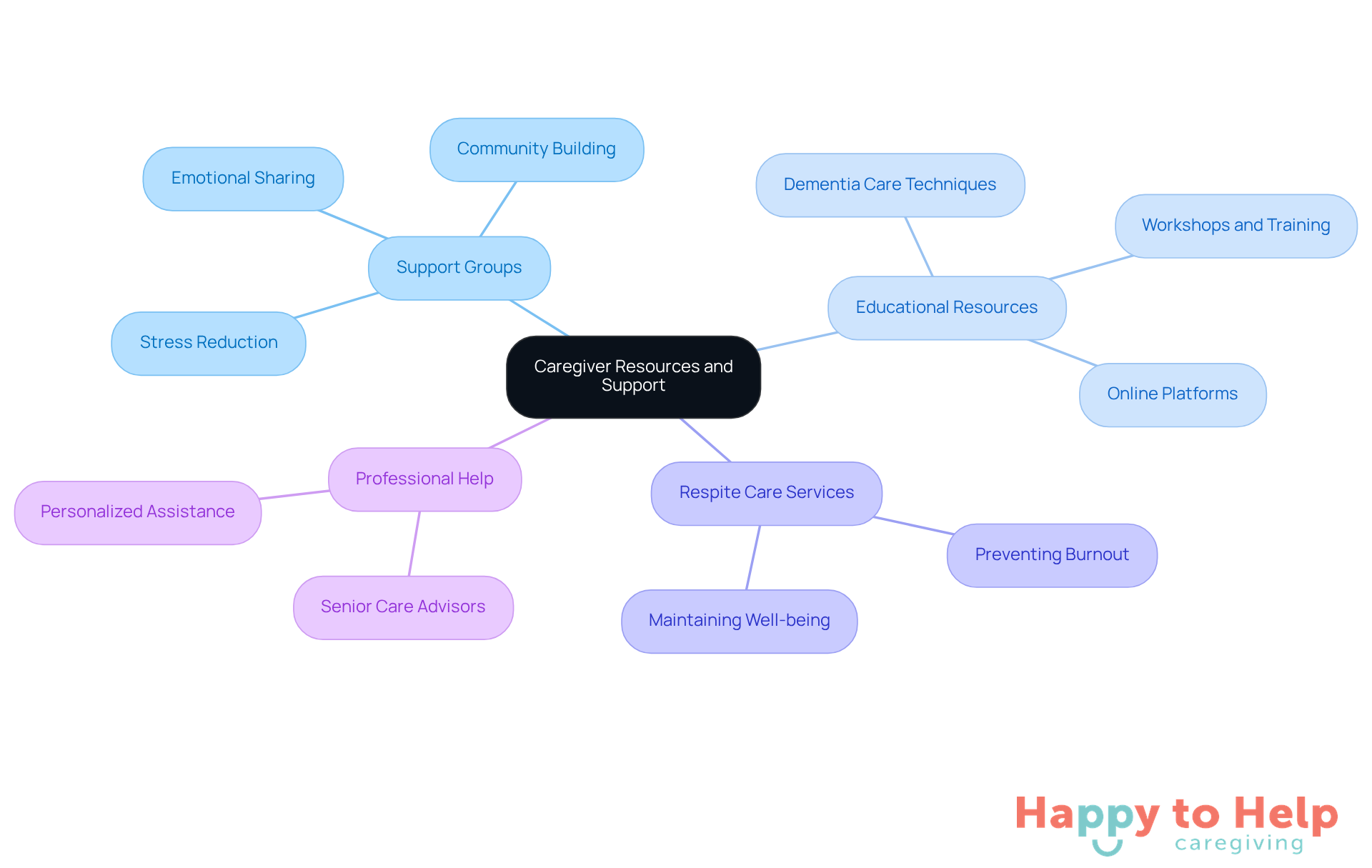
Support Groups: Engaging in local or online support groups allows caregivers to share experiences and strategies. Organizations such as the Alzheimer's Association offer various assistance options, including groups that have been shown to significantly reduce emotional stress. Joining these groups fosters a sense of community and empathy among those facing similar difficulties. As highlighted by the Alzheimer’s Association, "Support groups offer a safe environment for those who provide care to express their emotions and gain insights from others who comprehend their journey."
-
Caregivers should take advantage of educational resources that teach how to redirect dementia patients through online platforms and local workshops providing training on dementia care techniques and coping strategies. These resources equip support providers with the knowledge and skills necessary to handle daily challenges effectively.
-
Respite Care Services: Exploring respite care options is crucial for caregivers needing breaks. This service not only helps prevent burnout but also ensures that both the caregiver and the individual receiving assistance maintain their well-being.
-
Professional Help: Don’t hesitate to consult professionals for guidance on specific challenges. Senior care advisors can offer personalized assistance, teaching caregivers how to redirect dementia patients while navigating the complexities of dementia care.
By accessing these resources, caregivers can enhance their skills and maintain their well-being while providing compassionate care.
Moving Forward with Redirect Dementia Patients: 4 Essential
Understanding and managing dementia behaviors presents a significant challenge for caregivers. These behaviors can lead to frustration and stress, making it difficult to provide the compassionate care that individuals with dementia deserve. Recognizing behaviors such as repetition, agitation, and withdrawal is crucial for caregivers to address these challenges effectively.
To tackle these issues, caregivers can employ several strategies. Techniques include:
- Redirection
- Distraction
- Sensory stimulation
Creating a supportive environment is also essential; a nurturing space can alleviate stress for both caregivers and patients. Additionally, accessing caregiver support resources can provide much-needed relief and guidance.
Ultimately, the journey of caregiving for individuals with dementia requires patience and empathy. By embracing these strategies and seeking support, caregivers can transform their experience. They not only provide care but also cultivate meaningful moments of connection and joy amidst the challenges of dementia. Taking proactive steps today can lead to a more fulfilling caregiving experience tomorrow.
https://iframe.tely.ai/cta/eyJhcnRpY2xlX2lkIjogIjY5MmZiYWIyOWNlNjViODQzNjk2MmM4YyIsICJjb21wYW55X2lkIjogIjY4ZWU1ZGNhNzMxNzYyNTU3ZjNjOTVjMSIsICJpbmRleCI6IG51bGwsICJ0eXBlIjogImFydGljbGUifQ==Frequently Asked Questions
What are common behaviors exhibited by individuals with dementia?
Common behaviors include confusion, agitation, repetitive questioning, and withdrawal.
Why do individuals with dementia exhibit repetitive questioning?
Repetitive questioning is a result of memory loss and reflects their cognitive state, not a sign of annoyance.
What causes agitation in individuals with dementia?
Agitation can arise from feelings of frustration or anxiety, often triggered by changes in routine or environment.
How can caregivers help manage agitation in individuals with dementia?
Caregivers can help by identifying triggers that lead to agitation and addressing those changes to minimize stress.
What does withdrawal behavior indicate in individuals with dementia?
Withdrawal indicates that individuals may become less communicative or engage less with others, often due to cognitive challenges.
How can caregivers encourage engagement in individuals who are withdrawn?
Encouraging participation in familiar activities can help re-engage individuals who are withdrawn.
Why is it important for caregivers to understand dementia behaviors?
Understanding these behaviors allows caregivers to anticipate the needs of those they care for and respond with empathy and patience, enhancing the quality of care and creating a supportive environment.
List of Sources
- Understand Dementia Behaviors
- New Survey Reveals Critical Gaps in Awareness and Understanding of Agitation in Alzheimer's Dementia (https://prnewswire.com/news-releases/new-survey-reveals-critical-gaps-in-awareness-and-understanding-of-agitation-in-alzheimers-dementia-302613224.html)
- One in Five People with Dementia Receive No Care, Global Study Finds (https://ysph.yale.edu/news-article/one-in-five-people-with-dementia-receive-no-care-global-study-finds)
- New Survey Reveals Critical Gaps in Awareness and Understanding of Agitation in Alzheimer’s Dementia - Alliance for Aging Research (https://agingresearch.org/news/new-survey-reveals-critical-gaps-in-awareness-and-understanding-of-agitation-in-alzheimers-dementia)
- Understanding Behavioral Changes in Dementia - Lewy Body Dementia Association (https://lbda.org/understanding-behavioral-changes-in-dementia)
- Implement Redirection Techniques
- Overcome the Challenges of Dementia Care Through Redirection (https://responsive-homecare.com/overcoming-the-challenges-of-dementia-care-through-redirection)
- How to Redirect Behaviors in Dementia (https://guidestareldercare.com/blog/how-to-redirect-behaviors-in-dementia)
- Redirection in Dementia Care: A Simple Yet Effective Caregiving Strategy (https://homehealthcompanions.com/blog/redirection-in-dementia-care)
- Dementia Redirection Techniques (https://superiorseniorhomecare.com/dementia-redirection-techniques-can-reduce-stress)
- Access Caregiver Resources and Support
- New NIA grant advances tools for dementia caregiving (https://news-medical.net/news/20251015/New-NIA-grant-advances-tools-for-dementia-caregiving.aspx)
- Top Caregiver Support Organizations for Alzheimer’s and Dementia (https://everydayhealth.com/alzheimers-disease/top-caregiver-support-organizations-for-alzheimers-and-dementia)
- Caregivers: the invisible backbone of dementia care (https://publichealth.gmu.edu/news/2025-11/caregivers-invisible-backbone-dementia-care)
- Alzheimer’s Association Honors the Nearly 12 Million Americans Who Serve as Dementia Caregivers and Shares New Resources to Help Them Thrive (https://alz.org/news/2025/november-national-family-caregivers-alzheimers-disease-awareness-month)
- Resources for Caregivers of People With Alzheimer’s Disease and Related Dementias | Alzheimers.gov (https://alzheimers.gov/life-with-dementia/resources-caregivers)