

For families in our service areas
For families in our service areas, this guide explains dementia care and how non-medical in-home caregiving can support care planning in East Idaho, Treasure Valley & Magic Valley, Northern Wasatch, North Central West Virginia, and Northeast Ohio.
Redirect Someone with Dementia: Key at a Glance
Caring for someone with dementia can be incredibly challenging. Caregivers often face emotional hurdles, feeling overwhelmed by stress and burnout. It’s essential to recognize these feelings and understand that you’re not alone in this journey.
The article highlights key strategies for effectively redirecting individuals with dementia:
- Understanding dementia behaviors is crucial.
- Clear communication and redirection techniques can make a significant difference.
- By recognizing the signs of dementia and employing compassionate approaches, caregivers can alleviate distress for both themselves and the individuals they care for.
Imagine a moment when a simple, kind word or gesture calms a loved one. These small acts of compassion can enhance the quality of care and emotional well-being for everyone involved. It’s about creating a nurturing environment where both caregivers and individuals feel supported.
Remember, it’s okay to seek help and support. There are resources available that can provide practical and emotional assistance. You don’t have to navigate this path alone. Together, we can foster a deeper emotional connection and ensure that care remains compassionate and effective.
Understanding Redirect Someone with Dementia: Key
Dementia is a complex condition that touches the lives of millions. By 2050, projections suggest that around 135.5 million individuals will be living with it. For caregivers, the journey can be incredibly challenging. They play a vital role in supporting those with dementia, yet the emotional and behavioral hurdles they face can often feel overwhelming.
This article explores key strategies for effectively redirecting someone with dementia. It offers insights that can enhance both the caregiver's experience and the quality of life for those they care for. How can caregivers navigate these intricate dynamics? It’s about fostering a supportive environment while also taking care of their own well-being.
As we delve into this topic, let’s remember that caregivers are not alone. There are emotional and practical supports available to help them through this journey. Together, we can find ways to ease the burden and create a nurturing atmosphere for everyone involved.
Understand Dementia Behaviors
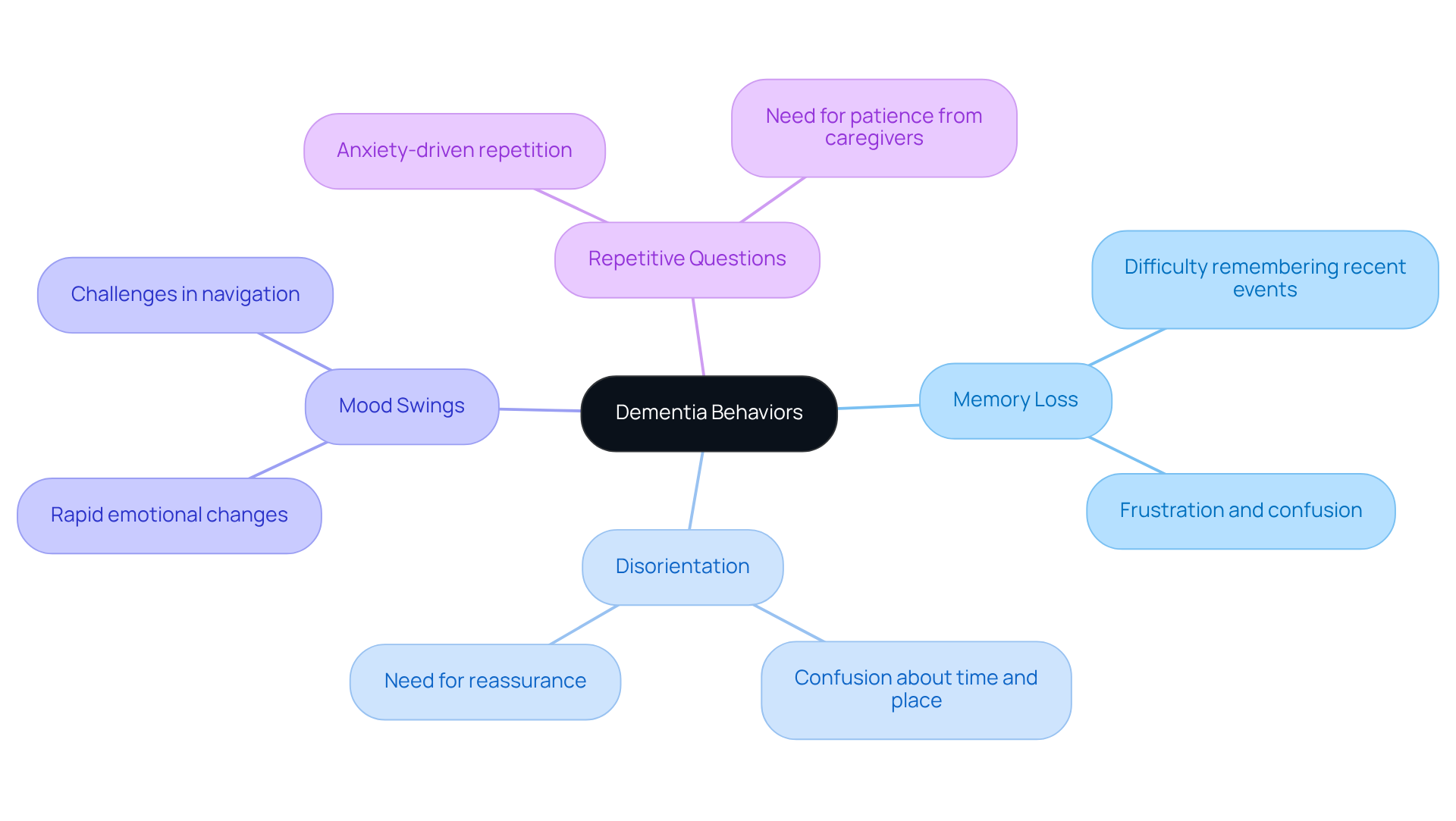
Dementia brings a range of symptoms that can deeply affect both individuals and their caregivers. It’s essential to understand these behaviors to provide effective support, especially as the number of people living with dementia is projected to reach around 135.5 million by 2050. Here are some key signs to be aware of:
- Memory Loss: Many individuals may find it hard to remember recent events or recognize familiar faces, leading to feelings of frustration and confusion.
- Disorientation: Confusion about time, place, or even personal identity is common. This makes it vital for caregivers to offer reassurance and maintain a stable environment.
- Mood Swings: Emotional responses can change rapidly, resulting in unpredictable mood shifts that can be challenging to navigate.
- Repetitive Questions: It’s not unusual for someone to ask the same question repeatedly, often stemming from anxiety or confusion.
Recognizing these behaviors allows caregivers to respond with patience and empathy, fostering a supportive atmosphere that can alleviate frustration for everyone involved. Research indicates that understanding the nuances of cognitive decline can significantly reduce the stress experienced by caregivers and enhance the quality of life for those affected. For instance, a study highlighted that caregivers who effectively recognized and addressed these behaviors reported lower stress levels and improved interactions with their loved ones.
Moreover, tracking technology has shown promise in enhancing the independence of individuals with cognitive impairments while easing the worries of their caregivers, providing valuable resources for support. By implementing strategies that focus on understanding and addressing these symptoms, caregivers can cultivate a more harmonious caregiving experience.
As Dr. Garrido, a memory disorder expert, emphasizes, "Comprehending the unique needs and reactions of those with memory impairments is essential for delivering effective care." This understanding not only nurtures the individual but also supports the caregiver, creating a more compassionate journey for both.
Communicate Clearly and Compassionately
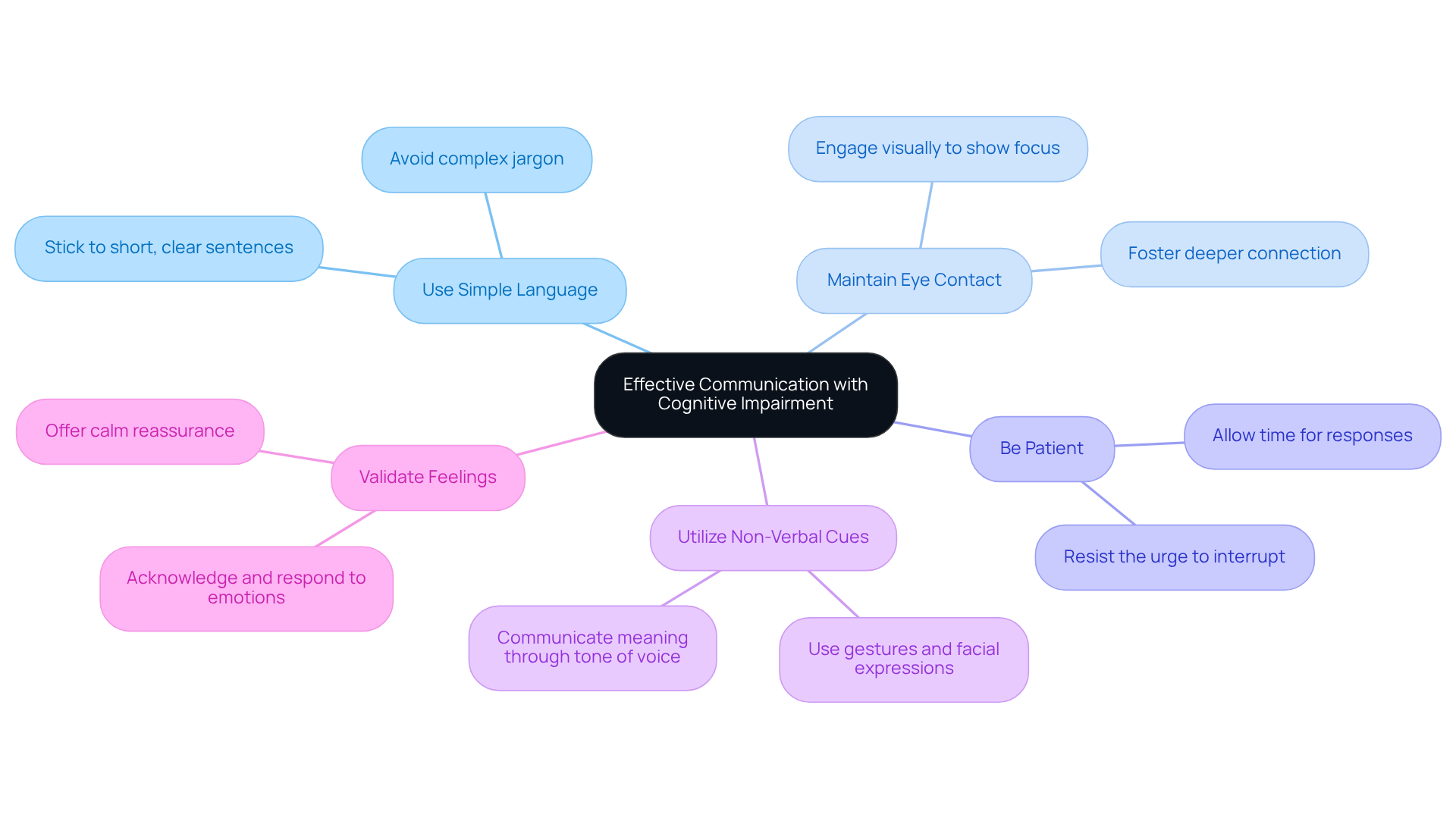
Effective communication with individuals experiencing cognitive impairment calls for a thoughtful and compassionate approach. Caregivers often face emotional challenges, and it’s essential to address these feelings while enhancing interactions. Here are some key strategies to consider:
- Use Simple Language: Stick to short, clear sentences. Avoid complex jargon to ensure understanding and connection.
- Maintain Eye Contact: Engaging visually shows your focus and attentiveness, fostering a deeper connection.
- Be Patient: Allow plenty of time for responses. Resist the urge to interrupt; this can help reduce anxiety and create a more comfortable environment.
- Utilize Non-Verbal Cues: Use gestures, facial expressions, and tone of voice to communicate meaning, especially when verbal skills may be limited. Research shows that non-verbal communication often remains intact in those with moderate to severe cognitive decline, making it a vital tool for caregivers.
- Validate Feelings: Acknowledge and respond to their emotions, even if their reasoning seems unclear. For example, if they express fear or confusion, offer calm reassurance to help ease their distress.
By embracing these empathetic approaches, caregivers can cultivate a nurturing atmosphere that encourages meaningful interactions and enhances the quality of life for those with cognitive impairments. Remember, your compassionate care makes a significant difference.
Implement Redirection Techniques
Redirection serves as a gentle way to demonstrate how to redirect someone with dementia and ease distress. It’s important to recognize the emotional challenges caregivers face, and here are several effective techniques that can help:
-
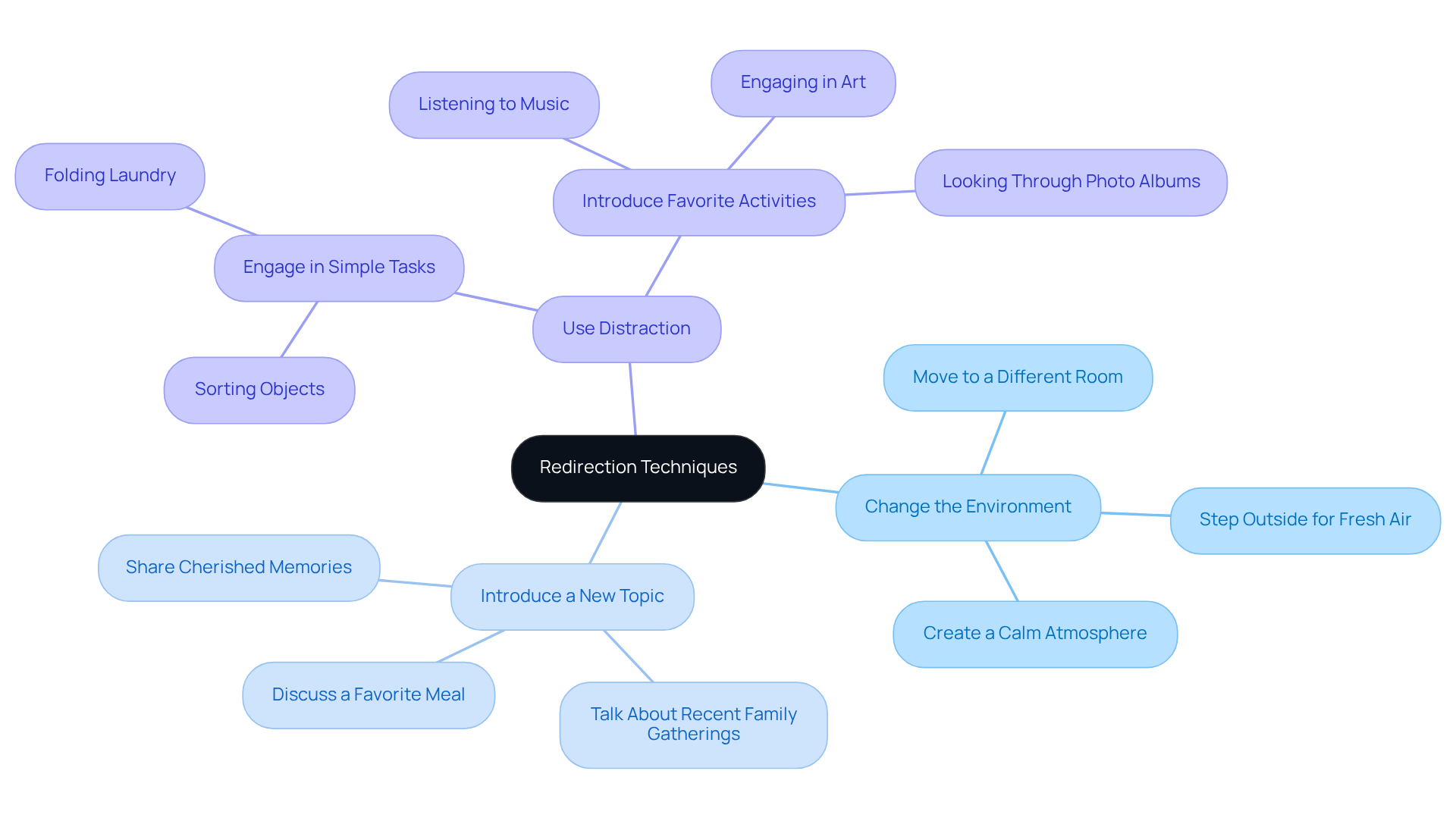
Change the Environment: When agitation arises, consider moving to a different room or stepping outside for some fresh air. A calm environment can significantly reduce stimuli that may trigger distress, fostering a sense of security. Consistency in caregivers and surroundings is also crucial for minimizing agitation. To learn how to redirect someone with dementia, engage their attention by introducing a favorite activity or beloved hobby. Whether it’s listening to music, engaging in art, or looking through photo albums, these activities can bring comfort. Creating a memory box filled with sentimental items can also facilitate reminiscing and evoke positive emotions.
-
Introduce a New Topic: Shift the conversation to neutral subjects, like discussing a favorite meal or a recent family gathering. This can help in understanding how to redirect someone with dementia from distressing thoughts and create a more relaxed atmosphere.
-
Use Distraction: Offer simple tasks, such as folding laundry or sorting objects, to engage their mind and hands. This not only provides a sense of accomplishment but also helps redirect focus away from agitation.
These methods empower caregivers to handle difficult situations effectively while teaching them how to redirect someone with dementia, thereby preserving a positive and encouraging atmosphere. Incorporating the Four R's of Dementia Care—Reassure, Routine, Reminisce, and how to redirect someone with dementia—can further enhance the caregiving approach, ensuring that individuals feel secure and understood.
Prioritize Caregiver Well-Being
To provide the best care for your loved one, it’s essential to prioritize your own well-being. Here are some effective self-care strategies that can help you along the way:
-
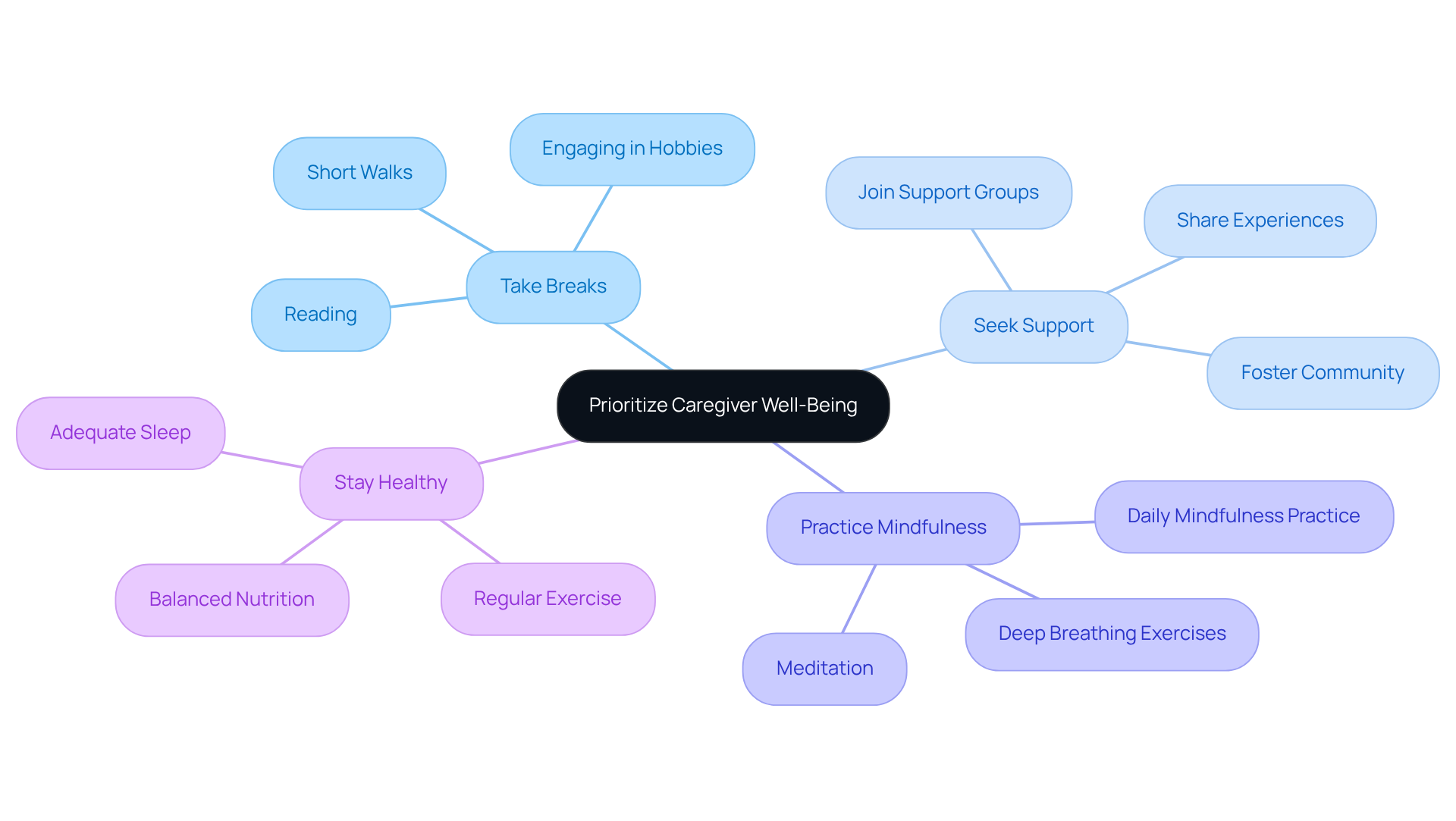
Take Breaks: Regular breaks are vital for recharging your energy. Whether it’s a short walk, reading a book, or engaging in a hobby, these moments of respite can significantly enhance your resilience. As mental health professionals often remind us, "You can't pour from an empty cup. Take care of yourself first."
-
Seek Support: Connecting with others who are also providing care through support groups can be invaluable. Sharing experiences and advice not only alleviates feelings of isolation but also fosters a sense of community and understanding. Research shows that individuals who engage in support groups often report reduced levels of stress and enhanced emotional well-being.
-
Practice Mindfulness: Incorporating mindfulness techniques, such as meditation or deep breathing exercises, can help reduce stress and improve your focus. This allows you to approach caregiving with a clearer mind. Many caregivers find that dedicating just a few minutes each day to mindfulness leads to significant improvements in their overall mood and stress levels.
-
Stay Healthy: Prioritizing your physical health through balanced nutrition, regular exercise, and adequate sleep is crucial. A healthy body supports a healthy mind, enabling you to cope better with the demands of caregiving. For instance, caregivers who maintain a regular exercise routine often report feeling more energized and better equipped to handle daily challenges.
By taking these steps, you’ll be better equipped to navigate the challenges of caregiving. Remember, caring for yourself allows you to provide compassionate and effective support to your loved one.
Taking the Next Steps
Understanding how to effectively support individuals with dementia is crucial for caregivers navigating the complexities of this condition. It’s not just about managing tasks; it’s about recognizing the emotional weight that comes with caregiving. By employing strategies that focus on:
- Recognizing behaviors
- Communicating with compassion
- Implementing redirection techniques
- Prioritizing self-care
caregivers can significantly enhance the quality of life for both themselves and those they care for.
Throughout this journey, caregivers often face emotional challenges like stress and burnout. Recognizing dementia behaviors, such as memory loss and mood swings, can help caregivers respond with empathy. Effective communication strategies, including the use of simple language and non-verbal cues, foster deeper connections and understanding. Additionally, redirection techniques—like changing the environment or introducing new topics—provide caregivers with valuable tools to manage distressing situations.
But let’s not forget the caregivers themselves. Prioritizing well-being through breaks, support, and mindfulness is essential for maintaining resilience in this demanding role. Taking time for oneself isn’t selfish; it’s necessary.
Ultimately, the significance of these approaches cannot be overstated. By understanding and addressing the unique challenges of dementia, caregivers can create a nurturing environment that promotes dignity and respect. Embracing these strategies uplifts those living with dementia and empowers caregivers to thrive in their roles.
Taking action today to implement these practices can lead to a more compassionate and fulfilling caregiving experience. Remember, you’re not alone in this journey. Together, we can create a supportive community that values the incredible work you do.
https://iframe.tely.ai/cta/eyJhcnRpY2xlX2lkIjogIjY5MGU4ODY0ZDg0YTA5OThiNjRlNTMyMSIsICJjb21wYW55X2lkIjogIjY4ZWU1ZGNhNzMxNzYyNTU3ZjNjOTVjMSIsICJpbmRleCI6IG51bGwsICJ0eXBlIjogImFydGljbGUifQ==Frequently Asked Questions
What are the common symptoms of dementia that caregivers should be aware of?
Common symptoms of dementia include memory loss, disorientation, mood swings, and repetitive questions.
How does memory loss manifest in individuals with dementia?
Individuals with dementia may struggle to remember recent events or recognize familiar faces, which can lead to frustration and confusion.
What does disorientation look like in someone with dementia?
Disorientation can involve confusion about time, place, or personal identity, making it important for caregivers to provide reassurance and maintain a stable environment.
Why do individuals with dementia ask repetitive questions?
Repetitive questions often stem from anxiety or confusion, and it's not unusual for someone with dementia to ask the same question multiple times.
How can understanding dementia behaviors benefit caregivers?
Recognizing dementia behaviors allows caregivers to respond with patience and empathy, which can reduce stress and enhance the quality of life for both caregivers and individuals with dementia.
What impact does understanding cognitive decline have on caregiver stress?
Research indicates that caregivers who effectively recognize and address dementia behaviors report lower stress levels and improved interactions with their loved ones.
How can tracking technology assist individuals with cognitive impairments and their caregivers?
Tracking technology can enhance the independence of individuals with cognitive impairments while alleviating caregivers' worries, providing valuable support resources.
What is the importance of understanding the unique needs of individuals with memory impairments?
Understanding the unique needs and reactions of those with memory impairments is essential for delivering effective care and nurturing a compassionate journey for both the individual and the caregiver.