
The Importance of Start a Home Health Agency in Illinois:
Starting a home health agency in Illinois presents a unique opportunity to meet the growing demand for in-home healthcare services. However, the challenges are significant. With the state’s aging population on the rise, aspiring entrepreneurs face high stakes in regulatory compliance, staffing, and marketing. These hurdles can make it difficult for new agencies to not only survive but thrive in this competitive landscape.
The implications of these challenges are profound. Without a clear understanding of the complex licensing requirements and the costs associated with starting up, many agencies may struggle to establish themselves. This guide delves into essential steps needed to launch a successful agency, from estimating startup costs to navigating these intricate regulations.
So, how can you ensure your agency stands out? By focusing on strategic planning and thorough research, you can position your agency for success. Understanding the market and implementing effective staffing and marketing strategies will be crucial in overcoming these obstacles.
Identify Startup Costs for Your Home Health Agency
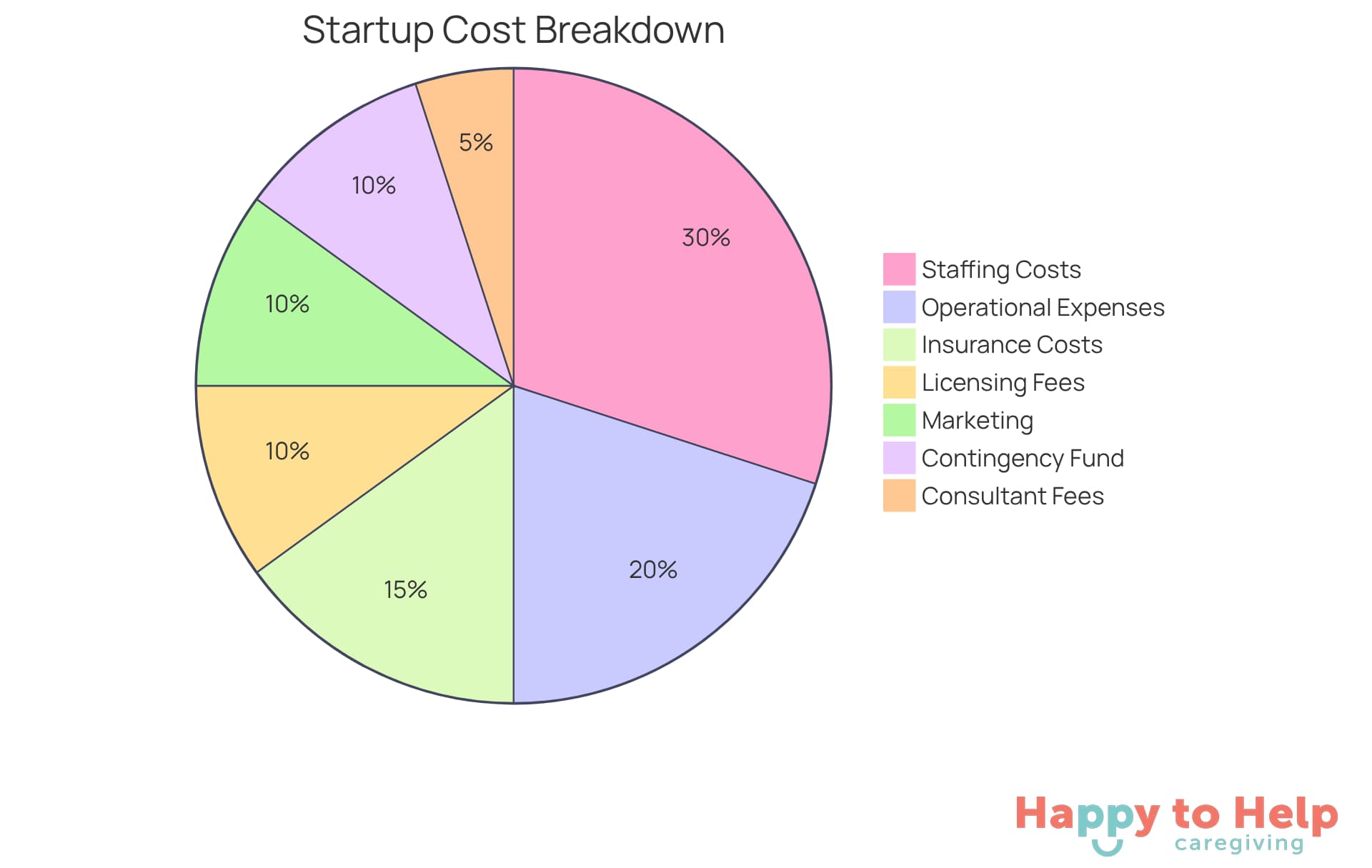
Launching a health care agency in the state involves a significant challenge, particularly when learning how to start a home health agency in Illinois, which includes estimating startup expenses. Here’s how to navigate this process effectively:
-
Research Licensing Fees: Start by checking with the Department of Public Health (IDPH) for the latest licensing fees. These typically range from $1,500 to $5,000, depending on the services offered. To ensure compliance with state regulations, it is crucial to understand how to start a home health agency in Illinois by obtaining a license under the Home Health, Home Services, and Home Nursing Agency Licensing Act.
-
Estimate Staffing Costs: Calculate salaries for your initial staff, including caregivers, administrative personnel, and management. In Illinois, the average salary for health aides is around $35 per hour.
-
Include Insurance Costs: Don’t forget to factor in liability insurance and workers' compensation insurance. These are essential for protecting your business and employees, costing anywhere from $2,000 to $10,000 annually. Understanding insurance coverage options related to at-home care is vital for your financial planning.
-
Operational Expenses: Account for costs related to office space, utilities, equipment, and supplies. A small office setup can range from $5,000 to $15,000.
-
Marketing and Advertising: Allocate funds for promoting your firm. Initial marketing efforts can vary from $2,000 to $10,000, depending on your strategy.
-
Contingency Fund: It’s wise to set aside 10-20% of your total budget for unexpected expenses.
-
Consider Hiring a Consultant: Involving a care consultant can provide valuable expertise and guidance throughout the startup process, helping you navigate complex regulations and formulate effective business strategies.
By compiling these costs, you can create a comprehensive budget that guides your financial planning and helps secure funding from investors or loans. With the state experiencing a significant rise in its aging population, learning how to start a home health agency in Illinois is essential to meet the increasing demand for home-based healthcare services. This makes it a favorable moment to establish your business. Typical startup expenses for a new care business range from $50,000 to $100,000, so planning accordingly is essential.
Understand Licensing and Regulatory Requirements
Navigating the licensing and regulatory landscape is essential when learning how to start a home health agency in Illinois, and it can be daunting. Caregivers face the challenge of ensuring compliance with various regulations, which can significantly impact their ability to provide quality care. Without proper guidance, organizations risk falling short of operational standards, which can lead to legal repercussions and hinder their service delivery.
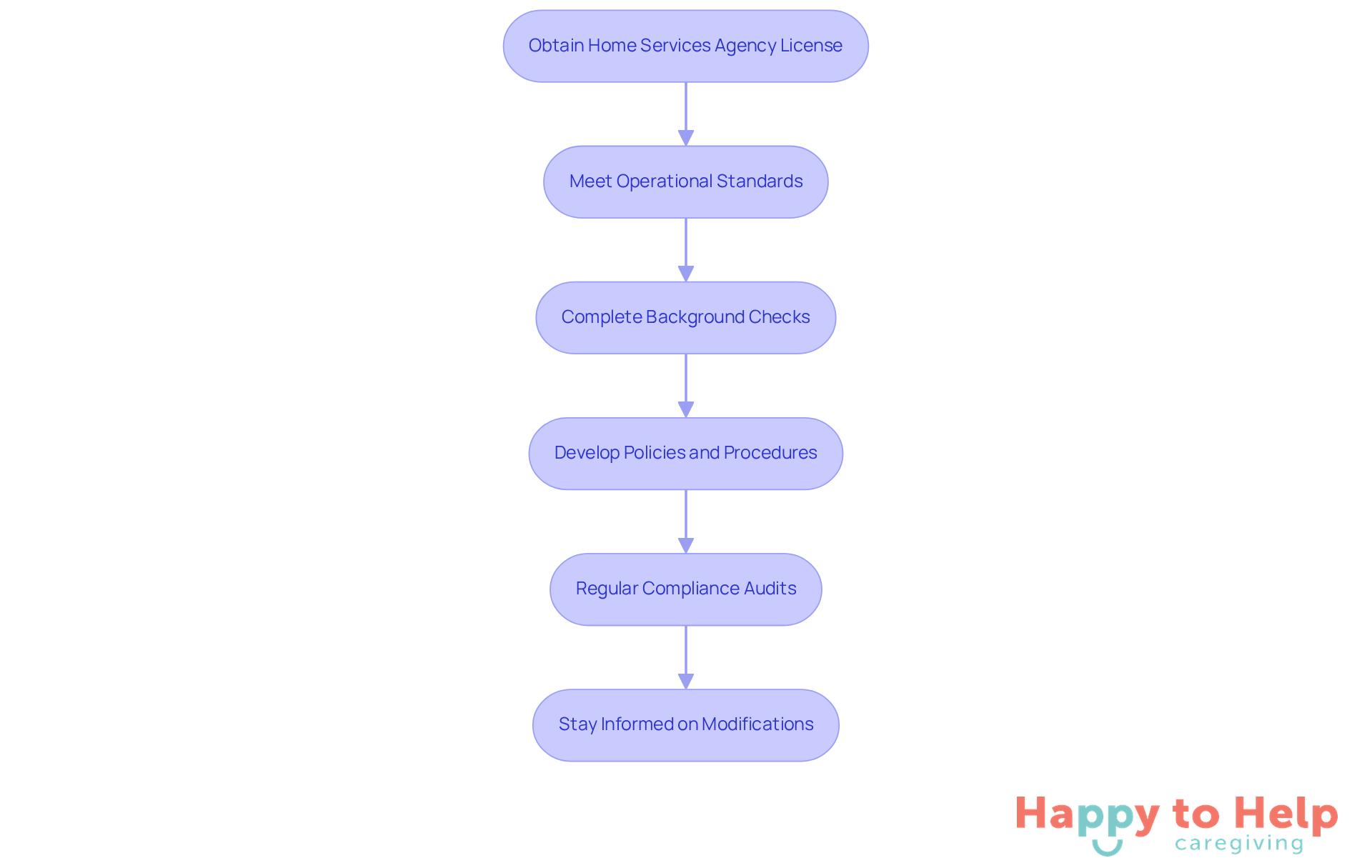
To address these challenges, here are essential steps caregivers can take to ensure compliance:
-
To understand how to start a home health agency in Illinois, you should first obtain a Home Services Agency License by applying through the Illinois Department of Public Health (IDPH). This involves submitting an application along with necessary documentation, such as proof of financial stability and detailed operational plans. Understanding how to start a home health agency in Illinois and the application process is crucial, as it lays the groundwork for your organization's compliance.
-
Meet Operational Standards: Adhering to the operational standards set by the IDPH is vital. This includes ensuring that staff qualifications, training requirements, and service delivery protocols are met.
-
Complete Background Checks: All personnel must undergo thorough background checks to confirm their eligibility for working in healthcare settings, safeguarding client welfare.
-
Develop Policies and Procedures: Create comprehensive policies and procedures that align with state regulations. This includes patient care protocols, emergency response plans, and staff training guidelines.
-
Regular Compliance Audits: Be prepared for routine audits conducted by the IDPH to verify ongoing compliance with state regulations. Maintaining accurate records and documentation of services is essential for this process.
-
Stay Informed on Modifications: Continuously monitor state regulations and updates from the IDPH to ensure your organization adapts to any new laws or changes in the healthcare environment. For instance, starting January 1, 2025, the minimum wage in the state will rise to $15 an hour for non-tipped employees, which could affect your operational budgeting.
By diligently following these steps, you will understand how to start a home health agency in Illinois that operates within the legal framework set by the state. This not only ensures compliance but also contributes to the growing demand for health services in the region. In fact, job prospects for health aides in Illinois are anticipated to rise by 34.8% from 2019 to 2029, highlighting the increasing need for quality care services.
Develop Staffing and Recruitment Strategies
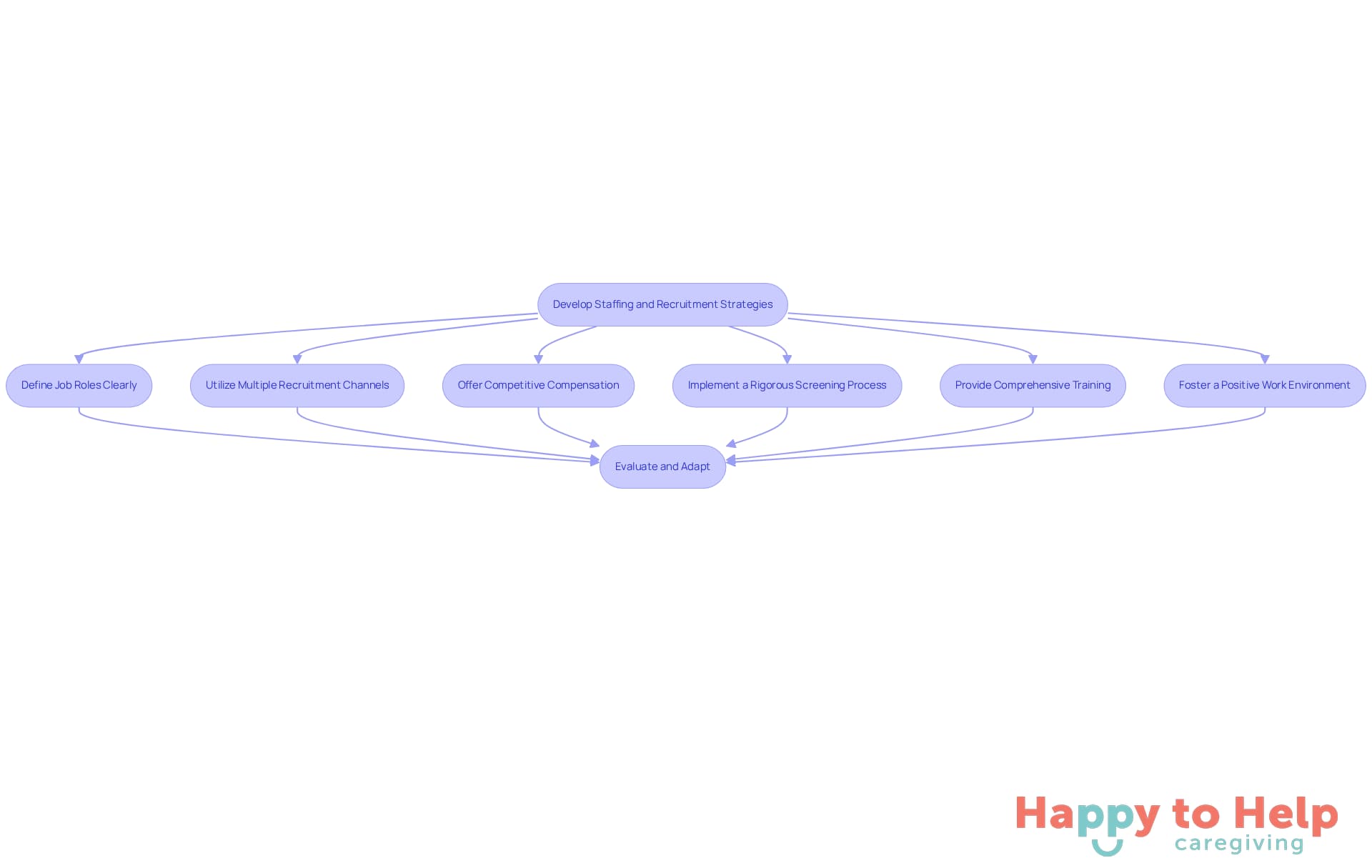
Effectively addressing the challenges of staffing and recruitment is crucial when considering how to start a home health agency in Illinois. One major issue is the high turnover rate for caregivers, which can reach nearly 80%. This not only affects the quality of care provided but can also lead to significant financial losses - up to $252,000 each year for organizations. Additionally, understanding the penalties associated with ACA non-compliance, such as the Part A fine of $2,900 per employee, is essential for shaping recruitment strategies.
-
Define Job Roles Clearly: Start by crafting detailed job descriptions for each position. Specify responsibilities, qualifications, and expectations. This clarity attracts suitable candidates and lays the groundwork for a strong team.
-
Utilize Multiple Recruitment Channels: Advertise job openings across various platforms, including job boards, social media, and local community centers. Collaborating with local nursing schools for internship programs can also yield promising candidates.
-
Offer Competitive Compensation: Research industry standards for salaries and benefits to create attractive compensation packages. Consider implementing bonuses for referrals or exceptional performance to incentivize staff.
-
Implement a Rigorous Screening Process: Conduct thorough interviews and background checks to ensure candidates possess the necessary qualifications and align with your organization's values. This step is crucial in maintaining a high standard of care.
-
Provide Comprehensive Training: Develop a robust training program that encompasses both technical skills and essential soft skills, such as communication and empathy, which are vital in caregiving roles.
-
Foster a Positive Work Environment: Cultivate a supportive culture that values employee feedback and promotes work-life balance. Regular team-building activities can significantly enhance morale and retention rates.
-
Evaluate and Adapt: Continuously assess your staffing strategies and make adjustments based on employee feedback and market changes. This adaptability is key to maintaining a competitive edge in the industry.
By implementing these strategies, you can build a dedicated and skilled team, which is essential when learning how to start a home health agency in Illinois, significantly enhancing the quality of care provided to clients. Incorporating these considerations will further enhance your organization's approach to staffing and recruitment.
Create a Marketing Plan to Attract Clients
To effectively attract clients to your home health agency, it’s crucial to develop a comprehensive marketing plan that addresses common challenges while learning how to start a home health agency in Illinois. Many agencies struggle to connect with their target audience, which can hinder growth and service delivery. Here are actionable steps to overcome these hurdles:
-
Identify Your Target Audience: Clearly define your ideal customers, which may include seniors, individuals with disabilities, or those recovering from surgery. A deep understanding of your audience allows for tailored marketing efforts that resonate with their specific needs.
-
Develop a Unique Value Proposition: Articulate what sets your firm apart from competitors. This could involve specialized services, personalized care plans, or exceptional caregiver training that highlights your commitment to quality care.
-
Build an Online Presence: Establish a professional website that effectively showcases your services, customer testimonials, and educational resources. Ensure your site is optimized for search engines to enhance visibility and attract organic traffic.
-
Leverage Social Media: Utilize platforms like Facebook and Instagram to engage with your community. Share success stories, caregiving tips, and service information to foster trust and enhance awareness of your organization.
-
Network with Healthcare Professionals: Build connections with local hospitals, rehabilitation centers, and doctors who can refer individuals to your agency. Participating in community health fairs and events can further enhance your visibility and credibility.
-
Utilize Traditional Marketing: Incorporate print advertising in local newspapers, distribute brochures in community centers, and execute direct mail campaigns to reach potential customers who may not be active online.
-
Monitor and Adjust Your Strategy: Regularly assess the effectiveness of your marketing efforts through analytics and customer feedback. Be ready to adapt your strategies based on performance metrics to ensure ongoing improvement.
-
Incorporate Data-Driven Insights: Utilize data to track performance indicators such as referral pipelines and customer satisfaction. This will assist you in recognizing areas for enhancement and showcasing your organization's effectiveness.
-
Highlight Lead Magnets: Consider offering free resources, such as eBooks or consultations, as part of your marketing strategy. Lead magnets can engage prospective customers and showcase your expertise.
-
Emphasize Community Engagement: Actively participate in local events and initiatives to build relationships within the community. This not only improves your agency's visibility but also nurtures trust among prospective customers.
-
Leverage Online Reviews: Encourage pleased customers to leave positive feedback on platforms like Google and Yelp. Online testimonials are essential for establishing trust and credibility with potential customers.
By following these steps on how to start a home health agency in Illinois, you can create a robust marketing plan that effectively attracts clients to your agency.

Your Path Forward
Starting a home health agency in Illinois presents a significant challenge: the growing demand for in-home healthcare services. This demand creates pressure on aspiring agency owners to navigate a complex landscape of startup costs, licensing requirements, staffing strategies, and marketing plans. Without a clear understanding of these essential steps, many may struggle to establish a successful agency.
The implications of this challenge are profound. Budgeting for initial expenses and ensuring compliance with state regulations are critical for success. Moreover, effective recruitment and marketing strategies are vital for attracting qualified staff and clients alike. These elements are not just operational necessities; they are foundational to delivering high-quality care.
However, there is a solution. By following the steps outlined in this guide, entrepreneurs can lay a solid foundation for their home health agency. This journey is more than just a business venture; it’s a commitment to enhancing the quality of life for individuals in need of care. As the population ages and the demand for personalized healthcare rises, taking these steps empowers agency owners to make a meaningful impact in their communities.
Embracing this challenge can lead to a successful business and a vital service that supports the health and well-being of many. By understanding the landscape and implementing effective strategies, aspiring agency owners can turn this opportunity into a rewarding reality.
https://iframe.tely.ai/cta/eyJhcnRpY2xlX2lkIjogIjY5M2Y1MGE5Yjk3NTAxMmE2YWRmZmQxYyIsICJjb21wYW55X2lkIjogIjY4ZWU1ZGNhNzMxNzYyNTU3ZjNjOTVjMSIsICJpbmRleCI6IG51bGwsICJ0eXBlIjogImFydGljbGUifQ==Frequently Asked Questions
What are the initial licensing fees for starting a home health agency in Illinois?
Licensing fees typically range from $1,500 to $5,000, depending on the services offered.
How can I ensure compliance with state regulations when starting a home health agency?
To ensure compliance, you must obtain a license under the Home Health, Home Services, and Home Nursing Agency Licensing Act from the Department of Public Health (IDPH).
What should I consider when estimating staffing costs for my home health agency?
You should calculate salaries for your initial staff, including caregivers, administrative personnel, and management. The average salary for health aides in Illinois is around $35 per hour.
What types of insurance should I include in my startup costs?
You should factor in liability insurance and workers' compensation insurance, which can cost anywhere from $2,000 to $10,000 annually.
What operational expenses should I account for when starting a home health agency?
Operational expenses include costs related to office space, utilities, equipment, and supplies, which can range from $5,000 to $15,000 for a small office setup.
How much should I allocate for marketing and advertising?
Initial marketing efforts can vary from $2,000 to $10,000, depending on your strategy.
Why is it important to have a contingency fund?
It is wise to set aside 10-20% of your total budget for unexpected expenses, which can help you manage unforeseen costs.
Should I consider hiring a consultant when starting my agency?
Yes, hiring a care consultant can provide valuable expertise and guidance throughout the startup process, helping you navigate complex regulations and formulate effective business strategies.
What is the typical range for startup expenses for a new home health agency?
Typical startup expenses for a new care business range from $50,000 to $100,000.
Why is now a favorable time to start a home health agency in Illinois?
The state is experiencing a significant rise in its aging population, increasing the demand for home-based healthcare services.
List of Sources
- Identify Startup Costs for Your Home Health Agency
- How to Start a Home Care Agency in the United States: 2025 Guide | ShiftCare (https://shiftcare.com/us/blog/how-to-start-a-home-care-agency-in-the-united-states-2025-guide)
- Dozens of new Illinois laws could impact your health, wellness in 2025 (https://nbcchicago.com/news/local/chicago-politics/new-illinois-laws-impact-health-wellness-2025/3623037)
- Start a Home Care Agency in Illinois | 21st Century Home Health Care Consultants (https://homehealthcareconsultants.com/how-to-start-a-home-care-agency-in-illinois)
- At Home Care Pricing: Essential Industry Statistics for 2025 - Assisting Hands Rockford (https://assistinghands.com/100/illinois/rockford/blog/at-home-care-pricing-essential-industry-statistics-for-2025)
- Home Care Agency Startup Costs (Independent vs. Franchise) (https://seniorhelpersfranchise.com/blog/home-care-agency-startup-costs)
- Understand Licensing and Regulatory Requirements
- New laws in Illinois 2025: Changes to drivers licenses, health insurance and more (https://nbcchicago.com/news/local/chicago-politics/new-laws-in-illinois-2025-changes-to-drivers-licenses-health-insurance-and-more/3634222)
- How to Start a Home Health Care Business in Illinois: A Comprehensive Guide (https://nursenextdoorfranchise.com/blogs/how-to-start-a-home-health-care-business-in-illinois-a-comprehensive-guide)
- 7 ways Illinois lawmakers just made it easier to work (https://illinoispolicy.org/7-ways-illinois-lawmakers-just-made-it-easier-to-work)
- IDFPR Finishes Phase 2 Implementation of New Licensing System (https://idfpr.illinois.gov/news/2025/idfpr-finishes-phase-2-implementation-new-licensing-system.html)
- Develop Staffing and Recruitment Strategies
- 2025 Home Care Staffing & Retention Strategy Guide (https://vitablehealth.com/blogs/home-care-staffing-hiring-retention-headaches-2025)
- Leaders Weigh In On Trends Shaping The Home Health Workforce (https://homehealthcarenews.com/2025/02/leaders-weigh-in-on-trends-shaping-the-home-health-workforce)
- Home Health Staffing | 5 Recruitment Strategies | PeopleScout (https://peoplescout.com/insights/home-health-staffing-strategies)
- To Solve Staffing Shortages, Home-Based Care Must Rethink Recruitment From The Ground Up (https://homehealthcarenews.com/2025/10/to-solve-staffing-shortages-home-based-care-must-rethink-recruitment-from-the-ground-up)
- Home-Based Care Outlook: 55% of Leaders Name Staffing as Top Challenge, Tech Investment on Rise (https://homehealthcarenews.com/2025/02/home-based-care-outlook-55-of-leaders-name-staffing-as-top-challenge-tech-investment-on-rise)
- Create a Marketing Plan to Attract Clients
- Home Care Marketing: 4 Tips for Getting Leads & Customers (https://hcan.com/franchise/home-care-marketing)
- Five Home Health Agency Marketing Strategies - Alora Health (https://alorahealth.com/blog-home-health-agency-marketing-strategies)
- Marketing for Home Health Care Agencies | Top Tips - HCMP Blog (https://homecaremarketing.com/home-care-marketing-basics/marketing-for-home-health-care-agencies)
- 15 Proven Home Care Marketing Strategies That’ll Help You Attract More Clients in 2025 (https://123consultingsolutions.com/15-proven-home-care-marketing-strategies-thatll-help-you-attract-more-clients-in-2025)