
The Importance of Start a Residential Care Home in
The increasing demand for personalized care options presents a significant challenge for community support systems. Residential care homes have become essential, especially as the U.S. faces a growing population of seniors and individuals with disabilities. However, navigating the complexities of licensing, funding, and effective marketing can be daunting for aspiring owners.
How can potential operators ensure they meet regulatory requirements while also creating a nurturing environment? This guide offers a comprehensive roadmap for those looking to establish a successful residential care home in Virginia. By focusing on actionable steps, we aim to empower caregivers to foster independence and attract residents effectively.
Understand Residential Care Homes and Their Importance
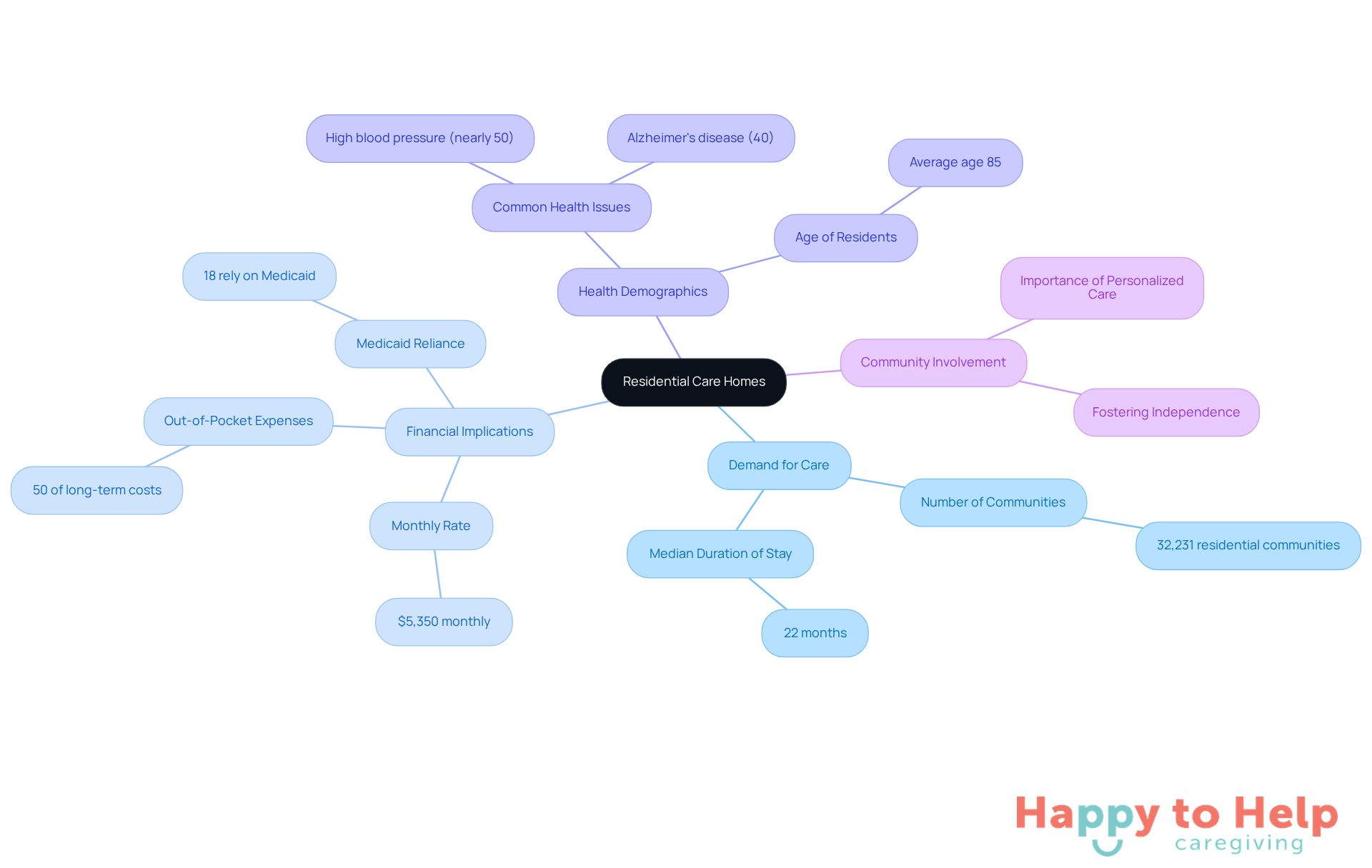
Residential support centers face a growing challenge: the increasing demand for personalized care options. With approximately 32,231 residential communities in the U.S. and over 1 million Americans living in assisted living, the need for tailored support is evident. This demand highlights the difficulties caregivers encounter in providing adequate assistance to seniors and individuals with disabilities.
The implications of this rising demand are significant. Many individuals require long-term support, as evidenced by the median duration of stay in assisted living facilities, which is about 22 months. Financially, families often bear a substantial burden, with the national median rate for assisted living services at $5,350 monthly, and about 50% of long-term expenses paid out of pocket. Furthermore, nearly 1 in 5 individuals relies on Medicaid for daily services, underscoring the financial strain on families.
To address these challenges, residential support centers must offer a secure and supportive atmosphere that fosters independence and community. Effective models of these facilities emphasize community involvement and autonomy, demonstrating their transformative influence on residents' lives. Caregivers can benefit from understanding the health demographics of residents, as nearly half of all inhabitants have elevated blood pressure, which can inform the type of support needed.
In summary, knowing how to start a residential care home in Virginia is crucial for potential owners to align their business objectives with the needs of future occupants. By focusing on personalized assistance and creating a nurturing environment, residential support centers can significantly improve the quality of life for their residents.
Develop a Comprehensive Business Plan
A solid business plan is essential for addressing the challenges in the caregiving sector and is crucial for understanding how to start a residential care home in Virginia.
Problem: The senior support sector is facing significant growth, with home health and personal assistance aide positions expected to rise by 21% from 2023 to 2033, leading to over 800,000 new jobs. However, this growth comes with challenges, including a persistent caregiver shortage, as 59% of caregiving agencies report difficulties in recruitment and retention.
Agitate: Without a comprehensive plan, facilities may struggle to attract and retain qualified staff, ultimately affecting the quality of care provided. This can lead to increased turnover rates and dissatisfaction among residents and their families.
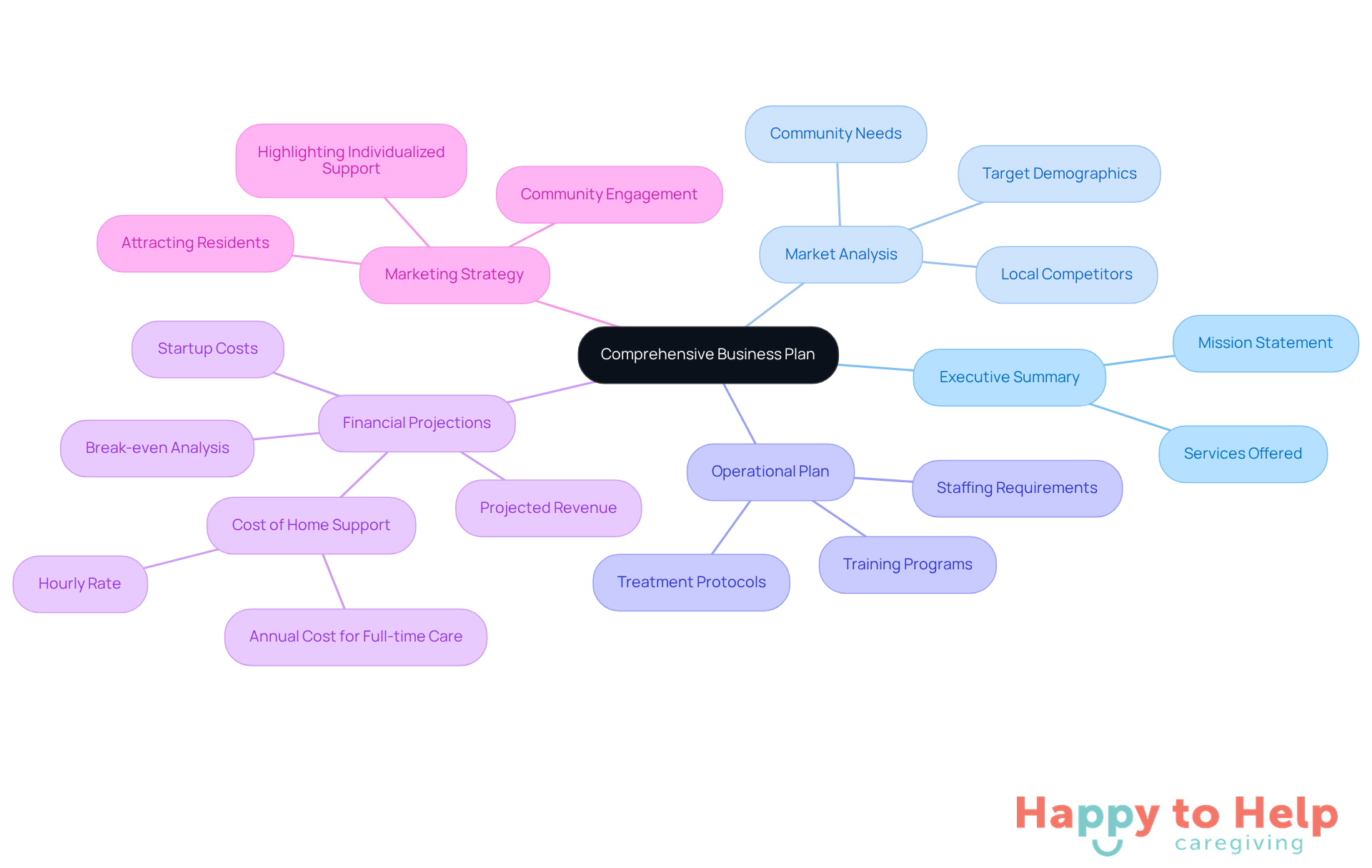
Solution: To combat these issues, your business plan should encompass the following key components:
- Executive Summary: Offer a concise overview of your business, including your mission statement and the specific services you intend to provide.
- Market Analysis: Conduct thorough research on the local market to identify potential competitors, target demographics, and community needs. Understanding these dynamics will help position your facility effectively.
- Operational Plan: Detail daily operations, including staffing requirements, training programs, and treatment protocols. A strong staffing strategy is essential for upholding quality assistance.
- Financial Projections: Outline startup costs, projected revenue, and a break-even analysis. The typical expense of home support in the U.S. is about $33 per hour, with full-time assistance costing roughly $80,000 each year.
- Marketing Strategy: Describe how you plan to attract residents and engage with the community. With almost 90% of seniors choosing to age in place, highlighting individualized support and community integration can boost your facility's attractiveness.
By addressing these elements, you will establish a strong foundation for your residential facility that can draw investors and efficiently direct your operations.
Navigate Virginia's Licensing and Regulatory Requirements
Understanding how to start a residential care home in Virginia can be a daunting task due to the complex licensing and regulatory obligations involved. Caregivers often face challenges in understanding and navigating these requirements, which can lead to delays and compliance issues.
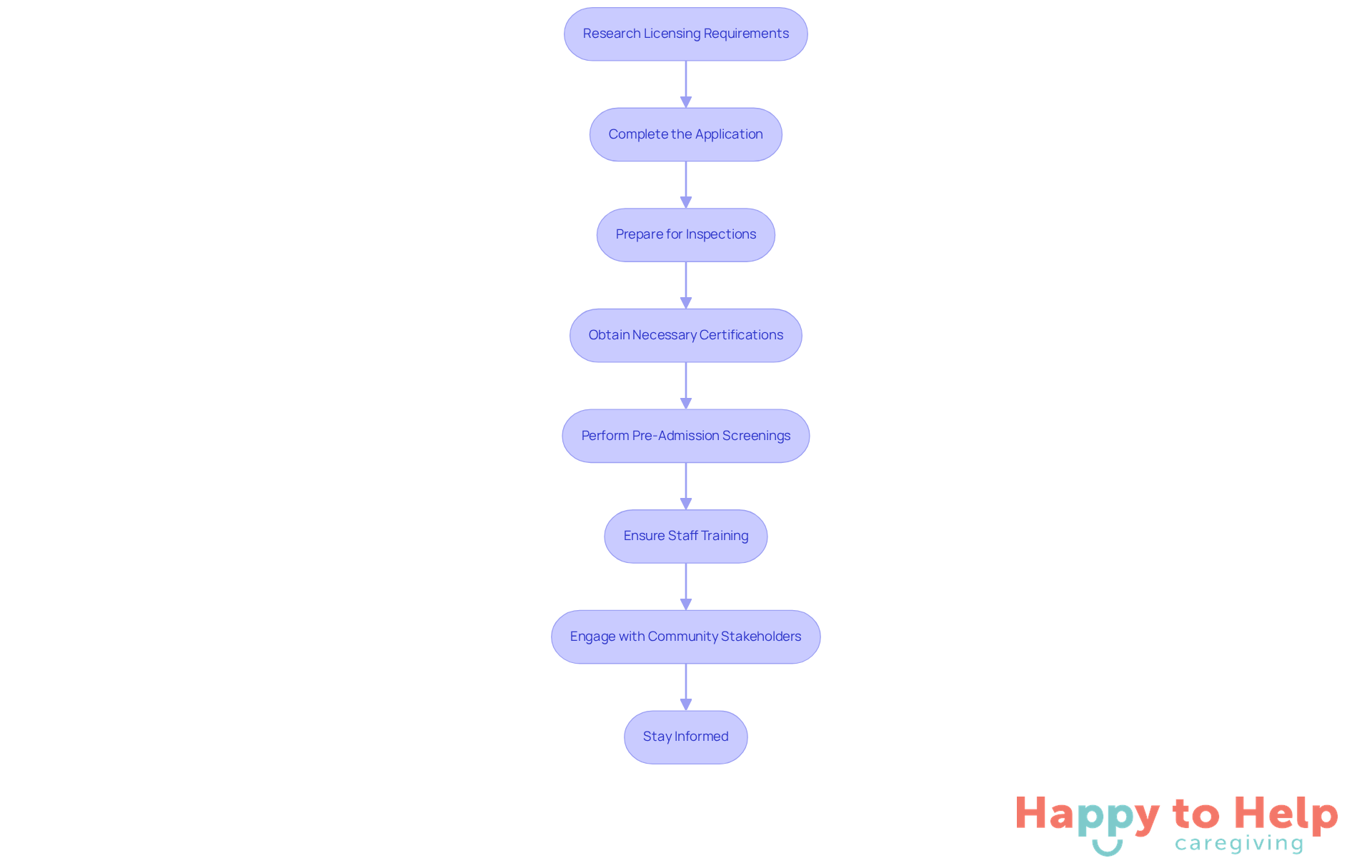
To address these challenges, here’s a streamlined approach to ensure compliance and successful establishment:
-
Research Licensing Requirements: Start by visiting the Virginia Department of Social Services (VDSS) website. Familiarize yourself with the various licenses available for residential care homes. Understanding the specific requirements for each license type is crucial.
-
Complete the Application: Fill out the necessary application forms meticulously, ensuring that all required documentation is included. This includes performing background checks for personnel and providing evidence of your establishment's adherence to health and safety regulations, as mandated by state law.
-
Prepare for Inspections: Be ready for inspections by state officials, who will assess your establishment's compliance with state regulations. Regular inspections and audits by the VDSS are conducted to ensure ongoing compliance, so maintaining high standards from the outset is essential.
-
Obtain Necessary Certifications: Depending on the services you intend to provide, additional certifications may be required, such as those for medication administration or specialized support for vulnerable populations.
-
Perform Pre-Admission Screenings: Conduct pre-admission screenings of potential residents to identify any manageable behavioral concerns. This ensures that your establishment can effectively meet their needs.
-
Ensure Staff Training: Staff must undergo training on various subjects to meet initial licensure requirements, which is essential for delivering quality service.
-
Engage with Community Stakeholders: Regularly engage with community stakeholders to gain insights into best practices and expectations. This can help tailor your services to meet local needs.
-
Stay Informed: Regulations can change, so it’s vital to regularly check for updates to ensure your facility remains compliant.
By following these steps on how to start a residential care home in Virginia, you can successfully navigate the licensing process and establish a residential facility that meets all legal requirements, ensuring a safe and nurturing atmosphere for residents.
Explore Funding Sources and Financial Planning
Understanding how to start a residential care home in Virginia is essential, as financial planning ensures both sustainability and growth. However, many caregivers face significant challenges in securing adequate funding. Without proper financial resources, the ability to provide quality care can be severely compromised.
To address these challenges, here are key funding sources to consider:
- Personal Savings: Utilize your savings as initial capital to cover startup costs, which can range from $100,000 to over $500,000 depending on property and renovations.
- Loans: Investigate small business loans from banks or credit unions. A solid business plan is crucial for securing these loans, as lenders typically require detailed financial projections.
- Subsidies: Seek out subsidies specifically targeted at senior living facilities through government programs and nonprofit organizations. In Virginia, auxiliary grants may be available to assist residents in assisted living, helping to offset operational costs. Notably, 29% of long-term assistance expenses are covered privately by consumers or private insurance, highlighting the financial strain families encounter.
- Investors: Attract private investors interested in supporting senior assistance initiatives. A compelling business model can enhance your chances of securing investment.
- Auxiliary Grants: In Virginia, auxiliary grants can offer financial assistance for individuals in assisted living facilities, further reducing expenses related to support.
As Sen. Mike Braun noted, "So often people just think it’s just going to work out. 'Too many individuals reach the stage of 65 and then express, ‘I don’t have that much available.’ However, by exploring these funding options and creating a thorough financial plan on how to start a residential care home in Virginia, you can establish a solid basis for your residential facility, meeting the rising need for senior support services expected to grow substantially by 2050.
Implement Effective Marketing Strategies to Attract Residents
To attract residents to your residential care home, it's essential to address a significant challenge: understanding how to start a residential care home in Virginia and effectively market your services in a competitive landscape. Many caregivers struggle with visibility and community engagement, which can hinder their ability to connect with potential clients.
The implications of this challenge are profound. Without a strong marketing strategy, your facility may remain unnoticed, leaving families without the support they need. This is where actionable solutions come into play.
-
Establish a Robust Online Presence: Develop a user-friendly website that showcases your services, staff qualifications, and testimonials from families. Optimize your site for search engines through keyword research to enhance visibility and align with what potential clients are searching for.
-
Engage on Social Media: Utilize platforms like Facebook and Instagram to connect with the community. Regularly share updates, events, and success stories to foster engagement and build a sense of community.
-
Host Community Events: Arrange open houses or informational gatherings to invite prospective individuals and their families to experience your services directly. These events create opportunities for personal connections and trust-building.
-
Network with Local Healthcare Providers: Establish connections with hospitals, physicians, and social workers who can refer possible clients to your facility. Being recognized as a trusted resource in the healthcare community can significantly enhance your referral network.
-
Encourage Online Reviews: Actively solicit satisfied families to leave positive reviews on platforms like Google and Yelp. Positive online feedback is crucial for improving your reputation and attracting new community members, as many families rely on reviews when making decisions about assistance. Statistics indicate that online reviews impact potential tenants more than almost any other element, making them vital for your marketing approach.
By employing these strategies, you can effectively market how to start a residential care home in Virginia, ensuring it stands out and attracts residents who will thrive in your care.
Moving Forward with Start a Residential Care Home in
Starting a residential care home in Virginia presents a significant challenge. It’s not merely a business venture; it’s a commitment to enhancing the quality of life for seniors and individuals with disabilities. The implications of this endeavor are profound, as caregivers must navigate complex regulations and meet the diverse needs of their residents.
To address these challenges, prospective owners should:
- Develop a comprehensive business plan that aligns with the needs of future residents.
- Understand Virginia's licensing requirements.
- Explore various funding sources to support the facility.
- Implement effective marketing strategies to attract residents and ensure sustainability.
By focusing on these key components, new residential care homes can significantly impact the lives of their residents. The growing demand for personalized care highlights the importance of strategic planning and community engagement.
Ultimately, starting a residential care home is both challenging and rewarding. By prioritizing quality care and embracing this opportunity, caregivers can fulfill a market demand while enriching the lives of those who require assistance. This endeavor not only meets the increasing needs of the aging population but also contributes to a vital service in the community.
https://iframe.tely.ai/cta/eyJhcnRpY2xlX2lkIjogIjY5MmY5MTg2Y2E4MDg5MWIwMmZiMDA5MCIsICJjb21wYW55X2lkIjogIjY4ZWU1ZGNhNzMxNzYyNTU3ZjNjOTVjMSIsICJpbmRleCI6IG51bGwsICJ0eXBlIjogImFydGljbGUifQ==Frequently Asked Questions
What is the current demand for residential care homes in the U.S.?
There are approximately 32,231 residential communities in the U.S., with over 1 million Americans living in assisted living, indicating a growing demand for personalized care options.
What challenges do caregivers face in residential support centers?
Caregivers encounter difficulties in providing adequate assistance to seniors and individuals with disabilities due to the increasing demand for personalized care.
How long do individuals typically stay in assisted living facilities?
The median duration of stay in assisted living facilities is about 22 months.
What are the financial implications of assisted living for families?
The national median rate for assisted living services is $5,350 monthly, with about 50% of long-term expenses paid out of pocket. Additionally, nearly 1 in 5 individuals relies on Medicaid for daily services.
What is the importance of creating a supportive atmosphere in residential care homes?
Residential support centers must foster independence and community to improve the quality of life for residents and effectively address the challenges they face.
What should potential owners know about starting a residential care home in Virginia?
Understanding how to start a residential care home is crucial for aligning business objectives with the needs of future occupants, focusing on personalized assistance, and creating a nurturing environment.
Why is a comprehensive business plan essential for residential care homes?
A solid business plan helps address challenges in the caregiving sector, including recruitment and retention of qualified staff, which directly affects the quality of care provided.
What key components should be included in a business plan for a residential care home?
The business plan should include an executive summary, market analysis, operational plan, financial projections, and marketing strategy.
What are the expected job growth statistics in the senior support sector?
Home health and personal assistance aide positions are expected to rise by 21% from 2023 to 2033, leading to over 800,000 new jobs.
What is the typical cost of home support services in the U.S.?
The typical expense of home support in the U.S. is about $33 per hour, with full-time assistance costing roughly $80,000 each year.
List of Sources
- Understand Residential Care Homes and Their Importance
- Residential Care Increases Social Participation But Gaps Remain (https://news.cuanschutz.edu/news-stories/residential-care-increases-social-participation-but-gaps-remain)
- Facts & Figures (https://ahcancal.org/Assisted-Living/Facts-and-Figures/Pages/default.aspx)
- FastStats (https://cdc.gov/nchs/fastats/residential-care-communities.htm)
- Long-term care statistics 2025 (https://singlecare.com/blog/news/long-term-care-statistics)
- Residential Care Facility Statistics (https://rosewood-nursing.com/post/residential-care-facility-statistics)
- Develop a Comprehensive Business Plan
- Seven trends in senior living that will define 2025 and beyond (https://mcknightsseniorliving.com/home/columns/guest-columns/seven-trends-in-senior-living-that-will-define-2025-and-beyond)
- Facts & Figures (https://ahcancal.org/Assisted-Living/Facts-and-Figures/Pages/default.aspx)
- 10 Must-Know U.S. Home Care Industry Stats for 2025 - North American Community Hub (https://nchstats.com/us-home-care-industry-stats)
- Assisted Living Statistics | Senior Living By The Numbers (https://sagapixel.com/marketing/assisted-living-statistics)
- Elderly Care Industry Trends and Market Stats (Oct 2025) (https://dojobusiness.com/blogs/news/elderly-care-industry-trends)
- Navigate Virginia's Licensing and Regulatory Requirements
- How To Start a Residential Group Home in Virginia (https://carepolicy.us/blogs/blog/how-to-start-a-residential-group-home-in-virginia?srsltid=AfmBOoozgHbnJjuD9tXQanLCxOwYVDjSkU7t9qhROMOXnjSm396CQ7oZ)
- Explore Funding Sources and Financial Planning
- 10 Must-Know U.S. Home Care Industry Stats for 2025 - North American Community Hub (https://nchstats.com/us-home-care-industry-stats)
- Facing Financial Ruin as Costs Soar for Elder Care - KFF Health News (https://kffhealthnews.org/news/article/dying-broke-facing-financial-ruin-as-costs-soar-for-elder-care)
- Long-term care statistics 2025 (https://singlecare.com/blog/news/long-term-care-statistics)
- The REAL Cost of Starting a Residential Assisted Living in 2025 (https://assistedlivinginvesting.net/blog/the-real-cost-of-starting-a-residential-assisted-living-in-2025)
- Where to Find Grants for Assisted Living Businesses (https://assistedlivinginvesting.net/blog/where-to-find-grants-for-assisted-living-businesses)
- Implement Effective Marketing Strategies to Attract Residents
- 27 Eye-Opening Quotes from Home Care Clients (https://activatedinsights.com/articles/eye-opening-quotes-from-home-care-clients)
- Care Home Marketing – My Top 7 Tips You Need to Know (https://theaccessgroup.com/en-gb/blog/hsc-care-home-marketing-my-top-7-tips-you-need-to-know)
- Top 10 Senior Living Marketing Strategies for 2026 (https://ccrgrowth.com/insights/senior-living-marketing-strategies-2025)
- How to Increase Occupancy at Your Assisted Living Facility | Assisted Living Education (https://assistedlivingeducation.com/how-to-increase-occupancy-at-your-assisted-living-facility?srsltid=AfmBOoohbeI2YghY\_dUE9vui4vj1vvqdFG7QxZdLPNTLtw\_XtOGPNgZ1)