What You Need to Know About Take Care of Old People: Essential Steps
Understanding the complexities of elderly care is essential, especially as our aging population continues to grow. Family caregivers are at the heart of enhancing the quality of life for seniors. However, they often encounter unique challenges that can lead to emotional stress and burnout.
How can caregivers balance the diverse physical, cognitive, and emotional needs of elderly individuals while also taking care of their own well-being? This guide offers vital steps and insights for family caregivers, empowering them to provide compassionate and effective support to their loved ones.
By recognizing the emotional toll of caregiving, we can begin to address these challenges together. Remember, you are not alone in this journey.
Understand the Unique Needs of Elderly Individuals
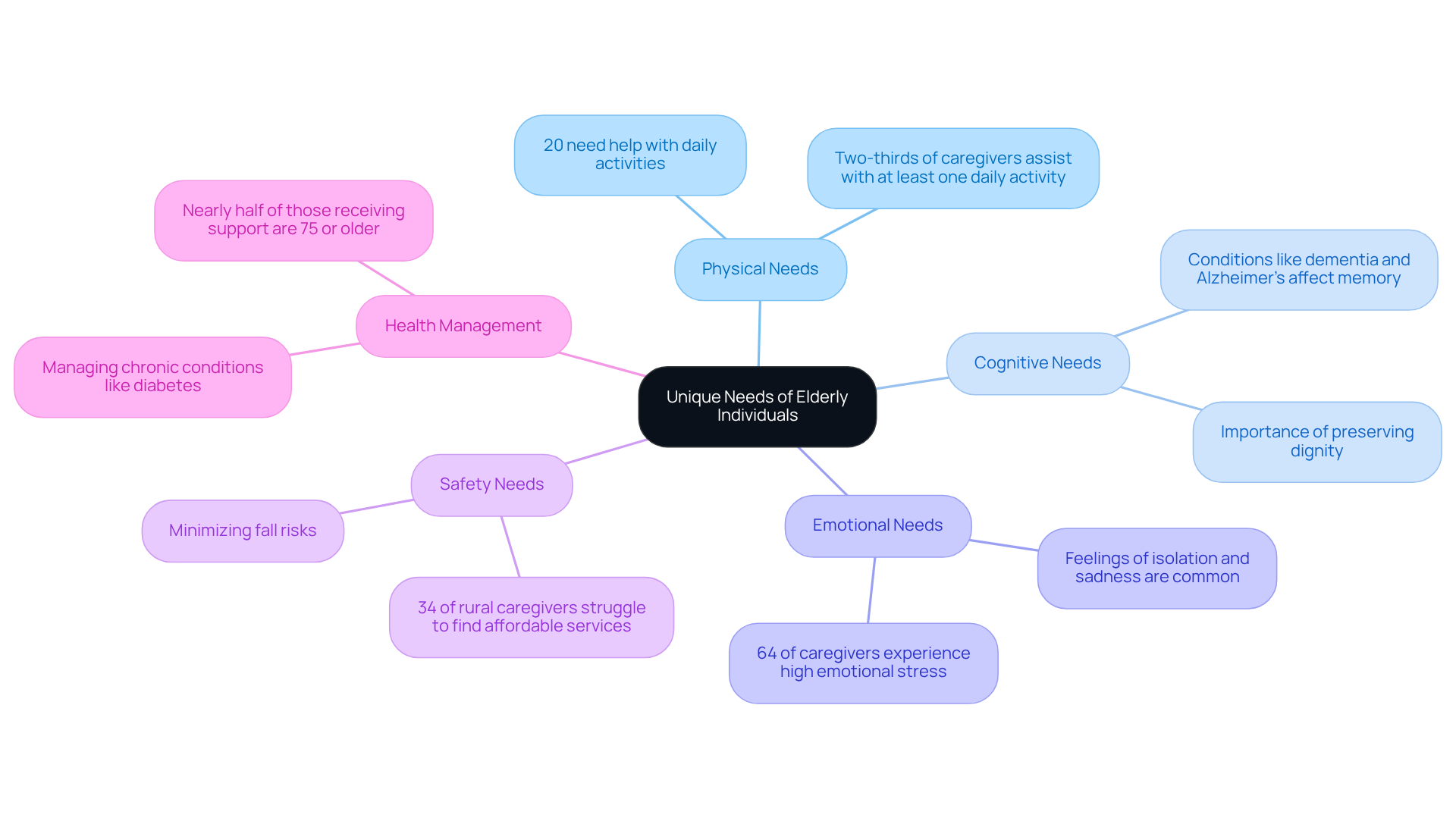
Elderly individuals often face a variety of challenges, such as physical limitations, cognitive decline, and emotional struggles like loneliness or depression. It’s essential to approach their care with compassion and understanding, considering the following aspects:
-
Physical Needs: Did you know that around 20% of adults aged 85 and older need help with daily activities like bathing, dressing, and moving around? Recognizing their physical capabilities and limitations is crucial for providing tailored support. It’s significant to note that two-thirds of caregivers assist with at least one daily activity, highlighting the widespread need for caregiving among seniors.
-
Cognitive Needs: Conditions such as dementia and Alzheimer’s can deeply affect memory and decision-making. Familiarizing yourself with these conditions is vital to offer the right assistance while preserving their dignity.
-
Emotional Needs: Feelings of isolation and sadness are all too common among seniors. Regular social interaction and emotional support play a key role in their mental health, helping to ease loneliness and improve overall well-being. It’s important to remember that 64% of caregivers experience high emotional stress, which underscores the emotional landscape for both seniors and their supporters.
-
Safety Needs: Creating a safe and accessible living environment is essential. This involves minimizing fall risks and making necessary adjustments to promote independence while ensuring safety. Additionally, 34% of caregivers in rural areas struggle to find affordable services, which can complicate efforts to ensure safety and accessibility in care.
-
Health Management: Many seniors are managing chronic conditions like diabetes or heart disease. Understanding their medication needs and being aware of their health status is critical for effective caregiving. Almost half of those receiving support are 75 or older, emphasizing the importance of customized assistance for this age group.
By addressing these diverse needs, caregivers can significantly enhance the quality of life for elderly individuals and understand how to take care of old people, fostering a nurturing and supportive environment. Remember, your compassion and understanding can make a world of difference.
Identify Essential Caregiving Tasks
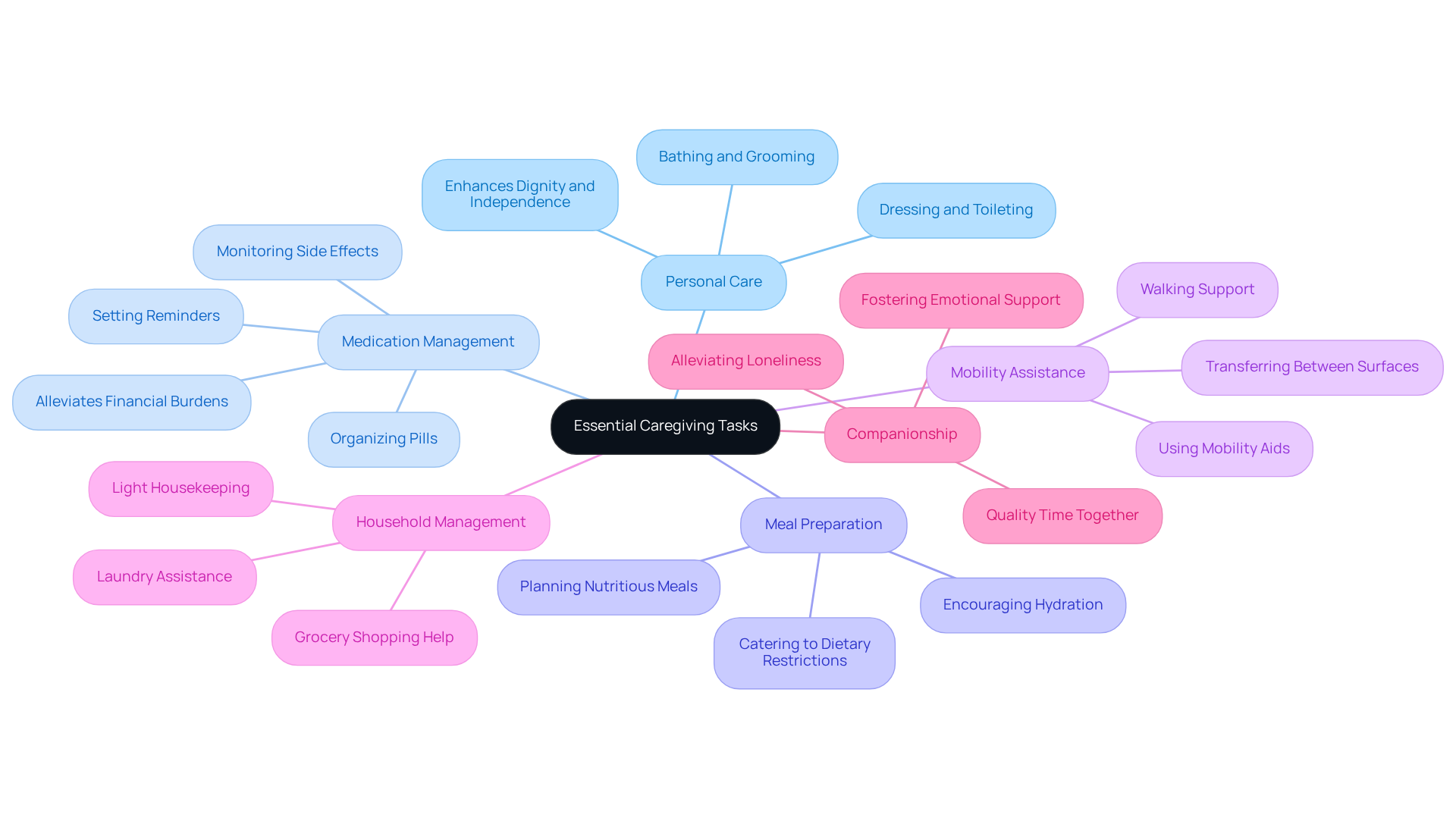
Essential caregiving tasks encompass several key areas that are vital for both physical and emotional well-being:
-
Personal Care: Assisting with bathing, grooming, dressing, and toileting is fundamental for maintaining hygiene and dignity. This personal attention not only enhances physical wellness but also significantly influences emotional well-being. It fosters a sense of independence and boosts self-esteem among seniors, making them feel valued and cared for.
-
Medication Management: Ensuring that medications are taken as prescribed is crucial. This involves organizing pills, setting reminders, and monitoring for side effects. With 28% of older adults facing challenges in affording medications, effective management strategies can alleviate these burdens, ensuring adherence to treatment plans and peace of mind for both caregivers and seniors.
-
Meal Preparation: Planning and preparing nutritious meals that cater to dietary restrictions and preferences is essential. Encouraging hydration and healthy eating habits can significantly improve overall health and well-being. Proper nutrition plays a vital role in recovery and daily functioning, helping seniors feel their best.
-
Mobility Assistance: Helping with walking, transferring from bed to chair, and using mobility aids is essential for preventing falls and promoting independence. Home care services can enhance mobility, allowing seniors to remain active and engaged in their daily lives, which is so important for their mental and emotional health.
-
Household Management: Assisting with light housekeeping, laundry, and grocery shopping helps maintain a clean and safe living environment. This support is crucial for seniors who may struggle with physical tasks, ensuring their home remains a comfortable and welcoming space.
-
Companionship: Spending quality time with elderly individuals alleviates feelings of loneliness and provides much-needed emotional support. Social interaction is essential for mental well-being, and caregivers can play a key role in fostering connections that enhance the quality of life for seniors.
In every aspect of caregiving, understanding how to take care of old people through emotional connection and support provided can make a world of difference, reminding seniors that they are not alone on this journey.
Manage Caregiver Stress and Burnout
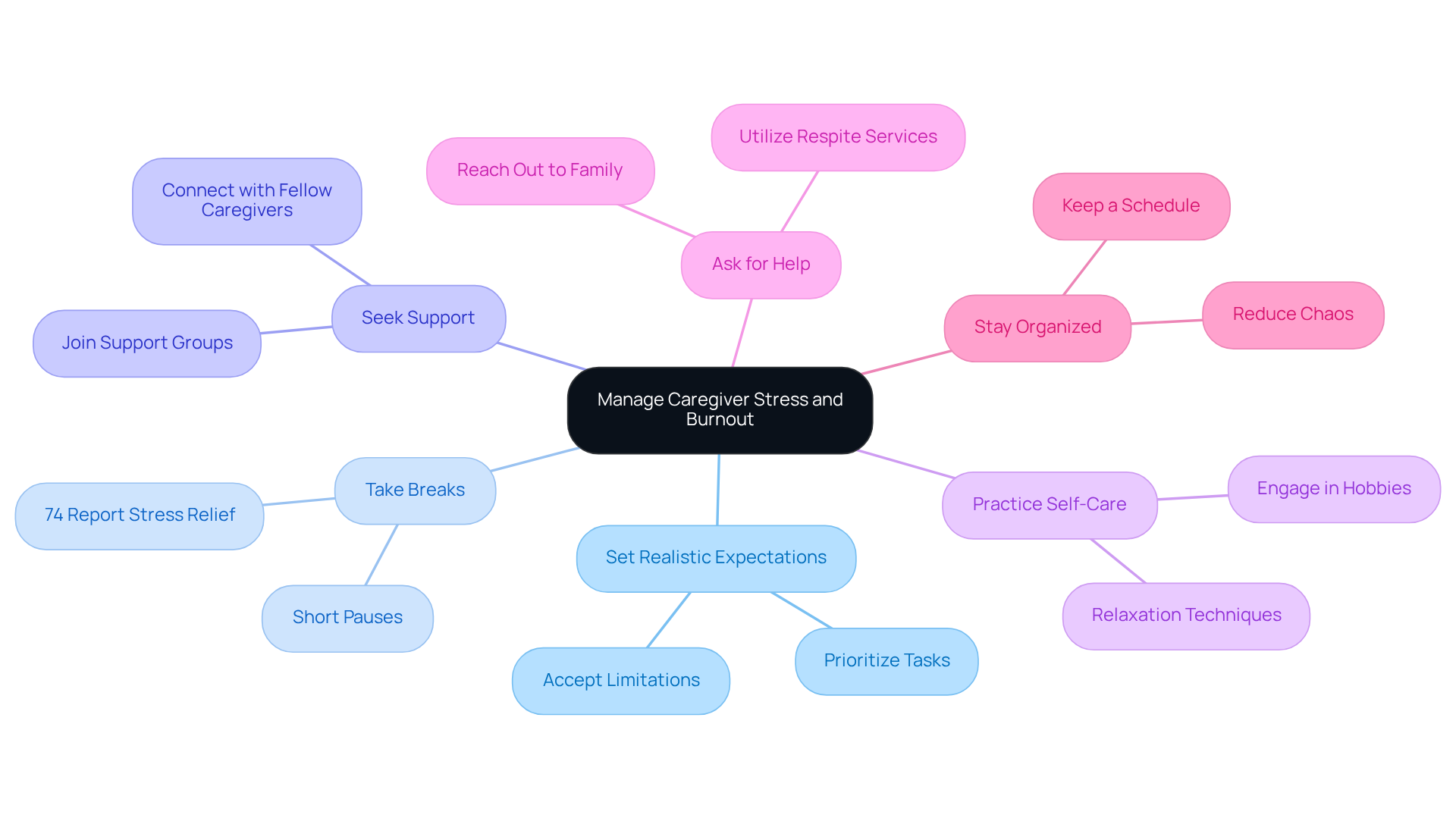
Caregiver stress is a common struggle that many face, and if left unaddressed, it can lead to burnout. It’s important to recognize this challenge and take steps to alleviate the pressure. Here are some strategies that can help:
-
Set Realistic Expectations: It’s crucial to understand that you can’t do it all. Prioritize your tasks and accept that some days will be tougher than others. Embracing this mindset can significantly ease feelings of inadequacy and frustration.
-
Take Breaks: Don’t underestimate the power of regular breaks. Research shows that even short pauses can lead to a noticeable drop in stress levels, enhancing your overall well-being. In fact, 74% of caregivers report that taking breaks helps them manage stress more effectively.
-
Seek Support: Connecting with fellow caregivers or joining support groups can provide both emotional relief and practical advice. Sharing your experiences fosters a sense of community and understanding, which is vital for your mental health.
-
Practice Self-Care: Make time for activities that nurture your well-being, whether it’s exercise, hobbies, or relaxation techniques like meditation or yoga. Remember, self-care isn’t a luxury; it’s essential for caregivers to maintain their health and effectiveness. As one mental health expert wisely said, "Self-care is not a luxury; it is essential for caregivers to sustain their wellness and effectiveness."
-
Ask for Help: Don’t hesitate to reach out to family or friends for support. Utilizing respite services can also provide crucial relief, allowing you to recharge and return to caregiving with renewed energy.
-
Stay Organized: Keeping a schedule for your caregiving tasks and appointments can help reduce feelings of chaos and overwhelm. Organization not only streamlines your daily responsibilities but also contributes to a more manageable caregiving experience.
By incorporating these strategies, you can significantly enhance your ability to provide care and understand how to take care of old people while also taking care of your own health and well-being. Remember, you’re not alone in this journey, and it’s okay to seek help and prioritize your own needs.
Create a Personalized Care Plan
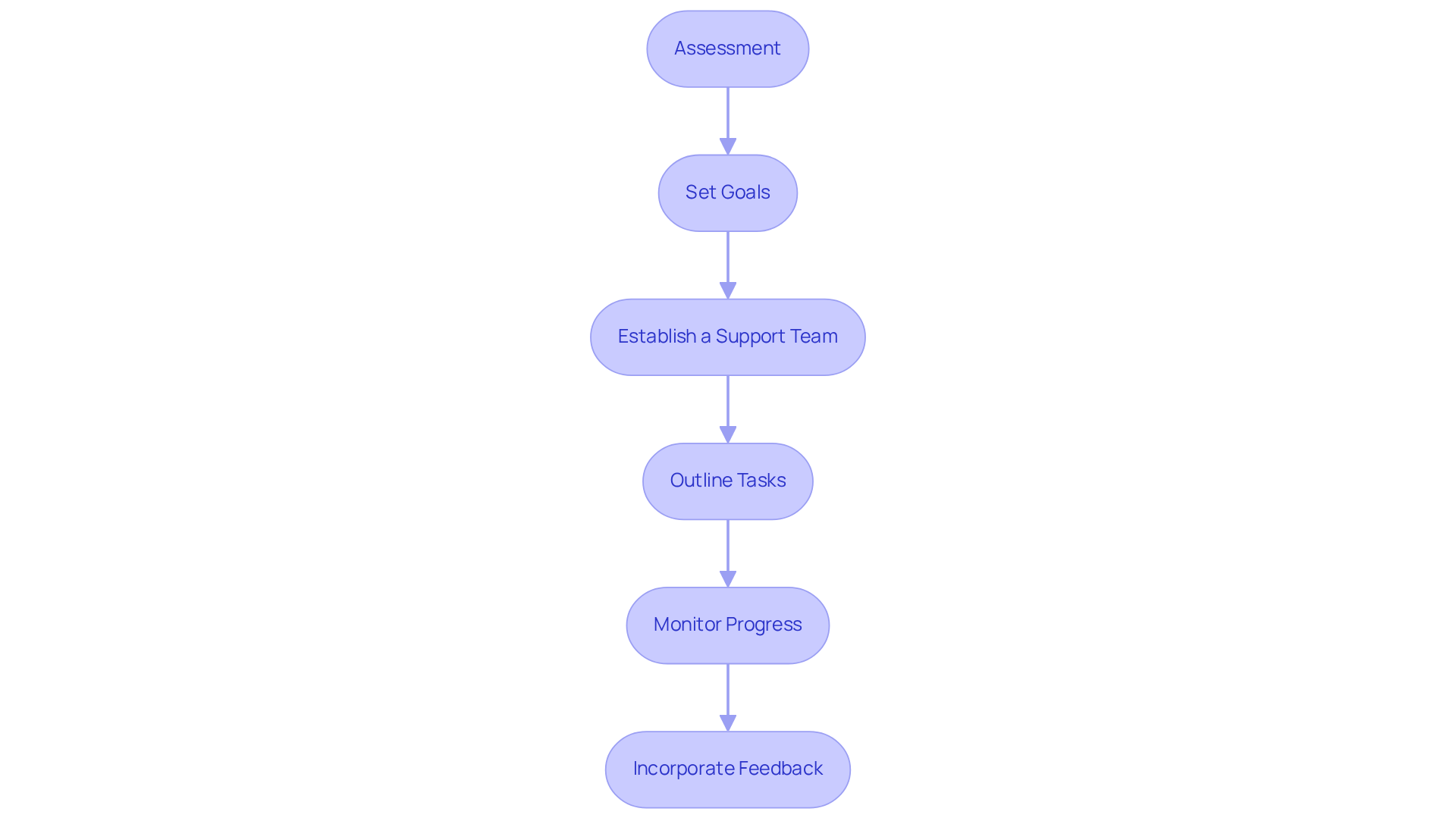
Creating a tailored support plan is essential for learning how to take care of old people to ensure they receive the care they truly need. This journey should be a collaborative effort, bringing together the elderly person and their family. Here’s a thoughtful approach to crafting an effective care plan:
-
Assessment: Start with a thorough evaluation of the individual’s physical, emotional, and social needs. This involves looking at medical history, current health status, and personal preferences. Utilizing effective assessment techniques, like interviews and standardized questionnaires, can reveal valuable insights into their unique requirements. Research indicates that comprehensive evaluations can lead to a 30% improvement in managing conditions for home patients compared to traditional settings.
-
Set Goals: It’s important to establish clear and achievable objectives for support. These goals might focus on enhancing mobility, fostering social interactions, or managing chronic conditions effectively. By setting specific goals, you can better evaluate progress and adjust treatment strategies as needed.
-
Establish a Support Team: Identify everyone involved in the support process, including family members, healthcare professionals, and caregivers. A well-defined support team ensures shared responsibilities and alignment in their approach to assistance.
-
Outline Tasks: Clearly define daily tasks and responsibilities for each member of the support team. This clarity helps prevent misunderstandings and ensures that everyone knows their role in supporting the elderly individual.
-
Monitor Progress: Regularly review and adjust the support plan based on the person’s evolving needs and circumstances. Ongoing observation is crucial for adapting to changes in health conditions or personal preferences, ensuring that the support remains relevant and effective.
-
Incorporate Feedback: Foster open communication with the elderly person and their family to gather input on the support plan. This dialogue is vital for making necessary adjustments and enhancing the overall experience.
As Dr. Natthapong Kunthawong, Director of the Bureau of Elder Health, emphasizes, "The comfort of receiving assistance in a familiar setting significantly enhances the overall well-being of elderly individuals." By prioritizing thorough assessments and collaborative planning, caregivers can understand how to take care of old people by developing personalized care plans that greatly improve the quality of life for elderly individuals, addressing both their physical and emotional needs.
Taking the Next Steps
Caring for elderly individuals is a journey that requires understanding their unique needs and providing tailored support to enhance their quality of life. It’s essential to approach this role with compassion and patience, ensuring that caregivers can effectively meet the physical, cognitive, emotional, and safety requirements of seniors. By doing so, caregivers not only uplift the well-being of elderly individuals but also create a nurturing environment that promotes dignity and independence.
Throughout this guide, we’ve highlighted the importance of recognizing the diverse needs of seniors, identifying key caregiving tasks, managing caregiver stress, and crafting personalized care plans. Each of these elements is vital in ensuring that elderly individuals receive the assistance they need while empowering caregivers to prioritize their own health and well-being. The statistics shared reflect the common challenges faced in caregiving, underscoring the emotional landscape caregivers navigate and the necessity for effective strategies and support systems.
Ultimately, the experience of caring for elderly individuals is a shared one, built on collaboration, empathy, and ongoing communication. By focusing on individualized care plans and supporting one another, caregivers can significantly enhance the lives of seniors while also addressing their own needs. Embracing these essential steps can lead to a more fulfilling caregiving experience, reminding us all that compassion and understanding truly make a difference in the lives of elderly individuals.
https://iframe.tely.ai/cta/eyJhcnRpY2xlX2lkIjogIjY5MTY4YmM5ZjgwZGYyODIyYmY0ZDNhMCIsICJjb21wYW55X2lkIjogIjY4ZWU1ZGNhNzMxNzYyNTU3ZjNjOTVjMSIsICJpbmRleCI6IG51bGwsICJ0eXBlIjogImFydGljbGUifQ==Frequently Asked Questions
What are the common challenges faced by elderly individuals?
Elderly individuals often face challenges such as physical limitations, cognitive decline, and emotional struggles like loneliness or depression.
Why is it important to understand the physical needs of elderly individuals?
Understanding the physical needs of elderly individuals is crucial because around 20% of adults aged 85 and older require help with daily activities such as bathing, dressing, and moving around. Tailored support is essential to address their capabilities and limitations.
How do cognitive conditions like dementia and Alzheimer’s affect elderly individuals?
Cognitive conditions such as dementia and Alzheimer’s can significantly impact memory and decision-making, making it vital for caregivers to be familiar with these conditions to offer appropriate assistance while preserving the individual's dignity.
What emotional needs do elderly individuals have?
Elderly individuals often experience feelings of isolation and sadness. Regular social interaction and emotional support are important for their mental health, helping to alleviate loneliness and improve overall well-being.
What percentage of caregivers experience high emotional stress?
Approximately 64% of caregivers experience high emotional stress, which highlights the emotional challenges faced by both seniors and their caregivers.
How can caregivers ensure the safety of elderly individuals?
Caregivers can ensure safety by creating a safe and accessible living environment, minimizing fall risks, and making necessary adjustments to promote independence while ensuring safety.
What challenges do caregivers in rural areas face regarding elderly care?
About 34% of caregivers in rural areas struggle to find affordable services, complicating efforts to ensure safety and accessibility in care for elderly individuals.
Why is health management important for elderly individuals?
Health management is important because many seniors are managing chronic conditions like diabetes or heart disease. Understanding their medication needs and health status is critical for effective caregiving.
What is the significance of customized assistance for seniors aged 75 and older?
Almost half of those receiving support are 75 or older, emphasizing the importance of customized assistance to meet the specific needs of this age group and enhance their quality of life.