
Understanding Talk to Someone with Alzheimer: 4 Key
Alzheimer's disease presents significant challenges that go beyond memory loss, impacting the essential communication between individuals and their caregivers. As the disease advances, the ability to engage in meaningful conversations declines, resulting in frustration and emotional disconnection. This article explores vital communication strategies that not only improve interactions but also strengthen emotional bonds, providing caregivers with valuable insights on navigating these complex conversations.
How can caregivers bridge the gap and ensure their loved ones feel understood and supported amidst the challenges of Alzheimer's? By implementing effective communication techniques, caregivers can foster a sense of connection and understanding, making a profound difference in the lives of those affected.
Understand Alzheimer's and Its Impact on Communication
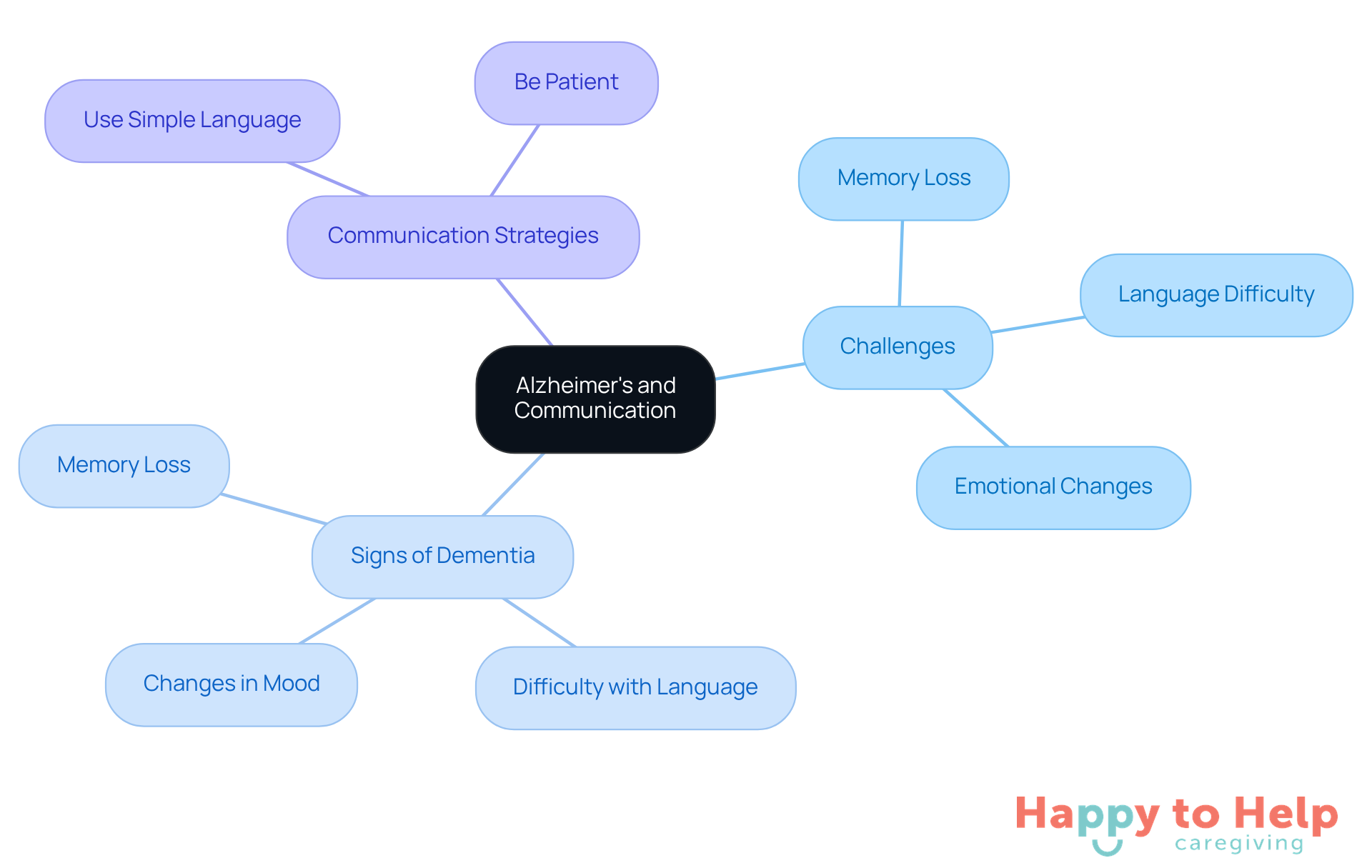
Alzheimer's disease presents significant challenges for both individuals and their caregivers. This progressive neurological disorder affects memory, cognition, and behavior, leading to difficulties in finding words, understanding conversations, and expressing thoughts. As the disease progresses, these challenges can result in frustration and confusion, highlighting the importance of knowing how to talk to someone with Alzheimer.
Understanding the changes that occur with Alzheimer's is crucial. Caregivers should recognize that individuals may not remember recent events or may struggle with language. This awareness allows caregivers to learn how to talk to someone with Alzheimer with patience and empathy, fostering a more supportive environment.
To assist your loved one during interactions, familiarize yourself with the typical signs of dementia:
- Memory loss
- Difficulty with language
- Changes in mood
By being aware of these signs, caregivers can better navigate conversations and provide the necessary support. Remember, effective communication, including how to talk to someone with Alzheimer, is key to enhancing the quality of life for both the individual with Alzheimer's and their caregivers.
Implement Effective Communication Techniques
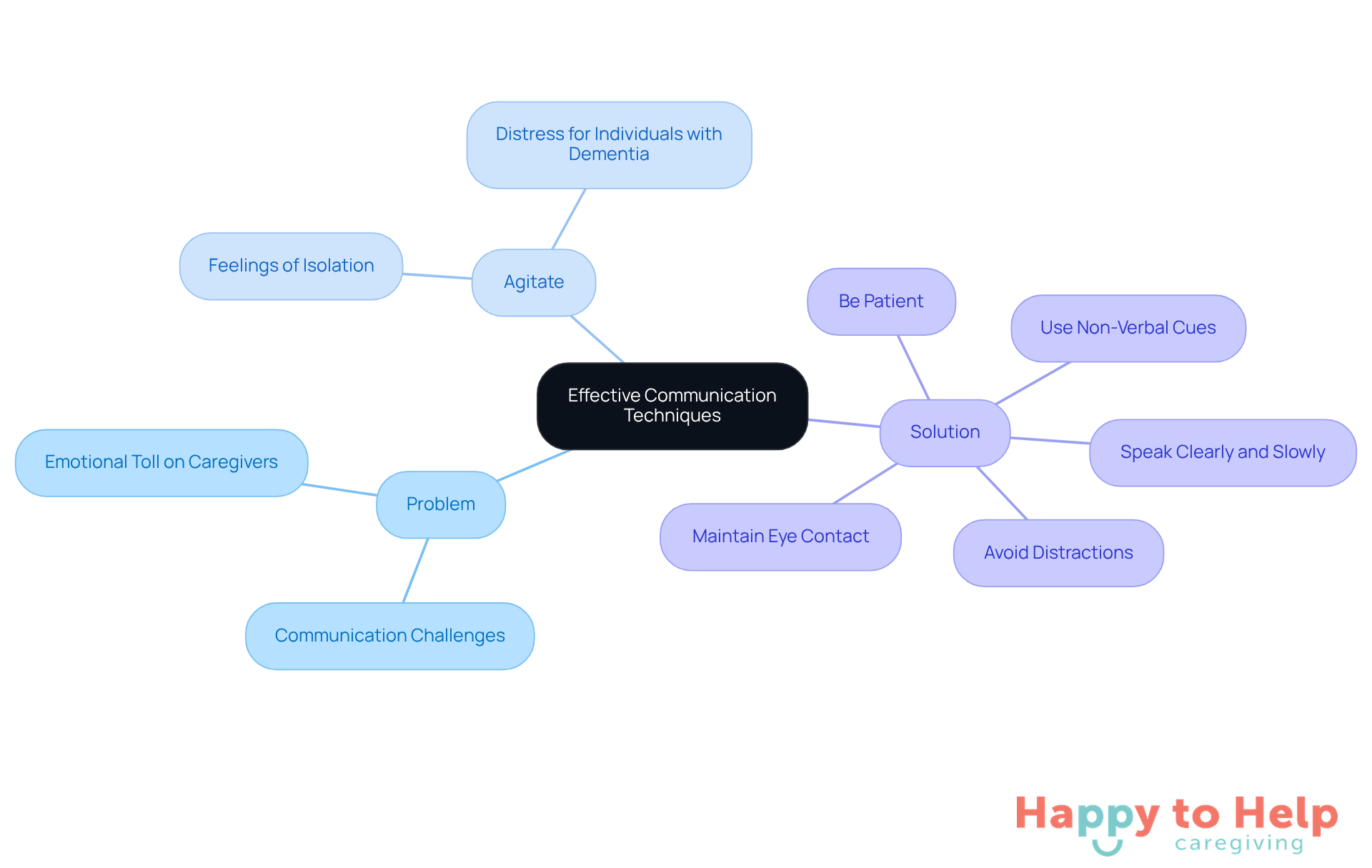
Caregivers often face challenges in understanding how to talk to someone with Alzheimer’s effectively. Misunderstandings and frustration often arise, impacting the emotional well-being of both parties.
Agitate: These communication barriers can lead to feelings of isolation and distress for individuals with dementia, making it crucial for caregivers to find effective ways to connect. The emotional toll on caregivers can also be significant, as they navigate the complexities of these interactions.
Solution: Here are some techniques to enhance communication:
- Speak Clearly and Slowly: Use simple language and short sentences. This approach aids in processing information, making it easier for the individual to understand.
- Maintain Eye Contact: Establishing eye contact demonstrates engagement and encourages the person to focus on the conversation, fostering a sense of connection.
- Use Non-Verbal Cues: Gestures, facial expressions, and body language can convey meaning when words may fail. For instance, a smile can create a welcoming atmosphere and enhance emotional engagement. As noted, "using body language, facial expressions, and sensory stimuli helps bypass verbal barriers."
- Be Patient: Allow extra time for the person to respond. People with memory impairment may need extra time to understand what has been communicated and develop their replies, so patience is essential. Successful interaction with individuals suffering from dementia requires understanding how to talk to someone with Alzheimer’s, as it involves much more than exchanging words; it’s about showing compassion, understanding, and patience.
- Avoid Distractions: Select a calm setting for discussions to reduce background noise and interruptions, which can be overwhelming and impede effective interaction.
These strategies not only enable clearer interactions but also significantly enhance the emotional well-being of individuals with dementia. Caregivers report improved connections and decreased frustration during discussions, highlighting the positive effect of clear interactions on patient outcomes.
Overcome Communication Barriers and Challenges
Communication barriers often arise when learning how to talk to someone with Alzheimer’s disease due to the cognitive challenges associated with it. These obstacles can lead to frustration for both caregivers and individuals affected by the disease, highlighting the importance of knowing how to talk to someone with Alzheimer to maintain relationships and provide support.
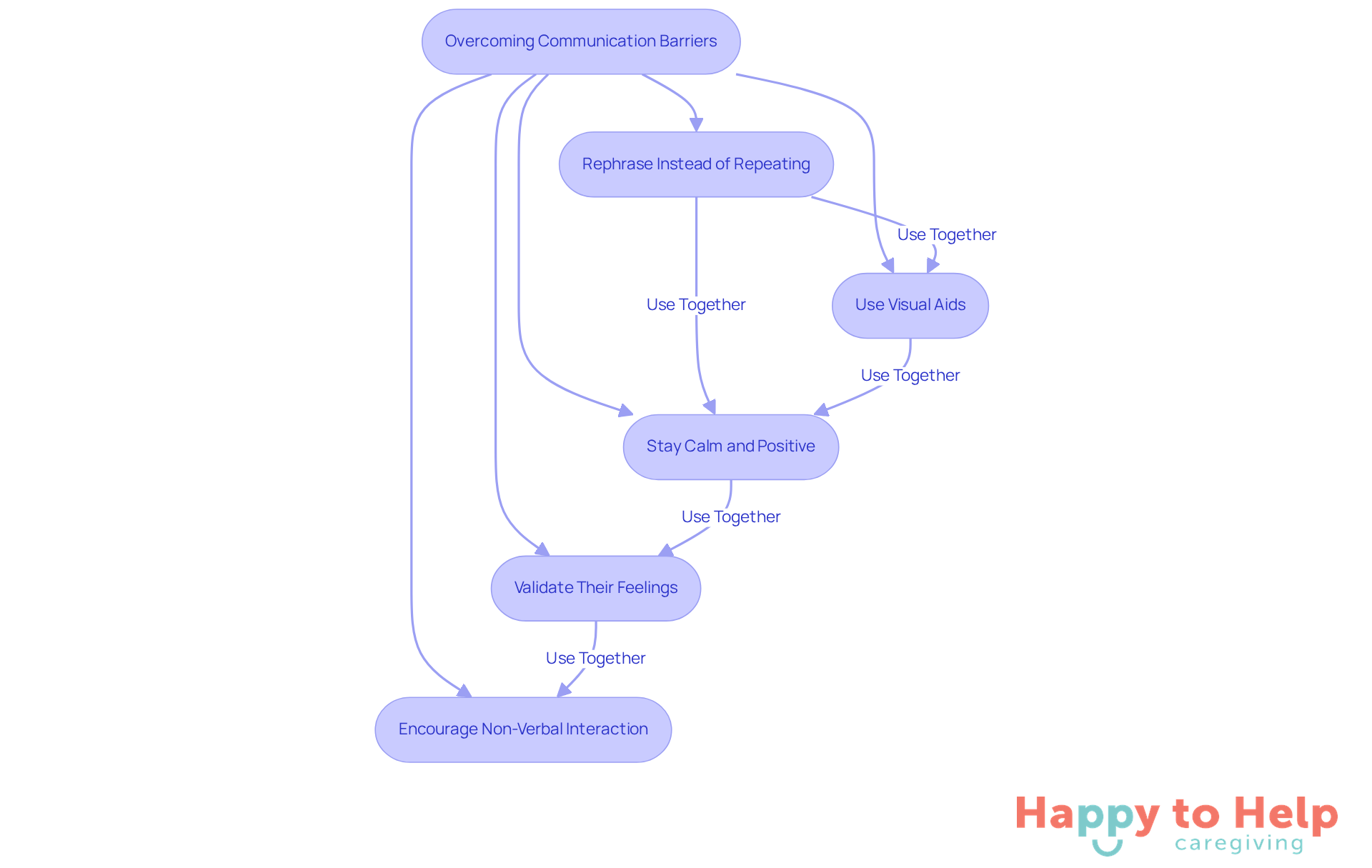
To navigate these challenges, consider the following strategies:
-
Rephrase Instead of Repeating: When someone struggles to understand, rephrasing your question or statement can clarify your message more effectively than simply repeating it. This approach respects their cognitive limitations and demonstrates how to talk to someone with Alzheimer to aid comprehension.
-
Use Visual Aids: Incorporating pictures, written words, or tangible objects can significantly enhance interaction. For instance, showing a photo of a family member can trigger recognition and encourage meaningful conversation, bridging the gap when verbal communication falters. A 'This Is Your Life' memory book can serve as a valuable resource for individuals learning how to talk to someone with Alzheimer, helping them connect with their past.
-
Stay Calm and Positive: Maintaining a calm demeanor is crucial, especially if the individual becomes frustrated. A soothing tone and positive body language can help de-escalate tension, fostering a more supportive environment. Studies show that 90% of caregivers believe that understanding how to talk to someone with Alzheimer is essential in supporting individuals with dementia, emphasizing the significance of a constructive approach.
-
Validate Their Feelings: Acknowledging and validating the emotions expressed by the person, even if they seem irrational, is essential. This practice helps them feel understood and supported, reinforcing their dignity and self-esteem. As Jamie Calandriello notes, knowing how to talk to someone with Alzheimer helps us recognize that there is still a person in need of love beneath the disease.
-
Encourage Non-Verbal Interaction: Embrace gestures, nods, or facial expressions as valid forms of expression. Identifying these non-verbal signals can enable individuals with memory loss to communicate more easily, improving their feeling of connection and involvement. Additionally, caregivers should avoid negative communication practices, such as arguing or using a condescending tone, to create a more supportive environment.
Foster Emotional Connection and Support
Problem: Caregivers of individuals with Alzheimer's often face emotional disconnection, which can lead to feelings of isolation and frustration. This emotional gap not only affects the caregiver's well-being but also impacts the quality of interactions with the person they care for.
Agitate: The challenges of understanding how to talk to someone with Alzheimer’s can be daunting. Caregivers may struggle to engage their loved ones, making it essential to understand how to talk to someone with Alzheimer to avoid missed opportunities for connection and support. This emotional strain can create a cycle of anxiety and confusion, making caregiving even more challenging.
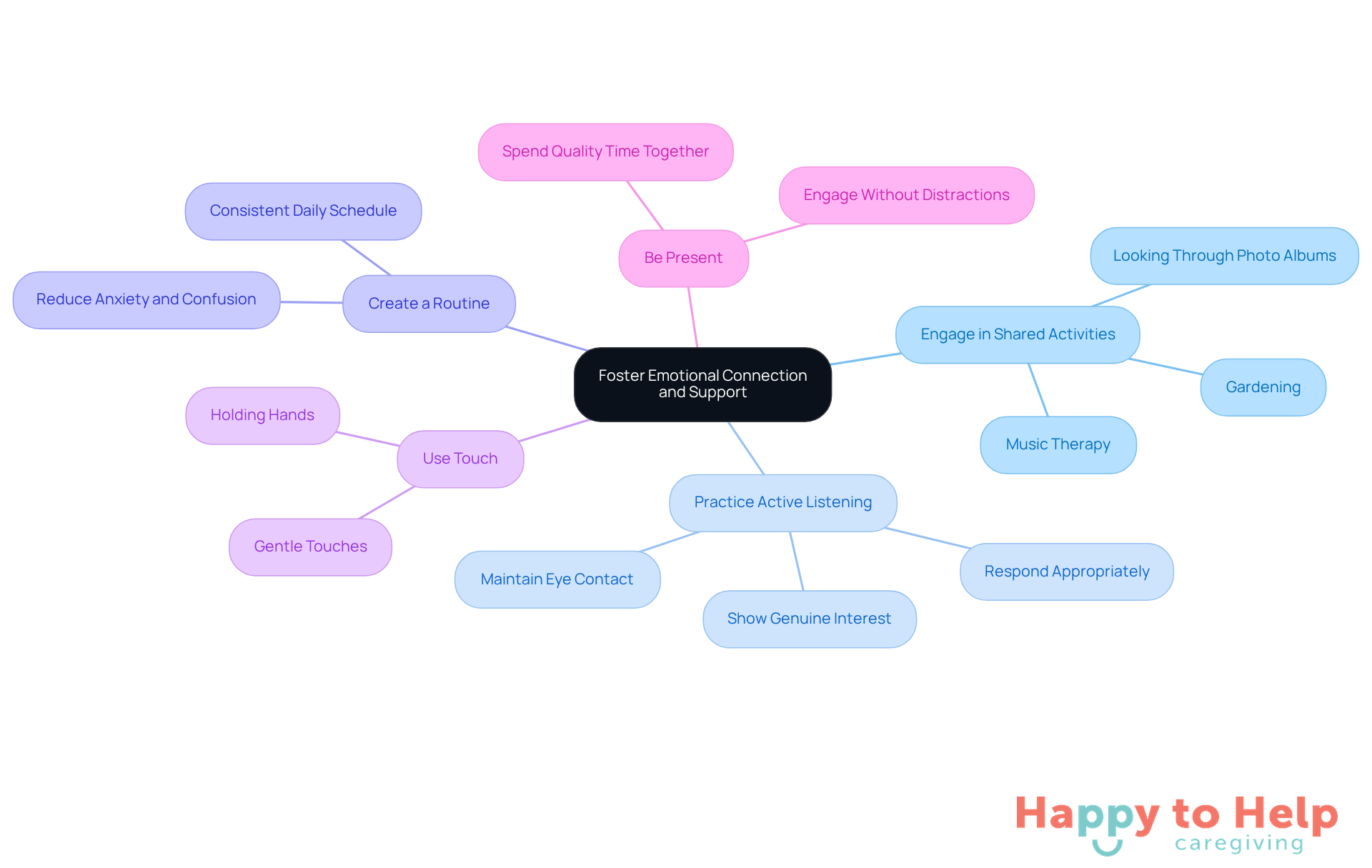
Solution: Here are some effective strategies to foster emotional connections:
-
Engage in Shared Activities: Participate in enjoyable activities like looking through photo albums, listening to music, or gardening. These experiences can evoke memories and stimulate conversations, enhancing engagement. For instance, music therapy has shown that familiar songs can help patients connect with caregivers, even when verbal communication is difficult. Studies indicate that structured group activities can significantly improve engagement, averaging 27 minutes of interaction.
-
Practice Active Listening: Show genuine interest in what the person is saying. Nod, maintain eye contact, and respond appropriately to demonstrate that you value their input. This practice affirms their feelings and encourages them to express themselves more freely.
-
Create a Routine: Establishing a consistent daily schedule provides a sense of security and familiarity, making interactions easier and more predictable. Routines help reduce anxiety and confusion, allowing for more meaningful exchanges.
-
Use Touch: Gentle touches, like holding hands or a reassuring pat on the back, convey warmth and support, enhancing emotional connection. Physical contact has been shown to improve mood and promote a sense of security, which is essential for individuals with dementia.
-
Be Present: Spend quality time together without distractions. Simply being there can provide comfort and reassurance, reinforcing the bond between you. Engaging in activities together not only enhances interaction but also supports the emotional well-being of both the caregiver and the person with Alzheimer's, which is important when learning how to talk to someone with Alzheimer. As Dr. Borna Bonakdarpour notes, music can serve as a bridge for communication when language is no longer possible, highlighting the importance of shared experiences in this journey.
Taking the Next Steps
Effectively communicating with individuals affected by Alzheimer's presents a significant challenge for caregivers. The nuances of this disease can create barriers that hinder meaningful interactions, impacting the quality of life for both caregivers and their loved ones. Without compassionate and informed communication strategies, these challenges can lead to feelings of isolation and frustration.
To address these issues, caregivers can adopt several practical techniques:
- Speaking clearly
- Maintaining eye contact
- Using non-verbal cues
Additionally, validating feelings and engaging in shared activities can strengthen emotional bonds. Establishing routines further helps reduce feelings of confusion and anxiety, fostering a supportive environment.
Ultimately, the journey of communicating with someone who has Alzheimer's transcends mere words; it’s about creating an atmosphere of understanding and love. By implementing these strategies, caregivers can significantly enhance the emotional well-being of their loved ones. This not only preserves meaningful connections but also enriches the lives of caregivers, reinforcing the vital role of compassionate communication in Alzheimer's care.
https://iframe.tely.ai/cta/eyJhcnRpY2xlX2lkIjogIjY5MjBmZDgwNzJkZTk4NjA5OWQwYjBmNiIsICJjb21wYW55X2lkIjogIjY4ZWU1ZGNhNzMxNzYyNTU3ZjNjOTVjMSIsICJpbmRleCI6IG51bGwsICJ0eXBlIjogImFydGljbGUifQ==Frequently Asked Questions
What is Alzheimer's disease?
Alzheimer's disease is a progressive neurological disorder that affects memory, cognition, and behavior, leading to difficulties in finding words, understanding conversations, and expressing thoughts.
What challenges do individuals with Alzheimer's face in communication?
Individuals with Alzheimer's may experience memory loss, difficulty with language, and changes in mood, which can result in frustration and confusion during conversations.
Why is it important for caregivers to understand Alzheimer's?
Understanding Alzheimer's is crucial for caregivers as it helps them recognize the changes that occur in individuals, allowing them to communicate with patience and empathy, and create a supportive environment.
What are the typical signs of dementia that caregivers should be aware of?
The typical signs of dementia include memory loss, difficulty with language, and changes in mood.
How can effective communication impact the quality of life for individuals with Alzheimer's and their caregivers?
Effective communication is key to enhancing the quality of life for both individuals with Alzheimer's and their caregivers, as it helps navigate interactions and provides necessary support.
List of Sources
- Implement Effective Communication Techniques
- Effective Communication Tips for Interacting with Alzheimer’s Patients (https://humancareny.com/blog/effective-communication-tips-for-interacting-with-alzheimer-s-patients)
- What is good communication for people living with dementia? A mixed-methods systematic review (https://sciencedirect.com/science/article/pii/S1041610224011153)
- Overcome Communication Barriers and Challenges
- Bridging Gaps in Dementia Care: PAs as Champions of Early Detection and Support Bridging Gaps in Dementia Care: PAs as Champions of Early Detection and Support (https://aapa.org/news-central/2025/11/bridging-gaps-in-dementia-care-pas-as-champions-of-early-detection-and-support)
- Most effective way to communicate with Alzheimer's patients identified (https://medicalxpress.com/news/2024-11-effective-communicate-alzheimer-patients.html)
- Dementia - communication (https://betterhealth.vic.gov.au/health/conditionsandtreatments/dementia-communication)
- Care managers say ED program improves communication for assisted living residents with dementia (https://mcknights.com/news/care-managers-say-ed-program-improves-communication-for-assisted-living-residents-with-dementia)
- (https://belleviecare.co.uk/support-advice/dementia-quotes-to-lift-your-spirits)
- Foster Emotional Connection and Support
- Music helps patients with dementia connect with loved ones (https://news.northwestern.edu/stories/2022/08/music-helps-patients-with-dementia-connect-with-loved-ones)
- 4 Inspiring Quotes for Caring for a Loved One With Alzheimer’s | myALZteam (https://myalzteam.com/resources/inspiring-quotes-for-caring-for-a-loved-one-with-alzheimers)
- The impact of group activities and their content on persons with dementia attending them - PMC (https://pmc.ncbi.nlm.nih.gov/articles/PMC5887184)
- How to Stay Connected with a Loved One with Alzheimer’s Disease (https://yalemedicine.org/news/alzheimers-disease-dementia-care)
- Research Highlights Importance of Support Reciprocity During Early-Stage Dementia Care (https://ucdavis.edu/news/research-highlights-importance-support-reciprocity-during-early-stage-dementia-care)