How to Treat a Stroke Patient at Home: Essential Care Steps
For families in our service areas
For families in our service areas, this guide explains caregiving and how non-medical in-home caregiving can support care planning in East Idaho, Treasure Valley & Magic Valley, Northern Wasatch, North Central West Virginia, and Northeast Ohio.
Why Treat a Stroke Patient at Home: Matters
Understanding the complexities of stroke recovery presents a significant challenge for caregivers who strive to provide effective support at home. Many stroke survivors encounter a range of physical, cognitive, and emotional hurdles, making the need for comprehensive care more urgent than ever. This situation can leave caregivers feeling overwhelmed and unsure of how to navigate the rehabilitation process while ensuring a safe and nurturing environment.
So, how can caregivers effectively manage these intricacies? This guide offers essential steps for treating stroke patients at home, providing insights that empower caregivers to foster healing and enhance quality of life. By implementing practical strategies, caregivers can create a supportive atmosphere that promotes recovery and well-being.
Understand Stroke Recovery Needs
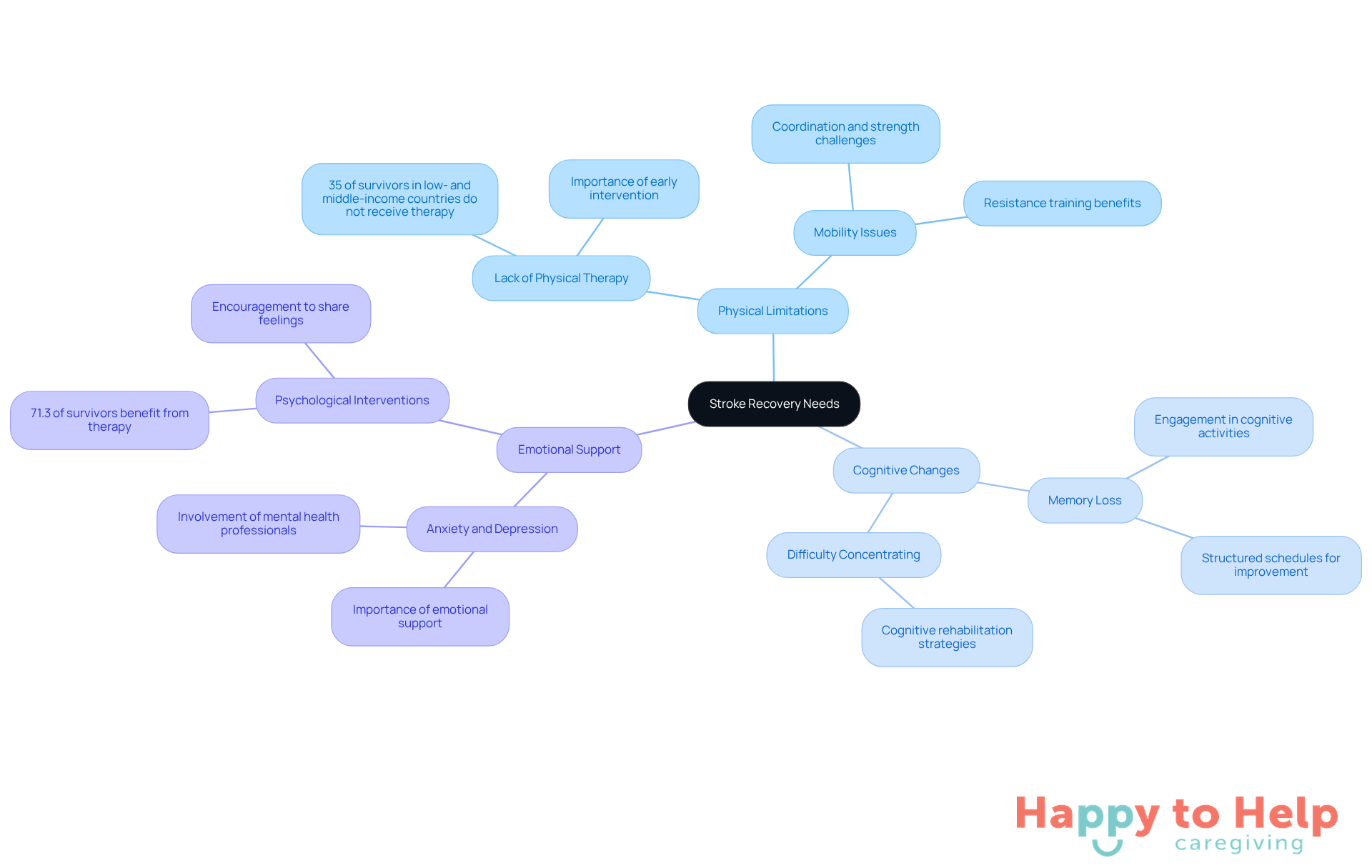
Start by evaluating the patient's state to understand how to treat stroke patient at home based on the type of attack they experienced. Caregivers face several challenges during recovery, including:
-
Physical Limitations: About 35% of stroke survivors in low- and middle-income countries do not receive any physical therapy within the first three months post-stroke. This lack of intervention can lead to significant mobility issues, as many survivors struggle with coordination, strength, and overall mobility. It is crucial to understand how to treat stroke patient at home with prompt action. Consulting with physical therapists can provide tailored exercises that enhance healing, such as resistance training, which has been shown to increase strength and reduce muscle hyperactivity.
-
Cognitive Changes: Cognitive impairments, like memory loss and difficulty concentrating, are common after a cerebral vascular accident. Engaging in cognitive activities and following a structured schedule can help improve mental functions and support cognitive recovery.
-
Emotional Support: Emotional changes, including anxiety and depression, frequently occur after a brain injury. Providing emotional support is vital; encourage the patient to share their feelings and consider involving a mental health professional if needed. Research indicates that psychological interventions can lead to consistent improvements in mental health for about 71.3% of individuals who have experienced a cerebral event. As Randy W. wisely said, "A little bit better every day" - a reminder that progress, no matter how small, is still progress.
Understanding how to treat stroke patient at home and the healing timeline is essential to know what to expect at each phase. By grasping these elements, you can offer informed support during the recovery process, effectively navigating the complexities of rehabilitation.
Modify the Home Environment for Safety
To modify the home environment for safety, caregivers face significant challenges. Hazards such as tripping risks can lead to serious injuries, making it crucial to address these issues proactively.
-
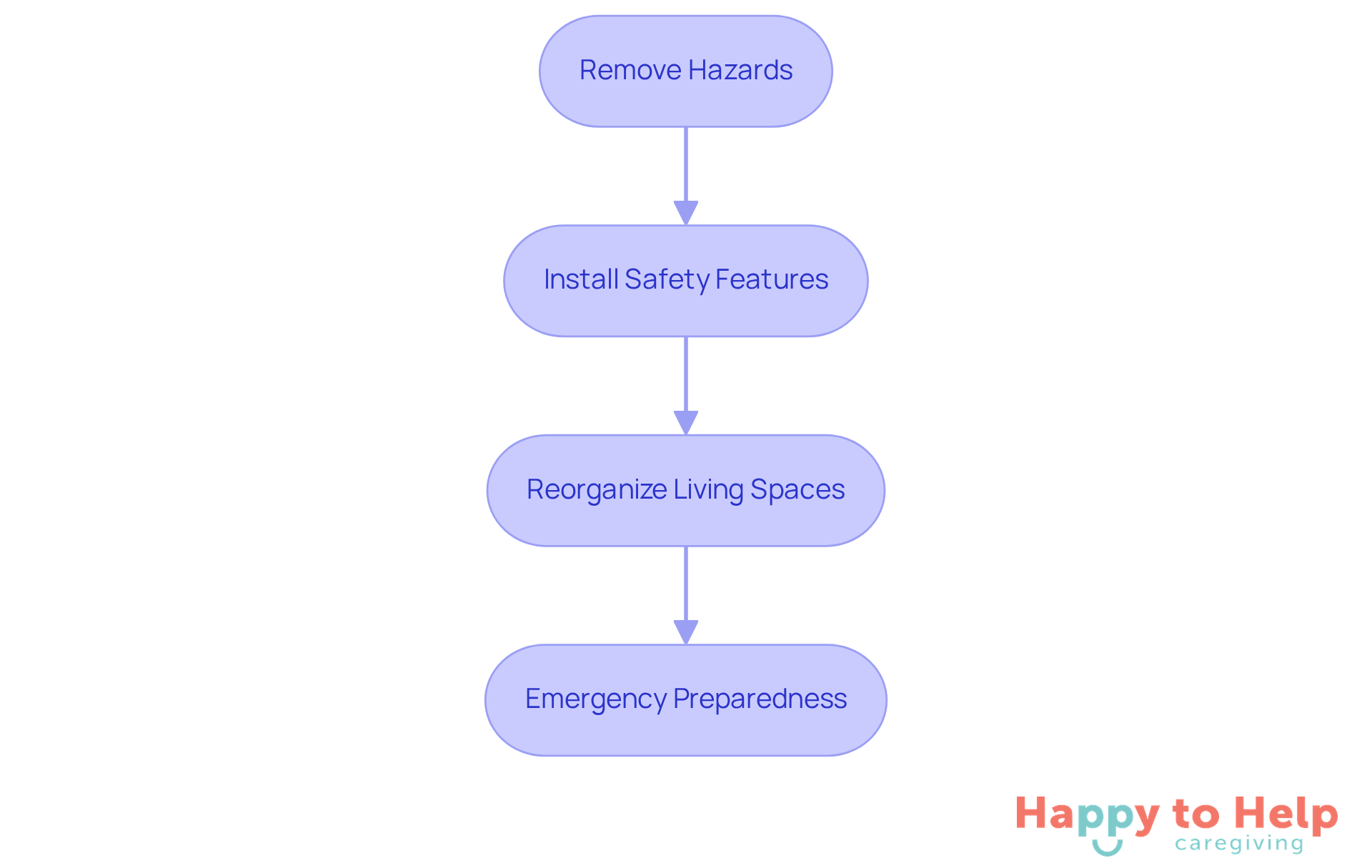
Remove Hazards: Eliminate tripping hazards like throw rugs, clutter, and low furniture. Ensure that pathways are clear and well-lit to prevent accidents.
-
Install Safety Features: Adding grab bars in bathrooms, non-slip mats in the shower, and handrails on stairs can greatly enhance safety. Consider using a shower chair to assist with bathing, providing additional support.
-
Reorganize Living Spaces: Arrange furniture to create open pathways, ensuring that frequently used items are within easy reach. Utilize storage solutions that minimize bending or stretching, making daily tasks easier and safer.
-
Emergency Preparedness: Equip the home with emergency alert systems. Ensure that the individual has easy access to a phone or emergency contacts, allowing for quick communication in case of an emergency.
Provide Comprehensive Care and Support
Caregivers face significant challenges when learning how to treat stroke patients at home with comprehensive care. Without proper guidance on how to treat stroke patients at home, caregivers may struggle to manage the complex needs of these individuals, which can hinder their recovery and overall well-being.
-
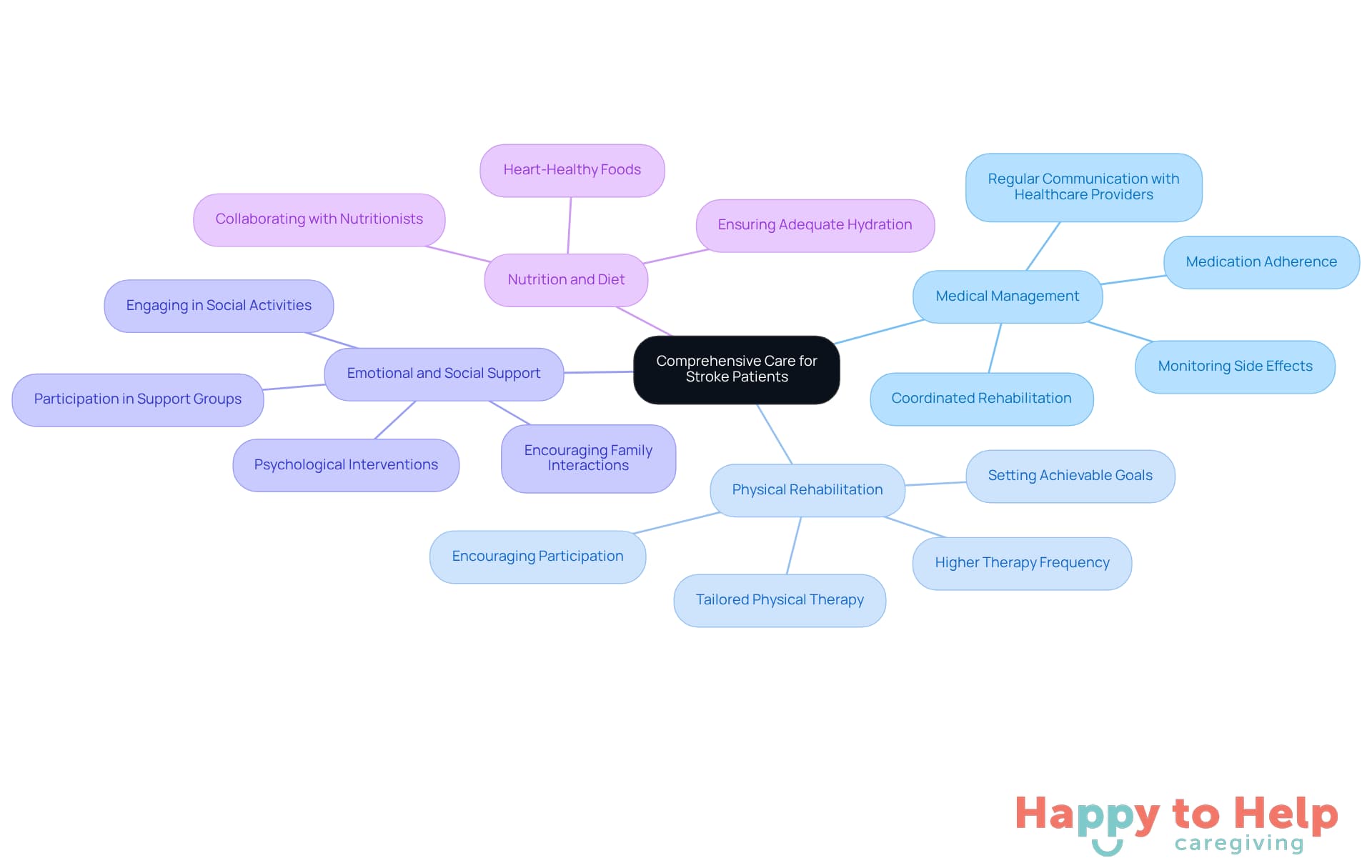
Medical Management: One of the primary concerns is ensuring that medications are taken as prescribed. Caregivers should monitor for side effects and maintain a medication schedule. Regular communication with healthcare providers is essential to address any concerns. Effective medical management is crucial; studies show that timely and coordinated rehabilitation significantly enhances recovery outcomes.
-
Physical Rehabilitation: Another challenge is facilitating physical rehabilitation. Encouraging participation in tailored physical therapy and exercises that align with the individual's abilities is vital. Setting achievable goals fosters motivation and progress. Research indicates that individuals receiving higher doses of rehabilitation, such as over 40 sessions, experience remarkable improvements in motor function and a reduction in mortality risks.
-
Emotional and Social Support: Emotional well-being is equally important. Engaging the patient in social activities and encouraging interactions with family and friends can help. Participating in groups for individuals recovering from a brain injury cultivates a sense of belonging and diminishes feelings of loneliness. Emotional assistance is essential; research indicates that psychological interventions can significantly enhance anxiety and depression ratings among individuals who have suffered a brain attack.
-
Nutrition and Diet: Nutrition also plays a critical role in recovery. Collaborating with a nutritionist to create a balanced diet that focuses on heart-healthy foods and sufficient hydration is key. Adequate nutrition is essential for overall well-being and healing, aiding in the management of risk factors linked to cerebrovascular accidents.
By incorporating these elements into the care plan, caregivers can significantly improve how to treat stroke patients at home and enhance their recovery journey. This holistic approach addresses both physical and emotional needs, ensuring a comprehensive support system.
Communicate with Healthcare Providers
Effective communication with healthcare providers is crucial for caregivers. However, many face challenges in conveying important information about the patient’s condition. This can lead to misunderstandings and inadequate care. To address these issues, consider the following actionable solutions:
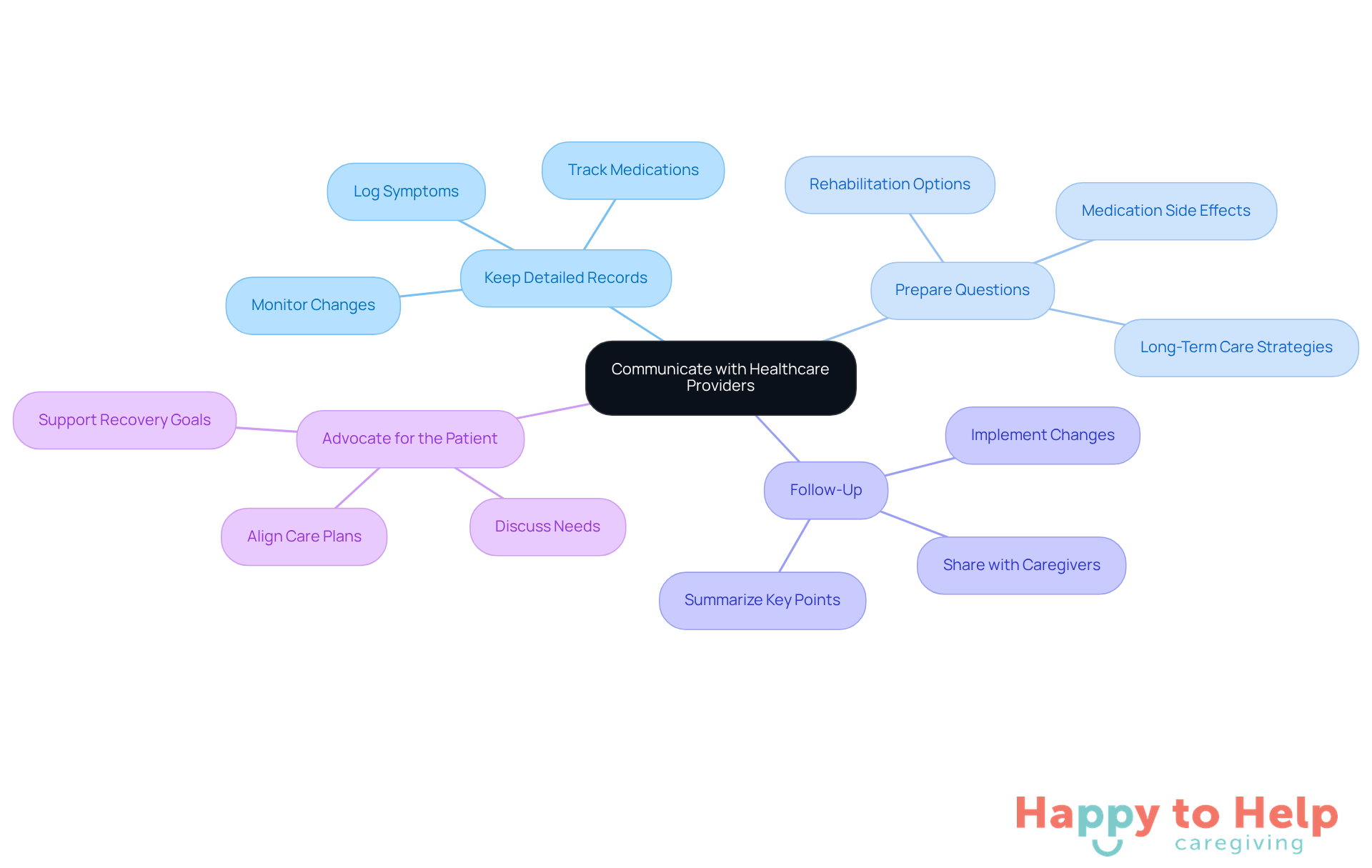
- Keep Detailed Records: Maintain a log of the patient's symptoms, medications, and any changes in behavior or condition. This information will be invaluable during medical appointments.
- Prepare Questions: Before appointments, create a list of questions to ensure all concerns are addressed. This can include inquiries about rehabilitation options, medication side effects, and long-term care strategies.
- Follow-Up: After appointments, summarize the key points discussed and share them with other caregivers or family members involved in the individual's care. Ensure that any prescribed changes are implemented promptly.
- Advocate for the Patient: Be proactive in discussing the patient's needs and preferences with healthcare providers. Ensure that their care plan aligns with their recovery goals.
Moving Forward with Treat a Stroke Patient at Home:
Caring for a stroke patient at home presents significant challenges for caregivers, making it essential to understand how to provide effective support. Stroke survivors often face unique physical, emotional, and medical needs during their recovery. Without proper guidance, caregivers may struggle to create an environment conducive to healing.
The implications of inadequate care can be profound. Stroke survivors may experience prolonged recovery times, increased anxiety, and a diminished quality of life. Caregivers must recognize these challenges to foster a nurturing atmosphere that promotes improvement.
To address these issues, caregivers can implement several practical strategies:
- Tailored rehabilitation programs can help manage physical limitations.
- Engaging stroke survivors in structured activities can enhance cognitive functions.
- Providing emotional support is crucial for combating anxiety and depression.
- Modifying the home environment for safety is vital.
- Maintaining open communication with healthcare providers is essential in the recovery journey.
Ultimately, the journey of caring for a stroke patient at home requires dedication and a holistic approach. By staying informed, seeking assistance when needed, and remaining proactive in their support efforts, caregivers can significantly improve the quality of life for stroke survivors. Remember, every small step toward recovery counts.
https://iframe.tely.ai/cta/eyJhcnRpY2xlX2lkIjogIjY5MjY0MzgxZDdhYTIxYWI5OTE3NmUxNSIsICJjb21wYW55X2lkIjogIjY4ZWU1ZGNhNzMxNzYyNTU3ZjNjOTVjMSIsICJpbmRleCI6IG51bGwsICJ0eXBlIjogImFydGljbGUifQ==Frequently Asked Questions
What should be evaluated to understand how to treat a stroke patient at home?
It is important to evaluate the patient's state based on the type of stroke they experienced to tailor the treatment effectively.
What challenges do caregivers face during stroke recovery?
Caregivers encounter several challenges, including physical limitations, cognitive changes, and the need for emotional support for the stroke survivor.
What are the physical limitations commonly faced by stroke survivors?
About 35% of stroke survivors in low- and middle-income countries do not receive physical therapy within the first three months post-stroke, leading to mobility issues, coordination problems, and reduced strength.
How can physical therapy assist stroke survivors?
Consulting with physical therapists can provide tailored exercises, such as resistance training, which can enhance healing, increase strength, and reduce muscle hyperactivity.
What cognitive changes might occur after a stroke?
Stroke survivors may experience cognitive impairments, including memory loss and difficulty concentrating.
How can cognitive recovery be supported after a stroke?
Engaging in cognitive activities and following a structured schedule can help improve mental functions and support cognitive recovery.
What emotional changes are common after a stroke?
Emotional changes such as anxiety and depression frequently occur after a brain injury.
Why is emotional support important for stroke patients?
Providing emotional support is vital for recovery; encouraging patients to share their feelings and involving a mental health professional can lead to significant improvements in mental health.
What does research say about psychological interventions for stroke survivors?
Research indicates that psychological interventions can lead to consistent improvements in mental health for about 71.3% of individuals who have experienced a stroke.
Why is it important to understand the healing timeline for stroke patients?
Understanding the healing timeline helps caregivers know what to expect at each phase of recovery, allowing them to provide informed support during the rehabilitation process.
List of Sources
- Understand Stroke Recovery Needs
- Stronger policy, improved recovery: closing gaps in stroke rehabilitation improves lives (https://newsroom.heart.org/news/stronger-policy-improved-recovery-closing-gaps-in-stroke-rehabilitation-improves-lives)
- Motivational Quotes for Stroke Survivors: Get Inspired! - Home Recovery for Stroke, Brain Injury and More (https://flintrehab.com/stroke-quotes?srsltid=AfmBOoo31IohNAxgT4YvNyxZdvRj4YHveSo-MUcwQqtNoaRtaOnJt1i2)
- Motivational Quotes for Stroke Survivor Recovery - Neurolutions (https://neurolutions.com/after-stroke/motivational-quotes-for-stroke-survivor-recovery)
- Post-Stroke Rehabilitation Outcomes: Statistics on Physical Therapy Effectiveness - obrienphysicaltherapy.net (https://obrienphysicaltherapy.net/blog/post-stroke-rehabilitation-outcomes-statistics-on-physical-therapy-effectiveness)
- Modify the Home Environment for Safety
- 25 Inspirational Occupational Therapy Quotes That Highlight The Power OTs (https://careoptionsforkids.com/blog/occupational-therapy-quotes)
- The 11 Best Occupational Therapy Quotes - myotspot.com (https://myotspot.com/occupational-therapy-quotes)
- How Home Care Supports Post-Stroke Recovery (https://humancareny.com/blog/how-home-care-supports-post-stroke-recovery)
- 29 Occupational Therapy Quotes! • OT Potential (https://otpotential.com/blog/occupational-therapy-quotes)
- Provide Comprehensive Care and Support
- Stronger policy, improved recovery: closing gaps in stroke rehabilitation improves lives (https://newsroom.heart.org/news/stronger-policy-improved-recovery-closing-gaps-in-stroke-rehabilitation-improves-lives)
- The Benefits of Multidisciplinary Care for Stroke Patients (https://physioinq.com.au/blog/the-benefits-of-multidisciplinary-care-for-stroke-patients)
- New policy statement highlights major gaps in U.S stroke rehabilitation and urges better care (https://news-medical.net/news/20250805/New-policy-statement-highlights-major-gaps-in-US-stroke-rehabilitation-and-urges-better-care.aspx)
- 30 Inspirational Physical Therapy Quotes - Care Options for Kids (https://careoptionsforkids.com/blog/physical-therapy-quotes)
- Post-Stroke Rehabilitation Outcomes: Statistics on Physical Therapy Effectiveness - obrienphysicaltherapy.net (https://obrienphysicaltherapy.net/blog/post-stroke-rehabilitation-outcomes-statistics-on-physical-therapy-effectiveness)
- Communicate with Healthcare Providers
- 10 Inspiring Patient Experience Quotes | Relias (https://relias.com/blog/patient-experience-quotes)
- 10 Patient Communication Statistics Supporting Automation • MHC (https://mhcautomation.com/blog/patient-communication-statistics-infographic)
- 8 Patient Communication Stats to Know in 2025 (https://wellreceived.com/blog/8-patient-communication-stats-every-healthcare-provider-should-know-in-2025)
- 10 Patient Experience Quotes for Inspiration (https://carecloud.com/continuum/patient-experience-quotes-for-inspiration)
- Pathways to Effective Communication for Health Care Providers and Caregivers (https://caregiver.org/resource/pathways-effective-communication-healthcare-providers-and-caregivers)