The Importance of Write Letters to the Elderly: A
Loneliness among the elderly is a growing concern that can significantly impact their emotional well-being. This issue not only affects their mental health but also leads to increased feelings of isolation. As caregivers, it’s essential to address this problem and find effective ways to foster connections for seniors.
One profound remedy lies in the simple act of letter writing. Crafting heartfelt letters can enhance the emotional well-being of seniors, providing them with a tangible connection to loved ones. But how can caregivers bridge the generational gap through written words? It’s crucial to ensure that each letter resonates deeply and brings joy to its recipient.
In the following sections, we will explore practical tips for writing letters that not only uplift the spirits of seniors but also strengthen their social ties. By implementing these strategies, caregivers can play a vital role in combating loneliness and promoting a sense of belonging among the elderly.
Understand the Importance of Letter Writing for Seniors
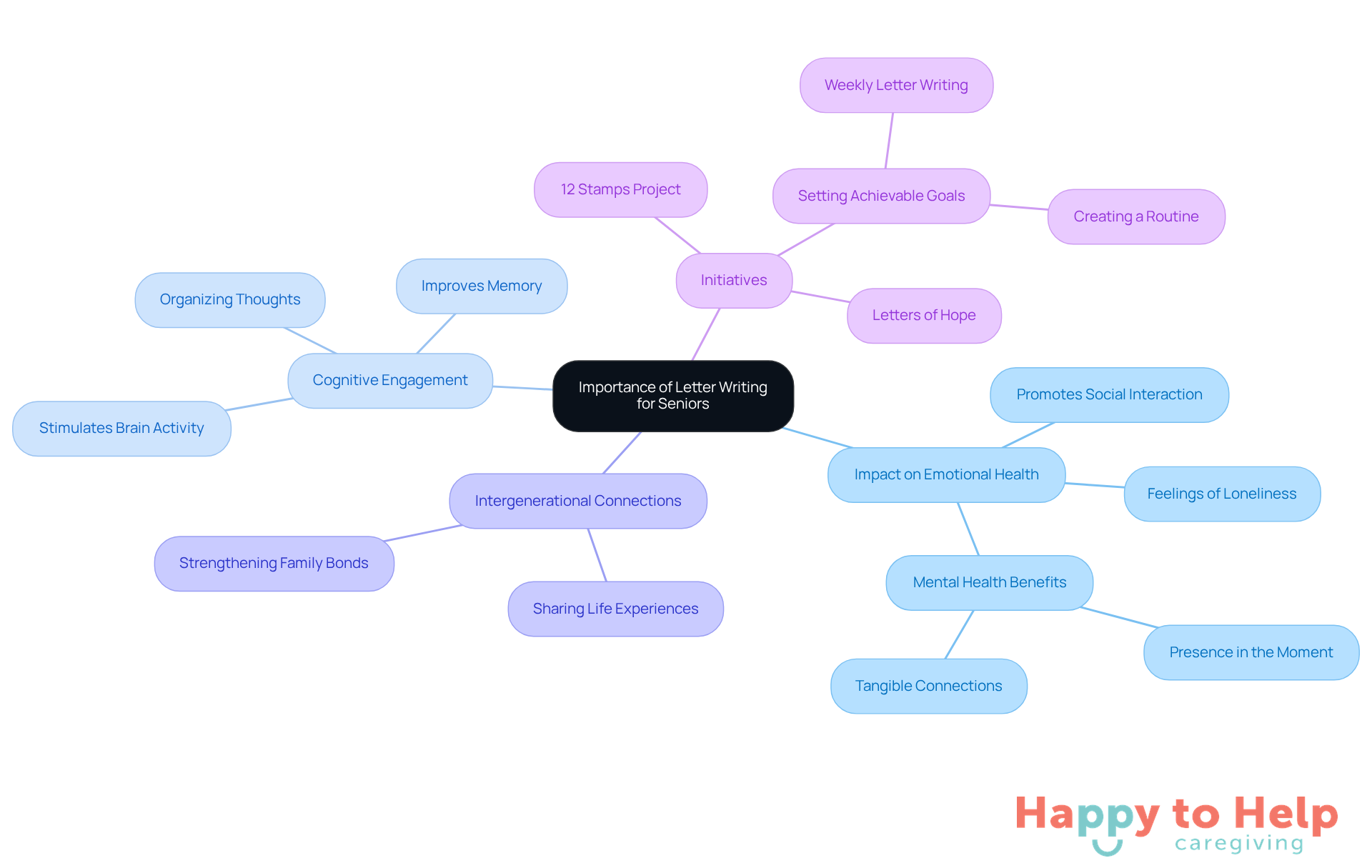
Isolation among older adults is a significant issue, impacting their emotional health and overall well-being. Studies indicate that many elderly individuals experience feelings of loneliness, which can lead to detrimental effects on their mental health. This problem is not just a personal struggle; it affects families and communities as well.
To combat this isolation, we can write letters to elderly as a powerful solution. Engaging in regular communication, especially when we write letters to elderly individuals, can greatly enhance feelings of connection and belonging, reminding older adults that they are valued and remembered. This simple act not only brightens their day but also promotes mental health by encouraging social interaction and cognitive engagement. In fact, participating in correspondence can invigorate the brain, helping to preserve cognitive abilities and counteract deterioration.
Moreover, to strengthen the connection between generations, we can write letters to elderly. Younger individuals can share their lives and experiences, which is particularly meaningful for older adults who may feel disconnected. By fostering these connections, caregivers can encourage elderly individuals to write letters to elderly, helping them establish a routine that combats isolation while enhancing cognitive acuity.
Statistics reveal that loneliness is a prevalent issue among the elderly, highlighting the importance of initiatives that encourage people to write letters to elderly. Initiatives like the 12 Stamps Project encourage sending handwritten notes, which not only promote literacy but also strengthen connections. Caregivers can support older adults by setting small, achievable goals, such as to write letters to elderly individuals each week, to help them develop a fulfilling correspondence habit.
As Abbie Williams aptly noted, "When you put pen to paper, you have to be present in that moment," underscoring the mental health benefits of this practice. By implementing these strategies, caregivers can play a crucial role in alleviating feelings of isolation among older adults.
Craft Your Letter: Structure and Content Tips
When caregivers write letters to elderly individuals, they often encounter the challenge of establishing a meaningful connection. Many seniors may feel isolated, and we can help bridge that gap if we write letters to elderly.
To address this, begin with a warm greeting, such as 'Dear [Name]' or 'Hello!' This sets a friendly tone. Next, introduce yourself briefly, sharing your name, age, and a few interests to establish a personal bond. Use simple, clear language and avoid jargon or overly complex sentences.
Incorporate positive and uplifting messages, such as sharing a funny story or a favorite memory. Personal anecdotes can make the message feel more intimate and relatable. As Jacob Cramer, creator of Love For Our Elders, highlights, handwritten notes nurture emotional bonds that digital communication frequently lacks.
Finally, close with a heartfelt sign-off, such as 'Warm wishes' or 'With love,' followed by your first name. This personal touch reinforces the connection you are trying to establish. Remember, as Ben Richardson pointed out, the simple act of writing letters to elderly individuals can bring joy and comfort to those who may feel isolated, making your message a meaningful gesture.
Personalize and Send Your Letter: Final Touches
Many seniors experience feelings of loneliness and disconnection, which can significantly improve if we write letters to elderly individuals to enhance their emotional well-being. Handwritten notes can serve as a simple yet effective solution to bridge this gap, especially when we write letters to elderly.
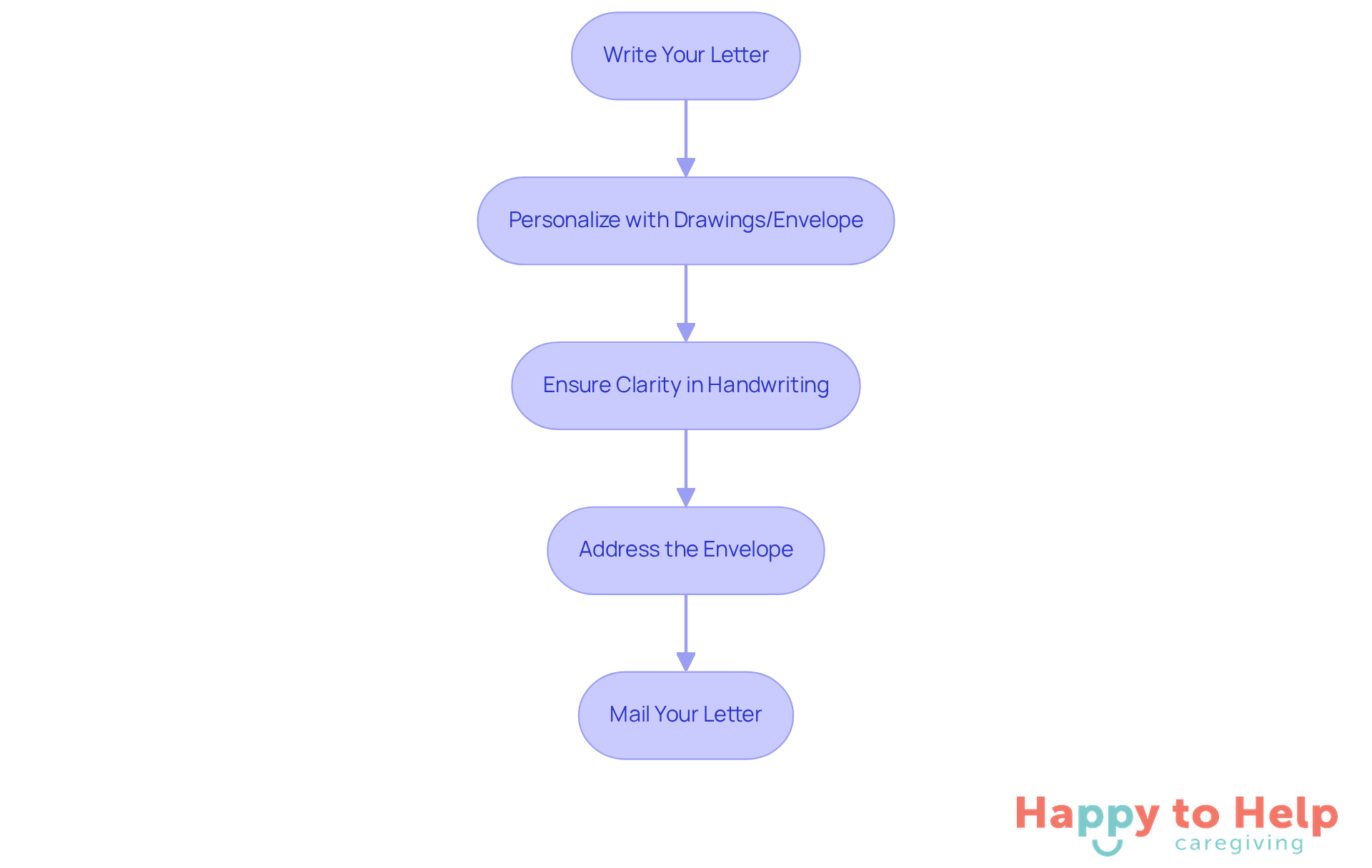
Studies show that composing messages not only brings joy but also fosters connections and offers a sense of achievement. A personal touch, like a small drawing or a colorful envelope, can make your message even more special. Handwritten notes are often valued more than typed ones, as they demonstrate true effort and care.
To ensure your message is well-received, make sure your handwriting is clear and legible. Using larger print can enhance readability. Once your message is complete, address the envelope clearly with the recipient's name and address. Including your return address is optional; many older individuals may not feel pressured to respond.
Finally, drop your message in the mail and take a moment to appreciate the joy you are about to bring to someone's day. Remember, when we write letters to elderly individuals, it can evoke fond memories and happiness, reminding seniors of the affection and bonds they cherish. As Jacob Cramer, founder of Love For Our Elders, remarked, "A note is tangible... It's just so special to open a card that's just for you."
Engaging in activities that involve writing letters to elderly individuals nurtures emotional bonds and enhances cognitive and fine motor abilities in older adults.
Explore Resources and Tools for Effective Letter Writing
Isolation among older adults is a significant issue that can lead to feelings of loneliness and disconnection. Many caregivers struggle to find effective ways to reach out and provide support. Fortunately, there are resources available to help bridge this gap by teaching people how to write letters to elderly individuals.
Websites like 'Love for Our Elders' and 'Letters Against Isolation' offer valuable guidelines and prompts to inspire your writing. These platforms not only motivate expression but also provide a structured approach to connecting with seniors. Consider using quality stationery that is easy to write on and visually appealing, as this can enhance the overall experience for both the writer and the recipient.
You might also explore letter-writing kits that include prompts, decorative materials, and envelopes, making the process even more engaging. Additionally, local community centers or senior care organizations often have programs that facilitate volunteers to write letters to elderly individuals, providing a meaningful way to connect with those in need. By utilizing these resources, you can enrich your letter-writing experience and ensure that your messages resonate with older adults.
Making the Right Choice
Writing letters to the elderly addresses a significant problem: loneliness. Many older adults experience feelings of isolation, which can severely impact their emotional health. This simple yet profound act of letter writing not only brightens their days but also reminds them that they are valued and remembered.
To combat this issue, caregivers can implement key strategies for crafting impactful letters. Understanding the emotional significance of letter writing is crucial. By structuring messages that resonate, caregivers can create uplifting correspondence that nurtures bonds between generations. Incorporating personal anecdotes, using clear language, and adding a personal touch can transform a simple letter into a cherished keepsake for elderly recipients.
Ultimately, writing letters to the elderly is more than just communication; it’s an invitation to connect, share, and uplift. By embracing this practice, individuals can significantly contribute to the well-being of older adults, fostering joy and companionship. In a world that is increasingly digital, the timeless nature of handwritten letters serves as a vital way to bridge generational gaps and enhance the lives of those who may feel forgotten.
Engaging in this meaningful endeavor enriches both the sender's and recipient's lives, creating a ripple effect of positivity within communities. Here are some actionable tips for caregivers:
- Personalize your letters: Share stories or memories that relate to the recipient.
- Use clear and simple language: Ensure your message is easily understood.
- Add a personal touch: Include drawings or photos to make the letter special.
By following these strategies, caregivers can effectively combat loneliness among the elderly, fostering deeper connections and enhancing emotional health.
https://iframe.tely.ai/cta/eyJhcnRpY2xlX2lkIjogIjY5NDBhMjMxM2RiOWY3ZmNiNDY0N2VjZiIsICJjb21wYW55X2lkIjogIjY4ZWU1ZGNhNzMxNzYyNTU3ZjNjOTVjMSIsICJpbmRleCI6IG51bGwsICJ0eXBlIjogImFydGljbGUifQ==Frequently Asked Questions
Why is letter writing important for seniors?
Letter writing is important for seniors as it helps combat feelings of isolation, enhances emotional health, promotes mental well-being, and fosters a sense of connection and belonging.
How does isolation affect older adults?
Isolation among older adults can lead to feelings of loneliness, which negatively impacts their emotional health and overall well-being, potentially resulting in detrimental effects on mental health.
What benefits does writing letters bring to elderly individuals?
Writing letters encourages social interaction and cognitive engagement, invigorates the brain, helps preserve cognitive abilities, and brightens the day of elderly individuals.
How can younger individuals contribute to reducing isolation among seniors?
Younger individuals can write letters to elderly individuals, sharing their lives and experiences, which can be particularly meaningful for seniors who may feel disconnected from the younger generation.
What initiatives encourage letter writing to the elderly?
Initiatives like the 12 Stamps Project promote sending handwritten notes, which help enhance literacy and strengthen connections between generations.
How can caregivers support older adults in letter writing?
Caregivers can support older adults by setting small, achievable goals, such as encouraging them to write letters each week, helping them develop a fulfilling correspondence habit.
What is a notable quote related to the practice of letter writing?
Abbie Williams noted, 'When you put pen to paper, you have to be present in that moment,' highlighting the mental health benefits of writing letters.
List of Sources
- Understand the Importance of Letter Writing for Seniors
- Advocates working to revive 'dying art' of writing letters and improve human connections (https://abc.net.au/news/2023-01-02/letter-writing-helping-mental-health-and-find-human-connections/101814534)
- Benefits of Letter Writing for Seniors (https://seniorhelpers.com/nc/winston-greensboro/resources/news-and-blog/2024-07-27)
- Words to the wise – USPS Employee News (https://news.usps.com/2021/04/15/words-to-the-wise)
- Craft Your Letter: Structure and Content Tips
- The gift of connection: Local nonprofit encourages people to write letters to isolated senior citizens (https://news5cleveland.com/news/local-news/the-gift-of-connection-local-nonprofit-encourages-people-to-write-letters-to-isolated-senior-citizens)
- May 13, 2025: How letters bring love to seniors facing loneliness; Finding care for 'The Invisible Patient' | Colorado Public Radio (https://cpr.org/show-episode/may-13-2025-how-letters-bring-love-to-seniors-facing-loneliness-finding-care-for-the-invisible-patient)
- Nonprofit collecting handwritten letters to help seniors cope with isolation (https://abc15.com/news/uplifting-arizona/nonprofit-collecting-handwritten-letters-to-help-seniors-cope-with-isolation)
- 'Letters With Love' aims to brighten senior citizen's days (https://wmar2news.com/letters-with-love-aims-to-brighten-senior-citizens-days)
- Personalize and Send Your Letter: Final Touches
- Handwriting in healthy people aged 65 years and over - PubMed (https://pubmed.ncbi.nlm.nih.gov/21770963)
- Powerful letter writing campaign sends joy to seniors staying at home (https://nbcnews.com/nightly-news/video/powerful-letter-writing-campaign-sends-joy-to-seniors-staying-at-home-86687813964)
- 5 Benefits of Writing Letters by Hand as a Senior (https://seniorhelpers.com/fl/polk-county/resources/blogs/5-benefits-of-writing-letters-by-hand-as-an-older-person)
- Nonprofit collecting handwritten letters to help seniors cope with isolation (https://abc15.com/news/uplifting-arizona/nonprofit-collecting-handwritten-letters-to-help-seniors-cope-with-isolation)
- Explore Resources and Tools for Effective Letter Writing
- Letters — Love For Our Elders (https://loveforourelders.org/letters)
- Showing Love for Our Elders One Letter at a Time (https://aarp.org/family-relationships/letters-elders)
- WRITE TO THOSE IN NEED — Write_On (https://writeoncampaign.com/write-to-those-in-need)
- Volunteer from Home: Write Friendly Letters to Seniors! (https://lettersagainstisolation.com)
- "Dear Friend" Pen Pal Project — Aging Well Whatcom (https://agingwellwhatcom.org/pen-pal-project)