

For families in our service areas
For families in our service areas, this guide explains caregiver support and how non-medical in-home caregiving can support care planning in East Idaho, Treasure Valley & Magic Valley, Northern Wasatch, North Central West Virginia, and Northeast Ohio.
What You Need to Know About Manage Chronic Fatigue: Essential
Chronic fatigue syndrome (CFS) is a debilitating condition that affects millions, leaving both patients and caregivers grappling with its profound impact on daily life. For caregivers, understanding and managing the complexities of CFS is crucial. It can significantly enhance the quality of care they provide, transforming the lives of those they support.
However, the challenge lies in navigating the fine line between offering assistance and ensuring their own well-being. Caregivers often face the dilemma of how to support individuals with chronic fatigue while safeguarding their own mental and physical health. This situation can lead to burnout, stress, and a decline in the caregiver's health.
What essential strategies can caregivers employ to effectively support individuals with chronic fatigue? By implementing practical solutions, caregivers can create a balanced approach that benefits both themselves and those they care for.
Understand Chronic Fatigue and Its Impact
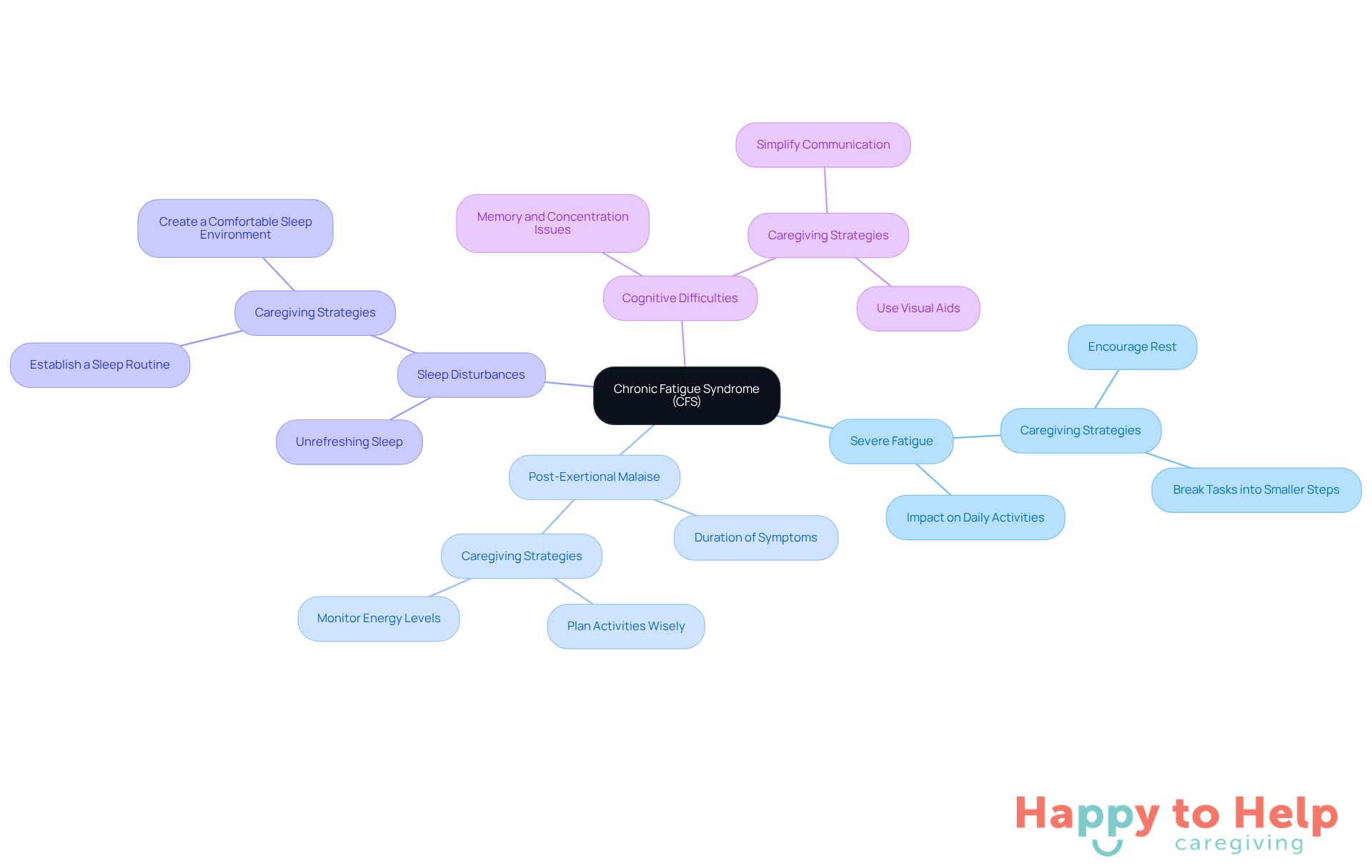
Chronic fatigue syndrome (CFS) presents a significant challenge characterized by debilitating tiredness that persists despite rest and often worsens with physical or mental exertion. Caregivers must recognize that individuals with CFS may face a variety of symptoms, including:
- Severe fatigue: This persistent tiredness significantly restricts daily activities, making even simple tasks feel overwhelming.
- Post-exertional malaise: Many individuals experience a notable decline in their condition following physical or mental exertion, which can last for days.
- Sleep disturbances: Difficulty in both falling and staying asleep often leads to unrefreshing sleep, exacerbating fatigue.
- Cognitive difficulties: Clients may struggle with memory, concentration, and processing information, impacting their ability to engage in conversations or follow through with tasks.
Understanding these symptoms is crucial for those providing support, as it fosters empathy and enables personalized care strategies. For instance, recognizing signs of post-exertional malaise allows caregivers to schedule activities that align with the client's energy levels, thereby enhancing their quality of life.
Recent studies indicate that CFS affects approximately 1 million to 4 million people in the United States, significantly impacting daily functioning. Caregivers play a vital role in supporting clients through these challenges, often adapting their approaches based on the unique needs of each individual.
Healthcare professionals emphasize the importance of understanding CFS's effects on both patients and their supporters. Dr. Nancy Klimas notes that the disability levels experienced by CFS patients can be comparable to those of individuals with late-stage AIDS, underscoring the profound effects on daily living. Furthermore, Dr. William Reeves indicates that CFS patients face disability levels similar to those with chronic obstructive pulmonary or cardiac illness. This highlights the necessity for caregivers to remain alert and responsive to their clients' changing conditions, ensuring they provide compassionate and effective assistance.
Implement Daily Management Strategies
For caregivers, understanding how to manage chronic fatigue can be a significant challenge. Individuals with Chronic Fatigue Syndrome (CFS) often struggle with how to manage chronic fatigue, leading to frustration and a decreased quality of life. Caregivers play a crucial role in supporting these individuals, and implementing effective daily strategies can make a substantial difference.
-
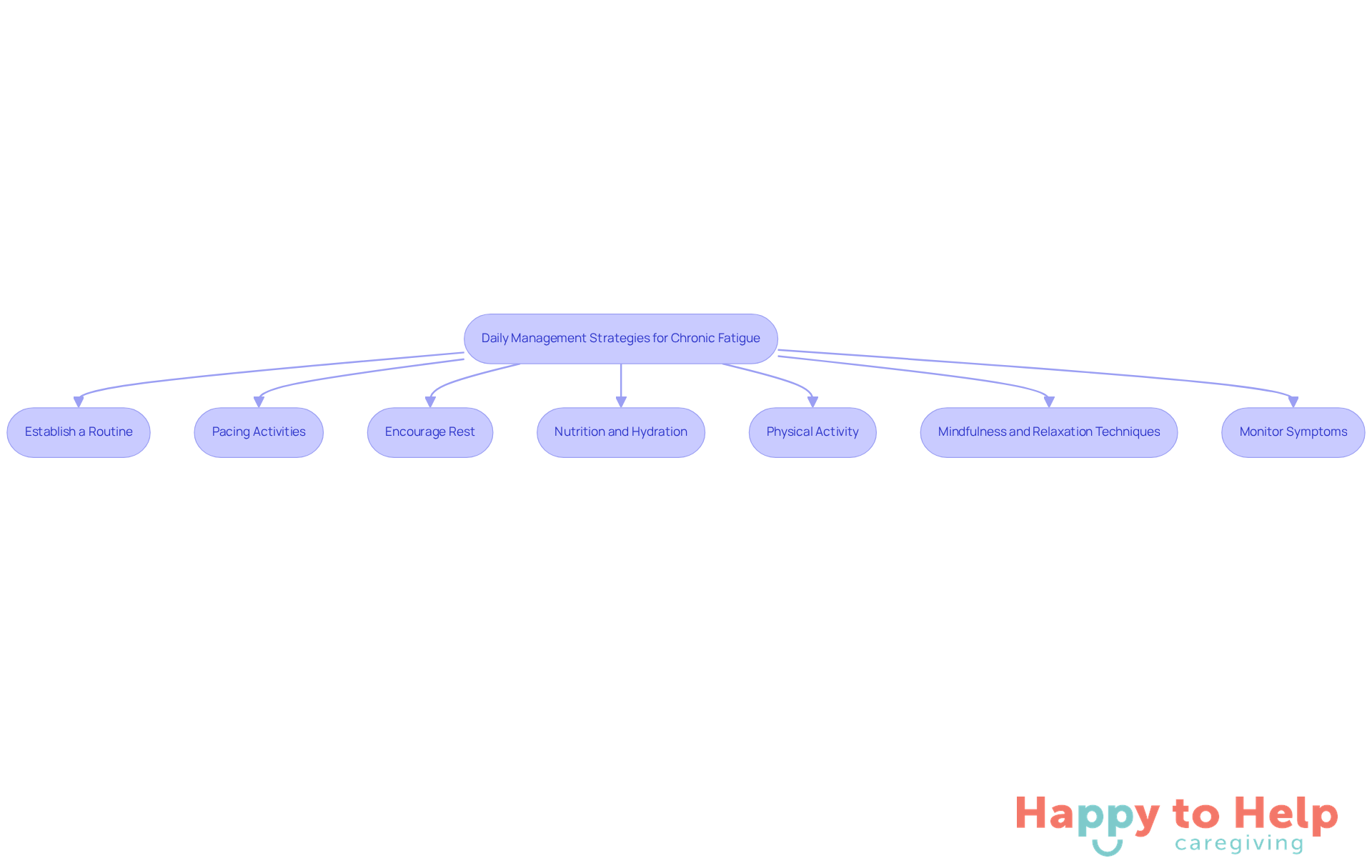
Establish a Routine: Creating a daily schedule that includes regular times for meals, rest, and activities is essential. Consistency helps individuals with CFS learn how to manage chronic fatigue and their energy levels better.
-
Pacing Activities: Encourage clients to break tasks into smaller, manageable segments. For instance, rather than cleaning the entire house at once, focus on one room at a time, allowing for rest breaks in between.
-
Encourage Rest: Promote the importance of rest periods throughout the day. Short naps or quiet time can help recharge energy levels, making a significant impact on overall well-being.
-
Nutrition and Hydration: Ensure that clients maintain a balanced diet rich in fruits, vegetables, whole grains, and lean proteins. Staying hydrated is equally crucial, as dehydration can worsen tiredness.
-
Physical Activity: Introduce light physical activities, such as stretching or short walks, tailored to the individual's capabilities. Gradual increases in activity can help improve stamina over time.
-
Mindfulness and Relaxation Techniques: Incorporate practices such as deep breathing, meditation, or gentle yoga to help reduce stress and promote relaxation.
-
Monitor Symptoms: Keeping a daily log of symptoms and activities can help identify patterns and triggers. This practice assists in modifying treatment plans and managing expectations.
By applying these strategies, caregivers can create a nurturing atmosphere that promotes independence and enhances the overall well-being of individuals who are learning how to manage chronic fatigue.
Recognize Signs of Caregiver Burnout
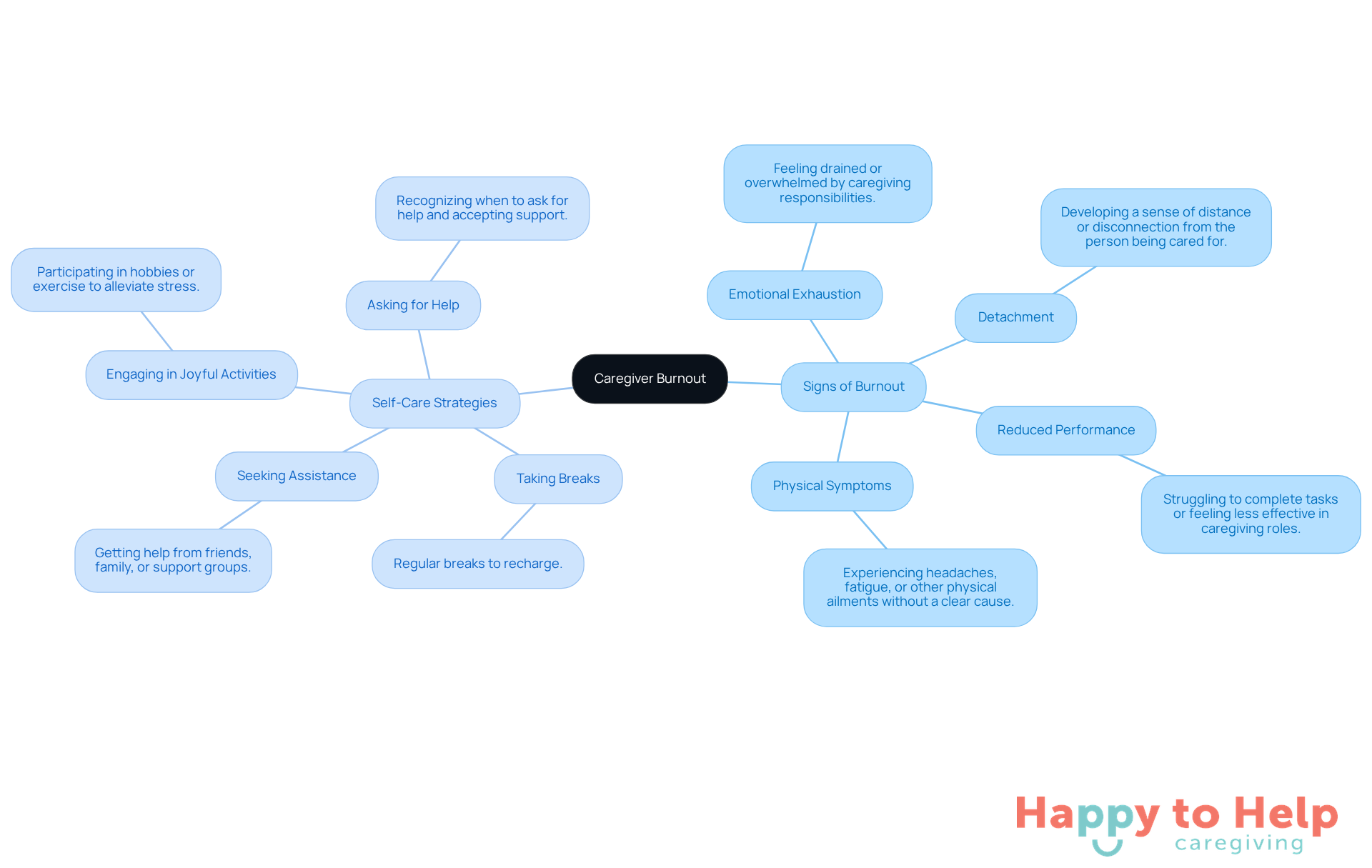
Caregiver burnout is a pressing issue that can significantly impact the quality of care provided. Emotional exhaustion, detachment, reduced performance, and physical symptoms are key signs to watch for:
- Emotional exhaustion: Feeling drained or overwhelmed by caregiving responsibilities.
- Detachment: Developing a sense of distance or disconnection from the person being cared for.
- Reduced performance: Struggling to complete tasks or feeling less effective in caregiving roles.
- Physical symptoms: Experiencing headaches, fatigue, or other physical ailments without a clear cause.
Research highlights the severity of this issue; approximately 50% of 1,001 adult participants reported heightened emotional stress in a 2023 AARP survey. This statistic emphasizes that nearly half of those providing care experience increased anxiety and depression, significantly more than those not in caregiving roles. Such emotional fatigue not only affects caregivers' health but also the quality of assistance they deliver. For instance, individuals assisting family members with chronic conditions often express feeling overwhelmed, leading to neglect of their own health needs.
To combat burnout, caregivers should prioritize self-care by:
- Taking regular breaks to recharge.
- Seeking assistance from friends, family, or support groups, which can foster a sense of community and shared experience.
- Engaging in activities that bring joy and relaxation, such as hobbies or exercise, to help alleviate stress.
- Remembering to ask for help when needed and accepting support.
Identifying these signs early allows caregivers to take proactive measures to maintain their well-being, ensuring they can continue to provide compassionate and effective support. Additionally, those in the 'sandwich generation' - balancing support with other responsibilities - should be particularly vigilant about their own needs.
Utilize Support Resources
Caregivers often face significant emotional and physical challenges, which can take a toll on their well-being. It's crucial for them to actively seek out assistance resources that can help alleviate this burden. Here are some key options:
-
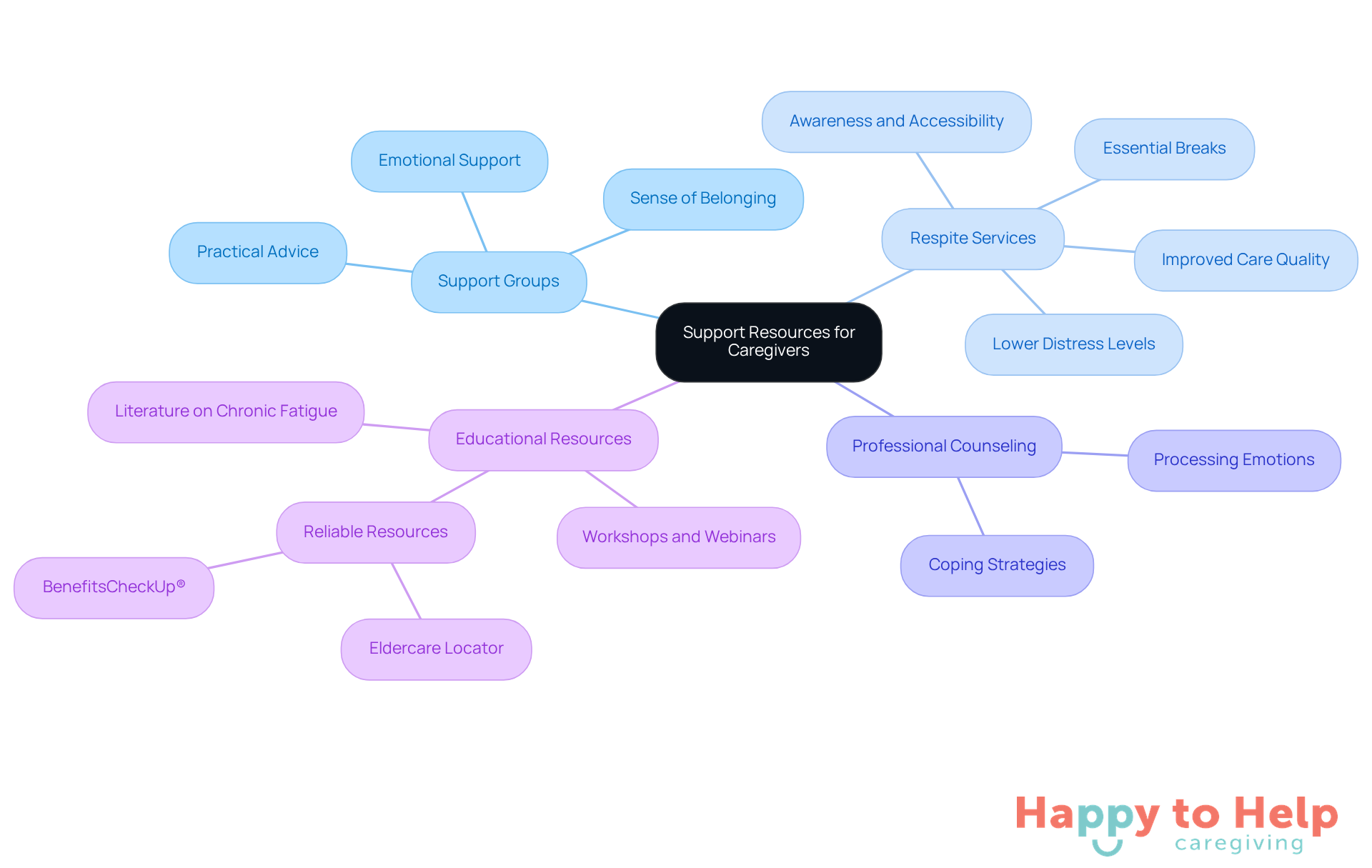
Support Groups: Engaging in local or online support groups provides caregivers with emotional support and practical advice from peers who understand their struggles. These communities foster a sense of belonging and understanding, which is vital for mental well-being.
-
Respite Services: Utilizing respite services allows caregivers to take essential breaks, helping them recharge. Research shows that those who use respite services experience lower levels of distress and improved overall health. This temporary relief not only benefits the caregiver but also enhances the quality of care provided to their loved ones. Notably, over a third of family supporters express a desire for such services, yet only a small portion actually access them, highlighting the need for greater awareness and availability of respite options.
-
Professional Counseling: Consulting with a mental health expert can help caregivers process their emotions and develop effective coping strategies. This support is crucial for managing the stress that comes with caregiving responsibilities.
Accessing educational resources such as workshops, webinars, or literature focused on how to manage chronic fatigue can enhance caregivers' knowledge and skills. Reliable resources like the Eldercare Locator and BenefitsCheckUp® offer valuable information and assistance. Staying informed about best practices empowers caregivers to manage their responsibilities more effectively.
By utilizing these resources, caregivers can boost their resilience and efficiency, ultimately benefiting both themselves and those they assist. The economic contribution of family supporters is substantial, valued at approximately $600 billion in 2021, underscoring the importance of supporting them through services like respite support. As Susan Reinhard states, "Respite Services: A Critical Support for Family Caregivers," emphasizing the necessity of these services for caregiver well-being.
Making the Right Choice
Understanding and managing chronic fatigue syndrome (CFS) presents a significant challenge for caregivers dedicated to improving the quality of life for those they support. The profound impact of CFS on daily functioning can leave caregivers feeling overwhelmed, as they strive to provide the tailored assistance necessary to address the unique challenges faced by individuals suffering from this condition.
To effectively navigate these challenges, caregivers can implement several critical strategies:
- Establishing routines
- Pacing activities
- Encouraging rest
- Utilizing support resources
These essential techniques can foster an environment promoting well-being and independence. Additionally, caregivers must remain vigilant about their own mental and physical health to prevent burnout, ensuring they can continue to provide the best care possible.
In conclusion, the role of caregivers is invaluable, and their well-being directly influences the quality of care they provide. By prioritizing self-care, seeking support, and employing effective strategies, caregivers can navigate the complexities of chronic fatigue syndrome more effectively. Embracing these practices not only benefits the individuals they care for but also reinforces the importance of community and compassion in the caregiving journey.
https://iframe.tely.ai/cta/eyJhcnRpY2xlX2lkIjogIjY5MjEwYWI2OTg5YzVhYjIyMzRhZTU0NyIsICJjb21wYW55X2lkIjogIjY4ZWU1ZGNhNzMxNzYyNTU3ZjNjOTVjMSIsICJpbmRleCI6IG51bGwsICJ0eXBlIjogImFydGljbGUifQ==Frequently Asked Questions
What is chronic fatigue syndrome (CFS)?
Chronic fatigue syndrome (CFS) is a condition characterized by debilitating tiredness that persists despite rest and often worsens with physical or mental exertion.
What are the main symptoms of CFS?
The main symptoms of CFS include severe fatigue, post-exertional malaise, sleep disturbances, and cognitive difficulties such as problems with memory and concentration.
How does severe fatigue affect daily activities for individuals with CFS?
Severe fatigue significantly restricts daily activities, making even simple tasks feel overwhelming for individuals with CFS.
What is post-exertional malaise?
Post-exertional malaise is a notable decline in condition that many individuals with CFS experience following physical or mental exertion, which can last for days.
How do sleep disturbances impact individuals with CFS?
Sleep disturbances, including difficulty falling and staying asleep, often lead to unrefreshing sleep, which exacerbates feelings of fatigue in individuals with CFS.
Why is it important for caregivers to understand the symptoms of CFS?
Understanding the symptoms of CFS is crucial for caregivers as it fosters empathy and enables them to develop personalized care strategies that enhance the quality of life for individuals with the condition.
How many people are affected by CFS in the United States?
Recent studies indicate that CFS affects approximately 1 million to 4 million people in the United States.
What do healthcare professionals say about the disability levels of CFS patients?
Healthcare professionals like Dr. Nancy Klimas and Dr. William Reeves note that the disability levels experienced by CFS patients can be comparable to those of individuals with late-stage AIDS or chronic obstructive pulmonary or cardiac illness.
What role do caregivers play in supporting individuals with CFS?
Caregivers play a vital role in supporting individuals with CFS by adapting their approaches based on the unique needs of each client and remaining alert to changes in their condition.
List of Sources
- Understand Chronic Fatigue and Its Impact
- Individual quotes (https://me-pedia.org/wiki/Individual\_quotes)
- M E Cfs Quotes (33 quotes) (https://goodreads.com/quotes/tag/m-e-cfs)
- Quotes (https://thoughtsaboutme.com/quotes)
- Burden of Disease in Myalgic Encephalomyelitis/Chronic Fatigue Syndrome (ME/CFS): A Scoping Review - Applied Health Economics and Health Policy (https://link.springer.com/article/10.1007/s40258-025-01006-2)
- Overactive immune responses in ME/CFS (https://nih.gov/news-events/nih-research-matters/overactive-immune-responses-mecfs)
- Recognize Signs of Caregiver Burnout
- Caregiver Burnout and Strategies to Help (https://health.usnews.com/senior-care/articles/caregiver-burnout-and-strategies-to-help)
- 'I don't know where to start.' Parents and caregivers are burned out. Who's most at risk? (https://usatoday.com/story/money/2025/04/04/parents-caregivers-burnt-out-help/82695959007)
- 2023 Study — Caregiving in America, Statistics on Family Caregivers and Beyond | Guardian (https://guardianlife.com/reports/caregiving-in-america)
- New Report Reveals Crisis Point for America’s 63 million Family Caregivers (https://press.aarp.org/2025-07-24-New-Report-Reveals-Crisis-Point-for-Americas-63-million-Family-Caregivers)
- Prevalence of depression, anxiety, burden, burnout, and stress in informal caregivers: An umbrella review of meta-analyses (https://sciencedirect.com/science/article/pii/S2950307825000785)
- Utilize Support Resources
- Support for the Caregivers of Older Adults (https://ncoa.org/caregivers/benefits/caregiver-support)
- Respite Services: A Critical Support for Family Caregivers (https://ltsschoices.aarp.org/resources-and-practices/respite-services-critical-support-for-family-caregivers)
- National Family Caregivers Month 2025 | Plug-in to Care Hub (https://caregiveraction.org/nfc2025)
- It’s Time to Care for Caregivers: Senator Markey Announces Comprehensive Family Caregiving Legislative Agenda | U.S. Senator Ed Markey of Massachusetts (https://markey.senate.gov/news/press-releases/11/20/2025/its-time-to-care-for-caregivers-senator-markey-announces-comprehensive-family-caregiving-legislative-agenda)
- Caregivers and the Importance of Respite Care (https://benedictineliving.org/resources/news/caregivers-and-the-importance-of-respite-care)