

For families in our service areas
For families in our service areas, this guide explains caregiver support and how non-medical in-home caregiving can support care planning in East Idaho, Treasure Valley & Magic Valley, Northern Wasatch, North Central West Virginia, and Northeast Ohio.
The Importance of Manage Extreme Fatigue in Elderly
Extreme fatigue is a significant issue that affects many elderly individuals, often serving as a silent indicator of underlying health concerns. This fatigue can stem from various factors, including chronic illnesses and nutritional deficiencies. Caregivers face the challenge of identifying these multifaceted causes and implementing effective strategies to enhance their patients' quality of life.
Recognizing the symptoms of extreme fatigue is crucial. Caregivers must be vigilant, as this fatigue can lead to decreased emotional and social well-being. How can caregivers effectively address this issue? By establishing routines that not only alleviate fatigue but also promote overall health.
This article explores essential strategies for caregivers to combat extreme fatigue in elderly patients. By understanding the problem, acknowledging its implications, and applying practical solutions, caregivers can significantly improve health outcomes and foster a more vibrant life for seniors.
Identify Causes of Extreme Fatigue in Elderly Patients
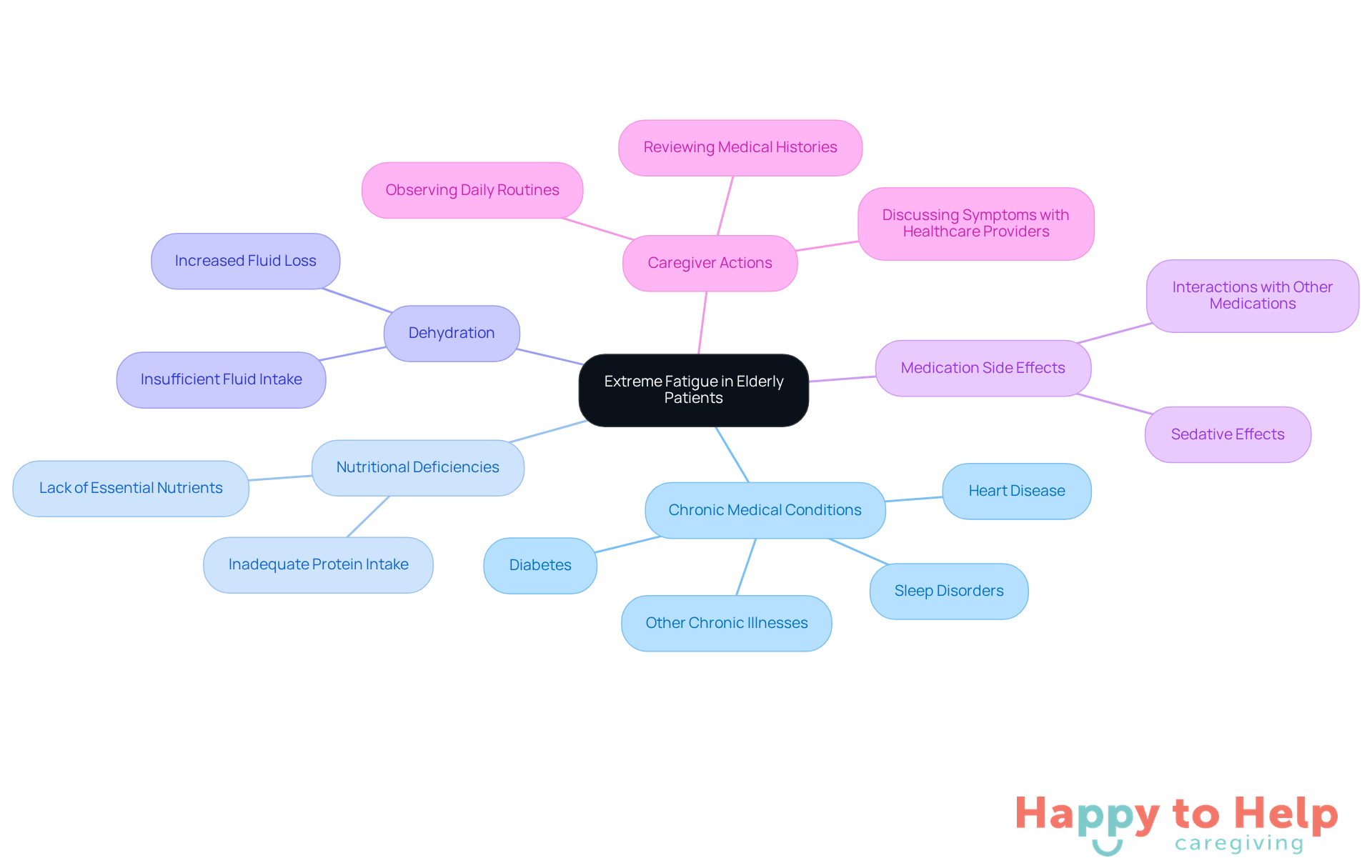
Extreme fatigue in elderly patients is a significant issue, often stemming from a complex interplay of chronic medical conditions like heart disease, diabetes, and sleep disorders. Research indicates that approximately 40% to 74% of older adults with chronic illnesses experience extreme fatigue, highlighting the prevalence of this challenge in geriatric care.
Nutritional deficiencies, dehydration, and medication side effects can exacerbate extreme fatigue, further diminishing energy levels. Caregivers are essential in identifying these contributing factors through comprehensive assessments. This may involve:
- Reviewing medical histories
- Discussing symptoms with healthcare providers
- Observing daily routines
For example, caregivers might notice that an individual feels more fatigued after taking certain medications or when hydration levels drop.
Dr. Ardeshir Hashmi emphasizes, "Fatigue is an alarm signal that something is wrong with the body but it’s rarely one thing. Usually, several things need to be addressed." Understanding these underlying causes enables caregivers to advocate effectively for necessary medical evaluations and adjustments to care strategies. This ensures that older individuals receive the support they need to manage their fatigue effectively.
If there is extreme fatigue that persists or is accompanied by concerning symptoms, caregivers should encourage older adults to consult a doctor. By taking these proactive steps, caregivers can significantly improve the quality of life for the elderly in their care.
Recognize Symptoms and Know When to Seek Help
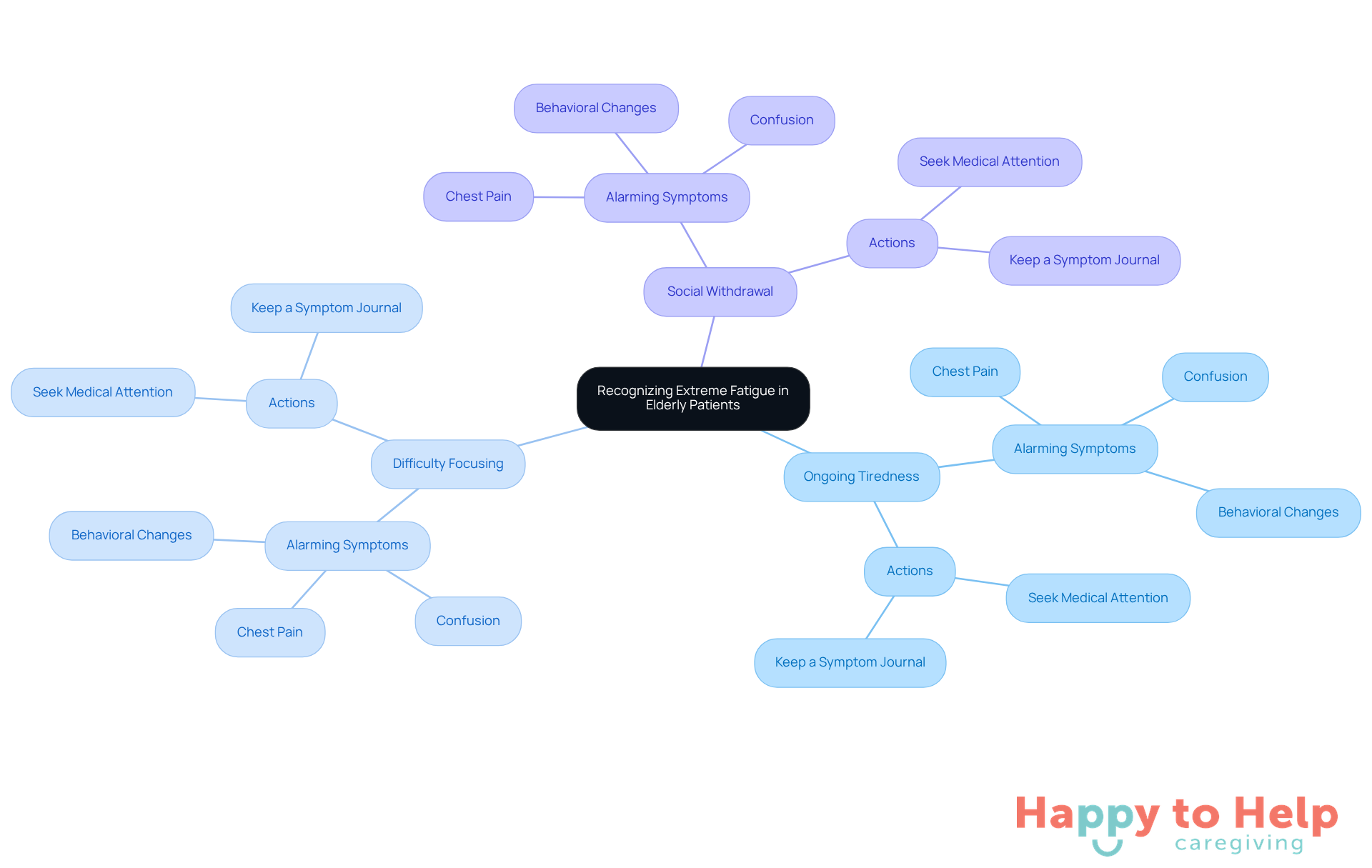
Caregivers face a significant challenge when it comes to recognizing extreme fatigue in elderly patients. This exhaustion, often seen as extreme fatigue in elderly patients, can manifest as ongoing tiredness, difficulty focusing, and social withdrawal. It's crucial for caregivers to stay alert to these signs, as they may indicate underlying health issues.
If extreme fatigue in elderly patients is present along with alarming symptoms such as chest pain, confusion, or notable behavioral changes, seeking medical attention promptly is essential. Dr. Christian Sinclair emphasizes that extreme fatigue in elderly patients should be viewed as a critical indicator that something may be wrong with the body.
To effectively manage this issue, caregivers can keep a symptom journal. This tool allows them to document variations and trends in tiredness. For instance, if a patient shows increased tiredness alongside confusion, it may necessitate immediate medical evaluation to rule out serious conditions like infections or adverse medication interactions.
Research shows that approximately 42.6% of older adults experience extreme fatigue in elderly patients, highlighting the prevalence of this concern. Healthcare professionals stress that timely identification of these symptoms can significantly impact treatment outcomes. Therefore, caregivers must be proactive in their observations and interventions.
Case studies, such as Linda C. Johnson's experience with exhaustion related to lung cancer, further underscore the importance of caregiver awareness and prompt action.
Implement Daily Routines to Alleviate Fatigue
Creating a regular daily schedule is crucial for reducing tiredness in older individuals. Caregivers face the challenge of managing extreme fatigue in elderly patients, which can significantly impact their quality of life. Research shows that 40% to 74% of older adults with chronic conditions experience extreme fatigue in elderly patients, making it essential to address this issue effectively.
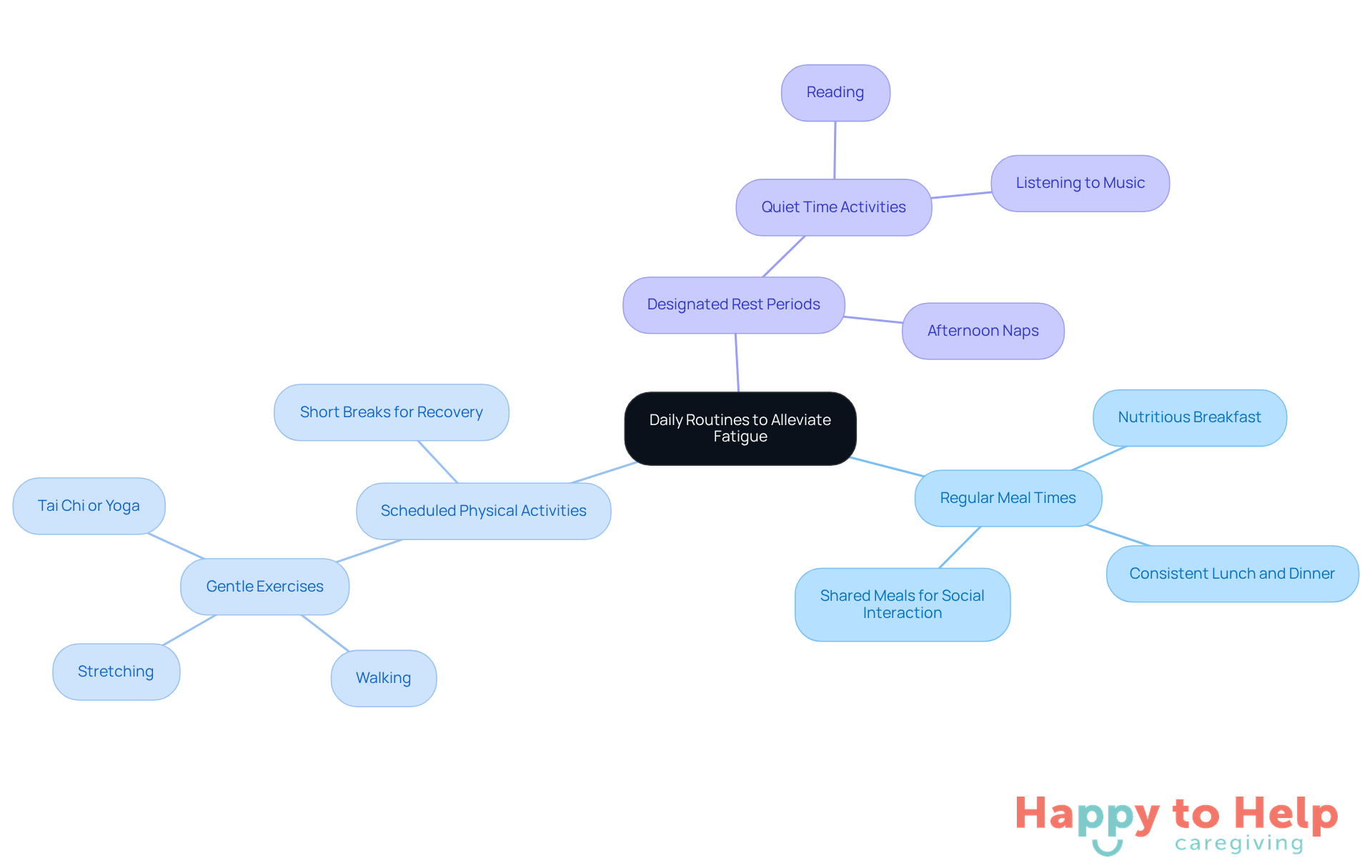
To combat tiredness, caregivers should prioritize:
- Regular meal times
- Scheduled physical activities
- Designated rest periods within the daily routine
Incorporating gentle exercises, such as walking or stretching, can significantly boost energy levels and enhance overall health. For instance, planning morning walks followed by a nutritious breakfast ensures that seniors benefit from both adequate nutrition and physical activity.
Additionally, promoting brief breaks throughout the day can help avoid extreme fatigue in elderly patients. These pauses facilitate recovery and rejuvenation, allowing seniors to recharge. Maintaining an exhaustion journal can also be beneficial, enabling caregivers to monitor energy levels and make necessary adjustments to schedules.
Fixed meal times not only support nutritional needs but also reduce uncertainty, helping seniors know what to expect throughout the day. As caregivers have observed, routines offer emotional stability and reassurance, nurturing a sense of security that improves the quality of life for senior individuals. By applying these strategies, caregivers can establish a balanced routine that promotes independence and enhances the overall well-being of older adults.
Enhance Emotional and Social Support for Patients
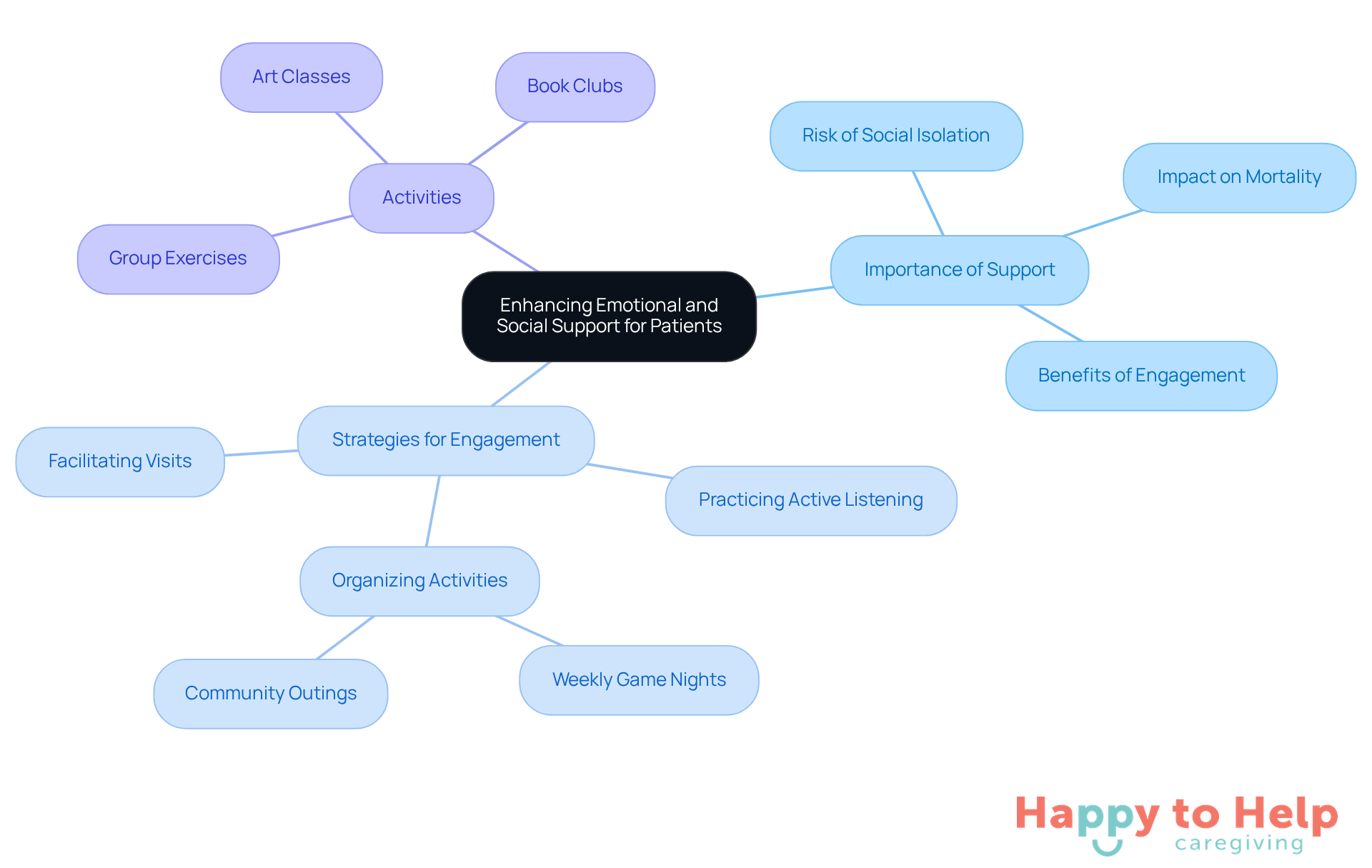
Emotional and social support is crucial in managing fatigue among older individuals. Social isolation poses a significant problem, as research indicates that socially isolated older adults face a 29 percent increased risk of early mortality-comparable to risks associated with smoking, obesity, and air pollution. This alarming statistic underscores the need for caregivers to take action.
To combat this issue, caregivers should promote social interactions by facilitating visits with family and friends or involving individuals in community activities. Activities such as:
- Group exercises
- Art classes
- Book clubs
can provide both social engagement and mental stimulation. Implementing strategies like organizing weekly game nights or community outings can strengthen relationships and foster a sense of belonging.
Furthermore, practicing active listening and acknowledging individuals' feelings can significantly enhance their emotional well-being, making them feel understood and supported. It's essential to consider individualized intervention strategies to address fatigue, alongside the importance of restful sleep for overall health. By prioritizing these social engagement activities, caregivers can effectively reduce feelings of isolation and greatly improve the overall quality of life for their patients.
Key Takeaways for Caregivers
Addressing extreme fatigue in elderly patients presents a significant challenge for caregivers. This issue not only affects the physical health of older adults but also impacts their emotional well-being and quality of life. Caregivers must recognize that fatigue can stem from various underlying health conditions, medication side effects, and social isolation, making it crucial to adopt a comprehensive approach.
To effectively tackle this problem, caregivers should implement several key strategies:
- Identifying and managing underlying health conditions is essential.
- Regular communication with healthcare providers can help monitor medication side effects that may contribute to fatigue.
- Creating structured daily routines that prioritize nutrition, physical activity, and rest can significantly enhance the well-being of elderly patients.
- Fostering social connections is vital in combating feelings of isolation.
- Encouraging participation in community activities or simply maintaining regular contact with family and friends can provide emotional support and improve overall morale.
These actions not only alleviate fatigue but also promote a sense of security and emotional health.
Ultimately, caregivers play a crucial role in advocating for the elderly. By remaining vigilant and proactive, they can ensure that older adults receive the necessary medical attention and support. This commitment can profoundly impact their lives, enhancing their quality of life and enabling them to navigate the challenges of aging with dignity and resilience.
https://iframe.tely.ai/cta/eyJhcnRpY2xlX2lkIjogIjY5NDBhMjNhM2RiOWY3ZmNiNDY0N2VkOCIsICJjb21wYW55X2lkIjogIjY4ZWU1ZGNhNzMxNzYyNTU3ZjNjOTVjMSIsICJpbmRleCI6IG51bGwsICJ0eXBlIjogImFydGljbGUifQ==Frequently Asked Questions
What are common causes of extreme fatigue in elderly patients?
Extreme fatigue in elderly patients often results from a combination of chronic medical conditions such as heart disease, diabetes, and sleep disorders. Nutritional deficiencies, dehydration, and medication side effects can also contribute to this issue.
How prevalent is extreme fatigue among older adults with chronic illnesses?
Research indicates that approximately 40% to 74% of older adults with chronic illnesses experience extreme fatigue, highlighting its prevalence in geriatric care.
What role do caregivers play in addressing extreme fatigue in elderly patients?
Caregivers are essential in identifying contributing factors to extreme fatigue through comprehensive assessments, which may include reviewing medical histories, discussing symptoms with healthcare providers, and observing daily routines.
What specific observations might caregivers make regarding fatigue?
Caregivers might notice that an individual feels more fatigued after taking certain medications or when their hydration levels drop.
What should caregivers do if extreme fatigue persists in elderly patients?
If extreme fatigue persists or is accompanied by concerning symptoms, caregivers should encourage older adults to consult a doctor for further evaluation and care adjustments.
Why is it important to understand the underlying causes of fatigue in elderly patients?
Understanding the underlying causes enables caregivers to advocate effectively for necessary medical evaluations and adjustments to care strategies, ensuring that older individuals receive the support they need to manage their fatigue.
List of Sources
- Identify Causes of Extreme Fatigue in Elderly Patients
- Fatigue Is Common Among Older Adults, and It Has Many Possible Causes - KFF Health News (https://kffhealthnews.org/news/article/fatigue-management-elderly-health-navigating-aging)
- Fatigue is common among older adults, and it has many possible causes • Oregon Capital Chronicle (https://oregoncapitalchronicle.com/2023/04/17/fatigue-is-common-among-older-adults-and-it-has-many-possible-causes)
- Why do older adults feel tired? (https://healthline.com/health/medicare/what-causes-sudden-extreme-fatigue-in-elderly)
- Prevalence of fatigue and perceived fatigability in older adults: a systematic review and meta-analysis - Scientific Reports (https://nature.com/articles/s41598-025-88961-x)
- Fatigue, Function, and Mortality in Older Adults (https://academic.oup.com/biomedgerontology/article/65A/8/887/571355)
- Recognize Symptoms and Know When to Seek Help
- Fatigue Is Common Among Older Adults, and It Has Many Possible Causes - KFF Health News (https://kffhealthnews.org/news/article/fatigue-management-elderly-health-navigating-aging)
- News: Fatigue is common among older people.... (The Washington Post) - Behind the headlines - NLM (https://ncbi.nlm.nih.gov/search/research-news/18600)
- Treating Fatigue is Key to Maximizing Health as You Age (https://kansashealthsystem.com/news-room/blog/2023/09/treating-fatigue-is-key-to-maximizing-health-as-you-age)
- Feeling tired in older age (https://medicalnewstoday.com/articles/what-causes-sudden-extreme-fatigue-in-elderly)
- Implement Daily Routines to Alleviate Fatigue
- Fatigue Is Common Among Older Adults, and It Has Many Possible Causes - KFF Health News (https://kffhealthnews.org/news/article/fatigue-management-elderly-health-navigating-aging)
- CaringBridge (https://caringbridge.org/resources/inspirational-quotes-on-caregiving)
- Daily Routine for Seniors: Improving Health and Well-Being (https://orangevalley.sg/how-a-daily-routine-for-seniors-can-improve-their-well-being)
- 25+ Inspirational Quotes for Caregivers (https://caringseniorservice.com/blog/quotes-for-caregiver-inspiration)
- Enhance Emotional and Social Support for Patients
- Social engagement helps older adults feel younger, live longer: study (https://mcknightsseniorliving.com/news/social-engagement-helps-older-adults-feel-younger-live-longer-study)
- Top Health Resolutions for Seniors: Goals to Help You Thrive in 2025 | Aviva Senior Living (https://avivaseniorlife.org/news/health-resolutions-for-seniors-2025)
- Prevalence of fatigue and perceived fatigability in older adults: a systematic review and meta-analysis - Scientific Reports (https://nature.com/articles/s41598-025-88961-x)
- USAging (https://usaging.org/socialengagement)
- New 2025 Summer Guide Empowers Seniors to Stay Independent as Mobility Equipment Innovation Surges Nationwide (https://cbs42.com/business/press-releases/ein-presswire/827097148/new-2025-summer-guide-empowers-seniors-to-stay-independent-as-mobility-equipment-innovation-surges-nationwide)