
For families in our service areas
For families in our service areas, this guide explains caregiver support and how non-medical in-home caregiving can support care planning in East Idaho, Treasure Valley & Magic Valley, Northern Wasatch, North Central West Virginia, and Northeast Ohio.
Understanding Manage Knee Pain in the Elderly:
Knee pain is a common issue for the elderly, often resulting from conditions like osteoarthritis, which impacts nearly 25% of individuals over 40. This pain not only restricts mobility but also significantly affects the overall quality of life for those it touches. For caregivers, grasping the complexities of this pain is crucial.
Understanding the implications of knee pain is vital. It can lead to decreased independence and increased reliance on caregivers, which can be distressing for both parties. Caregivers must be equipped with effective strategies to manage and alleviate this discomfort, ensuring their clients can maintain their independence and well-being.
So, what can caregivers do? Here are some practical solutions:
- Encourage gentle exercises that promote flexibility and strength, such as swimming or tai chi.
- Implement pain management techniques, including heat therapy or over-the-counter pain relief, as advised by a healthcare professional.
- Educate clients about proper body mechanics to reduce strain on the knees during daily activities.
By employing these strategies, caregivers can play a pivotal role in enhancing their clients' quality of life, helping them navigate the challenges of knee pain with greater ease.
Understand Knee Pain in the Elderly
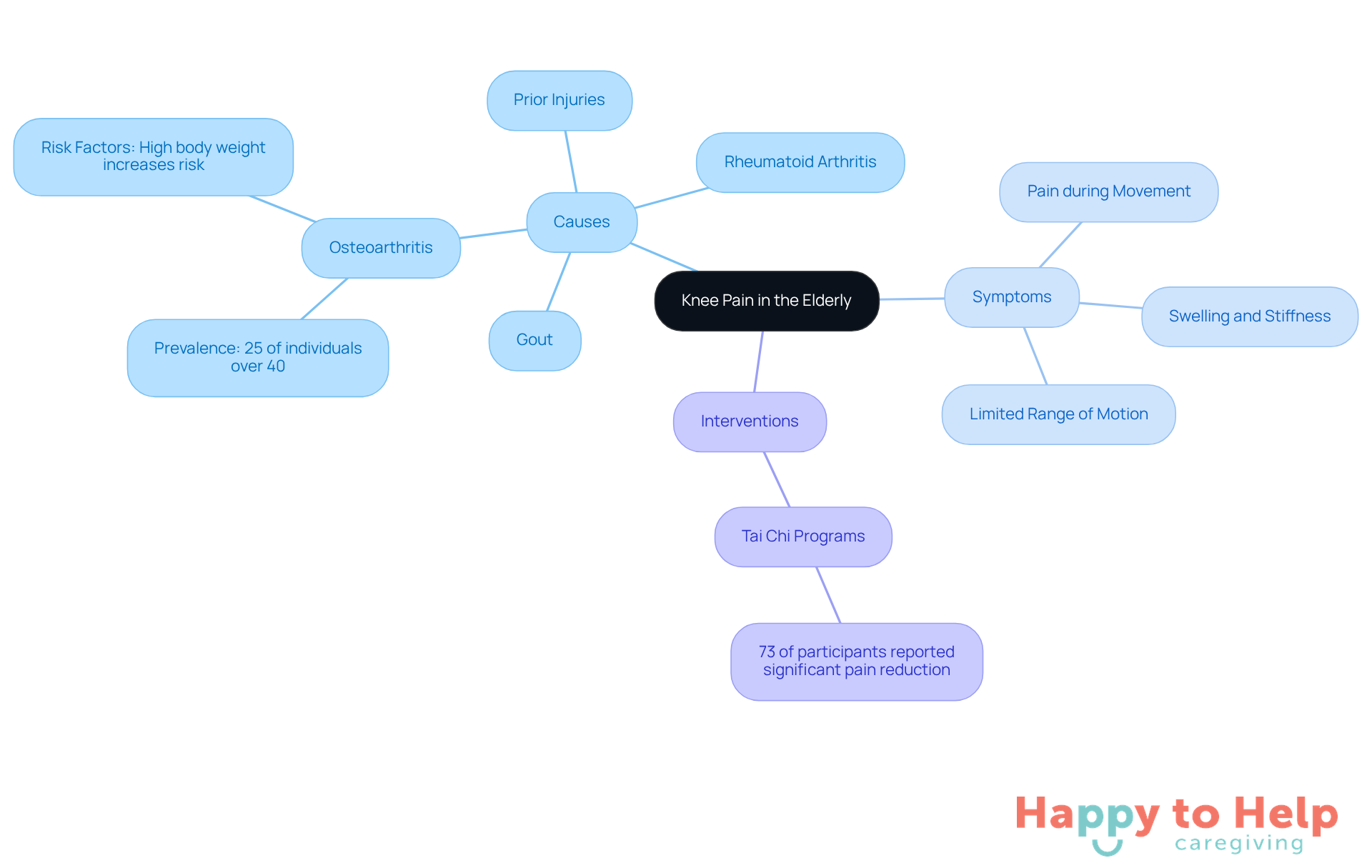
Knee pain in the elderly is a significant issue, often linked to osteoarthritis, the most common degenerative joint condition affecting nearly 25% of individuals over 40. This condition causes the gradual deterioration of cartilage, leading to pain, stiffness, and swelling. Other factors, such as prior injuries, rheumatoid arthritis, and gout, can also contribute to this discomfort. Alarmingly, individuals in the highest quintile of body weight face up to 10 times the risk of developing osteoarthritis compared to those in the lowest quintile.
Caregivers must be vigilant in recognizing the following symptoms:
- Pain during movement: Clients often feel discomfort while walking, climbing stairs, or standing up.
- Swelling and stiffness: These symptoms can worsen after inactivity, making mobility more challenging.
- Limited range of motion: Clients may struggle to fully bend or straighten their joints, impacting daily activities.
For caregivers, understanding these indicators is crucial, especially when managing knee pain in the elderly. It enables them to provide tailored assistance and effective interventions that enhance the quality of life for those they care for. For instance, tai chi programs have shown promising results, with 73% of participants reporting a significant decrease in discomfort after just 12 weeks. This offers practical options for caregivers to consider.
Identify Causes of Knee Pain
To effectively address discomfort in older clients, caregivers must first recognize its underlying causes. Discomfort can stem from several common issues that significantly impact seniors' quality of life.
-
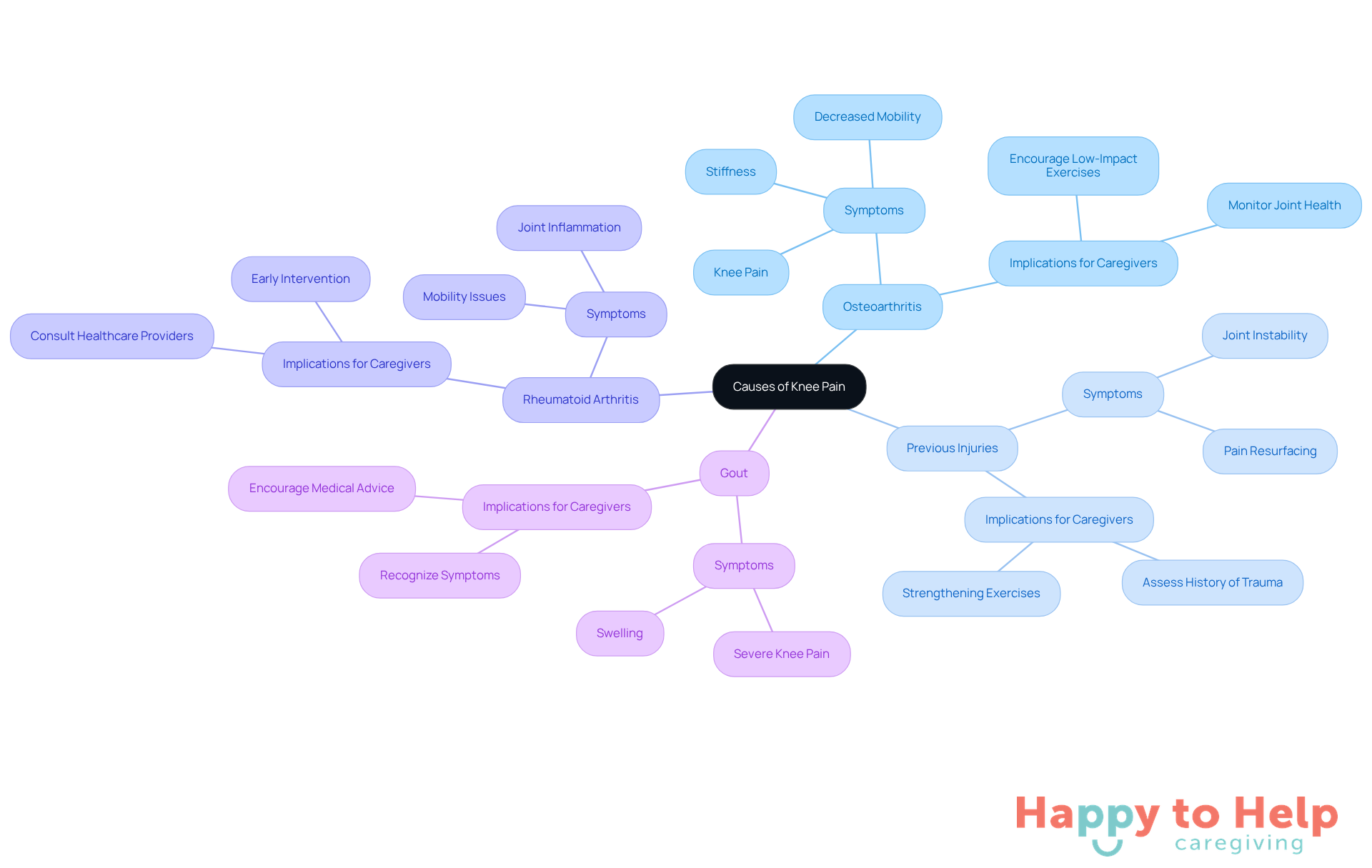
Osteoarthritis is a leading cause of knee pain elderly people often experience. This degenerative joint disease can cause knee pain in the elderly due to the breakdown of cartilage, leading to inflammation, stiffness, and decreased mobility. Recent studies show that osteoarthritis is increasingly prevalent, highlighting the need for caregivers to be vigilant in monitoring their clients' joint health.
-
Previous Injuries can also contribute to persistent discomfort. Past injuries, such as ligament tears or fractures, may resurface later in life, compromising joint stability and increasing the risk of developing osteoarthritis. Caregivers should assess any history of trauma to better understand their clients' pain.
-
Rheumatoid Arthritis is another condition that caregivers must recognize. This autoimmune disorder causes persistent joint inflammation, impacting mobility and daily activities. Early intervention is crucial, as it can significantly improve outcomes for those affected.
-
Gout, a form of arthritis caused by uric acid accumulation, can lead to sudden and severe knee pain elderly individuals experience. Caregivers should be aware of the symptoms and encourage individuals to seek medical advice if they suspect gout.
To effectively manage these issues, caregivers should closely monitor their patients for any history of these conditions. Consulting with healthcare providers ensures accurate diagnosis and appropriate treatment options, ultimately enhancing the well-being of older clients.
Implement Pain Relief Strategies
Knee pain elderly clients face poses a significant challenge for caregivers, impacting their mobility and overall quality of life. This discomfort can lead to decreased independence and increased reliance on assistance, making it crucial for caregivers to implement effective strategies to alleviate pain.
-
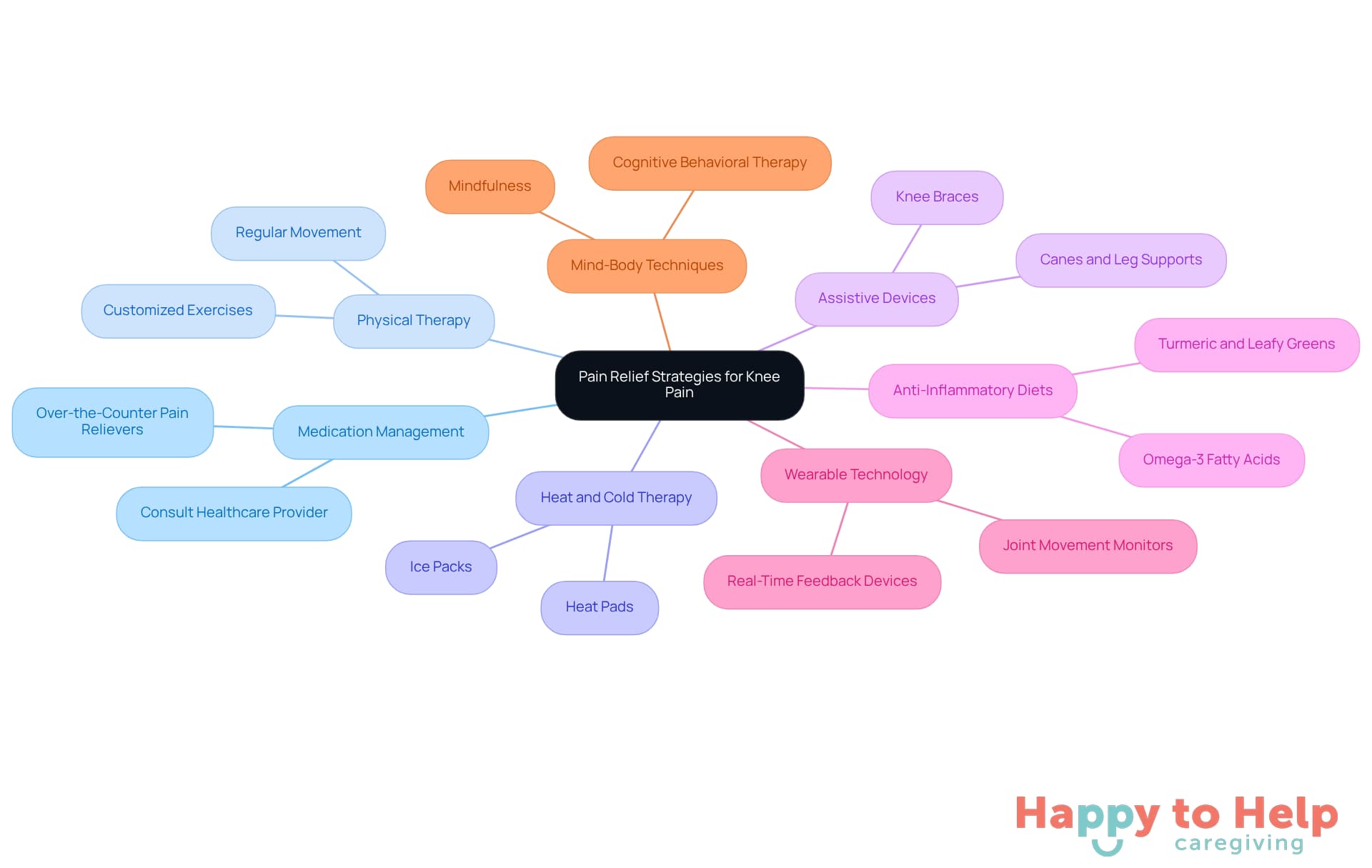
Medication management is a primary approach. Over-the-counter pain relievers, such as acetaminophen or NSAIDs, can effectively reduce pain and inflammation. However, it’s essential to consult a healthcare provider before administering any medication to ensure safety and appropriateness, especially considering potential interactions with other medications.
-
Physical therapy plays a vital role as well. Engaging clients in customized exercises strengthens the muscles surrounding the knee joint, enhancing stability and reducing discomfort. Simple exercises like leg raises and gentle stretching can be particularly beneficial. Successful physical therapy programs emphasize regular movement to keep knee joints healthy and lubricated, while also strengthening surrounding muscles to lower the risk of injury.
-
Heat and cold therapy can provide significant relief. Alternating between heat pads, which relax stiff muscles, and ice packs, which reduce swelling and numb sharp pain, can enhance comfort and mobility for elderly clients.
-
Assistive devices such as canes or leg supports can offer extra assistance and reduce strain on the legs. Knee braces, in particular, have been shown to effectively lessen discomfort and improve function, making them a valuable resource for managing knee osteoarthritis.
-
Anti-inflammatory diets can also contribute to pain relief. Foods rich in omega-3 fatty acids, turmeric, and leafy greens can help reduce discomfort and promote overall health. Caregivers should encourage clients to discuss dietary choices with healthcare providers to tailor their nutrition for maximum benefit.
-
Wearable technology is another innovative solution. Utilizing devices that monitor joint movement can provide real-time feedback, assisting caregivers in tracking the effectiveness of pain management strategies.
-
Lastly, mind-body techniques such as mindfulness and cognitive behavioral therapy can effectively manage chronic discomfort by addressing the emotional aspects of distress and promoting relaxation.
By implementing these strategies, caregivers can significantly enhance the comfort and mobility of elderly clients, allowing them to maintain a more active and independent lifestyle.
Adopt Preventive Care Practices
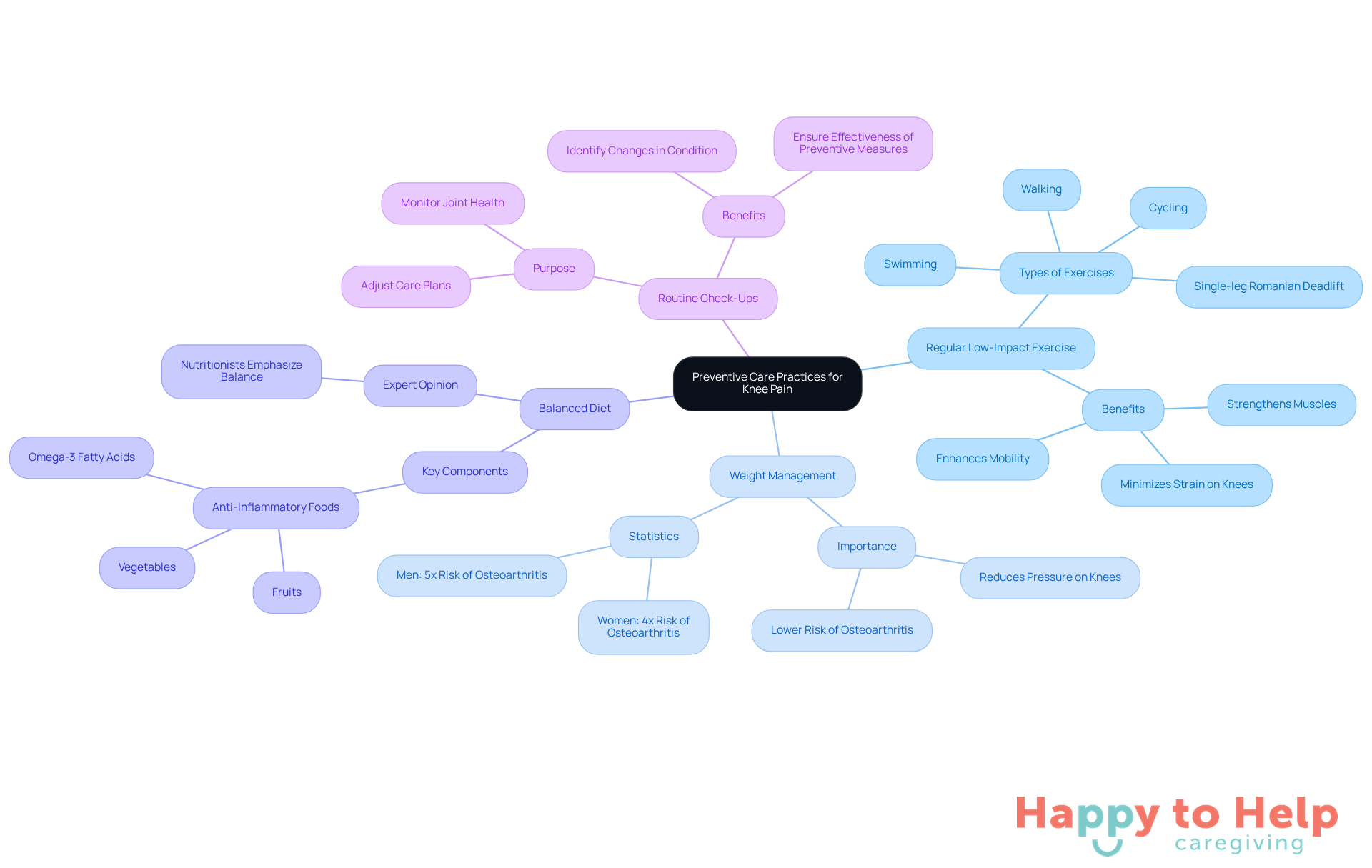
Knee pain elderly individuals face can significantly impact their quality of life, and caregivers play a crucial role in preventing this discomfort from worsening. Understanding the challenges associated with knee pain elderly is essential for effective caregiving. Here are some actionable strategies caregivers can implement:
-
Regular low-impact exercise: Activities like walking, swimming, or cycling can strengthen muscles while minimizing strain on the knees. A systematic review of 217 randomized controlled trials involving over 15,000 participants shows that low to moderate-impact aerobic exercises are particularly effective in alleviating discomfort and enhancing mobility for the elderly experiencing knee pain.
-
Weight management: Maintaining a healthy weight is vital, as excess weight significantly increases pressure on the knees. Research indicates that women who are overweight have nearly four times the risk of developing knee osteoarthritis, while men face a five times greater risk. Thus, weight management is a crucial aspect of relief strategies for those experiencing knee pain elderly.
-
Balanced diet: A diet rich in anti-inflammatory foods, such as fruits, vegetables, and omega-3 fatty acids, supports healthy joints. Nutritionists emphasize that a balanced diet is key to managing knee pain in the elderly and improving overall health. As one nutritionist noted, "A balanced diet is crucial for preserving health and minimizing inflammation."
-
Routine check-ups: Regular healthcare visits are essential for monitoring joint health and adjusting care plans as needed. These check-ups help identify any changes in condition and ensure that preventive measures remain effective, highlighting the importance of consistent monitoring.
By integrating these preventive measures into daily routines, caregivers can significantly enhance their clients' knee health and reduce knee pain elderly.
Key Takeaways for Caregivers
Knee pain among the elderly is a pressing concern that demands the attention of caregivers. This issue, stemming from causes like osteoarthritis and previous injuries, can significantly impact the quality of life for clients. By understanding these complexities, caregivers are better equipped to enhance their clients' well-being.
Recognizing symptoms and implementing tailored interventions are crucial steps caregivers can take. Monitoring underlying conditions, utilizing pain relief strategies such as medication management and physical therapy, and adopting preventive care practices are essential. For instance, a balanced diet, regular exercise, and routine check-ups can significantly mitigate knee pain and improve overall health. Each of these strategies serves as a vital tool for caregivers striving to provide the best possible care.
The significance of proactive and informed caregiving cannot be overstated. By embracing these practices, caregivers not only address current pain but also work toward preventing future discomfort. Encouraging a holistic approach to knee health empowers elderly individuals to lead more active and fulfilling lives, making a meaningful difference in their everyday experiences.
https://iframe.tely.ai/cta/eyJhcnRpY2xlX2lkIjogIjY5NDBhMjBhNGFiMmI4OGM4M2NiZjU4YSIsICJjb21wYW55X2lkIjogIjY4ZWU1ZGNhNzMxNzYyNTU3ZjNjOTVjMSIsICJpbmRleCI6IG51bGwsICJ0eXBlIjogImFydGljbGUifQ==Frequently Asked Questions
What is the primary cause of knee pain in the elderly?
The primary cause of knee pain in the elderly is often linked to osteoarthritis, which is the most common degenerative joint condition affecting nearly 25% of individuals over 40.
What are the symptoms of knee pain in the elderly?
Symptoms include pain during movement, swelling and stiffness that may worsen after inactivity, and a limited range of motion, making daily activities challenging.
What other factors can contribute to knee pain in the elderly?
Other factors that can contribute to knee pain include prior injuries, rheumatoid arthritis, and gout.
How does body weight affect the risk of developing osteoarthritis?
Individuals in the highest quintile of body weight face up to 10 times the risk of developing osteoarthritis compared to those in the lowest quintile.
Why is it important for caregivers to recognize symptoms of knee pain?
It is crucial for caregivers to recognize these symptoms to provide tailored assistance and effective interventions that enhance the quality of life for those they care for.
What interventions have shown promise in managing knee pain for the elderly?
Tai chi programs have shown promising results, with 73% of participants reporting a significant decrease in discomfort after just 12 weeks.
List of Sources
- Understand Knee Pain in the Elderly
- Once-Weekly Retatrutide Reduces Weight and Knee Pain in Patients With Obesity and Osteoarthritis | Pharmacy Times (https://pharmacytimes.com/view/once-weekly-retatrutide-reduces-weight-and-knee-pain-in-patients-with-obesity-and-osteoarthritis)
- New Study Shows Gait Retraining Could Significantly Reduce Knee Pain from Osteoarthritis and Potentially Slow Cartilage Damage - The John and Marcia Price College of Engineering at the University of Utah (https://price.utah.edu/2025/08/12/new-study-shows-gait-retraining-could-significantly-reduce-knee-pain-from-osteoarthritis-and-potentially-slow-cartilage-damage)
- Science Reveals 3 New Ways to Relieve Knee Arthritis Pain (https://webmd.com/pain-management/knee-pain/news/20251119/science-reveals-3-new-ways-relieve-arthritis-knee-pain)
- Study Reveals How Small Changes in Walking Technique May Help Treat Knee Osteoarthritis (https://nyulangone.org/news/study-reveals-how-small-changes-walking-technique-may-help-treat-knee-osteoarthritis)
- Scientists discover new clues about joint disease and possible treatments (https://ohio.edu/news/2025/09/scientists-discover-new-clues-about-joint-disease-possible-treatments)
- Identify Causes of Knee Pain
- Why Your Knee Pain Gets Worse as You Age | Hartford Hospital | Hartford, CT (https://hartfordhospital.org/services/bone-joint-institute/news/news-detail?articleId=67949)
- Knee pain is becoming more common in younger adults for two specific reasons (https://foxnews.com/health/knee-pain-becoming-more-common-younger-adults-two-specific-reasons)
- Knee Pain – A Common Problem as We Age | MUSC (https://musc.edu/content-hub/News/2021/10/18/Knee-Pain)
- The Global Burden of Osteoarthritis Is Rising Among Middle-Aged Adults (https://rheumatologyadvisor.com/news/global-oa-burden-is-rising-among-middle-aged-adults)
- Knee Pain: Common Causes and Treatments (https://cbsnews.com/boston/news/tufts-ortho-2017-knee-pain-common-causes-and-treatments)
- Implement Pain Relief Strategies
- Non-Surgical Options for Joint Pain in Seniors (https://treatingpain.com/news-updates/2025/november/non-surgical-options-for-joint-pain-in-seniors)
- Joint Pain? Here’s What’s Working In 2025 (https://doralhw.org/joint-pain-heres-whats-working-in-2025)
- Simple therapies outperform drugs for knee arthritis pain relief (https://sciencedaily.com/releases/2025/09/250919085252.htm)
- Knee Pain in Older Adults: Care and Prevention (https://elliottphysicaltherapy.com/knee-pain-in-older-adults-care-and-prevention)
- The Top 3 Nondrug Treatments for Knee Pain (https://aarp.org/health/conditions-treatments/treat-knee-pain-without-drugs)
- Adopt Preventive Care Practices
- Knee osteoarthritis pain may be eased through aerobic exercise | CNN (https://cnn.com/2025/10/27/health/knee-osteoarthritis-pain-treatment-exercise-wellness)
- Once-Weekly Retatrutide Reduces Weight and Knee Pain in Patients With Obesity and Osteoarthritis | Pharmacy Times (https://pharmacytimes.com/view/once-weekly-retatrutide-reduces-weight-and-knee-pain-in-patients-with-obesity-and-osteoarthritis)
- Science Reveals 3 New Ways to Relieve Knee Arthritis Pain (https://webmd.com/pain-management/knee-pain/news/20251119/science-reveals-3-new-ways-relieve-arthritis-knee-pain)
- Study Finds Improvement in Knee Pain with Exercise and Physical Therapy | Mass General Brigham (https://massgeneralbrigham.org/en/about/newsroom/press-releases/home-exercise-improves-knee-pain)
- Study Reveals How Small Changes in Walking Technique May Help Treat Knee Osteoarthritis (https://nyulangone.org/news/study-reveals-how-small-changes-walking-technique-may-help-treat-knee-osteoarthritis)