

For families in our service areas
For families in our service areas, this guide explains caregiving and how non-medical in-home caregiving can support care planning in East Idaho, Treasure Valley & Magic Valley, Northern Wasatch, North Central West Virginia, and Northeast Ohio.
Understanding Your Options
This article outlines four essential steps to master affordable elderly care, focusing on:
- Identifying care types
- Assessing costs
- Exploring strategies to reduce expenses
- Evaluating care providers
It begins by acknowledging the emotional challenges caregivers face, emphasizing the importance of understanding service options and budgeting effectively. Practical strategies are provided, such as:
- Utilizing community resources
- Negotiating care plans
These strategies ensure families can access compassionate support without financial strain. By exploring these avenues, caregivers can find solace in knowing that they are not alone in this journey, and there are resources available to help them navigate the complexities of elderly care.
The Importance of Master Affordable Elderly Care: 4 Steps
Navigating the world of elderly care can often feel like a daunting task. Families grapple with the emotional and financial implications of supporting their loved ones, which can lead to feelings of stress and burnout. With nearly 70% of older Americans requiring some form of assistance, it becomes crucial to understand the landscape of affordable elderly care services available. This article delves into practical steps families can take to identify the right types of care. Moreover, it offers strategies for budgeting and reducing costs effectively. How can families strike a balance between providing quality care and managing expenses while ensuring their loved ones' well-being?
Identify Types of Elderly Care Services
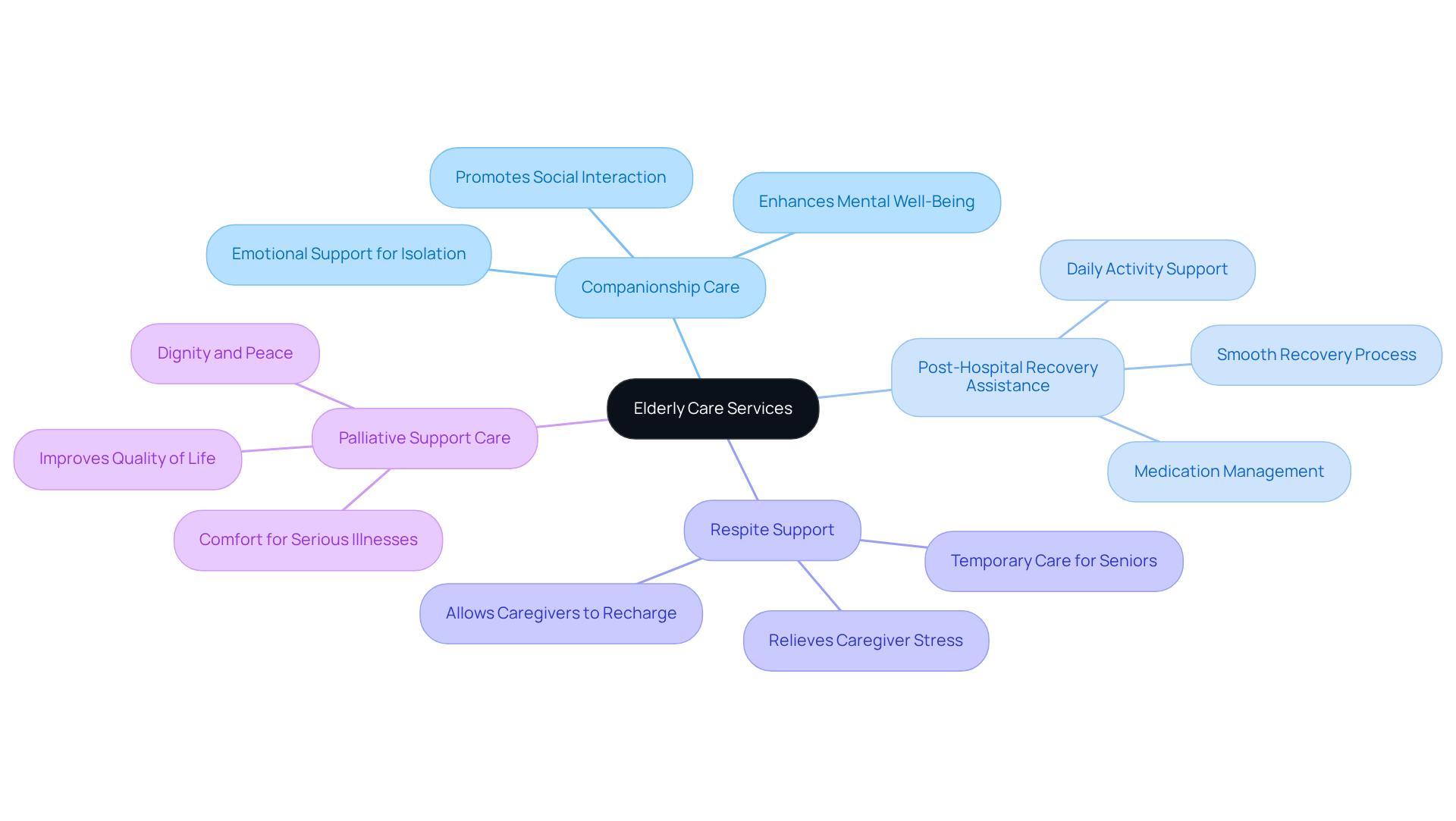
When considering affordable elderly care, it’s important to acknowledge the different types of support available, especially in light of the emotional challenges that caregivers often face. The stress and burnout can be overwhelming, but there are compassionate solutions to help ease this burden. Here are some common categories of assistance:
- Companionship Care: This service is all about providing emotional support and companionship to seniors, helping to alleviate feelings of loneliness and isolation. It’s a vital lifeline for those who may feel disconnected.
- Post-Hospital Recovery Assistance: For individuals recuperating from surgery or illness, this support is crucial. It includes help with daily activities and medication management, ensuring a smoother recovery process.
- Respite Support: This temporary assistance allows family members who provide care to take a much-needed break, knowing their loved ones are receiving the necessary help in their absence.
- Palliative Support Care: Designed for individuals facing serious illnesses, this service focuses on providing comfort and improving quality of life, allowing for dignity and peace during difficult times.
By understanding these classifications, family members can more effectively assess their loved ones' needs and identify the type of affordable elderly care that would be most beneficial. Remember, seeking help is a sign of strength, and there are compassionate resources available to support both caregivers and their loved ones.
Assess Costs and Budget for Care
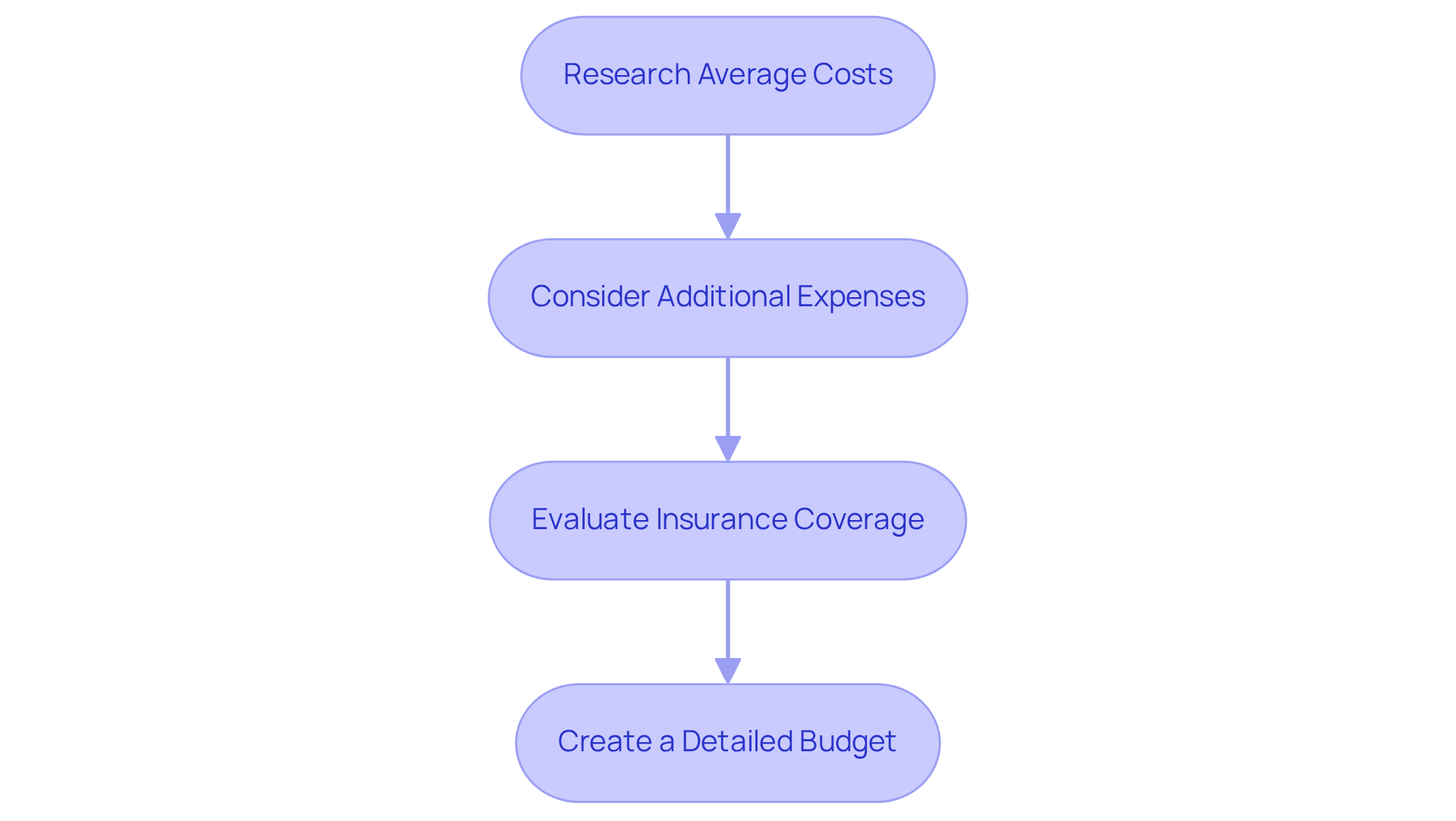
To effectively budget for elderly care, families can follow these essential steps:
-
Start by researching average costs. It’s important to explore the usual expenses related to affordable elderly care services. For instance, the national median expense for non-medical home assistance is roughly $30 per hour, expected to rise to $33 per hour in 2025. Nursing home assistance averages around $10,965 per month for a private room. Understanding these figures can help families make informed choices regarding affordable elderly care based on their unique needs and location.
-
Next, consider additional expenses. It’s crucial to factor in any supplementary costs that may arise, such as transportation, medical supplies, or specialized equipment. These expenses can significantly impact the overall budget, so a thorough assessment is necessary to ensure nothing is overlooked.
-
Evaluate insurance coverage by reviewing existing policies, including Medicare and Medicaid. This step is vital to determine what portion of expenses may be covered. Many families are unaware that Medicare offers only limited coverage for short-term skilled nursing services, which can lead to significant out-of-pocket costs if not planned for. Moreover, it’s important to note that approximately 70% of Americans aged 65 and older will need some type of affordable elderly care during their lifetime. This highlights the importance of financial planning for affordable elderly care.
-
Finally, create a detailed budget. Compile all gathered information into a comprehensive budget that outlines expected monthly expenses. This budget should align with the family’s financial situation and include provisions for both expected and unforeseen expenses. It’s also important to consider the tax implications related to unreimbursed medical expenses for in-home assistance, which can be itemized if they exceed 7.5% of adjusted gross income.
By taking these steps, families can create a practical budget that meets the needs of their loved ones, ensuring financial stability while offering the essential assistance. As Vicki Demirozu observes, gradual changes in assistance can help ease the process, making it less abrupt for seniors who may need additional support.
Explore Strategies to Reduce Care Expenses
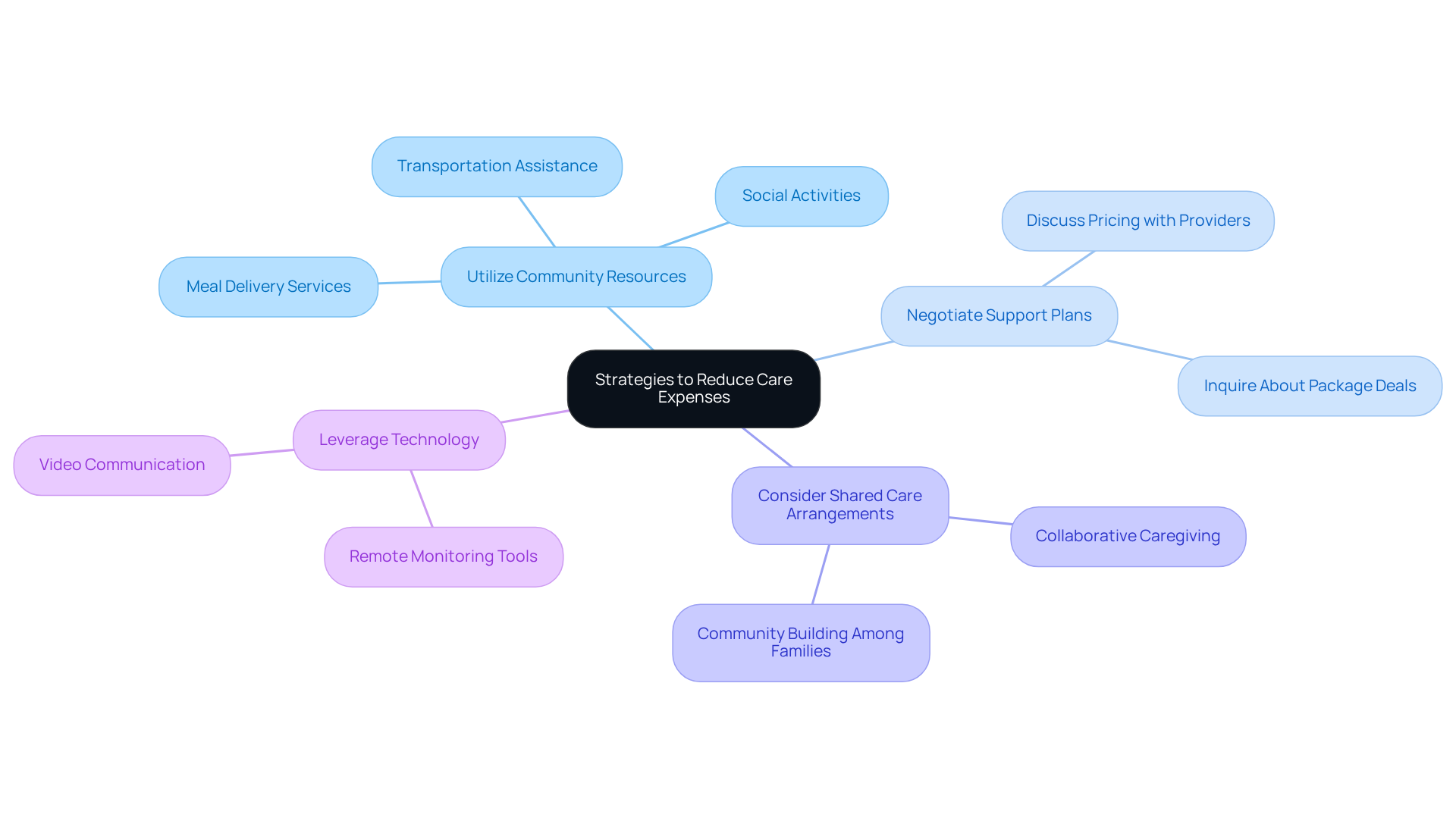
Caring for elderly loved ones can be both rewarding and overwhelming. Families often face emotional and financial challenges, and it’s essential to find ways to ease these burdens with affordable elderly care. Here are some compassionate strategies that can help reduce elderly care expenses:
- Utilize Community Resources: Many communities offer free or low-cost services designed specifically for seniors. These can include meal delivery, transportation, and social activities. By exploring local initiatives, families can find valuable support for affordable elderly care that helps lighten their financial load.
- Negotiate Support Plans: When discussing assistance options with providers, it’s important for relatives to feel empowered. They can negotiate pricing or inquire about package deals for affordable elderly care that may lead to significant savings, ensuring they receive the best care possible without breaking the bank.
- Consider Shared Care Arrangements: Sharing a caregiver with another household can be a wonderful way to reduce costs while still providing essential support. This collaborative approach not only saves money but also fosters a sense of community among families, contributing to affordable elderly care.
- Leverage Technology: Technology can be a powerful ally in elderly care. Remote monitoring tools can minimize the need for in-person visits and associated costs, while video calls allow for ongoing communication, keeping families connected without incurring additional expenses.
By embracing these strategies, families can manage their budgets more effectively while ensuring their loved ones receive the affordable elderly care and support they truly deserve. Remember, you are not alone in this journey; there are resources and options available to help you navigate these challenges with compassion and understanding.
Evaluate and Choose the Right Care Provider
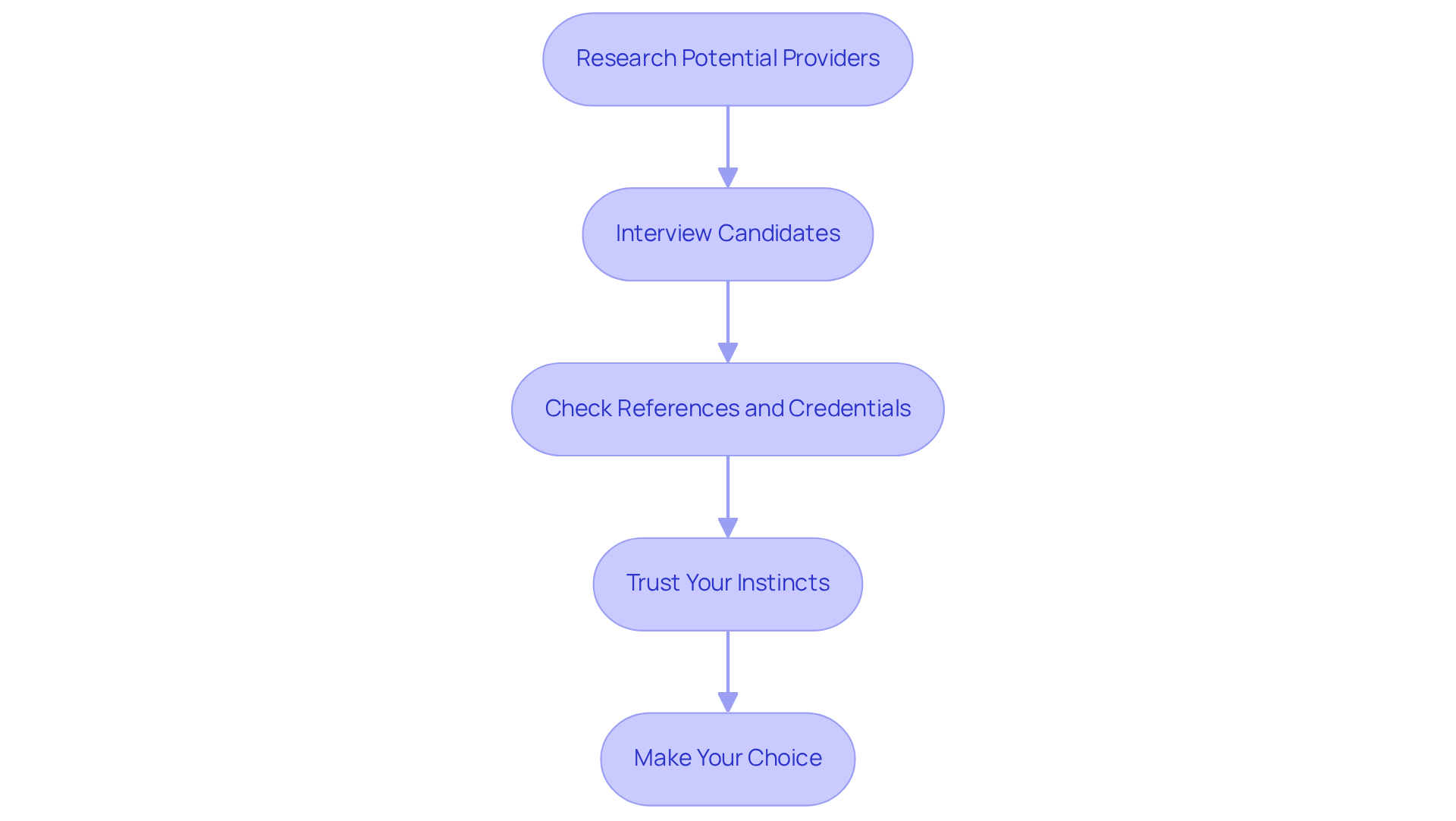
Choosing the right care provider is a significant step, and it's essential to approach it with care and understanding. Here are some steps to guide you:
-
Research Potential Providers: Begin by looking for local caregiving agencies or independent support workers who have received positive reviews and testimonials. Websites, social media, and community boards can serve as valuable resources. It's important to note that nearly 1 in 4 individuals providing support struggle to maintain their own health due to their responsibilities. This highlights the need to find a provider who can assist both your loved one and those offering support.
-
Interview Candidates: Conduct interviews with prospective support providers or agency representatives. Ask about their experience, training, and approach to care. Given that only 11% of individuals providing care have formal medical training, understanding their qualifications is crucial.
-
Check References and Credentials: Verify the qualifications of providers and request references from former clients. This ensures reliability and quality of service. This step is particularly important in a field where many support providers face significant challenges, including social isolation, with nearly 1 in 4 feeling disconnected.
-
Trust Your Instincts: Pay attention to your feelings during the interview process. A provider's demeanor and communication style should resonate with both you and your loved one, fostering a sense of trust and comfort. As Jason Resendez, President and CEO of the National Alliance for Caregiving, emphasizes, the emotional well-being of caregivers and clients is paramount in the caregiving relationship.
By thoughtfully evaluating and selecting a care provider, families can ensure their loved ones receive compassionate and competent care tailored to their unique needs.
Moving Forward with Master Affordable Elderly Care: 4 Steps
Navigating the complexities of elderly care can feel overwhelming, but understanding the various types of services available is essential for families seeking affordable solutions. By recognizing the emotional and practical support options—ranging from companionship care to palliative support—families can make informed decisions that prioritize their loved ones' well-being while alleviating caregiver stress.
This article outlines key steps to effectively manage the costs associated with elderly care. It highlights the importance of:
- Thorough research on average expenses
- Evaluating insurance coverage
- Creating a realistic budget to ensure financial stability
Additionally, exploring strategies such as:
- Utilizing community resources
- Negotiating with providers
- Leveraging technology
can significantly reduce care expenses, making support more accessible.
Ultimately, the journey of finding affordable elderly care transcends mere financial savings; it’s about fostering a compassionate environment for seniors and their families. By implementing these strategies and choosing the right care provider, families can enhance the quality of life for their loved ones while navigating the emotional challenges of caregiving. Embracing these resources and insights can lead to a more fulfilling and sustainable caregiving experience, proving that affordable elderly care is indeed within reach for those who seek it.
https://iframe.tely.ai/cta/eyJhcnRpY2xlX2lkIjogIjY4ZjQyYTM2MTcxMTJiOTcwNmFlYTVhNyIsICJjb21wYW55X2lkIjogIjY4ZWU1ZGNhNzMxNzYyNTU3ZjNjOTVjMSIsICJpbmRleCI6IG51bGwsICJ0eXBlIjogImFydGljbGUifQ==Frequently Asked Questions
What are the different types of elderly care services available?
The main types of elderly care services include Companionship Care, Post-Hospital Recovery Assistance, Respite Support, and Palliative Support Care.
What is Companionship Care?
Companionship Care provides emotional support and companionship to seniors, helping to alleviate feelings of loneliness and isolation.
What does Post-Hospital Recovery Assistance entail?
Post-Hospital Recovery Assistance includes help with daily activities and medication management for individuals recuperating from surgery or illness, ensuring a smoother recovery process.
What is the purpose of Respite Support?
Respite Support offers temporary assistance to family caregivers, allowing them to take a break while ensuring their loved ones receive the necessary care in their absence.
What does Palliative Support Care focus on?
Palliative Support Care is designed for individuals facing serious illnesses, focusing on providing comfort and improving quality of life, allowing for dignity and peace during difficult times.
Why is it important to understand the different types of elderly care services?
Understanding these classifications helps family members assess their loved ones' needs and identify the most beneficial type of affordable elderly care.