Master Dementia In-Home Care: A Step-by-Step Guide for Families

For families in our service areas
For families in our service areas, this guide explains dementia care and how non-medical in-home caregiving can support care planning in East Idaho, Treasure Valley & Magic Valley, Northern Wasatch, North Central West Virginia & Southwestern Pennsylvania, and Northeast Ohio.
The Importance of Master Dementia In-Home Care: A
Dementia is more than just a diagnosis; it signifies a significant shift in caregiving dynamics and family life. With nearly 7 million Americans grappling with Alzheimer's and many more facing cognitive impairments, families often find themselves navigating a complex web of care options and emotional challenges.
This situation creates a pressing problem: how can families effectively balance the emotional and practical demands of caregiving? The implications are profound, as caregivers must ensure their loved ones receive the tailored support they need while managing their own emotional well-being.
This guide offers a comprehensive approach to mastering in-home dementia care, empowering families to enhance the quality of life for their loved ones. By providing clear, actionable solutions, we aim to help families tackle these challenges head-on.
Understand Dementia and Its Impact on Care Needs
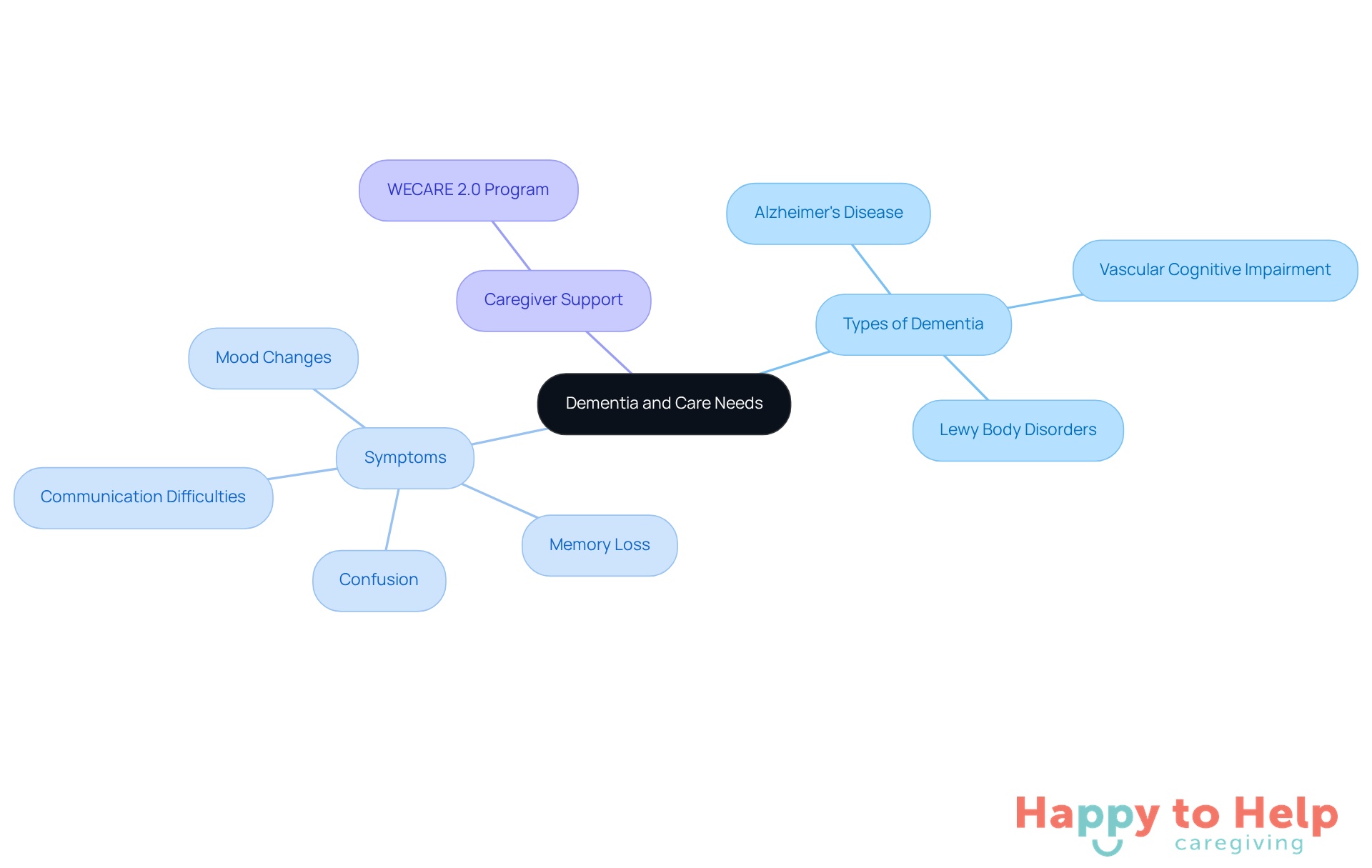
Dementia presents a significant challenge, encompassing various brain disorders that impair memory, thinking, and social abilities, ultimately disrupting daily life. Among these, Alzheimer's disease, vascular cognitive impairment, and Lewy body disorders are particularly notable, each with unique symptoms and challenges. Common indicators include:
- Memory loss
- Confusion
- Communication difficulties
- Mood or behavioral changes
Recognizing these symptoms is crucial for families, as it helps them anticipate the evolving needs of their loved ones and adjust their dementia in-home care strategies accordingly.
Statistics reveal a pressing issue: nearly 7 million Americans currently live with Alzheimer's disease, and a staggering 75% of individuals with cognitive impairment remain undiagnosed globally. This lack of diagnosis restricts access to vital treatment and support, emphasizing the need for early detection and intervention. A recent nationwide survey found that:
- 99% of respondents believe early diagnosis is essential
- 91% are willing to undergo simple testing if available
Understanding the progression of cognitive decline is equally important for family members, as it prepares them for future support needs. Caregivers involved in dementia in-home care often encounter significant emotional and physical challenges, which can be mitigated through effective support systems. For example, the WECARE 2.0 program has demonstrated promising results in enhancing caregivers' skills and reducing stress, showcasing the effectiveness of tailored interventions. By fostering a deeper understanding of cognitive decline and its implications, families can better equip themselves to provide compassionate and effective support as the condition evolves.
Explore In-Home Care Options for Dementia Patients
Caring for individuals with memory impairment presents significant challenges for families. Caregivers often struggle to find the right support that meets their loved one's unique needs. This situation can lead to feelings of frustration and helplessness, as the right care is crucial for maintaining quality of life.
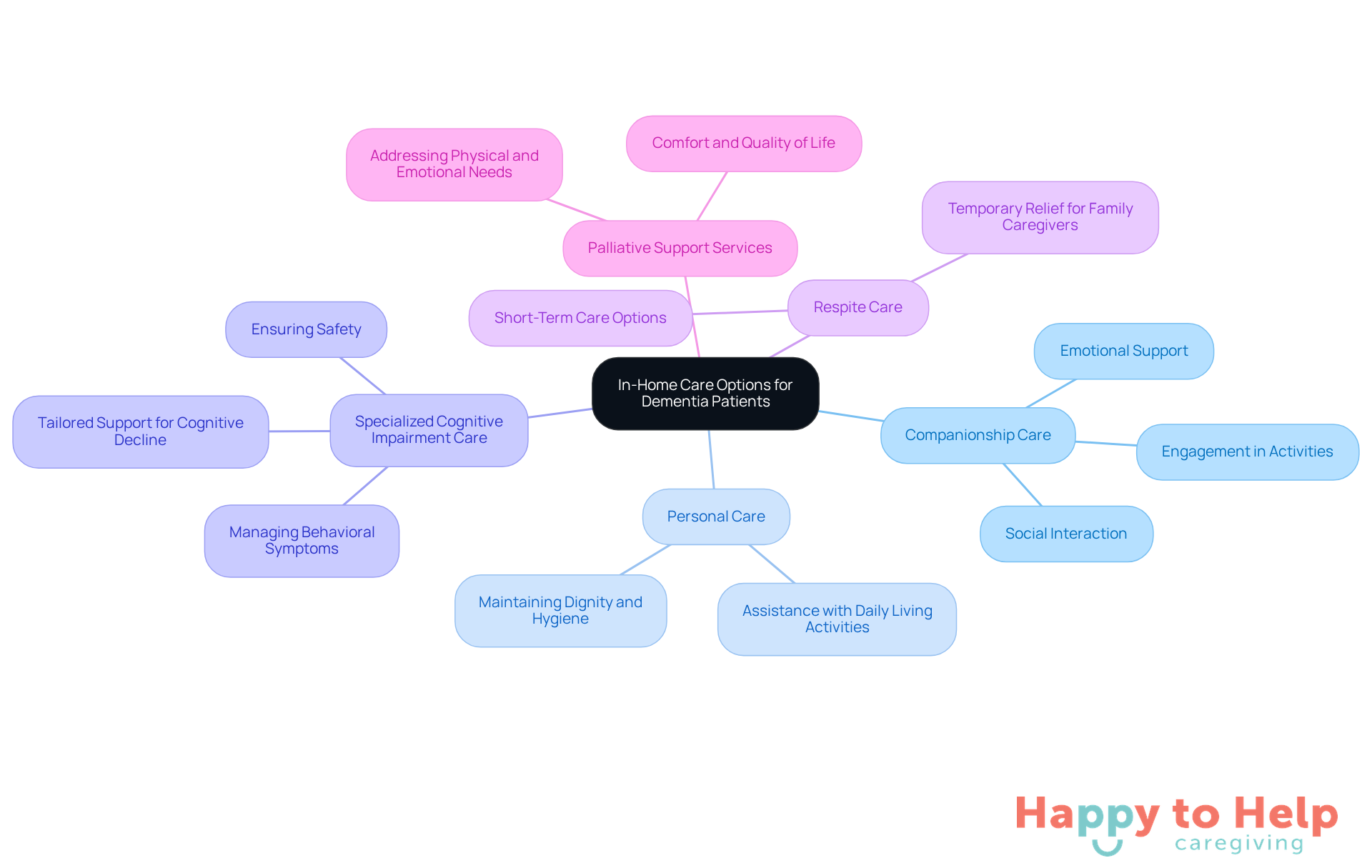
To address these challenges, several in-home care alternatives can provide the necessary support:
-
Companionship Care: This service offers emotional support and social interaction, helping to alleviate feelings of loneliness. Caregivers engage clients in activities they enjoy, fostering a sense of connection.
-
Personal Care: Assistance with daily living activities such as bathing, dressing, and grooming is essential for maintaining dignity and hygiene.
-
Specialized Cognitive Impairment Care: Trained caregivers provide tailored support that addresses the unique challenges of cognitive decline, including managing behavioral symptoms and ensuring safety.
-
Respite Care: This service offers temporary relief for family caregivers, allowing them to take breaks while ensuring their loved one is cared for.
-
Palliative Support Services: For individuals in advanced stages of cognitive decline, palliative support emphasizes comfort and quality of life, addressing both physical and emotional needs.
When considering these options, families should carefully evaluate the specific requirements of their loved ones and the extent of support necessary. By doing so, they can select the most appropriate services to enhance their loved one's well-being.
Assess Needs and Choose the Right Care Provider
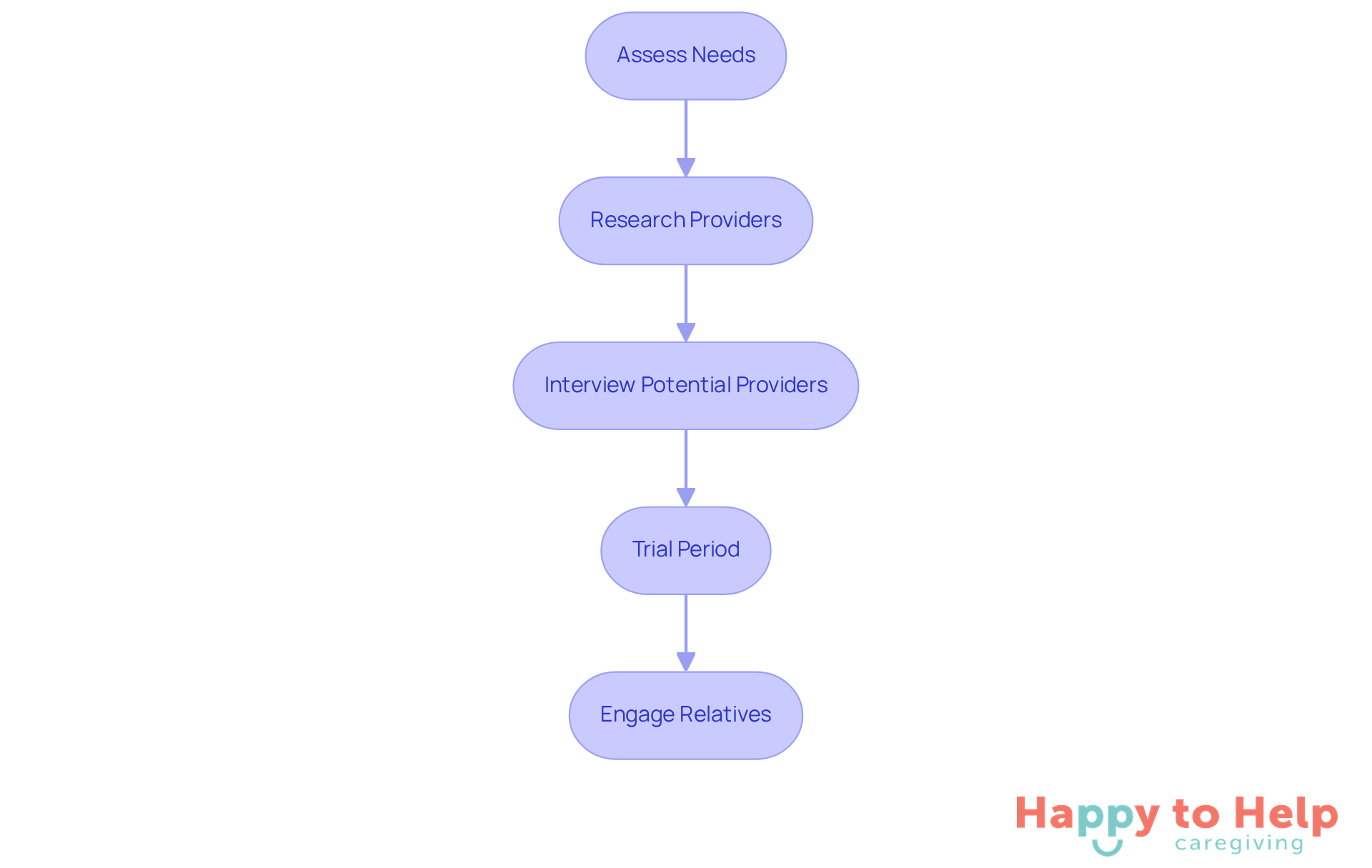
Choosing the right provider for dementia in-home care for a loved one can be a daunting task for families. The implications of this decision are significant, as the right support can greatly enhance the quality of life for both the individual and their caregivers. Here are some actionable steps to guide you through this process:
-
Assess Needs: Start by evaluating the individual's cognitive and physical abilities, daily living requirements, and any specific behavioral challenges. Utilizing assessment tools or checklists can help identify support needs accurately.
-
Research providers for agencies that offer dementia in-home care and specialize in memory loss assistance. It's crucial to check their credentials, experience, and reviews from other families to ensure they are reputable.
-
Interview Potential Providers: Prepare a list of questions to ask during interviews. Consider asking:
- What training do caregivers receive in dementia care?
- How do you ensure continuity of support?
- What is your approach to managing challenging behaviors?
-
Trial Period: If possible, arrange for a trial period with the selected caregiver. This allows you to assess compatibility and ensure that the caregiver can meet the specific needs of your loved one.
-
Engage Relatives: Involve family members in the decision-making process. This ensures that everyone is comfortable with the selected provider and the method of support.
Develop a Personalized Care Plan for Your Loved One
Creating a tailored support plan is essential for caregivers, as it addresses the unique challenges they face in providing care. Without a structured approach, caregivers may struggle to meet the individual needs of those they support, leading to confusion and stress.
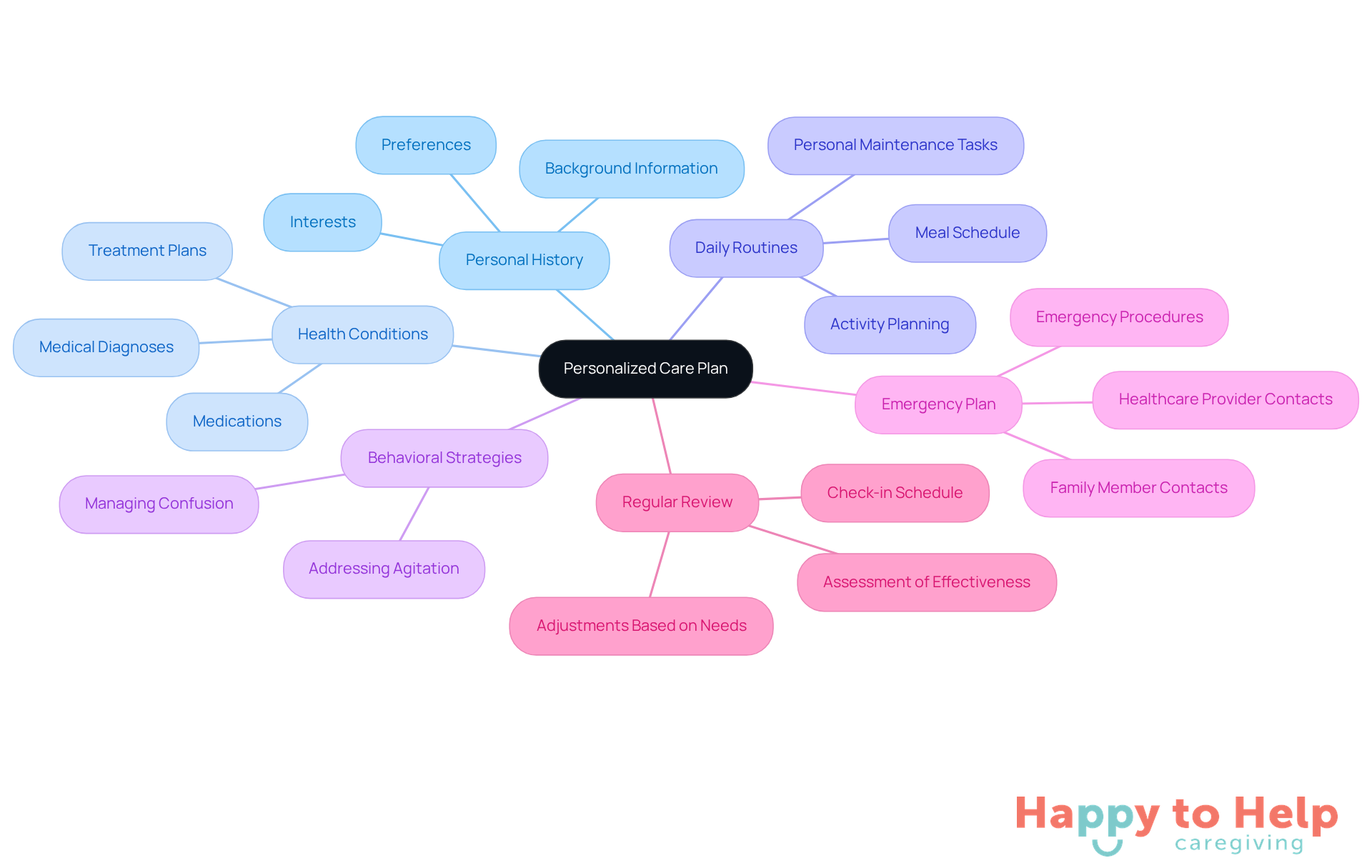
To mitigate these issues, the support plan should include the following key components:
-
Personal History: Document the individual's background, preferences, and interests. This information guides support strategies and ensures that care is personalized.
-
Health Conditions: Clearly list any medical diagnoses, medications, and treatment plans. This ensures that caregivers are fully aware of the health needs and can respond appropriately.
-
Daily Routines: Outline a daily schedule that includes meals, activities, and personal maintenance tasks. This promotes a sense of normalcy and structure, which is vital for both caregivers and those receiving care.
-
Behavioral Strategies: Incorporate strategies for managing common dementia-related behaviors, such as confusion or agitation. This helps caregivers respond effectively and maintain a calm environment.
-
Emergency Plan: Develop a comprehensive plan for emergencies, including contact information for healthcare providers and family members. This ensures that caregivers are prepared for unexpected situations.
-
Regular Review: Schedule regular check-ins to assess the effectiveness of the care plan. Adjustments should be made as needed based on the individual's changing needs, ensuring ongoing support.
By implementing these strategies, caregivers can create a supportive environment that addresses the complexities of caregiving, ultimately enhancing the quality of care provided.
Taking the Next Steps
Understanding dementia and its profound impact on daily living is essential for families navigating the challenges of in-home care. The problem lies in recognizing the symptoms of cognitive decline and the need for appropriate care options. Families often feel overwhelmed by the complexities of dementia, which can lead to inadequate support for their loved ones.
To address these challenges, it’s crucial to arm oneself with knowledge and practical strategies. Early detection and intervention are vital, as they can significantly enhance the quality of care. Families should explore the diverse range of in-home care services available and assess their loved ones' specific needs. Choosing the right provider is key to creating a supportive environment.
Personalized care plans can address the unique challenges faced by individuals with dementia. Tailored support fosters dignity and improves quality of life, ensuring that each person's needs are met. By prioritizing education and actively engaging in the care process, families can navigate the complexities of dementia care more effectively.
The journey of caring for someone with dementia can be daunting, yet it presents an opportunity for families to come together and provide meaningful support. Implementing effective strategies not only helps in managing care but also creates a nurturing environment that respects and honors the individuality of loved ones. Taking these steps leads to a more compassionate and fulfilling caregiving experience for everyone involved.
https://iframe.tely.ai/cta/eyJhcnRpY2xlX2lkIjogIjY5MjI2NTAyZDc0MjE3YmJjYWExMmQ0MyIsICJjb21wYW55X2lkIjogIjY4ZWU1ZGNhNzMxNzYyNTU3ZjNjOTVjMSIsICJpbmRleCI6IG51bGwsICJ0eXBlIjogImFydGljbGUifQ==Frequently Asked Questions
What is dementia and how does it affect daily life?
Dementia encompasses various brain disorders that impair memory, thinking, and social abilities, disrupting daily life. It includes conditions like Alzheimer's disease, vascular cognitive impairment, and Lewy body disorders, each presenting unique symptoms and challenges.
What are common symptoms of dementia?
Common symptoms of dementia include memory loss, confusion, communication difficulties, and mood or behavioral changes.
Why is recognizing dementia symptoms important for families?
Recognizing dementia symptoms is crucial for families as it helps them anticipate the evolving needs of their loved ones and adjust their in-home care strategies accordingly.
What are the statistics regarding Alzheimer's disease in the U.S.?
Nearly 7 million Americans currently live with Alzheimer's disease, and about 75% of individuals with cognitive impairment remain undiagnosed globally.
What do statistics reveal about the perception of early diagnosis for dementia?
A nationwide survey found that 99% of respondents believe early diagnosis is essential, and 91% are willing to undergo simple testing if available.
Why is understanding the progression of cognitive decline important for family members?
Understanding the progression of cognitive decline is important for family members as it prepares them for future support needs and helps them provide better care.
What challenges do caregivers face in dementia in-home care?
Caregivers involved in dementia in-home care often encounter significant emotional and physical challenges.
How can caregiver challenges be addressed?
Caregiver challenges can be mitigated through effective support systems, such as the WECARE 2.0 program, which enhances caregivers' skills and reduces stress.
How can families provide better support to loved ones with dementia?
By fostering a deeper understanding of cognitive decline and its implications, families can better equip themselves to provide compassionate and effective support as the condition evolves.
List of Sources
- Understand Dementia and Its Impact on Care Needs
- D-CARE study finds caregiver satisfaction higher with dementia care programs than usual care (https://uclahealth.org/news/release/d-care-study-finds-caregiver-satisfaction-higher-with)
- New program reduces burnout in dementia caregivers, novel research evaluation proves (https://publichealth.gmu.edu/news/2025-10/new-program-reduces-burnout-dementia-caregivers-novel-research-evaluation-proves)
- Dementia research news (https://alzheimers.org.uk/research/our-research/dementia-research-news)
- Alzheimer's Disease Facts and Figures (https://alz.org/alzheimers-dementia/facts-figures)
- ADI - Dementia statistics (https://alzint.org/about/dementia-facts-figures/dementia-statistics)
- Explore In-Home Care Options for Dementia Patients
- Caregivers of a Person with Alzheimer's Disease or a Related Dementia (https://cdc.gov/caregiving/about)
- In-Home Care Options for Seniors With Dementia (https://villagecaregiving.com/blog/care-options-for-dementia)
- New Medicare program offers much-needed relief for caregivers of dementia patients (https://finance.yahoo.com/news/new-medicare-program-offers-much-needed-relief-for-caregivers-of-dementia-patients-203450020.html)
- Data, Assessment, and Analysis | Alzheimer's Association (https://alz.org/professionals/public-health/public-health-topics/data-assessment-analysis)
- Caregiver Statistics: Demographics (https://caregiver.org/resource/caregiver-statistics-demographics)