Master Elderly Palliative Care: Benefits, Challenges, and Best
For families in our service areas
For families in our service areas, this guide explains caregiving and how non-medical in-home caregiving can support care planning in East Idaho, Treasure Valley & Magic Valley, Northern Wasatch, North Central West Virginia, and Northeast Ohio.
The Importance of Master Elderly Palliative Care:
Caring for the elderly, especially those with serious, life-limiting illnesses, presents unique challenges that can overwhelm even the most dedicated caregivers. This situation is not just a concern; it’s a pressing issue that affects the quality of life for both patients and caregivers alike. The pursuit of enhancing quality of life through palliative care is essential, requiring both understanding and skill.
As caregivers navigate the complexities of balancing comfort with medical needs, they often face barriers that hinder effective support. These obstacles can lead to frustration and burnout, making it crucial to address them head-on. What strategies can caregivers employ to overcome these challenges and ensure that both patients and caregivers benefit from compassionate, holistic care?
To tackle these issues, caregivers can implement several practical solutions:
- Fostering open communication with patients and their families can help clarify needs and expectations.
- Seeking support from multidisciplinary teams can provide caregivers with the resources and knowledge necessary to enhance care quality.
By focusing on these strategies, caregivers can create a more supportive environment that prioritizes the well-being of both patients and themselves.
Define Palliative Care for the Elderly
Providing elderly palliative care presents a significant challenge for caregivers. Many face the difficulty of providing adequate care for patients with serious, often life-limiting illnesses. Without proper support, these caregivers may struggle to enhance the quality of life for their loved ones, leading to increased stress and emotional strain.
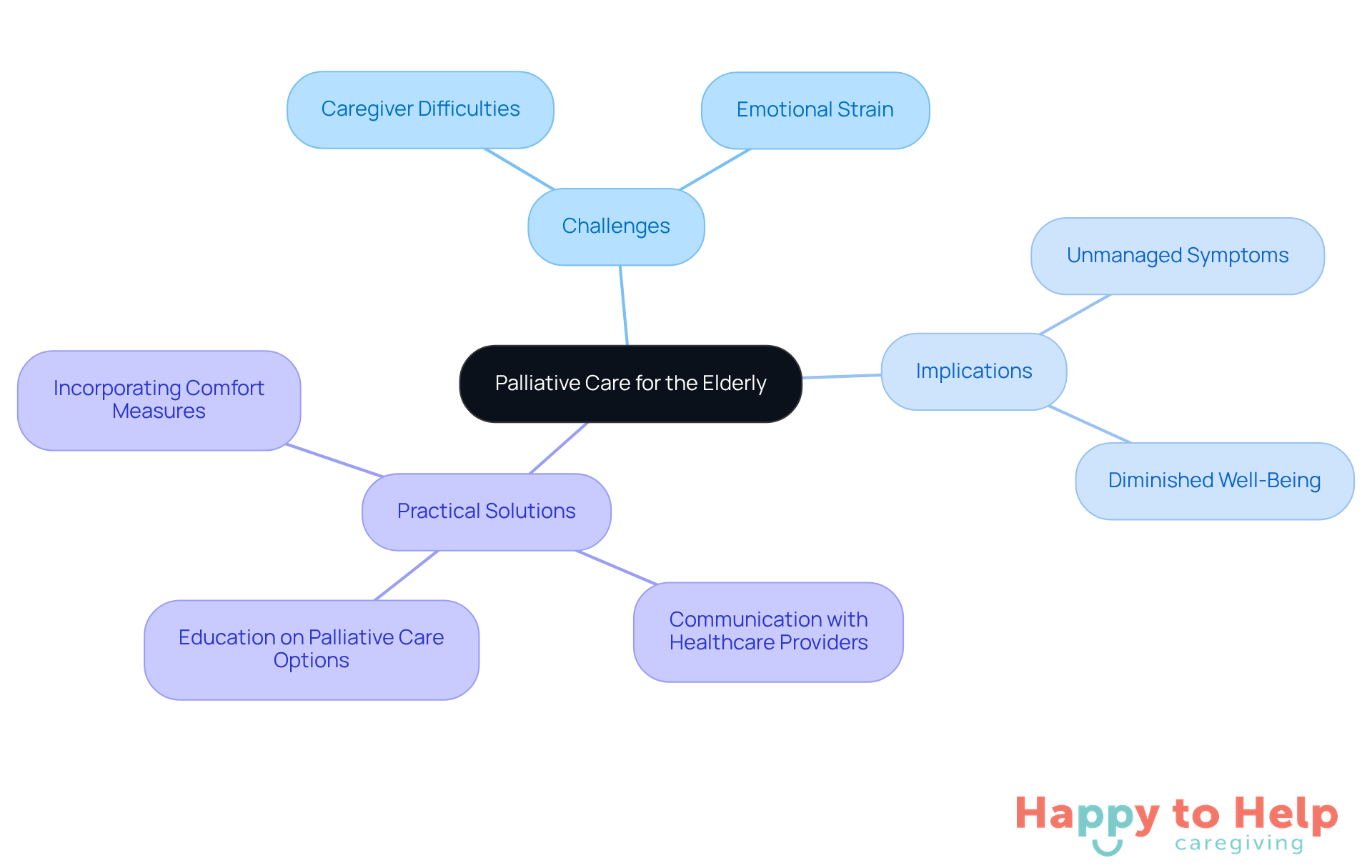
The implications of insufficient palliative care are profound. Patients may experience unmanaged symptoms, pain, and stress, which can diminish their overall well-being. Furthermore, caregivers may feel overwhelmed, unsure of how to balance comfort with ongoing medical treatments. This situation is not limited to end-of-life scenarios; comfort services can and should be integrated with healing treatments at any stage of illness.
To address these challenges, caregivers can implement several practical solutions. First, they should recognize that palliative care is holistic, addressing physical, emotional, social, and spiritual needs. Here are some actionable tips:
- Communicate openly with healthcare providers about the patient's symptoms and preferences.
- Educate yourself on palliative care options available in your area.
- Incorporate comfort measures such as pain management techniques and emotional support resources.
By focusing on these strategies, caregivers can enhance comfort and support the elderly in maintaining their dignity and independence within the framework of elderly palliative care. Remember, palliative care is about improving quality of life, not just managing illness.
Explore Benefits of Home-Based Palliative Care
Home-based elderly palliative care addresses significant challenges faced by patients and caregivers. Many individuals struggle with the emotional and logistical burdens of managing care in a hospital setting, which can lead to increased anxiety and stress.
-
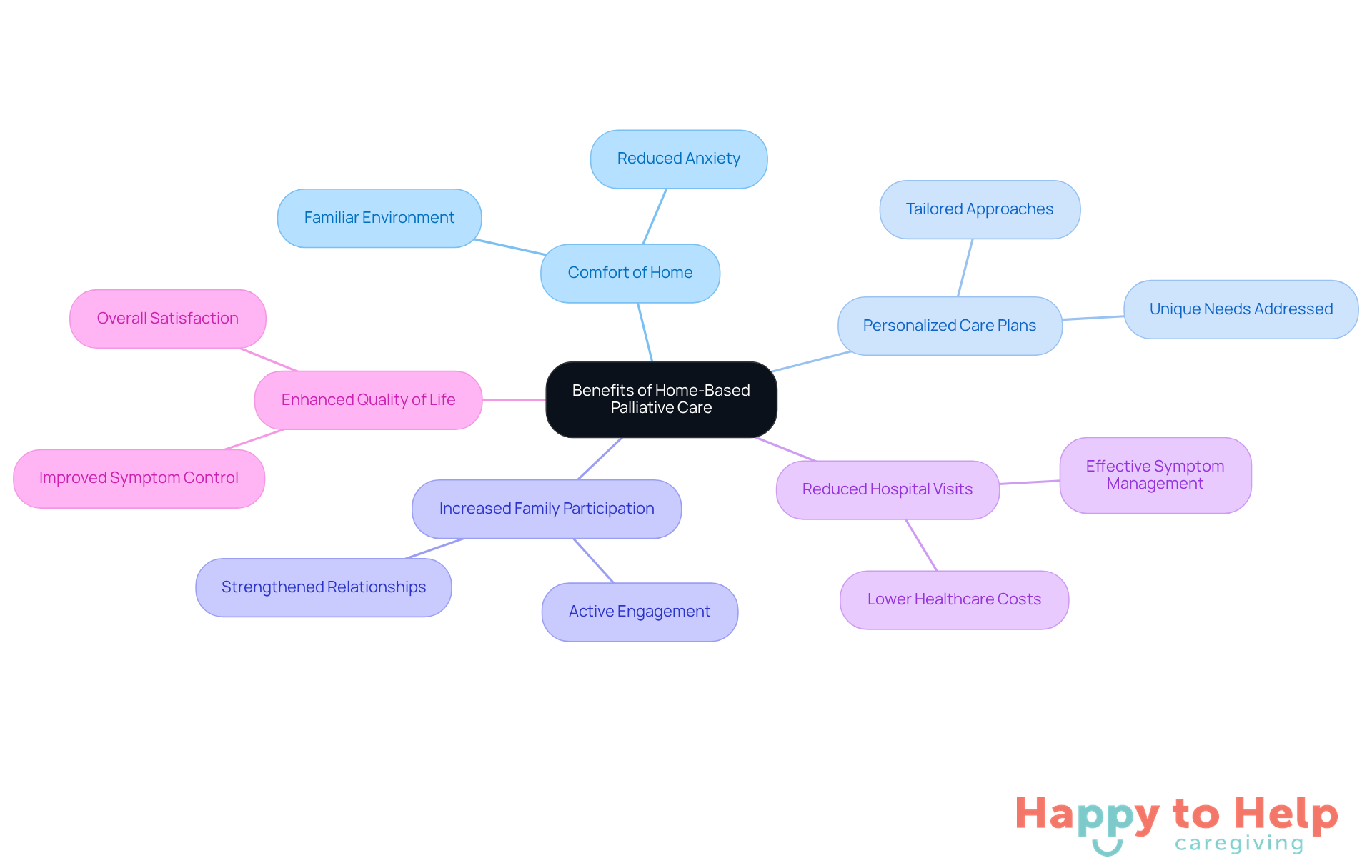
Comfort of Home: One of the primary advantages of home-based care is that patients receive assistance in a familiar environment. This comfort can significantly reduce anxiety and promote a sense of security.
-
Personalized Care Plans: Another critical benefit is the ability to create customized care plans. These plans cater to the unique needs and preferences of each individual, ensuring a more tailored approach to their care.
-
Increased Family Participation: Home-based care also encourages greater family involvement. Families can actively engage in the support process, which not only strengthens relationships but also provides essential emotional assistance.
-
Reduced Hospital Visits: Effective symptom management at home can lead to fewer hospitalizations. This not only reduces healthcare costs but also minimizes disruptions in an individual's life.
-
Enhanced Quality of Life: Research shows that home-based supportive treatment can improve symptom management and overall satisfaction with care, ultimately elevating the patient’s quality of life.
By choosing elderly palliative care at home, caregivers can provide a more supportive and effective environment for their loved ones.
Identify Challenges in Providing Palliative Care
While home-based palliative care offers numerous benefits, it also faces significant challenges that can impact its effectiveness:
-
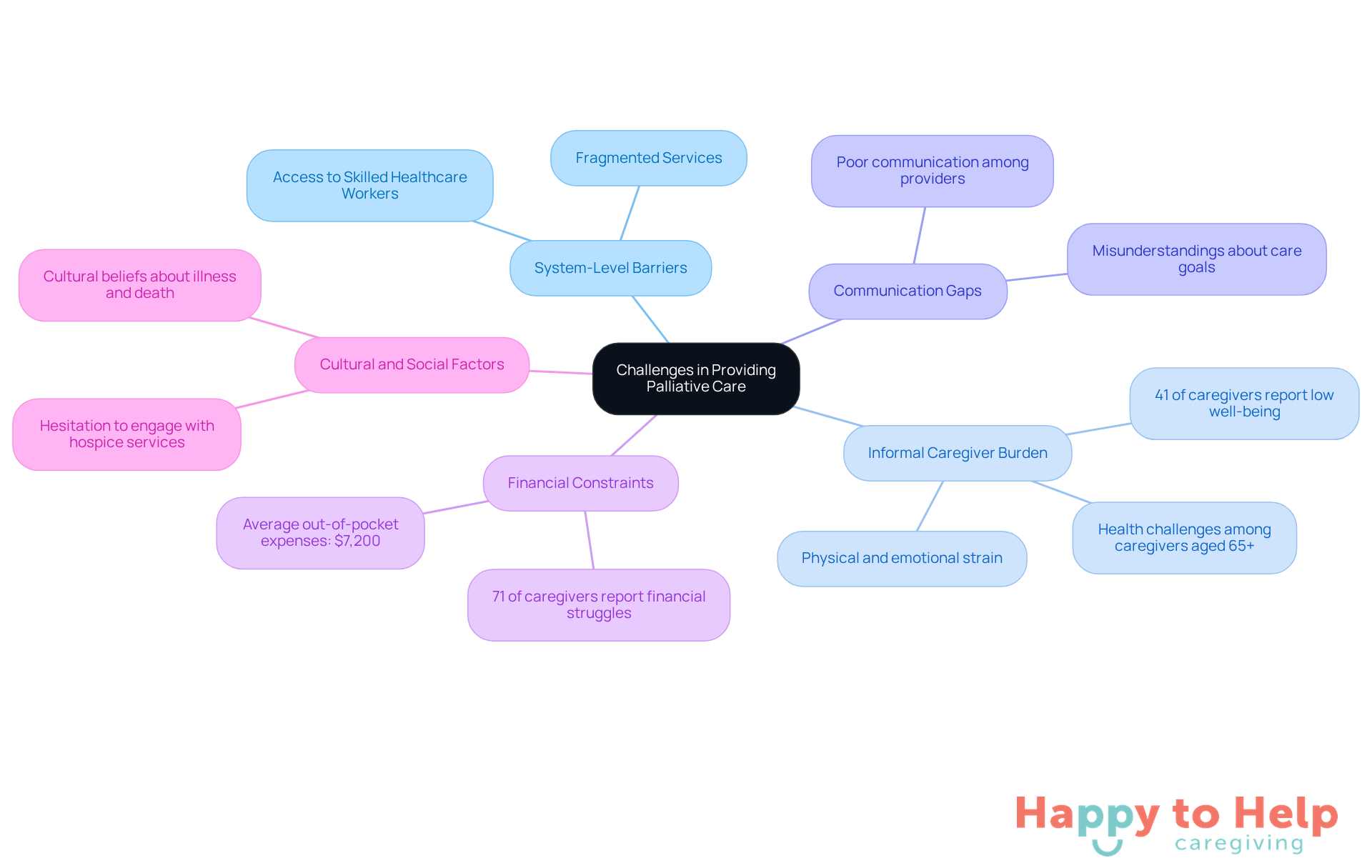
System-Level Barriers: Access to skilled healthcare workers is frequently restricted, especially in rural regions. This shortage can hinder the provision of quality end-of-life support, resulting in fragmented services and insufficient assistance for individuals and their relatives.
-
Informal Caregiver Burden: Family members often take on caregiving roles, leading to substantial physical and emotional strain. In fact, 41% of caregivers report low overall well-being, a figure that is 32% higher than that of non-caregivers. Many caregivers, particularly those aged 65 and older, face their own health challenges, with over half reporting two or more chronic conditions.
-
Communication Gaps: Efficient communication among healthcare providers, patients, and relatives is crucial for successful palliative support. However, poor communication remains a common issue, leading to misunderstandings about care goals and expectations. This gap can worsen stress and anxiety for households, especially during critical transitions from hospital to home.
-
Financial Constraints: The financial burden of caregiving can be significant. Relatives providing care spend an average of $7,200 annually out of pocket on caregiving expenses. Many households struggle with insufficient insurance protection and may be unaware of available resources, complicating their ability to deliver essential support.
-
Cultural and Social Factors: Cultural beliefs regarding illness and death can influence how end-of-life support is perceived and accepted. These factors may create obstacles to obtaining assistance, as families might hesitate to engage with hospice services due to differing perspectives on end-of-life care.
Addressing these obstacles is vital for enhancing the quality of elderly palliative care. By recognizing these challenges, caregivers can seek out resources and support systems that will help them provide the necessary assistance for both themselves and their loved ones.
Implement Best Practices for Home-Based Palliative Care
To ensure effective elderly palliative care at home, caregivers face several challenges that require attention. Here are some best practices to address these issues:
-
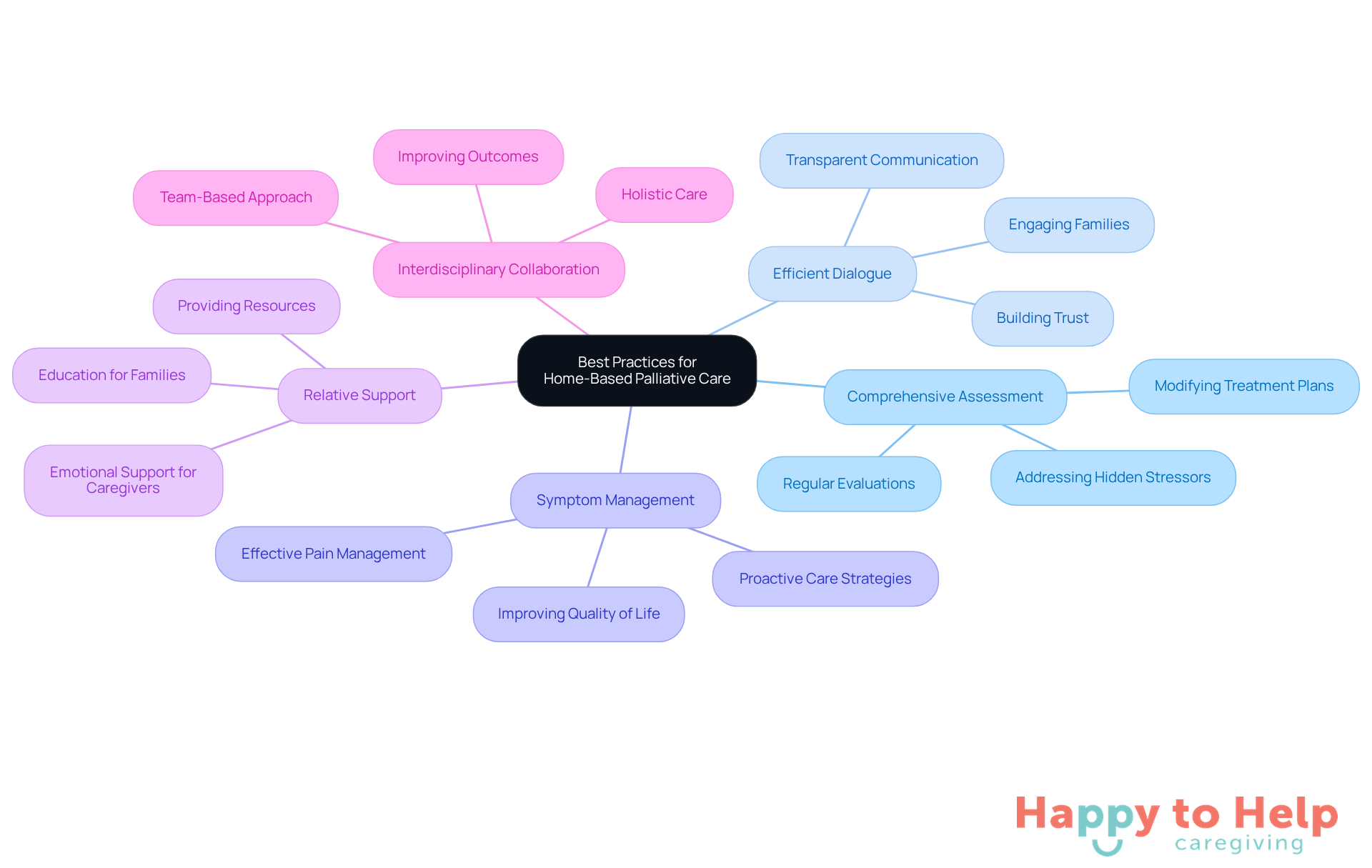
Comprehensive Assessment: Caregivers should conduct regular evaluations of the individual’s physical, emotional, and social needs. This continuous assessment allows for prompt modifications to treatment plans, ensuring they align with the individual’s changing condition. Research indicates that thorough evaluations are crucial for uncovering hidden stressors that may affect health and caregiver effectiveness. As Arif H. Kamal states, "CPC's main aim is to guarantee that the administrative and funding frameworks for palliative support are aligned with the goal of reducing interruptions to individuals and their loved ones while enhancing quality of life in every environment."
-
Efficient Dialogue: Encouraging transparent communication with both individuals and their relatives is vital. Keeping everyone informed and engaged in decision-making boosts trust and enables families to actively participate in the support process. Effective communication strategies significantly enhance satisfaction and outcomes.
-
Symptom Management: Prioritizing effective pain and symptom management is essential. Research shows that individuals receiving outpatient supportive treatment report improved quality of life and symptom management. Addressing these elements proactively enhances comfort and overall well-being. A study by Temel et al. found that individuals with recently diagnosed metastatic lung cancer experienced improved quality of life and symptom management after four outpatient appointments with palliative care specialists.
-
Relative Support: Providing caregivers with resources and assistance is crucial to prevent burnout. Offering education and emotional support helps families feel more confident in their caregiving roles, which is vital for sustaining the well-being of both the individual receiving care and the caregiver.
-
Interdisciplinary Collaboration: Collaborating with a diverse team of healthcare professionals, including doctors, nurses, social workers, and spiritual advisors, ensures that all aspects of the individual’s well-being are addressed. This holistic approach leads to improved outcomes and satisfaction for both individuals and families. Case studies have shown that interdisciplinary teams can significantly enhance the quality of elderly palliative care delivered at home, as demonstrated in the landmark study by Rabow et al., which revealed significant symptom improvement and high satisfaction among patients receiving care from a palliative comprehensive care team.
Making the Right Choice
Elderly palliative care faces significant challenges that can hinder the quality of life for seniors with serious illnesses. Caregivers often struggle with inadequate support systems, leading to increased stress and burnout. This situation not only affects the caregivers but also impacts the emotional and physical well-being of the elderly patients they care for.
To address these challenges, it’s crucial to implement effective solutions. Home-based palliative care can be a game-changer, offering personalized care plans that cater to the unique needs of each individual. This approach fosters family involvement and can significantly reduce hospital visits, ultimately enhancing overall well-being. However, caregivers must navigate system-level barriers, manage their own burdens, and bridge communication gaps to provide the best care possible.
Best practices for implementing elderly palliative care include:
- Conducting comprehensive assessments
- Promoting interdisciplinary collaboration
These strategies can help overcome obstacles and ensure that caregivers have the resources they need to support their loved ones effectively.
In conclusion, mastering elderly palliative care is essential for creating an environment where seniors can live with dignity and comfort. By actively seeking resources, engaging in open communication, and prioritizing holistic care, caregivers can make a profound difference in the lives of their loved ones. Embracing these principles not only enhances the quality of care provided but also strengthens family and community bonds, highlighting the importance of compassionate care at every stage of life.
https://iframe.tely.ai/cta/eyJhcnRpY2xlX2lkIjogIjY5M2Y3NWE3ZDhjZTU2YzVlYjdjNjlkNSIsICJjb21wYW55X2lkIjogIjY4ZWU1ZGNhNzMxNzYyNTU3ZjNjOTVjMSIsICJpbmRleCI6IG51bGwsICJ0eXBlIjogImFydGljbGUifQ==Frequently Asked Questions
What is palliative care for the elderly?
Palliative care for the elderly is a holistic approach that focuses on enhancing the quality of life for patients with serious, often life-limiting illnesses. It addresses physical, emotional, social, and spiritual needs, aiming to provide comfort and support throughout the illness, not just at the end of life.
What challenges do caregivers face in providing palliative care for the elderly?
Caregivers often struggle to provide adequate care due to the complexity of managing serious illnesses. They may feel overwhelmed and unsure of how to balance comfort with ongoing medical treatments, leading to increased stress and emotional strain.
What are the implications of insufficient palliative care for elderly patients?
Insufficient palliative care can lead to unmanaged symptoms, pain, and stress, which diminish the overall well-being of patients. This can also result in caregivers feeling overwhelmed and unable to provide the necessary support.
At what stage of illness should palliative care be integrated?
Palliative care can and should be integrated at any stage of illness, not just in end-of-life scenarios. It is about improving quality of life throughout the entire course of the illness.
What practical solutions can caregivers implement to improve palliative care for the elderly?
Caregivers can enhance palliative care by communicating openly with healthcare providers about the patient's symptoms and preferences, educating themselves on available palliative care options, and incorporating comfort measures such as pain management techniques and emotional support resources.
What is the primary goal of palliative care?
The primary goal of palliative care is to improve the quality of life for patients by addressing their comfort and support needs, rather than solely focusing on managing the illness.
List of Sources
- Define Palliative Care for the Elderly
- Palliative Care News Archives (https://hospicenews.com/category/palliative-care-news)
- Palliative Care News | Living with Serious Illness | Get Palliative Care (https://getpalliativecare.org/news/page/2)
- Palliative Care: What Older Adults and Caregivers Should Know | UAMS Arkansas Geriatric Education Collaborative (https://agec.uams.edu/palliative-care-what-older-adults-and-caregivers-should-know)
- Palliative care (https://who.int/news-room/fact-sheets/detail/palliative-care)
- Palliative care and hospice poll reveals major gaps (https://ihpi.umich.edu/news-events/news/palliative-care-and-hospice-poll-reveals-major-gaps)
- Explore Benefits of Home-Based Palliative Care
- Home-Based Palliative Care: Benefits, Challenges, Opportunities and Future Directions in a Super-Aged Society - PMC (https://pmc.ncbi.nlm.nih.gov/articles/PMC12409080)
- Home-Based Palliative Care: Benefits, Challenges, Opportunities and Future Directions in a Super-Aged Society - PubMed (https://pubmed.ncbi.nlm.nih.gov/40919380)
- Home-Based Care Providers Reap Benefits Of Palliative Care – But Broader Adoption Hinges On Reform (https://homehealthcarenews.com/2025/11/home-based-care-providers-reap-benefits-of-palliative-care-but-broader-adoption-hinges-on-reform)
- Hospice, Palliative Care Services Yield High Quality, Cost Savings (https://hospicenews.com/2025/09/22/hospice-palliative-care-services-yield-high-quality-cost-savings)
- Identify Challenges in Providing Palliative Care
- Home-Based Palliative Care: Benefits, Challenges, Opportunities and Future Directions in a Super-Aged Society - PMC (https://pmc.ncbi.nlm.nih.gov/articles/PMC12409080)
- The Caregiving Landscape: Data & Insights on the Caregiver Experience in the U.S. (https://caregiveraction.org/caregiver-statistics)
- Caregiver Statistics: Demographics (https://caregiver.org/resource/caregiver-statistics-demographics)
- Hospices Facing a US Caregiving 'Crisis' (https://hospicenews.com/2025/06/02/hospices-facing-a-us-caregiving-crisis)
- Implement Best Practices for Home-Based Palliative Care
- Community-Based Palliative Care: The Natural Evolution for Palliative Care Delivery in the U.S. (https://sciencedirect.com/science/article/pii/S0885392412004629)
- Discover 12 palliative care quotes and quotes ideas | inspirational quotes, palliative care quotes, palliative care and more (https://za.pinterest.com/judykrogh/palliative-care-quotes)
- BerryDunn Announces the National Healthcare at Home 2025 Best Practices Study (https://berrydunn.com/news-detail/berrydunn-announces-the-national-healthcare-at-home-2025-best-practices-study)
- Palliative Care Quotes (10 quotes) (https://goodreads.com/quotes/tag/palliative-care)