
Understanding Master Home Health Care in Wisconsin: A
Navigating the complexities of home health care can be daunting for families, especially as the elderly population in the United States continues to grow. With projections indicating that 80 million individuals will be over 65 by 2050, families face the challenge of understanding the various support options available to them. This situation can lead to confusion and stress, making it crucial for families to find reliable information and resources.
This guide offers a comprehensive look at home health care in Wisconsin, detailing essential services, strategies for selecting the right provider, and effective management techniques for caregivers. By understanding these aspects, families can make informed decisions that truly meet the needs of their loved ones.
How can families ensure they are navigating this evolving landscape of care effectively? This guide aims to provide clear, actionable solutions to help caregivers manage their responsibilities with confidence.
Understand Home Health Care Basics
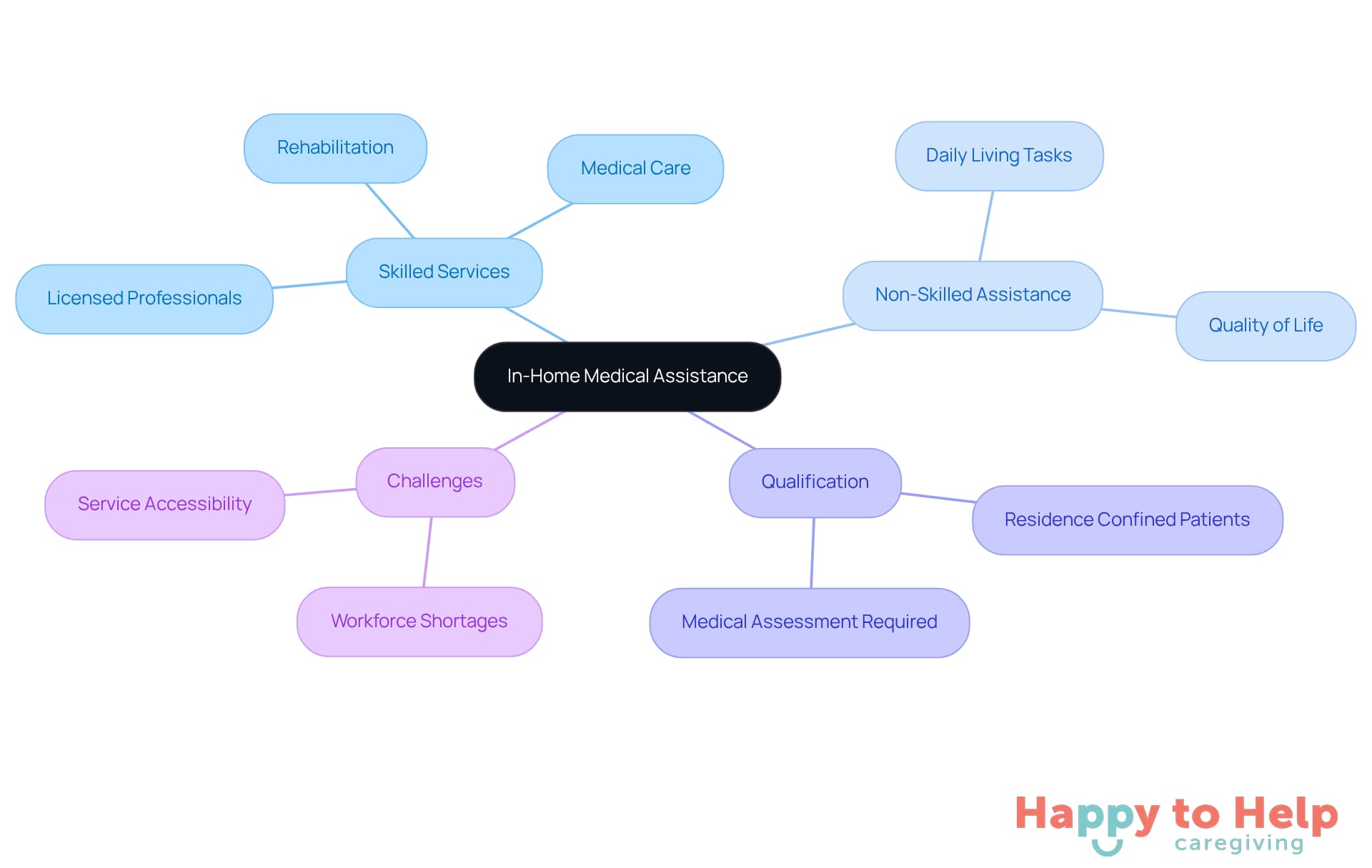
In-home medical assistance presents a significant challenge for families trying to navigate the complexities of care options. With the elderly population projected to reach 80 million by 2050, understanding the nuances of this support is crucial. Families often struggle to differentiate in-home assistance from alternatives like assisted living or nursing facilities, which can lead to confusion and inadequate care for their loved ones.
Key Components of In-Home Medical Assistance:
- Skilled Services: These are delivered by licensed professionals, such as nurses or therapists, and include medical care, rehabilitation, and health condition monitoring. Approximately 60% of residential care patients receive specialized assistance, highlighting the importance of professional supervision in recovery and management.
- Non-Skilled Assistance: Often provided by personal aides, these services support daily living tasks like bathing, dressing, and meal preparation. About 40% of patients rely on non-skilled services, which are vital for maintaining quality of life and independence.
- Qualification: To qualify for in-home assistance, patients typically need to be confined to their residence and require specialized support as assessed by a medical professional. This ensures that those who genuinely need help receive the appropriate level of care.
However, families face additional hurdles due to workforce shortages in domestic support agencies, which can limit service accessibility. As Jason Hill, MD, states, "The future of domestic wellness services remains promising, but we must tackle the workforce issues to satisfy the increasing demand."
By grasping these fundamental concepts, families can better manage the intricacies of home health care Wisconsin options available, ensuring their loved ones receive the best possible assistance tailored to their needs.
Explore Available Home Health Care Services
In Wisconsin, caregivers face the challenge of navigating a variety of home health care Wisconsin options tailored to meet the unique needs of individuals. Understanding these options is crucial for making informed decisions during times of heightened need for assistance.
Key Services Available:
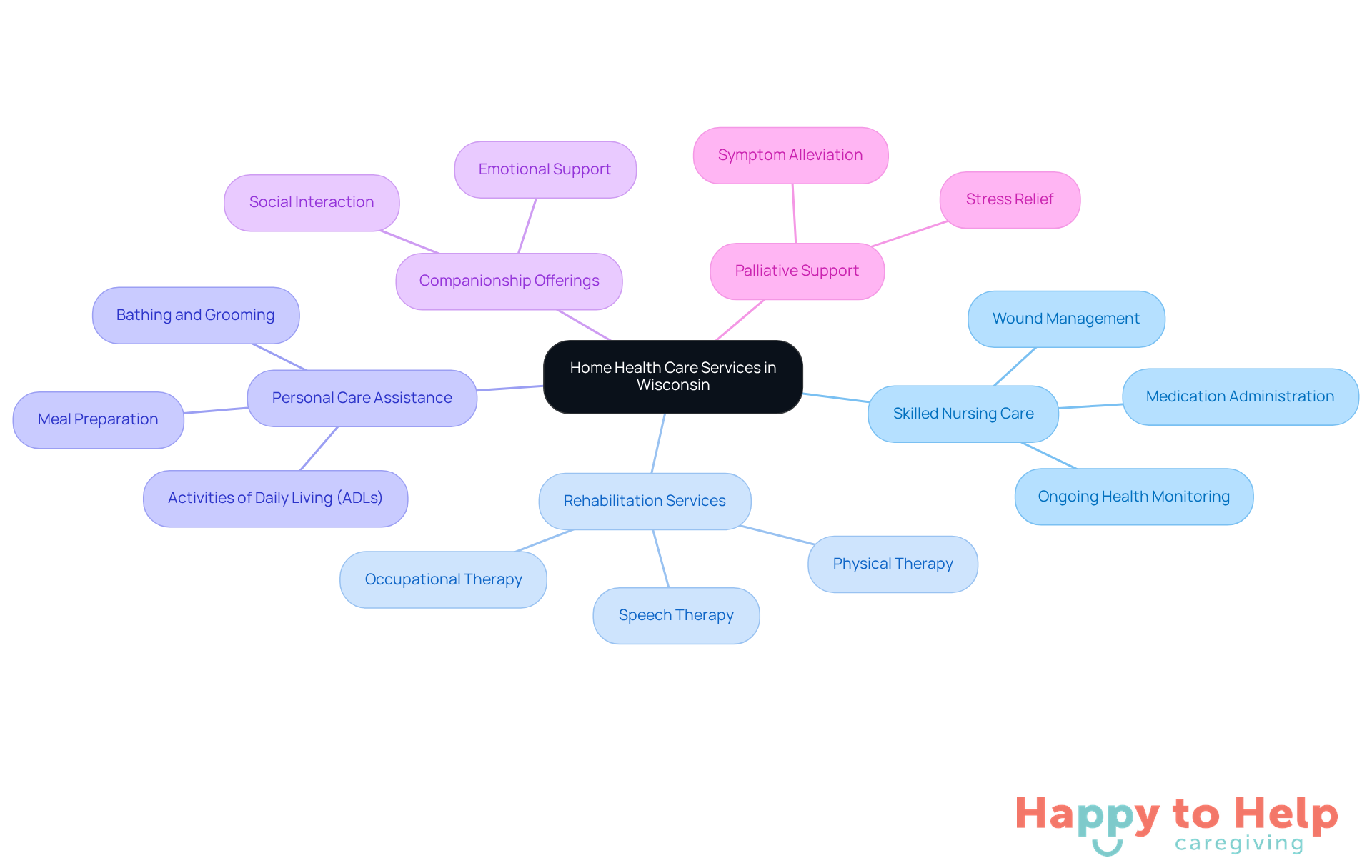
- Skilled Nursing Care: Provided by registered nurses, this service includes essential medical care such as wound management, medication administration, and ongoing health monitoring.
- Rehabilitation Services: This encompasses physical, occupational, and speech therapy, designed to enhance mobility, daily living skills, and communication abilities for seniors recovering from illness or injury.
- Personal Care Assistance: These supports help with activities of daily living (ADLs), including bathing, grooming, and meal preparation, ensuring clients maintain their personal hygiene and nutrition.
- Companionship Offerings: Aimed at providing social interaction and emotional support, these services help reduce feelings of loneliness and isolation, fostering a sense of connection.
- Palliative Support: This specialized assistance focuses on alleviating symptoms and stress related to severe illnesses, significantly improving the quality of life for both patients and their families.
By comprehending these diverse offerings, families can make knowledgeable choices about the ideal mix of support that best matches their loved one's requirements. Notably, home health care Wisconsin providers rank #23 in highest revenue, contributing to 1% of the state's GDP, underscoring the sector's significance. As the demand for domestic support services continues to rise, families must also consider the financial challenges that may impact service availability.
Evaluate and Choose a Home Health Care Provider
Selecting a home health care provider in Wisconsin can be a daunting task, especially given the increasing demands on the elder support system. With the aging population on the rise, families face the challenge of finding a provider in home health care Wisconsin that meets their loved one's unique needs while ensuring quality care.
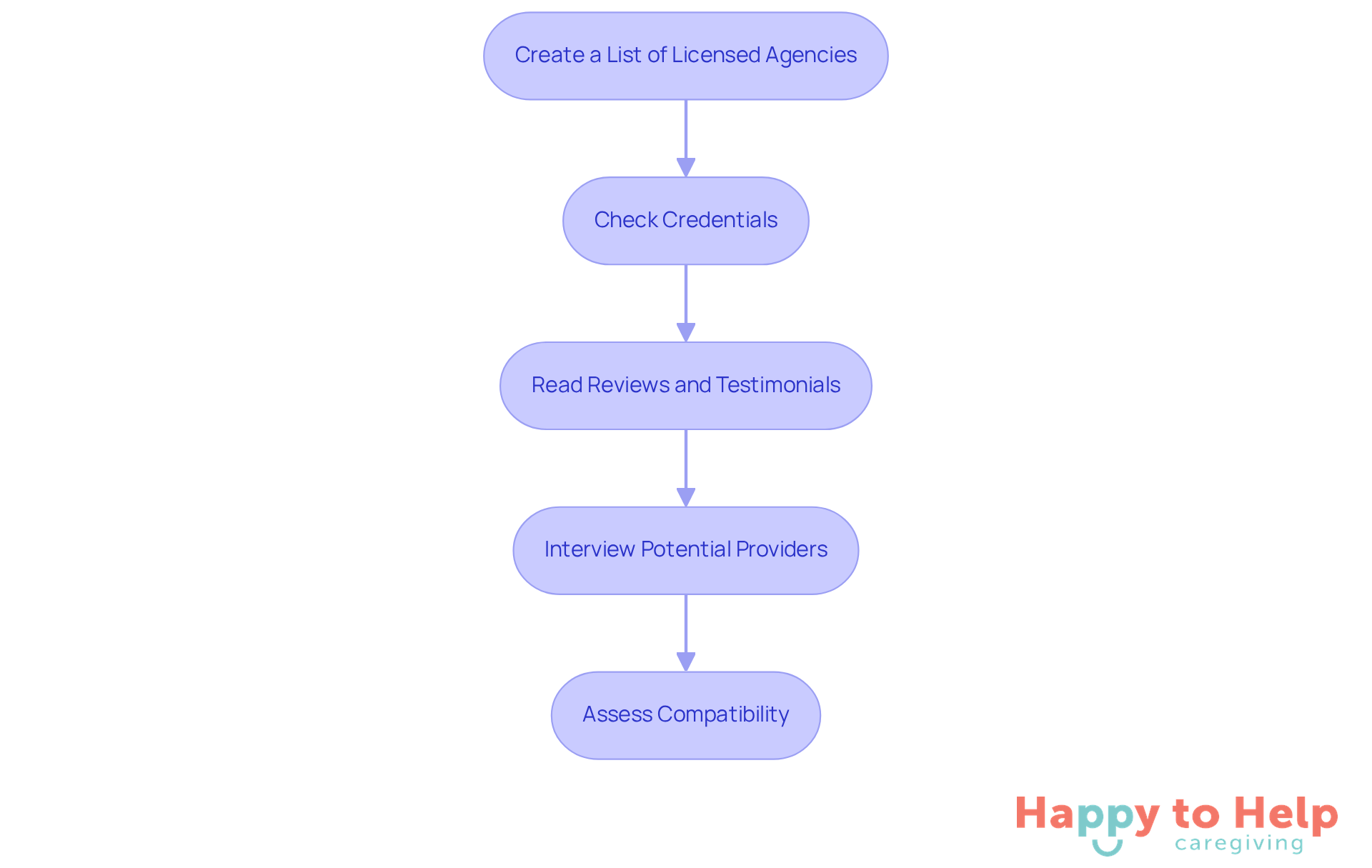
Start by creating a list of licensed agencies for home health care Wisconsin. The Wisconsin Department of Health Services offers directories that can help identify local options for home health care Wisconsin.
-
Check Credentials: Confirm that the agency is Medicare-certified and meets state licensing requirements. Accreditation from esteemed organizations, like the Joint Commission or the Community Health Accreditation Program, is also vital for guaranteeing quality service. In 2018, approximately 49% of home health agencies were accredited, highlighting the importance of this step.
-
Read Reviews and Testimonials: Collect opinions from other families to evaluate the standard of service offered. Online platforms like Yelp and Google Reviews can provide valuable insights into the experiences of previous clients.
-
Interview Potential Providers: Schedule consultations with agencies to discuss your loved one's specific needs. Inquire about caregiver qualifications, training, and experience to ensure they are well-equipped to provide the necessary support.
-
Assess Compatibility: Evaluate whether the agency's philosophy aligns with your family's values. It's important to find caregivers who can connect with your loved one, respecting their personality and preferences.
As Kevin Dospoy, deputy director of Forward Analytics, pointed out, the rapid increase of the aging population will likely pressure the elder support system. By following these steps, families can confidently choose a provider that addresses their unique needs, ensuring a supportive and compassionate environment. Furthermore, families can use the Home Health Compare program to evaluate the quality of services offered by Medicare-certified agencies for home health care Wisconsin.
Manage Caregiver Responsibilities Effectively
Managing caregiver responsibilities can be challenging, often leading to confusion and burnout. Caregivers, whether family members or hired professionals, face the problem of overlapping duties and unclear expectations. This lack of clarity can result in stress and inefficiency, ultimately affecting the quality of care provided.
To address these challenges, here are key strategies to enhance care management:
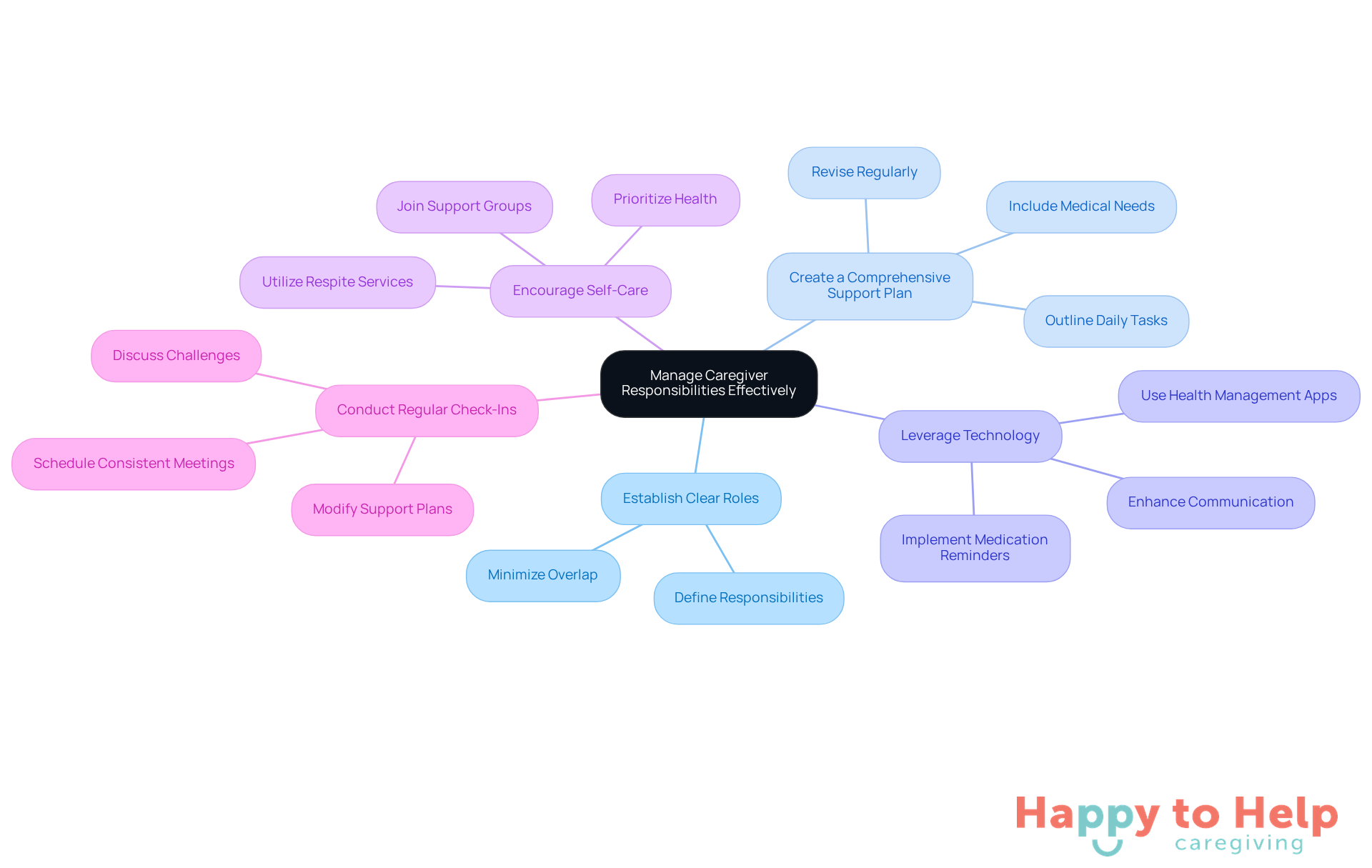
- Establish Clear Roles: Clearly define the responsibilities of each caregiver. This clarity minimizes overlap and confusion, ensuring everyone understands their duties.
- Create a Comprehensive Support Plan: Develop a detailed support strategy that outlines daily tasks, medical needs, and personal preferences. Regularly revise this plan and make it accessible to all caregivers, promoting a cohesive approach to support.
- Leverage Technology: Utilize apps and online platforms to manage health schedules, medication reminders, and important notes. Tools like CareZone or MyTherapy can significantly improve communication among caregivers and family members, streamlining the caregiving process.
- Encourage Self-Care: Remind caregivers to prioritize their own health by taking breaks and seeking support. Respite services and support groups can offer vital relief, helping caregivers rejuvenate. It's important to note that caregivers spend an average of 25 hours per week on caregiving activities, which can lead to burnout if self-care is neglected.
- Conduct Regular Check-Ins: Schedule consistent meetings with caregivers to discuss challenges, progress, and necessary modifications to the support plan. This practice fosters a supportive atmosphere and ensures that assistance aligns with the client's changing needs. Experts stress that regular communication is essential for effective management of services.
By implementing these strategies, families can create a supportive framework that empowers caregivers and ensures clients receive consistent, high-quality care.
Making the Right Choice
Navigating the complexities of home health care in Wisconsin presents a significant challenge for families seeking the best support for their loved ones. Without a clear understanding of the distinctions between skilled and non-skilled services, families may struggle to make informed decisions that truly cater to individual needs. This lack of knowledge can lead to increased stress and potentially compromise the quality of care provided.
To address these challenges, families must familiarize themselves with the landscape of home health care. This includes understanding the types of services available and the importance of selecting a qualified provider. By doing so, families can:
- Identify appropriate services
- Evaluate potential providers
- Establish effective management practices that foster a supportive environment for both caregivers and clients
As the elderly population continues to grow, the demand for quality in-home assistance will only increase. Families are encouraged to take proactive steps in understanding their options. Implementing effective management strategies is crucial to ensuring that loved ones receive the compassionate care they deserve. Embracing this knowledge not only enhances individual well-being but also contributes to a more robust support system for the community as a whole.
https://iframe.tely.ai/cta/eyJhcnRpY2xlX2lkIjogIjY5MjNhMGNkZTUyZmU2NjM2Njg4Njc1NCIsICJjb21wYW55X2lkIjogIjY4ZWU1ZGNhNzMxNzYyNTU3ZjNjOTVjMSIsICJpbmRleCI6IG51bGwsICJ0eXBlIjogImFydGljbGUifQ==Frequently Asked Questions
What is the significance of understanding in-home medical assistance?
Understanding in-home medical assistance is crucial for families as the elderly population is projected to reach 80 million by 2050. It helps families navigate care options and avoid confusion between in-home assistance and alternatives like assisted living or nursing facilities.
What are the key components of in-home medical assistance?
The key components include skilled services, which are provided by licensed professionals (like nurses or therapists) for medical care and rehabilitation, and non-skilled assistance, which is offered by personal aides for daily living tasks, such as bathing and meal preparation.
What percentage of patients rely on skilled versus non-skilled services?
Approximately 60% of residential care patients receive skilled services, while about 40% rely on non-skilled services.
What qualifications are needed for a patient to receive in-home assistance?
To qualify for in-home assistance, patients typically need to be confined to their residence and require specialized support as assessed by a medical professional.
What challenges do families face in accessing in-home medical assistance?
Families face challenges such as workforce shortages in domestic support agencies, which can limit the accessibility of services.
What does Jason Hill, MD, say about the future of domestic wellness services?
Jason Hill, MD, states that while the future of domestic wellness services remains promising, workforce issues must be addressed to meet the increasing demand.
How can families better manage home health care options?
By understanding the fundamental concepts of in-home medical assistance, families can better manage the intricacies of available care options, ensuring their loved ones receive appropriate assistance tailored to their needs.
List of Sources
- Understand Home Health Care Basics
- Home Health Care Trends for 2025 (https://carevoyant.com/home-health-blog/home-health-care-trends-2025)
- Why is home health care growing? No one wants to be in a hospital (https://ama-assn.org/practice-management/digital-health/why-home-health-care-growing-no-one-wants-be-hospital)
- Home (https://homehealthcarenews.com)
- What’s Next For Home Health As The Industry Faces Its Biggest Test Yet (https://homehealthcarenews.com/2025/10/whats-next-for-home-health-as-the-industry-faces-its-biggest-test-yet)
- FastStats (https://cdc.gov/nchs/fastats/home-health-care.htm)
- Explore Available Home Health Care Services
- Home Care Providers in Wisconsin - Market Research Report (2015-2030) | IBISWorld (https://ibisworld.com/united-states/industry/wisconsin/home-care-providers/13554)
- Top 10 inspirational quotes for the homecare industry | Nursebuddy (https://nursebuddy.co/blog/top-10-inspirational-quotes-for-the-home-care-industry)
- 20 Caregiver Quotes That Will Inspire You - MD Home Health (https://mdhomehealth.com/2018/06/10/20-caregiver-quotes-that-will-inspire-you)
- Motivational Quotes for Home Health Aides - Anodyne (https://anodyne-services.com/2021/07/12/motivational-quotes-for-home-health-aides)
- 8 Quotes That Tell The Story Of Home-Based Care In 2022 -- And Beyond (https://homehealthcarenews.com/2022/12/8-quotes-that-tell-the-story-of-home-based-care-in-2022-and-beyond)
- Evaluate and Choose a Home Health Care Provider
- Wisconsin will need almost 10K more elder care workers to keep up with aging baby boomers (https://wpr.org/news/wisconsin-more-elder-care-workers-aging-baby-boomers)
- Quality of Care in Home Health Agencies with and without Accreditation: A Cohort Study - PMC (https://pmc.ncbi.nlm.nih.gov/articles/PMC9901214)
- Top 10 inspirational quotes for the homecare industry | Nursebuddy (https://nursebuddy.co/blog/top-10-inspirational-quotes-for-the-home-care-industry)
- 8 Quotes That Tell The Story Of Home-Based Care In 2022 -- And Beyond (https://homehealthcarenews.com/2022/12/8-quotes-that-tell-the-story-of-home-based-care-in-2022-and-beyond)
- 52 Eye-Opening Home Health Statistics: Insights for 2025 (https://boosthomehealth.com/home-health-statistics)
- Manage Caregiver Responsibilities Effectively
- 2023 Study — Caregiving in America, Statistics on Family Caregivers and Beyond | Guardian (https://guardianlife.com/reports/caregiving-in-america)
- The Caregiving Landscape: Data & Insights on the Caregiver Experience in the U.S. (https://caregiveraction.org/caregiver-statistics)
- News & Information (https://wellnessalliance.org/resources-and-tools/news-and-information/2025/11/10/national-family-caregivers-month--preventing-caregiver-burnout)
- Caregiver Statistics: Health, Technology, and Caregiving Resources (https://caregiver.org/resource/caregiver-statistics-health-technology-and-caregiving-resources)
- The National Alliance for Caregiving and AARP Release Caregiving Report - CAPC - News Bites (https://capc.org/blog/new-data-on-family-caregivers-in-the-us)