
Why Master Home Nurse Costs: Key Factors Matters
Navigating the financial landscape of home nursing care can feel overwhelming, like wandering through a complex maze. With costs expected to rise significantly in the coming years, families are faced with the heavy burden of budgeting not just for care, but also for the varying rates that depend on location, type of service, and caregiver qualifications. As the demand for in-home assistance continues to grow, caregivers often wonder: how can they make informed decisions that truly meet their loved ones' needs while also considering their financial realities?
By exploring key factors and practical budgeting strategies, families can find a way to balance quality care with affordability. It’s important to remember that you’re not alone in this journey. Many families share similar concerns, and understanding the emotional and practical support available can help ease the stress. Together, we can navigate this path, ensuring that your loved ones receive the compassionate care they deserve.
Explore the Basics of Home Nursing Care Costs
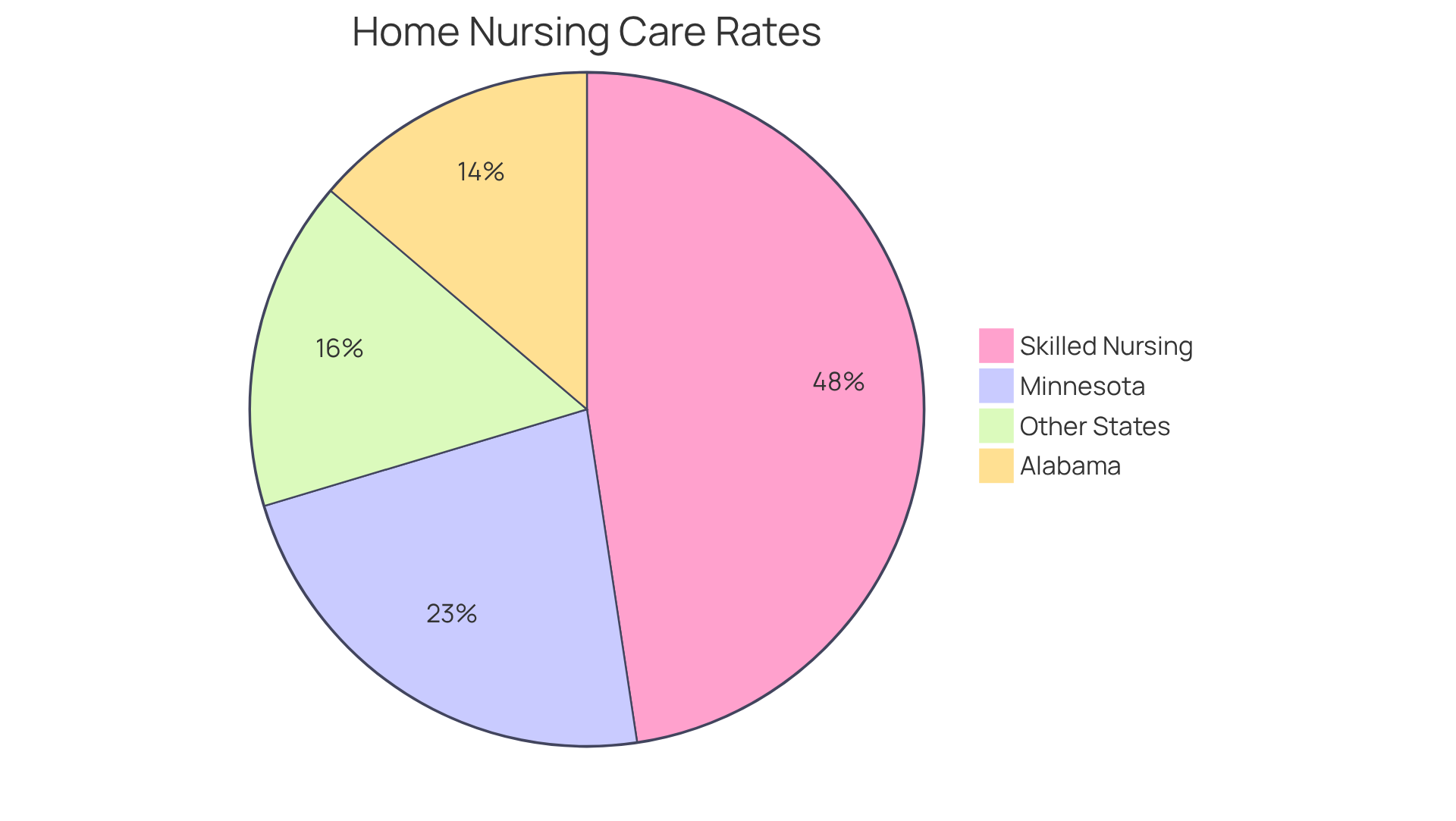
In 2025, the national median expense for nonmedical in-home assistance is around $33 per hour, with state-specific rates ranging from $24 to $43 per hour. Understanding these figures can be overwhelming, but it’s essential for families to grasp the financial commitment involved in the home nurse cost for securing nursing services. It’s important to recognize that the home nurse cost can vary significantly based on factors like location, the type of assistance needed, and the caregiver's qualifications. For instance, the home nurse cost for skilled nursing services often comes with higher fees, typically between $50 and $130 per hour, depending on the complexity of care required. Familiarizing yourself with these basics is a crucial first step in budgeting for household support.
When looking at state-by-state analysis:
- Alabama has a median hourly rate of $26.
- Minnesota's can reach $43.
- Maine stands out as the most expensive state for home assistance.
- Louisiana and Mississippi are among the more affordable options.
These differences highlight the importance for caregivers to assess local market conditions when considering in-home support options. Moreover, understanding the specific services needed, whether it’s basic companionship or more intensive medical care, can greatly influence the home nurse cost. Families should also explore funding options like Medicare, Medicaid, and VA benefits, which can provide vital financial support for their care needs. By carefully evaluating these factors, families can make informed decisions that align with their loved ones' support needs and financial situations.
Identify Key Factors Affecting Home Nursing Care Pricing
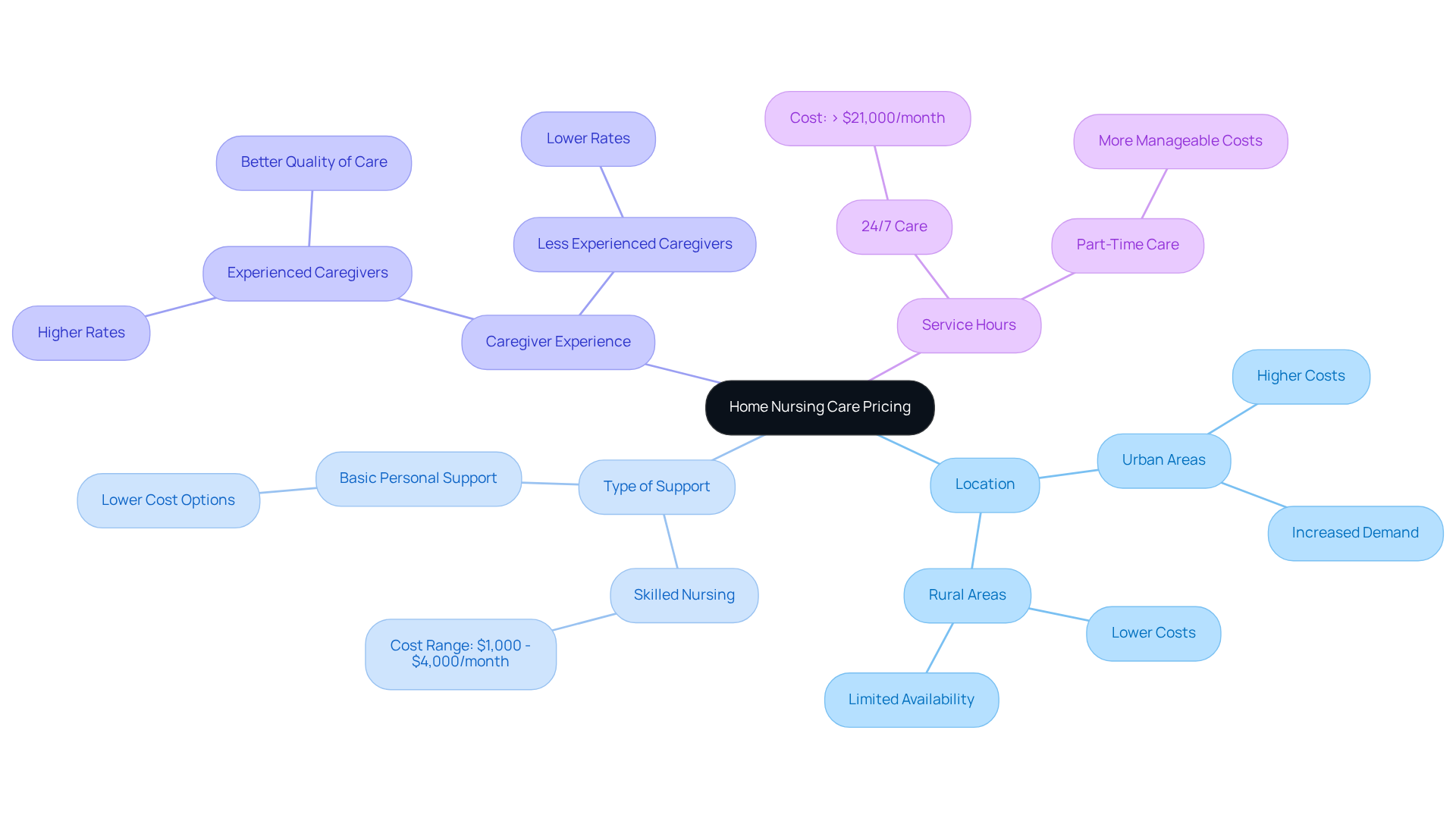
Caring for a loved one can be both rewarding and overwhelming. Understanding the home nurse cost associated with nursing care is essential, especially when you’re already feeling the weight of responsibility. Several key factors can influence the home nurse cost, and being aware of them can help ease some of that stress.
-
Location plays a significant role. In urban areas, costs tend to be higher due to increased living expenses and a greater demand for services. It’s important to consider how this might impact your budget.
-
Then there’s the type of support you need. Skilled nursing assistance often comes at a premium compared to basic personal support. For instance, the home nurse cost for skilled nursing can vary from $1,000 to $4,000 per month, depending on the level of care required. This can feel daunting, but knowing your options can help you make informed decisions.
-
Caregiver experience is another factor. More experienced caregivers may charge higher rates, reflecting their expertise and training. While this might seem like an added expense, it often translates to better care for your loved one.
-
Lastly, consider the service hours needed each week. The total expenses can vary greatly, with home nurse cost for 24/7 care potentially exceeding $21,000 monthly, while part-time care may be more manageable. Finding the right balance is crucial.
By grasping these elements, you can better foresee expenses and explore alternatives that align with your budget. Remember, you’re not alone in this journey. There are compassionate services available to support you and your loved one, helping to lighten the load.
Differentiate Between Home Nursing Services and Their Costs
Home nursing services can be a lifeline for families navigating the challenges of caregiving, especially when considering the home nurse cost. Understanding the different types of services available can help ease the stress and uncertainty that often accompany these decisions.
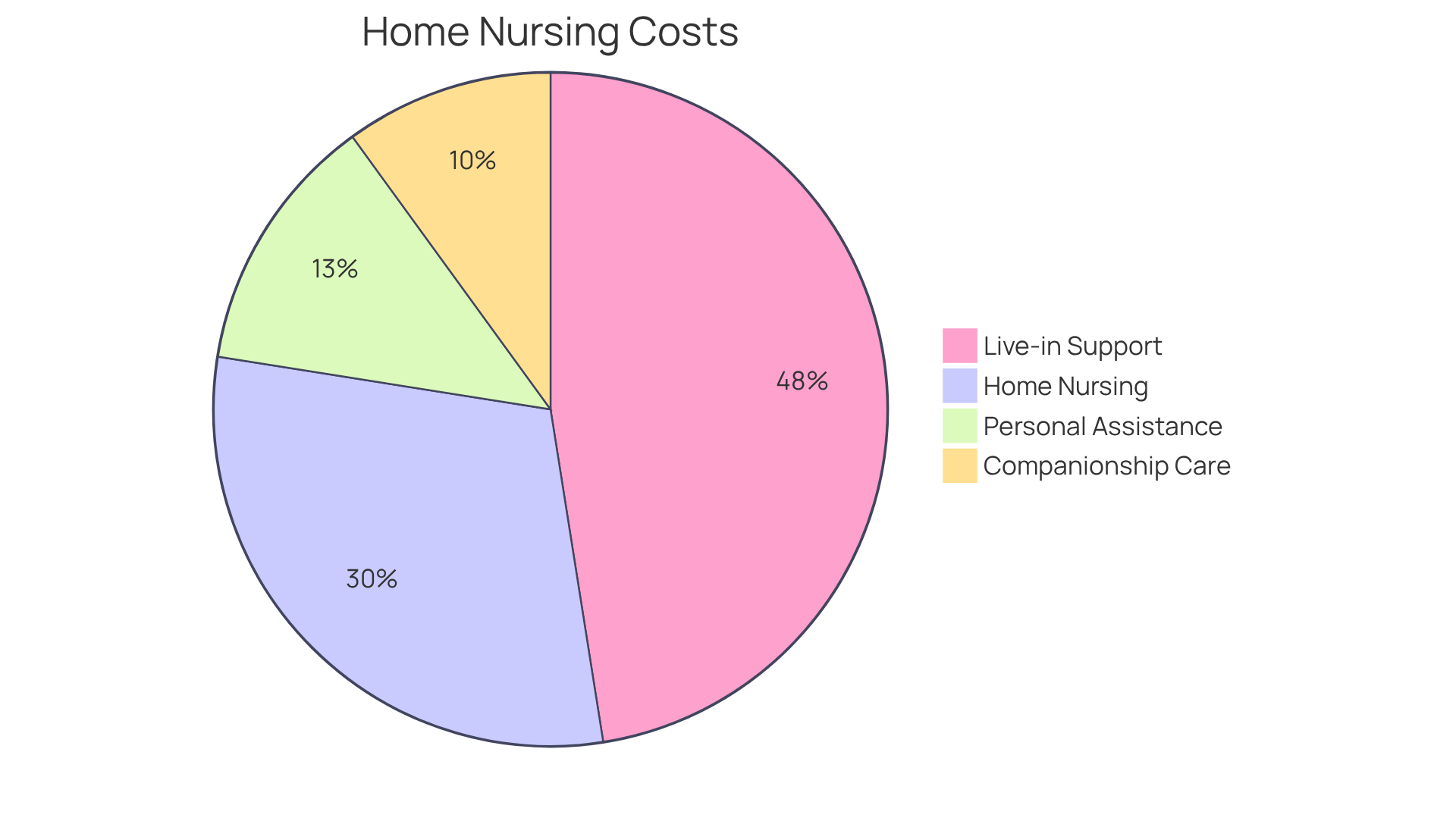
Companionship Care is a wonderful option for seniors who need support but don’t require medical attention. Typically priced between $20 to $30 per hour, this service focuses on social engagement and assistance with everyday tasks, providing not just help, but also companionship.
For those needing a bit more help, Personal Assistance is available. This service, which includes support with bathing, dressing, and grooming, generally costs around $25 to $40 per hour. It’s essential for individuals who struggle with activities of daily living (ADLs), ensuring they maintain their dignity and comfort.
When medical support is necessary, the home nurse cost becomes an important consideration. This service, provided by registered nurses, can incur a home nurse cost ranging from $50 to $130 per hour, depending on the complexity of care required, such as wound treatment or medication management. It’s crucial to have this level of care when health needs arise.
For those who require more intensive support, Live-in Support is an option where aides reside in the home. This service typically costs between $10,000 to $15,000 each month, offering ongoing assistance and companionship, which can be invaluable for both the individual and their family.
Understanding these options allows families to evaluate their loved ones' needs effectively and allocate resources accordingly. Looking ahead to 2025, the average hourly rate for companionship support is expected to remain competitive, making it a viable choice for families wanting to enhance their loved ones' quality of life without the higher costs associated with skilled nursing assistance.
However, it’s important for caregivers to be aware that the home nurse cost for 40-hour weekly assistance is projected to rise significantly, increasing from about $6,620 per month in 2025 to over $10,000 by 2040. In California, the median hourly wage for non-medical in-home assistance is around $35, while Minnesota stands out as the most expensive state for home services, with rates reaching $43 per hour. These figures highlight the importance of careful budgeting and planning for future support needs.
As you navigate these decisions, remember that you’re not alone. Many families face similar challenges, and there are compassionate services available to help you and your loved ones through this journey.
Budget for Home Nursing Care: Strategies for Caregivers
Caring for a loved one at home can be both rewarding and overwhelming. It’s natural to feel stressed about the home nurse cost related to home nursing care. Here are some strategies to help you budget effectively while ensuring your loved one receives the care they need:
-
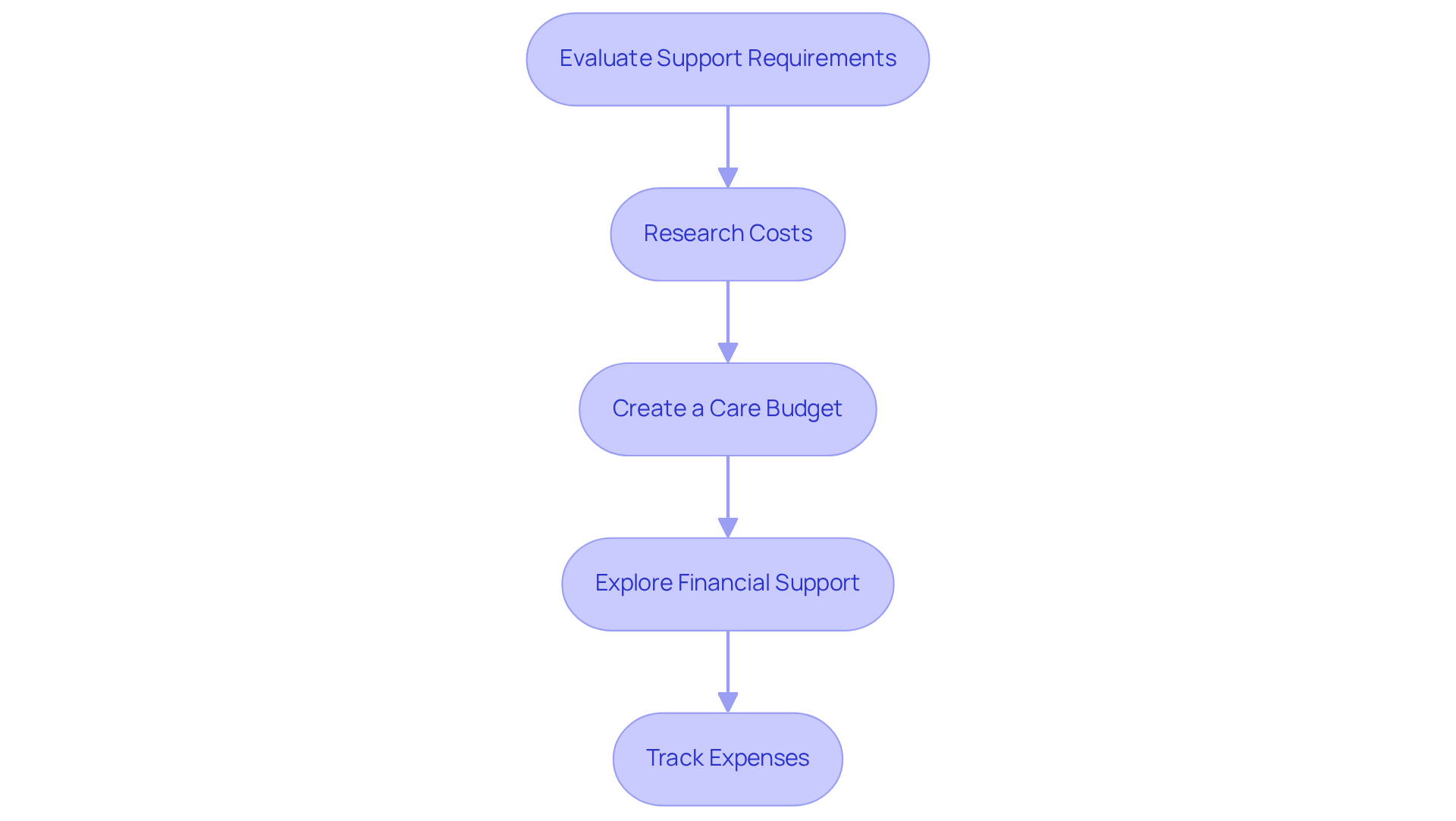
Evaluate Support Requirements: Start by identifying the level of assistance your loved one needs. How many hours of care are essential each week? Understanding this can help you plan better.
-
Research Costs: Take the time to gather quotes from various service providers. Being aware of the home nurse cost and market rates in your area can empower you to make informed decisions.
-
Create a Care Budget: List all potential expenses. This includes caregiver wages, supplies, and any additional services that might be necessary. Having a clear picture of your home nurse cost can alleviate some of the financial stress.
-
Explore Financial Support: Don’t hesitate to investigate options like Medicaid, veterans' benefits, or long-term insurance. These resources can significantly help reduce your expenses.
-
Track Expenses: Keep a detailed record of all caregiving expenses. This practice not only helps you stay organized but also allows you to identify areas where you might cut costs or adjust your budget.
By implementing these strategies, you can create a sustainable financial plan that accommodates your loved one's care needs. Remember, you’re not alone in this journey. Many caregivers face similar challenges, and there are resources available to support you every step of the way.
Taking the Next Steps
Understanding the complexities of home nursing care costs can feel overwhelming for families trying to provide the best support for their loved ones. It’s a significant financial commitment, and it’s natural to feel stressed about it. By familiarizing yourself with the various factors that influence these costs - like location, type of care, and caregiver experience - you can make informed choices that truly align with your needs and budget.
The reality is that home nursing care costs can vary widely across states and service types. From companionship care to skilled nursing services, each option comes with its own pricing structure. This variety allows families to evaluate their choices based on the specific support they need. Plus, exploring financial assistance options, such as Medicare and Medicaid, can help ease some of that financial burden.
Navigating home nursing care costs requires thoughtful planning and budgeting. By assessing your care needs, researching costs, and keeping track of expenses, you can ensure that you’re providing the best possible support while managing your financial responsibilities. Embracing these strategies not only enhances the quality of care but also empowers you to approach this journey with confidence and clarity. Remember, you’re not alone in this; many families are on similar paths, and together, we can find the right solutions.
https://iframe.tely.ai/cta/eyJhcnRpY2xlX2lkIjogIjY5MWZkYzVkNzQ3YTFkNGZkNjY2ZDNlZiIsICJjb21wYW55X2lkIjogIjY4ZWU1ZGNhNzMxNzYyNTU3ZjNjOTVjMSIsICJpbmRleCI6IG51bGwsICJ0eXBlIjogImFydGljbGUifQ==Frequently Asked Questions
What is the national median cost for nonmedical in-home assistance in 2025?
The national median expense for nonmedical in-home assistance in 2025 is around $33 per hour.
How do home nursing care costs vary by state?
State-specific rates for home nursing care range from $24 to $43 per hour, with Alabama having a median rate of $26 and Minnesota reaching up to $43. Maine is noted as the most expensive state for home assistance, while Louisiana and Mississippi are among the more affordable options.
What factors influence the cost of home nursing services?
The cost of home nursing services can vary significantly based on location, the type of assistance needed, and the caregiver's qualifications. Skilled nursing services typically incur higher fees, ranging from $50 to $130 per hour.
Why is it important for families to understand home nursing care costs?
Understanding home nursing care costs is essential for families to grasp the financial commitment involved in securing nursing services and to effectively budget for household support.
What types of services can affect the home nurse cost?
The specific services needed, such as basic companionship or more intensive medical care, can greatly influence the overall home nurse cost.
Are there funding options available to help with home nursing care costs?
Yes, families should explore funding options like Medicare, Medicaid, and VA benefits, which can provide vital financial support for their care needs.