Master In-Home Assessment for Elderly: A Step-by-Step Approach
For families in our service areas
For families in our service areas, this guide explains caregiving and how non-medical in-home caregiving can support care planning in East Idaho, Treasure Valley & Magic Valley, Northern Wasatch, North Central West Virginia & Southwestern Pennsylvania, and Northeast Ohio.
Why Master In-Home Assessment for Elderly: Matters
In-home assessments for the elderly are not merely routine procedures; they represent a crucial lifeline for ensuring the health and safety of seniors living independently. Caregivers face the challenge of identifying specific needs, such as mobility issues and potential hazards, which can significantly impact the quality of life for these individuals.
However, navigating the complexities of conducting these assessments can be daunting. Caregivers often encounter obstacles that hinder thorough evaluations, such as time constraints and a lack of resources. These challenges can lead to inadequate care plans, ultimately affecting the well-being of seniors.
To address these issues, caregivers can adopt best practices that ensure comprehensive evaluations. Here are some actionable tips:
- Conduct regular assessments to stay updated on the changing needs of seniors.
- Utilize checklists to systematically identify mobility challenges and hazards in the home environment.
- Engage with seniors to understand their concerns and preferences, fostering a collaborative approach to care.
By implementing these strategies, caregivers can enhance the effectiveness of in-home assessments, ultimately improving the quality of life for elderly individuals.
Understand the Purpose of In-Home Assessments
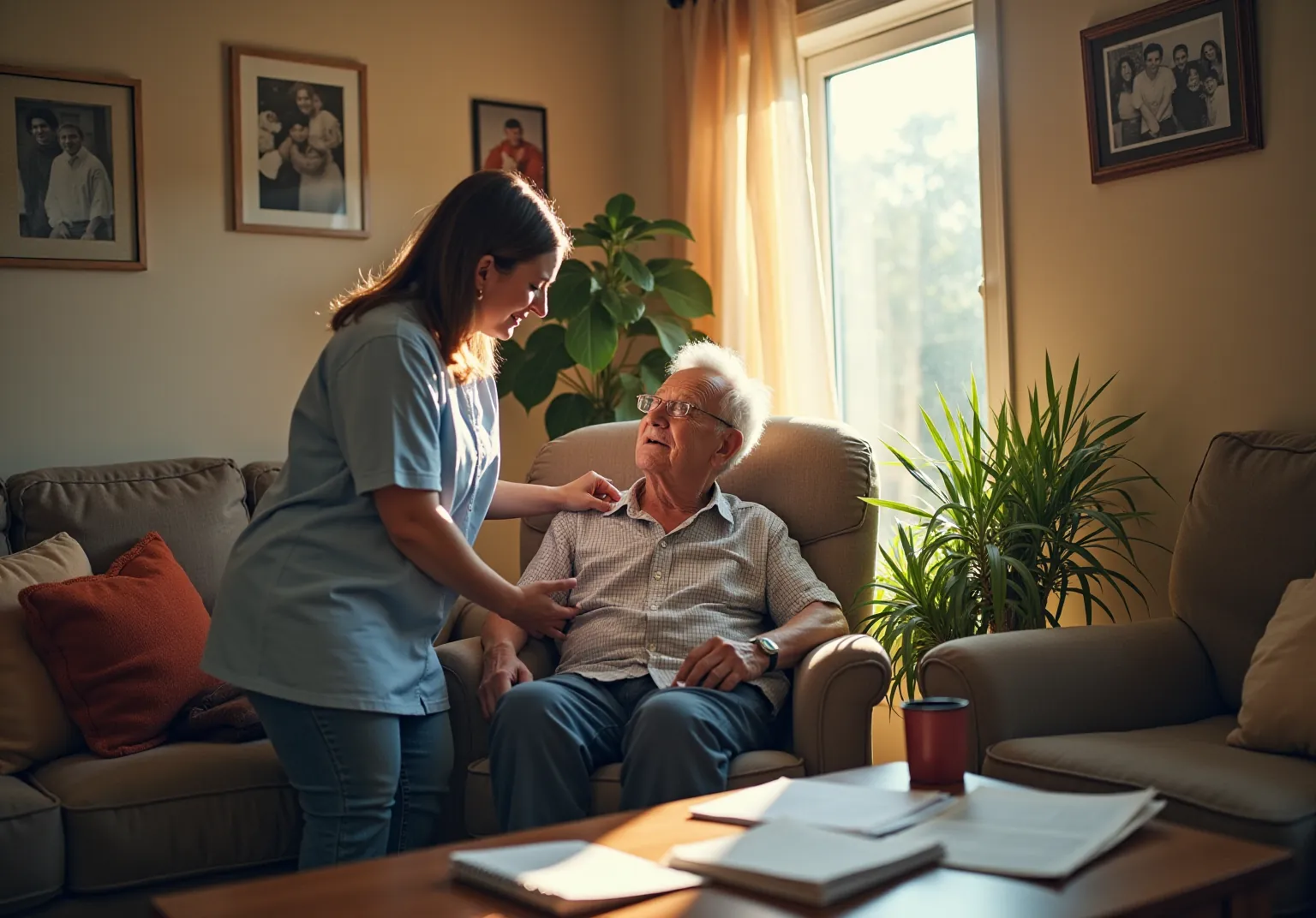
In-home assessments for elderly individuals play a crucial role in addressing the health and safety challenges faced by seniors. In-home assessment for elderly focuses on identifying specific needs, such as mobility issues, cognitive decline, and potential hazards in their living environment. Understanding these factors is essential for caregivers, as it allows them to recognize the implications of these challenges on the well-being of elderly individuals.
Caregivers can significantly enhance the quality of life for seniors by developing personalized care plans through in-home assessment for elderly. These plans not only address immediate concerns but also promote independence while ensuring safety and comfort at home. Furthermore, in-home assessment for elderly can uncover valuable resources and support systems that families may not be aware of, ensuring comprehensive care tailored to each individual's unique circumstances.
Ultimately, the goal is to empower seniors to live independently while receiving the necessary support. Caregivers can implement actionable solutions derived from these evaluations, fostering a safer and more comfortable living environment for the elderly.
Follow a Step-by-Step Process for Conducting the Assessment
-
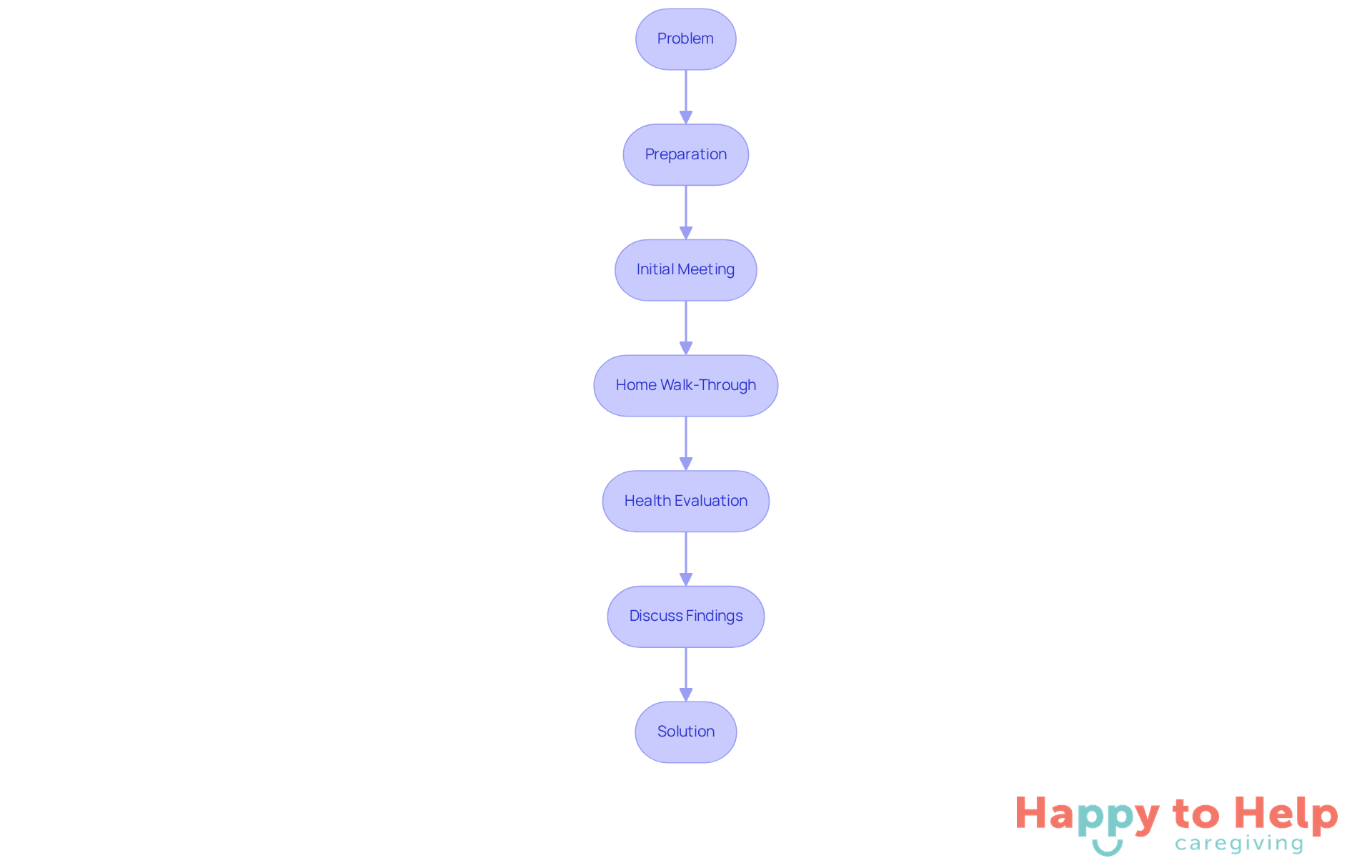
Problem: Falls among the elderly are a significant concern, with the CDC reporting that 1 in 4 individuals over 65 will experience a fall this year. This alarming statistic underscores the need for comprehensive evaluations in home assessment for elderly to prevent such incidents.
-
Preparation: Before the evaluation, gather relevant medical history, current medications, and any previous care plans. This information will provide essential context for the in home assessment for elderly individuals.
-
Initial Meeting: Introduce yourself to the elderly individual and their family. Establishing rapport is crucial for an open and honest in home assessment for elderly individuals. As noted by Caring Senior Service, "When seniors feel secure in their residences, they’re more confident in moving around and more likely to stay engaged in daily life."
-
During the in home assessment for elderly, conduct a thorough walk-through of the home to identify potential hazards such as loose rugs, inadequate lighting, and accessibility issues. Take notes on areas that may require modifications. Utilizing the CDC's Home Safety Assessment checklist can effectively guide the in home assessment for elderly safety.
-
Health Evaluation: Assess the person's physical and mental health, including mobility, cognitive function, and emotional well-being. Use standardized assessment tools where applicable to ensure a thorough evaluation, especially in home assessment for elderly, as highlighted in external sources.
-
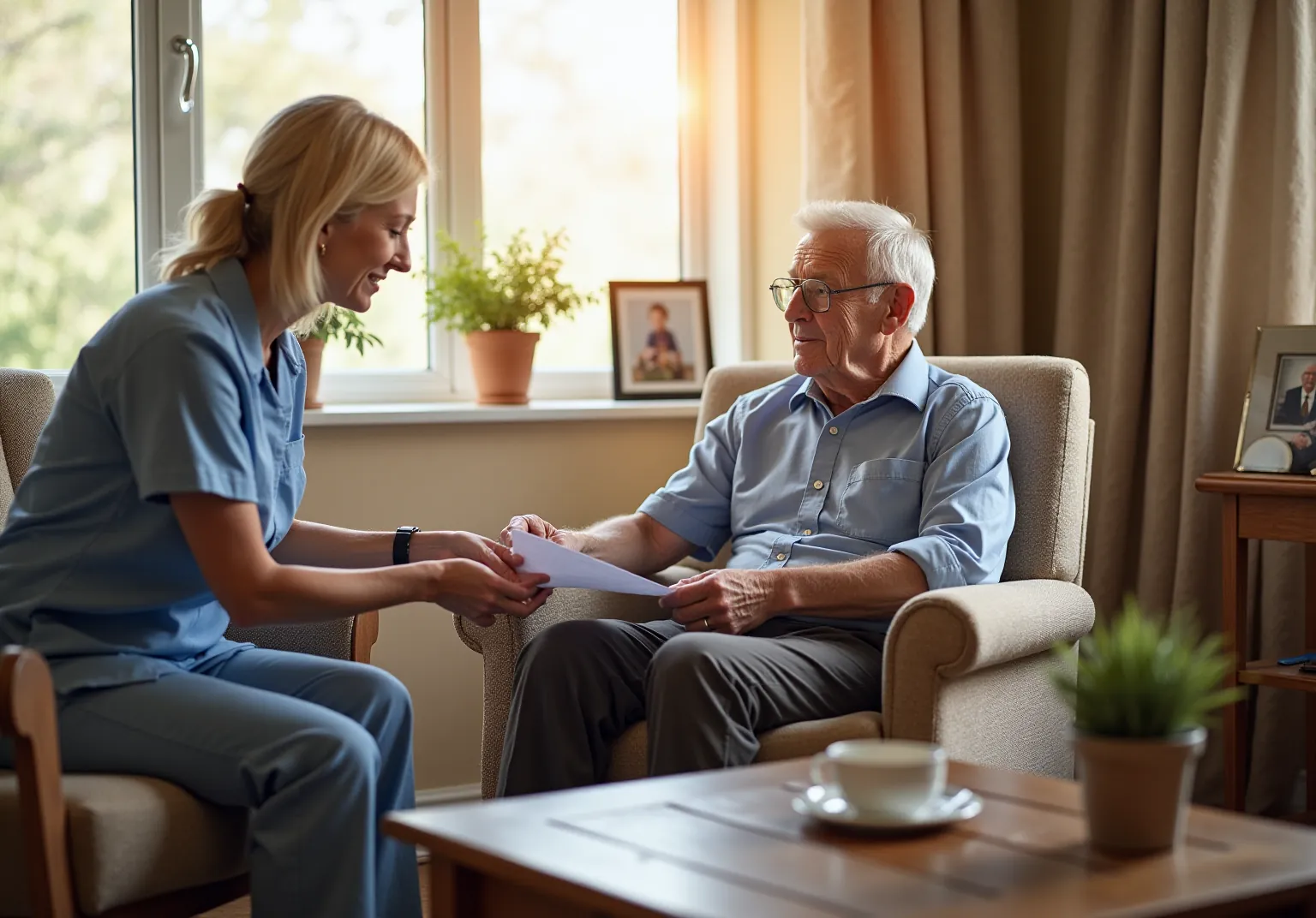
Discuss Findings: After the evaluation, share your results with the individual and their relatives. Highlight any concerns and suggest potential solutions or modifications. This collaborative approach is essential for effective care planning during in home assessment for elderly.
-
Solution: Collaborate with the family to develop a personalized care plan that addresses the identified needs and preferences of the elderly person. Ensure that the plan is flexible and can be adjusted as circumstances change.
Gather Essential Tools and Resources for the Assessment
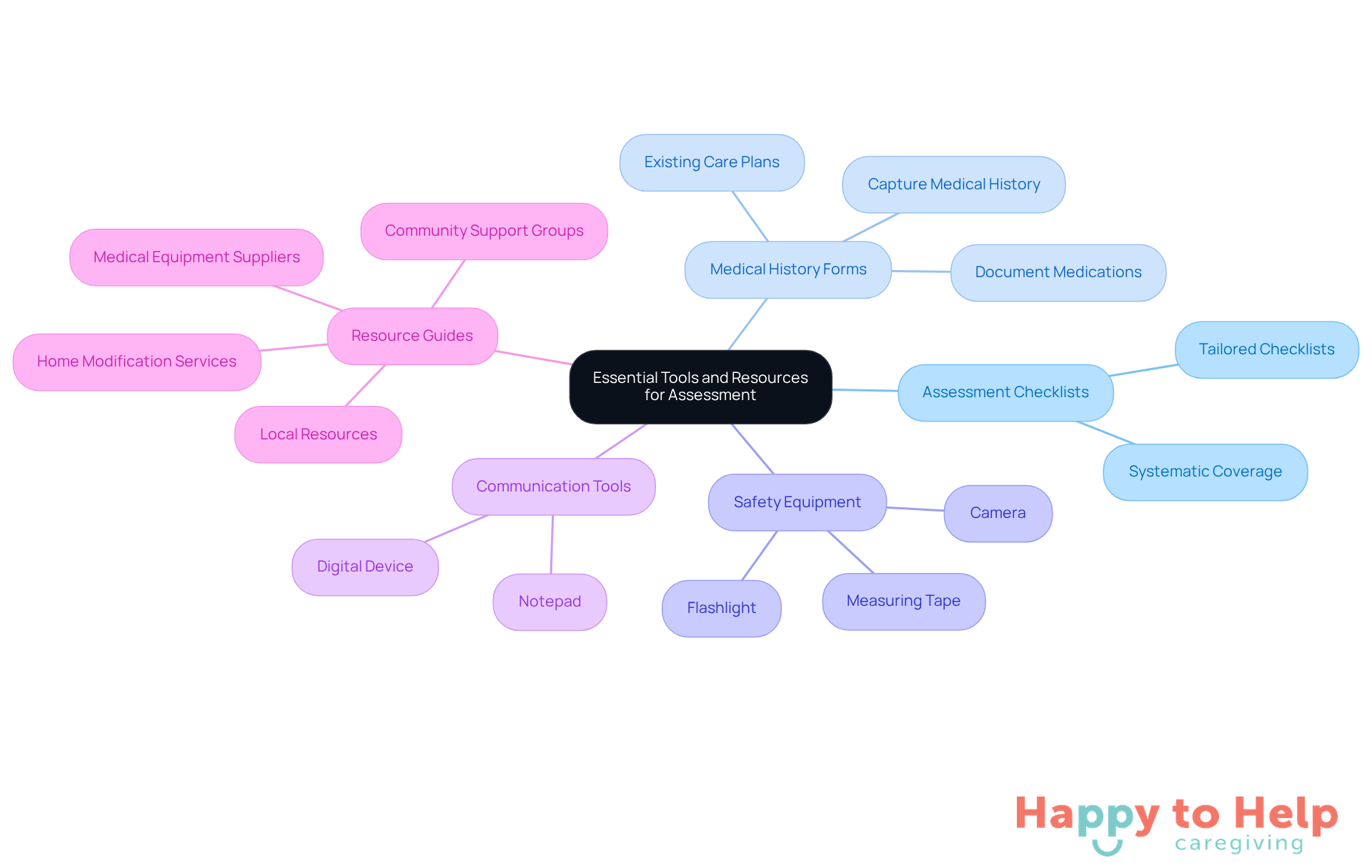
Assessment Checklists: Caregivers often struggle to ensure that no critical areas are overlooked during home safety and health evaluations. To address this, using tailored checklists can help systematically cover all necessary aspects, reducing the risk of missing important details.
Medical History Forms: Documenting an individual's medical history is crucial for effective care. Having forms ready to capture medical history, medications, and existing care plans allows caregivers to provide informed support and make better decisions.
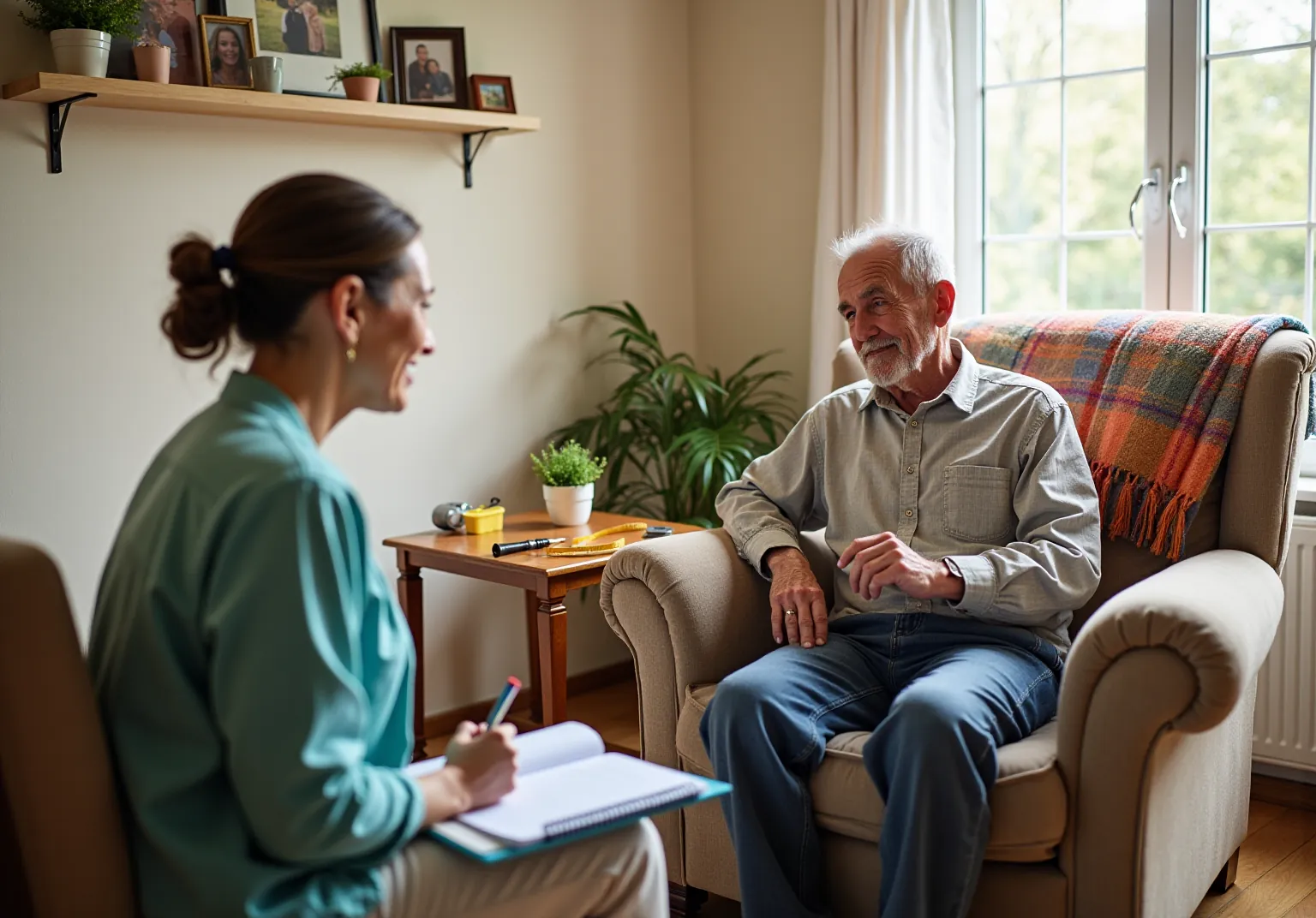
Safety Equipment: Inspecting dark areas can pose challenges. Bringing essential items like a flashlight, measuring tape for assessing space, and a camera to document hazards ensures that caregivers are well-prepared to identify and address potential risks.
Communication Tools: Effective communication is key during evaluations. Ensure you have a notepad or digital device to take notes, which will aid in creating a detailed report later, ensuring that all observations are accurately captured.
Resource Guides: After an evaluation, families may need immediate options for support. Having access to local resources, such as home modification services, medical equipment suppliers, and community support groups, empowers caregivers to provide prompt assistance, enhancing the overall care experience.
Troubleshoot Common Issues During the Assessment
During the evaluation, caregivers may face several common issues that can complicate the process. Here’s how to troubleshoot them effectively:
-
Resistance from the Elderly Individual: Caregivers often encounter reluctance from elderly individuals to participate in assessments. This resistance can hinder the evaluation process. To address this, reassure them of the assessment's purpose and benefits. Use empathetic communication to build trust, and consider employing 'We' language to involve them in the solution process, making them feel part of the decision.
-
Incomplete Information: Discovering that medical history or other essential details are missing can pose significant challenges. This lack of information can lead to incomplete assessments. Inquire with relatives for any documentation they might possess. If necessary, follow up with healthcare providers for additional details to ensure a comprehensive evaluation.
-
Safety Hazards Identified: Notable safety risks can arise during evaluations, which must be addressed promptly. Discuss these hazards with relatives as soon as they are identified. Provide clear recommendations for modifications and resources to tackle these issues effectively.
-
Emotional Reactions: Caregivers should be prepared for emotional responses from the elderly individual or their family. These reactions can complicate discussions and decision-making. Approach these situations with compassion and understanding, allowing them to express their feelings while guiding them toward solutions. Engaging respected professionals can also provide validation and encouragement for the elderly to accept help.
-
Time Management: If the evaluation is taking longer than anticipated, it’s crucial to manage time effectively. Focus on the most critical areas first to ensure essential aspects are covered. Schedule a follow-up visit if necessary to complete the assessment thoroughly. Choosing the right time to discuss the need for additional help can lead to more productive conversations and a greater willingness to consider in-home care.

Taking the Next Steps
In-home assessments for the elderly present a significant challenge for caregivers, as they are essential for ensuring health and safety. Without these assessments, caregivers may struggle to identify specific needs, leading to inadequate care plans. This oversight can hinder seniors' ability to live independently and diminish their quality of life.
To address these challenges, caregivers must adopt a comprehensive approach to conducting in-home assessments. Preparation is key; effective communication with seniors about their unique challenges is crucial. Thorough evaluations of their living environment and health status are necessary to create personalized care plans. Utilizing essential tools and resources, such as assessment checklists and safety equipment, ensures that no critical areas are overlooked.
Moreover, caregivers should be prepared to troubleshoot common issues that may arise during the assessment process. This proactive approach fosters a productive and supportive atmosphere, ultimately enhancing the assessment's effectiveness.
The significance of in-home assessments cannot be overstated. They serve as a foundational element in elderly care, allowing for tailored solutions that cater to individual needs. By prioritizing these assessments, caregivers can create safer, more comfortable living environments that promote independence and well-being for seniors.
Embracing this proactive approach not only benefits the elderly but also enriches the lives of their families and caregivers. It creates a holistic support system that addresses the complexities of aging, ensuring that seniors receive the care they deserve.
https://iframe.tely.ai/cta/eyJhcnRpY2xlX2lkIjogIjY5MjY2NjE4ZjRlMzY1MzFmZjFhZDVkZCIsICJjb21wYW55X2lkIjogIjY4ZWU1ZGNhNzMxNzYyNTU3ZjNjOTVjMSIsICJpbmRleCI6IG51bGwsICJ0eXBlIjogImFydGljbGUifQ==Frequently Asked Questions
What is the purpose of in-home assessments for elderly individuals?
In-home assessments for elderly individuals aim to address health and safety challenges by identifying specific needs such as mobility issues, cognitive decline, and potential hazards in their living environment.
How do in-home assessments benefit caregivers?
In-home assessments help caregivers recognize the implications of health and safety challenges on the well-being of elderly individuals, allowing them to develop personalized care plans that enhance the quality of life.
What do personalized care plans address?
Personalized care plans developed through in-home assessments address immediate concerns while promoting independence, safety, and comfort at home for elderly individuals.
Can in-home assessments uncover additional resources for families?
Yes, in-home assessments can reveal valuable resources and support systems that families may not be aware of, ensuring comprehensive care tailored to each individual's unique circumstances.
What is the ultimate goal of in-home assessments for the elderly?
The ultimate goal is to empower seniors to live independently while receiving the necessary support, fostering a safer and more comfortable living environment.
List of Sources
- Understand the Purpose of In-Home Assessments
- How Medicare Advantage Changed Home Health Care Use (https://ldi.upenn.edu/our-work/research-updates/how-medicare-advantage-changed-home-health-care-use)
- 2025 Home Care Statistics: Trends & Insights To Know (https://premierhcinc.com/blog/home-care-statistics)
- In-Home Care for Seniors - Caregiving News and Tips (https://aarp.org/caregiving/home-care)
- 52 Eye-Opening Home Health Statistics: Insights for 2025 (https://boosthomehealth.com/home-health-statistics)
- How Medicare Advantage In-Home Health Assessments Keep Seniors Healthier - Better Medicare Alliance (https://bettermedicarealliance.org/blog-posts/how-medicare-advantage-in-home-health-assessments-keep-seniors-healthier)
- Follow a Step-by-Step Process for Conducting the Assessment
- 8 Ways to Help Seniors Live At Home Safely in 2025 - VNA & Hospice Monterey, CA (https://ccvna.com/help-seniors-live-at-home-safely)
- Health Needs Assessment in Home-Living Older Adults: Protocol for a Pre-Post Study - PMC (https://pmc.ncbi.nlm.nih.gov/articles/PMC11066750)
- Comprehensive Guide to Home Safety Assessments for Seniors (https://agesafeamerica.com/home-safety-hub/blog/comprehensive-guide-to-home-safety-assessments-for-seniors)
- A Family Caregiver’s Guide to Senior Home Safety Assessments (https://caringseniorservice.com/blog/home-safe-home)
- What Is a Home Safety Assessment for the Elderly? | eHealth (https://ehealthinsurance.com/medicare/blog/medicare-tips/what-is-a-home-safety-assessment-for-the-elderly)
- Gather Essential Tools and Resources for the Assessment
- Bridging the Gap in Elderly Care: The Case for Comprehensive In-Home Assessment (https://reachmd.com/news/bridging-the-gap-in-elderly-care-the-case-for-comprehensive-in-home-assessment/2474101)
- CaringBridge (https://caringbridge.org/resources/inspirational-quotes-on-caregiving)
- Department of Aging announces new tool for screening in-home care workers to increase hiring transparency and protect older adults - ScoopUSANews (https://scoopnewsusa.com/department-of-aging-announces-new-tool-for-screening-in-home-care-workers-to-increase-hiring-transparency-and-protect-older-adults?srsltid=AfmBOopSDpy3EuqFa-TJhYebejChFdsEJTJnxs8h4-4T0bdP9Jh9udkN)
- 52 Eye-Opening Home Health Statistics: Insights for 2025 (https://boosthomehealth.com/home-health-statistics)
- Understanding Barriers to Home Safety Assessment Adoption in Older Adults: Qualitative Human-Centered Design Study - PMC (https://pmc.ncbi.nlm.nih.gov/articles/PMC12212885)
- Troubleshoot Common Issues During the Assessment
- Overcoming Challenges In Home-Based Care For Medically Intensive Patients (https://homehealthcarenews.com/2025/09/overcoming-challenges-in-home-based-care-for-medically-intensive-patients)
- 10 Strategies to Help the Elderly Overcome Resistance to Home Care - Dakota Home Care (https://dakotahomecare.com/10-strategies-to-help-the-elderly-overcome-resistance-to-home-care)
- What Is the Lifetime Risk of Needing and Receiving Long-Term Services and Supports? (https://aspe.hhs.gov/reports/what-lifetime-risk-needing-receiving-long-term-services-supports-0)
- Assessing the Needs of Elderly People in a Home Environment: Perspectives from Patients, Caregivers, and a Family Nurse - PMC (https://pmc.ncbi.nlm.nih.gov/articles/PMC12026856)