

For families in our service areas
For families in our service areas, this guide explains in-home care and how non-medical in-home caregiving can support care planning in East Idaho, Treasure Valley & Magic Valley, Northern Wasatch, North Central West Virginia, and Northeast Ohio.
Quick Guide to Master In-Home Caregiving Services
In-home caregiving services for seniors are truly essential. They provide personalized support that helps seniors maintain their independence while receiving necessary assistance in the comfort of their own homes. This growing demand for such services highlights their vital role in enhancing quality of life, alleviating feelings of isolation, and delivering tailored care that meets the unique needs of each individual.
Many caregivers face emotional challenges, often feeling stressed and burned out. It’s important to recognize these feelings and understand that help is available. In-home caregiving services not only offer practical support but also provide a compassionate presence that can make a significant difference in the lives of both seniors and their caregivers.
Imagine the comfort of knowing that your loved one is receiving care from someone who truly understands their needs. These services foster a nurturing environment, allowing seniors to thrive while feeling connected and valued. It’s a reassuring thought that tailored care can be just a call away, ensuring that each individual feels supported and cared for.
As we reflect on the importance of in-home caregiving, let’s remember the profound impact it has on reducing feelings of loneliness and enhancing overall well-being. With the right support, seniors can enjoy their golden years with dignity and joy. Let us embrace these services as a beacon of hope, providing the emotional and practical support that every senior deserves.
Why Master In-Home Caregiving Services Matters
In-home caregiving services have emerged as a vital lifeline for seniors, enabling them to maintain their independence while receiving essential support in the comfort of their own homes. This personalized approach not only enhances the quality of life for elderly individuals but also alleviates the pressures faced by family members who strive to provide care. Navigating the myriad of options available can be daunting, and many families may feel overwhelmed.
What are the best practices for selecting the right services? How can families ensure their loved ones receive the compassionate care they deserve?
These questions reflect the emotional challenges many caregivers face. It’s natural to feel stressed and even burnt out when trying to balance caregiving responsibilities with everyday life. However, there is hope. By understanding the available support and resources, families can find the right caregiving services that truly meet their loved ones’ needs.
In-home caregiving services not only provide practical assistance but also foster a nurturing environment that promotes emotional well-being. This compassionate care can make a significant difference in the lives of seniors and their families alike. As you embark on this journey, remember that you are not alone, and there are solutions that can bring peace of mind and comfort.
Understanding In-Home Caregiving: Importance and Overview
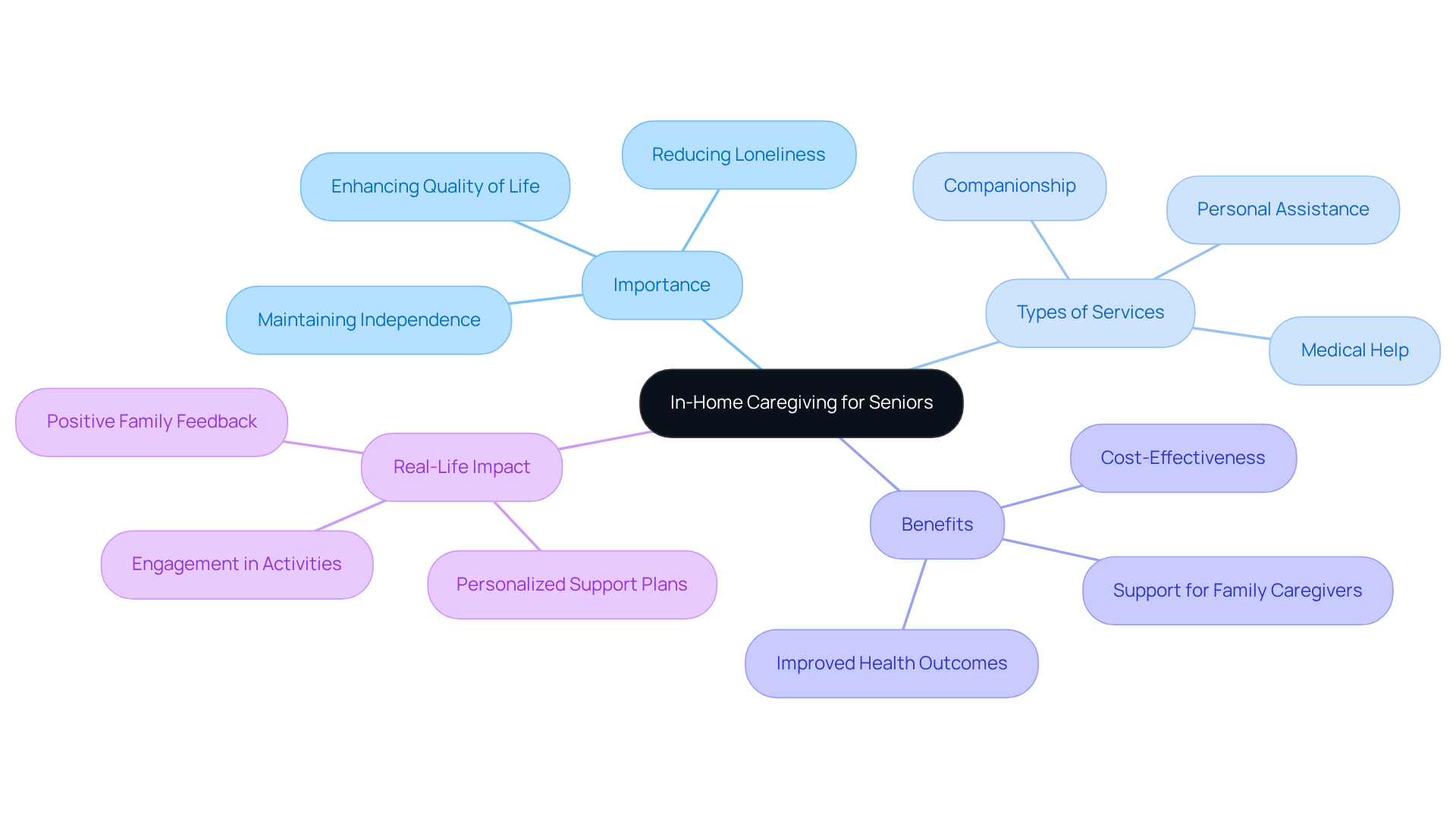
In-home caregiving services for seniors are crucial for helping them maintain their independence while receiving the support they need in the comfort of their own homes. This approach fosters a sense of security and significantly enhances the overall quality of life for those facing challenges with daily activities. The beauty of in-home support lies in its ability to provide personalized assistance tailored to each individual's unique needs, allowing them to thrive in familiar environments. This assistance not only eases the burden on family members but also enables them to prioritize their own well-being, knowing their loved ones are cared for by trained professionals.
The spectrum of in-home caregiving services for seniors includes:
- Companionship
- Personal assistance
- Medical help
This makes it a flexible option for families navigating the complexities of aging. Statistics show that nearly 88% of adults aged 50 and older wish to remain at home for as long as possible, which highlights the growing demand for in-home caregiving services for seniors. Additionally, home assistance has been proven to enhance mental and emotional well-being by reducing feelings of loneliness and isolation, which are often experienced by older adults. In fact, Home Health Care has demonstrated effectiveness in lowering hospital readmission rates, underscoring its role in improving health outcomes.
Real-life examples showcase the transformative power of in-home caregiving. Families report that personalized support plans not only cater to the physical needs of seniors but also engage them in activities they love, boosting their overall happiness. As Vice President Kamala Harris has noted, there is an increasing demand for in-home caregiving services for seniors, emphasizing the importance of these services. By recognizing the significance of in-home assistance, families can make informed decisions that prioritize the health and happiness of their loved ones, ensuring they receive the compassionate care they truly deserve.
Exploring Types of In-Home Caregiving Services for Seniors
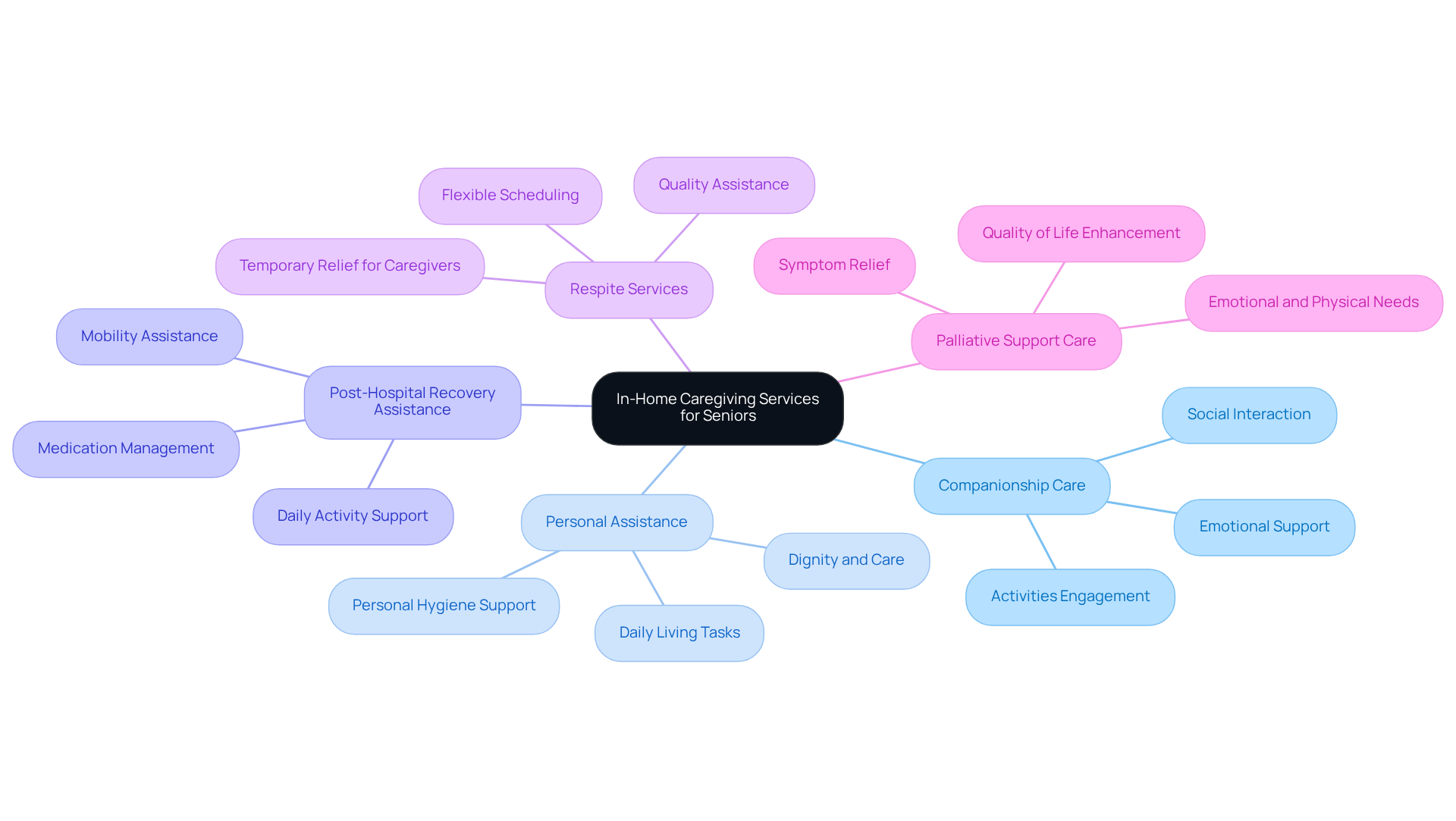
In-home caregiving services can be broadly categorized into several types, each designed to meet specific needs:
-
Companionship Care: This offering emphasizes delivering emotional support and social interaction, helping to alleviate feelings of loneliness and isolation. Caregivers engage clients in activities they enjoy, fostering a sense of connection and belonging.
-
Personal Assistance: Personal assistance options help with everyday living tasks like bathing, dressing, and grooming. This form of support is crucial for seniors who may struggle with personal hygiene and self-maintenance, providing them with dignity and care.
-
Post-Hospital Recovery Assistance: After a hospital stay, many seniors require additional support to recover safely at home. This program encompasses medication management, mobility assistance, and help with daily activities, ensuring a smooth transition back to home life and peace of mind for families.
-
Respite Services: Respite services offer temporary relief for family caregivers, allowing them to take a well-deserved break while ensuring their loved ones continue to receive quality assistance. This support can be arranged for a few hours or several days, tailored to the family's needs.
-
Palliative Support Care: For seniors facing serious illnesses, palliative care focuses on providing relief from symptoms and enhancing quality of life. This program is customized to address the emotional and physical needs of clients and their families, ensuring they feel cared for and supported.
By exploring in-home caregiving services for seniors, families can gain a clearer insight into the available options and how they can most effectively support their loved ones. Remember, you are not alone in this journey; compassionate help is available to guide you every step of the way.
Selecting the Right In-Home Caregiving Services: A Step-by-Step Guide
Choosing the right in-home caregiving services can feel overwhelming, but taking it step by step can make the process more manageable and comforting for you and your loved one.
-
Assess Needs: Begin by gently evaluating the specific needs of your loved one. Consider their physical, emotional, and social requirements. This thoughtful assessment will help you identify the type of support they truly need.
-
Research Options: Take the time to explore local support agencies and independent caregivers. Look for reviews and testimonials that reflect the quality of care provided. It’s important to note that families often spend an average of 24.4 hours per week on caregiving tasks, with nearly 25% dedicating 41 hours or more weekly. This highlights the importance of thorough research to find the right fit.
-
Check Credentials: It’s essential to ensure that the providers or agencies you are considering are licensed, insured, and accredited. This step is vital for the safety and well-being of your loved one. Look for logos of reputable accrediting bodies to verify their credentials.
-
Interview Candidates: Arrange interviews with potential caregivers or agency representatives. Ask about their experience, training, and approach to care. This interaction will help you gauge compatibility and communication styles, both of which are crucial for a successful caregiving relationship.
-
Discuss Support Plans: Collaborate with the provider or organization to create a personalized support plan that caters to your loved one's unique needs and preferences. This plan should outline daily routines, medication management, and any special requirements, ensuring that support is truly individualized.
-
Oversee and Modify: Once support begins, make it a point to check in regularly with your loved one and the caregiver. This will help ensure that the assistance provided aligns with expectations. Be open to making adjustments as needed to enhance the caregiving experience. Frequent assessments can help sustain the effectiveness of the support offered.
-
Consider Flexibility: Remember, if the initial provider does not feel like the right fit, you have the option to change providers. This flexibility can significantly impact your loved one’s comfort and satisfaction.
By following these steps, families can confidently choose the appropriate in-home support services that best assist their loved ones, ensuring a smoother transition into care. Your dedication to finding the right support reflects the love and commitment you have for your family.

Navigating Caregiver Challenges: Strategies for Family Caregivers
Family supporters often encounter numerous obstacles that can impact their ability to provide effective care. It’s important to recognize these challenges and explore strategies to address them with compassion and understanding.
-
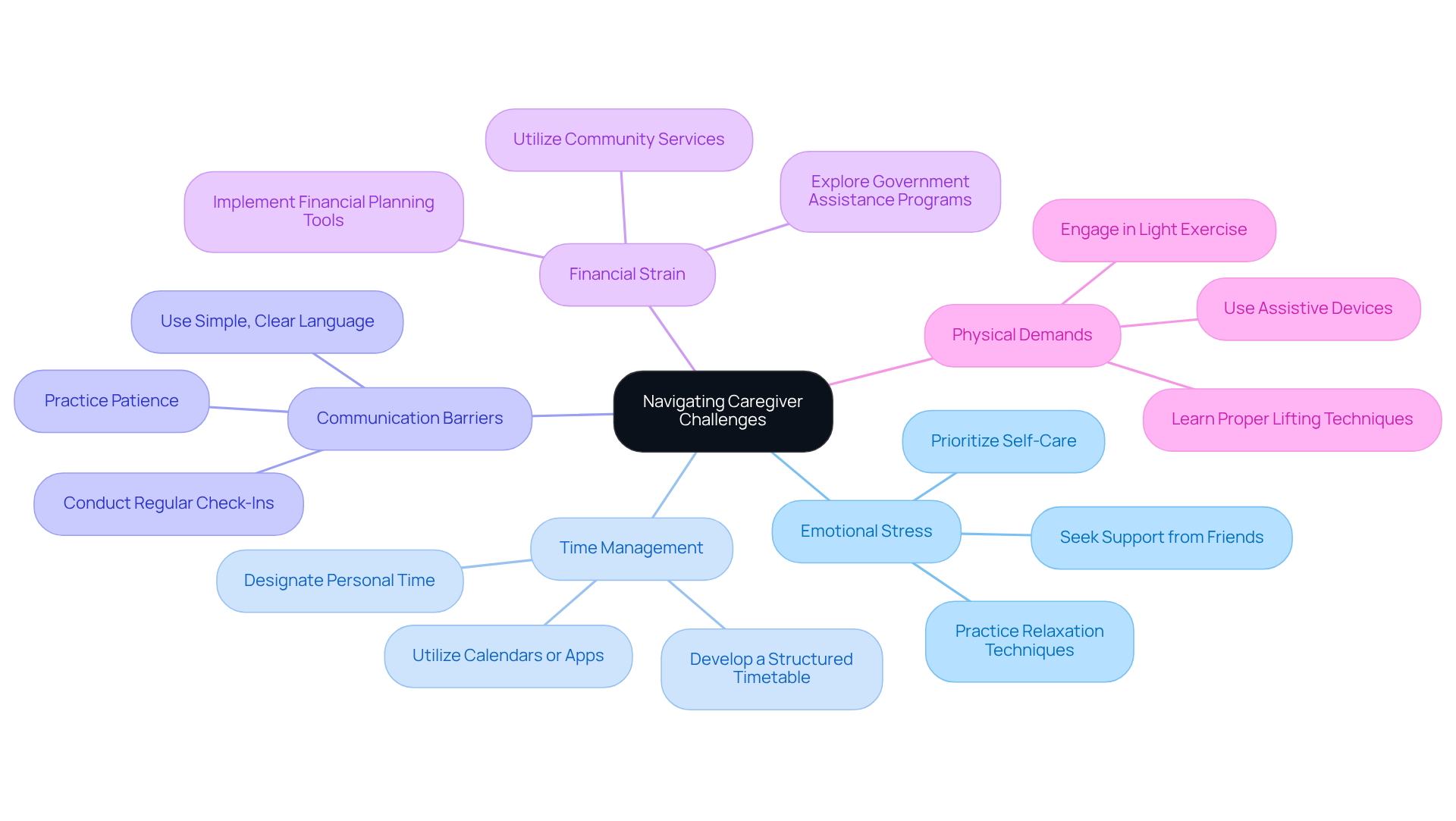
Emotional Stress: Caregiving can be emotionally taxing, leading to feelings of guilt, anxiety, and burnout. In fact, 64% of those providing care experience high emotional stress. To manage this stress, caregivers should prioritize self-care by engaging in activities they enjoy, seeking support from friends or support groups, and practicing relaxation techniques. Remember, taking care of yourself is just as important as caring for your loved ones.
-
Time Management: Balancing support duties with personal and professional obligations can feel overwhelming. Caregivers can benefit from developing a structured timetable that designates time for assistance tasks while also allowing for personal time and breaks. Utilizing tools like calendars or apps can help in organizing daily responsibilities effectively, making the day feel more manageable.
-
Communication Barriers: Effective communication with loved ones can sometimes present challenges, especially if cognitive decline is involved. Two-thirds of those providing care assist with at least one activity of daily living, highlighting the importance of clear communication. Caregivers should practice patience and use simple, clear language. Regular check-ins can also help ensure that everyone is aligned regarding care needs, fostering a supportive environment.
-
Financial Strain: The expenses linked to providing care can accumulate rapidly, with nearly half of caregivers reporting significant financial impacts due to their duties. Exploring available resources, such as government assistance programs, community services, and financial planning tools, can alleviate some of these burdens. Understanding the options empowers caregivers to make informed decisions, easing their financial worries.
-
Physical Demands: The physical aspects of caregiving can lead to fatigue and injury. Caregivers should learn proper lifting techniques, utilize assistive devices, and take regular breaks to prevent physical strain. Engaging in light exercise can enhance physical resilience and overall well-being, allowing caregivers to better support their loved ones.
By implementing these strategies, family caregivers can navigate the challenges they face with greater ease. It’s essential to ensure that while providing the best possible care for their loved ones, they also take care of their own well-being. You are not alone in this journey, and with the right support and resources, you can thrive.
Your Path Forward
In-home caregiving services play a vital role in supporting seniors, enabling them to maintain their independence while receiving personalized assistance in the comfort of their homes. This approach not only enhances their quality of life but also alleviates the stress on family members, allowing everyone to prioritize their well-being. By understanding the various types of services available, families can make informed decisions that ensure their loved ones receive the compassionate care they deserve.
Throughout the article, key points have been highlighted, including:
- The importance of companionship
- Personal assistance
- Specialized support for post-hospital recovery and palliative care
The step-by-step guide for selecting the right caregiving services underscores the necessity of:
- Assessing needs
- Researching options
- Maintaining open communication with caregivers
Additionally, addressing the challenges faced by family caregivers through practical strategies emphasizes the need for self-care and resource management.
Ultimately, the significance of in-home caregiving extends beyond mere physical support; it fosters emotional well-being and strengthens family bonds. By embracing these services, families can create a nurturing environment that prioritizes health and happiness for their loved ones. Taking action today to explore in-home caregiving options can lead to a brighter future, where seniors thrive and families find peace of mind in their caregiving journey.
https://iframe.tely.ai/cta/eyJhcnRpY2xlX2lkIjogIjY4ZmMxMzFhOWNlYTkzMTRiMTExNjZlMSIsICJjb21wYW55X2lkIjogIjY4ZWU1ZGNhNzMxNzYyNTU3ZjNjOTVjMSIsICJpbmRleCI6IG51bGwsICJ0eXBlIjogImFydGljbGUifQ==Frequently Asked Questions
What is the importance of in-home caregiving for seniors?
In-home caregiving is crucial for helping seniors maintain their independence while receiving support in the comfort of their own homes. It enhances their overall quality of life and fosters a sense of security.
What types of services are included in in-home caregiving?
In-home caregiving services for seniors include companionship, personal assistance, and medical help, providing a flexible option for families.
Why do many older adults prefer to stay at home?
Statistics show that nearly 88% of adults aged 50 and older wish to remain at home for as long as possible, highlighting the demand for in-home caregiving services.
How does in-home caregiving impact mental and emotional well-being?
In-home caregiving has been shown to enhance mental and emotional well-being by reducing feelings of loneliness and isolation among older adults.
What are the health benefits of in-home caregiving?
Home assistance has demonstrated effectiveness in lowering hospital readmission rates, thus improving health outcomes for seniors.
Can you provide an example of the benefits of personalized in-home caregiving?
Families report that personalized support plans cater to the physical needs of seniors and engage them in activities they love, boosting their overall happiness.
What has been said about the increasing demand for in-home caregiving services?
Vice President Kamala Harris has noted the increasing demand for in-home caregiving services for seniors, emphasizing their importance for families and individuals.