
For families in our service areas
For families in our service areas, this guide explains home care and how non-medical in-home caregiving can support care planning in East Idaho, Treasure Valley & Magic Valley, Northern Wasatch, North Central West Virginia, and Northeast Ohio.
Why Master Personalized Home Care: Key Matters
Creating a personalized home care plan is not just a task; it’s a vital process that can significantly enhance the quality of life for clients and their families. However, many caregivers grapple with the challenge of implementing effective personalized strategies. This struggle often leads to frustration and inadequate support, making it clear that a tailored approach is essential.
The implications of not having a personalized care plan can be profound. Caregivers may feel overwhelmed, and clients may not receive the level of care they truly need. This disconnect can impact the overall well-being of both caregivers and clients, highlighting the urgency for effective solutions.
So, what can caregivers do to transform their approach? Here are some essential practices:
- Assess Individual Needs: Regularly evaluate the specific needs and preferences of each client.
- Set Clear Goals: Establish achievable objectives that align with the client’s desires and capabilities.
- Communicate Openly: Foster a dialogue with clients and their families to ensure everyone is on the same page.
- Utilize Resources: Leverage available tools and support systems to enhance care delivery.
By implementing these strategies, caregivers can create a more fulfilling and impactful experience for themselves and those they serve.
Define Key Elements of Personalized Care Plans
Creating personalized home care plans is essential for effective client support, yet many caregivers face significant challenges in this process. Without a comprehensive approach, clients may not receive the personalized home care they require, which can result in poor health outcomes and dissatisfaction with services.
To address these challenges, caregivers should focus on several key elements:
-
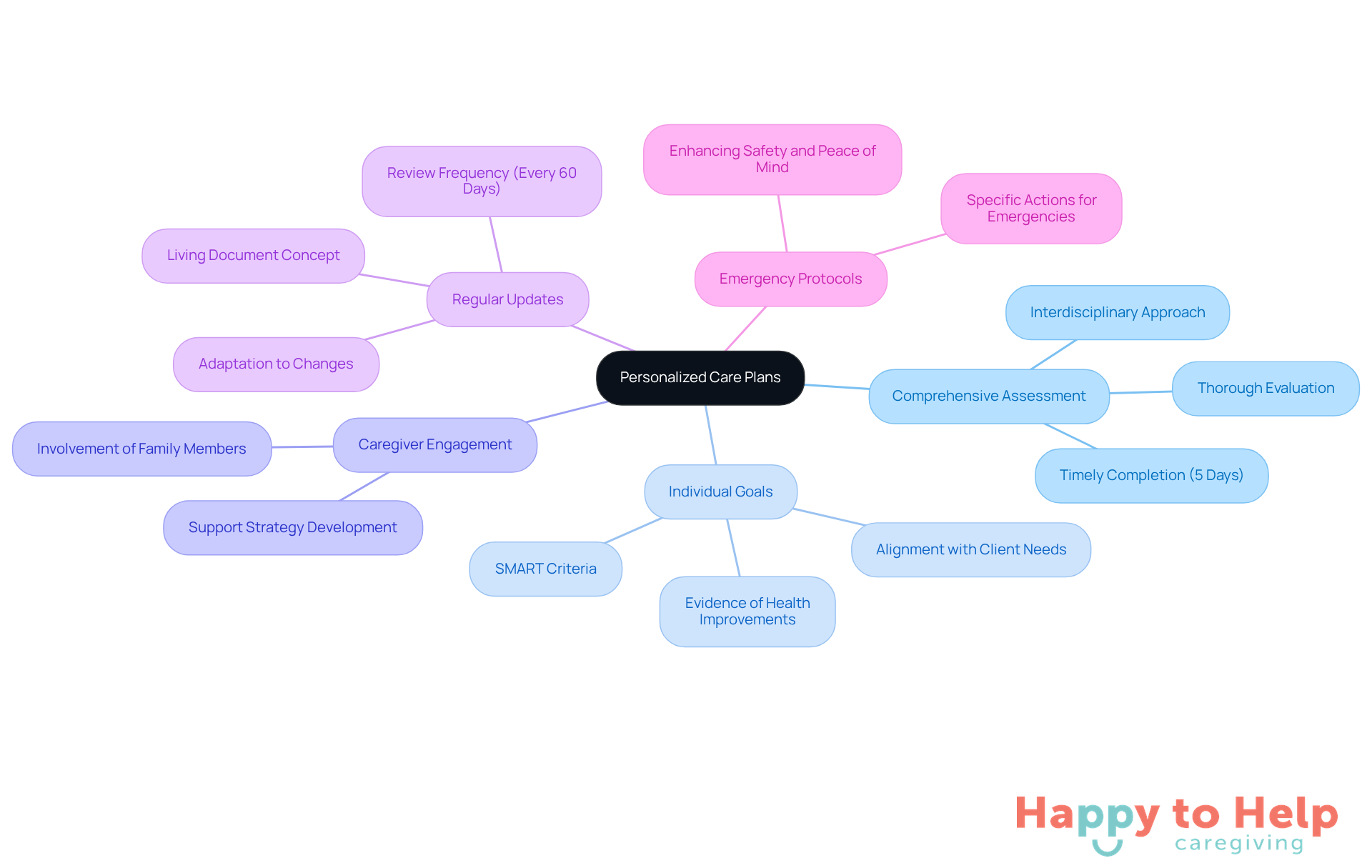
Comprehensive Assessment: Start with a thorough evaluation of the client's medical history, current health status, and personal preferences. This assessment should encompass physical, emotional, and social health aspects, forming the foundation for personalized home care support. It's crucial to complete this evaluation within five calendar days of the patient's treatment initiation to ensure timely planning.
-
Individual Goals: Establish clear, attainable objectives that align with the client's desires and needs. Goals should follow the SMART criteria-specific, measurable, attainable, relevant, and time-bound-making them practical and focused. Research shows that personalized home care, through personalized treatment planning, can lead to significant health improvements, as evidenced by over 19 randomized controlled trials involving more than 10,800 participants.
-
Caregiver Engagement: Involve caregivers and family members in the planning process to create a support strategy that reflects the client's support system dynamics. Their insights are invaluable for shaping an effective and supportive strategy.
-
Regular Updates: Treat the care plan as a living document, subject to regular reviews and modifications. This practice is vital for adapting to changes in the client's condition or preferences, ensuring the strategy remains relevant. The care plan should be reviewed and updated at least every 60 calendar days or more frequently as the patient's condition changes.
-
Emergency Protocols: Clearly outline specific actions for emergencies, equipping caregivers with the knowledge to respond effectively. This proactive approach significantly enhances safety and peace of mind for both clients and their families.
Incorporating these components fosters a robust structure that not only supports the client's overall well-being but also enhances their quality of life through personalized home care. This ultimately leads to better health outcomes and greater satisfaction with services. Additionally, advancements in technology, such as AI-powered tools for remote patient supervision, are transforming elderly care by facilitating personalized assistance that improves safety and efficiency.
Explore Benefits of Personalized Care Plans
The Problem: Caregivers often face challenges in providing effective support due to a one-size-fits-all approach. This can lead to feelings of frustration and inadequacy, both for caregivers and those receiving care.
The Agitation: Without personalized home care, individuals may not receive the tailored support they need, which can negatively impact their quality of life. This lack of customization can hinder their emotional and physical well-being, leaving them feeling undervalued and misunderstood.
The Solution: Personalized care plans offer numerous benefits, including:
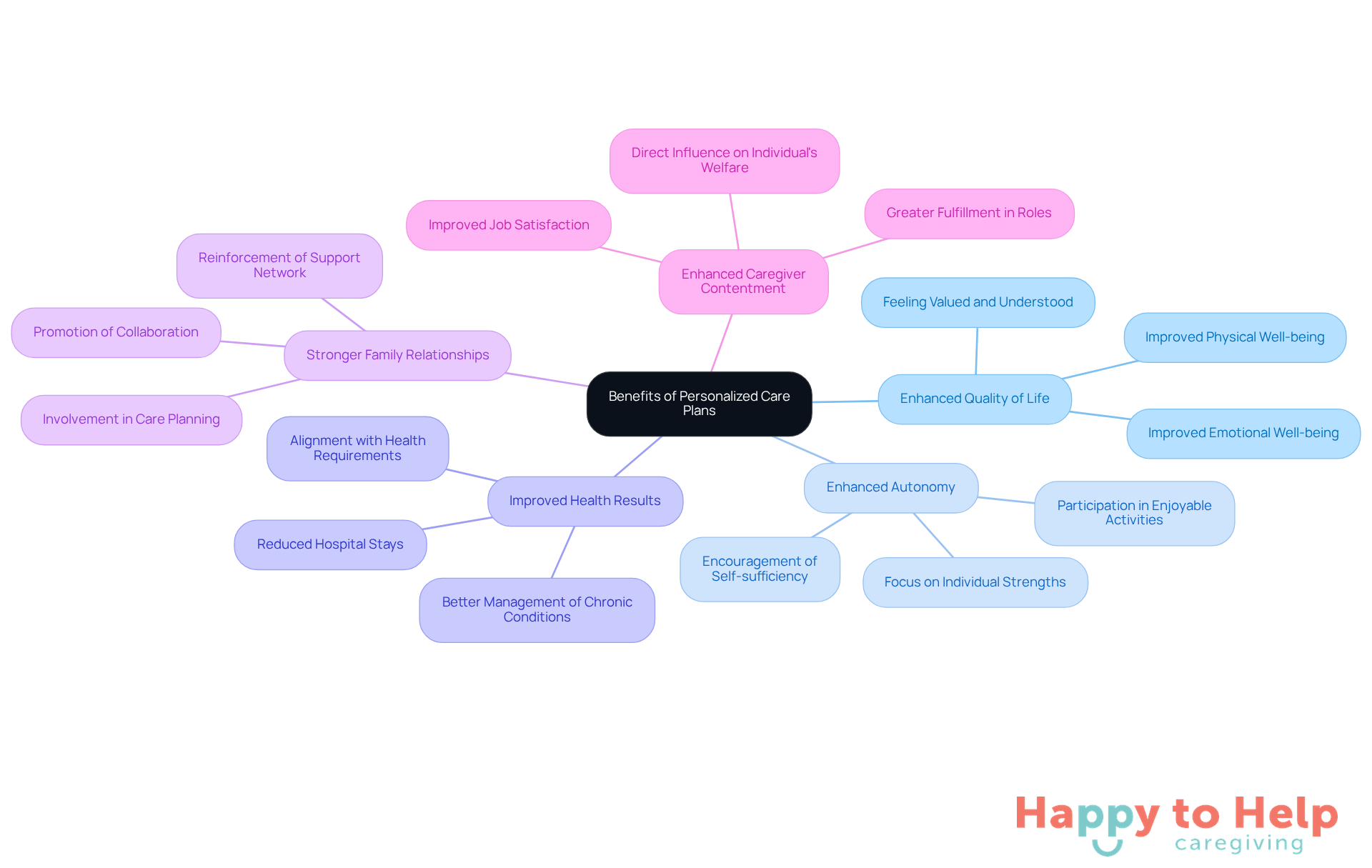
- Enhanced Quality of Life: Customized support addresses individual needs, leading to improved physical and emotional well-being. Clients often report feeling more valued and understood.
- Enhanced Autonomy: By concentrating on the individual's strengths and preferences, tailored plans encourage self-sufficiency, enabling individuals to participate in activities they enjoy and uphold their independence.
- Improved Health Results: Studies indicate that tailored support can result in reduced hospital stays and enhanced management of chronic conditions, as assistance is aligned with the individual's specific health requirements.
- Stronger Family Relationships: Involving family members in the care planning process promotes collaboration and communication, reinforcing the support network surrounding the individual.
- Enhanced Caregiver Contentment: Caregivers who engage with tailored strategies frequently experience greater fulfillment in their positions, as they can observe the direct influence of their efforts on the individual's welfare.
These advantages emphasize the significance of embracing personalized home care, ultimately resulting in a more favorable experience for both recipients and providers of care.
Develop Effective Personalized Care Plans
To develop effective personalized care plans, caregivers often face significant challenges. Without a structured approach, it can be difficult to meet the unique needs of each individual, leading to suboptimal care and dissatisfaction.
-
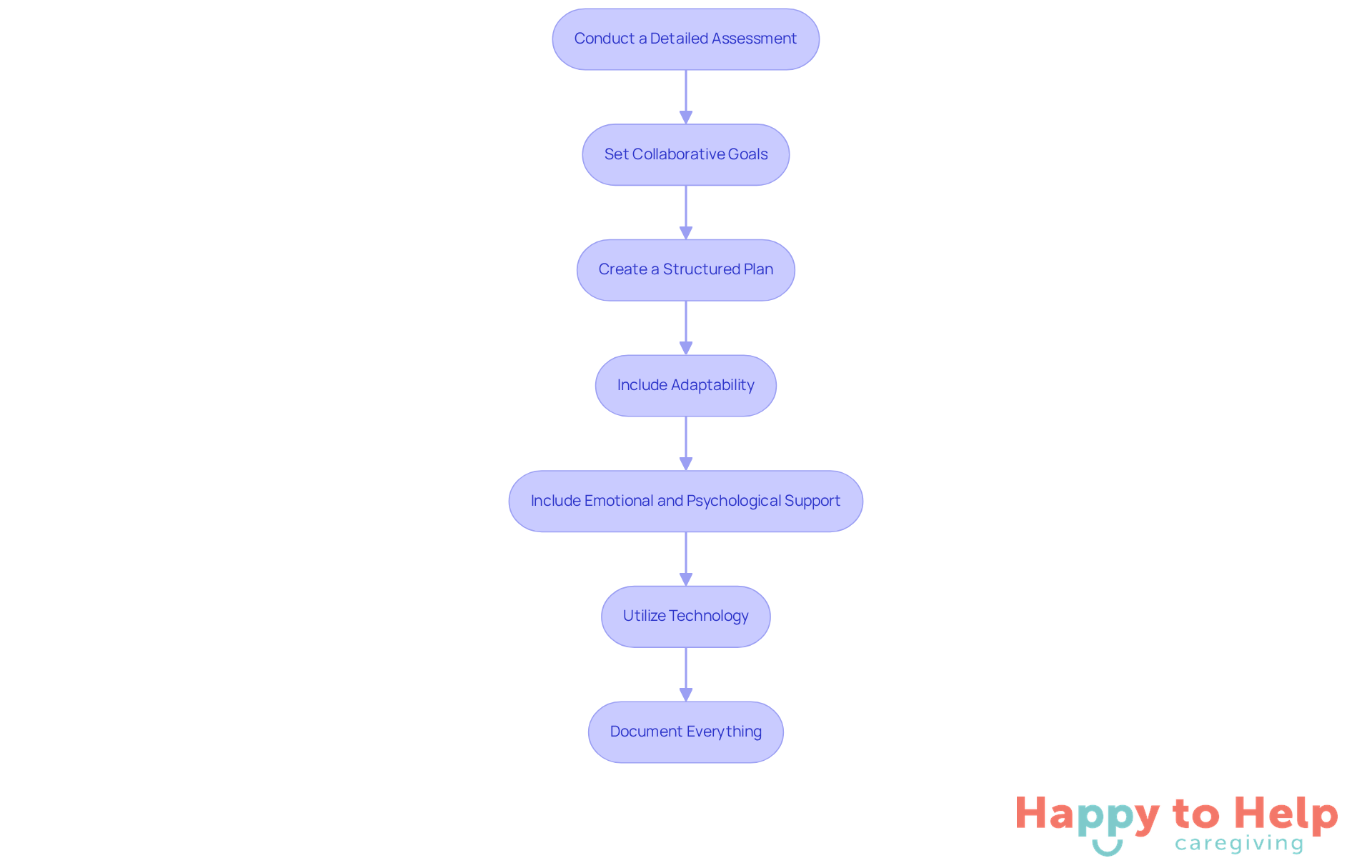
Conduct a Detailed Assessment: Start by gathering comprehensive information about the individual's health, preferences, and lifestyle. This may involve interviews with the client and family members, along with a thorough review of medical records. Understanding the patient's medical background, including previous ailments and operations, is essential for customizing the treatment plan to address their specific requirements.
-
Set Collaborative Goals: Engage with the client and their family to establish goals that genuinely reflect their desires and needs. These objectives should be practical and attainable within a designated timeframe, promoting a sense of ownership and motivation in the process. Utilizing structured tools like Goal Attainment Scaling can facilitate meaningful conversations about progress and priorities.
-
Create a Structured Plan: Outline the specific services and support that will be provided, detailing schedules, responsibilities, and necessary resources. This organized approach should be clear and easy to follow, ensuring that all parties involved comprehend their roles and expectations.
-
Include Adaptability: Allow for modifications to the support strategy as the individual's requirements change. Consistently evaluate the strategy with the individual and family to ensure it remains relevant and effective, adjusting to any shifts in health condition or personal choices.
-
Include Emotional and Psychological Support: Recognize the importance of emotional and psychological well-being in the support strategy. This may involve counseling, social work, or spiritual support, which can significantly enhance the client's overall quality of life.
-
Utilize Technology: Leverage technology to enhance individualized support strategies. Tools like home health scheduling software can improve caregiver routing and boost communication among support teams, ensuring that assistance is provided efficiently and effectively.
-
Document Everything: Keep thorough records of the support strategy, including evaluations, objectives, and any changes implemented. This documentation is essential for continuity of treatment and effective communication with other healthcare providers, ensuring that everyone involved is informed and aligned.
By following these steps, caregivers can develop tailored care plans that genuinely reflect the needs and preferences of those they assist, ultimately leading to enhanced outcomes and increased satisfaction.
Train Caregivers for Emotional Support and Engagement
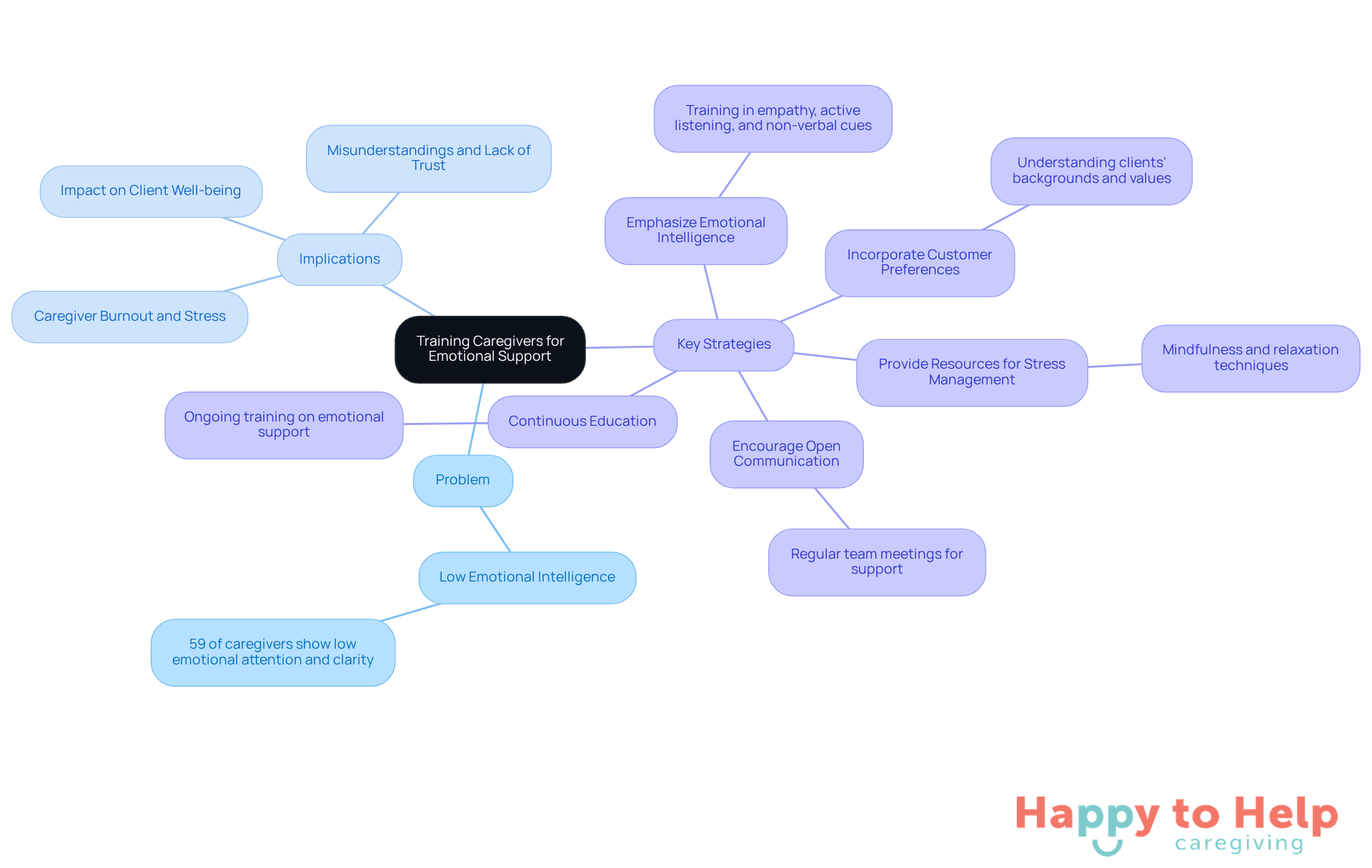
Training caregivers to provide emotional support and engagement involves several key strategies:
Problem: Low Emotional Intelligence
Caregivers often struggle with emotional intelligence, which is crucial for effective support. A significant 59% of caregivers demonstrate low levels of emotional attention and clarity. This lack of emotional awareness can hinder their ability to connect with clients, ultimately affecting the quality of care.
Agitate: Implications of Low Emotional Intelligence
When caregivers lack emotional intelligence, it can lead to misunderstandings and a lack of trust between them and their clients. This disconnect not only impacts the emotional well-being of clients but also contributes to caregiver burnout and job-related stress. Therefore, addressing this issue is essential for both caregiver and client well-being.
Solution: Key Strategies for Improvement
-
Emphasize Emotional Intelligence: Caregivers should be trained in empathy, active listening, and interpreting non-verbal cues. Role-playing scenarios can be effective for practicing these essential skills, fostering a deeper understanding of customer needs.
-
Provide Resources for Stress Management: Equipping support providers with stress management tools is crucial, as their well-being directly influences their ability to support clients emotionally. Techniques such as mindfulness, relaxation exercises, and self-care strategies can significantly enhance their resilience.
-
Encourage Open Communication: Creating an environment where support providers feel comfortable discussing challenges is vital. Regular team meetings can facilitate open dialogue, allowing caregivers to seek support from colleagues and supervisors.
-
Incorporate Customer Preferences: Training should include recognizing and respecting individual customer preferences, enhancing emotional connections. Understanding clients' backgrounds, interests, and values can lead to more tailored support and improved relationships.
-
Continuous Education: Ongoing training opportunities focused on emotional support and engagement are essential. This ensures that caregivers stay informed about best practices and new techniques, ultimately enhancing the quality of care delivered.
As Cathy Schaefer, Executive Director of the MD Anderson Leadership Institute, emphasizes, emotional intelligence is incredibly intentional. Integrating it into caregiver training can lead to significant improvements in both caregiver and client well-being.
Taking the Next Steps
Personalized home care presents a significant challenge for caregivers, as the lack of tailored support can diminish the quality of life for clients. This inadequacy not only affects health outcomes but also leads to dissatisfaction with care services. Caregivers often struggle to meet the unique needs of each individual, which can result in frustration and burnout.
To address these issues, it’s crucial to implement structured, adaptable care plans that evolve with the preferences and conditions of clients. Key elements such as:
- Comprehensive assessments
- Collaborative goal setting
- Regular updates
are essential for developing effective personalized care plans. Additionally, incorporating emotional support and training for caregivers can enhance the overall care experience, fostering stronger relationships between caregivers and clients.
Moreover, leveraging technology can streamline care delivery, ensuring that support is both efficient and tailored to individual needs. As the landscape of home care continues to evolve, embracing personalized care practices is more important than ever. Family caregivers should prioritize these strategies to improve the well-being of those they care for while enhancing their own fulfillment in the caregiving role.
By committing to personalized care planning, caregivers can create a more compassionate, effective, and impactful support system that truly values the individuality of each client.
https://iframe.tely.ai/cta/eyJhcnRpY2xlX2lkIjogIjY5M2Y1MGFjMmI4ODNiM2YwNWZiOTk4NiIsICJjb21wYW55X2lkIjogIjY4ZWU1ZGNhNzMxNzYyNTU3ZjNjOTVjMSIsICJpbmRleCI6IG51bGwsICJ0eXBlIjogImFydGljbGUifQ==Frequently Asked Questions
What are the key elements of personalized care plans?
The key elements of personalized care plans include comprehensive assessment, individual goals, caregiver engagement, regular updates, and emergency protocols.
Why is a comprehensive assessment important in creating a personalized care plan?
A comprehensive assessment is crucial as it evaluates the client's medical history, current health status, and personal preferences, forming the foundation for personalized home care support. This assessment should be completed within five calendar days of treatment initiation.
How should individual goals be established in a personalized care plan?
Individual goals should be clear, attainable, and align with the client's desires and needs. They should follow the SMART criteria-specific, measurable, attainable, relevant, and time-bound-to ensure they are practical and focused.
What role do caregivers and family members play in the planning process?
Caregivers and family members should be involved in the planning process to create a support strategy that reflects the client's support system dynamics. Their insights are invaluable for shaping an effective and supportive strategy.
How often should a personalized care plan be updated?
A personalized care plan should be treated as a living document, reviewed and updated at least every 60 calendar days or more frequently as the patient's condition changes.
What should be included in the emergency protocols of a care plan?
Emergency protocols should clearly outline specific actions for emergencies, equipping caregivers with the knowledge to respond effectively, enhancing safety and peace of mind for both clients and their families.
How does incorporating these components benefit clients?
Incorporating these components fosters a robust structure that supports the client's overall well-being and enhances their quality of life through personalized home care, leading to better health outcomes and greater satisfaction with services.
What advancements are transforming elderly care in the context of personalized care plans?
Advancements in technology, such as AI-powered tools for remote patient supervision, are transforming elderly care by facilitating personalized assistance that improves safety and efficiency.
List of Sources
- Define Key Elements of Personalized Care Plans
- 2025: AI enhances personalized care; caregiver experience in the spotlight (https://healthcareitnews.com/news/2025-ai-enhances-personalized-care-caregiver-experience-spotlight)
- How Personalized Support Plans Improve Quality of Life (https://heartwisesupport.org/post/how-personalized-support-plans-improve-quality-of-life)
- Articles - The Comprehensive Assessment in Home Health (https://achc.org/the-comprehensive-assessment-in-home-health)
- The Future of Home Health Care: Trends to Watch in 2025 (https://synchronyfl.com/the-future-of-home-health-care-trends-to-watch-in-2025)
- Novel Care Model May Improve Outcomes for Older Adults With Multiple Chronic Conditions (https://consultqd.clevelandclinic.org/novel-care-model-may-improve-outcomes-for-older-adults-with-multiple-chronic-conditions)
- Develop Effective Personalized Care Plans
- Personalized care, at scale: WellSpan's plan to make it happen - Becker's Hospital Review | Healthcare News & Analysis (https://beckershospitalreview.com/quality/personalized-care-at-scale-wellspans-plan-to-make-it-happen)
- AI-Powered Care Plans: Personalized and Adaptive Support for CCM (https://blog.prevounce.com/ai-powered-care-plans-personalized-and-adaptive-support-for-ccm)
- Revolutionizing Behavioral Health Through Technology and AI: The Promise of Personalized Care (https://behavioralhealthnews.org/revolutionizing-behavioral-health-through-technology-and-ai-the-promise-of-personalized-care)
- Turning Patient Values into Care Plans: Implementing Pati... (https://chenmed.com/blog/turning-patient-values-care-plans-implementing-patient-centered-health-directives)
- How to Improve Personalized Home Care Plans (https://axiscare.com/blog/how-to-improve-personalized-home-care-plans)
- Train Caregivers for Emotional Support and Engagement
- Caring for the Caregiver: The RISE Program (https://hopkinsmedicine.org/armstrong-institute/training-services/caring-for-the-caregiver)
- Emotional intelligence abilities of caregivers of patients with acquired brain injury and cognitive impairment: are they related to overload or resilience? (https://ansiedadyestres.es/art/2022/anyes2022a6)
- Training on Emotional Intelligence for Caregivers of Patients with Acquired Brain Injury and Cognitive Impairment: A Quasi-Experimental Study - PMC (https://pmc.ncbi.nlm.nih.gov/articles/PMC9655065)
- Using Training to Prevent Caregiver Burnout | HHAeXchange (https://hhaexchange.com/blog/revitalizing-caregivers-leveraging-training-to-alleviate-stress-and-burnout)
- How Emotional Intelligence Can Foster Resilience And Patient Satisfaction In Healthcare (https://forbes.com/sites/kevinkruse/2025/11/20/how-emotional-intelligence-can-foster-resilience-and-patient-satisfaction-in-healthcare)