
Quick Guide to Master Senior Care in St. George: A
This article serves as a heartfelt guide for family caregivers in St. George, addressing the essential aspects of senior care. It begins by acknowledging the emotional challenges caregivers often face, such as stress and burnout, and emphasizes the importance of understanding both health and emotional needs. By identifying various care options and selecting the right caregiving agency, caregivers can find tailored support that truly resonates with their loved ones.
Effective communication is highlighted as a key element in enhancing the quality of life for seniors. A thoughtful approach to caregiving not only improves well-being but also fosters family unity, creating a nurturing environment for all involved. Personal stories and testimonials illustrate the compassionate care provided, deepening the emotional connection and reinforcing the message that caregivers are not alone in their journey.
In conclusion, this guide reassures caregivers that with the right support and resources, they can navigate the complexities of senior care with confidence. Together, we can create a caring atmosphere that uplifts both seniors and their families, ensuring that every step of the caregiving journey is filled with compassion and understanding.
Why Master Senior Care in St. George: A Matters
Understanding the intricacies of senior care is more crucial than ever, especially in communities like St. George. Here, a growing population of older adults requires tailored support. This guide aims to offer family caregivers a comprehensive roadmap to navigate the complexities of caregiving. From recognizing the unique needs of seniors to exploring diverse service options, we are here to help.
However, with so many choices available, families may feel overwhelmed. How can they ensure they select the right care that balances quality, compassion, and financial considerations? It’s natural to feel stressed and uncertain in this journey. We acknowledge the emotional challenges caregivers face, and we want to provide the support you need.
As you read through this guide, remember that you are not alone. There are compassionate services available, designed to meet the needs of both caregivers and seniors. Together, we can find solutions that ease your burden and enhance the quality of care for your loved ones.
Explore the Fundamentals of Senior Care
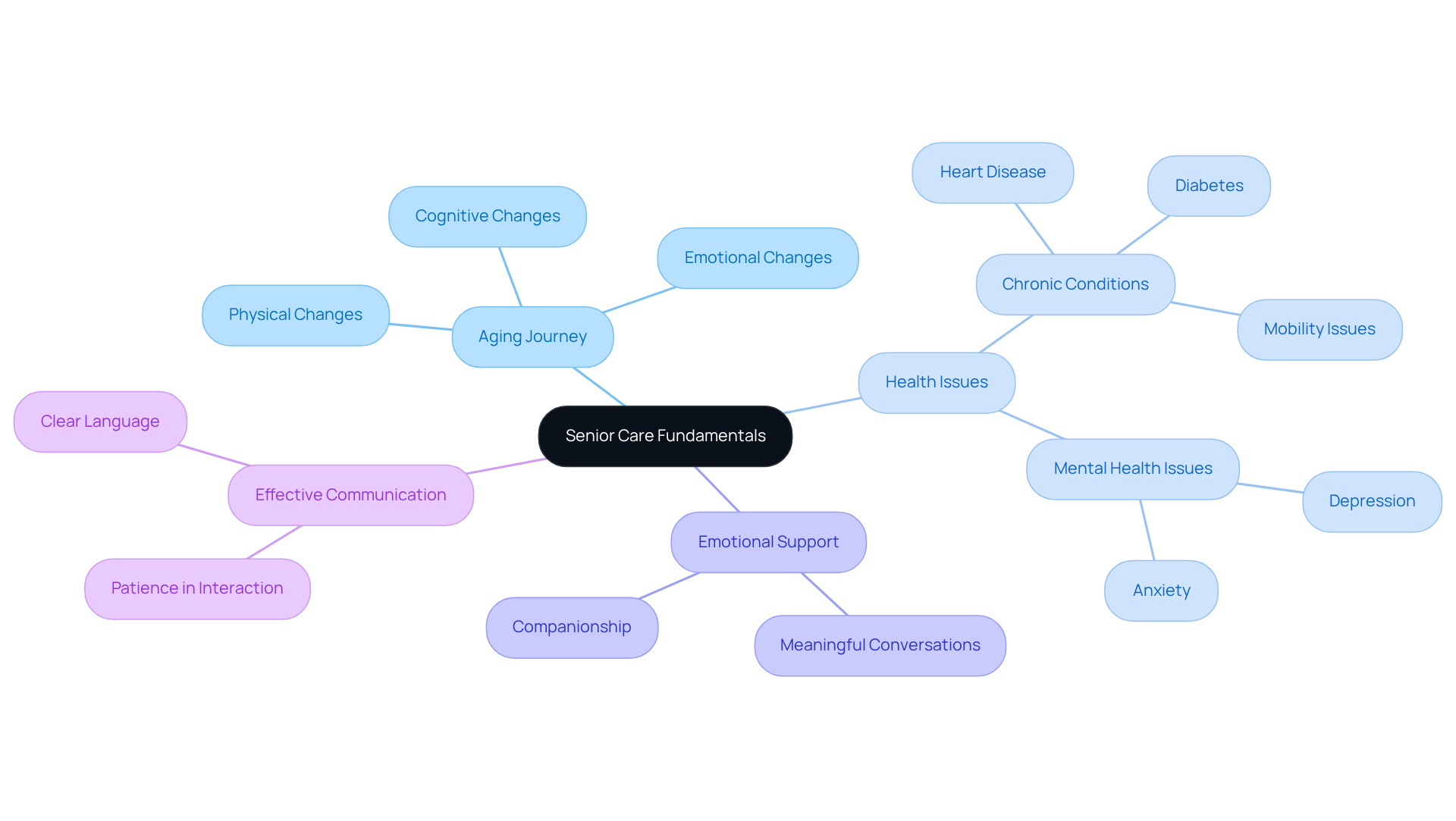
In St George, senior care encompasses a variety of services designed to help older adults maintain their independence and enhance their quality of life. Understanding the journey of aging is essential. Familiarizing yourself with the physical, emotional, and cognitive changes that accompany aging is crucial. For instance, around 92% of older adults have at least one chronic condition, and many face mobility issues or cognitive decline. Additionally, approximately 77% of older adults have two or more chronic conditions. This knowledge empowers caregivers to anticipate needs and respond with compassion.
Health issues are a significant concern for seniors receiving senior care St George. Common ailments include chronic illnesses like heart disease and diabetes, which impact nearly 20% of adults aged 65 and older. Recognizing these challenges allows caregivers in senior care St George to provide tailored support that addresses specific health concerns.
In senior care St George, emotional support is equally vital in caregiving. It extends beyond physical assistance; engaging seniors in meaningful conversations and providing companionship can significantly alleviate feelings of isolation. Studies show that older adults who view their health positively report higher life satisfaction, highlighting the importance of emotional support. Additionally, one in four senior citizens faces a mental health issue, underscoring the need for caregivers to be attentive to emotional requirements.
Effective communication is essential in caregiving. Using clear, simple language and demonstrating patience enables seniors to express themselves fully, fostering a sense of dignity and respect.
By mastering these fundamentals, caregivers can cultivate a nurturing environment that greatly enhances the well-being of their loved ones.
Identify Family Needs and Care Options
To effectively identify family needs and care options, it’s vital to approach the process with empathy and understanding. Here are some essential steps to consider:
-
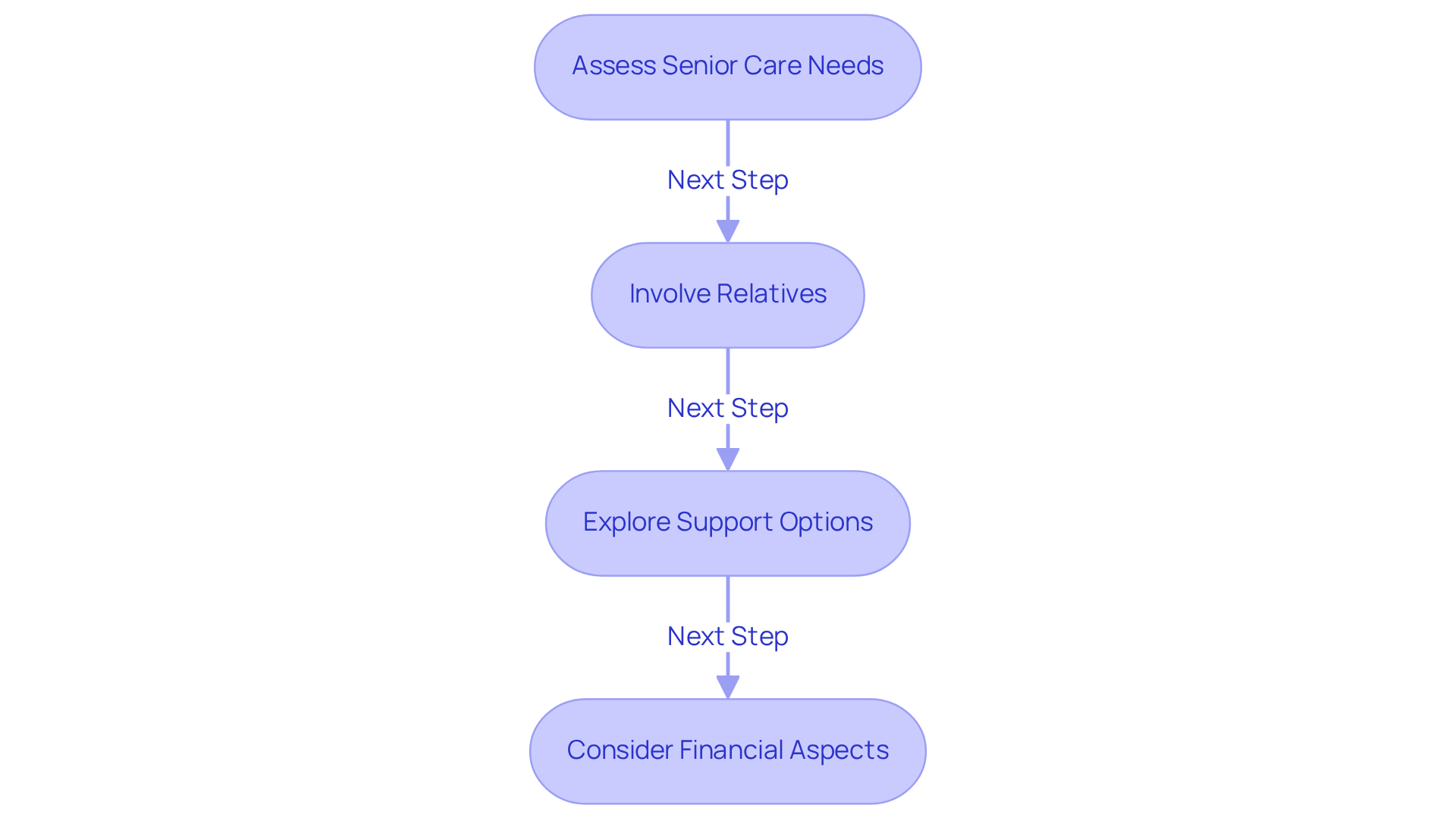
Assess the senior care St George needs by thoughtfully evaluating the physical, emotional, and social requirements of the senior. Consider their medical conditions, mobility challenges, and daily living activities to create a holistic view of their needs. This comprehensive assessment lays the foundation for compassionate care.
-
Involve Relatives: It’s important to engage all relatives in discussions about caregiving responsibilities and preferences. This collaborative approach fosters open communication and ensures everyone is aligned on the support strategy. Such unity is essential for maintaining harmony among relatives. As one caregiver shared, "Including everyone in the decision-making process made us feel more united and supportive of our loved one."
-
Explore Support Options: Take the time to research the various support alternatives available, such as in-home assistance, assisted living, and adult day services. Each option has its own advantages and drawbacks, so it’s crucial to consider them in relation to senior care St George's specific needs and the household's resources. For instance, senior care in St. George, including home health support, is gaining popularity as families seek customized options that allow seniors to remain in their homes. A recent study highlighted that 61% of not-for-profit life plan communities now provide home- and community-based services, reflecting this growing preference.
-
Consider Financial Aspects: Understanding the financial implications associated with each support option is essential. Investigate insurance coverage, government assistance programs, and potential out-of-pocket expenses. With the typical cost of assisted living facilities nearing $5,900 monthly, it’s important for families to prepare adequately to ensure lasting support options. Additionally, many families mistakenly believe that Medicare covers long-term assistance, while Medicaid often serves as the primary payer. Clarifying these misunderstandings is vital when preparing for support.
By carefully evaluating these requirements and examining available choices, families can cultivate a clear understanding of the most appropriate caregiving method for their loved ones. This thoughtful approach ultimately enhances their quality of life, providing reassurance and hope.
Understand Available Senior Care Services
Senior care St George encompasses a variety of services tailored to meet the unique needs of older adults, each designed to enhance their quality of life.
-
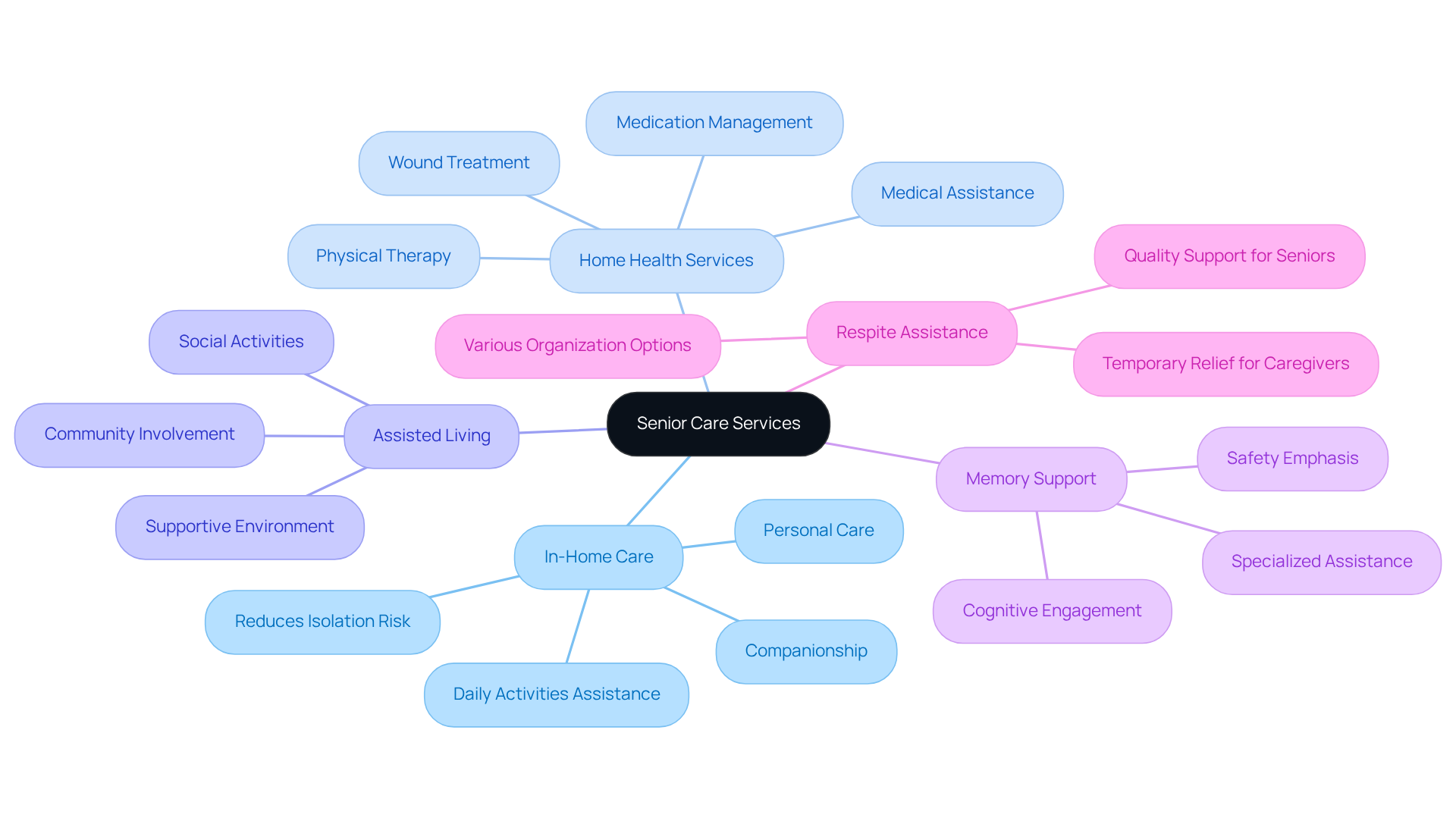
In-Home Care: This service allows seniors to receive assistance in the comfort of their own homes, including personal care, companionship, and help with daily activities. By encouraging independence, in-home assistance significantly diminishes feelings of isolation, which can elevate the risk of dementia by almost 50%. As Jeff Hoyt, Editor in Chief, beautifully states, "Home assistance provides numerous advantages: Allows you to age in place and remain in your community."
-
Home Health Services: This involves medical assistance delivered by licensed professionals, such as nurses or therapists, for seniors with health conditions that require ongoing monitoring or treatment. Home health assistance can encompass supports such as wound treatment, medication management, and physical therapy, ensuring that seniors obtain the essential medical attention they need without departing from their homes.
-
Assisted Living: A suitable option for seniors who need help with daily activities but do not require full-time medical support. Assisted living centers offer a supportive atmosphere with social activities and resources that encourage community involvement and wellness.
-
Memory Support: Specialized assistance tailored for seniors with Alzheimer’s or other types of dementia, emphasizing safety and cognitive engagement. Memory support units are becoming more crucial as the Alzheimer’s Association forecasts that the number of people impacted by Alzheimer’s will double by 2050, highlighting the rising need for specialized memory support.
-
Respite Assistance: This program provides temporary relief for relatives who assist with caregiving duties, enabling them to take essential breaks while ensuring their loved ones receive quality support. Respite services can be organized via different organizations, such as adult day programs, nursing facilities, and personal assistance agencies, offering reassurance for relatives.
Comprehending these offerings is essential for households to make knowledgeable choices that correspond with their loved one's requirements, ultimately improving their overall quality of life. As the demand for senior care St George continues to rise, households are increasingly acknowledging the advantages of in-home support, which allows seniors to age comfortably while receiving the help they require.
Choose the Right Caregiving Agency
Choosing a caregiving agency is a significant decision, one that can feel overwhelming for families. It's essential to consider several key factors to ensure you make an informed choice that truly supports your loved one:
-
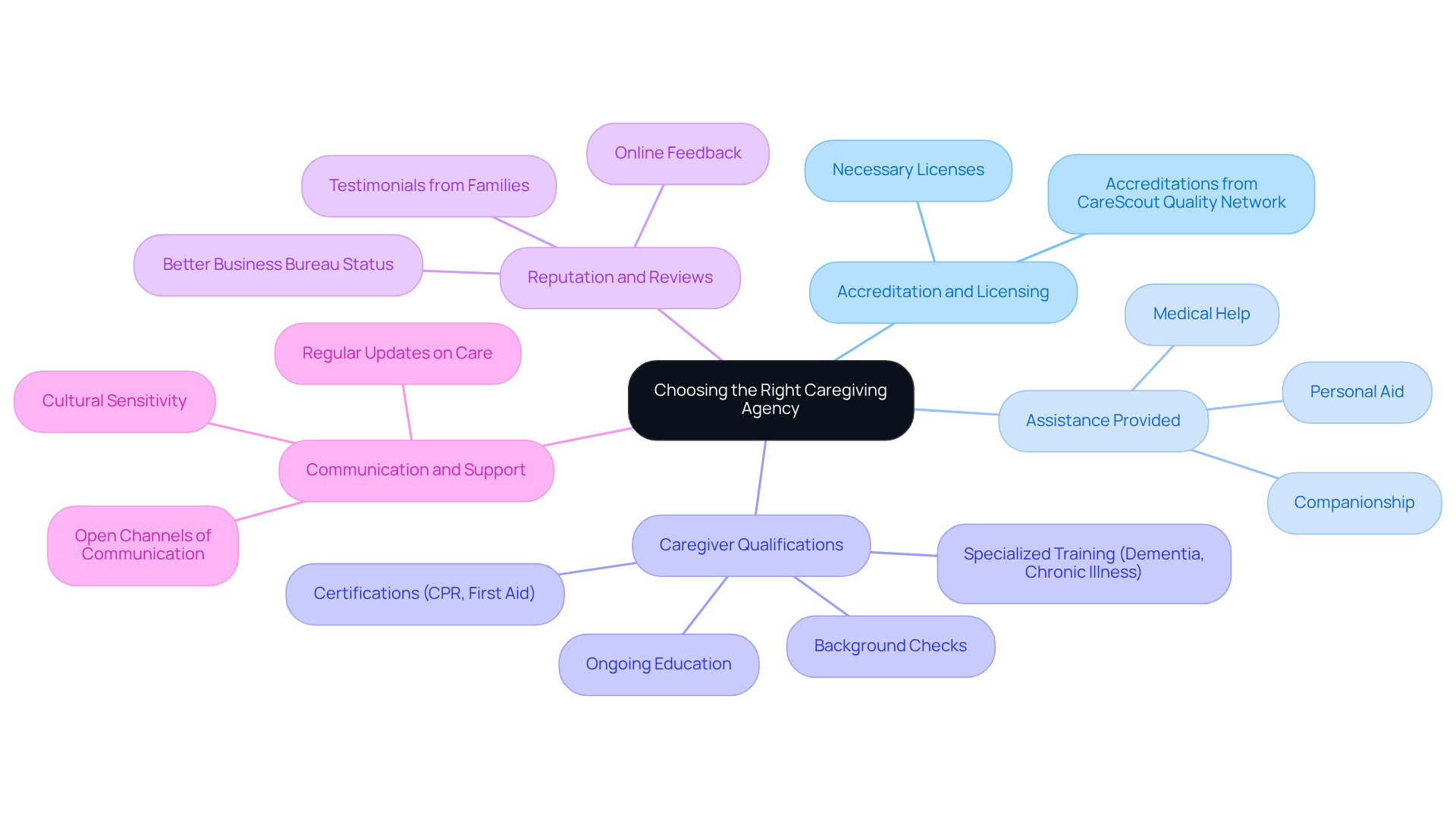
First and foremost, Accreditation and Licensing are crucial. Confirm that the agency holds the necessary licenses and accreditations from relevant state and national organizations. This adherence to industry standards is vital for guaranteeing quality service. Agencies accredited by the CareScout Quality Network meet stringent criteria, ensuring they provide the best for your loved one.
-
Next, think about the Assistance Provided. It's important to ensure the agency offers the specific support your loved one needs, whether that's personal aid, medical help, or companionship. Tailored services are essential for meeting individual needs and enhancing their daily life.
-
Equally important are the Caregiver Qualifications. Investigate the qualifications and training of the caregivers. Organizations should perform thorough background checks and offer continuous training to ensure caregivers are well-equipped to provide exceptional support. In 2025, typical qualifications for caregivers in home support agencies include certifications in CPR and First Aid, along with specialized training in areas such as dementia assistance and chronic illness management. Ongoing education is vital for caregivers to stay updated on best practices and effectively handle specific health challenges.
-
Additionally, look into the agency's Reputation and Reviews. Investigating the agency's standing through online feedback, testimonials, and recommendations from other families can provide valuable insight. A strong reputation often correlates with the quality of service, making it a crucial factor in your decision.
-
Finally, assess the agency's Communication and Support. Effective organizations maintain open channels of communication with families and provide regular updates on the care being delivered. Clear communication is essential for building trust and ensuring that you are informed about your loved one's well-being. It's also important to consider the agency's approach to cultural sensitivity; caregivers who respect diverse backgrounds can create an environment where seniors feel comfortable and valued.
By thoughtfully considering these factors, families can select a caregiving agency that aligns with their values and meets their loved one's needs. This choice not only enhances their quality of life but also brings peace of mind to families during a challenging time.
Making the Right Choice
Mastering senior care in St. George is a journey filled with challenges and rewards. It requires a deep understanding of the unique needs of older adults and the various support options available. By recognizing the physical, emotional, and social aspects of aging, caregivers can create a nurturing environment that truly enhances the quality of life for their loved ones. This comprehensive approach not only addresses immediate care needs but also promotes independence and emotional well-being.
Key insights from this guide emphasize the importance of assessing individual needs and involving family members in the caregiving process. Exploring various service options—such as in-home care, assisted living, and respite assistance—can make a significant difference. Each type of service offers distinct advantages, and understanding these can empower families to make informed decisions that align with their loved ones' preferences and requirements. Additionally, selecting a reputable caregiving agency based on accreditation, caregiver qualifications, and communication practices is crucial in ensuring quality support.
Ultimately, the significance of compassionate and informed senior care is profound. As the demand for such services continues to grow, families are encouraged to prioritize the well-being of their elderly relatives by actively engaging in the caregiving process. By doing so, they not only enhance the lives of their loved ones but also foster a supportive community that values the dignity and independence of seniors. Embracing these principles will lead to a more fulfilling and enriching experience for both caregivers and those they care for.
https://iframe.tely.ai/cta/eyJhcnRpY2xlX2lkIjogIjY4ZjgxZWNlNjFhYzNiMWM5NTkxZGVhZiIsICJjb21wYW55X2lkIjogIjY4ZWU1ZGNhNzMxNzYyNTU3ZjNjOTVjMSIsICJpbmRleCI6IG51bGwsICJ0eXBlIjogImFydGljbGUifQ==Frequently Asked Questions
What is senior care in St George?
Senior care in St George includes various services aimed at helping older adults maintain their independence and improve their quality of life.
Why is understanding the aging process important for caregivers?
Understanding the aging process is important for caregivers as it helps them recognize the physical, emotional, and cognitive changes that older adults experience, enabling them to anticipate needs and respond compassionately.
What percentage of older adults have chronic conditions?
Approximately 92% of older adults have at least one chronic condition, and around 77% have two or more chronic conditions.
What are common health issues faced by seniors?
Common health issues for seniors include chronic illnesses such as heart disease and diabetes, which affect nearly 20% of adults aged 65 and older.
How important is emotional support in senior care?
Emotional support is crucial in senior care as it goes beyond physical assistance; meaningful conversations and companionship can alleviate feelings of isolation among seniors.
What impact does a positive view of health have on older adults?
Older adults who view their health positively tend to report higher life satisfaction, highlighting the significance of emotional support in caregiving.
What mental health issues do seniors face?
One in four senior citizens faces a mental health issue, which emphasizes the need for caregivers to be attentive to their emotional needs.
How can caregivers improve communication with seniors?
Caregivers can improve communication by using clear, simple language and demonstrating patience, which helps seniors express themselves and fosters dignity and respect.
What is the overall goal of mastering the fundamentals of senior care?
The goal of mastering the fundamentals of senior care is to create a nurturing environment that enhances the well-being of older adults.