What You Need to Know About Master Senior Home Care in San Antonio:
Navigating the complexities of senior home care in San Antonio presents a significant challenge, particularly as the demand for these services continues to grow. With over 40% of elderly individuals facing loneliness, the need for effective support systems is more critical than ever. This guide delves into the essential components of senior home care, equipping families with the knowledge to create tailored care plans that enhance the well-being and independence of their loved ones.
How can families ensure they make informed decisions in a landscape filled with options and potential pitfalls? By understanding the challenges and implications of senior care, families can better navigate this complex environment.
Understand Senior Home Care Basics
Senior home care San Antonio addresses a pressing issue: many older adults struggle with daily activities, which can lead to feelings of isolation and decreased well-being. With over 40% of elderly individuals experiencing loneliness, as reported by the Home Care Association of America, the need for effective support is clear.
-
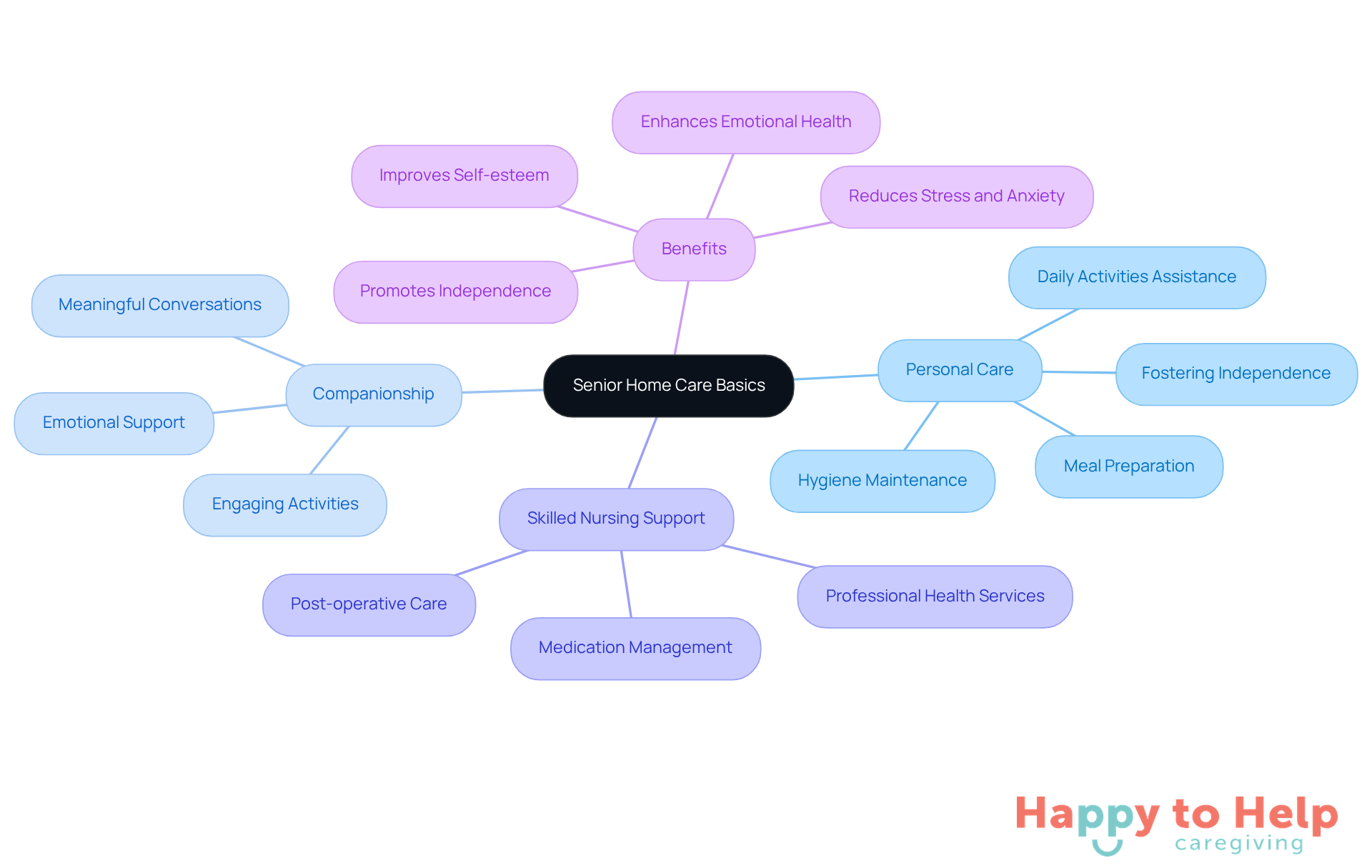
Personal Care is a vital service that assists seniors with essential daily tasks like bathing, dressing, and meal preparation. This support not only helps maintain hygiene and nutrition but also fosters independence, which is crucial for self-esteem and confidence.
-
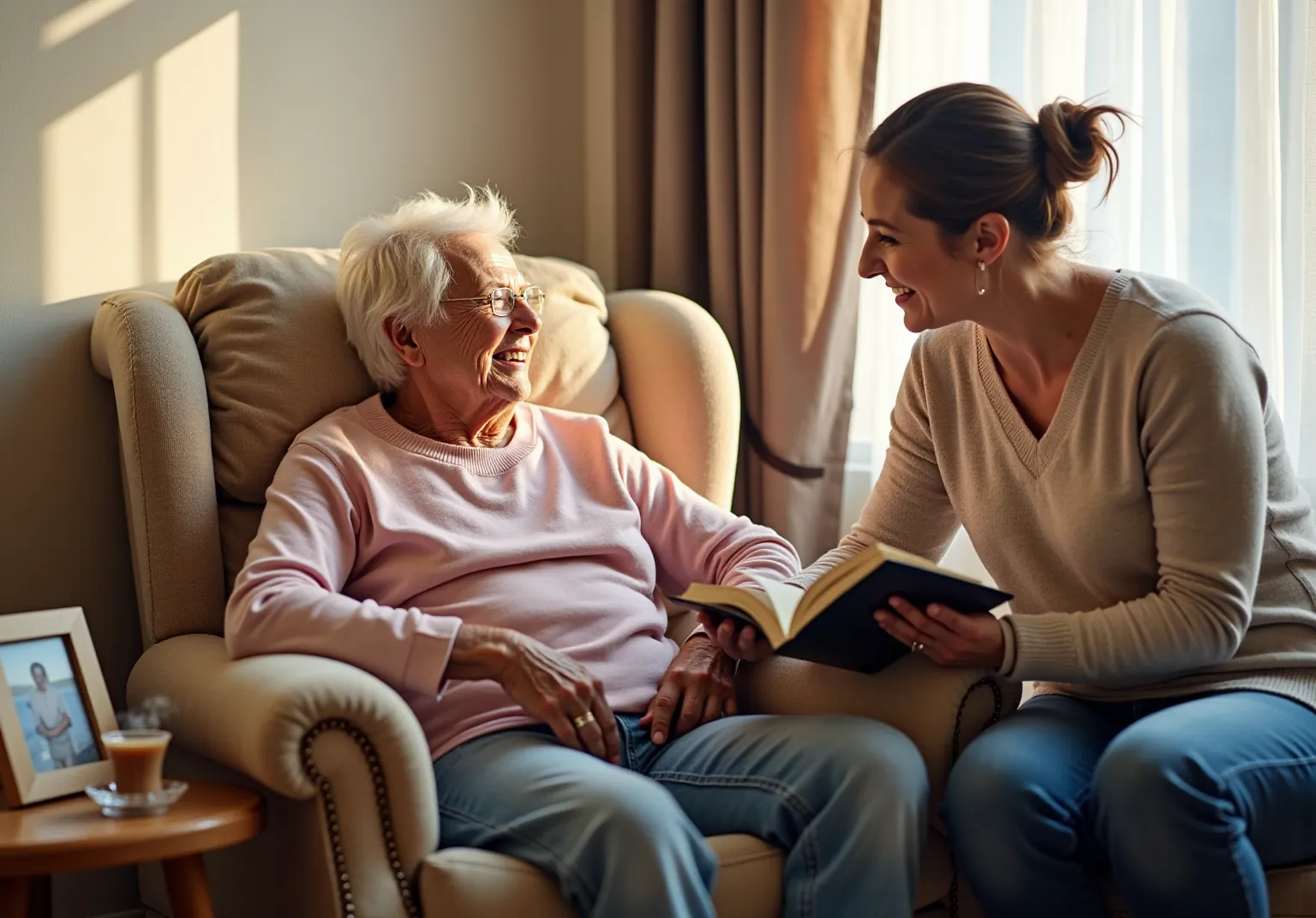
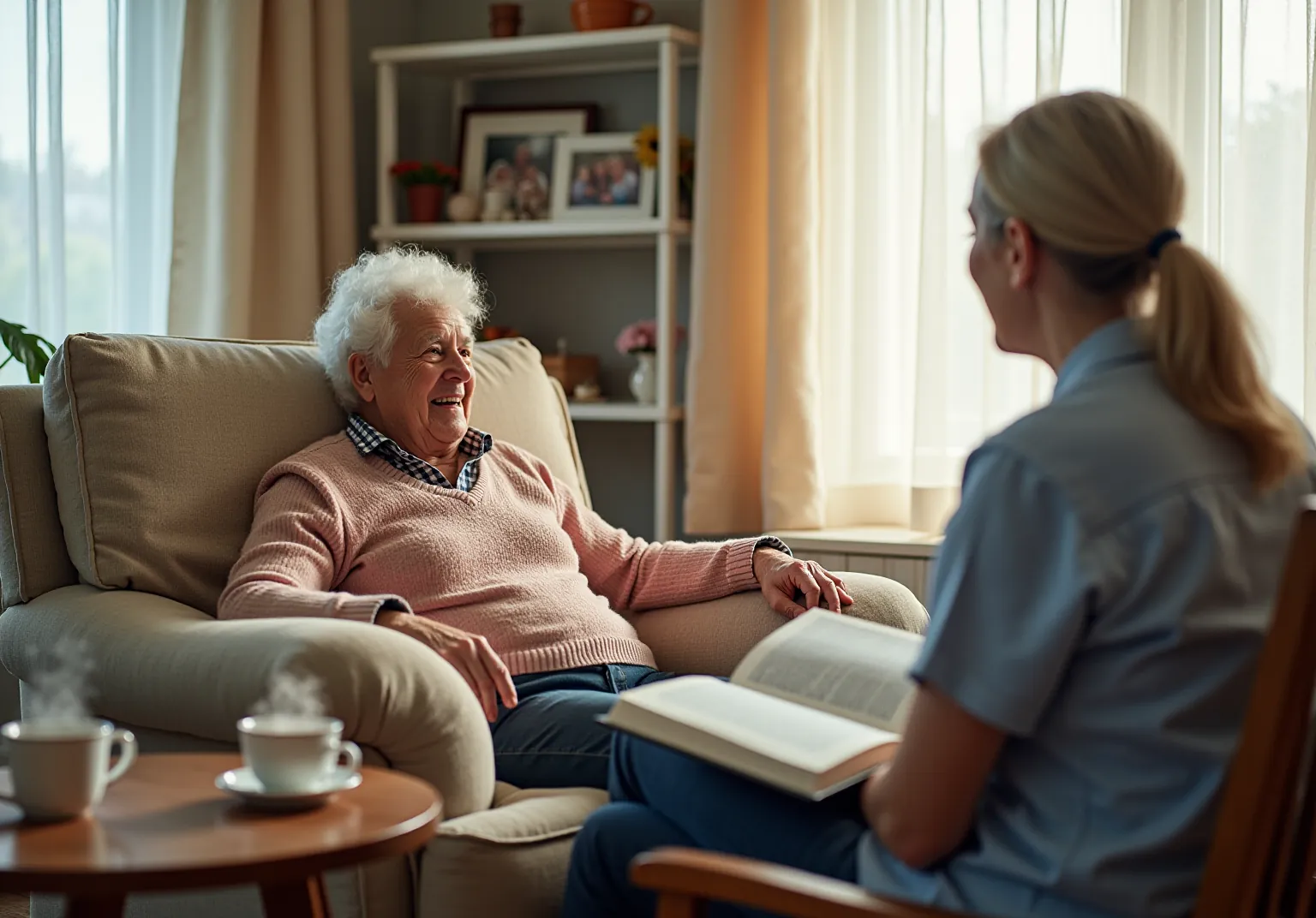
Companionship plays a significant role in combating isolation. Engaging in meaningful conversations and activities can greatly enhance mental well-being, providing emotional support that many seniors need.
-
For those requiring medical assistance, Skilled Nursing Support offers professional health services, including medication management and post-operative care. This ensures that elderly individuals receive necessary medical attention in the comfort of their own homes.
The benefits of senior home care San Antonio are substantial. It promotes independence, allowing seniors to maintain control over their routines, which can lead to improved self-esteem. Additionally, senior home care San Antonio allows individuals to remain in a familiar environment, which reduces stress and anxiety, contributing to better emotional health. Statistics indicate that nearly 70% of people aged 65 and older will need some form of long-term assistance, making in-home options essential for families, as highlighted by the American Health Care Association.
As the demand for senior home care San Antonio services rises-projected to increase by 22% by 2034-it’s crucial for families to understand local regulatory standards. Familiarizing yourself with these regulations ensures safety and adherence, providing peace of mind for those seeking support for their loved ones. In 2025, the home support industry will adapt to new regulations, including potential changes to the Medicaid Access Rule and the removal of minimum-hour thresholds for private-pay providers. This highlights the importance for families to stay informed about their options and the quality of assistance available.
Explore Available Senior Care Services
In San Antonio, caregivers involved in senior home care San Antonio face significant challenges when it comes to providing adequate support for elderly individuals. Feelings of loneliness, the stress of managing recovery, and caregiver exhaustion are common issues that can impact both seniors and their families.
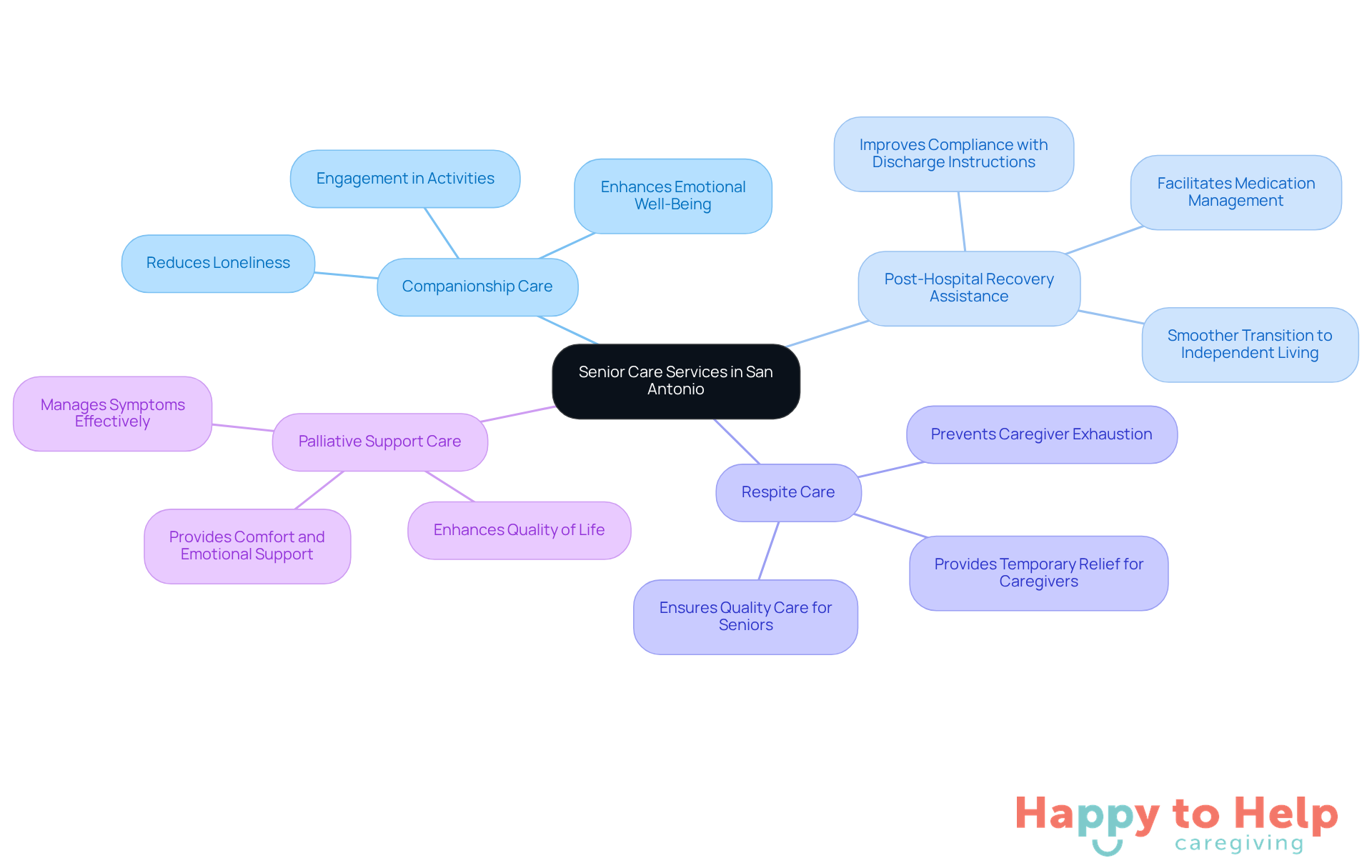
Companionship Care addresses the problem of isolation by offering vital social interaction and emotional support. This service significantly reduces feelings of loneliness among seniors. Caregivers engage clients in enjoyable activities, fostering meaningful connections that enhance emotional well-being.
Post-Hospital Recovery Assistance is another crucial service. After a hospital stay, elderly individuals often struggle with compliance to discharge instructions and medication management. This service ensures a smoother transition back to independent living, as successful case studies show that older adults receiving this assistance experience improved recovery outcomes.
Respite Care provides temporary relief for primary caregivers, allowing family members to take necessary breaks while ensuring their loved ones receive high-quality care. This support is essential for avoiding caregiver exhaustion and preserving the overall well-being of both caregivers and elderly individuals.
Palliative Support Care focuses on enhancing the quality of life for individuals with serious illnesses. It provides comfort and emotional support, playing a critical role in managing symptoms and ensuring that elderly individuals can live with dignity during challenging times.
When selecting a provider for senior home care in San Antonio, it’s essential to research local options and read reviews to find the best fit for your loved one’s specific needs. The dedication to individualized support and the incorporation of companionship in these services are vital for fostering independence and emotional well-being among older adults.
Develop a Customized Care Plan
To develop a customized care plan, caregivers must first recognize the challenges they face. Many families feel uncertain about what to seek in a senior support experience, with 41% expressing this concern. This uncertainty can lead to inadequate care, leaving loved ones without the necessary support.
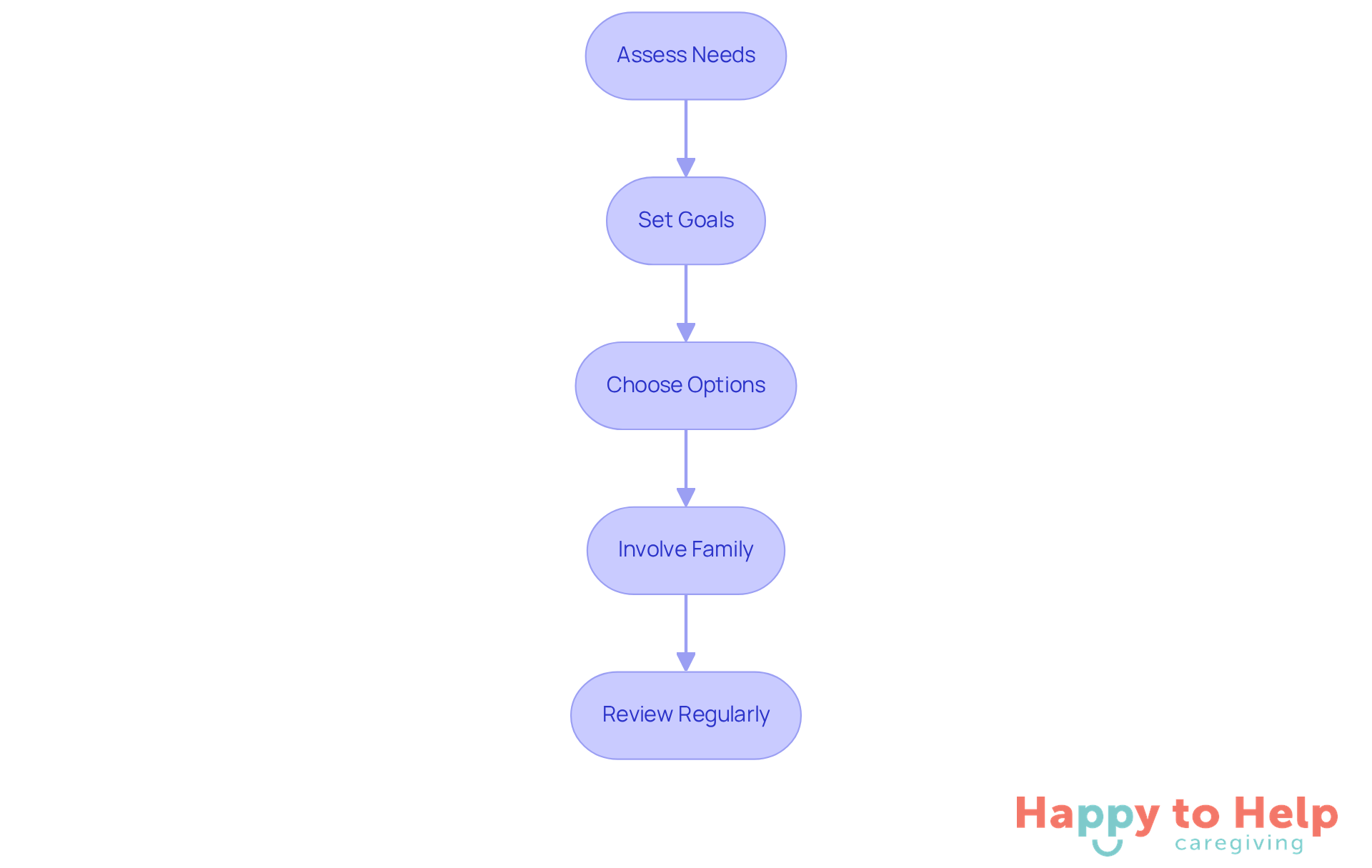
To address this issue, follow these steps:
-
Assess Needs: Conduct a thorough assessment of your loved one's physical, emotional, and social needs. Consider their medical history, daily routines, and personal preferences. This foundational step is essential, as 88% of families agree that more guidance is needed when navigating senior services.
-
Set Goals: Establish clear, achievable objectives for support. This could include improving mobility, enhancing social interaction, or managing chronic conditions. Defining these targets helps direct the support process effectively.
-
Choose Options: Based on the evaluation, select suitable offerings that align with the identified needs and objectives. This may entail a blend of companionship, personal assistance, and skilled nursing. Research shows that 53% of households prefer in-home assistance over senior housing, highlighting the importance of senior home care San Antonio as a tailored service choice.
-
Involve Family: Engage family members in the planning process to ensure everyone is aligned and to gather additional insights about the individual's preferences. Their participation fosters a collaborative approach to support.
-
Review Regularly: Schedule consistent evaluations of the service plan to adjust offerings as requirements change, ensuring ongoing effectiveness and satisfaction. Frequent evaluations are crucial to address the evolving demands of elderly support.
By adhering to these steps, families can navigate the complexities of elder assistance more efficiently. This ensures their loved ones receive the support necessary to maintain independence and quality of life. As Pamela Jung, president of Cross Country Workforce Solutions Group, states, "At-home assistance has demonstrated to offer a better quality of life and results for elderly individuals needing ongoing support." With the U.S. population aged 65 and older projected to rise from 56.1 million in 2020 to 82.1 million by 2050, creating personalized support plans is becoming increasingly vital.
Maintain Communication and Adjust Care as Needed
Effective communication is crucial in senior home assistance. In senior home care in San Antonio, caregivers often face challenges in maintaining clear and consistent communication, which can lead to misunderstandings and inadequate care. This issue not only affects the quality of assistance provided but can also impact the well-being of the individual receiving care.
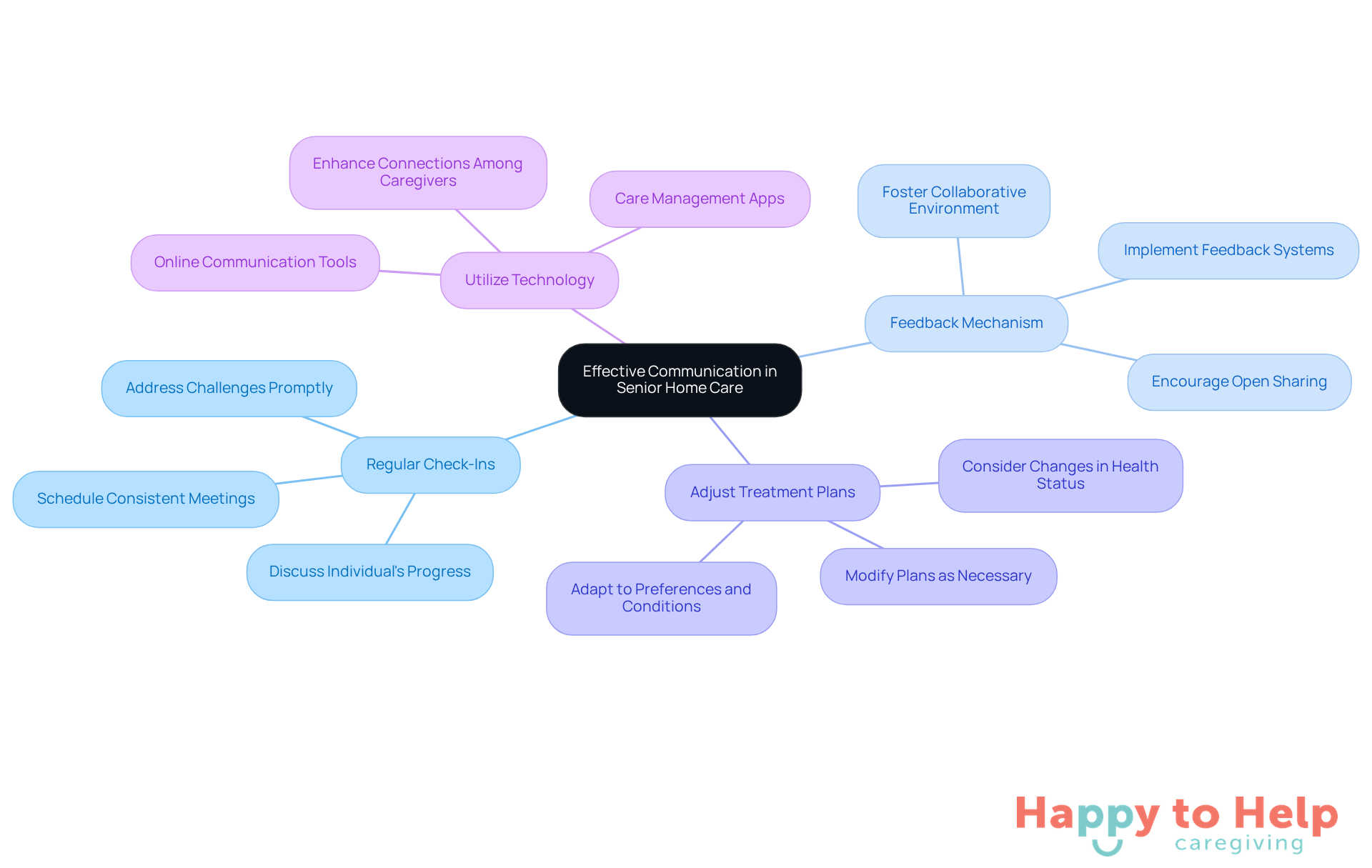
To address these challenges, consider implementing the following strategies:
- Regular Check-Ins: Schedule consistent meetings with caregivers to discuss the individual's progress, challenges, and any changes in needs. This ensures everyone is on the same page and can address issues promptly.
- Feedback Mechanism: Establish a system for providing feedback about the assistance being received. Encourage family members and caregivers to share their observations and concerns openly, fostering a collaborative environment.
- Adjust Treatment Plans: Be prepared to modify the treatment plan as necessary. Changes in health status, preferences, or living conditions may require adjustments to the services provided, ensuring that care remains relevant and effective.
- Utilize Technology: Consider using technology, such as care management apps or online communication tools, to facilitate updates and maintain connections among family members and caregivers. This can enhance communication and streamline the care process.
Key Takeaways for Caregivers
Understanding the complexities of senior home care in San Antonio presents a significant challenge for families. Many struggle to provide their loved ones with the support they need, which can lead to feelings of helplessness and frustration. Without personalized care, companionship, and effective communication, elderly relatives may face a decline in their independence and quality of life.
The implications of inadequate care are profound. Seniors may experience loneliness, health deterioration, and a diminished sense of self-worth. Families often find themselves overwhelmed by the demands of caregiving, which can strain relationships and lead to burnout. It’s essential to recognize these challenges to address them effectively.
To combat these issues, families should prioritize several key aspects of senior home care:
- Personal care services are crucial for daily living activities.
- Companionship can significantly reduce feelings of isolation.
- Skilled nursing support addresses medical needs.
- Developing customized care plans tailored to individual requirements ensures that emotional and physical well-being is prioritized.
As the demand for senior home care services continues to rise, staying informed about available options and regulatory standards is vital. Families should actively engage in the care planning process, maintaining open lines of communication with caregivers. This proactive approach fosters an environment that not only meets the needs of their loved ones but also enhances their overall quality of life.
Taking these steps today will lead to a more supportive and fulfilling tomorrow for seniors in San Antonio.
https://iframe.tely.ai/cta/eyJhcnRpY2xlX2lkIjogIjY5Mjc5NGRjMjI0NDc2YzA3YjhmODk5ZCIsICJjb21wYW55X2lkIjogIjY4ZWU1ZGNhNzMxNzYyNTU3ZjNjOTVjMSIsICJpbmRleCI6IG51bGwsICJ0eXBlIjogImFydGljbGUifQ==Frequently Asked Questions
What is the primary issue that senior home care addresses?
Senior home care addresses the issue of many older adults struggling with daily activities, which can lead to feelings of isolation and decreased well-being.
What percentage of elderly individuals experience loneliness?
Over 40% of elderly individuals experience loneliness, according to the Home Care Association of America.
What services are included in Personal Care for seniors?
Personal Care services assist seniors with essential daily tasks such as bathing, dressing, and meal preparation, helping to maintain hygiene and nutrition while fostering independence.
How does companionship benefit seniors?
Companionship helps combat isolation by providing emotional support through meaningful conversations and activities, which can greatly enhance mental well-being.
What does Skilled Nursing Support provide?
Skilled Nursing Support offers professional health services, including medication management and post-operative care, ensuring that elderly individuals receive necessary medical attention at home.
What are the benefits of senior home care in San Antonio?
Senior home care promotes independence, allows seniors to maintain control over their routines, reduces stress and anxiety by keeping them in a familiar environment, and contributes to better emotional health.
What statistics indicate the need for long-term assistance among seniors?
Nearly 70% of people aged 65 and older will need some form of long-term assistance, highlighting the importance of in-home options for families.
What is the projected increase in demand for senior home care services by 2034?
The demand for senior home care services is projected to increase by 22% by 2034.
Why is it important for families to understand local regulatory standards for senior home care?
Understanding local regulatory standards ensures safety and adherence, providing peace of mind for families seeking support for their loved ones.
What changes are expected in the home support industry by 2025?
The home support industry is expected to adapt to new regulations, including potential changes to the Medicaid Access Rule and the removal of minimum-hour thresholds for private-pay providers.
List of Sources
- Understand Senior Home Care Basics
- Home Care Industry Trends to Watch in 2025 (https://firstlighthomecare.com/blog/home-care-industry-trends)
- FastStats (https://cdc.gov/nchs/fastats/home-health-care.htm)
- 5 Benefits of Senior In-Home Care in 2025 | Valley Home Care (https://valleyhca.com/the-top-5-benefits-of-in-home-senior-care-for-aging-loved-ones-in-2025)
- State of home care in 2025 (https://mcknightshomecare.com/state-of-home-care-in-2025)
- Explore Available Senior Care Services
- San Antonio's elderly population continues to grow. But caregiving exacts a costly toll on families. (https://expressnews.com/news/article/san-antonio-caregiver-challenges-18519864.php)
- The World's Best Caregiving Quotes to Inspire Your Career | Visiting Angels Prescott (https://visitingangels.com/prescott/articles/the-worlds-best-caregiving-quotes-to-inspire-your-career/19696)
- Finding Reliable Elder Care in San Antonio, TX for Aging Loved Ones (https://cbs42.com/business/press-releases/ein-presswire/858406753/finding-reliable-elder-care-in-san-antonio-tx-for-aging-loved-ones)
- Elderly Care Statistics (https://rosewood-nursing.com/post/elderly-care-statistics)
- 27 Inspirational Quotes for Caregivers (https://ultimatecareny.com/resources/27-quotes-for-caregivers)
- Develop a Customized Care Plan
- Warning From Older Adults: Care for Aging in America Needs Urgent Rethinking (https://johnahartford.org/newsroom/view/warning-from-older-adults-care-for-aging-in-america-needs-urgent-rethinking)
- Families Prefer In-Home Care To Senior Living – Yet Struggle To Identify Needed Support (https://homehealthcarenews.com/2025/11/families-prefer-in-home-care-to-senior-living-yet-struggle-to-identify-needed-support)
- Elderly Care Statistics (https://rosewood-nursing.com/post/elderly-care-statistics)
- New Study Finds That While Aging Seniors Prefer In-Home Care, Most Are Critically Underprepared for Future Healthcare Needs | Cross Country Healthcare, Inc. (https://ir.crosscountry.com/news-releases/news-release-details/new-study-finds-while-aging-seniors-prefer-home-care-most-are)
- Maintain Communication and Adjust Care as Needed
- Effective Communication Strategies in Senior Care: Empowering Residents, Families, and Caregivers - MedCity News (https://medcitynews.com/2023/12/effective-communication-strategies-in-senior-care-empowering-residents-families-and-caregivers)
- Caregiver Statistics: Demographics (https://caregiver.org/resource/caregiver-statistics-demographics)
- Effective Communication Strategies for Older Adults: Evidence-Based Approaches that Improve Care (https://medtigo.com/news/effective-communication-strategies-for-older-adults-evidence-based-approaches-that-improve-care)