Maximize Affordable Care at Home: Best Practices for Family

For families in our service areas
For families in our service areas, this guide explains caregiver support and how non-medical in-home caregiving can support care planning in East Idaho, Treasure Valley & Magic Valley, Northern Wasatch, North Central West Virginia & Southwestern Pennsylvania, and Northeast Ohio.
Why Maximize Affordable Care at Home: Best Matters
The landscape of home care has been significantly reshaped by the Affordable Care Act (ACA), presenting a crucial problem for family caregivers: how to navigate these new resources effectively. Many caregivers face the challenge of understanding the various provisions of the ACA, which can lead to confusion and stress as they strive to provide quality support for their loved ones.
As deadlines for critical benefits loom, the implications of this problem become even more pressing. Caregivers often feel overwhelmed, balancing the need to alleviate financial burdens with the desire to enhance the overall care experience at home. This situation can lead to caregiver burnout, impacting both their well-being and the quality of care provided.
However, there are actionable solutions available. By tapping into the ACA's provisions, caregivers can access financial support and resources that not only ease their burdens but also improve the care their family members receive. It's essential for caregivers to familiarize themselves with these resources and seek assistance when needed, ensuring that their loved ones receive the care they deserve while maintaining their own health and well-being.
Understand the Affordable Care Act and Its Benefits for Home Care
The Affordable Care Act (ACA) has fundamentally transformed the healthcare environment in the United States, particularly improving home assistance for seniors and individuals with special needs. Family caregivers can leverage key provisions of the ACA to provide affordable care at home and enhance the quality of care they offer.
Problem: Many family caregivers face significant challenges in providing adequate care, often struggling with financial constraints and limited access to essential services. This can lead to stress and burnout, impacting both caregivers and those they care for.
Agitation: Without proper support, caregivers may find it difficult to manage their responsibilities, which can affect the well-being of their loved ones. The looming expiration of enhanced tax credits could further strain families, leading to increased health insurance premiums and reduced access to necessary services.
Solution: Fortunately, the ACA offers several provisions that can help caregivers navigate these challenges:
-
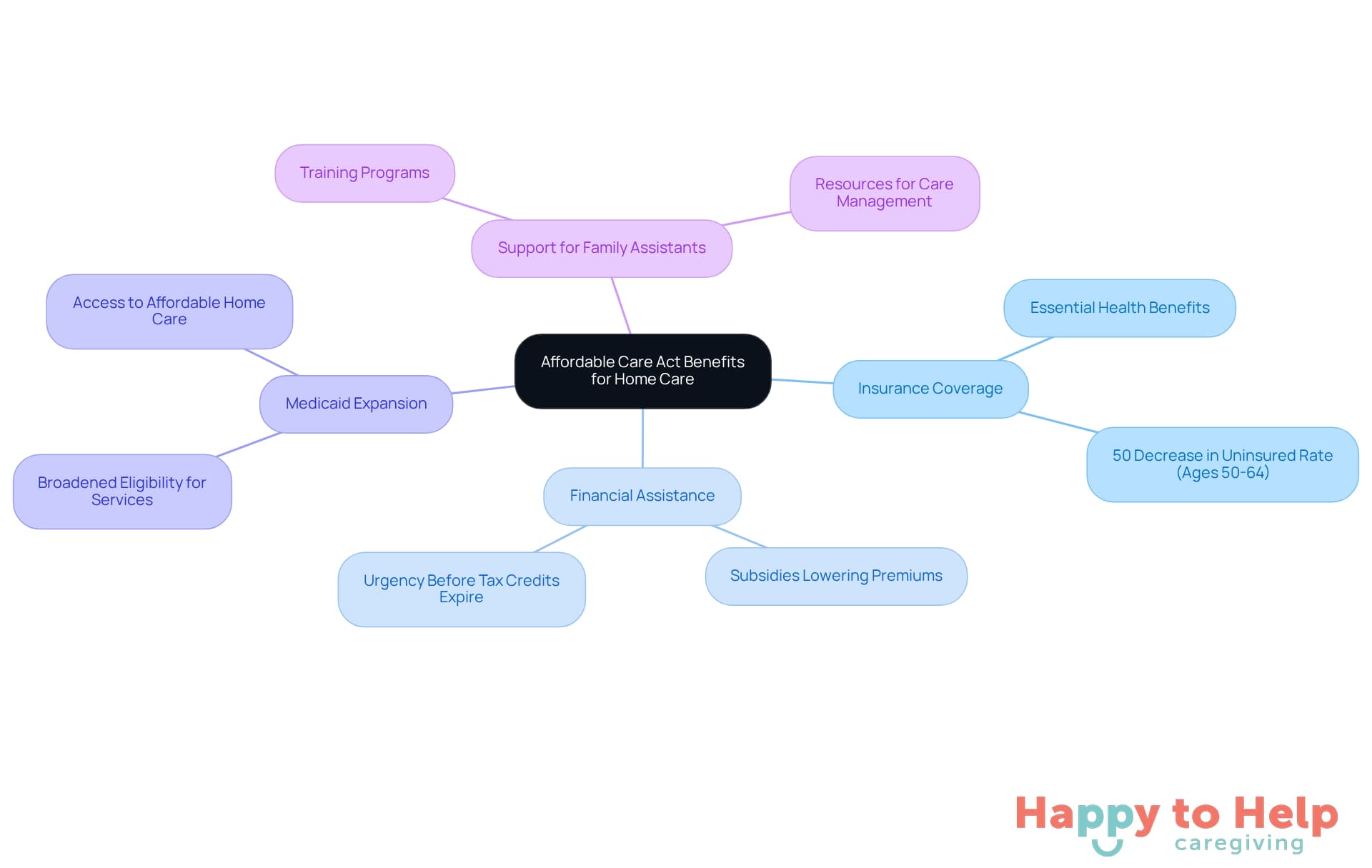
Insurance Coverage: The ACA mandates that insurance plans include essential health benefits, such as preventive care and chronic disease management. This is crucial for seniors, ensuring they receive necessary medical attention without incurring prohibitive costs. Notably, the ACA has led to a 50% decrease in the uninsured rate among adults aged 50 to 64, allowing more individuals to access essential care.
-
Financial Assistance: Many families qualify for subsidies that significantly lower health insurance premiums, making it easier to obtain necessary services. However, with the expiration of enhanced tax credits approaching, families should act quickly to secure their coverage and avoid potential financial burdens.
-
Medicaid Expansion: In states that opted for Medicaid expansion under the ACA, eligibility for home and community-based services has broadened. This expansion promotes greater access to affordable care at home, enabling families to provide support in a familiar environment.
-
Support for Family Assistants: The ACA includes provisions aimed at assisting family members who provide care, such as training programs and resources designed to help them manage their responsibilities effectively. This support is essential, as caregivers often encounter difficulties that can affect their well-being and the standard of service they deliver.
By understanding these advantages, caregivers can navigate the complexities of affordable care at home more effectively, ensuring their family members receive the comprehensive support they need to thrive. As the December 15, 2025, deadline for sign-ups approaches, timely action is essential for securing coverage and avoiding potential financial burdens.
Utilize ACA Resources for Financial Support in Home Care
Family caregivers often face significant financial challenges when managing the expenses of affordable care at home. This burden can lead to stress and anxiety, making it crucial to find effective solutions.
To alleviate some of these pressures, consider the following strategies:
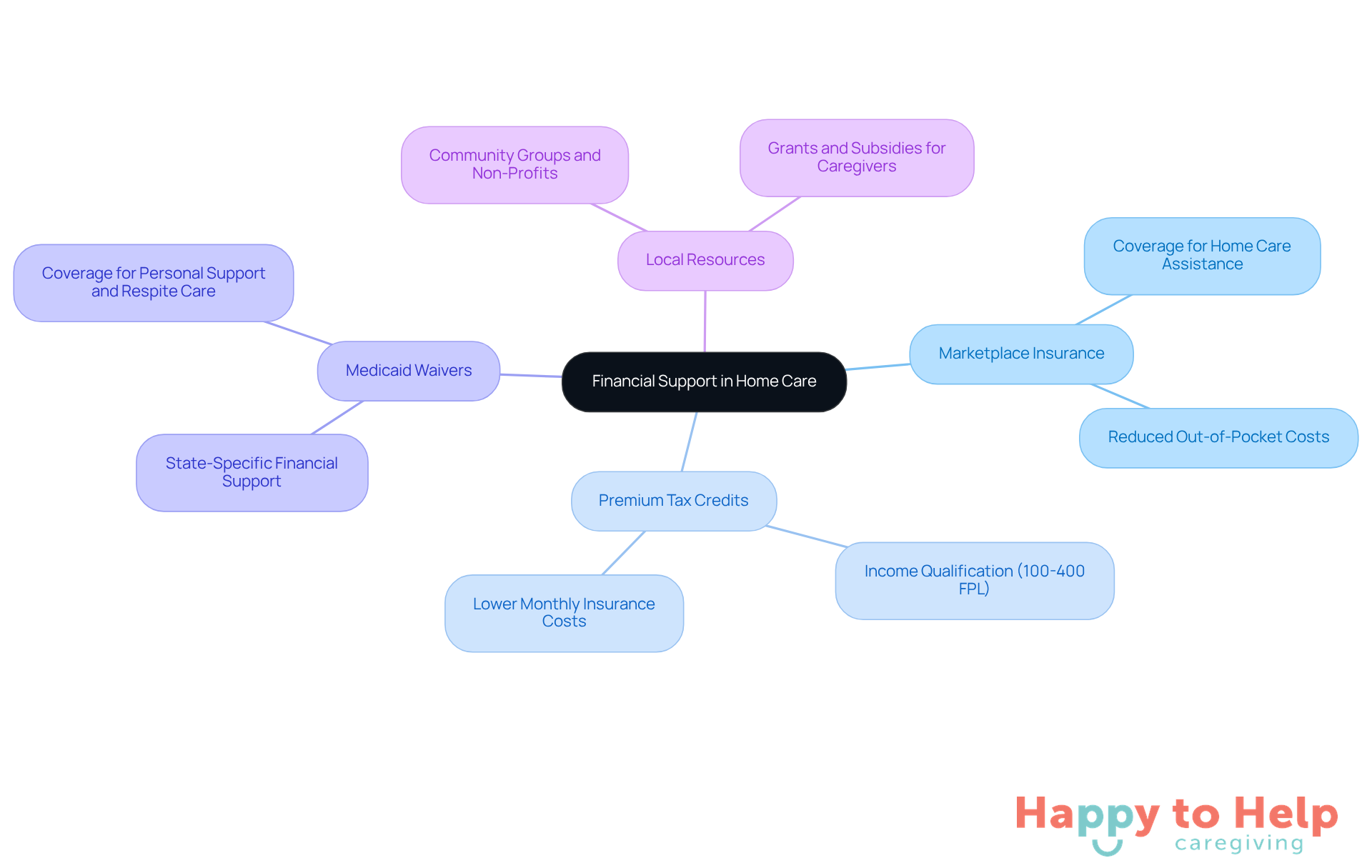
- Marketplace Insurance: Explore the Health Insurance Marketplace for options that cover home care assistance. Many plans now include benefits for in-home health care, which can significantly reduce out-of-pocket costs.
- Premium Tax Credits: If your household income is between 100% and 400% of the federal poverty level, you may qualify for premium tax credits that lower your monthly insurance costs. This can free up funds for additional caregiving expenses.
- Medicaid Waivers: Investigate state-specific Medicaid waivers that provide financial support for home and community-based assistance. These waivers can cover a range of services, including personal support and respite care.
- Local Resources: Numerous community groups and non-profit organizations offer financial aid programs for caregivers. Research local resources that may provide grants or subsidies to help offset caregiving costs.
By utilizing these resources, caregivers can ease some of the financial burdens associated with providing affordable care at home.
Develop Personalized Care Plans for Effective Home Support
Developing a personalized support plan is crucial for effectively addressing the unique needs of your loved one. Caregivers often face the challenge of ensuring that their loved ones receive the right support tailored to their individual circumstances. Without a well-structured plan, the risk of unmet needs can lead to frustration and decreased quality of life.
-
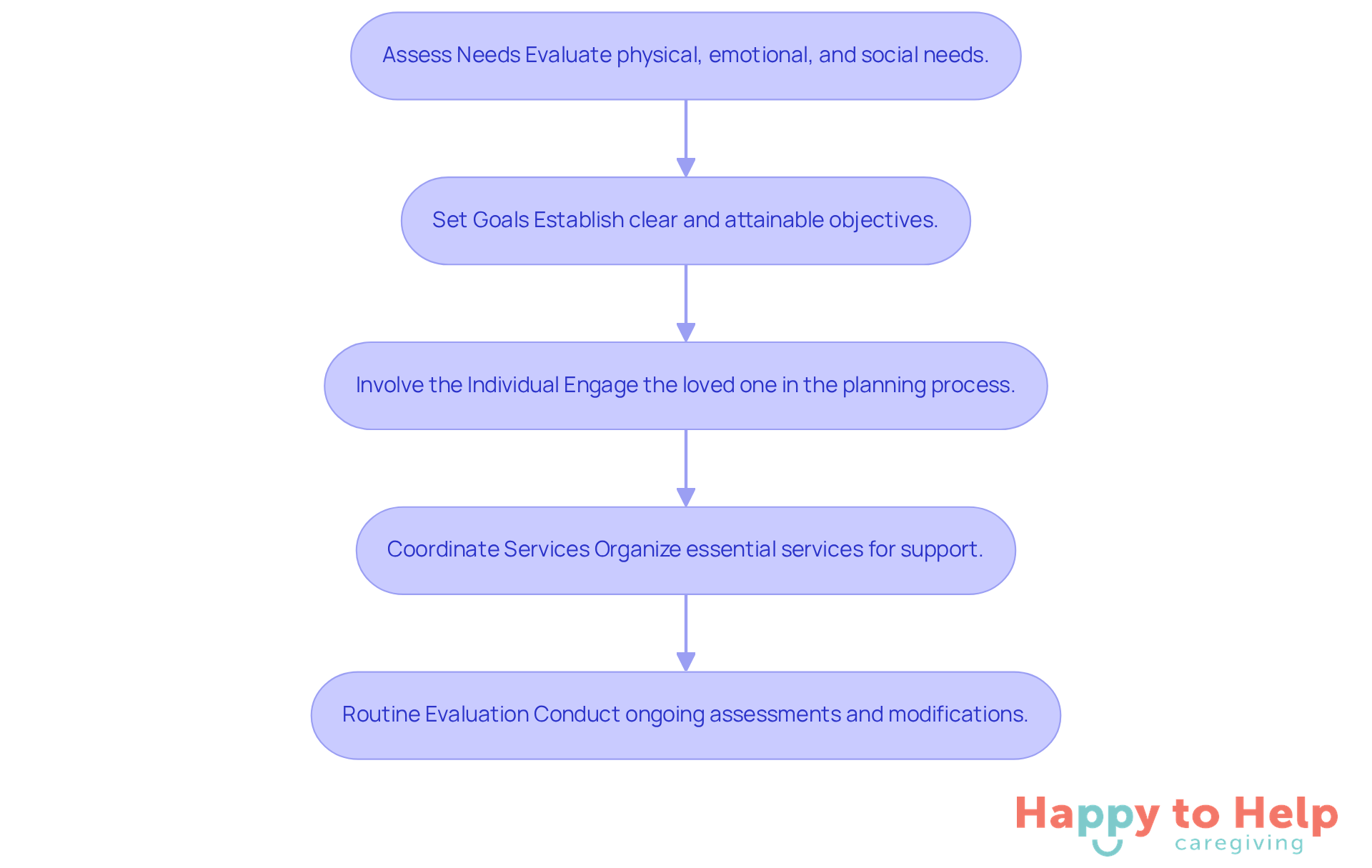
Assess Needs: Start by thoroughly evaluating the physical, emotional, and social needs of your loved one. This includes reviewing their medical history, daily routines, and personal preferences to ensure a comprehensive understanding of their situation. Evidence-based practices indicate that patient-focused approaches improve quality of service and patient satisfaction, making this step essential.
-
Set Goals: Establish clear and attainable objectives for assistance. These may involve improving mobility, managing medications, or enhancing social interactions, all tailored to the individual's lifestyle.
-
Involve the Individual: Actively engage your loved one in the planning process. Their insights are crucial for developing a strategy that honors their wishes and fosters independence, ultimately enhancing their quality of life. As noted by the Visiting Nurse Association Health Group, tailored support strategies are designed to assist seniors in carrying out daily tasks autonomously for as long as feasible.
-
Coordinate Services: Recognize and organize essential services that will be incorporated into the support scheme, such as home health aides, therapy services, or meal delivery programs. This holistic approach ensures that all facets of affordable care at home support are covered.
-
Routine Evaluation: Arrange ongoing assessments of the support strategy to track progress and implement modifications as necessary. Regular evaluations are vital to keep the strategy relevant and effective as your loved one's needs evolve. This aligns with the understanding that individualized support strategies must adapt as clients' health situations advance or decline.
By following these steps, caregivers can create a flexible strategy that not only promotes affordable care at home for their loved one's health and well-being but also enables them to uphold their independence and dignity. For instance, Mary, an 82-year-old woman who enjoys gardening, regained her confidence and preserved her independence through a tailored support plan that involved help with her daily activities and hobbies.
Implement Training and Support Systems for Caregiver Well-Being
Providing care can be demanding, and it's essential for those in this role to prioritize their own well-being. Caregivers often face significant challenges, which can lead to burnout and decreased quality of care. To combat this, here are some effective strategies to implement training and support systems:
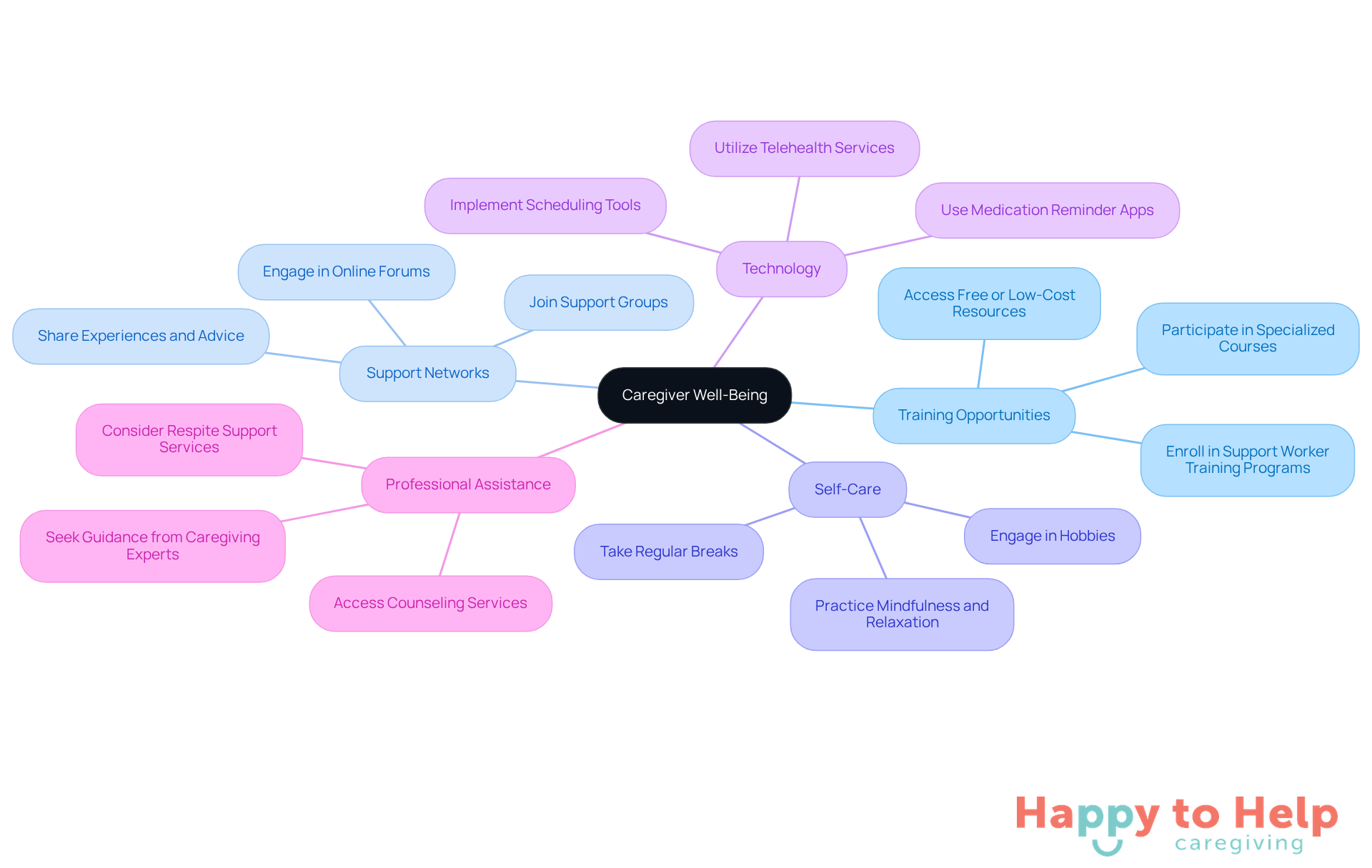
- Seek Training Opportunities: Enroll in support worker training programs that cover essential skills, such as medication management, personal care techniques, and communication strategies. Many organizations offer free or low-cost training resources.
- Establish Support Networks: Connect with other individuals providing care through support groups or online forums. Sharing experiences and advice can provide emotional support and practical tips.
- Practice Self-Care: Encourage caregivers to take regular breaks and engage in self-care activities. This could include exercise, hobbies, or simply taking time to relax.
- Utilize Technology: Leverage technology to streamline caregiving tasks. Apps for medication reminders, scheduling, and communication can reduce stress and improve efficiency.
- Access Professional Assistance: Consider employing respite support services to offer temporary relief for family members who provide assistance. This allows them to recharge and maintain their health.
By implementing these strategies, caregivers can enhance their well-being, which in turn improves the quality of care they provide.
Moving Forward with Maximize Affordable Care at Home: Best
Understanding the Affordable Care Act (ACA) can be a daunting task for family caregivers, who often struggle to provide affordable care at home. This challenge not only affects the quality of care for their loved ones but also adds financial strain. Caregivers need to navigate the complexities of healthcare to ensure their family members receive the necessary support.
To address these challenges, caregivers should leverage available resources such as:
- Insurance coverage
- Financial assistance
- Medicaid expansion
These tools can help create a sustainable caregiving environment. Additionally, developing personalized care plans tailored to individual needs, along with implementing training and support systems for caregiver well-being, are essential strategies. These practices not only enhance the quality of care but also promote independence and dignity for those receiving assistance.
The caregiving journey, while challenging, can also be rewarding. By understanding and applying the ACA's benefits, caregivers can improve their own well-being and that of their loved ones. It is crucial for family caregivers to act promptly, secure necessary resources, and prioritize their health to foster a nurturing home environment. Embracing these strategies not only enhances care but also reinforces the values of compassion and resilience in the caregiving experience.
https://iframe.tely.ai/cta/eyJhcnRpY2xlX2lkIjogIjY5NDBkZmI4MGUzZjQ0MzFiNTUwMjljNCIsICJjb21wYW55X2lkIjogIjY4ZWU1ZGNhNzMxNzYyNTU3ZjNjOTVjMSIsICJpbmRleCI6IG51bGwsICJ0eXBlIjogImFydGljbGUifQ==Frequently Asked Questions
What is the Affordable Care Act (ACA) and how does it impact home care?
The ACA has transformed the healthcare environment in the U.S. by improving home assistance for seniors and individuals with special needs, allowing family caregivers to provide affordable care and enhance the quality of care.
What challenges do family caregivers face without support?
Family caregivers often struggle with financial constraints and limited access to essential services, leading to stress and burnout, which can negatively impact both the caregivers and those they care for.
What are some key provisions of the ACA that assist caregivers?
The ACA includes provisions for insurance coverage, financial assistance, Medicaid expansion, and support for family assistants, which help caregivers manage their responsibilities and provide better care.
How does the ACA improve insurance coverage for seniors?
The ACA mandates that insurance plans include essential health benefits, such as preventive care and chronic disease management, resulting in a 50% decrease in the uninsured rate among adults aged 50 to 64.
What financial assistance is available under the ACA for families?
Many families qualify for subsidies that significantly lower health insurance premiums, making it easier to obtain necessary services. Families should act quickly to secure their coverage before the expiration of enhanced tax credits.
How has Medicaid expansion under the ACA affected home care services?
In states that opted for Medicaid expansion, eligibility for home and community-based services has broadened, promoting greater access to affordable home care for families.
What support does the ACA provide for family caregivers?
The ACA includes provisions for training programs and resources aimed at assisting family members who provide care, helping them manage their responsibilities effectively.
Why is it important for caregivers to understand the ACA's benefits?
Understanding the ACA's advantages allows caregivers to navigate affordable care complexities more effectively, ensuring their family members receive the comprehensive support they need. Timely action is essential before the December 15, 2025, deadline for sign-ups.
List of Sources
- Understand the Affordable Care Act and Its Benefits for Home Care
- Older Adults at Risk if ACA Subsidies Expire - Medicare Rights Center (https://medicarerights.org/medicare-watch/2025/10/30/older-adults-at-risk-if-aca-subsidies-expire)
- Senate Fails to Extend ACA Subsidies; Price Hikes Loom - Medicare Rights Center (https://medicarerights.org/medicare-watch/2025/12/11/senate-fails-to-extend-aca-subsidies-price-hikes-loom)
- Higher cost, worse coverage: Affordable Care Act enrollees say expiring subsidies will hit them hard (https://apnews.com/article/congress-health-care-subsidies-cost-aca-premiums-6a69b51aee8a6b04353b914e044f4efa)
- House Republicans unveil health care package that does not extend ACA subsidies ahead of next week's vote (https://abcnews.go.com/Politics/house-republicans-unveil-health-care-package-extend-aca/story?id=128363919)
- ACA shoppers face sticker shock as Congress dithers on health care (https://npr.org/sections/shots-health-news/2025/12/15/nx-s1-5644978/aca-costs-congress-health-care)
- Utilize ACA Resources for Financial Support in Home Care
- Six bills reintroduced to expand resources for family caregivers (https://benefitspro.com/2025/12/02/six-bills-reintroduced-to-expand-resources-for-family-caregivers)
- Federal budget committee greenlights millions in spending for family caregivers, respite services (https://mcknightshomecare.com/news/federal-budget-committee-greenlights-millions-in-spending-for-family-caregivers-respite-services)
- Tax credits for caregivers get attention from Trump, lawmakers (https://thehill.com/policy/healthcare/5640434-tax-credits-caregivers-legislation)
- Welcome to the Health Insurance Marketplace® (https://healthcare.gov)
- New State-by-State Data Expose the Crushing Financial Strain of Family Caregiving — and Call for Immediate Federal and State Action (https://press.aarp.org/2025-10-28-New-Data-Expose-Financial-Strain-of-Family-Caregiving)
- Develop Personalized Care Plans for Effective Home Support
- How a Personalized Care Plan Makes Living with Chronic Conditions Easier | Dedicated Senior Medical Center (https://dedicated.care/articles/how-personalized-care-plan-makes-living-chronic-conditions-easier)
- How Personalized Care Plans Improve Quality of Life for Seniors (https://seniorcarecompanions.com/personalized-care-plans-quality-of-life-for-seniors)
- Customized Care at Home: The Benefits of Personalized Care Plans - VNA Health Group (https://vnahg.org/customized-care-at-home-the-benefits-of-personalized-care-plans)
- The Importance of Personalized Care Plans (https://homecareadvisory.org/importance-personalized-care-plans)
- Personalizing Care Plans for Seniors: Why One Size Doesn't Fit All (https://promedcareinc.com/personalizing-care-plans-for-seniors-why-one-size-doesnt-fit-all)
- Implement Training and Support Systems for Caregiver Well-Being
- The National Alliance for Caregiving and AARP Release Caregiving Report - CAPC - News Bites (https://capc.org/blog/new-data-on-family-caregivers-in-the-us)
- Home caregivers receive training through local center to help fill IHSS gap (https://spectrumlocalnews.com/product-pages/nyc/health/2025/11/27/home-caregivers-receive-training-through-local-center-to-help-fill-ihss-gap)
- Caregiving Statistics US 2025: Insights for Family Caregivers (https://zencaregiving.org/caregiving-statistics-us-2025)
- Pathways to Professionalization (https://advancecaregivers.org/pathways-to-professionalization)
- Building a lifeline for family caregivers across the US (https://news.mit.edu/2025/ianacare-builds-lifeline-for-family-caregivers-across-us-0811)