
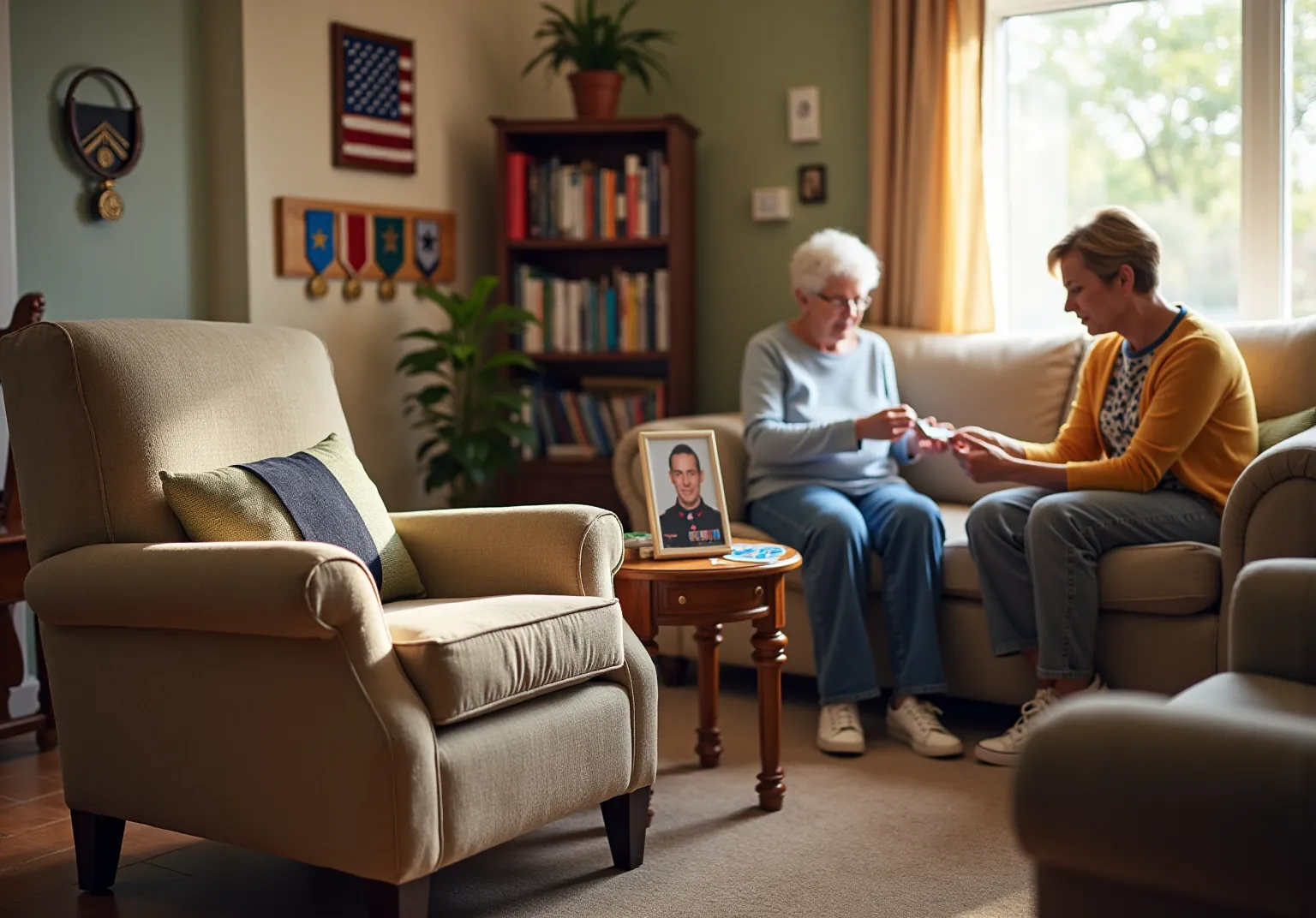
For families in our service areas
For families in our service areas, this guide explains veteran home care and how non-medical in-home caregiving can support care planning in East Idaho, Treasure Valley & Magic Valley, Northern Wasatch, North Central West Virginia, and Northeast Ohio.
The Importance of Memory Care for Veterans: Comparing
Memory care for veterans highlights a significant problem at the intersection of mental health and cognitive support, exposing the unique challenges that former military personnel face. With increased risks of PTSD, traumatic brain injury, and dementia, the demand for specialized memory care solutions is more urgent than ever. Caregivers often grapple with the complexities of traditional versus tailored memory care options, raising an important question: how can support systems be optimized to effectively meet the distinct needs of those who have served?
This article explores the nuances of memory care for veterans, comparing various approaches and emphasizing the importance of trauma-informed practices. By understanding these challenges and implementing effective strategies, caregivers can provide the necessary support that honors the service and sacrifices of veterans.
Understanding Memory Care for Veterans
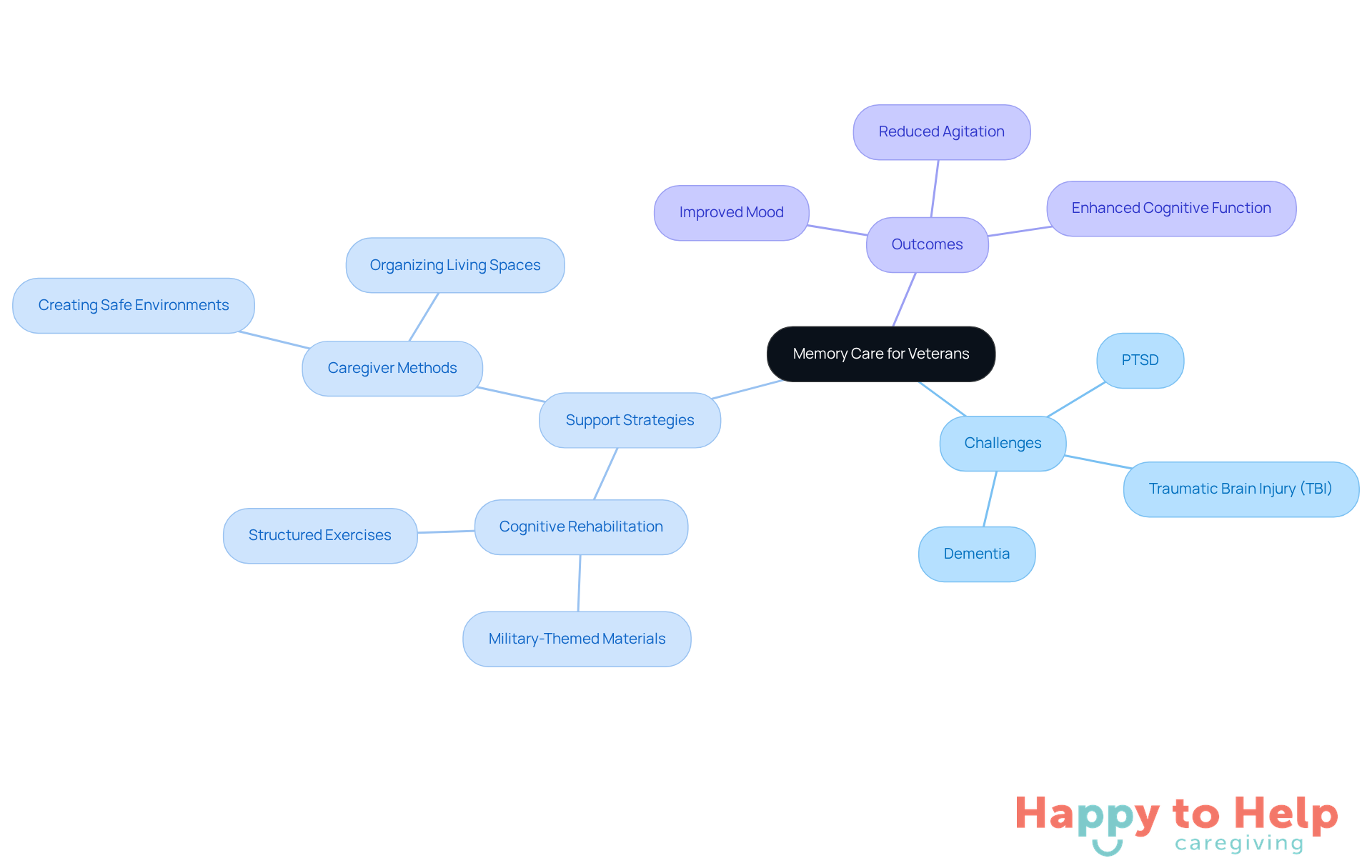
Support for former military personnel highlights a significant problem: veterans face a heightened risk for conditions such as PTSD, traumatic brain injury (TBI), and dementia. These challenges necessitate specialized services, such as memory care for veterans, that address their unique cognitive and emotional needs. Studies indicate that individuals with PTSD are nearly twice as likely to develop dementia compared to those without, underscoring the urgent need for integrated mental health support within cognitive health environments.
Understanding the distinct psychological and physical obstacles that former service members encounter is essential for developing effective cognitive support strategies. Military experiences can profoundly impact mental health, making it crucial to create a supportive environment that honors their service. For instance, cognitive rehabilitation programs that incorporate military-themed materials have shown significant improvements in cognitive function and daily living skills among veterans.
To tackle the specific symptoms of dementia, effective memory support strategies must also adapt caregiving methods. Symptoms such as anxiety, depression, and aggression can be prevalent. Caregivers should focus on creating safe environments by organizing living spaces and removing potential hazards, allowing veterans to navigate their homes with greater ease.
Research further indicates that veterans receiving memory care for veterans alongside integrated mental health and dementia support experience improved outcomes, including reduced agitation and enhanced mood. This highlights the importance of a comprehensive approach that incorporates memory care for veterans into dementia treatment, ultimately enhancing the quality of life for those facing these challenges.
Exploring Traditional Memory Care Options
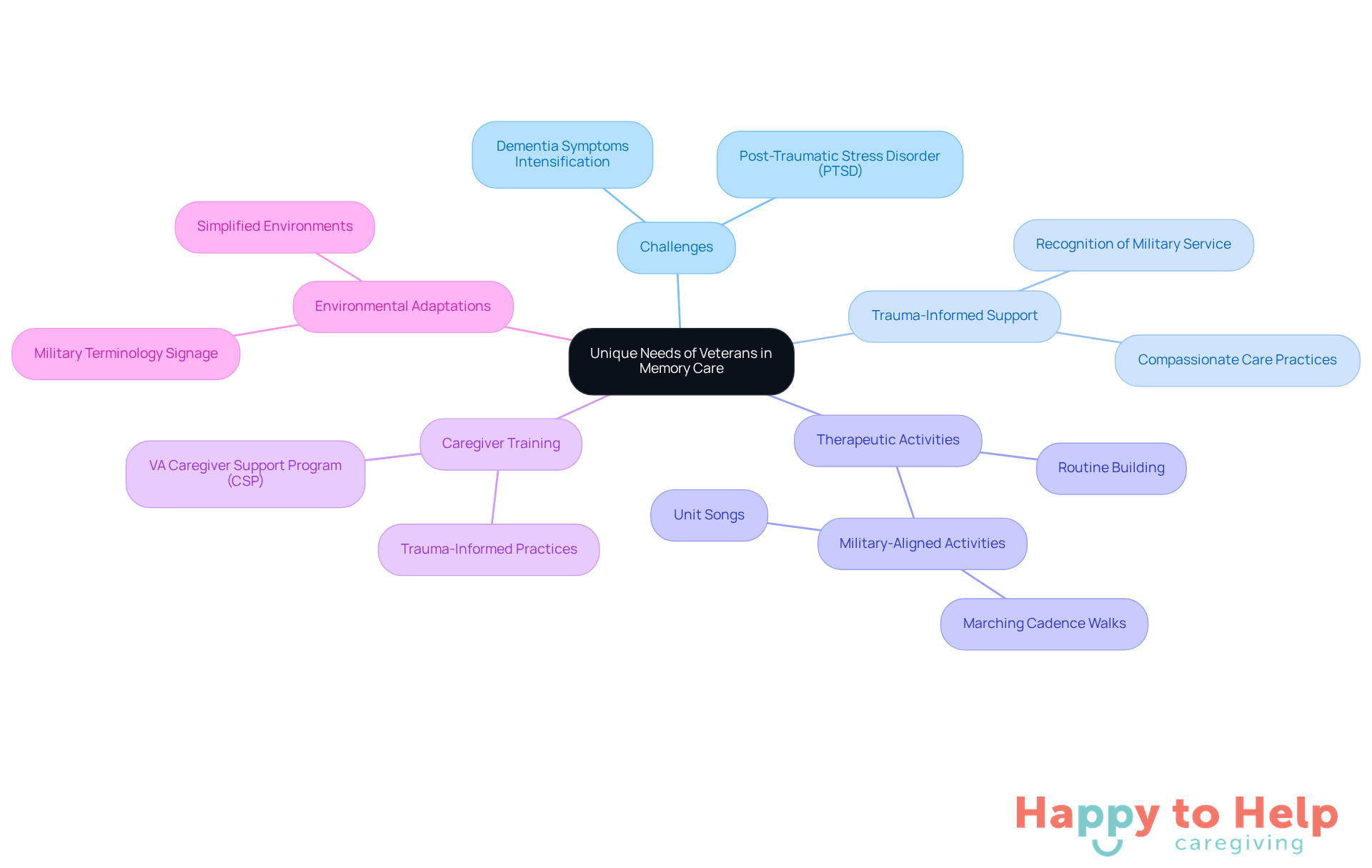
Conventional options for memory care for veterans often fall short, particularly for those with dementia and cognitive impairments. While specialized facilities provide 24/7 supervision and assistance, they may not adequately address the unique needs associated with memory care for veterans stemming from military experiences. This gap can leave veterans feeling isolated and unsupported, highlighting the need for tailored memory care for veterans solutions.
To better support these individuals, caregivers should consider personalized support plans that take into account the specific challenges veterans face. This includes:
- Medication management
- Therapeutic activities
- Social engagement that resonates with their military background
By fostering environments that promote emotional well-being and cognitive function, caregivers can significantly enhance the quality of life for veterans in memory care for veterans settings.
Addressing Unique Needs of Veterans in Memory Care
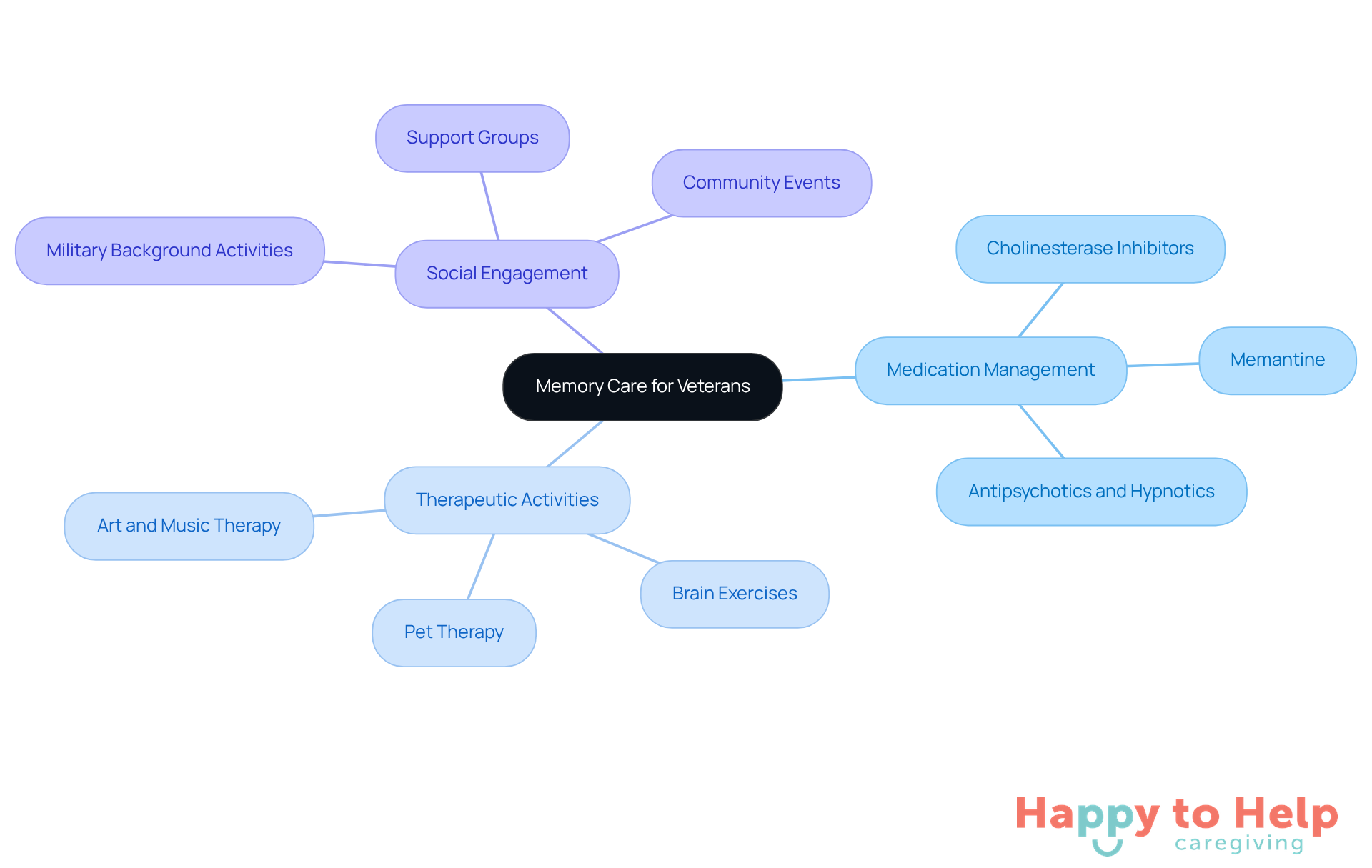
Veterans in memory care for veterans face unique challenges that require specialized attention. A significant number of these individuals experience post-traumatic stress disorder (PTSD), which can intensify dementia symptoms. This situation highlights the need for trauma-informed support, which acknowledges and honors their military service while addressing their distinct psychological requirements.
Programs that integrate former service members' military backgrounds into therapeutic activities can significantly improve their sense of belonging and comprehension within the support environment. For instance, incorporating military-aligned activities and familiar routines can help create a supportive atmosphere that reduces anxiety and fosters dignity.
Care providers must be equipped with the skills to recognize and address these specific requirements. Training in trauma-informed practices is essential, as it allows caregivers to provide compassionate and effective support that respects the experiences of those who have served in the military. The VA Caregiver Support Program (CSP) offers education and skills training for caregivers, ensuring they are well-prepared to meet the distinct needs of those who have served.
Furthermore, environmental signals, such as marked signs employing recognizable military terminology, can assist in minimizing risk and anxiety for former service members. By emphasizing trauma-informed support, specialized facilities providing memory care for veterans can greatly enhance the quality of life for former service members, guaranteeing they receive the respect and understanding they merit.
Comparing Benefits and Drawbacks of Each Care Type
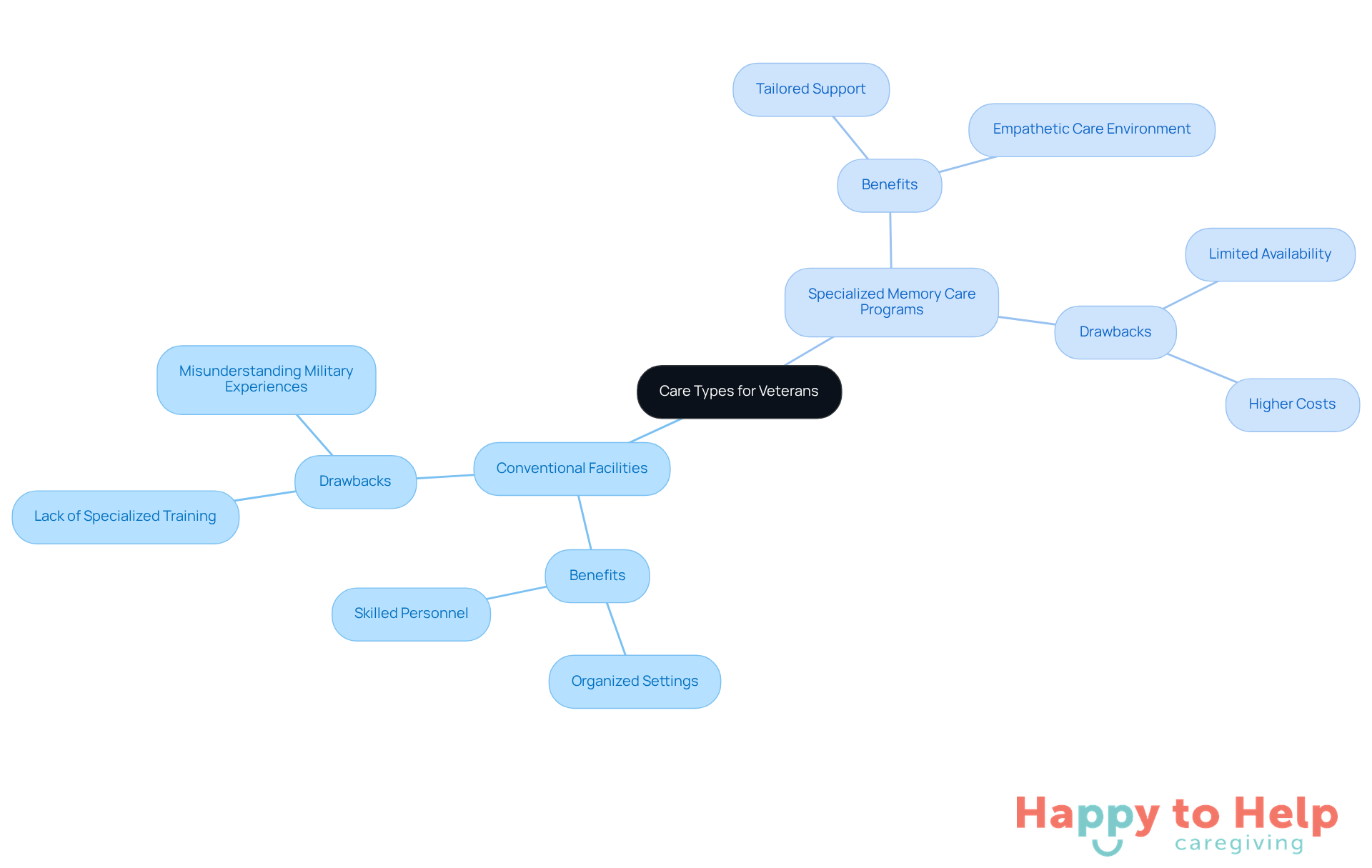
When it comes to cognitive support for former military personnel, a significant problem arises: conventional facilities often lack the specialized training needed to address their unique psychological needs. While these facilities offer organized settings and skilled personnel, they may not fully understand the complexities of military experiences, which can hinder effective mental assistance.
This gap in support can lead to feelings of isolation and frustration among veterans, who may struggle to find care that resonates with their experiences. The implications are serious, as inadequate support can exacerbate mental health challenges, making it crucial for caregivers to seek alternatives that truly cater to veterans.
A viable solution lies in programs that provide memory care for veterans. These programs provide tailored support for memory care for veterans, acknowledging their military experiences and fostering a more empathetic care environment. However, it's important to note that such specialized services may come with limited availability and higher costs.
Ultimately, caregivers must weigh these options carefully, considering the individual veteran's needs and preferences. By prioritizing specialized support, caregivers can significantly enhance the quality of care for former military personnel.
Key Takeaways for Caregivers
The need for specialized memory care for veterans is a pressing issue, given the unique challenges they face due to military experiences and related health conditions. Without tailored programs, many veterans struggle with cognitive decline and emotional distress, which can severely impact their quality of life.
To address this problem, caregivers must recognize the distinct circumstances of former service members. By fostering environments that support cognitive function and honor their service, caregivers can significantly enhance veterans' well-being. Personalized care plans that include medication management, therapeutic activities, and social engagement rooted in military backgrounds are essential.
Moreover, implementing trauma-informed practices and making environmental adjustments can help minimize anxiety and improve the overall experience for veterans in memory care settings. The comparison of traditional versus specialized memory care options highlights a critical gap in adequately addressing these unique needs, underscoring the necessity for targeted support.
Ultimately, providing effective memory care for veterans is crucial. As the demand for such services continues to grow, caregivers and facilities must prioritize specialized programs that respect and accommodate the experiences of those who have served. By advocating for tailored memory care solutions, society can ensure that veterans receive the compassionate support they deserve, paving the way for improved mental health outcomes and a dignified quality of life.
https://iframe.tely.ai/cta/eyJhcnRpY2xlX2lkIjogIjY5MjEwYTk2NjEwMTg2OWMxYzA1NTA5ZSIsICJjb21wYW55X2lkIjogIjY4ZWU1ZGNhNzMxNzYyNTU3ZjNjOTVjMSIsICJpbmRleCI6IG51bGwsICJ0eXBlIjogImFydGljbGUifQ==Frequently Asked Questions
What are the main challenges faced by veterans regarding cognitive health?
Veterans face heightened risks for conditions such as PTSD, traumatic brain injury (TBI), and dementia, which necessitate specialized services like memory care that address their unique cognitive and emotional needs.
How does PTSD relate to dementia in veterans?
Studies indicate that individuals with PTSD are nearly twice as likely to develop dementia compared to those without, highlighting the urgent need for integrated mental health support within cognitive health environments for veterans.
Why is it important to understand the psychological and physical obstacles of veterans?
Understanding these obstacles is essential for developing effective cognitive support strategies that honor their service and address the profound impact of military experiences on mental health.
What types of programs are effective in supporting veterans with cognitive issues?
Cognitive rehabilitation programs that incorporate military-themed materials have shown significant improvements in cognitive function and daily living skills among veterans.
What symptoms of dementia are commonly seen in veterans, and how should caregivers respond?
Symptoms such as anxiety, depression, and aggression can be prevalent in veterans with dementia. Caregivers should focus on creating safe environments by organizing living spaces and removing potential hazards to help veterans navigate their homes more easily.
What are the benefits of integrated memory care for veterans?
Veterans receiving memory care alongside integrated mental health and dementia support experience improved outcomes, including reduced agitation and enhanced mood, which ultimately enhances their quality of life.
List of Sources
- Understanding Memory Care for Veterans
- A new path forward for Veterans living with PTSD - VA News (https://news.va.gov/142815/new-path-forward-veterans-living-ptsd)
- Caring for Veterans with Dementia: Insights from Recent Research - NCCDP (https://nccdp.org/caring-for-veterans-with-dementia-insights-from-recent-research)
- Veterans and Dementia | Alzheimer's Association (https://alz.org/help-support/resources/veterans-dementia)
- Supporting Veterans in Long-Term Care Through Mental Health Services - Supportive Care (https://thesupportivecare.com/blog/supporting-veterans-in-long-term-care-through-mental-health-services)
- Exploring Traditional Memory Care Options
- Expanding veterans’ access to assisted living is ‘common sense,’ associations say (https://mcknightsseniorliving.com/news/expanding-veterans-access-to-assisted-living-is-common-sense-associations-say)
- Assisted living statistics (https://consumeraffairs.com/assisted-living/statistics.html)
- Memory Care Resources for Veterans | MemoryCare.com (https://memorycare.com/veterans)
- Memory Care Facility Statistics (https://rosewood-nursing.com/post/memory-care-facility-statistics)
- Addressing Unique Needs of Veterans in Memory Care
- Slowing the progression of Alzheimer’s, offering veterans access and hope (https://audacy.com/connectingvets/news/vetcare/slowing-alzheimers-offering-veterans-access-and-hope)
- Caring for Those Who Served: Dementia Care for Veterans - NCCDP (https://nccdp.org/caring-for-those-who-served-dementia-care-for-veterans)
- Trauma-Informed Care and Dementia | VirginiaNavigator (https://veteransnavigator.org/event-calendar/94172/trauma-informed-care-and-dementia)
- San Francisco VA offers new therapies for early-stage Alzheimer’s - VA News (https://news.va.gov/142914/va-offers-new-therapies-early-stage-alzheimers)
- Post-Traumatic Stress Disorder and Risk of Dementia among U.S. Veterans - PMC (https://pmc.ncbi.nlm.nih.gov/articles/PMC2933793)
- Comparing Benefits and Drawbacks of Each Care Type
- The Benefits Of Memory Care For Veterans | Tuscan Senior Living (https://tuscanhillsseniorliving.com/the-benefits-of-memory-care-for-veterans)
- Medicaid vs. Veterans Benefits for Alzheimer’s Care (https://dementiacarecentral.com/veterans-benefits/compare-medicaid)
- New 2025 Updates to Veterans Benefits for Assisted Living (https://floridaseniorconsulting.com/updated-veterans-aid-and-attendance-benefits-for-assisted-living)
- Does the VA Cover Memory Care? (https://aplaceformom.com/caregiver-resources/articles/va-memory-care)
- Increasing Demand for Assisted Living Facilities For Veterans | LearnTastic (https://learntastic.com/blog/the-growing-need-for-assisted-living-facilities-for-veterans)