
For families in our service areas
For families in our service areas, this guide explains dementia care and how non-medical in-home caregiving can support care planning in East Idaho, Treasure Valley & Magic Valley, Northern Wasatch, North Central West Virginia, and Northeast Ohio.
Why Memory Questions to Ask Dementia Matters
Engaging with individuals living with dementia poses significant challenges for caregivers, often resulting in feelings of frustration and isolation. These emotional burdens can hinder the quality of care and the overall well-being of both caregivers and their loved ones.
However, there is a solution. By strategically using memory-focused questions, caregivers can transform these interactions. Simple prompts about cherished memories can spark joy and alleviate the emotional toll on both parties. This approach not only fosters deeper connections but also enhances emotional well-being.
What if caregivers could explore these memory questions to unlock a pathway to more meaningful conversations? Implementing this strategy can create a supportive caregiving environment, making interactions more fulfilling and less stressful.
Utilize Memory-Focused Questions to Foster Engagement
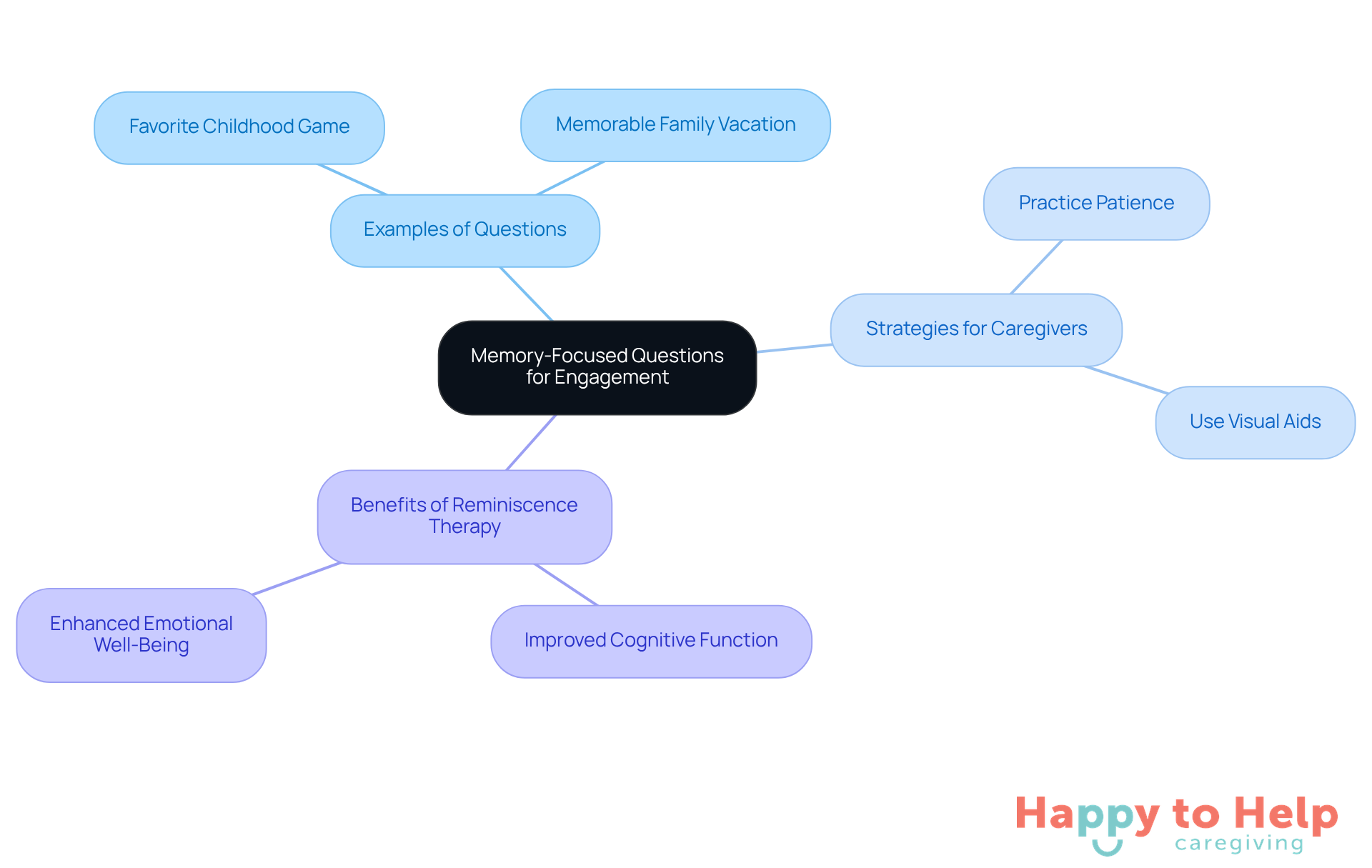
Engaging individuals with dementia can be challenging for caregivers. Examples of memory questions to ask dementia patients include:
- What was your favorite childhood game?
- Can you tell me about a memorable family vacation?
In this context, memory questions to ask dementia patients can serve as powerful tools. These prompts encourage reminiscence, leading to deeper and more meaningful conversations that can significantly enhance the caregiver-individual relationship.
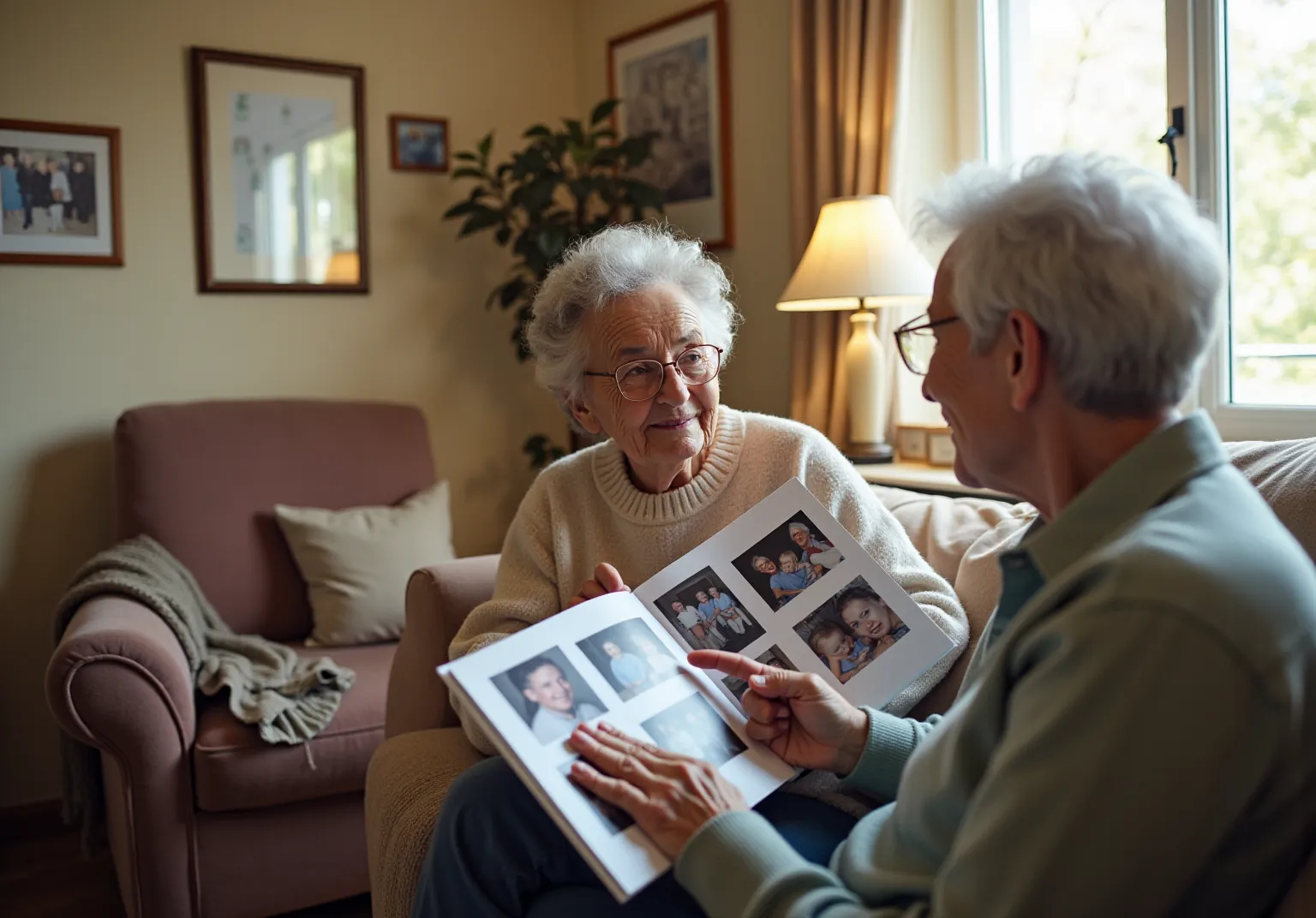
However, caregivers must practice patience. Allowing sufficient time for responses helps individuals feel valued and heard. Incorporating visual aids, such as photo albums, can further stimulate memories and provide context, enriching the interaction. This approach not only involves the individual but also makes each interaction more enjoyable and fulfilling.
The impact of reminiscence therapy in memory care underscores the significance of these interactions. They can improve cognitive function and emotional well-being, nurturing a sense of identity and continuity for individuals. By implementing these strategies, caregivers can foster a more supportive and engaging environment for those they care for.
Incorporate Meaningful and Fun Questions to Spark Memories
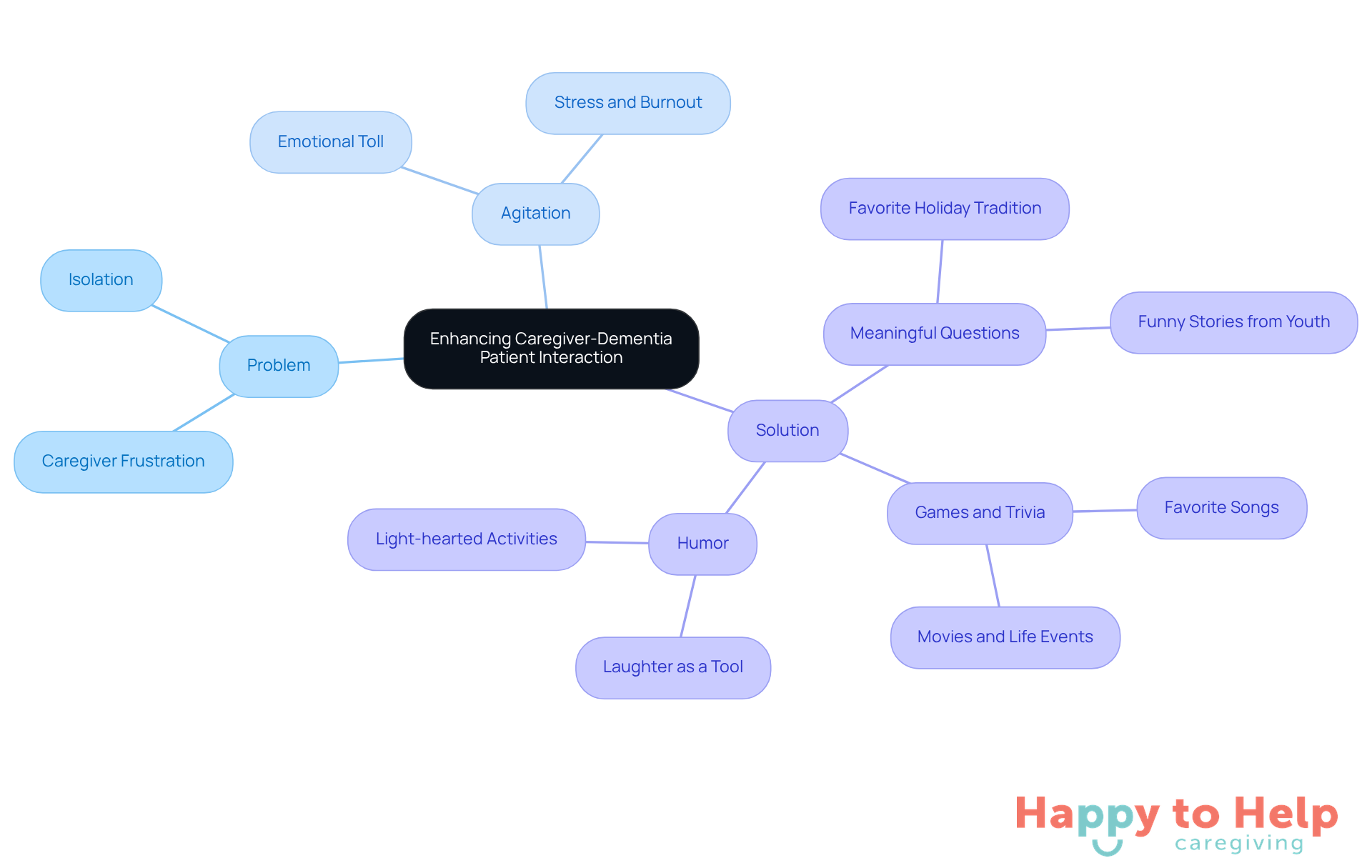
Problem: Caregivers often struggle to connect with individuals with dementia, leading to feelings of frustration and isolation for both parties. This disconnect can hinder meaningful interactions and diminish the quality of care provided.
Agitate: The emotional toll on caregivers can be significant. When caregivers feel unable to engage effectively, it can lead to stress and burnout, impacting their ability to provide compassionate care. This situation not only affects the caregiver but also the individual with dementia, who may feel misunderstood or neglected.
Solution: To foster a more positive caregiving experience, caregivers should consider asking questions like, "What was your favorite holiday tradition?" or "Can you share a funny story from your youth?" These memory questions to ask dementia patients can evoke joyful memories and laughter, creating a light-hearted atmosphere that encourages sharing.
Incorporating games or trivia tailored to the individual's interests can also be a powerful tool for memory recall. For instance, discussing favorite songs or movies often leads to meaningful conversations about significant life events tied to those memories. This approach enhances interactions and deepens the emotional connection between the caregiver and the individual, making the caregiving experience more rewarding.
Moreover, research shows that humor can significantly alleviate stress for caregivers, allowing them to approach their duties with tranquility and motivation. As a poignant reminder, "Remember, the dementia patient is not giving you a difficult time; the dementia patient is having a hard time." This perspective can help caregivers maintain empathy and patience.
Engaging in light-hearted activities, such as playing trivia games or reminiscing about favorite pastimes, can create joyful moments that enhance the overall caregiving experience.
Create a Supportive Environment for Meaningful Conversations
Creating a supportive environment for caregivers can be challenging. Distractions like loud noises or visual clutter can hinder effective communication, making it difficult for caregivers to connect with those they support. This can lead to feelings of frustration and isolation for both parties.
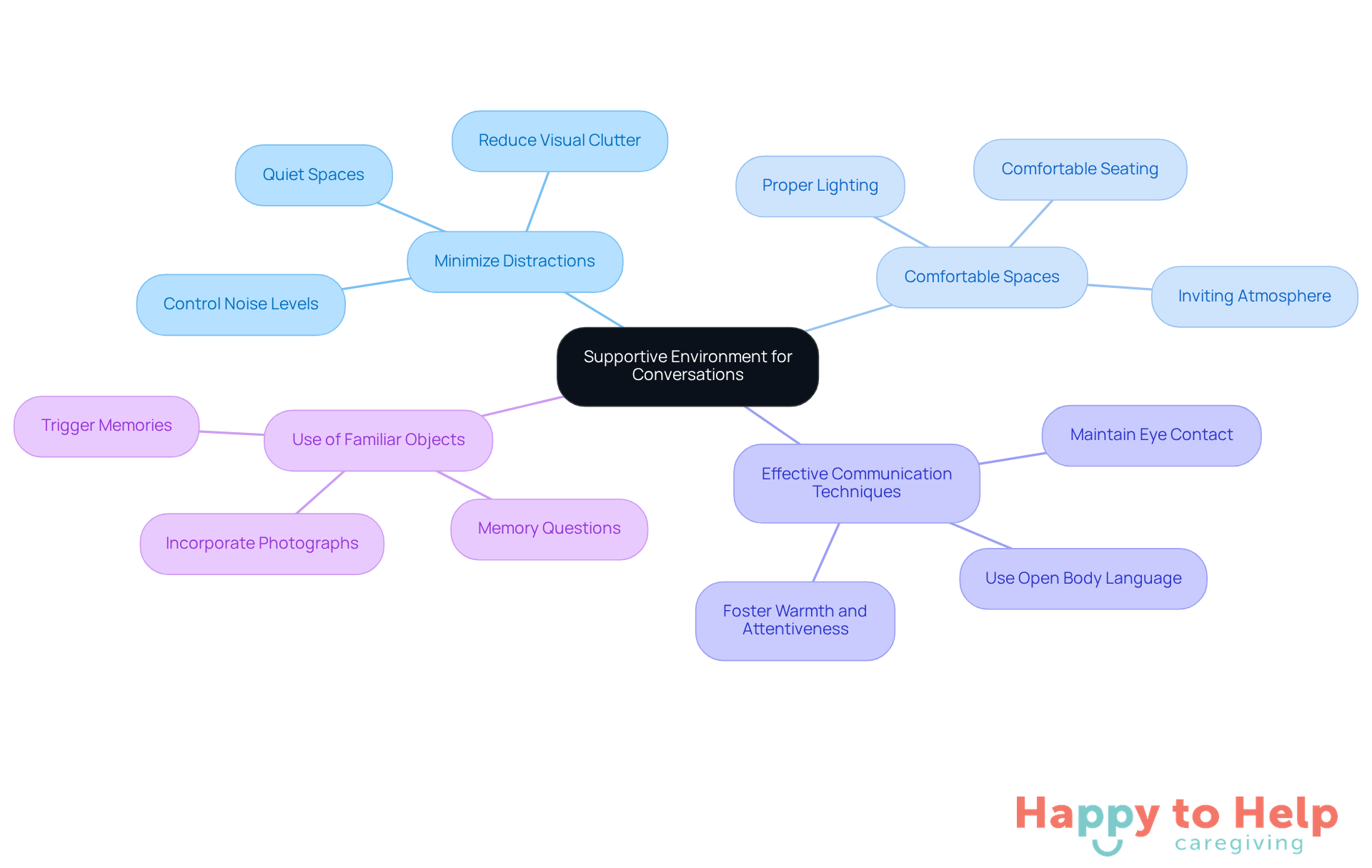
To address this issue, caregivers should prioritize quiet, comfortable spaces for conversations. Ensuring proper lighting and seating arrangements can significantly enhance the atmosphere, making it more inviting. Additionally, maintaining eye contact and using open body language conveys warmth and attentiveness, fostering a sense of connection.
Incorporating familiar objects or photographs into the environment can be beneficial when using memory questions to ask dementia patients. These items can serve as memory questions to ask dementia patients, triggering memories and providing context for discussions, enriching the interaction. This thoughtful approach not only facilitates communication but also promotes a feeling of safety for the individual, making them more comfortable in the conversation.
Address Emotional and Communication Challenges in Caregiving
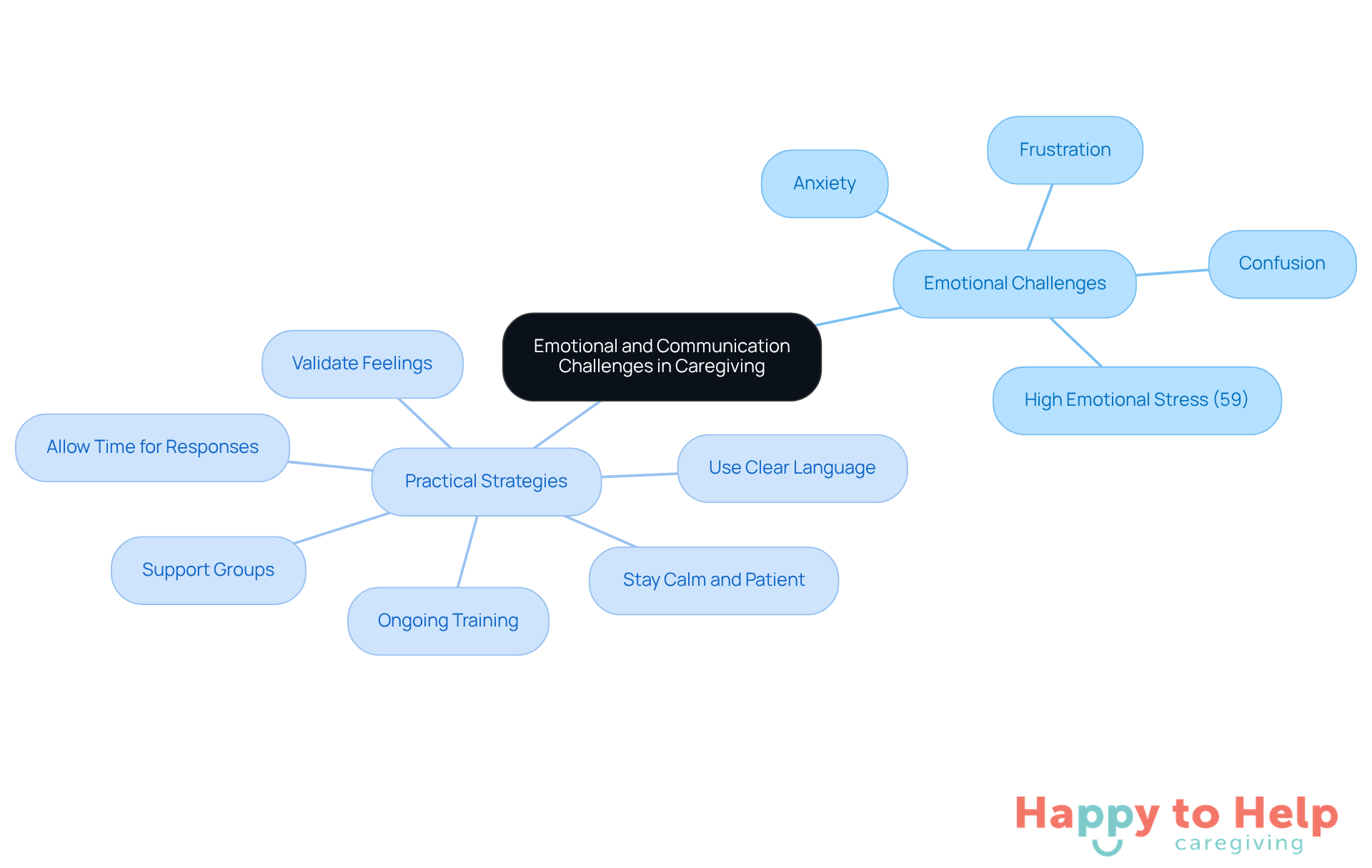
Caregivers face significant emotional challenges when supporting individuals with cognitive decline. These challenges often manifest as frustration, confusion, and anxiety. Alarmingly, 59% of those caring for individuals with dementia report experiencing high emotional stress. This statistic underscores the urgent need for effective strategies to manage these feelings.
To tackle these issues, caregivers can implement several practical strategies:
- Validate the individual's feelings to foster understanding.
- Use clear and simple language to enhance communication.
- Allow ample time for responses to reduce pressure.
Remaining calm and patient is crucial, as it can significantly alleviate the patient's anxiety levels. Engaging in ongoing training and participating in support groups can further equip caregivers with essential tools and techniques for managing difficult situations.
As Sam Fazio, Ph.D., senior director at the Alzheimer’s Association, states, "Dementia care navigation programs have demonstrated they can be a significant advantage to individuals living with dementia and their support providers." By adopting an empathetic approach, caregivers can improve communication and foster a more supportive environment, ultimately enhancing the quality of service for their patients.
Moreover, caregivers should recognize the guilt often associated with prioritizing self-care, as many feel burdened by their responsibilities. By acknowledging these challenges and seeking support, caregivers can better navigate their roles and maintain their well-being.
Key Takeaways for Caregivers
Engaging individuals with dementia presents a significant challenge for caregivers. Without effective communication, meaningful connections can be difficult to establish, impacting the quality of care provided. This issue not only affects the individual but also places emotional strain on caregivers, who seek to foster joy and understanding in their interactions.
To address this, caregivers can utilize memory-focused questions as a powerful tool for engagement. By asking thoughtful prompts, they can evoke cherished memories, leading to joyful conversations that enrich interactions and nurture emotional well-being for both parties. Creating a supportive environment is crucial; strategies such as using visual aids, establishing a calm atmosphere, and validating feelings can ease communication barriers and enhance connection.
Ultimately, the role of memory questions in dementia care is invaluable. They honor the individual's history and identity, transforming potentially frustrating moments into opportunities for understanding and companionship. By implementing these strategies, caregivers can create a more fulfilling caregiving experience, promoting better communication and a sense of joy that is vital for those living with dementia. Embracing this approach fosters a compassionate caregiving environment, reinforcing the idea that every interaction counts in the journey of dementia care.
https://iframe.tely.ai/cta/eyJhcnRpY2xlX2lkIjogIjY5Mjc5NGZhMjI0NDc2YzA3YjhmODliYiIsICJjb21wYW55X2lkIjogIjY4ZWU1ZGNhNzMxNzYyNTU3ZjNjOTVjMSIsICJpbmRleCI6IG51bGwsICJ0eXBlIjogImFydGljbGUifQ==Frequently Asked Questions
What are memory-focused questions, and how can they help engage individuals with dementia?
Memory-focused questions are prompts that encourage individuals with dementia to reminisce about their past, such as asking about their favorite childhood games or memorable family vacations. These questions can lead to deeper conversations and enhance the caregiver-individual relationship.
Why is patience important when asking memory questions to dementia patients?
Patience is crucial because it allows individuals with dementia sufficient time to respond, making them feel valued and heard during the interaction.
How can visual aids enhance interactions with dementia patients?
Visual aids, such as photo albums, can stimulate memories and provide context, enriching the interaction and making it more enjoyable for both the caregiver and the individual.
What is the significance of reminiscence therapy in memory care?
Reminiscence therapy is significant because it can improve cognitive function and emotional well-being, nurturing a sense of identity and continuity for individuals with dementia.
What strategies can caregivers implement to create a supportive environment for individuals with dementia?
Caregivers can implement strategies such as using memory-focused questions, practicing patience, incorporating visual aids, and fostering meaningful conversations to create a more supportive and engaging environment.
List of Sources
- Utilize Memory-Focused Questions to Foster Engagement
- University Launches Study Exploring Impact of “Reminiscence Therapy” in Dementia Care | AFTD (https://theaftd.org/posts/news/university-launches-study-exploring-impact-of-reminiscence-therapy-in-dementia-care)
- (https://belleviecare.co.uk/support-advice/dementia-quotes-to-lift-your-spirits)
- Top List of Inspirational Dementia Quotes for Caregivers (https://rochesterlawcenter.com/dementia-resources/dementia-quotes)
- Evaluating the Impact of Reminiscence Therapy on Cognitive and Emotional Outcomes in Dementia Patients - PMC (https://pmc.ncbi.nlm.nih.gov/articles/PMC11204563)
- Cognitive stimulation and cognitive results in older adults: A systematic review and meta-analysis (https://sciencedirect.com/science/article/pii/S0167494322001947)
- Incorporate Meaningful and Fun Questions to Spark Memories
- Top List of Inspirational Dementia Quotes for Caregivers (https://rochesterlawcenter.com/dementia-resources/dementia-quotes)
- Caregiver Dementia Quotes (Encouragement For Dementia Caregivers) (https://optoceutics.com/caregiver-dementia-quotes-encouragement-dementia-caregivers?srsltid=AfmBOooT3YwoVshfBCjy8Um2azgtSnypemNBiChed4u152-8yInVzD8f)
- Creating Moments of Joy for the Person with Alzheimer's or Dementia Quotes by Jolene Brackey (https://goodreads.com/work/quotes/3054166-creating-moments-of-joy-for-the-person-with-alzheimer-s-or-dementia-a-j)
- (https://belleviecare.co.uk/support-advice/dementia-quotes-to-lift-your-spirits)
- Is Laughter the Best Medicine for Dementia? (https://seniorhomecareoftucson.com/try-this-surprisingly-effective-dementia-care-tool-laughter)
- Address Emotional and Communication Challenges in Caregiving
- Empathy and mental health distress in informal caregivers of dementia and stroke patients: a cross-sectional study - Scientific Reports (https://nature.com/articles/s41598-025-07024-3)
- New Alzheimer’s Association Report Reveals Top Stressors for Caregivers and Lack of Care Navigation Support and Resources (https://alz.org/news/2024/new-alzheimers-association-report-reveals-top-stressors-caregivers)
- 4 Inspiring Quotes for Caring for a Loved One With Alzheimer’s | myALZteam (https://myalzteam.com/resources/inspiring-quotes-for-caring-for-a-loved-one-with-alzheimers)
- Alzheimer’s Association Highlights Unique Challenges That Dementia Caregivers Face and Tips for Supporting Them (https://alz.org/news/2023/alzheimers-association-highlights-unique-challenges-that-dementia-caregivers-face-and-tips-for-supp)