Mobile vs. Traditional Home Care: Which Fits Your Family's Needs?
For families in our service areas
For families in our service areas, this guide explains home care and how non-medical in-home caregiving can support care planning in East Idaho, Treasure Valley & Magic Valley, Northern Wasatch, North Central West Virginia, and Northeast Ohio.
The Importance of Mobile vs. Traditional Home Care: Which
Choosing the right home care option can feel overwhelming, especially when families are carrying the emotional weight of caring for a loved one. It’s a journey filled with stress and uncertainty. With the rise of mobile home care services that use technology to offer personalized assistance right at home, alongside traditional in-home care that provides a more conventional approach, families now have distinct choices tailored to their unique needs.
But how do you decide which model truly fits your situation? This article explores the strengths and challenges of both mobile and traditional home care. We aim to guide families through this decision-making process, ensuring that their loved ones receive the best possible support. Remember, you’re not alone in this; we’re here to help you navigate these choices with compassion and understanding.
Understanding Home Care: Mobile vs. Traditional Approaches
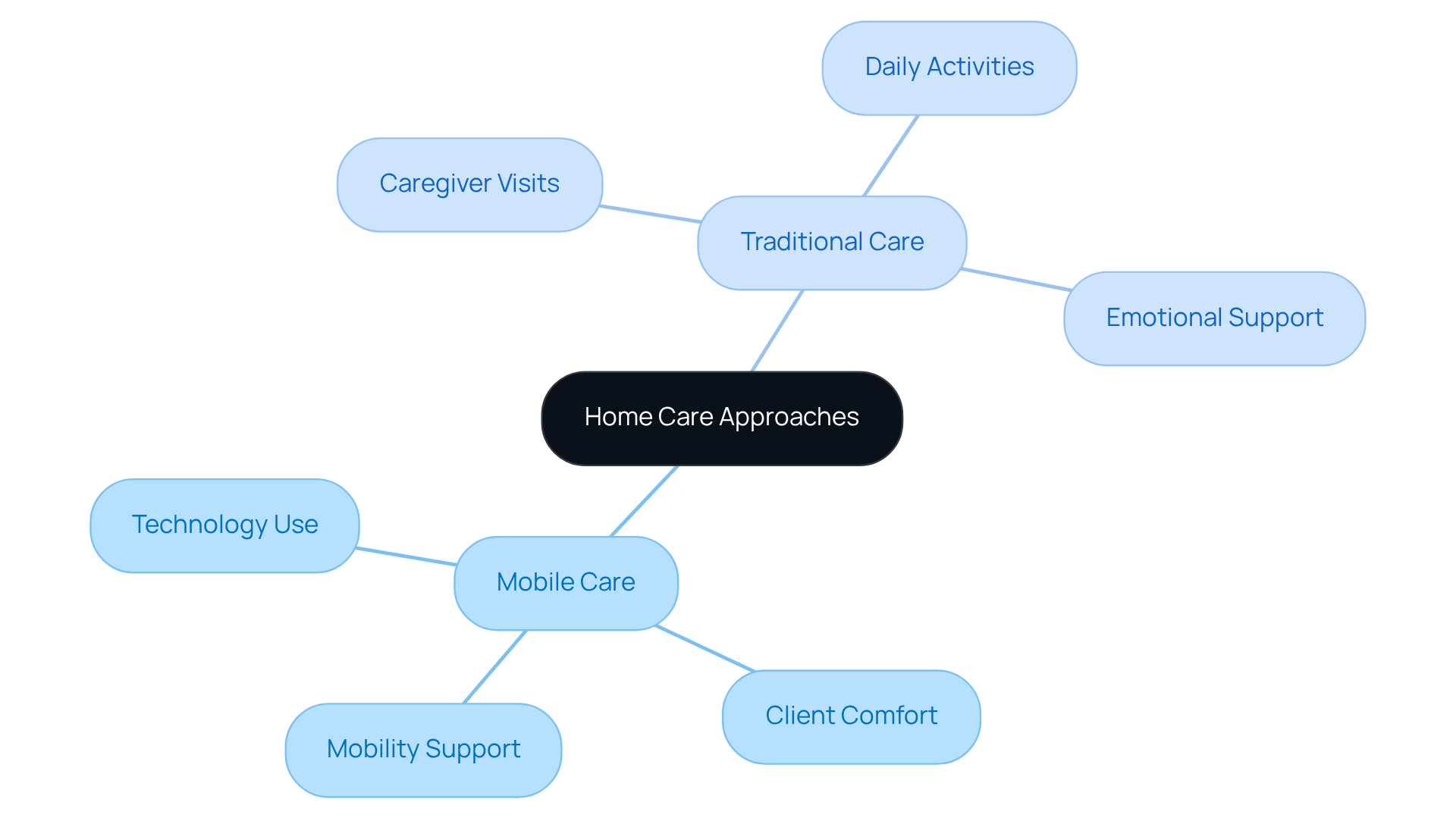
Home support options can be broadly classified into home care mobile and conventional methods. Home care mobile assistance refers to services provided directly at the client's site, often using technology to enhance service delivery. This model is especially beneficial for clients who may have mobility challenges or prefer receiving help in their own familiar surroundings.
On the other hand, traditional domestic support typically involves caregivers visiting the client's home to assist with daily activities, provide medical attention, or offer companionship. Both approaches aim to improve the quality of life for clients, yet they differ significantly in how they operate and deliver care.
It's important to recognize the emotional challenges caregivers face. The stress and burnout that can arise from providing care are real and can weigh heavily on their hearts. That's why understanding the support available is crucial. Whether through home care mobile assistance or traditional visits, compassionate care is always at the forefront.
Imagine a caregiver who, after a long day, finds solace in knowing they can offer help right where it's needed most. This connection not only eases the burden but also fosters a sense of comfort and security for clients.
In both models, the focus remains on nurturing relationships and ensuring that clients feel valued and understood. The goal is to create an environment where they can thrive, surrounded by care and compassion.
Exploring Mobile Home Care Services: Benefits and Features
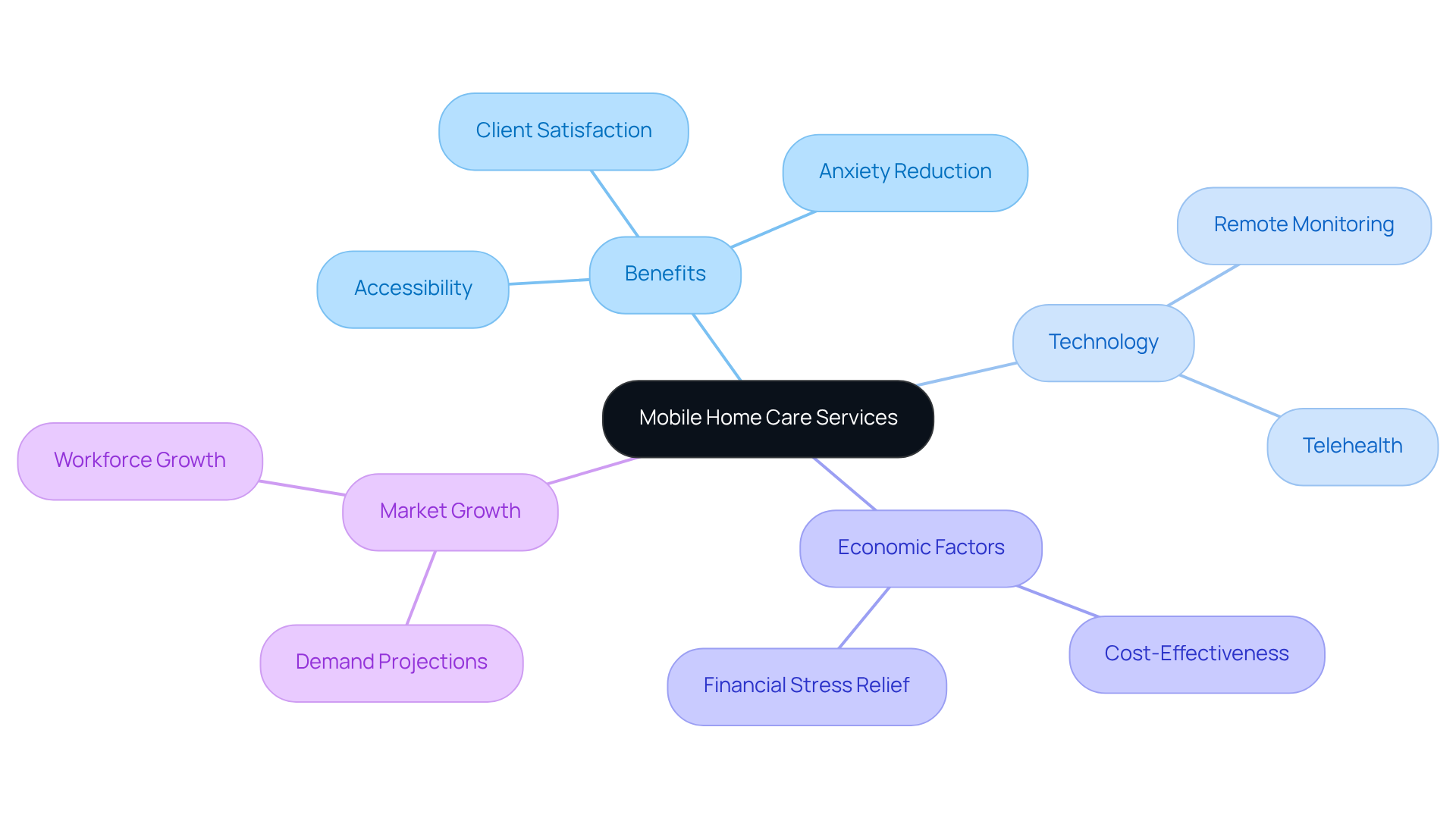
Mobile residence support services provide a range of benefits that truly cater to individual needs. Imagine receiving support through home care mobile right in the comfort of your own home; this not only enhances accessibility but also significantly eases feelings of anxiety and isolation. Many clients find that having assistance nearby makes a world of difference in their daily lives.
The integration of technology, such as telehealth consultations and remote monitoring, allows for real-time health evaluations. This means that adjustments to treatment plans can be made promptly, ensuring that clients receive the best possible care. This flexibility not only leads to better health outcomes but also boosts overall satisfaction among clients and their families.
Moreover, mobile assistance options can be more economical. Families only pay for the specific services they need, avoiding the overhead costs often associated with traditional support facilities. This tailored approach can alleviate financial stress, allowing families to focus on what truly matters - the well-being of their loved ones.
As we look ahead, the demand for residential health assistance is on the rise. With an aging population projected to reach 80 million by 2050, and the residential health market expected to grow from $94.17 billion in 2022 to $153.19 billion by 2029, the demand for home care mobile support solutions is becoming increasingly vital. Additionally, the anticipated 34% growth in the home assistance workforce from 2019 to 2029 highlights the importance of these services in meeting the rising demand.
In this evolving landscape, home care mobile solutions stand out as a compassionate answer to the needs of families and caregivers alike. They not only provide practical assistance but also foster a sense of connection and care that is so essential in today’s world.
Evaluating Traditional In-Home Care: Strengths and Challenges
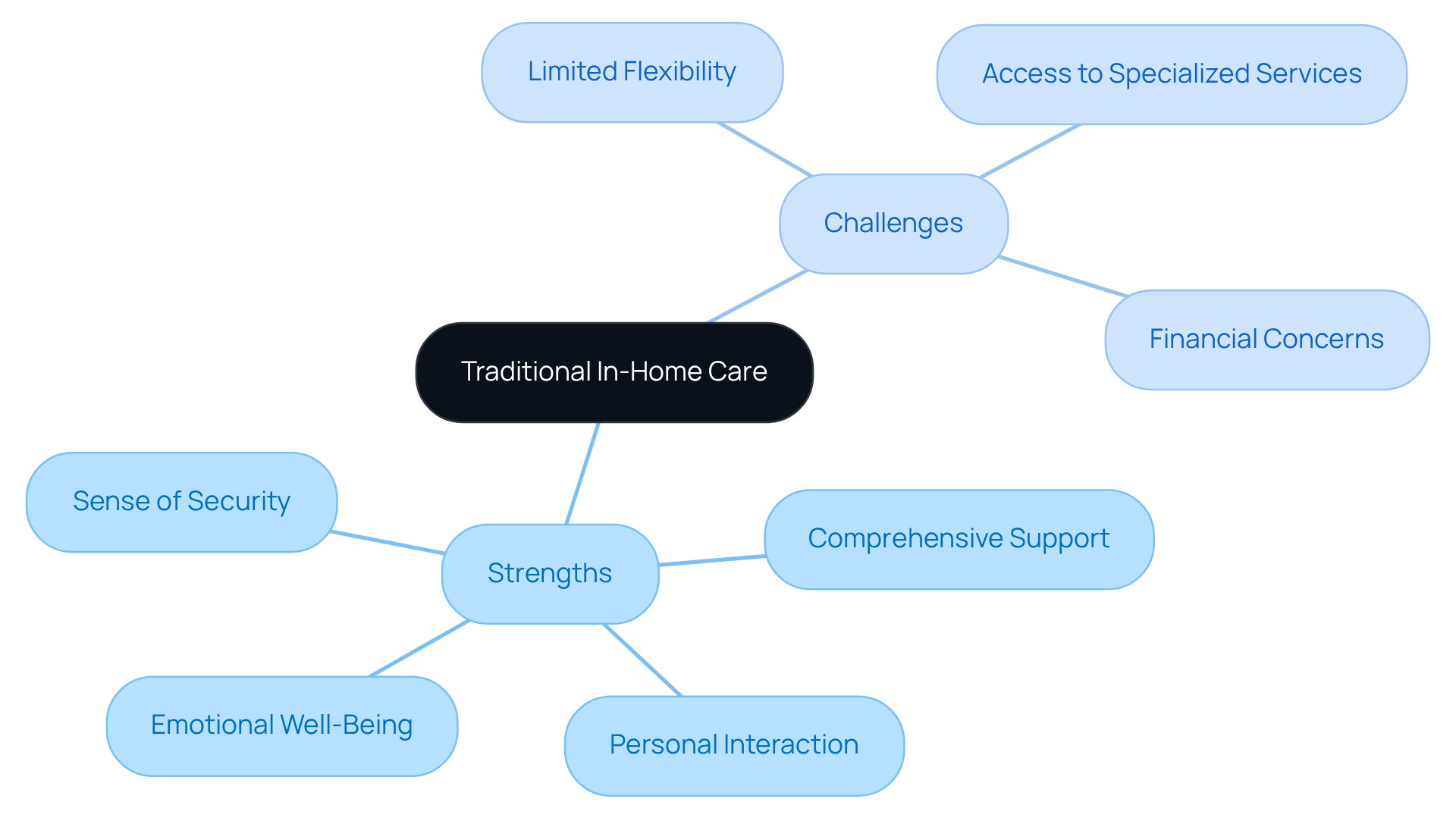
When it comes to traditional in-home assistance, there are many strengths to consider. The personal interaction and comprehensive support offered can truly make a difference. Caregivers often form close relationships with their clients, which not only enhances emotional well-being but also provides a comforting sense of security.
However, it’s important to acknowledge the challenges that can arise. Families may face limited flexibility in scheduling, which can add to the stress of caregiving. Additionally, accessing specialized services might prove difficult. The financial aspect is another concern; conventional support often comes with higher expenses due to the need for more extensive staffing and resources.
As families navigate these considerations, it’s crucial to reflect on what truly fulfills their loved ones' needs. Remember, you’re not alone in this journey. Many families have found solace in the compassionate care provided by dedicated caregivers, who understand the emotional weight of these decisions. Together, we can explore the options that best support your family’s unique situation.
Comparative Analysis: Mobile vs. Traditional Care for Family Needs
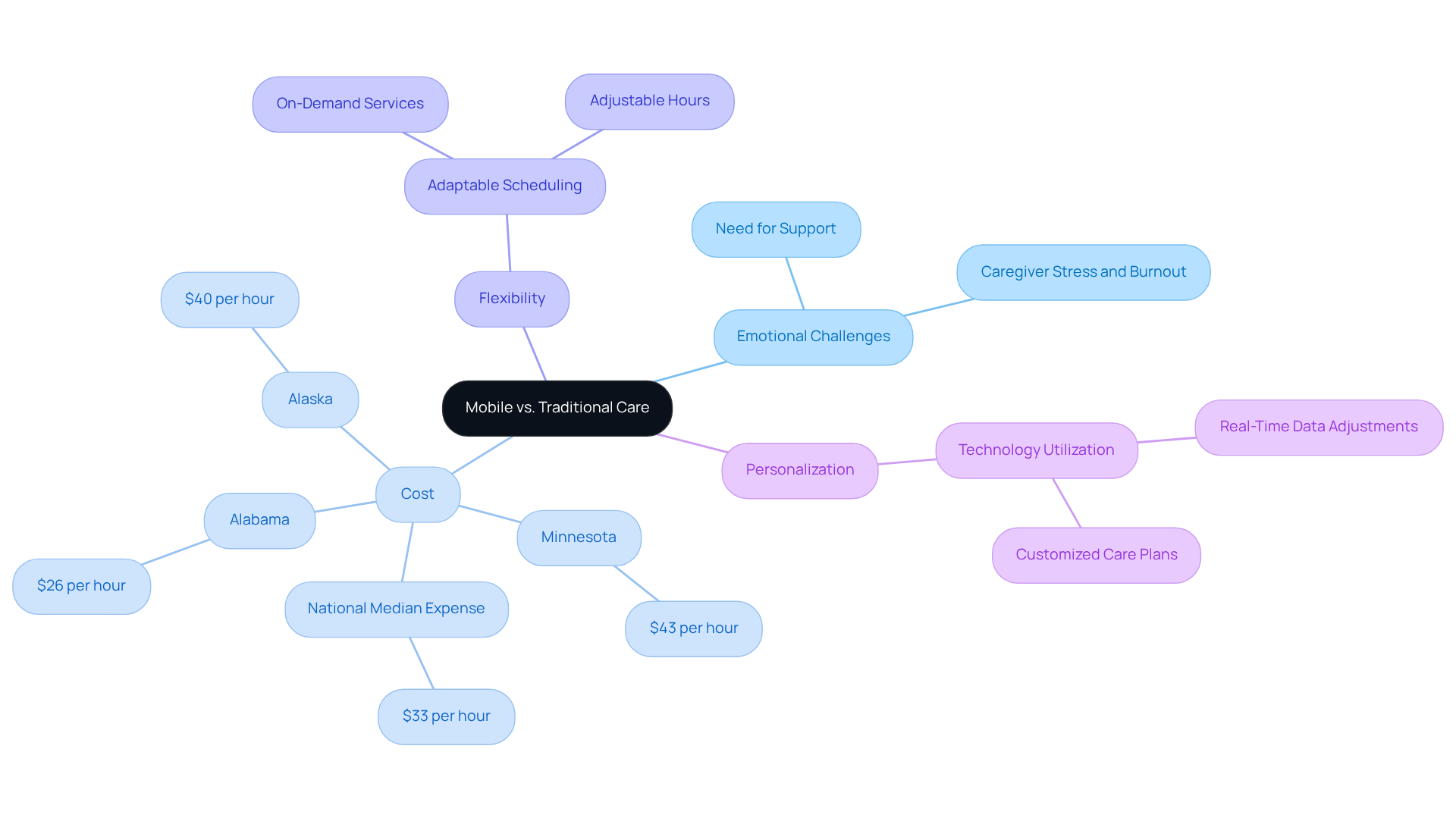
When it comes to choosing between mobile and conventional home assistance, it's important to recognize the emotional challenges caregivers face. The stress and burnout that often accompany caregiving can feel overwhelming. One of the most significant factors to consider is expense. Home care mobile services frequently provide a more affordable option due to their on-demand nature. In contrast, conventional services can lead to higher costs because of staffing and facility overhead. For instance, the national median expense for nonmedical in-home assistance is around $33 per hour. Conventional models typically require a minimum of four-hour visits, which can significantly increase expenses. Costs vary by state, with:
- Alabama averaging $26 per hour
- Alaska at $40
- Minnesota at $43
This highlights the importance of considering local rates when making a decision.
Flexibility is another crucial aspect to think about. Home care mobile solutions often provide more adaptable scheduling options, which can be a lifesaver for families facing changing needs. This flexibility is vital, as rigid support plans can add to the stress when a loved one's situation shifts unexpectedly. Families utilizing home care mobile support can easily adjust hours or the intensity of services as circumstances evolve, ensuring that assistance remains aligned with their needs. Research shows that flexible scheduling can alleviate stress by allowing caregivers to modify support hours or intensity as life changes.
Personalization is key in both support models, as they strive to deliver tailored assistance. However, home care mobile services often leverage technology to dynamically adjust support plans based on real-time data, enhancing their responsiveness to individual situations. Home support expert Vicki Demirozu notes that even minimal levels of in-home assistance can extend a person's independence, underscoring the importance of personalized care.
Ultimately, the choice between mobile and traditional care depends on the unique needs, preferences, and circumstances of the family and the individual requiring assistance. By thoughtfully considering factors like cost, flexibility, and personalization, families can make informed decisions that best support their loved ones. Remember, you’re not alone in this journey; there are compassionate options available to help you navigate these challenges.
Making the Right Choice
Choosing between mobile and traditional home care is a significant decision for families wanting the best for their loved ones. Each option brings its own set of advantages, tailored to different needs and preferences. By understanding these differences, families can select a care model that truly fits their unique circumstances, enhancing the well-being of those they cherish.
Mobile services often shine with their flexibility, accessibility, and cost-effectiveness. The use of technology in mobile care not only supports real-time health monitoring but also fosters a more personalized approach to care. On the other hand, traditional care provides the comfort of established relationships and emotional support, though it may come with higher costs and less flexibility in scheduling.
As families reflect on their individual situations, it’s essential to consider what will work best for them. Caregiving can be a tough journey, but with the right support-whether through mobile or traditional services-families can ensure their loved ones receive the compassionate care they deserve. Taking the time to evaluate these factors leads to informed decisions, creating a nurturing environment where clients can truly thrive.
https://iframe.tely.ai/cta/eyJhcnRpY2xlX2lkIjogIjY5MWZkYzYzYmFmNTkyY2I3OTgzYzJiYiIsICJjb21wYW55X2lkIjogIjY4ZWU1ZGNhNzMxNzYyNTU3ZjNjOTVjMSIsICJpbmRleCI6IG51bGwsICJ0eXBlIjogImFydGljbGUifQ==Frequently Asked Questions
What are the two main types of home care support options?
The two main types of home care support options are home care mobile assistance and traditional domestic support.
What is home care mobile assistance?
Home care mobile assistance refers to services provided directly at the client's site, often utilizing technology to enhance service delivery. It is particularly beneficial for clients with mobility challenges or those who prefer receiving help in their familiar surroundings.
How does traditional domestic support differ from mobile assistance?
Traditional domestic support typically involves caregivers visiting the client's home to assist with daily activities, provide medical attention, or offer companionship, in contrast to the mobile assistance model.
What is the primary goal of both home care approaches?
The primary goal of both home care approaches is to improve the quality of life for clients through compassionate care.
What emotional challenges do caregivers face in home care?
Caregivers often face stress and burnout from providing care, which can weigh heavily on them. Understanding the support available is crucial for their well-being.
How do both home care models foster relationships with clients?
Both models focus on nurturing relationships and ensuring that clients feel valued and understood, creating an environment where they can thrive, surrounded by care and compassion.