
Why Navigate California Elder Care: Matters
California is witnessing a profound demographic shift, with nearly 10 million residents expected to be over 60 by 2030. This change brings to light the pressing need for a comprehensive elder care system. For family caregivers, it also introduces a complex set of challenges that can feel overwhelming.
Navigating this landscape can be daunting. Caregivers often face emotional and financial strains, and it’s crucial to understand the resources and support services available to help them. By exploring these options and creating effective care plans, caregivers can find a path forward.
Yet, amidst these responsibilities, a vital question lingers: how can caregivers balance their duties while ensuring their loved ones receive the best care possible? It’s a journey filled with both challenges and opportunities for connection, and it’s important to remember that support is available.
Explore the Landscape of Elder Care in California
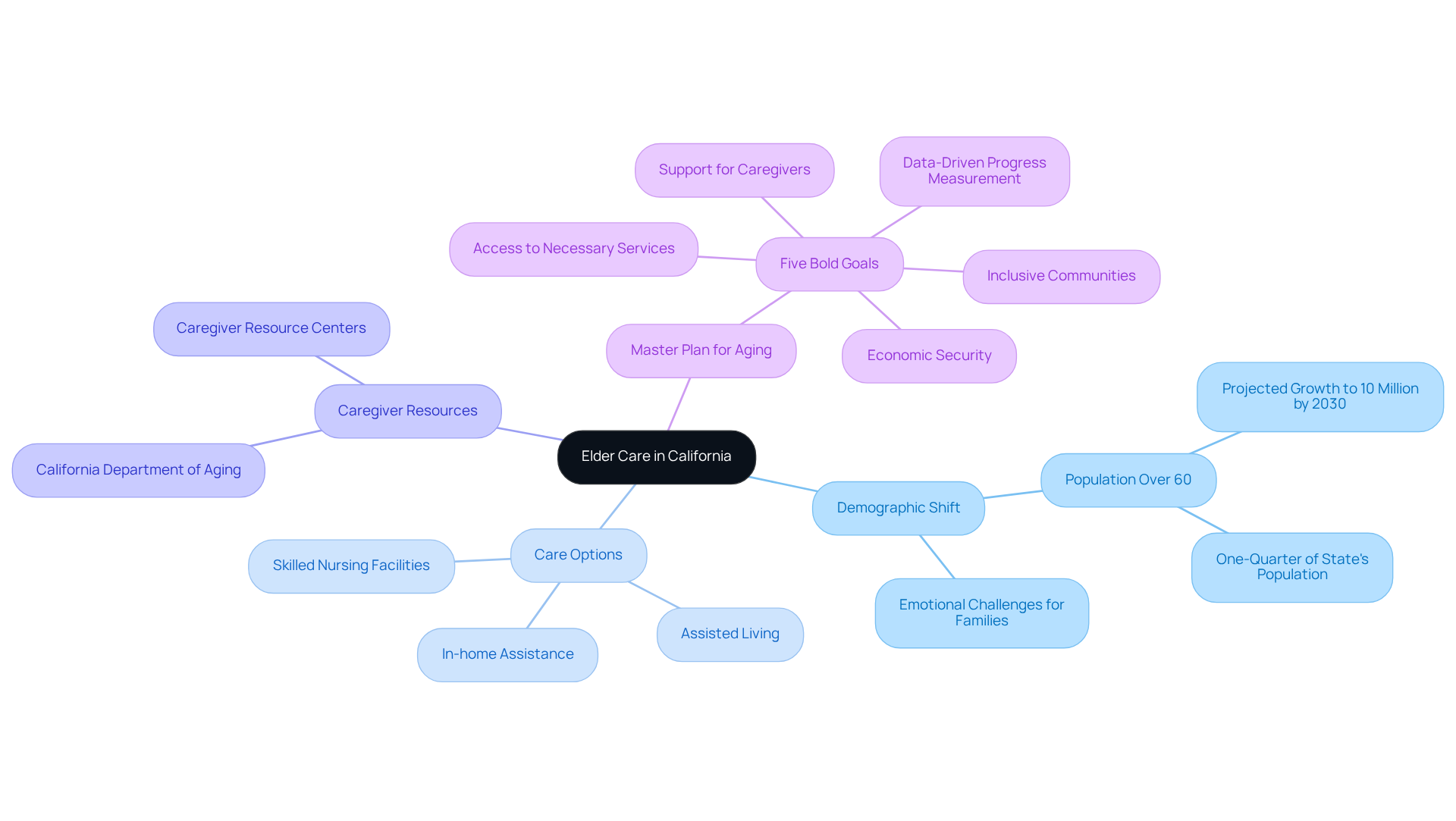
California is witnessing a profound demographic shift. By 2030, nearly 10 million residents will be over 60, making up about one-quarter of the state's population. This rapid aging brings emotional challenges for families, highlighting the urgent need for a robust California elder care system. Options like in-home assistance, assisted living, and skilled nursing facilities are essential for providing the support our loved ones deserve.
Family caregivers often feel overwhelmed; navigating this complex landscape can be daunting. It's crucial for them to familiarize themselves with the available options to effectively support their loved ones. Resources such as the California Department of Aging and local Caregiver Resource Centers are invaluable. They offer vital information on programs, eligibility criteria, and funding options, helping caregivers feel more empowered and less isolated.
The Master Plan for Aging (MPA) outlines five bold goals aimed at creating a California for All Ages. It emphasizes the importance of inclusive communities and access to necessary services. By understanding these components, caregivers can find their way through California elder care, ensuring their loved ones receive the best possible assistance.
Remember, you’re not alone in this journey. Many caregivers share similar experiences, and reaching out for help is a sign of strength. Together, we can create a supportive network that fosters compassion and understanding.
Address Challenges Faced by Family Caregivers
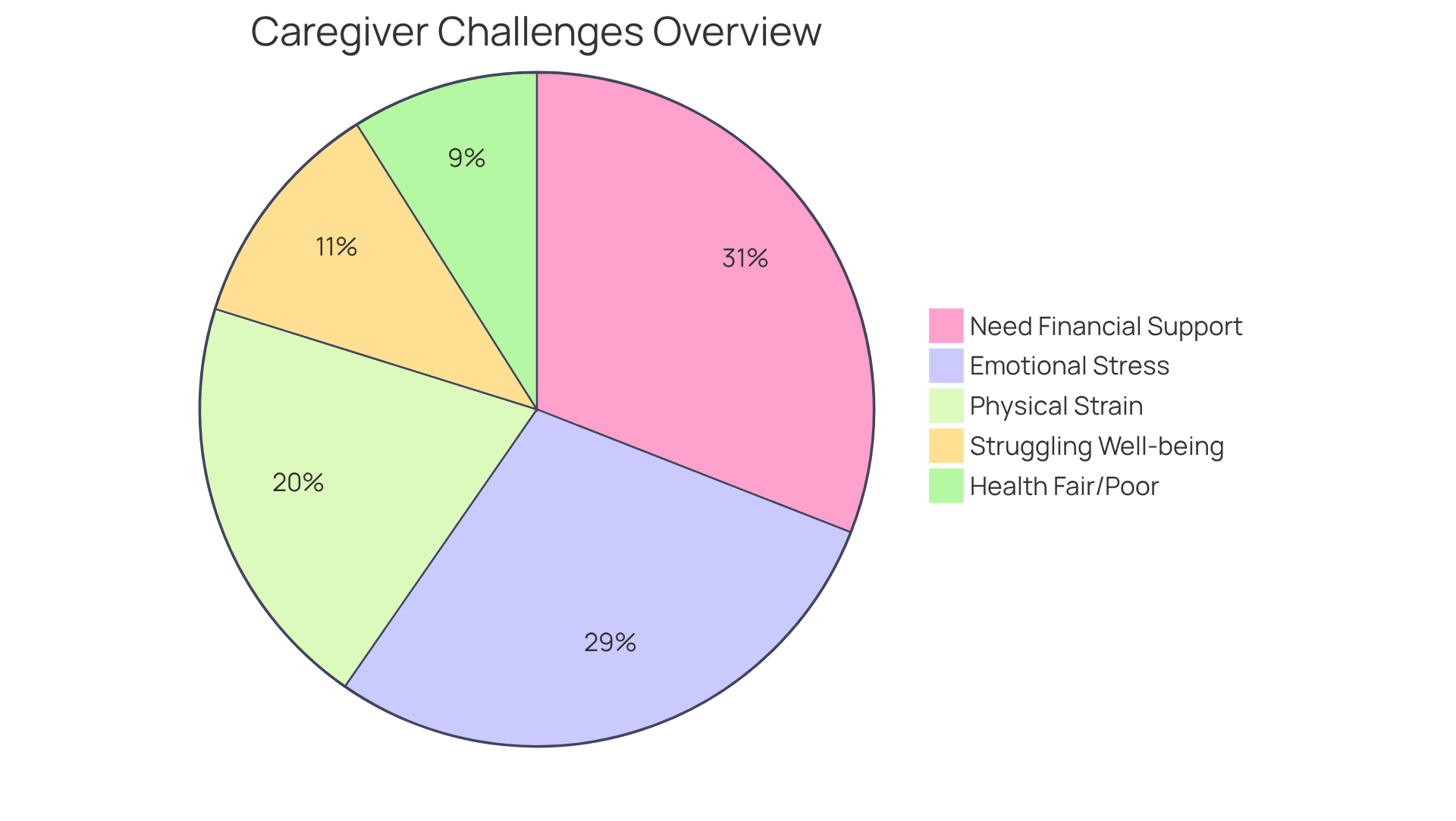
Family supporters often navigate a landscape filled with emotional stress, financial strain, and feelings of isolation. It’s heartbreaking to know that nearly one in five caregivers rate their health as fair or poor. A staggering 64% experience significant emotional stress, while 45% face physical strain due to their responsibilities. Many caregivers, almost one in four, struggle to prioritize their own well-being because of their commitments. The financial burden can be overwhelming, as caregivers frequently encounter unexpected costs related to healthcare, home modifications, or daily living needs. For example, the average caregiver dedicates around 27 hours each week to providing assistance, with nearly one in four reporting that they spend over 40 hours weekly. This level of dedication can lead to serious financial consequences, including debt and challenges in affording basic necessities.
To help alleviate these challenges, caregivers are encouraged to seek out local resources such as support groups and counseling services, which can provide both emotional relief and practical guidance. Exploring financial assistance programs, including California elder care options like the In-Home Supportive Services (IHSS), can also ease some of the economic pressures that come with caregiving. A significant 69% of caregivers express a need for financial support through tax credits, underscoring the urgent demand for assistance. These programs are designed to help caregivers manage their responsibilities while also taking care of their own well-being. Recognizing and addressing these challenges is vital for caregivers to maintain their health and continue providing essential support to their loved ones.
Identify In-Home Care Services and Their Benefits
Caring for older adults can be a challenging journey, filled with emotional ups and downs. It’s important to recognize the stress and burnout that caregivers often face. In-home assistance options offer a variety of support choices tailored to meet the unique needs of older adults, providing a sense of relief and comfort.
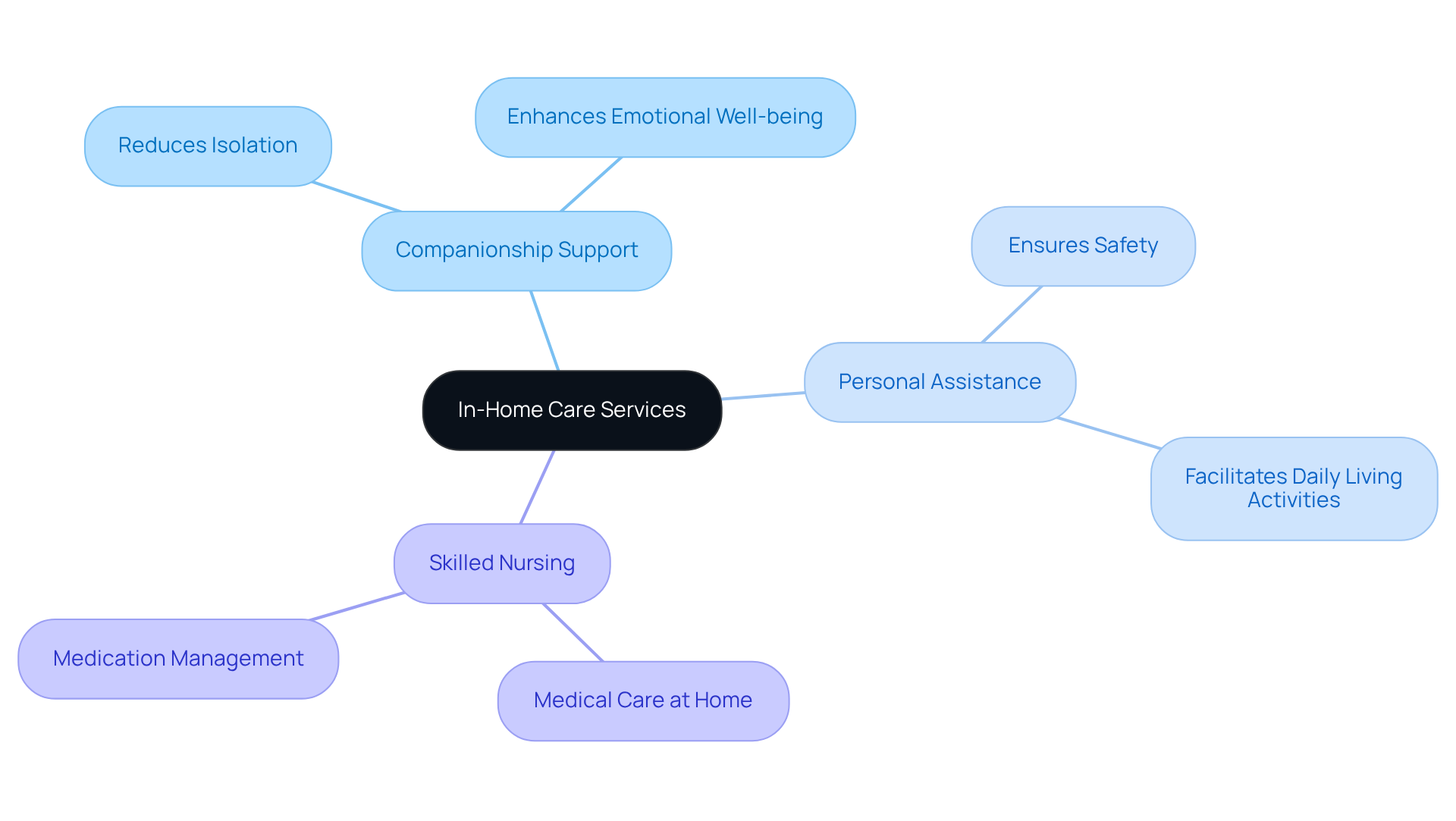
These services include:
- Companionship support
- Personal assistance
- Skilled nursing
Imagine the warmth of companionship support, which can help reduce feelings of isolation, allowing your loved one to feel connected and valued. Personal assistance ensures that daily living activities are handled safely, giving you peace of mind.
Choosing the right in-home support services is crucial. Families should consider the specific requirements of their loved ones, as this decision can significantly impact their overall well-being and quality of life. Remember, you’re not alone in this journey. Resources like the California elder care Caregiver Resource Centers can assist you in finding the right in-home support providers, guiding you every step of the way.
In this process, it’s essential to prioritize the emotional and practical support available. By doing so, you can foster a nurturing environment that allows your loved one to maintain their independence while receiving the care they deserve. Together, we can navigate these challenges, ensuring that both caregivers and their loved ones feel supported and cherished.
Develop and Implement Effective Care Plans
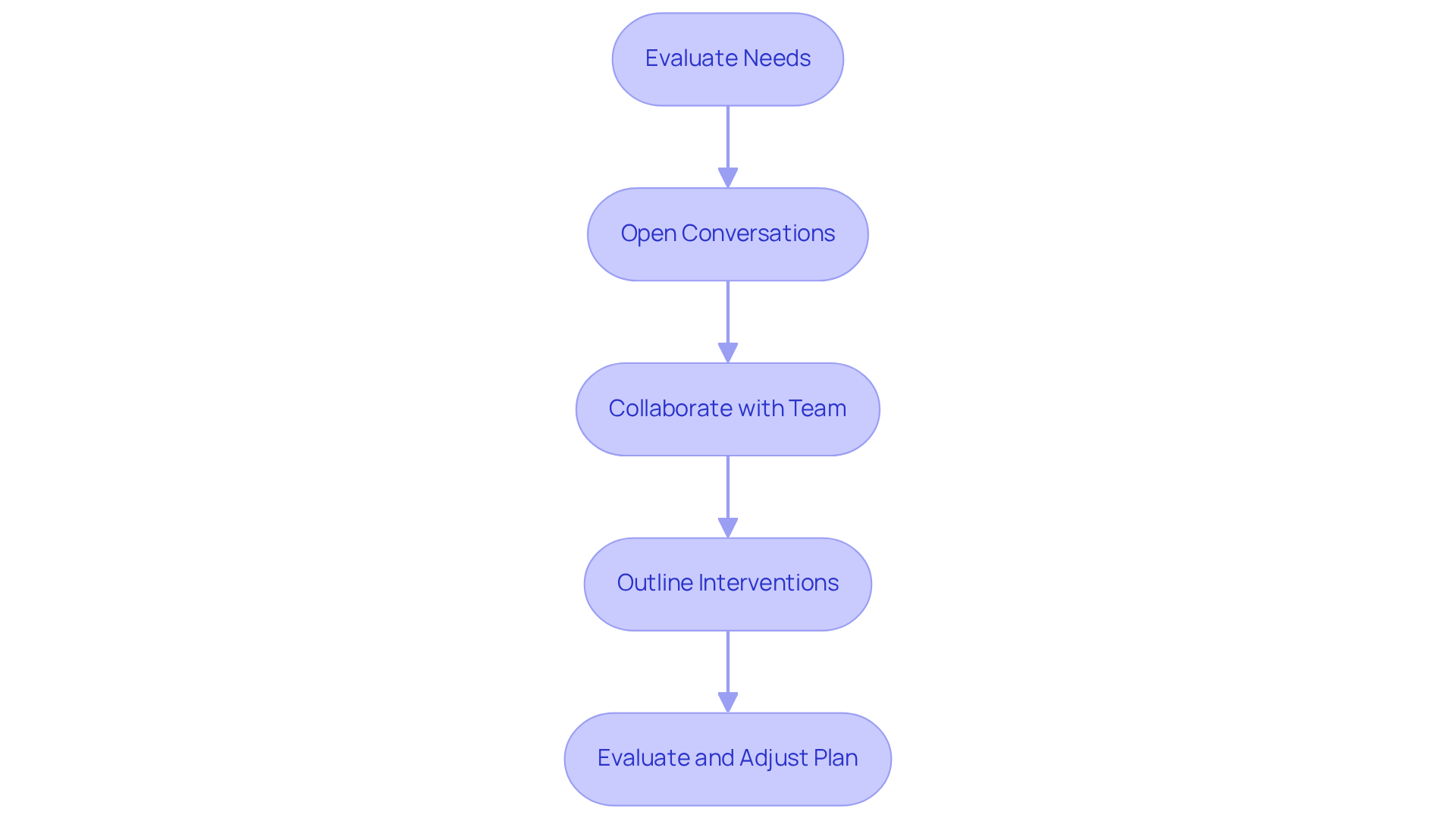
Creating an effective support plan can feel overwhelming, but it’s essential to remember that you’re not alone in this journey. Start by evaluating your loved one’s needs - physically, emotionally, and socially. Open conversations with family members and the individual receiving assistance can help clarify their preferences and objectives.
As Keystone Health emphasizes, "A multidisciplinary team strategy is essential, involving healthcare professionals, mental health experts, family members, and caregivers." This highlights the importance of collaboration in planning support. Once you’ve assessed the situation, outline specific interventions and services that will meet these needs.
It’s crucial to consistently evaluate and adjust the treatment plan as circumstances change, ensuring it remains relevant and effective. Did you know that nearly 63 million Americans are family supporters? This statistic reflects a significant rise since 2015, underscoring the growing need for personalized assistance solutions.
Utilizing resources from organizations like the California Department of Aging can help you create a comprehensive California elder care plan that addresses all aspects of care, including mental health and addiction support. This collaborative approach not only empowers caregivers but also uplifts care recipients, fostering a nurturing environment for everyone involved.
Your Path Forward
Navigating the complexities of elder care in California can feel overwhelming for family caregivers, especially as the state's aging population continues to grow. It's crucial to recognize the emotional toll this journey can take. Understanding the resources and support systems available is essential for ensuring that your loved ones receive the care they deserve, while also addressing your own needs as a caregiver.
Throughout this article, we've explored the challenges faced by family caregivers, including emotional stress and financial burdens. It's important to remember that seeking help is not a sign of weakness; it's a vital step toward creating a sustainable caregiving environment. The Master Plan for Aging, along with various local resources, offers frameworks and assistance that empower caregivers to develop effective care plans tailored to their loved ones' unique needs. In-home care services, ranging from companionship to skilled nursing, provide vital support that can significantly enhance the quality of life for seniors.
Ultimately, you don’t have to face this journey alone. By leveraging available resources, engaging with support networks, and prioritizing self-care, you can navigate this challenging landscape with confidence and compassion. Embracing these strategies not only fosters a nurturing environment for seniors but also promotes your well-being as a caregiver. Together, we can create a more supportive community for everyone involved.
https://iframe.tely.ai/cta/eyJhcnRpY2xlX2lkIjogIjY5MWZkYzY0YjQwZWQ4OGI0OTk1M2ZlMyIsICJjb21wYW55X2lkIjogIjY4ZWU1ZGNhNzMxNzYyNTU3ZjNjOTVjMSIsICJpbmRleCI6IG51bGwsICJ0eXBlIjogImFydGljbGUifQ==Frequently Asked Questions
What demographic shift is California experiencing regarding elder care?
By 2030, nearly 10 million residents in California will be over 60 years old, making up about one-quarter of the state's population.
What are the main options available for elder care in California?
The main options for elder care in California include in-home assistance, assisted living, and skilled nursing facilities.
Why do family caregivers often feel overwhelmed?
Family caregivers often feel overwhelmed due to the complexity of navigating the various elder care options and the emotional challenges that come with caring for aging loved ones.
What resources are available to support family caregivers in California?
Resources such as the California Department of Aging and local Caregiver Resource Centers provide vital information on programs, eligibility criteria, and funding options to help caregivers.
What is the Master Plan for Aging (MPA) in California?
The Master Plan for Aging outlines five goals aimed at creating a California for All Ages, emphasizing inclusive communities and access to necessary services for older adults.
How can caregivers find support in their journey?
Caregivers can find support by reaching out to others who share similar experiences, utilizing available resources, and recognizing that seeking help is a sign of strength.