Navigate Financial Aid for Elderly Care: A Step-by-Step Guide

For families in our service areas
For families in our service areas, this guide explains caregiving and how non-medical in-home caregiving can support care planning in East Idaho, Treasure Valley & Magic Valley, Northern Wasatch, North Central West Virginia, and Northeast Ohio.
What You Need to Know About Navigate Financial Aid for Elderly
Navigating the financial aid landscape for elderly care presents a significant challenge for caregivers. With numerous options and complex eligibility requirements, many find themselves overwhelmed. As the costs of providing care continue to escalate, understanding available resources is not just beneficial; it’s essential for families seeking the best support for their loved ones.
What happens when the financial burden becomes too heavy to bear? Caregivers often struggle to access the assistance they need. This guide offers a comprehensive roadmap to help navigate the complexities of financial aid for elderly care. By breaking down the available resources, families can find the support necessary to alleviate their worries and ensure quality care for their loved ones.
Understand Financial Aid Options for Elderly Care
Navigating financial aid for elderly care can be challenging for caregivers. Many face the daunting task of finding the right resources to support their loved ones. Understanding the various funding options available, such as financial aid for elderly individuals, is crucial in addressing this issue effectively.
Problem: Caregivers often struggle with the high costs associated with elderly care, which can lead to financial strain and stress.
Agitate: Without proper financial support, families may feel overwhelmed, unsure of how to provide the necessary care for their elderly relatives. This can result in difficult choices and potential gaps in care.
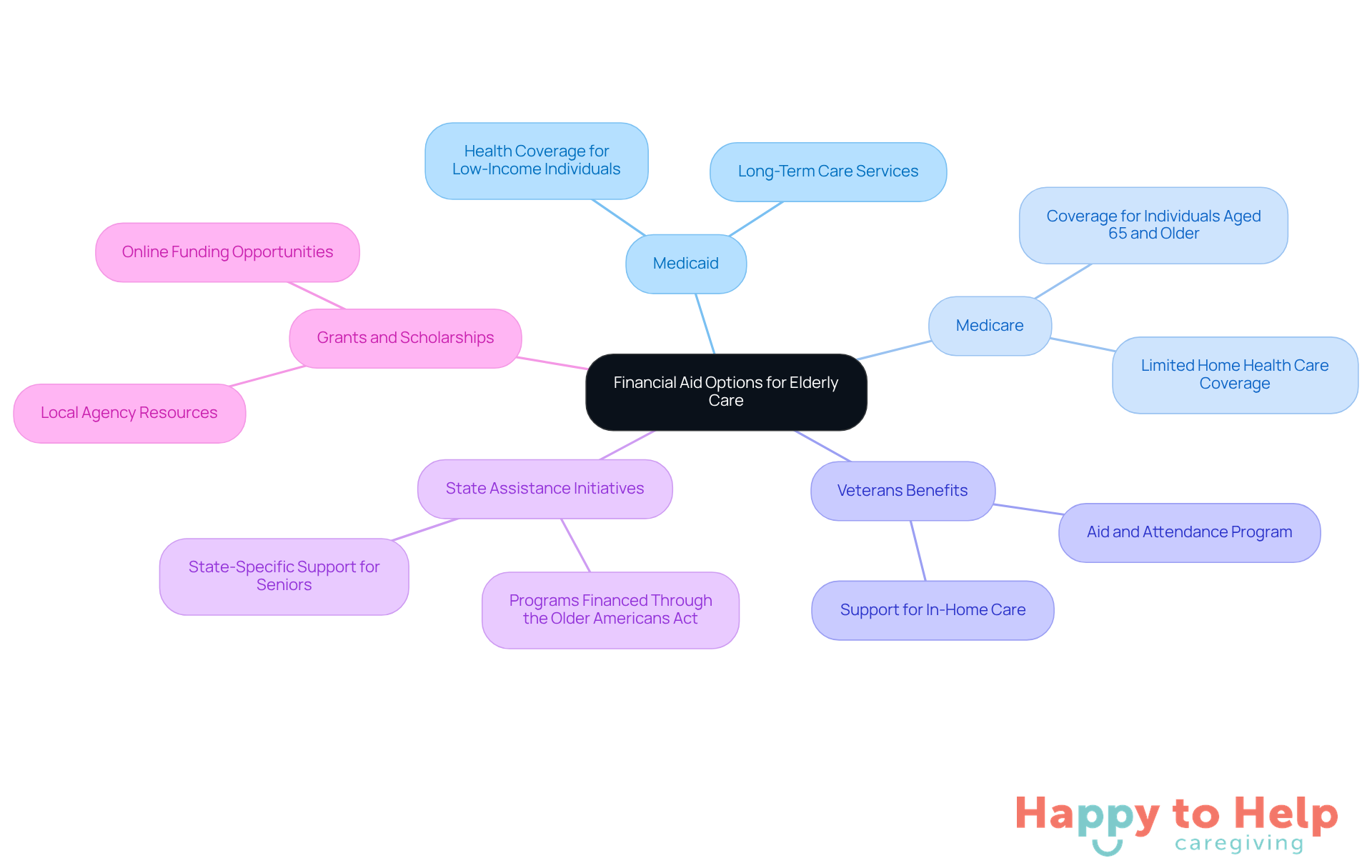
Solution: Fortunately, there are several sources of financial assistance that caregivers can explore:
- Medicaid: This state and federal program provides health coverage for low-income individuals, including long-term care services.
- Medicare: Primarily for individuals aged 65 and older, Medicare offers limited coverage for home health care and skilled nursing facilities.
- Veterans Benefits: Programs like Aid and Attendance provide monetary support to veterans and their families for in-home care.
- State Assistance Initiatives: Many states have specific initiatives designed to support seniors with care expenses, often financed through the Older Americans Act.
- Grants and Scholarships: Various organizations offer grants to help cover caregiving costs, which can be found through local agencies or online resources.
Grasping these options is the first step in navigating assistance for elderly care effectively. By understanding and utilizing these resources, caregivers can alleviate some of the financial burdens associated with elderly care.
Identify Eligibility Requirements for Aid Programs
Eligibility requirements for financial aid programs can be confusing and vary significantly, posing a challenge for many applicants. Understanding these criteria is essential to navigate the complexities of assistance programs effectively.
-
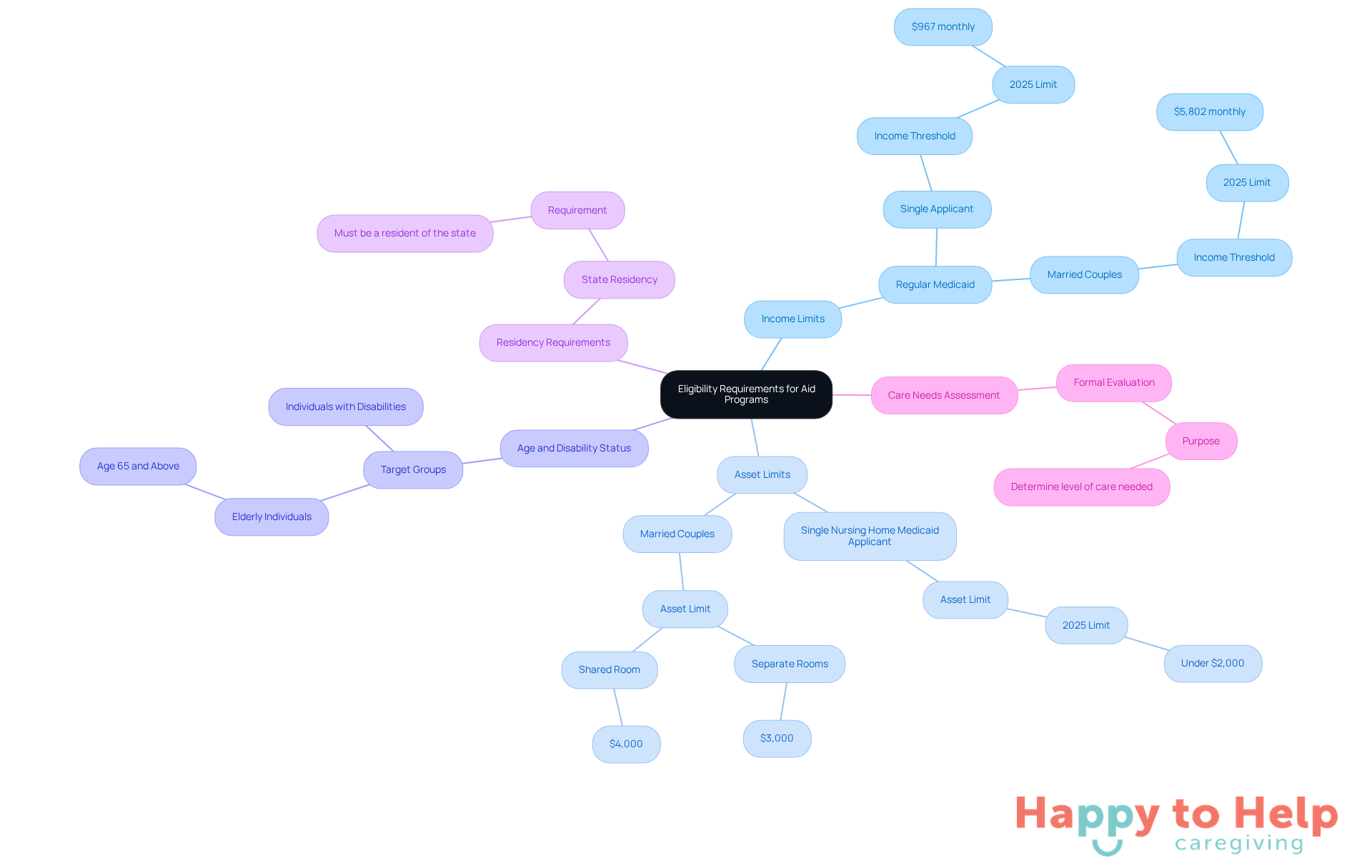
Income Limits: Many programs, including Medicaid, impose strict income thresholds. For instance, in 2025, the income threshold for Regular assistance for an individual applicant is set at $967 monthly. Married couples applying for Institutional support must maintain a total income below $5,802 each month. According to KFF, these income limits reflect ongoing trends in eligibility regulations since 2000.
-
Asset Limits: Applicants must also demonstrate that their assets fall below specific levels. In 2025, a single Nursing Home Medicaid applicant in Colorado must have assets under $2,000, while married couples can have up to $3,000 in separate rooms or $4,000 in a shared room. Additionally, in Colorado, a non-applicant spouse's income cannot exceed $3,948, which is crucial for families to consider when applying for assistance.
-
Age and Disability Status: Most initiatives focus on providing financial aid for elderly individuals, particularly those aged 65 and above, or individuals with disabilities. This ensures that help is directed to those who require it most.
-
Residency Requirements: Many programs require applicants to be residents of the state where they seek aid, which can affect eligibility based on local regulations.
-
Care Needs Assessment: Programs such as state assistance often require a formal evaluation to determine the level of care needed. This ensures that resources are distributed appropriately. CMS guidance suggests that there is no deadline for states to adopt Medicaid expansion, which may affect the availability of assistance.
To facilitate the eligibility verification process, families should gather essential documentation, including income statements, asset records, and medical evaluations. This preparation can greatly simplify applications for funding initiatives, enhancing the chances of favorable results.
Apply for Financial Aid: Step-by-Step Process
Applying for financial aid for elderly care can be a daunting task, often leaving caregivers feeling overwhelmed. Many families struggle to navigate the complex requirements of financial aid for elderly, which can lead to delays in receiving much-needed support. In fact, 30% of adults aged 65 and older are not confident about affording long-term care, which underscores the urgency of implementing financial aid for elderly individuals.
To tackle this challenge, here’s a step-by-step guide to help you through the process:
-
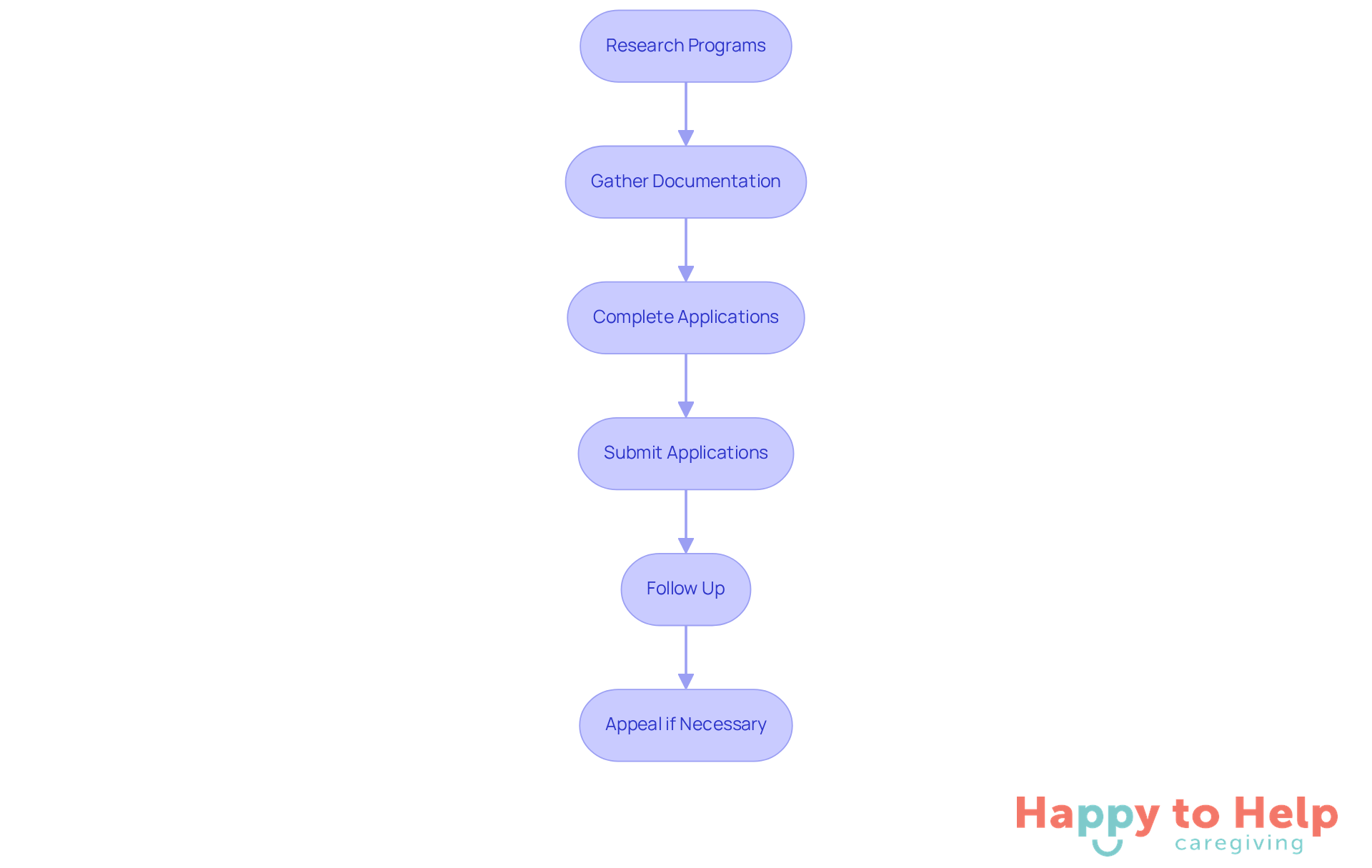
Research Programs: Start by identifying funding assistance programs that align with your specific needs. Many older adults may qualify for financial aid for elderly, such as Medicaid, which is a primary source of assistance for low-income individuals needing long-term care.
-
Gather Documentation: Collect essential documents that illustrate your economic situation and care needs. Commonly required documentation includes:
- Proof of income (e.g., pay stubs, Social Security statements)
- Asset statements (e.g., bank accounts, property deeds)
- Medical records detailing care requirements
- Any existing insurance policies that may cover long-term care.
This thorough documentation is crucial, as 21% of older adults with incomes under $40,000 have set aside money specifically for financial aid for elderly living assistance. Accurate financial representation is vital, especially since many families face monetary difficulties and require financial aid for elderly.
-
Complete Applications: Carefully fill out the application forms for the chosen programs. Ensure that all information is accurate and complete, as errors can lead to delays or denials. Many applicants overlook this step, which can significantly impact their chances of approval.
-
Submit Applications: Follow the submission guidelines outlined by each program, whether online, by mail, or in person. Timeliness is essential; 87% of families believe that financial aid for elderly long-term care expenses can lead to serious economic challenges.
-
Follow Up: After submitting your applications, proactively follow up with program administrators to confirm receipt and inquire about the decision timeline. This step can help alleviate anxiety, as 66% of adults aged 50 and older feel anxious about affording nursing home or assisted living costs, which underscores the importance of financial aid for elderly.
-
Appeal if Necessary: If your application is denied, carefully review the reasons provided. Consider appealing the decision or reapplying with additional information that may strengthen your case. Successful case studies demonstrate that persistence can lead to favorable outcomes, particularly when applicants provide comprehensive documentation to support their genuine need for financial aid for elderly.
By following these steps, families can navigate the aid application process more effectively, increasing their chances of obtaining the necessary support for elderly care.
Explore Additional Resources and Support for Caregivers
Caregivers often face significant challenges, including stress and the overwhelming responsibility of providing care. These pressures can lead to burnout, making it essential for caregivers to seek support and resources that can help them manage their roles effectively.
Fortunately, there are various resources available to assist caregivers:
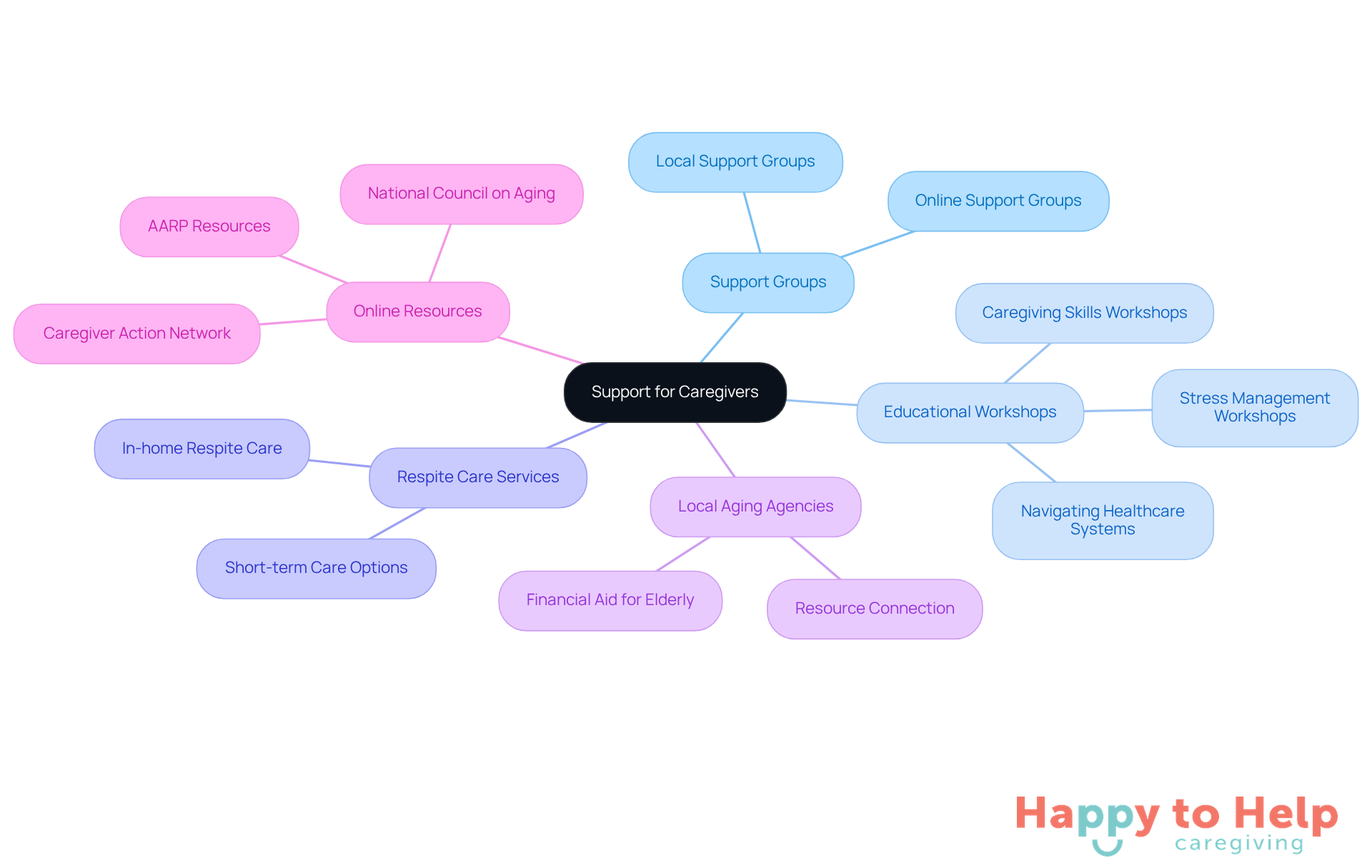
- Caregiver Support Groups: Local and online support groups provide a platform for caregivers to share experiences and advice, fostering a sense of community.
- Educational Workshops: Many organizations offer workshops on caregiving skills, stress management, and navigating healthcare systems, equipping caregivers with essential knowledge.
- Respite Care Services: These services allow caregivers to take breaks while ensuring their loved ones receive quality care, helping to alleviate stress.
- Local Aging Agencies: Area Agencies on Aging can connect caregivers with resources, including financial aid for elderly, tailored to their community, providing localized support.
- Online Resources: Websites like the National Council on Aging and AARP offer valuable information and tools for caregivers, making it easier to find assistance.
By utilizing these resources, caregivers can enhance their skills, reduce stress, and improve the quality of care they provide.
Your Path Forward
Navigating financial aid for elderly care presents a significant challenge for caregivers, often leading to stress and confusion. The complexities of eligibility requirements, including income and asset limits, residency, and care needs assessments, can make the process daunting. Without a clear understanding of these factors, families may struggle to secure the necessary resources for quality care.
To alleviate these burdens, it’s essential to explore various funding options such as:
- Medicaid
- Medicare
- State assistance initiatives
A detailed, step-by-step approach to applying for financial aid can empower caregivers. This includes:
- Researching available programs
- Submitting applications
- Following up diligently
By breaking down these steps, caregivers can access the support they need without unnecessary delays.
Ultimately, leveraging available resources transforms the caregiving experience. Caregivers should actively seek:
- Support groups
- Educational workshops
- Respite care services
By taking proactive steps and utilizing the information provided, caregivers can navigate the financial aid process with confidence, ensuring their elderly loved ones receive the care they deserve.
https://iframe.tely.ai/cta/eyJhcnRpY2xlX2lkIjogIjY5MjY0MzlmZDdhYTIxYWI5OTE3NmUyOSIsICJjb21wYW55X2lkIjogIjY4ZWU1ZGNhNzMxNzYyNTU3ZjNjOTVjMSIsICJpbmRleCI6IG51bGwsICJ0eXBlIjogImFydGljbGUifQ==Frequently Asked Questions
What are the main financial aid options available for elderly care?
The main financial aid options for elderly care include Medicaid, Medicare, Veterans Benefits, state assistance initiatives, and grants or scholarships.
What is Medicaid and how does it help with elderly care?
Medicaid is a state and federal program that provides health coverage for low-income individuals, including long-term care services for the elderly.
Who is eligible for Medicare and what does it cover?
Medicare primarily serves individuals aged 65 and older and offers limited coverage for home health care and skilled nursing facilities.
What are Veterans Benefits and how can they assist families?
Veterans Benefits, such as the Aid and Attendance program, provide monetary support to veterans and their families to help cover in-home care expenses.
Are there state-specific programs to assist with elderly care costs?
Yes, many states have specific assistance initiatives designed to support seniors with care expenses, often financed through the Older Americans Act.
How can caregivers find grants or scholarships for elderly care?
Caregivers can find grants and scholarships through local agencies or online resources that offer financial assistance for caregiving costs.
List of Sources
- Understand Financial Aid Options for Elderly Care
- Medicaid and Medicare Statistics in 2025 (https://seniorliving.org/medicare-medicaid/statistics)
- Just The Facts: Medicaid is a Critical Component of the Long Term Care System (https://ahcancal.org/News-and-Communications/Press-Releases/Pages/Just-The-Facts-Medicaid-Critical-Component-Long-Term-Care-System.aspx)
- Final House Vote on Devastating Health and Food Assistance Cuts - Medicare Rights Center (https://medicarerights.org/medicare-watch/2025/07/03/final-house-vote-looms-on-devastating-health-and-food-assistance-cuts)
- 2025 Budget Impacts: House Bill Would Cut Assistance and Raise Costs for Seniors (https://cbpp.org/research/federal-budget/2025-budget-impacts-house-bill-would-cut-assistance-and-raise-costs-for)
- Identify Eligibility Requirements for Aid Programs
- Medicare Coverage & Eligibility in 2025 (Can’t Miss Details!) | Quote.com (https://quote.com/medicare/medicare-coverage-eligibility)
- Medicaid Income Eligibility Limits for Adults as a Percent of the Federal Poverty Level | KFF State Health Facts (https://kff.org/affordable-care-act/state-indicator/medicaid-income-eligibility-limits-for-adults-as-a-percent-of-the-federal-poverty-level)
- Colorado Medicaid Eligibility: 2025 Income & Asset Limits (https://medicaidplanningassistance.org/medicaid-eligibility-colorado)
- Reinstatement of the Medi-Cal Asset Limit: What Advocates Need to Know - Justice in Aging (https://justiceinaging.org/reinstatement-of-medi-cal-asset-limit-faq)
- 5 Key Facts About Medicaid Eligibility for Seniors and People with Disabilities | KFF (https://kff.org/medicaid/5-key-facts-about-medicaid-eligibility-for-seniors-and-people-with-disabilities)
- Apply for Financial Aid: Step-by-Step Process
- Case Study: Retirees - Mariaca Wealth Management (https://mariacawealth.com/case\_studies/retirees)
- The Affordability of Long-Term Care and Support Services: Findings from a KFF Survey | KFF (https://kff.org/health-costs/the-affordability-of-long-term-care-and-support-services)
- Paying for Long-Term Care (https://nia.nih.gov/health/long-term-care/paying-long-term-care)
- Explore Additional Resources and Support for Caregivers
- Family Caregiver Support, Education Needs Growing (https://hospicenews.com/2025/11/11/family-caregiver-support-education-needs-growing)
- Caregiving Toolkit: Information and Resources to Support Caregivers (https://nia.nih.gov/toolkits/caregiving)
- National Family Caregivers Month 2025 | Plug-in to Care Hub (https://caregiveraction.org/nfc2025)
- HHS Backs AI Innovation for America’s Caregivers | HHS.gov (https://hhs.gov/press-room/hhs-backs-ai-innovation-for-americas-caregivers.html)
- National Strategy to Support Family Caregivers | ACL Administration for Community Living (https://acl.gov/CaregiverStrategy)