
Understanding Your Options
The article "Navigate Texas Home Health Services: A Caregiver's Guide" is designed with caregivers in mind, offering essential information and resources to help them manage home health services in Texas effectively. Caregiving can be overwhelming, filled with emotional challenges that often lead to stress and burnout. This guide acknowledges those feelings and aims to provide the support caregivers need.
It highlights the variety of care options available, emphasizing the importance of selecting the right agency. Choosing the right support can make a significant difference in the quality of care your loved ones receive. Practical steps for implementing in-home care are also discussed, empowering caregivers to advocate for their loved ones with confidence.
By sharing personal stories and testimonials, the article fosters a deeper emotional connection, illustrating the compassionate care that can be provided. Caregivers are reminded that they are not alone in this journey; there are resources and support systems available to help them navigate these challenges.
Ultimately, this guide serves as a source of reassurance and encouragement, reminding caregivers that their efforts are invaluable and that they can enhance the quality of life for their loved ones. With the right information and support, caregivers can find a path that feels manageable and fulfilling.
The Importance of Navigate Texas Home Health Services: A
Navigating the world of home health services in Texas can feel overwhelming for caregivers. When the well-being of loved ones is at stake, the pressure can be immense. With so many medical and supportive care options available, understanding these services is crucial. It ensures that individuals receive the quality assistance they need in the comfort of their own homes.
Yet, caregivers often face emotional challenges like stress and burnout. How can they effectively advocate for their family members while also taking care of themselves? This guide aims to shed light on the landscape of Texas home health services. It offers caregivers the insights and tools they need to make informed decisions and provide compassionate care.
Remember, you’re not alone in this journey. Many caregivers share similar experiences, and there are resources available to help you navigate these challenges. Together, we can explore the support that’s out there, ensuring that both you and your loved ones receive the care you deserve.
Understand Home Health Services in Texas
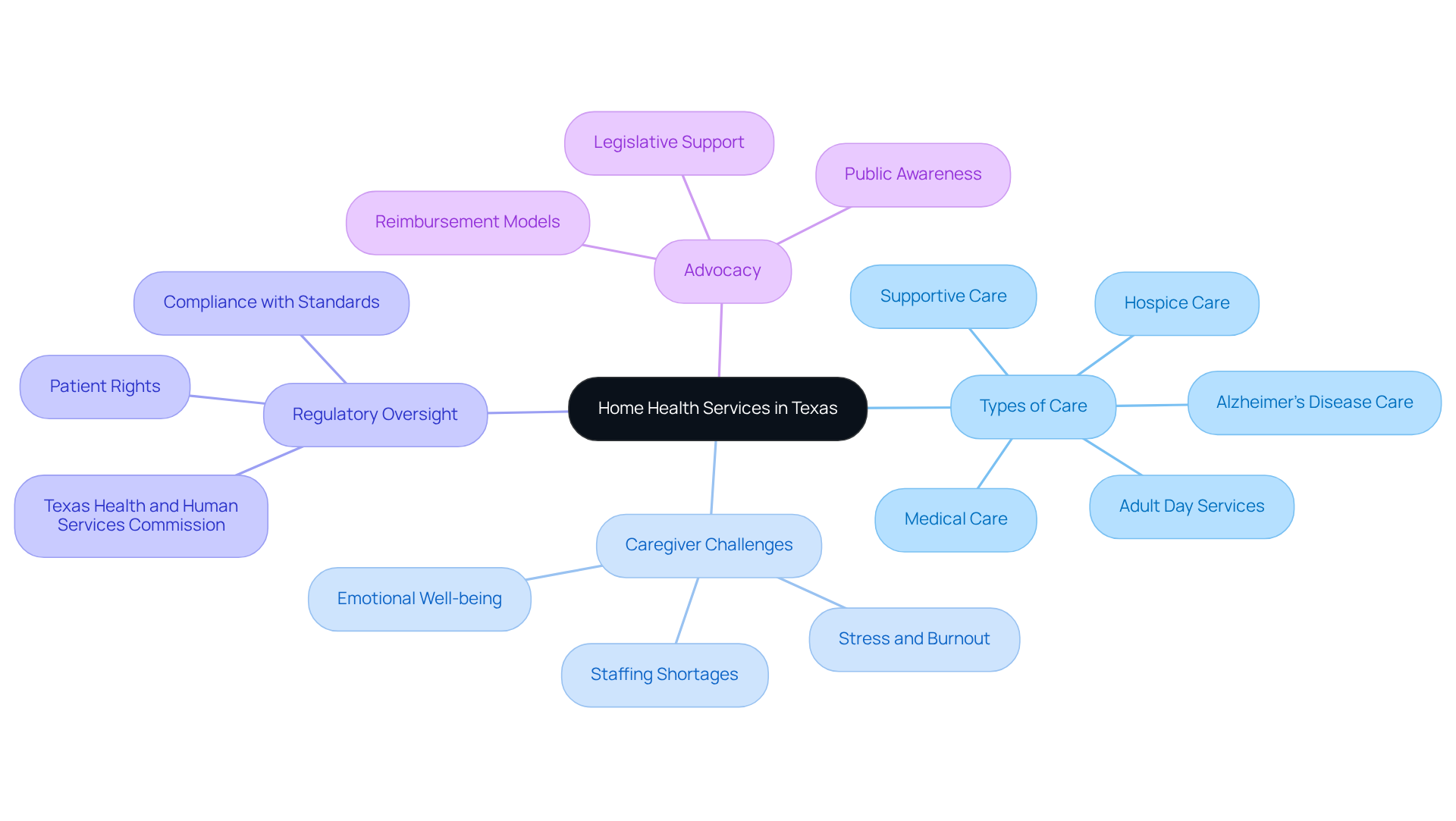
Texas home health offers a variety of medical and supportive care right in the comfort of a patient’s home. This care is designed for those recovering from illness, managing chronic conditions, or needing help with daily tasks. It’s important to recognize that caregivers often face emotional challenges, such as stress and burnout, while navigating these responsibilities.
In Texas, organizations providing home health assistance are overseen by the Texas Health and Human Services Commission (HHSC). This regulation ensures that agencies comply with state and federal standards, providing peace of mind to families. Caregivers should familiarize themselves with the types of assistance available, the qualifications of providers, and the rights of patients. This knowledge is crucial in ensuring that loved ones receive the high-quality support they deserve.
Understanding these elements empowers caregivers to advocate effectively for their family members. It can be overwhelming at times, but knowing that there are compassionate services available can lighten the load. Remember, you’re not alone in this journey. Many have walked this path and found strength in the support offered by Texas home health services.
Explore Types of Home Health Services Offered
In Texas home health, services provide a variety of essential care types aimed at supporting individuals in their homes.
-
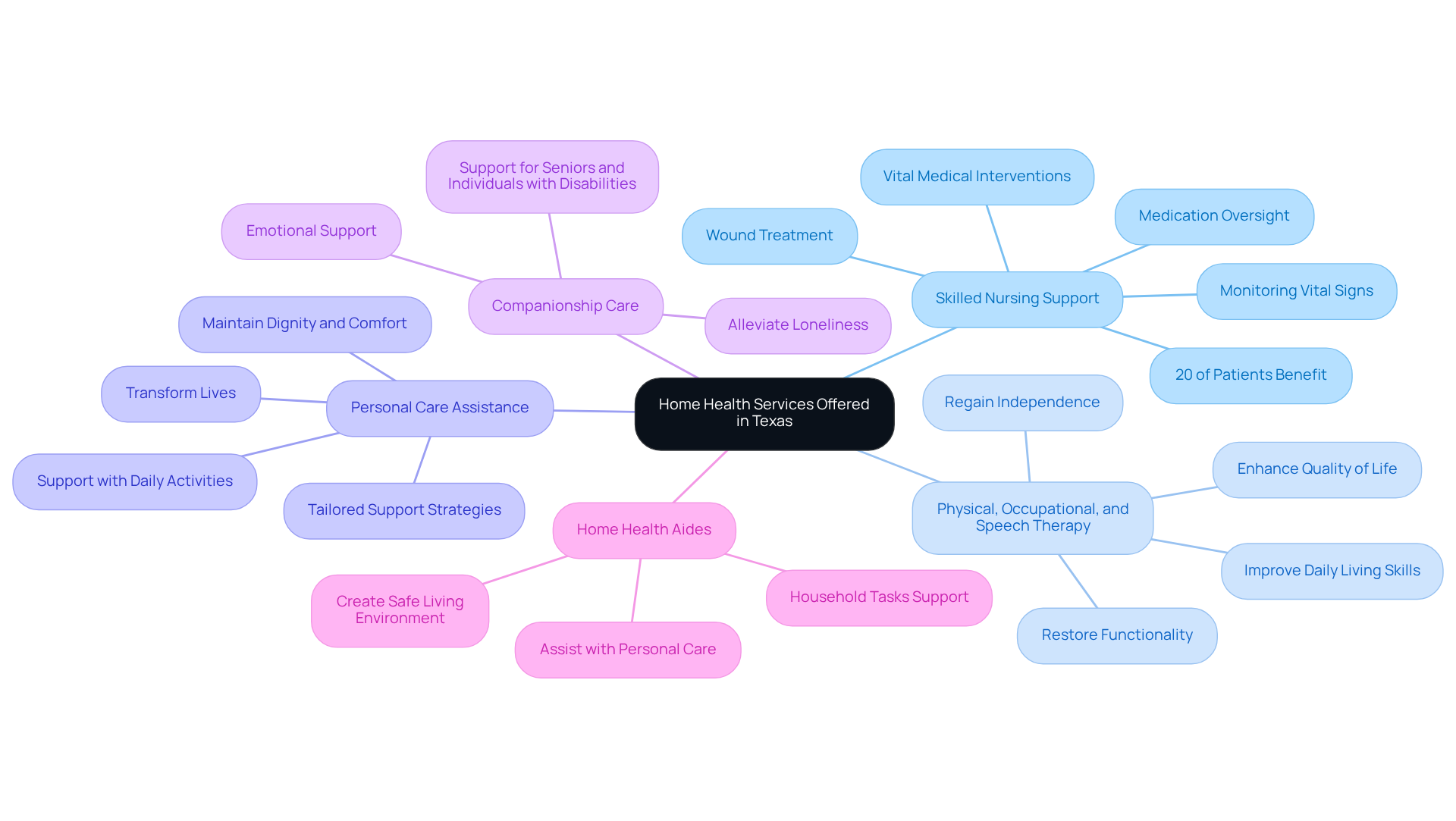
Skilled Nursing Support is provided by registered nurses or licensed practical nurses. This assistance includes vital medical interventions like wound treatment, medication oversight, and monitoring vital signs. About 20% of patients utilizing health support in Texas benefit from specialized nursing assistance, underscoring its importance in maintaining health and well-being. This support is particularly crucial given the ongoing legal issues surrounding the treatment of individuals with disabilities, as many still find themselves confined in nursing facilities despite the availability of community-based care alternatives.
-
Physical, Occupational, and Speech Therapy are vital for helping patients regain independence and enhance their quality of life after illness or injury. These therapies focus on restoring functionality and improving daily living skills, allowing individuals to thrive in their own environments.
-
Personal Care Assistance offers support with daily activities such as bathing, dressing, and meal preparation. This service ensures that individuals can maintain their dignity and comfort at home. Success stories from Texas home health highlight how personal support assistance has transformed lives, allowing individuals to stay in familiar surroundings while receiving the necessary help. Families often share testimonials that reflect the positive impact of tailored support strategies that cater to unique needs.
-
Companionship Care provides emotional support and companionship, effectively alleviating feelings of loneliness and isolation that many seniors and individuals with disabilities experience.
-
Home Health Aides assist with personal care and household tasks, creating a safe and comfortable living environment for clients.
By understanding these diverse offerings, caregivers can develop personalized support plans that address the specific needs of their loved ones, ultimately enhancing their quality of life. Advocacy groups, like the Center for Medicare Advocacy, play a crucial role in promoting comprehensive support options, ensuring that individuals have access to the services they need to flourish in their communities.
Select the Right Home Health Agency
Choosing the right health service provider is crucial for ensuring high-quality care for your loved ones. In Texas, where the Texas home health care market is expected to grow significantly—estimated at $100.95 billion in 2024—this decision becomes even more important. Here are some essential steps to help you navigate this process with care:
-
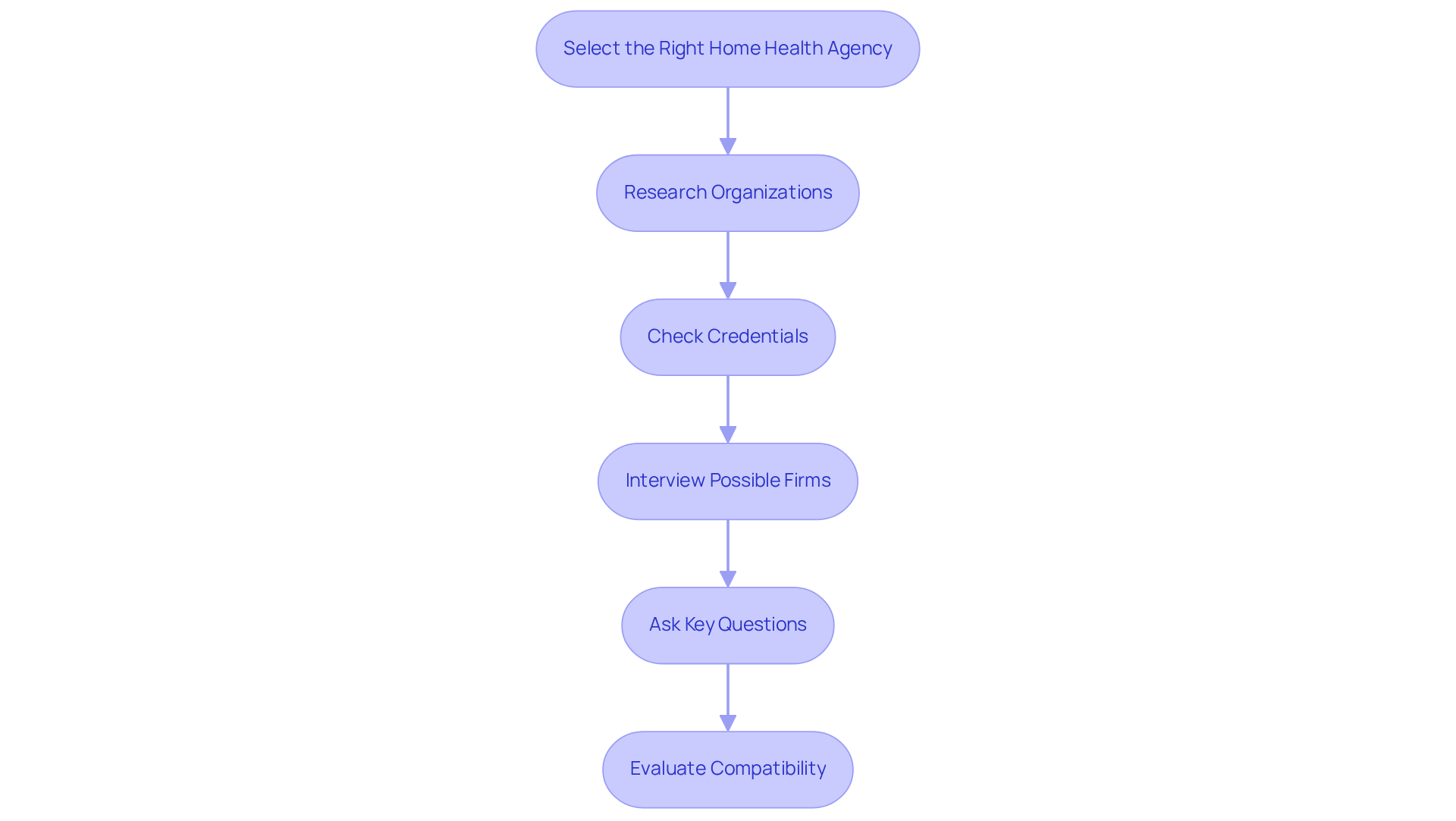
Research Organizations: Begin by compiling a list of licensed health care providers in your area. Resources like the Texas Home Health and Human Services Commission (HHSC) website and local community health organizations can assist you in finding reputable options for Texas home health services. With 11,506 home health organizations in the United States as of 2023, thorough research is vital.
-
Check Credentials: It’s important to confirm that the organization is licensed and accredited. Look for feedback and endorsements from other families to assess the organization’s reputation and quality of care. As the Population Reference Bureau notes, the number of Americans aged 65 and older is increasing, highlighting the need for reliable home health assistance.
-
Interview Possible Firms: Set up meetings with potential firms to discuss their services, caregiver qualifications, and support plans. These conversations can provide valuable insights into their operations and approach to care.
-
Ask Key Questions: Don’t hesitate to inquire about the organization’s experience with specific health conditions, the training caregivers receive, and their emergency protocols. Understanding these aspects can help you gauge their preparedness and reliability.
-
Evaluate Compatibility: Ensure that the organization’s philosophy aligns with your loved one’s needs and preferences. A good match fosters a positive caregiving experience, enhancing the overall quality of care.
By following these steps, you can confidently choose a service that meets your loved one’s healthcare needs, ensuring they receive compassionate and personalized assistance at home. With the growing demand for Texas home health services driven by an aging population, careful agency selection is more important than ever.
Prepare for In-Home Care Implementation
To effectively implement in-home care, caregivers should embrace these essential steps:
-
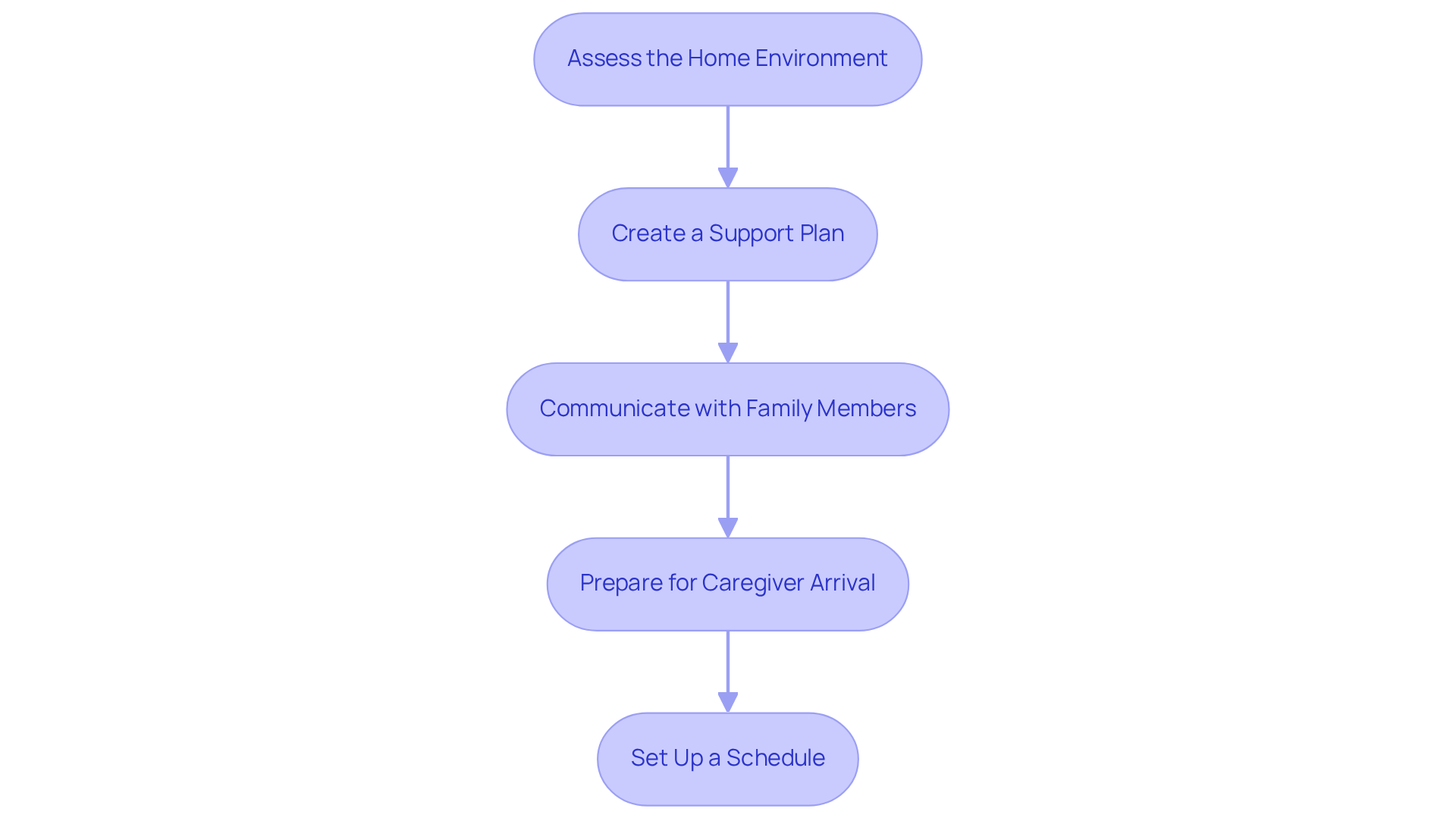
Assess the Home Environment: Start by taking a close look at the living space. It’s important to identify and eliminate hazards that could pose risks. This means clearing away clutter, securing rugs, and considering helpful modifications like grab bars and ramps to make everything more accessible. Regular home safety assessments can significantly reduce fall risks, which affect 1 in 4 older adults each year. Resources like the free 43-step Home Safety Assessment from Caring Senior Service or the comprehensive Age Safe Home Assessment, which includes 240 evaluation points, can offer valuable tools for caregivers.
-
Create a Support Plan: Collaborate with the caregiving agency to craft a support plan tailored to the individual’s unique needs and preferences. This plan should encompass medical requirements, daily activities, and personal interests, ensuring a holistic approach to care.
-
Communicate with Family Members: Keep the lines of communication open with family members about the support plan, expectations, and any concerns that may arise. Involving family in discussions about safety and support fosters a nurturing atmosphere and enhances the overall caregiving experience.
-
Prepare for Caregiver Arrival: Make sure the caregiver has access to essential information, including medical history, current medications, and emergency contacts. This preparation allows caregivers to provide informed and effective support right from the start.
-
Set Up a Schedule: Work alongside the agency to establish a consistent caregiving schedule that meets the individual’s needs and the caregivers’ availability. A well-organized timetable brings stability and comfort to the person receiving care.
By taking these thoughtful steps, caregivers can ease the transition to in-home care, ultimately enhancing the quality of life for both the individual and their family.
Your Path Forward
Navigating the landscape of home health services in Texas can feel overwhelming for caregivers striving to provide the best support for their loved ones. It’s crucial to understand the different types of care available—whether it’s skilled nursing, therapy, personal assistance, or companionship. This knowledge empowers caregivers to make informed decisions that truly enhance the quality of life for those in need.
Throughout this article, we’ve highlighted the importance of thorough research when selecting a home health agency. Ensuring that providers are licensed and reputable is key to peace of mind. Preparing for in-home care implementation involves creating a tailored support plan and ensuring a safe living environment—both essential for successful caregiving experiences.
As the demand for home health services continues to grow, it’s vital for caregivers to take a proactive approach. By leveraging available resources and knowledge, caregivers can effectively advocate for their loved ones, fostering a nurturing and supportive atmosphere at home. Embracing these strategies not only helps alleviate the challenges of caregiving but also reinforces the significance of compassionate care in enhancing the well-being of individuals in Texas.
Remember, you’re not alone in this journey. Many caregivers share similar experiences, and together, we can create a community of support and understanding. Your dedication and love make a profound difference in the lives of those you care for.
https://iframe.tely.ai/cta/eyJhcnRpY2xlX2lkIjogIjY5MDNmY2I5ZThmZTg2YzQzN2NjZTFhYiIsICJjb21wYW55X2lkIjogIjY4ZWU1ZGNhNzMxNzYyNTU3ZjNjOTVjMSIsICJpbmRleCI6IG51bGwsICJ0eXBlIjogImFydGljbGUifQ==Frequently Asked Questions
What are home health services in Texas?
Home health services in Texas provide a variety of medical and supportive care to patients in their homes, designed for those recovering from illness, managing chronic conditions, or needing assistance with daily tasks.
Who oversees home health services in Texas?
The Texas Health and Human Services Commission (HHSC) oversees organizations providing home health assistance, ensuring compliance with state and federal standards.
What should caregivers know about home health services?
Caregivers should familiarize themselves with the types of assistance available, the qualifications of providers, and the rights of patients to ensure their loved ones receive high-quality support.
What challenges do caregivers face in home health services?
Caregivers often face emotional challenges such as stress and burnout while navigating their responsibilities in providing care.
How can understanding home health services benefit caregivers?
Understanding home health services empowers caregivers to advocate effectively for their family members and helps alleviate feelings of overwhelm by knowing that compassionate services are available.