Navigating Assisted Living in California: Key Insights

Active service-area notice
Happy to Help does not currently list California as an active service area. This article is general educational information. For local care availability, browse our active service areas.
Browse active service areasFor families in our service areas
For families in our service areas, this guide explains caregiving and how non-medical in-home caregiving can support care planning in East Idaho, Treasure Valley & Magic Valley, Northern Wasatch, North Central West Virginia, and Northeast Ohio.
Why Navigating Assisted Living in Matters
Navigating the landscape of assisted living in California presents a significant challenge for families seeking the best care for their loved ones. With a growing number of seniors needing support for daily activities, understanding the available options and benefits is essential for making informed decisions. However, the complexities surrounding costs, regulations, and services often leave families feeling uncertain and overwhelmed.
This uncertainty can lead to stress and anxiety for caregivers, who must find the right balance between independence and assistance. How can they ensure their loved ones receive the quality care they deserve? The key lies in exploring practical solutions that address these challenges head-on.
By familiarizing themselves with the various types of assisted living facilities, understanding the associated costs, and seeking guidance from experts, families can make more confident choices. Additionally, engaging with local resources and support groups can provide valuable insights and assistance in navigating this complex landscape.
Define Assisted Living: Key Concepts and Benefits
Assisted living California presents a vital option for seniors who require help with daily activities but do not need the intensive medical care offered in nursing homes. This situation poses a challenge for caregivers seeking the best living arrangements for their loved ones.
The implications of this need are significant. Seniors often face feelings of loneliness and isolation, which can negatively impact their well-being. Moreover, families may worry about the safety and security of their loved ones in traditional housing settings. These concerns highlight the necessity for a solution that balances assistance with independence.
-
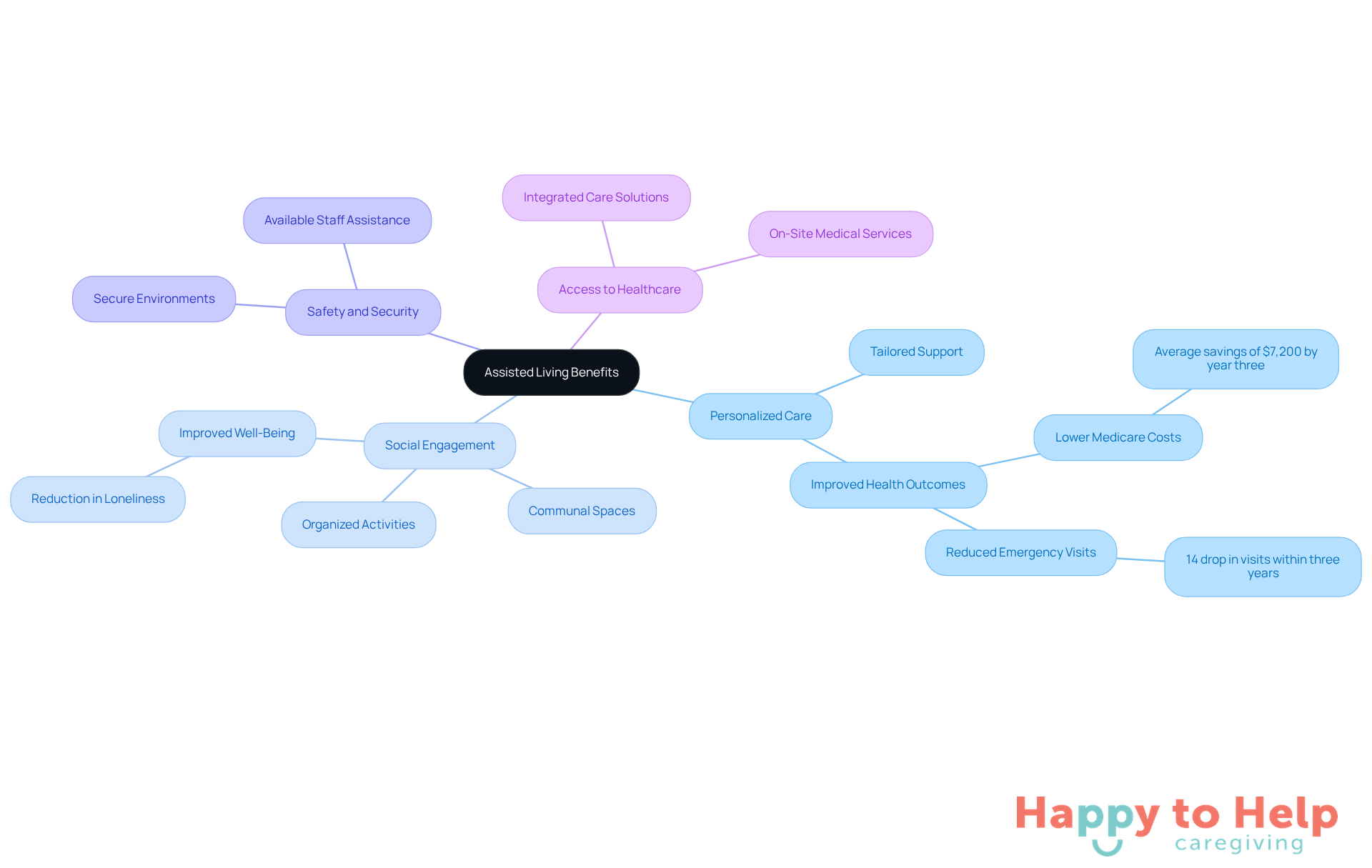
Personalized Care is one of the key benefits of assisted living. Residents receive tailored support that aligns with their unique needs, promoting independence and enhancing their quality of life. Studies show that personalized care can lead to improved health outcomes, with fewer hospitalizations and lower healthcare costs over time. For instance, by the third year of residency, average Medicare expenses were reported to be $7,200 lower per individual compared to the first year. Additionally, emergency department visits dropped by 14% within three years, illustrating the effectiveness of personalized care.
-
Social Engagement is another crucial aspect. Assisted living communities encourage social interactions through organized activities and communal spaces, which are essential for reducing feelings of loneliness. Research indicates that socialization significantly improves individuals' well-being, leading to a more satisfying life.
-
Safety and Security are paramount in these facilities. They are designed with safety in mind, providing secure environments where staff are readily available to assist residents as needed. This focus on safety helps families feel more at ease about their loved ones' housing situations.
-
Access to Healthcare is also a vital benefit. Many supportive care communities offer on-site medical services, simplifying the management of health conditions. This accessibility is crucial, especially as the aging population increasingly seeks integrated care solutions.
In summary, supportive housing can greatly enhance the quality of life for seniors by striking a balance between essential assistance and the maintenance of independence. This makes assisted living California an appealing option for families who are exploring care alternatives. As Ray Braun, CEO of NIC, noted, wellness has become a priority for residents, and by 2030, 71% of senior communities will be rooted in a wellness culture, underscoring the growing emphasis on personalized care.
Explore Financial Options: Costs and Funding Sources
The typical expense of supportive housing in California is projected to reach around $6,631 monthly by 2025. However, this figure can vary significantly based on location and services, with prices ranging from $2,925 to $9,410. This financial burden poses a challenge for many families seeking care for their loved ones.
To alleviate this strain, families should explore various funding sources:
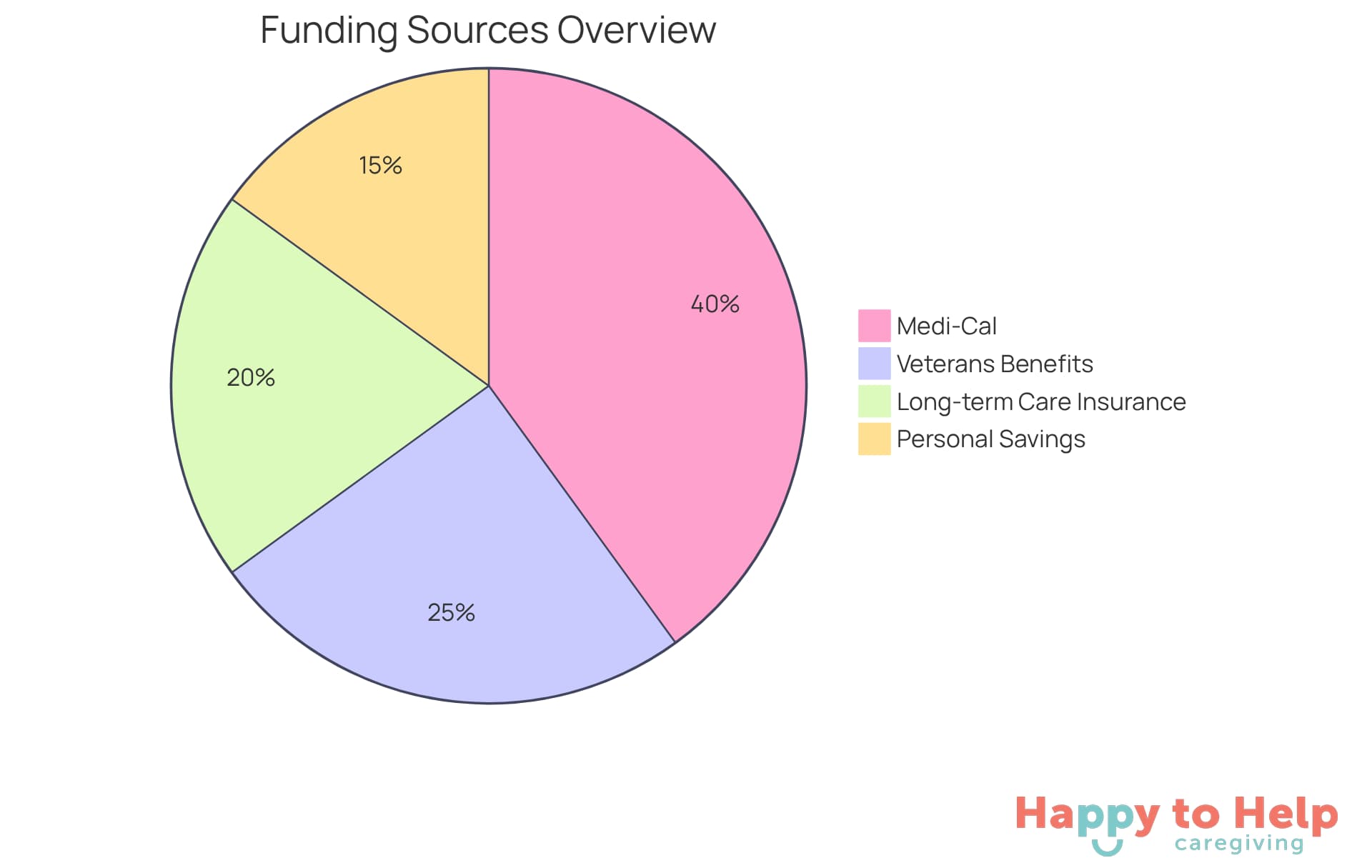
- Medi-Cal: California's Medicaid program provides assistance through the Assisted Living Waiver (ALW), which helps eligible seniors cover costs associated with assisted living. This program is especially beneficial for those with limited income, enabling access to necessary care without financial hardship.
- Veterans Benefits: Veterans and their surviving spouses may qualify for Aid and Attendance benefits, offering monthly tax-free payments that can significantly reduce care expenses. These benefits are vital for families aiming to enhance their loved ones' care coverage.
- Long-term Care Insurance: Depending on the policy, long-term care insurance can cover some or all costs related to supportive housing. Families should review their existing policies to understand the extent of coverage available.
- Personal Savings and Assets: Many families utilize personal savings or proceeds from selling a house to cover care expenses. This approach can provide the necessary funds to ensure quality care for their loved ones.
By understanding these financial options, families can make informed decisions that align with their loved ones' care needs and financial situations.
Understand Regulations: Laws and Requirements for Facilities
In California, navigating the regulations surrounding assisted living California can be challenging for caregivers and families. These facilities are mandated to adhere to strict rules set by the Department of Social Services, which can often feel overwhelming.
-
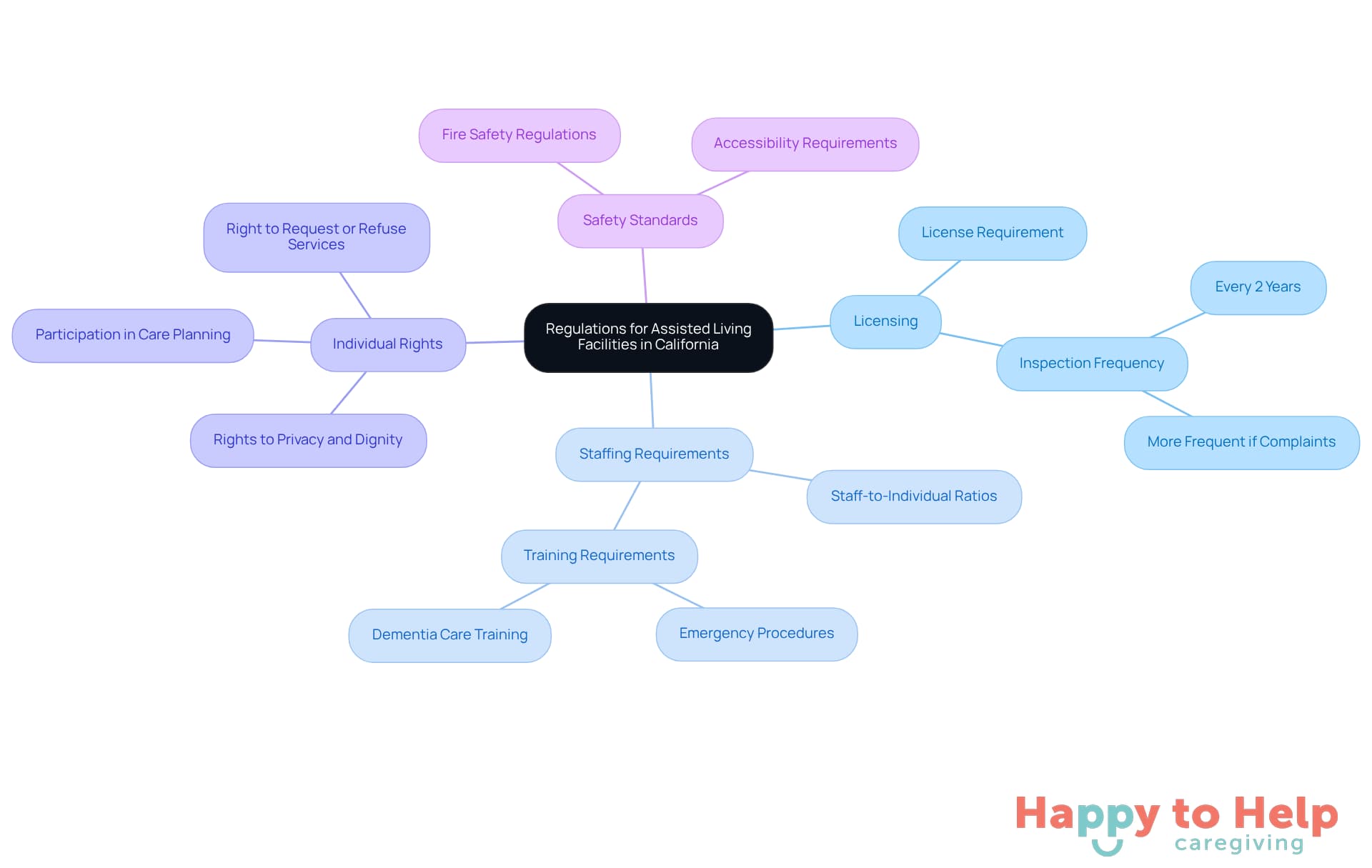
Licensing is a key requirement; all assisted living facilities must obtain a license and undergo regular inspections every two years, or more frequently if complaints arise. These inspections focus on critical elements such as staff qualifications and care plans for individuals, ensuring that state standards are met.
-
Staffing Requirements also play a crucial role. Facilities must maintain specific staff-to-individual ratios to guarantee adequate care and attention. Caregivers are required to complete training in emergency procedures and patient care, including specialized instruction in dementia care, which is vital for providing quality support.
-
Moreover, Individual Rights are protected under California law, which guarantees individuals rights to privacy, dignity, and participation in their care planning. This includes the right to request, refuse, or discontinue services, as outlined in Senate Bill 1406. Governor Gavin Newsom emphasized this autonomy, stating, 'On Friday, September 20, 2024, I signed Senate Bill 1406, which affects the rights of those in assisted living California.'
-
Safety Standards are another critical aspect. Facilities must comply with stringent safety regulations, including fire safety and accessibility requirements, to ensure a secure environment for all inhabitants.
Understanding these regulations is essential for families. It empowers them to advocate effectively for their loved ones, ensuring they receive the quality care they deserve. Additionally, initiatives like the emergency department (ED) program have been introduced to enhance communication for individuals with dementia, demonstrating how regulations can elevate care quality.
Identify Services: Types of Care and Support Available
Caregivers often face the challenge of ensuring their loved ones receive the support they need in daily living. This can be overwhelming, especially when considering the various services available in assisted living California facilities. Understanding these services is crucial for making informed decisions that align with individual needs and preferences.
-
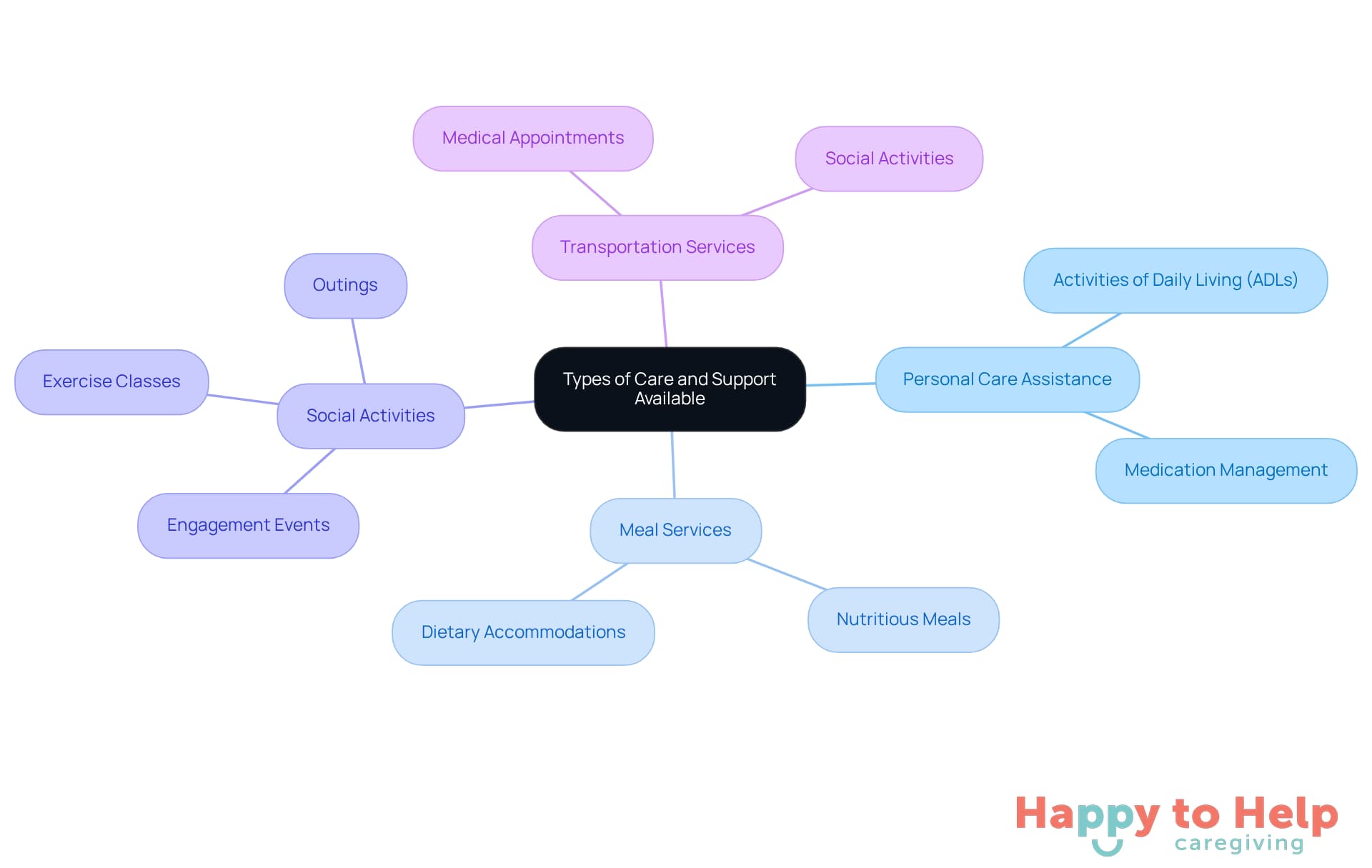
Personal Care Assistance: Many facilities offer help with activities of daily living (ADLs), such as bathing, dressing, and medication management. This support can significantly ease the burden on caregivers.
-
Meal Services: Nutritious meals are typically provided, accommodating dietary restrictions and preferences. This ensures that residents receive the proper nutrition they need.
-
Social Activities: Numerous establishments arrange social events, exercise classes, and outings to encourage engagement and community. These activities can enhance the quality of life for residents and reduce feelings of isolation.
-
Transportation Services: Certain facilities provide transportation for medical appointments and social activities, enhancing residents' mobility and independence.
By understanding the services available in assisted living California, families can select a facility that best meets their loved ones' needs, ultimately providing peace of mind for caregivers.
Moving Forward with Navigating Assisted Living in
Navigating the landscape of assisted living in California presents a significant challenge for families seeking the best care options for their loved ones. The problem lies in finding a balance between independence and necessary assistance, as many seniors require support without the intensive medical care typical of nursing homes. This situation can lead to confusion and stress for families trying to make informed decisions.
The financial implications of assisted living are substantial, with costs expected to rise in the coming years. Families may feel overwhelmed by these expenses, but various funding sources can help alleviate the financial burden. Options such as Medi-Cal, Veterans Benefits, and long-term care insurance provide crucial support. Additionally, understanding the regulations governing assisted living facilities empowers families to advocate effectively for their loved ones, ensuring they receive the appropriate care and support.
To navigate this journey successfully, families must engage in careful consideration and planning. Exploring all available options and resources is essential. By prioritizing informed decision-making, families can enhance the well-being and happiness of seniors in a supportive living environment. Here are some actionable tips:
- Research funding options to ease financial stress.
- Familiarize yourself with local regulations to advocate for quality care.
- Consider the unique needs of your loved one when choosing a facility.
Ultimately, the right approach can significantly improve the quality of life for seniors, making the journey through assisted living a more positive experience.
https://iframe.tely.ai/cta/eyJhcnRpY2xlX2lkIjogIjY5MjY0M2EwZDdhYTIxYWI5OTE3NmUyYSIsICJjb21wYW55X2lkIjogIjY4ZWU1ZGNhNzMxNzYyNTU3ZjNjOTVjMSIsICJpbmRleCI6IG51bGwsICJ0eXBlIjogImFydGljbGUifQ==Frequently Asked Questions
What is assisted living?
Assisted living is a residential option for seniors who need help with daily activities but do not require the intensive medical care provided in nursing homes.
Why is assisted living important for seniors?
Assisted living addresses the challenges seniors face, such as feelings of loneliness and isolation, while also providing safety and security in their living arrangements.
What are the key benefits of assisted living?
The key benefits of assisted living include personalized care, social engagement, safety and security, and access to healthcare.
How does personalized care in assisted living benefit residents?
Personalized care offers tailored support that aligns with residents' unique needs, promoting independence and enhancing quality of life. It can lead to improved health outcomes and reduced healthcare costs over time.
What impact does social engagement have on seniors in assisted living?
Social engagement through organized activities and communal spaces helps reduce feelings of loneliness and significantly improves the well-being of individuals, leading to a more satisfying life.
How is safety and security ensured in assisted living facilities?
Assisted living facilities are designed with safety in mind, providing secure environments and readily available staff to assist residents as needed, which helps families feel more at ease.
What healthcare access do residents of assisted living communities typically have?
Many assisted living communities offer on-site medical services, simplifying the management of health conditions and providing integrated care solutions for residents.
What future trends are expected in assisted living communities?
By 2030, it is anticipated that 71% of senior communities will prioritize wellness, highlighting the growing emphasis on personalized care in assisted living settings.
List of Sources
- Define Assisted Living: Key Concepts and Benefits
- News & Press Archive - National Investment Center (https://nic.org/news-press)
- New NIC-NORC Study Shows Wellness, Health Benefits of Senior Living (https://seniorhousingnews.com/2025/09/09/new-nic-norc-study-shows-wellness-health-benefits-of-senior-living)
- Senior Living News (https://npseniorliving.com/news)
- Explore Financial Options: Costs and Funding Sources
- New California Law Requires 90 Days' Notice of RCFE Rate Increases (https://hansonbridgett.com/publication/new-california-law-requires-90-days-notice-rcfe-rate-increases)
- Are there financial assistance programs for assisted living? (https://care.com/c/financial-assistance-for-assisted-living)
- Subsidized Assisted Living in Southern California (https://commcareconnect.com/best-subsidized-assisted-living-ca)
- 2025 Assisted Living Cost in California: What You'll Actually Pay - Resource for Seniors and Caregivers | SeniorSite (https://seniorsite.org/resource/assisted-living-cost-in-california-what-youll-actually-pay)
- The 6 Ways to Pay for Assisted Living in California | Assisted Living Locators LA (https://assistedlivinglocatorsla.com/senior-living-insider-los-angeles/the-6-ways-to-pay-for-assisted-living-in-california)
- Understand Regulations: Laws and Requirements for Facilities
- New California Law Requires 90 Days' Notice of RCFE Rate Increases (https://hansonbridgett.com/publication/new-california-law-requires-90-days-notice-rcfe-rate-increases)
- Big changes coming for California assisted living providers, but groups say regulatory updates support person-centered care (https://mcknightsseniorliving.com/news/big-changes-coming-for-california-assisted-living-providers-but-groups-say-regulatory-updates-support-person-centered-care)
- California RCFE Regulation Changes 2025: What to Know (https://ecp123.com/blog/california-new-rcfe-regulations)
- California Assisted Living Compliance: Complete Guide for RCFEs & ARFs (https://synkwise.com/news/california-assisted-living-compliance)
- California Regulations for Senior Living Facilities: What Families Should Know - A-Plus Senior Placement Services (https://aplusplacements.net/california-regulations-for-senior-living-facilities-what-families-should-know)
- Identify Services: Types of Care and Support Available
- Seven trends in senior living that will define 2025 and beyond (https://mcknightsseniorliving.com/home/columns/guest-columns/seven-trends-in-senior-living-that-will-define-2025-and-beyond)
- The Future of Senior Care: What to Expect in 2025 and Beyond (https://arhomecare.com/the-future-of-senior-care-what-to-expect-in-2025-and-beyond)
- Understanding the Different Eldercare Options (https://health.usnews.com/senior-care/articles/understanding-the-different-senior-care-options)
- 9 Trends Reshaping Assisted Living in 2025 (And What to Do About Them) (https://assistedlivinginvesting.net/blog/9-trends-reshaping-assisted-living-in-2025-and-what-to-do-about-them)