

For families in our service areas
For families in our service areas, this guide explains caregiver support and how non-medical in-home caregiving can support care planning in East Idaho, Treasure Valley & Magic Valley, Northern Wasatch, North Central West Virginia, and Northeast Ohio.
Understanding Your Options
This article is dedicated to supporting family caregivers in St. George, UT, as they navigate the various types of senior care services available. We understand that the journey can be overwhelming, filled with emotional challenges. It’s essential to recognize the importance of emotional support and individualized assistance in this process.
Choosing the right care options can feel daunting. Key considerations include:
- Assessing individual needs
- Understanding caregiver qualifications
- Maintaining open communication
These elements are crucial, as they collectively enhance the quality of life for seniors while easing the emotional burden on caregivers.
We want you to know that you are not alone in this journey. There are compassionate services available that can provide the support you need. By reaching out and exploring these options, you can find the relief and assistance that will make a difference in your life and the lives of those you care for. Remember, taking care of yourself is just as important as caring for your loved ones.
The Importance of Navigating Senior Care in St. George,
Navigating the labyrinth of senior care options can be a daunting task for families in St. George, UT. The emotional and practical considerations often intertwine, creating a complex journey. This guide aims to illuminate the diverse types of senior care services available.
- Companionship
- Recovery assistance
- Respite care
- Palliative care
Each service is designed to enhance the quality of life for seniors. However, with so many choices and factors to consider, families may feel overwhelmed. How can they ensure they select the right support that meets their loved ones' unique needs while also addressing the challenges caregivers face? Rest assured, there are compassionate options available to help ease this burden.
Explore Types of Senior Care Services in St. George, UT
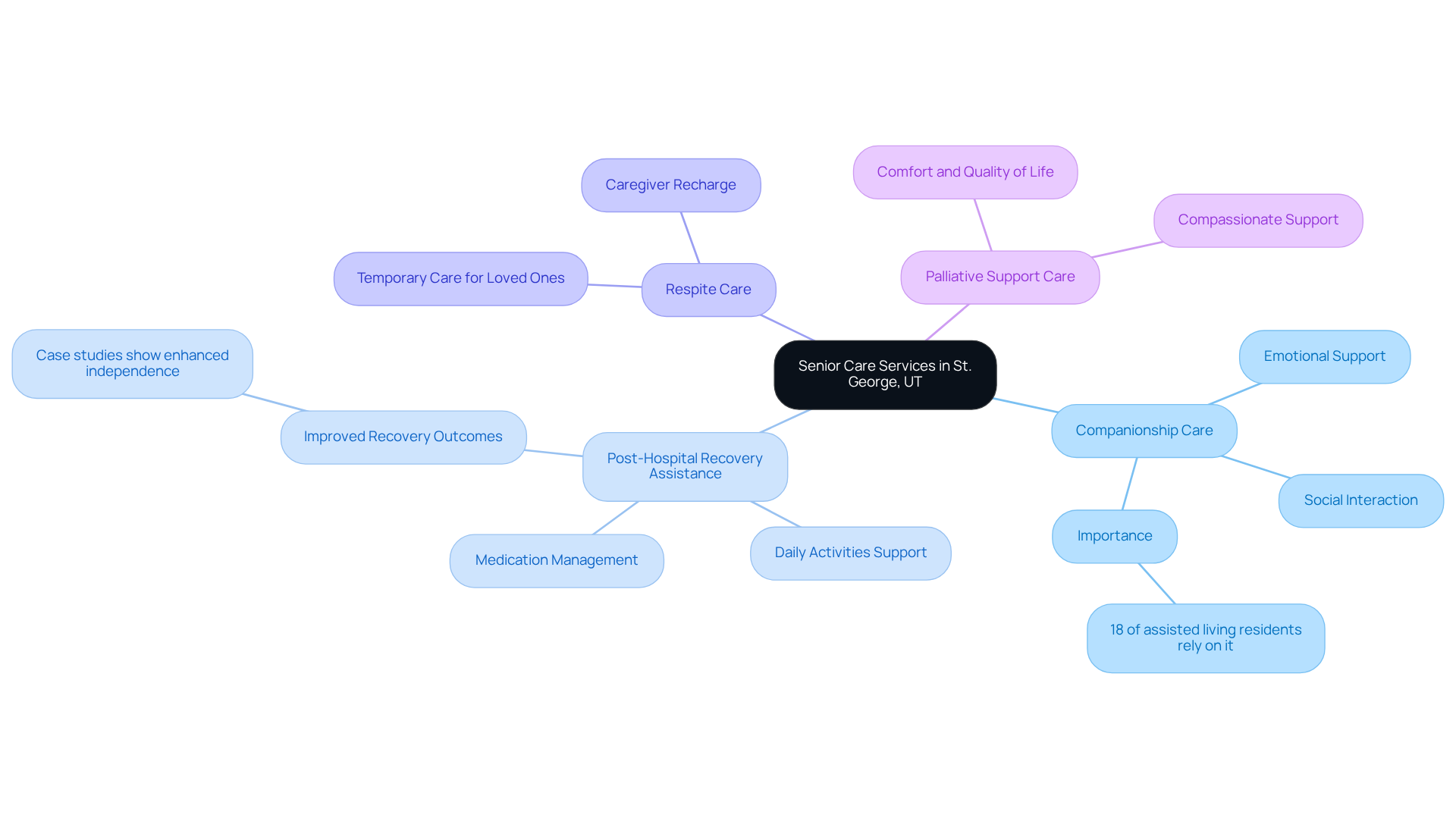
In St. George, UT, families can find a range of senior care St. George UT options designed to meet personal needs. These services are not just practical; they also address the emotional challenges that many caregivers face.
-
Companionship Care is a vital offering. It focuses on providing emotional support and social interaction, which can greatly alleviate feelings of loneliness and isolation among seniors. Studies indicate that about 18% of assisted living residents rely on companionship care, underscoring its importance in enhancing mental well-being.
-
For those recovering from surgery or illness, Post-Hospital Recovery Assistance is tailored to ensure a safe transition home. Caregivers help with daily activities and medication management, making recovery smoother and more effective. Successful case studies reveal how this service has significantly improved recovery outcomes for many elderly clients, allowing them to regain their independence more swiftly. Always Best Care's caregivers exemplify this commitment, providing expert support that enhances recovery experiences.
-
Respite Care offers a much-needed break for caregivers. This temporary care option ensures that loved ones receive high-quality support while allowing caregivers to recharge without worrying about their safety.
-
Palliative Support Care is another essential service aimed at individuals with serious illnesses. It prioritizes comfort and quality of life, addressing both physical and emotional needs. Clients receive compassionate support tailored to their unique circumstances, ensuring they feel cared for.
By understanding these options, families can make informed decisions about the best support for their loved ones, ultimately enhancing their quality of life at home. The latest developments in senior care St. George UT highlight a growing emphasis on individualized assistance, safety evaluations, and the use of technology to improve communication between families and caregivers. As Bret Lyman, owner of Always Best Care, states, "We assist individuals with specific needs in maintaining a safe, independent, and dignified lifestyle through in-home support, community referral options for older adults, and specialized assistance." This commitment to care is what makes all the difference.
Identify Key Considerations for Choosing Senior Care
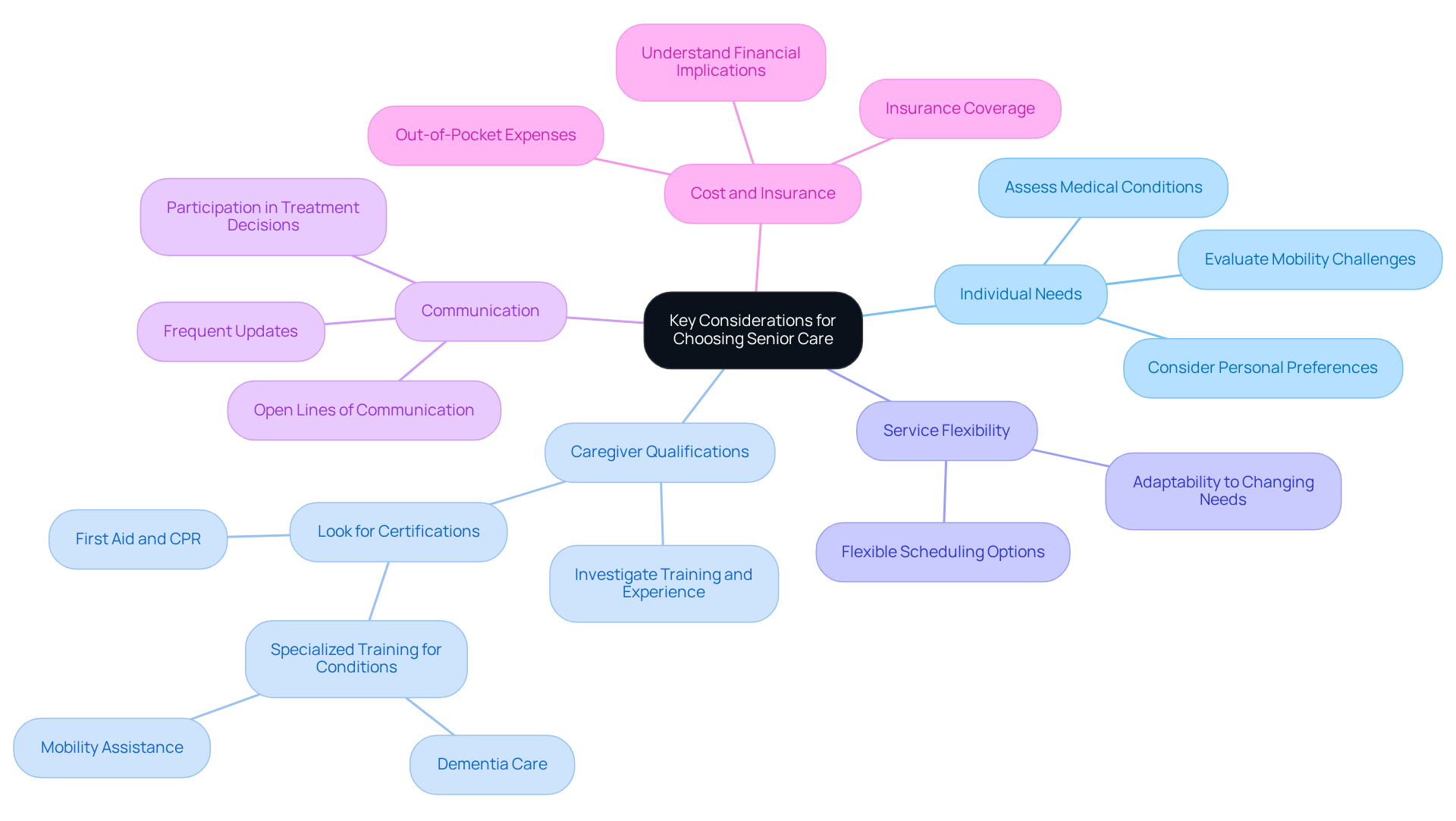
When selecting senior care st george ut services, families often encounter emotional challenges that can feel overwhelming. It’s essential to evaluate several key factors to ensure they meet the unique needs of your loved ones:
- Individual Needs: Start by assessing the specific requirements of the senior. Consider their medical conditions, mobility challenges, and personal preferences. Understanding these factors is vital for tailoring support effectively, ensuring your loved one feels valued and cared for.
- Caregiver Qualifications: Take the time to investigate the training and experience of caregivers. Look for qualifications that demonstrate their ability to provide the necessary support, such as certifications in first aid, CPR, and specialized training for conditions like dementia or mobility assistance. Knowing your loved one is in capable hands can bring peace of mind.
- Service Flexibility: Choose services that offer flexible scheduling and can adapt to changing needs over time. This adaptability is crucial as seniors' needs may evolve, requiring modifications in support plans. It’s comforting to know that as circumstances change, the care can adjust accordingly.
- Communication: Ensure that the provider maintains open lines of communication with family members. Frequent updates and participation in treatment decisions promote a collaborative approach, enhancing the overall experience. Feeling connected and informed can alleviate stress for families.
- Cost and Insurance: Understand the financial implications of care provisions. Familiarize yourself with what services are covered by insurance and any potential out-of-pocket expenses. This knowledge is essential for planning and budgeting effectively, allowing families to focus on what truly matters—the well-being of their loved ones.
By thoughtfully evaluating these considerations, families can make informed choices about senior care in St. George, UT, that align with their loved ones' needs and preferences, ultimately enhancing their quality of life. It’s significant to note that approximately 12 million individuals in the U.S. currently receive home assistance, reflecting the extensive demand for supportive services. Furthermore, the number of individuals needing assisted living support is anticipated to surpass two million by 2040, underscoring the importance of these assessment factors. Social isolation is also a notable issue, with one in four older adults living in the community in the U.S. experiencing it. This highlights the significance of emotional support and social interaction in the assistance process. Expert insights, like those from Meghan Anaya regarding the financial difficulties of affording assisted living, can provide valuable perspectives on the implications of support services. Lastly, case studies like "Reasons for Choosing Assisted Living" illustrate the practical application of these considerations, making the content more relatable and reassuring for families navigating this journey.
Implement Effective Strategies for Transitioning to In-Home Care
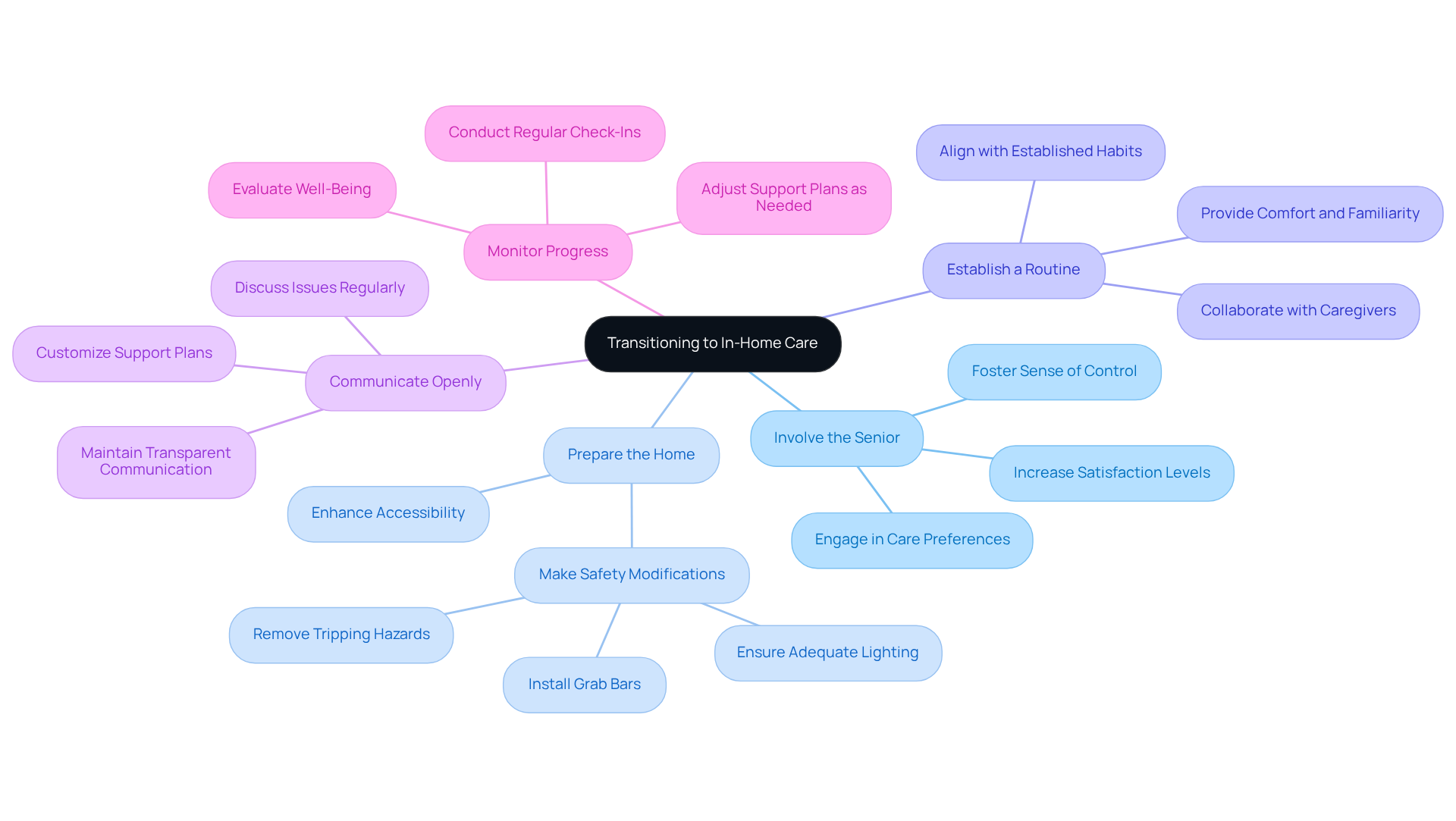
To facilitate a seamless transition to in-home care, families can adopt several effective strategies:
-
Involve the Senior: Engage seniors in discussions about their care preferences. This involvement fosters a sense of control and ownership over their treatment decisions, which is vital for their emotional well-being. Research shows that when older adults participate in their care choices, their satisfaction levels rise significantly, leading to better health outcomes.
-
Prepare the Home: Make essential modifications to the living space to enhance safety and accessibility. This includes removing tripping hazards, installing grab bars, and ensuring adequate lighting to prevent falls and promote independence. Case studies indicate that such modifications can reduce fall risks and improve the quality of life for older adults.
-
Establish a Routine: Collaborate with caregivers to develop a daily routine that aligns with the individual's established habits and preferences. A consistent schedule can provide comfort and familiarity, easing the adjustment period. Experts suggest that maintaining a routine can greatly improve emotional stability during transitions.
-
Communicate Openly: Keep communication transparent with caregivers and family members. Frequent conversations about any issues or necessary modifications can help customize the support plan to better address the individual's evolving needs. Effective communication is essential for ensuring that those receiving assistance feel heard and valued.
-
Monitor Progress: Conduct regular check-ins to evaluate the elder's well-being and satisfaction with the assistance provided. This continuous assessment allows for prompt modifications to the support plan, ensuring that the elderly individual feels secure and supported in their home environment. Research indicates that regular monitoring can lead to improved health outcomes and fewer hospitalizations.
By applying these strategies, families not only simplify the transition but also enhance the overall contentment of elderly individuals receiving in-home assistance.
Maintain Communication and Support for Continuous Care
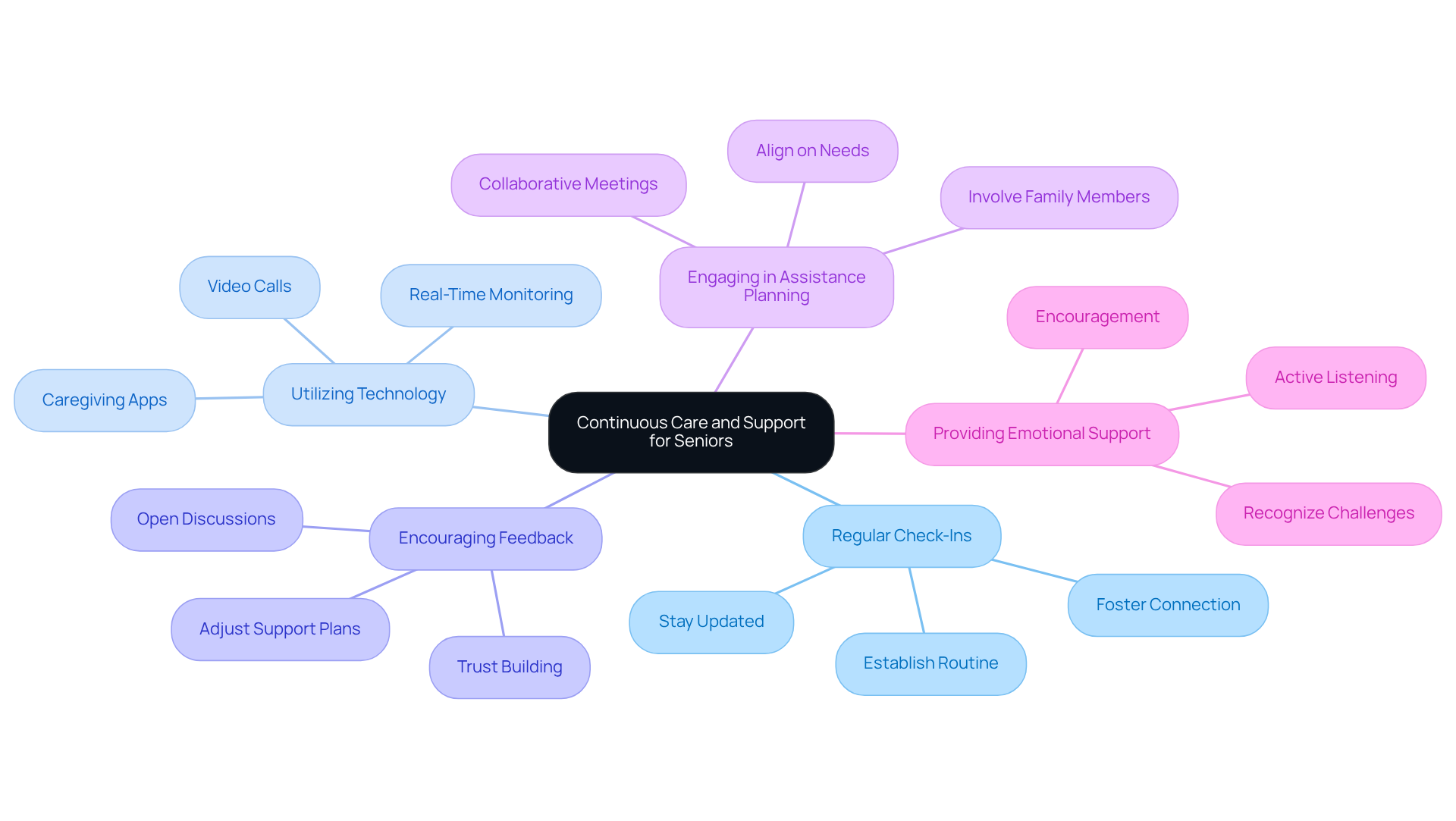
To ensure continuous care and support for seniors, families should:
-
Schedule Regular Check-Ins: Establish a routine for family members to check in with both the senior and caregivers. This fosters a sense of connection and oversight. Consistent communication helps families stay updated on the elder's well-being and support requirements.
-
Utilize Technology: Leverage technology, like video calls and caregiving apps, to stay connected and informed about the elder's care. With 75% of Americans aged 65 and older now using the internet, video calling platforms have become crucial for maintaining relationships and alleviating feelings of isolation among older adults. Seniors who regularly use video calling apps report better emotional well-being and improved relationships with family members. These tools enable caregivers to visually monitor elderly individuals, ensuring their safety without frequent in-person visits.
-
Encourage Feedback: Create a setting where older adults feel at ease expressing their thoughts and emotions regarding their support. Open discussions cultivate trust and allow older adults to share their concerns and preferences, leading to necessary adjustments in their support plans.
-
Engage in Assistance Planning: Include family members in assistance planning meetings to ensure everyone is aligned on the elder's needs and preferences. This collaborative approach enhances the quality of care and ensures that all parties are informed and engaged.
-
Provide Emotional Support: Offer emotional support to both the elderly individual and caregivers. Recognizing the challenges they may face and providing encouragement is essential. Active listening and maintaining eye contact can significantly enhance interactions, making elderly individuals feel valued and understood.
By keeping open channels of communication and support, families can improve the quality of assistance and ensure that their loved ones flourish in their home environment. The integration of technology not only facilitates better communication but also enriches the caregiving experience. It allows for real-time updates and shared health data that can lead to improved outcomes. As noted by the American Medical Association, remote health monitoring positively impacts senior care outcomes, further emphasizing the importance of effective communication in caregiving.
Taking the Next Steps
Navigating the landscape of senior care in St. George, UT, can be a challenging journey. It requires thoughtful consideration and a clear understanding of the various options available. This guide emphasizes the importance of choosing the right services that not only address the physical needs of seniors but also nurture their emotional well-being. By focusing on individualized support and the significance of communication, families can ensure their loved ones receive the highest quality of care in a familiar environment.
The article outlines essential types of senior care services, such as:
- companionship care
- post-hospital recovery assistance
- respite care
- palliative support care
Each service plays a critical role in enhancing the quality of life for seniors. Key considerations for selecting these services—such as individual needs, caregiver qualifications, and service flexibility—are crucial for making informed decisions. Implementing effective strategies for transitioning to in-home care, such as involving seniors in decision-making and establishing a routine, can significantly ease the adjustment process for both the elderly and their families.
Ultimately, the journey of selecting and maintaining senior care requires ongoing communication, support, and adaptability. By leveraging technology and fostering open dialogue, families can create a nurturing environment that promotes the well-being of their loved ones. As the demand for senior care services continues to grow, it is essential for families to remain proactive and engaged in this process, ensuring that their elderly relatives not only receive care but truly thrive in their golden years.
https://iframe.tely.ai/cta/eyJhcnRpY2xlX2lkIjogIjY4ZjgxZWNmNjFhYzNiMWM5NTkxZGViMCIsICJjb21wYW55X2lkIjogIjY4ZWU1ZGNhNzMxNzYyNTU3ZjNjOTVjMSIsICJpbmRleCI6IG51bGwsICJ0eXBlIjogImFydGljbGUifQ==Frequently Asked Questions
What types of senior care services are available in St. George, UT?
In St. George, UT, families can find various senior care services, including companionship care, post-hospital recovery assistance, respite care, and palliative support care.
What is companionship care and why is it important?
Companionship care provides emotional support and social interaction to seniors, helping to alleviate feelings of loneliness and isolation. About 18% of assisted living residents rely on this type of care, highlighting its significance in enhancing mental well-being.
How does post-hospital recovery assistance help seniors?
Post-hospital recovery assistance helps seniors transition safely home after surgery or illness. Caregivers assist with daily activities and medication management, improving recovery outcomes and helping clients regain independence more quickly.
What is respite care and who can benefit from it?
Respite care offers temporary relief for caregivers by providing high-quality support for their loved ones. This allows caregivers to take a break and recharge, knowing that their family members are safe and well cared for.
What does palliative support care focus on?
Palliative support care focuses on providing comfort and enhancing the quality of life for individuals with serious illnesses. It addresses both physical and emotional needs with compassionate, tailored support.
How can families make informed decisions about senior care?
By understanding the different types of senior care services available, families can choose the best support options for their loved ones, ultimately improving their quality of life at home.
What recent developments are influencing senior care in St. George, UT?
Recent developments in senior care emphasize individualized assistance, safety evaluations, and the use of technology to enhance communication between families and caregivers.