Protecting Seniors from Scams: Essential Steps for Caregivers

For families in our service areas
For families in our service areas, this guide explains caregiver support and how non-medical in-home caregiving can support care planning in East Idaho, Treasure Valley & Magic Valley, Northern Wasatch, North Central West Virginia, and Northeast Ohio.
Understanding Protecting Seniors from Scams:
The financial landscape for seniors is increasingly perilous, marked by a troubling rise in scams that specifically target this vulnerable demographic. Caregivers face a significant challenge in safeguarding older adults from these deceptive schemes, which can result in devastating financial losses and emotional distress.
As the threat of fraud evolves, caregivers must understand the implications of these scams. The emotional toll on seniors can be profound, leading to feelings of isolation and anxiety. So, how can caregivers effectively arm themselves and their clients against these sophisticated tactics?
This article explores essential strategies and resources that empower caregivers to protect seniors. By implementing these actionable solutions, caregivers can ensure the safety and peace of mind of older adults in a world rife with scams.
Identify Common Scams Targeting Seniors
To effectively safeguard older adults, caregivers must first understand the types of schemes that frequently target this demographic, which is crucial for protecting seniors from scams. The problem is significant: older individuals are often victims of various scams, leading to substantial financial losses. Here are some prevalent scams:
-
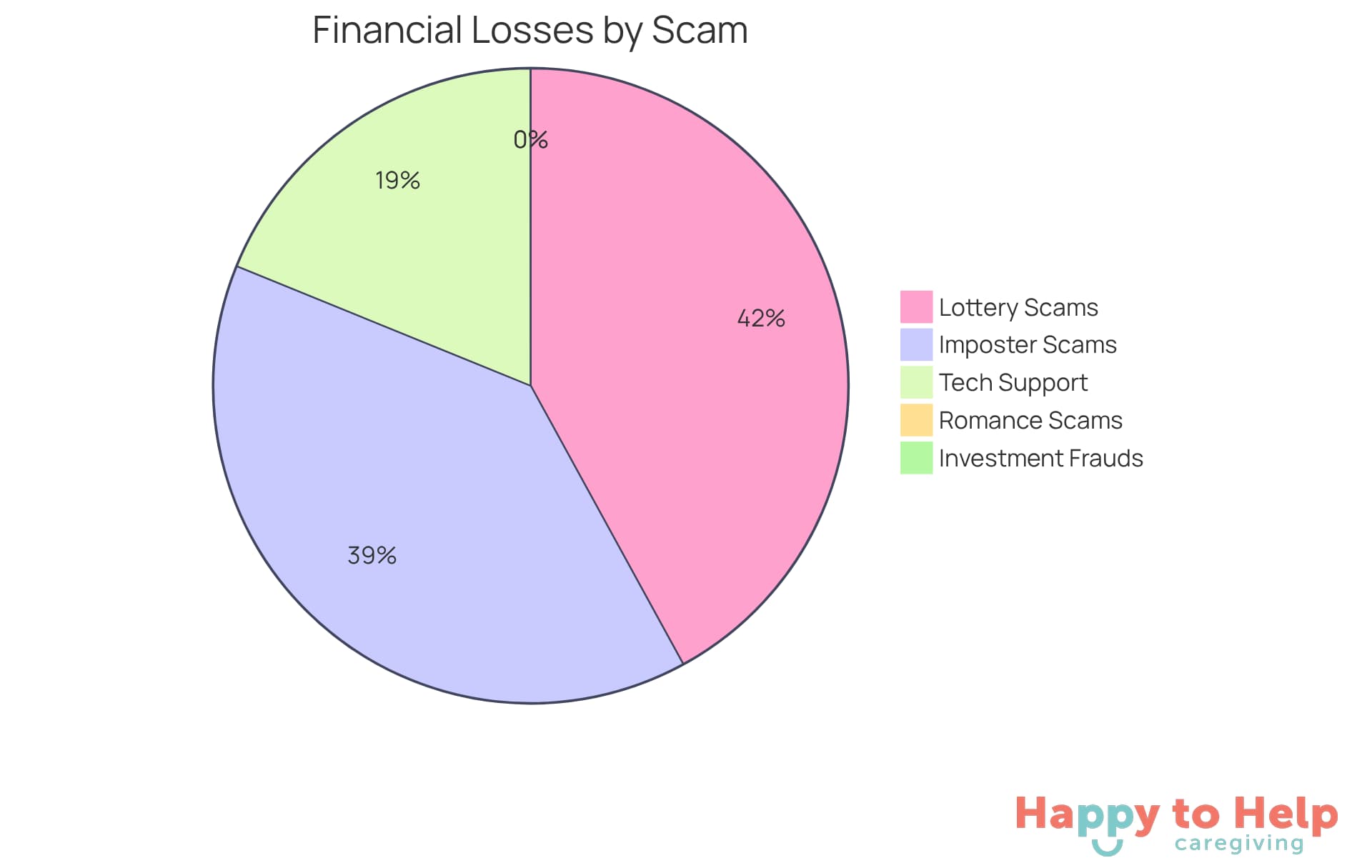
Tech Support Scams: Scammers impersonate tech support representatives, claiming that the victim's computer has a virus and offering to fix it for a fee. In 2023, tech support frauds resulted in $1.3 billion in losses affecting older individuals, impacting nearly 18,000 people aged 60 and over. This highlights the need for vigilance in this area.
-
Lottery and Prize Scams: Victims receive notifications claiming they have won a lottery or prize but must pay fees or taxes upfront to claim their winnings. These schemes exploit the thrill of possible gains, often resulting in significant monetary losses. Scammers cheat seniors out of approximately $2.9 billion annually, emphasizing the scale of the issue.
-
Romance Scams: Scammers build relationships online, often through dating sites, and eventually ask for money under various pretenses. A notable case involved a retired lawyer who lost $468,000 to a fraudulent romance scheme on LinkedIn. The average loss per case for older adults was nearly $34,000, reflecting their financial vulnerability.
-
Imposter Scams: Fraudsters impersonate government officials or family members in distress, urgently requesting money. In 2023, imposter schemes were linked to $2.7 billion in consumer losses, making this type of deception particularly alarming as it exploits the trust and concern seniors hold for their loved ones.
-
Investment Frauds: These schemes promise high returns on investments that are often too good to be true. In 2023, investment fraud resulted in over $404 million in losses for older adults, making it the most expensive form of deception for this age group.
By recognizing these fraudulent schemes, caregivers can better prepare to focus on protecting seniors from scams and shielding their clients from becoming victims. Frequent conversations about these dangers and encouraging older individuals to verify any unexpected proposals can significantly reduce their risk of exploitation.
Implement Protective Measures Against Scams
To effectively safeguard seniors from scams, caregivers can adopt several proactive strategies:
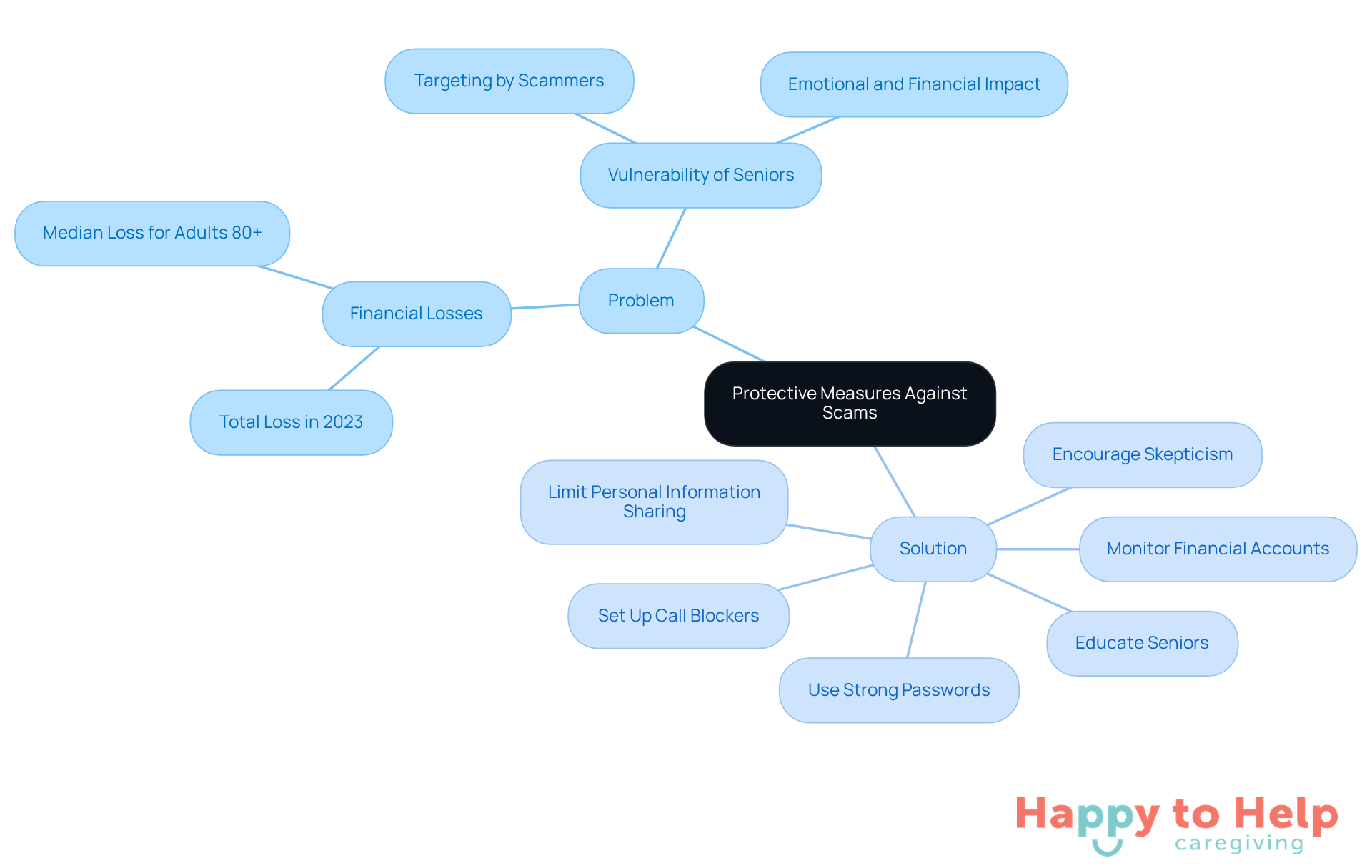
Problem: Seniors are increasingly targeted by scams, leading to significant financial losses. In 2023, older adults lost nearly $3 billion to scams, underscoring the urgent need for protecting seniors from scams.
Agitate: The implications of these scams are severe, with the median loss for adults aged 80 and over reaching approximately $1,450. This highlights the vulnerability of seniors and the critical role caregivers play in protecting seniors from scams.
Solution: Here are several actionable strategies caregivers can implement:
- Educate Seniors: Engage in regular discussions about common fraudulent schemes and how to identify them. Utilize real-life examples to highlight potential risks, fostering a better understanding of the threats they face.
- Set Up Call Blockers: Implement call-blocking technology, which has been shown to significantly reduce unwanted calls from scammers. Research indicates that older adults who use this technology experience a notable decrease in scam-related calls, enhancing their safety.
- Monitor Financial Accounts: Encourage older adults to routinely review their bank and credit card statements for any unauthorized transactions. This practice can help catch potential fraud early, reducing financial losses.
- Use Strong Passwords: Assist elderly individuals in creating strong, unique passwords for their online accounts. Emphasize the importance of keeping these passwords confidential to protect against unauthorized access.
- Limit Personal Information Sharing: Advise older adults to be cautious about disclosing personal information, especially over the phone or online. Remind them that legitimate organizations will not ask for sensitive information in unsolicited communications.
- Encourage Skepticism: Instill a sense of skepticism regarding unsolicited offers. Instruct older adults to confirm the identity of anyone asking for personal information or money, emphasizing that if an offer seems too good to be true, it probably is.
As U.S. Senator Kirsten Gillibrand declared, "It’s evident that we require a coordinated national approach to address the increasingly sophisticated schemes aimed at our elderly population." By adopting these protective measures, caregivers can play a vital role in protecting seniors from scams, ultimately improving their safety and peace of mind.
Educate and Communicate Regularly with Seniors
Effective communication is crucial for protecting seniors from scams and fraud. Caregivers face the challenge of protecting seniors from scams by ensuring that older adults are aware of potential scams and feel comfortable discussing them. With older adults in the U.S. losing an estimated $27 billion annually to financial abuse, the stakes are high.
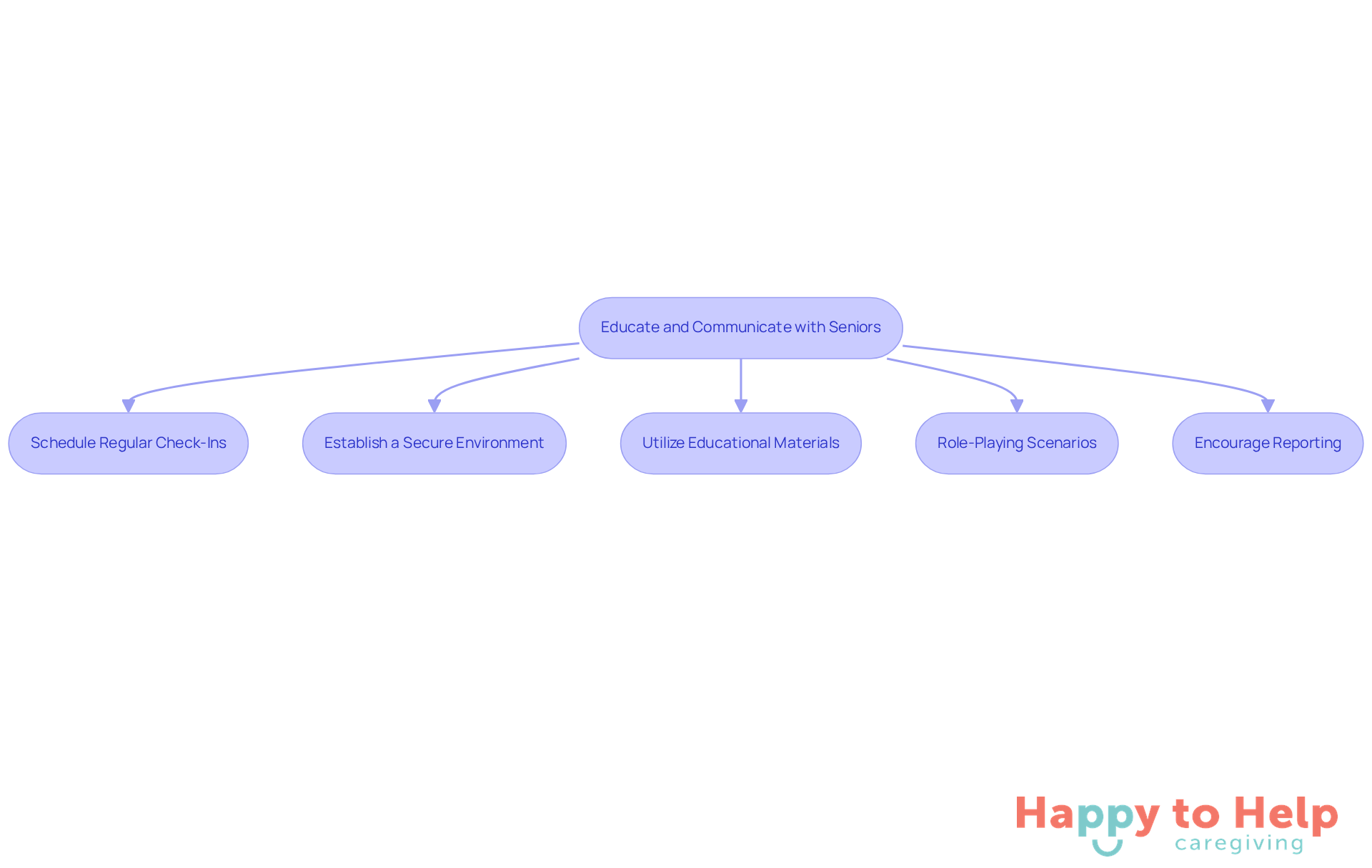
To address this issue, caregivers can take several proactive steps to foster an open dialogue:
-
Schedule Regular Check-Ins: Establish a consistent routine for discussing any suspicious calls or emails that older adults may have encountered. This regularity normalizes conversations about scams and keeps older adults alert. Encourage them to review their account statements for unauthorized transactions, as monitoring financial activity is crucial in preventing exploitation.
-
Establish a Secure Environment for Conversation: Motivate older adults to express their worries without fear of criticism. Assure them that it’s perfectly acceptable to ask questions about anything that seems suspicious, fostering an atmosphere of trust.
-
Utilize Educational Materials: Offer brochures or resources that detail common fraudulent activities and prevention strategies. Visual aids can enhance learning and serve as useful references for older adults.
-
Role-Playing Scenarios: Involve older adults in role-playing activities to rehearse reactions to possible fraudulent situations. This interactive approach can enhance their confidence and preparedness.
-
Encourage Reporting: Urge older adults to report any suspicious activity to caregivers or authorities. Emphasize the importance of verifying the identity of callers before providing any personal information, as recommended by the FTC. Knowing they have support can empower them to take decisive action against potential threats.
By keeping open channels of communication, caregivers can assist older adults in staying informed and alert, thereby playing a crucial role in protecting seniors from scams.
Utilize Resources and Tools for Scam Prevention
Caregivers face a significant challenge in protecting seniors from scams, which is a problem that has far-reaching implications. Reports indicate that scammers have attempted to take over $2 billion from senior Americans, highlighting the urgent need for effective protective measures. To combat this issue, caregivers can utilize a range of resources and tools designed for protecting seniors from scams.
-
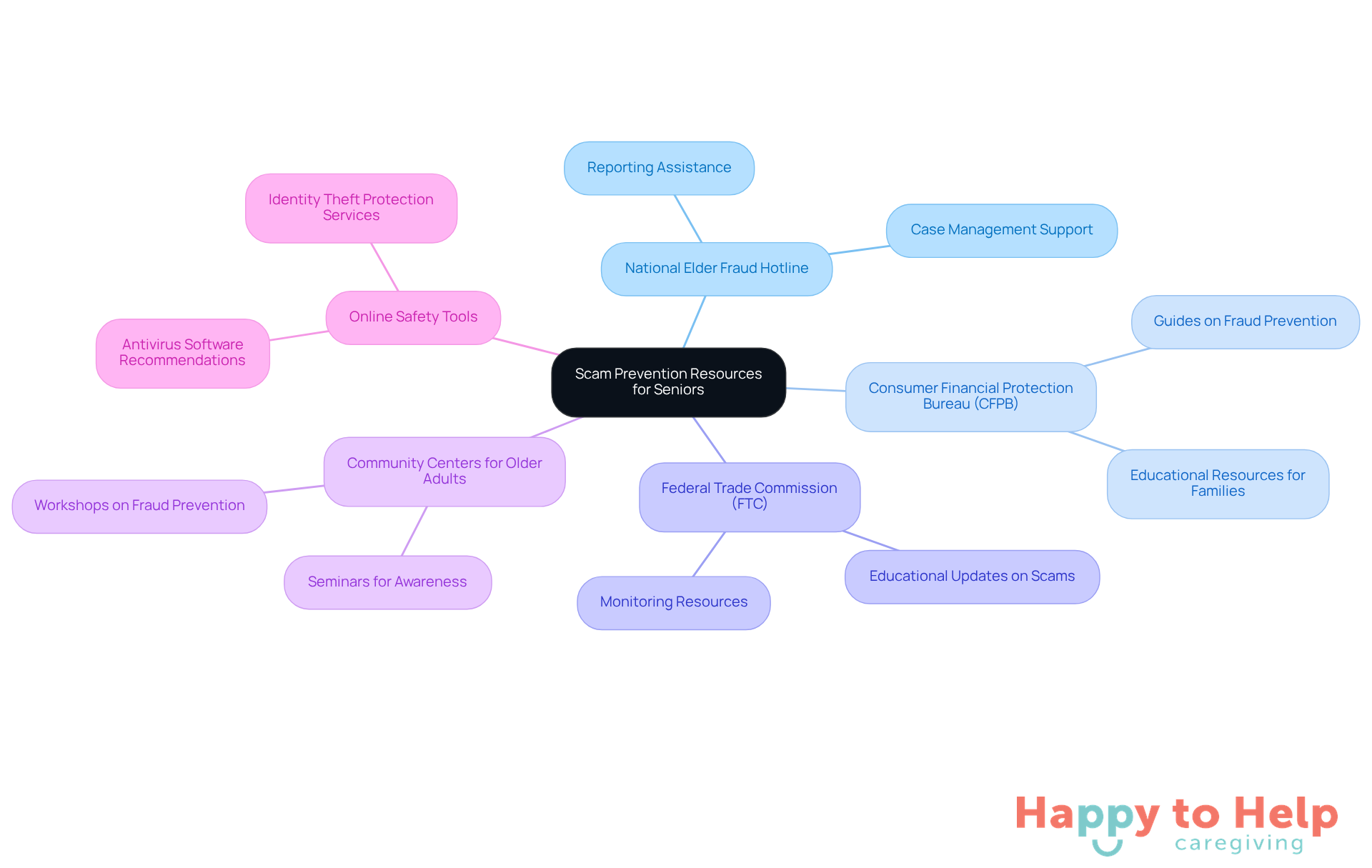
National Elder Fraud Hotline: Encourage seniors to report scams and seek assistance through the National Elder Fraud Hotline at 833-FRAUD-11. This hotline connects victims with case managers who guide them through the reporting process and offer additional support.
-
Consumer Financial Protection Bureau (CFPB): Leverage resources from the CFPB, which offers extensive guides on protecting seniors from scams. These resources help elderly individuals and their families understand potential frauds and precautionary steps, especially given the substantial financial losses documented among mature individuals.
-
Federal Trade Commission (FTC): The FTC offers educational resources and updates on ongoing frauds targeting older adults. Caregivers should frequently monitor their website for the latest information, as 41% of seniors reported that phone calls were the initial contact method for deceitful activities.
-
Community Centers for Older Adults: Many local community centers host workshops and seminars focused on fraud prevention. Encouraging elderly individuals to participate in these educational opportunities can significantly enhance their awareness and ability to identify fraudulent schemes, which is vital for protecting seniors from scams, especially in light of the concerning increase in reports of seniors losing $10,000 or more to such scams.
-
Online Safety Tools: Recommend the use of online safety tools, such as antivirus software and identity theft protection services, to help safeguard personal information. These tools provide an additional layer of security against potential threats, especially as scammers increasingly employ sophisticated methods to exploit vulnerabilities.
By utilizing these resources, caregivers can significantly enhance their ability to protect seniors from scams, thereby ensuring they receive the necessary support and security in their daily lives. The Department of Justice emphasizes the importance of vigilance, as older adults lose billions of dollars every year to elder fraud schemes.
Taking the Next Steps
Protecting seniors from scams is a pressing issue that caregivers must address. Older adults are increasingly targeted by various fraudulent schemes, leading to significant financial losses. This alarming trend not only affects their finances but also their emotional well-being, leaving them vulnerable and fearful. Caregivers play a crucial role in combating this problem by educating themselves and their clients about these scams.
Common scams include:
- Tech support frauds
- Lottery scams
- Romance schemes
- Imposter scams
- Investment frauds
Each year, billions of dollars are lost by older adults due to these deceptive practices. To mitigate these risks, caregivers should foster open communication with seniors, encouraging them to be skeptical of unsolicited offers. Utilizing available resources can also empower caregivers to better protect their clients.
Implementing practical strategies is essential. Caregivers can:
- Set up call blockers to prevent unwanted calls
- Monitor financial accounts for suspicious activity
- Educate seniors about safe online practices
These actions can significantly enhance the security of older adults, allowing them to navigate their golden years with confidence.
Ultimately, the responsibility of safeguarding seniors extends beyond mere awareness. It requires caregivers to create a supportive environment where older adults feel empowered to discuss their concerns and seek assistance. By remaining vigilant and proactive, caregivers can effectively reduce the risk of scams, ensuring that seniors can enjoy their lives free from the fear of financial exploitation.
https://iframe.tely.ai/cta/eyJhcnRpY2xlX2lkIjogIjY5NDBhMjBjNmYzZjk5NzYxYTM2ZTNiYiIsICJjb21wYW55X2lkIjogIjY4ZWU1ZGNhNzMxNzYyNTU3ZjNjOTVjMSIsICJpbmRleCI6IG51bGwsICJ0eXBlIjogImFydGljbGUifQ==Frequently Asked Questions
What are some common scams targeting seniors?
Common scams targeting seniors include tech support scams, lottery and prize scams, romance scams, imposter scams, and investment frauds.
What is a tech support scam?
In a tech support scam, fraudsters impersonate tech support representatives, claiming the victim's computer has a virus and offering to fix it for a fee. In 2023, this type of scam resulted in $1.3 billion in losses for older individuals.
How do lottery and prize scams work?
Lottery and prize scams involve victims receiving notifications that they have won a lottery or prize but must pay fees or taxes upfront to claim their winnings. These scams cheat seniors out of approximately $2.9 billion annually.
What are romance scams?
Romance scams occur when scammers build relationships online, often through dating sites, and eventually ask for money under various pretenses. The average loss per case for older adults was nearly $34,000, with some individuals losing much more.
What are imposter scams?
Imposter scams involve fraudsters impersonating government officials or family members in distress, urgently requesting money. In 2023, these scams were linked to $2.7 billion in consumer losses, exploiting seniors' trust and concern for loved ones.
How do investment frauds target older adults?
Investment frauds promise high returns on investments that are often too good to be true. In 2023, these scams resulted in over $404 million in losses for older adults, making them the most expensive form of deception for this age group.
How can caregivers help protect seniors from scams?
Caregivers can help protect seniors by recognizing common scams, having frequent conversations about these dangers, and encouraging older individuals to verify any unexpected proposals.
List of Sources
- Identify Common Scams Targeting Seniors
- Senior Scam Statistics: 7 Key Facts to Know (https://californiamobility.com/senior-citizen-scams-statistics)
- Scams Targeting Older Adults | FDIC.gov (https://fdic.gov/consumer-resource-center/2025-07/scams-targeting-older-adults)
- Case Studies and News at Integrity Home Office (https://integrityhomeoffice.com/html/case\_studies.php)
- What Are the Top Payment Scams Affecting Older Adults? (https://ncoa.org/article/what-are-the-top-online-scams-targeting-older-adults)
- Elder Fraud, in Focus | Federal Bureau of Investigation (https://fbi.gov/news/stories/elder-fraud-in-focus)
- Implement Protective Measures Against Scams
- Senior Scam Statistics: 7 Key Facts to Know (https://californiamobility.com/senior-citizen-scams-statistics)
- Congress Moves on a National Anti-Scam Strategy to Protect Older Adults - Herb Weiss (https://rinewstoday.com/congress-moves-on-a-national-anti-scam-strategy-to-protect-older-adults-herb-weiss)
- Educate and Communicate Regularly with Seniors
- (https://belleviecare.co.uk/support-advice/60-elderly-care-quotes-to-lift-your-spirits)
- Scams Targeting Older Adults | FDIC.gov (https://fdic.gov/consumer-resource-center/2025-07/scams-targeting-older-adults)
- FTC Data Show a More Than Four-Fold Increase in Reports of Impersonation Scammers Stealing Tens and Even Hundreds of Thousands from Older Adults (https://ftc.gov/news-events/news/press-releases/2025/08/ftc-data-show-more-four-fold-increase-reports-impersonation-scammers-stealing-tens-even-hundreds)
- 10 Inspiring Quotes on Aging and Wisdom for Family Caregivers - Happy To Help (https://happytohelpcaregiving.com/10-inspiring-quotes-on-aging-and-wisdom-for-family-caregivers)
- Utilize Resources and Tools for Scam Prevention
- Department of Justice Releases 2025 Annual Report to Congress on Efforts to Combat Elder Fraud and Abuse (https://justice.gov/opa/pr/department-justice-releases-2025-annual-report-congress-efforts-combat-elder-fraud-and-abuse)
- National Elder Fraud Hotline (https://ovc.ojp.gov/program/stop-elder-fraud/providing-help-restoring-hope)
- Protecting Older Adults from Fraud and Financial Exploitation | Consumer Financial Protection Bureau (https://consumerfinance.gov/consumer-tools/educator-tools/resources-for-older-adults/protecting-against-fraud)
- False alarm, real scam: how scammers are stealing older adults’ life savings (https://ftc.gov/news-events/data-visualizations/data-spotlight/2025/08/false-alarm-real-scam-how-scammers-are-stealing-older-adults-life-savings)