Stay in Caregiver: 4 Steps to Thrive and Prevent Burnout

For families in our service areas
For families in our service areas, this guide explains caregiver support and how non-medical in-home caregiving can support care planning in East Idaho, Treasure Valley & Magic Valley, Northern Wasatch, North Central West Virginia, and Northeast Ohio.
Understanding Stay
Navigating the role of a family caregiver often feels like walking a tightrope. Caregivers must balance the need to provide support with the desire to maintain dignity and independence for their loved ones. This complex dynamic frequently leads to stress and overwhelm, raising an important question: how can caregivers thrive without sacrificing their own well-being?
The implications of this struggle are significant. Caregivers may find themselves exhausted, both physically and emotionally, which can impact their ability to provide effective care. However, there are practical strategies that can help. By embracing self-care, building a support network, and establishing structured routines, caregivers can manage their responsibilities while fostering a healthier caregiving environment.
This guide outlines essential steps to help caregivers flourish and prevent burnout. With the right tools and support, both caregivers and their loved ones can thrive.
Understand Your Role as a Family Caregiver
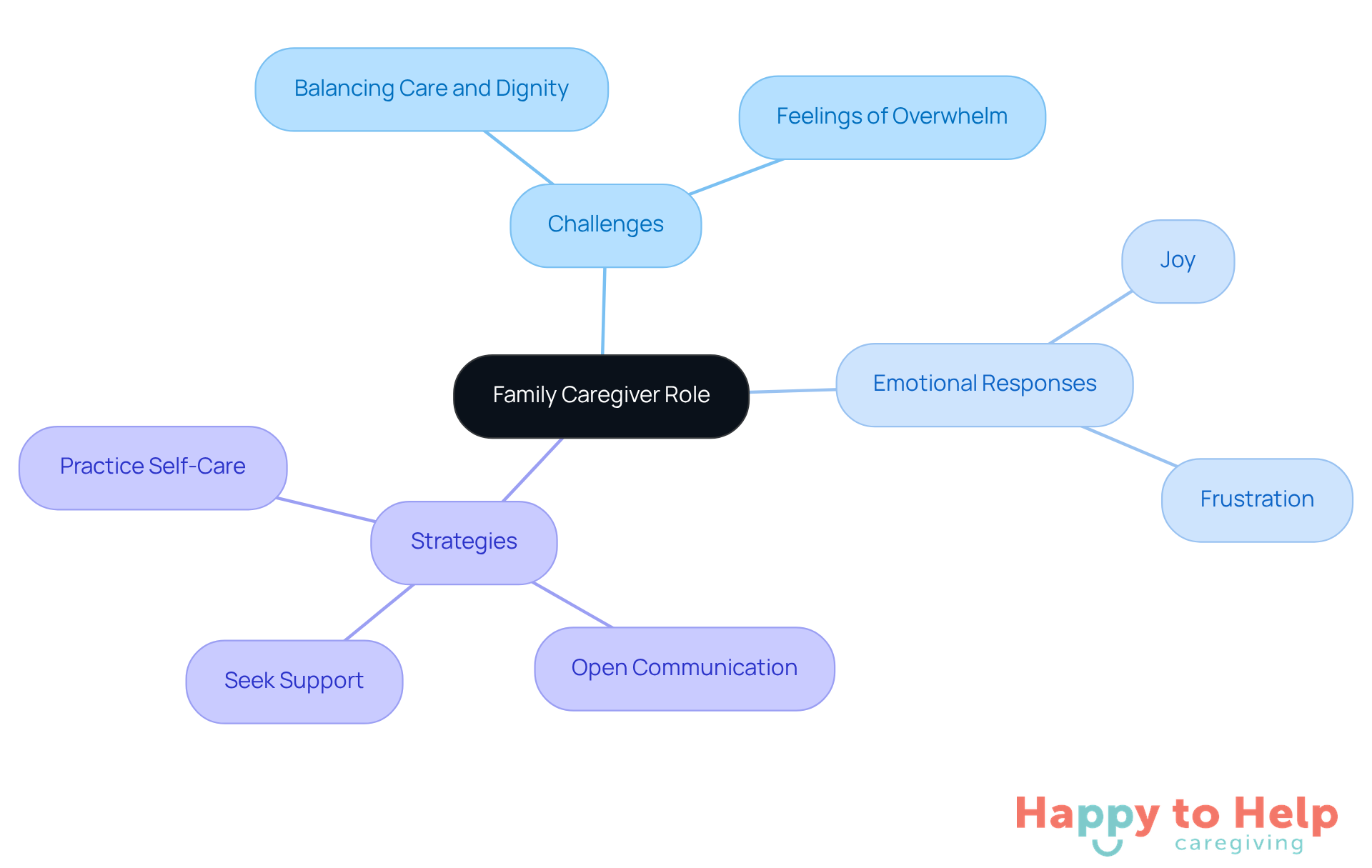
As a family caregiver, you face significant challenges while trying to stay in caregiver mode and offer help and assistance to your loved one. The primary problem is balancing the need to provide care with the desire to preserve their dignity and independence. This can lead to feelings of frustration and overwhelm, especially when the demands of caregiving become too much to handle.
Recognizing these challenges is crucial. Being a stay in caregiver can be rewarding yet taxing, and it's normal to experience a wide range of emotions - from joy to frustration. Acknowledging your feelings is the first step in managing them effectively. Setting clear boundaries and understanding your limits can help you navigate your responsibilities without feeling overwhelmed.
To tackle these issues, start by assessing the specific needs of the person you are caring for. This may include physical assistance, emotional support, and companionship. Consider creating a list of tasks you are comfortable handling and those you may need help with. This will give you a clear picture of your caregiving role and help you prioritize your responsibilities.
Here are some actionable tips to enhance your caregiving experience:
- Communicate openly with your loved one about their needs and your capabilities.
- Seek support from other family members or professional services when necessary.
- Practice self-care to maintain your own well-being, which is essential for effective caregiving.
By implementing these strategies, you can stay in caregiver mode while ensuring a more balanced caregiving experience that respects both your needs and those of your loved one.
Implement Self-Care Strategies to Prevent Burnout
To effectively prevent burnout, those who stay in caregiver roles must prioritize their own well-being. The problem is that many caregivers who stay in caregiver roles neglect their needs, leading to increased stress and decreased effectiveness in their roles. Research shows that over half of those who stay in caregiver roles experience severe stress, which can significantly impact their mental health and the quality of care they provide.
To combat this, creating a self-care routine is vital. This should include:
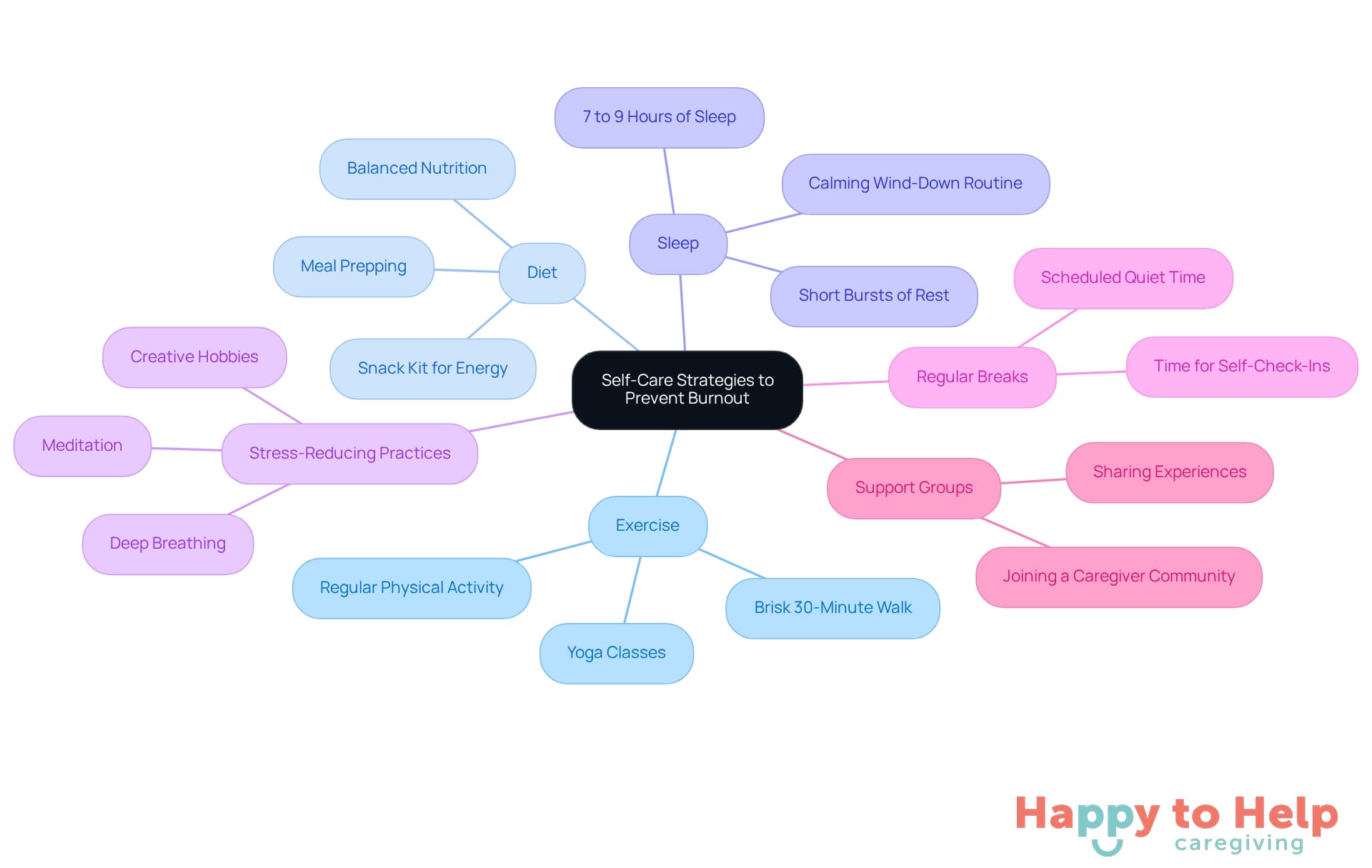
- Regular exercise
- A balanced diet
- Sufficient sleep
Engaging in stress-reducing practices such as meditation, yoga, or pursuing hobbies can enhance mental health. For instance, even brief episodes of physical activity, like a vigorous 30-minute walk, can improve mood and lower stress levels. Upholding a nutritious diet is also essential for preserving energy and mental clarity, helping caregivers manage their responsibilities more efficiently.
Another effective solution is to schedule regular breaks throughout the day. Even a few minutes of quiet time can allow caregivers to recharge. Intentionally blocking time on your calendar for self-check-ins can help reduce stress and restore focus. Joining a supportive group can also be beneficial, providing a space to share experiences and gain insights from others facing similar challenges.
Remember, as a stay in caregiver, prioritizing self-care is not an act of selfishness; it empowers you to provide better care for your loved one. By taking these steps, caregivers can foster a healthier caregiving environment.
Establish a Support Network and Open Communication
Creating a strong assistance network is crucial for those who stay in caregiver roles to efficiently handle the challenges of caregiving. Those who stay in caregiver positions often face overwhelming feelings of isolation and fatigue, which can significantly impact their well-being. In fact, there are around 63 million individuals in the U.S. caring for family members with an illness or disability, highlighting the widespread nature of this issue.
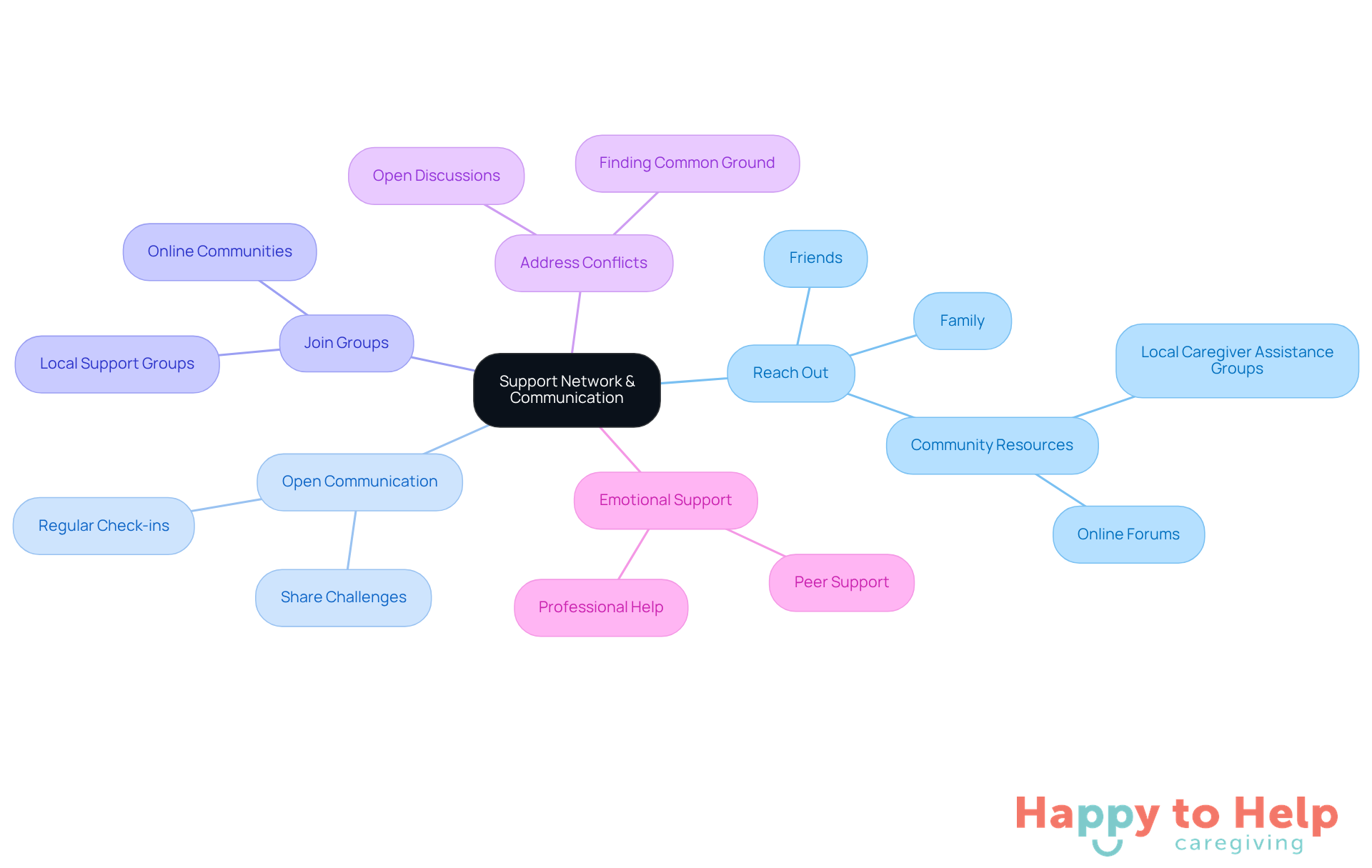
To combat these feelings, begin by reaching out to family members, friends, and community resources that can provide assistance. Open communication is vital; share your caregiving challenges and specific needs with those around you. Regular check-ins with your assistance network can facilitate updates and advice sharing, fostering a sense of community.
Consider joining local caregiver assistance groups or online forums to connect with others who understand your journey. These networks not only provide emotional support and practical guidance but can also offer respite care options for individuals who stay in caregiver positions, allowing you to take necessary breaks and recharge. Remember, you are not alone in this; support is available.
Be prepared for possible conflicts that may arise within your network. Address these situations with open communication to discover common ground. As Christine Bracey, MSW, LSW, noted, "Caregivers often don’t realize how tired they are until they’re overwhelmed. That’s why reaching out for support early can make such a powerful difference." Taking proactive steps to build your support network can significantly alleviate the burdens of caregiving.
Create a Structured Daily Routine for Caregiving
Creating a structured daily routine is essential to help caregivers stay in caregiver roles and enhance the caregiving experience. Those who stay in caregiver positions often struggle with maintaining this daily structure, which can significantly impact their well-being and that of the care recipient. Without a clear routine, individuals who stay in caregiver positions may feel overwhelmed, leading to increased stress and anxiety.
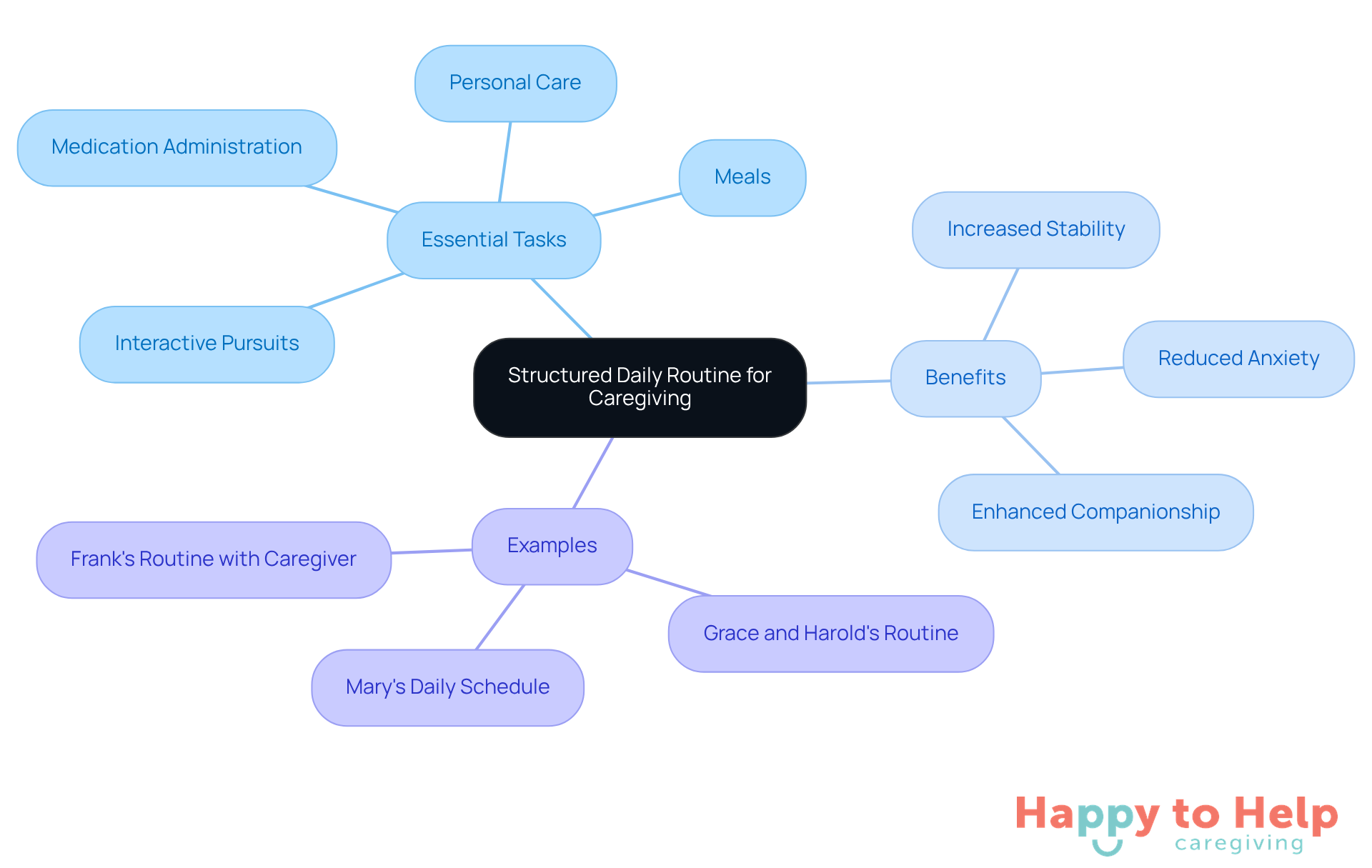
To address this challenge, begin by detailing the essential tasks that need to be completed each day, such as:
- Meals
- Medication administration
- Personal care
- Interactive pursuits
Utilize a planner or digital calendar to effectively schedule these tasks, ensuring that you allocate time for both caregiving responsibilities and personal breaks. Involving your loved one in this planning process is vital; it allows them to express their preferences and engage in activities they enjoy, fostering a sense of autonomy and emotional connection.
Research indicates that a consistent routine not only aids in time management but also helps individuals stay in caregiver roles by instilling a sense of stability and predictability, benefiting both caregivers and care recipients. For instance, Grace and Harold, a couple in their 80s, have established a shared daily routine that includes meals and quiet time together. This approach helps reduce feelings of confusion and enhances their companionship.
By implementing a structured routine, those who stay in caregiver positions can significantly reduce anxiety and stress, creating a more harmonious caregiving environment.
Making the Right Choice
Being a family caregiver presents a significant challenge, often leading to feelings of burnout and overwhelm. This multifaceted role demands both emotional and physical investment, making it crucial for caregivers to recognize the importance of self-care and support. Without these, the journey can become daunting, impacting not only the caregiver's well-being but also the quality of care provided to their loved ones.
To combat these challenges, caregivers must take proactive steps. Establishing a support network is essential; connecting with others who understand the journey can provide much-needed encouragement and advice. Additionally, creating a structured daily routine helps manage responsibilities and reduces stress. By prioritizing personal well-being alongside caregiving duties, caregivers can foster a healthier environment for themselves and those they care for.
Throughout this guide, we've highlighted key strategies to empower caregivers. From assessing the specific needs of the care recipient to practicing self-care and seeking support, these actionable steps are designed to enhance the caregiving experience. Open communication and a structured routine are vital, as they significantly improve both the caregiver's and the care recipient's quality of life.
Ultimately, the path of a family caregiver is filled with both challenges and opportunities for growth. By prioritizing self-care and building a robust support system, caregivers can prevent burnout and enrich their caregiving journey. Embracing these steps is not just a choice; it’s a commitment to fostering resilience and compassion in caregiving.
https://iframe.tely.ai/cta/eyJhcnRpY2xlX2lkIjogIjY5MjEwYWIxZGI0NWVjMjkzNDBlODEyNyIsICJjb21wYW55X2lkIjogIjY4ZWU1ZGNhNzMxNzYyNTU3ZjNjOTVjMSIsICJpbmRleCI6IG51bGwsICJ0eXBlIjogImFydGljbGUifQ==Frequently Asked Questions
What are the main challenges faced by family caregivers?
Family caregivers often struggle to balance the need to provide care with the desire to preserve their loved one's dignity and independence, which can lead to feelings of frustration and overwhelm.
How can caregivers manage their emotions effectively?
Acknowledging feelings is crucial for managing them effectively. Caregivers should recognize that experiencing a range of emotions, from joy to frustration, is normal.
What steps can caregivers take to avoid feeling overwhelmed?
Caregivers can set clear boundaries, understand their limits, and assess the specific needs of the person they are caring for to navigate their responsibilities more effectively.
How can caregivers assess the needs of the person they are caring for?
Caregivers should evaluate the individual's needs, which may include physical assistance, emotional support, and companionship. Creating a list of tasks they are comfortable handling and those they need help with can provide clarity.
What strategies can enhance the caregiving experience?
Caregivers can enhance their experience by communicating openly with their loved one about needs and capabilities, seeking support from family members or professionals, and practicing self-care to maintain their own well-being.
List of Sources
- Understand Your Role as a Family Caregiver
- She cares for her aging parents full time. That requires taking care of herself, too (https://npr.org/2025/11/20/nx-s1-5522341/unpaid-caregivers-elderly-support)
- Number of full-time workers who are juggling caregiving responsibilities has increased by double digits, even as more women leave the workforce (https://prnewswire.com/news-releases/number-of-full-time-workers-who-are-juggling-caregiving-responsibilities-has-increased-by-double-digits-even-as-more-women-leave-the-workforce-302619200.html)
- As Family Caregiving Grows, So Does the Need for Reform - Medicare Rights Center (https://medicarerights.org/medicare-watch/2025/08/14/as-family-caregiving-grows-so-does-the-need-for-reform)
- Family Caregivers: You Deserve Support, and Here’s Where to Find It | Shore Medical Center (https://shoremedicalcenter.org/news/family-caregivers-you-deserve-support-and-here-s-where-find-it)
- New Report Reveals Crisis Point for America’s 63 million Family Caregivers (https://press.aarp.org/2025-07-24-New-Report-Reveals-Crisis-Point-for-Americas-63-million-Family-Caregivers)
- Implement Self-Care Strategies to Prevent Burnout
- Self-Care for Caregivers - Charter Research (https://charterresearch.com/news/self-care-for-caregivers)
- Finding Balance: 15 Self Care Tips for Family Caregivers - Care Options for Kids (https://careoptionsforkids.com/blog/finding-balance-self-care-tips-for-family-caregivers)
- 5 Self-Care Tips for Caregivers | United Way Worldwide (https://unitedway.org/news/5-self-care-tips-for-caregivers)
- Facebook (https://newsroom.clevelandclinic.org/2025/11/19/importance-of-self-care-for-family-caregivers)
- New program reduces burnout in dementia caregivers, novel research evaluation proves (https://publichealth.gmu.edu/news/2025-10/new-program-reduces-burnout-dementia-caregivers-novel-research-evaluation-proves)
- Establish a Support Network and Open Communication
- Family Caregivers: You Deserve Support, and Here’s Where to Find It | Shore Medical Center (https://shoremedicalcenter.org/news/family-caregivers-you-deserve-support-and-here-s-where-find-it)
- Caregiving connects us, community strengthens us - VA News (https://news.va.gov/143323/caregiving-connects-us-community-strengthens-us)
- Building a lifeline for family caregivers across the US (https://news.mit.edu/2025/ianacare-builds-lifeline-for-family-caregivers-across-us-0811)
- Asking for Help as a Caregiver: Building a Support Network (https://caregiveraction.org/asking-for-help-as-caregiver)
- The Importance of Community for Caregivers: Building Your Support Network (https://momsinmotion.net/the-importance-of-community-for-caregivers-building-your-support-network)
- Create a Structured Daily Routine for Caregiving
- How Caregivers Support Daily Structure and Routine - Legacy Homecare LA (https://legacyhomecarela.com/2024/02/03/how-caregivers-support-daily-structure-and-routine)
- The Power of Routine: Helping Seniors Thrive | Amada Blog (https://amadaseniorcare.com/2025/07/the-power-of-routine-helping-seniors-thrive)
- D-CARE study finds caregiver satisfaction higher with dementia care programs than usual care (https://uclahealth.org/news/release/d-care-study-finds-caregiver-satisfaction-higher-with)
- Caregiver Statistics: Demographics (https://caregiver.org/resource/caregiver-statistics-demographics)