
Steps to Navigate In Home Care for at a Glance
Navigating in-home care for disabled adults can feel overwhelming. Caregivers often face emotional challenges, from stress to burnout, as they strive to meet the unique needs of their loved ones. It’s essential to understand these feelings and know that support is available.
Exploring the various services and resources can provide a sense of relief. Conducting needs assessments and consulting healthcare professionals are crucial steps in this journey. Evaluating costs and funding options can also help in creating a personalized care plan that truly enhances the well-being and independence of disabled adults.
Remember, you’re not alone in this. Many have walked this path and found compassionate care that makes a difference. Personal stories from caregivers highlight the profound impact of tailored support, reminding us that with careful planning and evaluation, we can foster a nurturing environment for those we care for.
Take a moment to reflect on the journey ahead. With the right resources and a caring approach, you can create a supportive atmosphere that prioritizes the needs of disabled adults while also caring for yourself. Together, we can navigate this path with compassion and understanding.
Understanding Steps to Navigate In Home Care for
Navigating the complexities of in-home care for disabled adults can feel overwhelming and uncertain for families. It’s a journey filled with emotional challenges, and understanding the specific needs of these individuals is crucial. This understanding lays the foundation for tailored support that truly enhances their quality of life.
With so many services available and various funding options to consider, families often wonder: how can they make the right choices that reflect the needs and preferences of their loved ones? It’s a daunting task, but you’re not alone in this. Many caregivers share similar feelings of stress and burnout, and it’s important to acknowledge that.
This guide offers a comprehensive roadmap to help you navigate the essential steps required to secure compassionate and personalized in-home care. Together, we can explore the emotional and practical support available, ensuring that you feel empowered and informed every step of the way. Remember, the goal is to create a nurturing environment that prioritizes the well-being of your loved ones.
Understand the Unique Needs of Disabled Adults
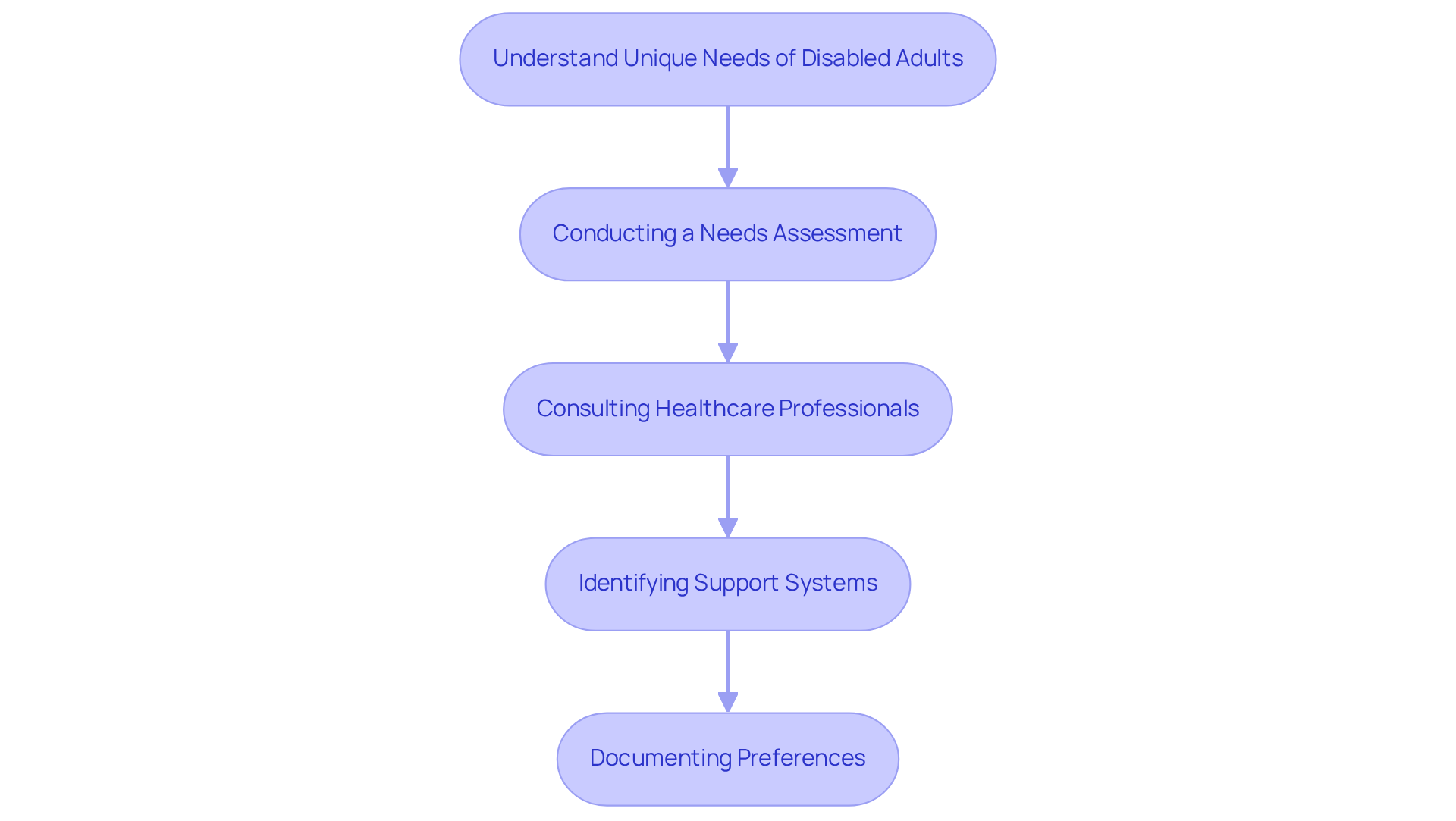
Navigating in home care for disabled adults can feel overwhelming, but taking the first step is crucial. It all begins with understanding their unique needs. Here’s how you can approach this important task:
-
Conducting a Needs Assessment: Start by having heartfelt conversations with the disabled adult. Listen to their daily routines, preferences, and the specific challenges they face. It’s essential to consider their physical, emotional, and social needs.
-
Consulting Healthcare Professionals: Don’t hesitate to involve doctors, therapists, or social workers. Their insights into the medical and therapeutic needs of the individual can be invaluable. This collaboration helps ensure a well-rounded understanding of the support required.
-
Identifying Support Systems: Take a moment to recognize the existing support systems around them. Family members, friends, and community resources can play a significant role in caregiving. By acknowledging these resources, you can create a comprehensive support plan that truly utilizes what’s available.
-
Documenting Preferences: Keep a record of the individual’s likes, dislikes, and routines. This documentation will be a treasure when crafting a personalized support plan that honors their autonomy and preferences.
The importance of these evaluations cannot be overstated. Almost 30% of disabled adults require individualized support plans tailored to their specific needs in home care for disabled adults. Involving healthcare experts in this journey is essential; they can guide families through the complexities of planning for care. As Kerry Kuluski wisely noted, "Attention to non-medical factors including culture, personal goals and expectations, can also offer insight into preferences for support and levels of engagement."
Thorough evaluations lead to better outcomes and enhance the overall well-being of those receiving assistance. Remember, continuous dialogue among all involved is key for timely decision-making, ensuring that support plans remain relevant and adaptable to the individual’s changing needs. You’re not alone in this journey; compassionate care is within reach.
Explore Available In-Home Care Services
Once you’ve identified the unique needs of your loved one, it’s time to explore the various in-home care services available to provide the support they deserve:
-
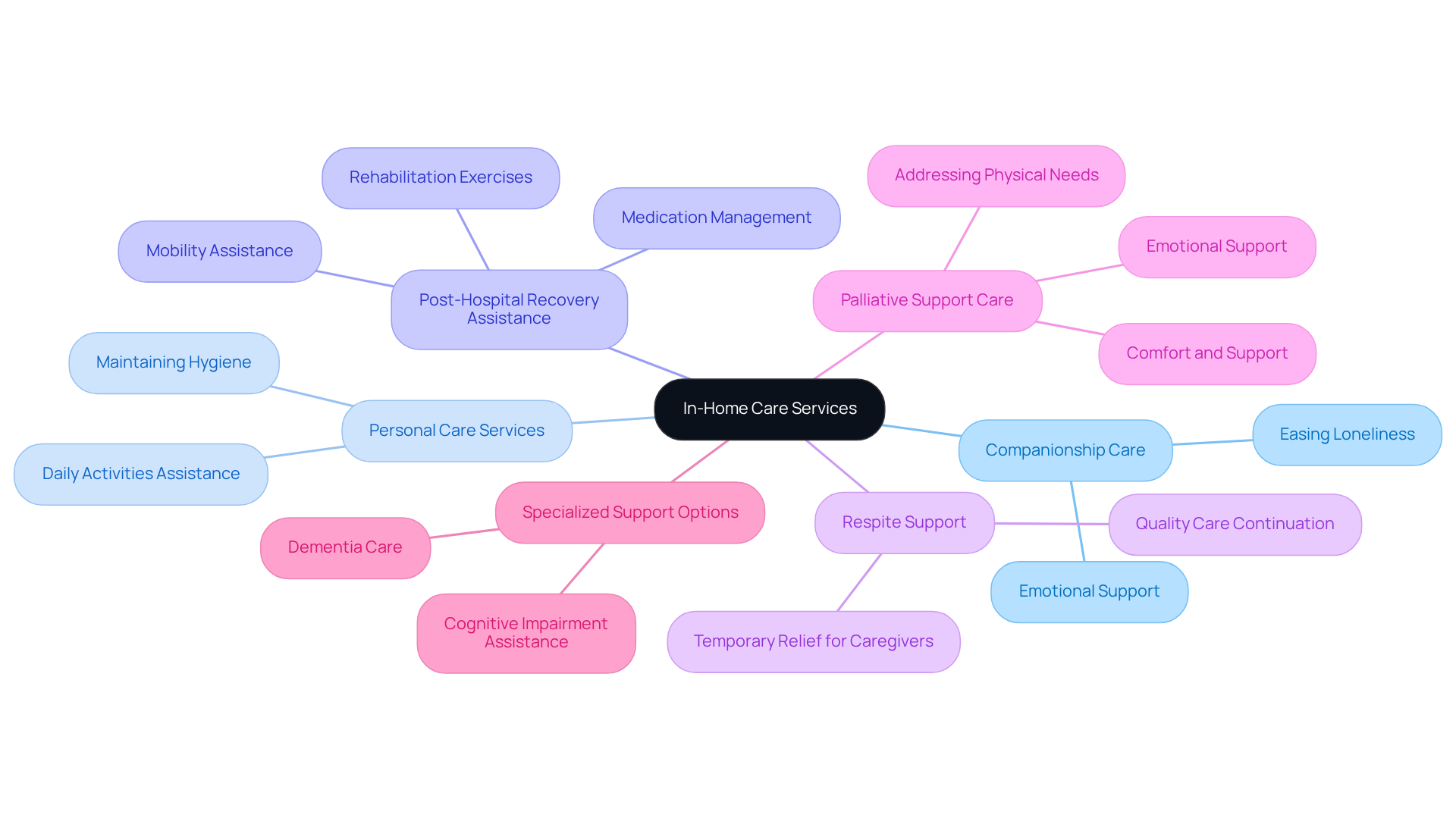
Companionship Care: This service focuses on delivering emotional support and companionship, helping to ease feelings of loneliness and isolation. It’s about being there, sharing moments, and creating connections.
-
Personal Care Services: These services assist with daily activities like bathing, dressing, and grooming. They ensure that your loved one maintains personal hygiene and comfort, allowing them to feel their best every day.
-
Post-Hospital Recovery Assistance: For those recuperating from surgery or illness, this program offers vital support with medication management, mobility assistance, and rehabilitation exercises. It’s about helping them regain their strength and independence.
-
Respite Support: This service provides temporary relief for primary caregivers, allowing them to take much-needed breaks while ensuring their loved ones continue to receive quality care. It’s essential for caregivers to recharge, and this support makes that possible.
-
Palliative Support Care: For individuals facing serious illnesses, this assistance emphasizes comfort and support, addressing both physical and emotional needs. It’s about providing a compassionate presence during challenging times.
-
Specialized Support Options: Depending on the individual’s condition, specialized options may be necessary, such as assistance for dementia or other cognitive impairments. Research local agencies that offer these tailored services to find the right fit for your loved one.
Each of these services is designed to alleviate the stress and burden that caregivers often feel, providing not just practical help but also emotional reassurance. Remember, you’re not alone in this journey; there are compassionate resources available to support both you and your loved one.
Follow Steps to Secure In-Home Care
Securing in home care for disabled adults can feel overwhelming, but you’re not alone in this journey. Here are some essential steps to help you navigate the process with compassion and care:
-
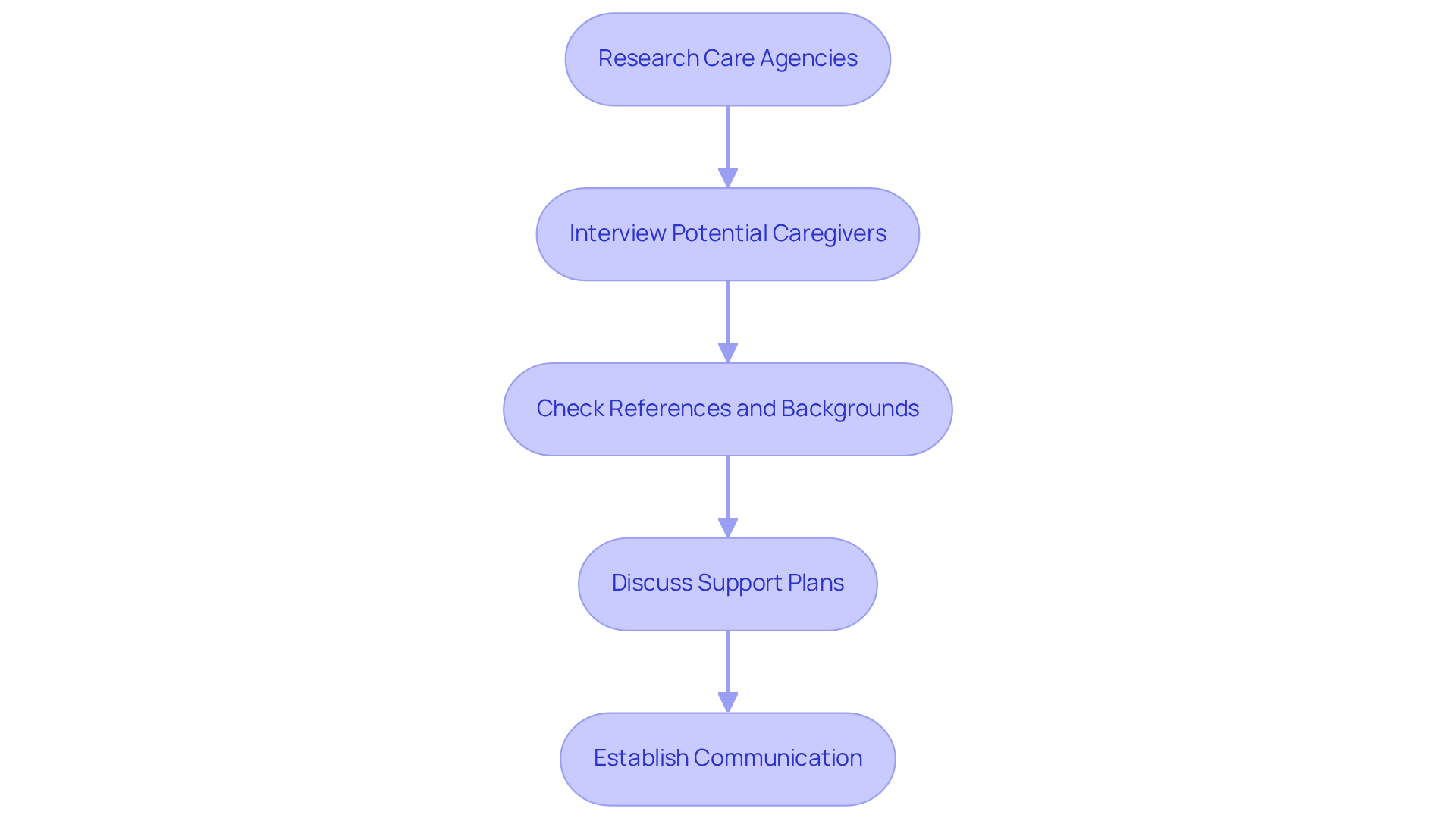
Research Care Agencies: Start by exploring local caregiving agencies. Look for those with positive reviews and a solid reputation for delivering quality care. Focus on organizations that understand the unique needs of your loved one. Many older adults prefer to stay in their own homes for as long as possible, so finding the right support is crucial.
-
Interview Potential Caregivers: Once you’ve narrowed down your options, arrange interviews with potential caregivers. Prepare thoughtful questions about their experience, training, and caregiving philosophy. This is your chance to uncover not just qualifications but also how well the caregiver aligns with your loved one’s needs. As one caregiving expert wisely noted, "Understanding a caregiver's approach is vital to ensure they resonate with the values and requirements of the person they will assist."
-
Check References and Backgrounds: It’s essential to check references and conduct thorough background checks. This step is key to ensuring the safety and reliability of the caregiver, providing peace of mind for both you and your loved one. Research shows that thorough vetting can significantly enhance the quality of care provided.
-
Discuss Support Plans: Work together with the caregiver to create a personalized support plan that reflects your loved one’s specific needs and preferences. This plan should be adaptable, allowing for changes as circumstances evolve. Including a home safety assessment can also help identify potential hazards, ensuring a safe living environment.
-
Establish Communication: Set up regular conversations with the caregiver to discuss progress, address any challenges, and adjust the support plan as needed. Open communication fosters trust and ensures that care remains aligned with your loved one’s changing needs. Studies highlight that effective communication is crucial for successful caregiving relationships.
By following these steps, families can navigate the process of securing in home care for disabled adults with confidence, ensuring that their loved ones receive the compassionate and personalized support they truly deserve.
Evaluate Costs and Funding Options for Care
Evaluating costs and funding options is a crucial step in securing in home care for disabled adults, and it’s understandable to feel overwhelmed by this process.
-
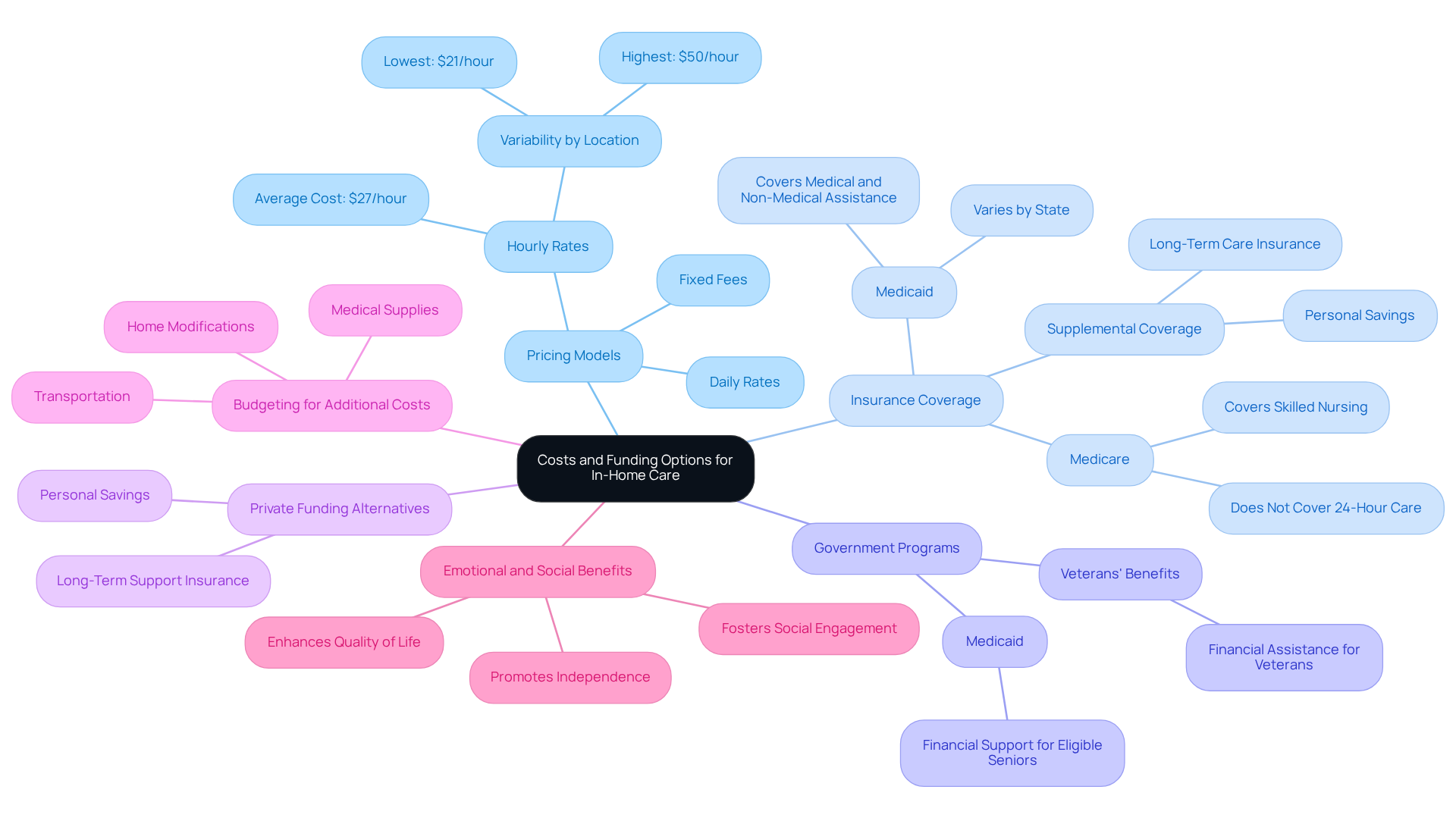
Understand Pricing Models: In home care for disabled adults typically charges based on hourly rates, daily rates, or fixed fees. The average cost for home health aide assistance is around $27 per hour, but prices can vary significantly by location, with some areas offering rates as low as $21 per hour. It’s important to grasp how each agency structures its pricing to make effective comparisons.
-
Investigate Insurance Coverage: It’s vital to talk with your loved one’s health insurance provider about what’s covered for in home care for disabled adults. Medicare, for instance, mainly covers skilled nursing and specific therapy services, but it doesn’t include 24-hour or non-medical help, like personal support. Many families find they need to supplement insurance coverage with personal savings or other financial resources.
-
Explore Government Programs for in home care for disabled adults: Look into government initiatives that provide financial support for in-home assistance, such as Medicaid or veterans’ benefits. These programs can significantly ease out-of-pocket costs, making services more accessible. For example, Medicaid coverage varies by state and can include both medical and non-medical assistance at home for eligible seniors. Additionally, exploring public resources like Veteran benefits can offer substantial financial support for veterans needing assistance at home.
-
Consider private funding alternatives for in home care for disabled adults: If necessary, explore private funding options, including long-term support insurance or personal savings. Long-term support insurance can help cover expenses that standard health plans might not, though it can be pricey. Consulting with a financial advisor can guide you in finding the best approach for your situation.
-
Budget for additional costs that may arise in home care for disabled adults, such as medical supplies, transportation, or home modifications. A comprehensive budget that includes these factors will help manage finances effectively and ensure all support needs are met. Investing in home care for disabled adults can lead to significant savings compared to nursing facilities and assisted living expenses, making it a financially viable choice for many families.
-
Recognize the emotional and social benefits of in home care for disabled adults: Beyond the financial aspects, it’s essential to acknowledge these advantages. These services not only provide physical assistance but also promote social engagement and emotional well-being, helping seniors maintain their independence and quality of life.
Remember, you’re not alone in this journey. Many families face similar challenges, and there are resources and support systems available to help you navigate this path with compassion and care.
Taking the Next Steps
Navigating home care for disabled adults is a vital journey that calls for understanding, compassion, and thoughtful planning. It’s essential to recognize the unique needs of each individual and explore tailored services. By doing so, families can cultivate a supportive environment that truly enhances the quality of life for their loved ones.
Key insights highlight the importance of:
- Thorough needs assessments
- Exploring various in-home care services
- Grasping the financial aspects of care
Each step—whether it’s researching agencies or establishing a personalized support plan—is crucial for ensuring that care is both effective and compassionate. Additionally, understanding available funding options can ease financial burdens, allowing families to focus on what truly matters: the well-being of their loved ones.
Ultimately, securing in-home care for disabled adults can foster independence, dignity, and emotional support. It’s essential to approach this process with an open heart and mind, embracing the resources and services available. By taking informed steps and maintaining open communication, families can ensure their loved ones receive the compassionate care they deserve, enhancing their quality of life and overall well-being.
https://iframe.tely.ai/cta/eyJhcnRpY2xlX2lkIjogIjY5MDdmMGM1MjgwOGZmMDZiMWM5NTZiZSIsICJjb21wYW55X2lkIjogIjY4ZWU1ZGNhNzMxNzYyNTU3ZjNjOTVjMSIsICJpbmRleCI6IG51bGwsICJ0eXBlIjogImFydGljbGUifQ==Frequently Asked Questions
What is the first step in providing home care for disabled adults?
The first step is to understand their unique needs by conducting a needs assessment through heartfelt conversations about their daily routines, preferences, and specific challenges.
Why is it important to consult healthcare professionals when planning care?
Consulting healthcare professionals such as doctors, therapists, or social workers provides invaluable insights into the medical and therapeutic needs of the individual, ensuring a well-rounded understanding of the required support.
How can existing support systems be utilized in caregiving?
Recognizing existing support systems, such as family members, friends, and community resources, allows for the creation of a comprehensive support plan that effectively utilizes available resources.
What should be documented when creating a support plan for a disabled adult?
It is important to document the individual's likes, dislikes, and routines to help craft a personalized support plan that honors their autonomy and preferences.
What percentage of disabled adults require individualized support plans?
Almost 30% of disabled adults require individualized support plans tailored to their specific needs in home care.
What role does continuous dialogue play in caregiving?
Continuous dialogue among all involved is key for timely decision-making, ensuring that support plans remain relevant and adaptable to the individual’s changing needs.
What is the overall goal of thorough evaluations in home care?
Thorough evaluations lead to better outcomes and enhance the overall well-being of those receiving assistance, ensuring their care is aligned with their personal goals and preferences.