
For families in our service areas
For families in our service areas, this guide explains caregiver support and how non-medical in-home caregiving can support care planning in East Idaho, Treasure Valley & Magic Valley, Northern Wasatch, North Central West Virginia, and Northeast Ohio.
What You Need to Know About The Importance of Hydration in Elderly
The health of elderly individuals significantly hinges on proper hydration, yet many caregivers overlook this critical aspect of care. Inadequate fluid intake not only disrupts essential bodily functions but also increases the risk of serious health complications, such as cognitive decline and kidney issues. As the aging process alters the body's thirst response and fluid balance, caregivers face the pressing challenge of ensuring seniors remain adequately hydrated.
To effectively navigate these complexities, caregivers can implement several strategies:
- They should regularly monitor fluid intake, aiming for at least 8 cups of water daily, unless otherwise directed by a healthcare professional.
- Incorporating hydrating foods like fruits and vegetables can enhance overall fluid consumption.
- Educating seniors about the importance of hydration and encouraging them to drink fluids throughout the day can also foster better habits.
By addressing the hydration needs of elderly individuals, caregivers can promote better health outcomes and enhance the quality of life for those they care for.
Explore the Role of Hydration in Elderly Health
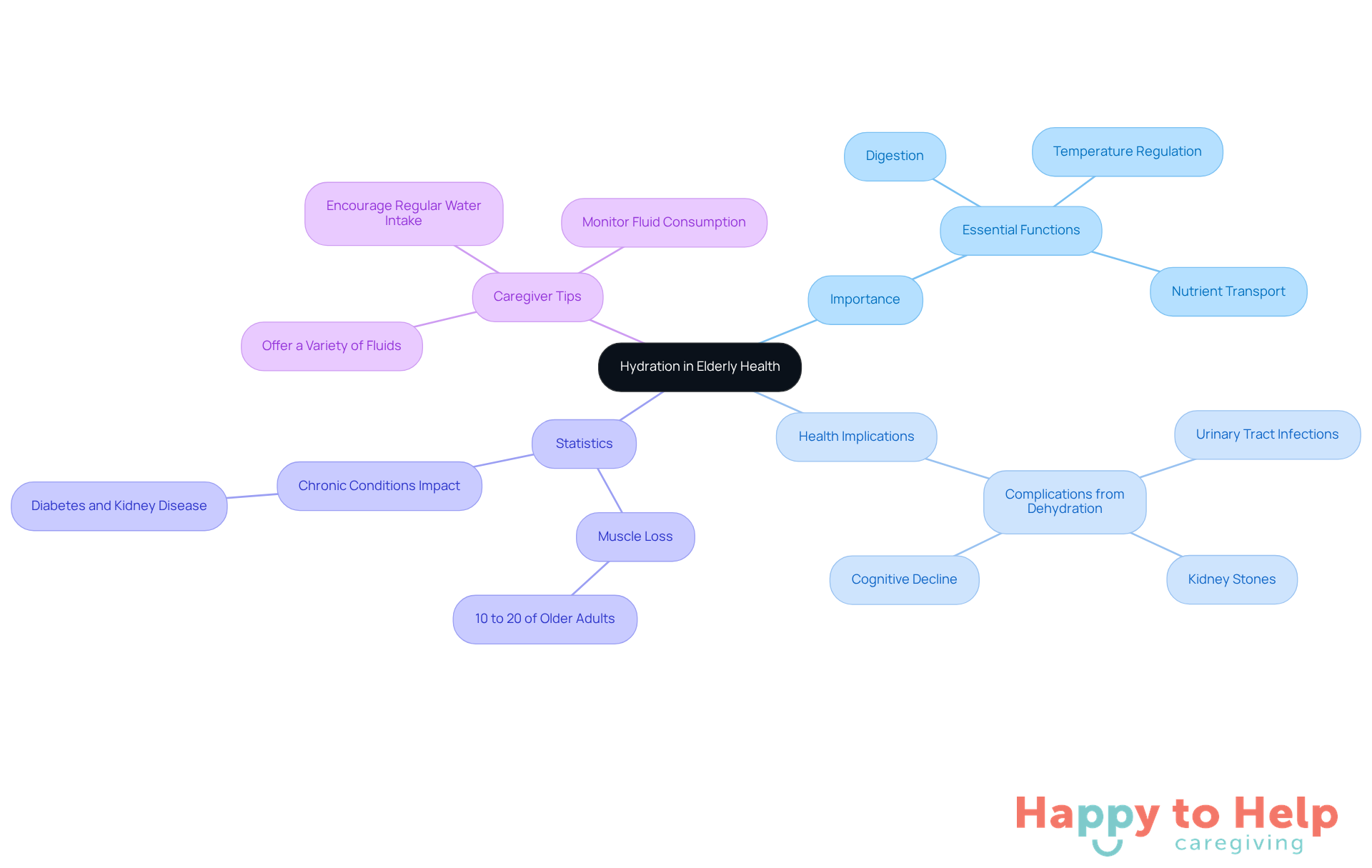
The importance of hydration in elderly individuals cannot be overstated, as inadequate fluid intake can lead to serious health complications. As we age, the importance of hydration in elderly individuals becomes evident, as our bodies need sufficient fluids to support essential functions like digestion, temperature regulation, and nutrient transport. Unfortunately, many seniors do not drink enough water, underscoring the importance of hydration in elderly, which can result in complications such as urinary tract infections, kidney stones, and cognitive decline.
The implications of dehydration emphasize the importance of hydration in elderly. Research indicates that 10% to 20% of older individuals experience notable muscle loss, underscoring the importance of fluid intake in preserving muscle mass and overall well-being. Chronic conditions like diabetes and kidney disease can further disrupt fluid balance, which underscores the importance of hydration in elderly and makes it essential for caregivers to understand the specific hydration needs of seniors with these health issues.
To address these challenges, caregivers should prioritize the importance of hydration in elderly care as a vital aspect. It's not just about quenching thirst; the importance of hydration in elderly significantly influences energy levels, mood, and physical health. According to the National Heart, Lung, and Blood Institute, staying hydrated throughout life is associated with a lower risk of chronic diseases and may even contribute to a longer lifespan.
Here are some actionable tips for caregivers:
- Encourage regular water intake throughout the day, not just when seniors feel thirsty.
- Monitor fluid consumption, especially for those with chronic conditions.
- Offer a variety of fluids, including water, herbal teas, and broths, to make hydration more appealing.
While ensuring adequate fluid intake is crucial, caregivers must also be cautious of excessive water consumption, which can pose its own risks. A study tracking over 11,000 adults for 30 years found that those who were adequately hydrated faced fewer chronic health issues. By emphasizing the importance of hydration in elderly, caregivers can significantly enhance the quality of life for seniors, helping them remain active and engaged in their daily activities.
Understand Age-Related Changes Impacting Hydration
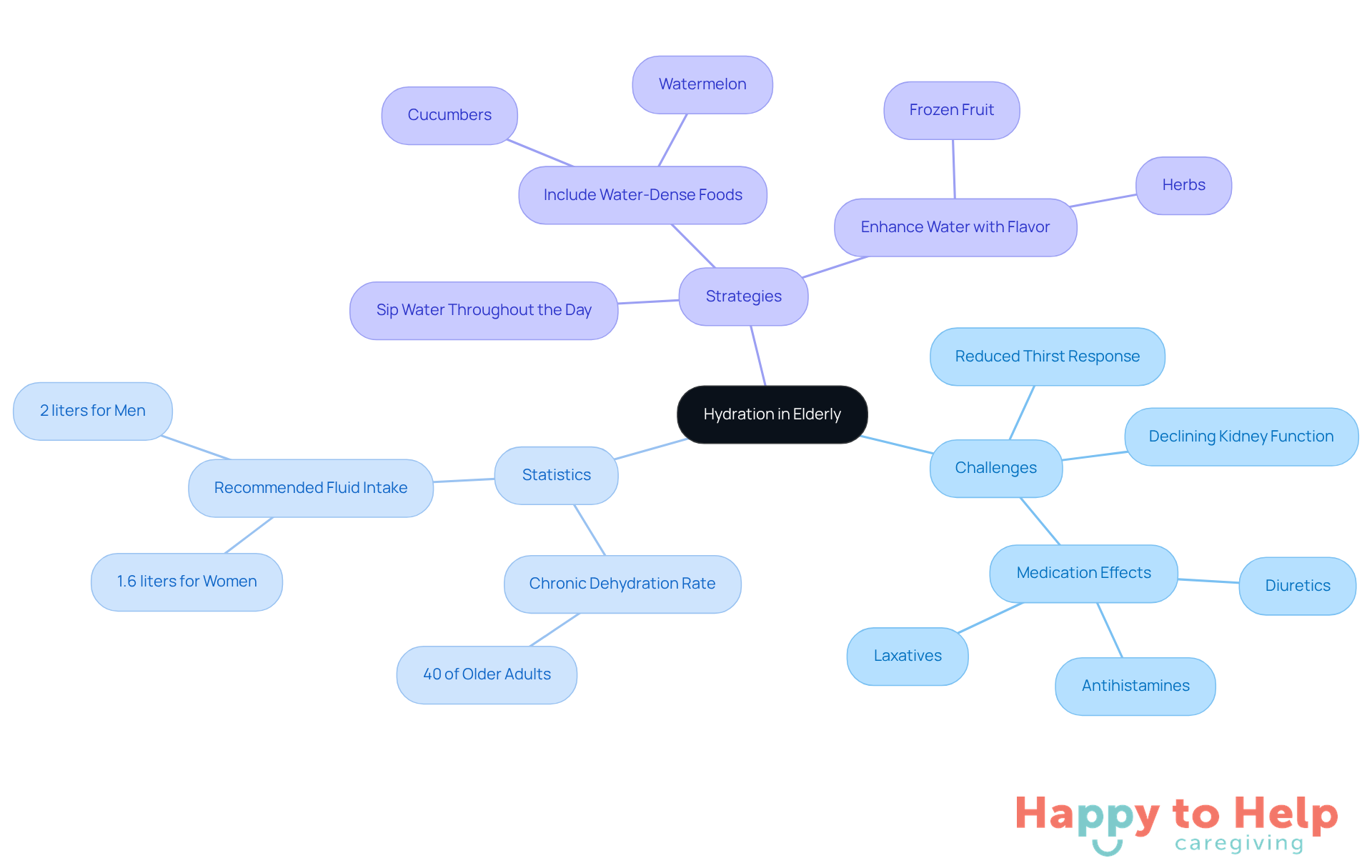
Aging presents significant challenges that highlight the importance of hydration in elderly. One major issue is the reduced thirst response in elderly individuals, which underscores the importance of hydration in elderly, often leading to insufficient water consumption. Studies indicate that many seniors do not recognize their thirst or dryness after extended periods without water. This makes it crucial for caregivers to actively promote beverage intake.
The importance of hydration in elderly individuals cannot be underestimated due to the serious implications of inadequate hydration. As kidney function declines with age, it highlights the importance of hydration in elderly, as the body’s ability to conserve water diminishes. Additionally, the importance of hydration in elderly becomes evident as total body water content decreases, further heightening the risk of dehydration. Medications commonly prescribed to seniors, such as diuretics, antihistamines, and laxatives, can exacerbate fluid loss. Alarmingly, statistics reveal the importance of hydration in elderly, as up to 40% of older adults experience chronic dehydration, which can lead to severe health issues such as fatigue and even hospitalization.
To combat these challenges, caregivers can implement practical strategies to encourage regular beverage intake. Here are some actionable tips:
- Prompt seniors to sip water throughout the day.
- Include water-dense foods like cucumbers and watermelon in their diets.
- Enhance water with frozen fruit or herbs for added flavor.
The European Society for Clinical Nutrition and Metabolism recommends that senior women consume at least 1.6 liters and senior men at least 2 liters of fluids daily. By understanding these age-related changes and applying supportive strategies, caregivers can help ensure that seniors maintain adequate hydration, which emphasizes the importance of hydration in elderly for their overall well-being.
Identify Symptoms and Risks of Dehydration in Seniors
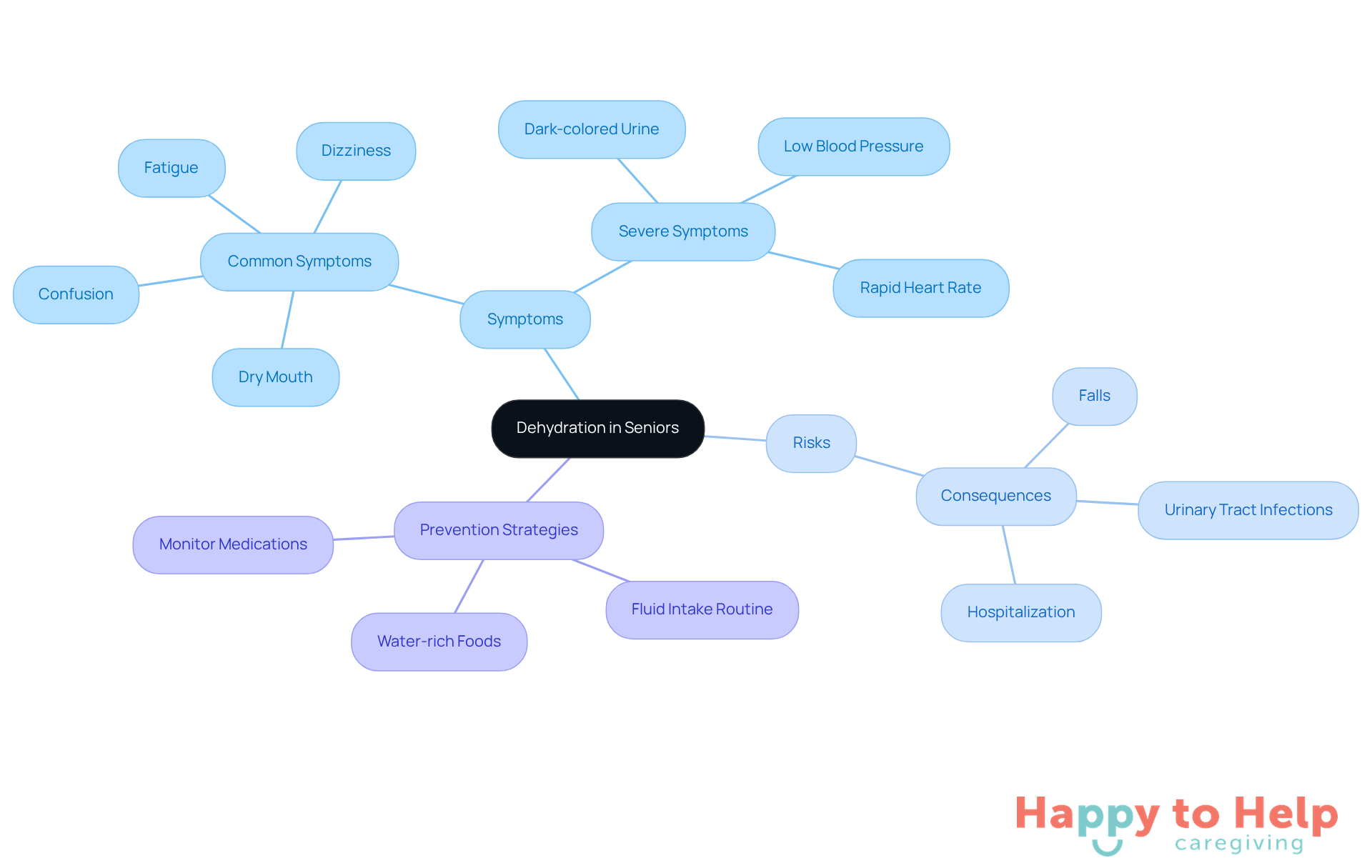
Caregivers must address the significant problem of dehydration in seniors, emphasizing the importance of hydration in elderly individuals. Common symptoms include:
- Dry mouth
- Fatigue
- Dizziness
- Confusion
More severe signs can manifest as:
- Dark-colored urine
- Low blood pressure
- Rapid heart rate
The consequences of dehydration are particularly dire for seniors, which underscores the importance of hydration in elderly to lower their risk of falls, urinary tract infections, and even hospitalization. Alarmingly, research indicates that up to 40% of seniors suffer from chronic dehydration, emphasizing the importance of hydration in elderly and the urgent need for caregivers to recognize these symptoms promptly.
One critical issue is that older adults often do not experience thirst or dryness as intensely as younger individuals, leading to delayed responses to dehydration. David Cutler, a board-certified family medicine doctor, emphasizes the importance of hydration in elderly patients by managing their hydration levels carefully. To combat this issue, caregivers should encourage seniors to drink approximately 13 cups of fluids daily for men and 9 cups for women.
Practical strategies can significantly aid in preventing dehydration. Caregivers can:
- Create a fluid intake routine
- Incorporate water-rich foods like fruits and vegetables
- Monitor medications that may contribute to fluid loss
By recognizing the symptoms and associated risks of dehydration, caregivers can implement proactive measures to ensure seniors understand the importance of hydration in elderly individuals and maintain adequate fluid intake and overall health.
Implement Effective Hydration Strategies for Older Adults
To promote the importance of hydration in elderly, caregivers encounter a significant challenge: many seniors do not drink enough fluids, which can lead to dehydration. This issue is particularly concerning because the sensation of thirst diminishes with age, which underscores the importance of hydration in elderly and makes it crucial for caregivers to be proactive in encouraging fluid intake. In fact, about half of people worldwide do not meet daily water intake recommendations, underscoring the need for vigilance in this area.
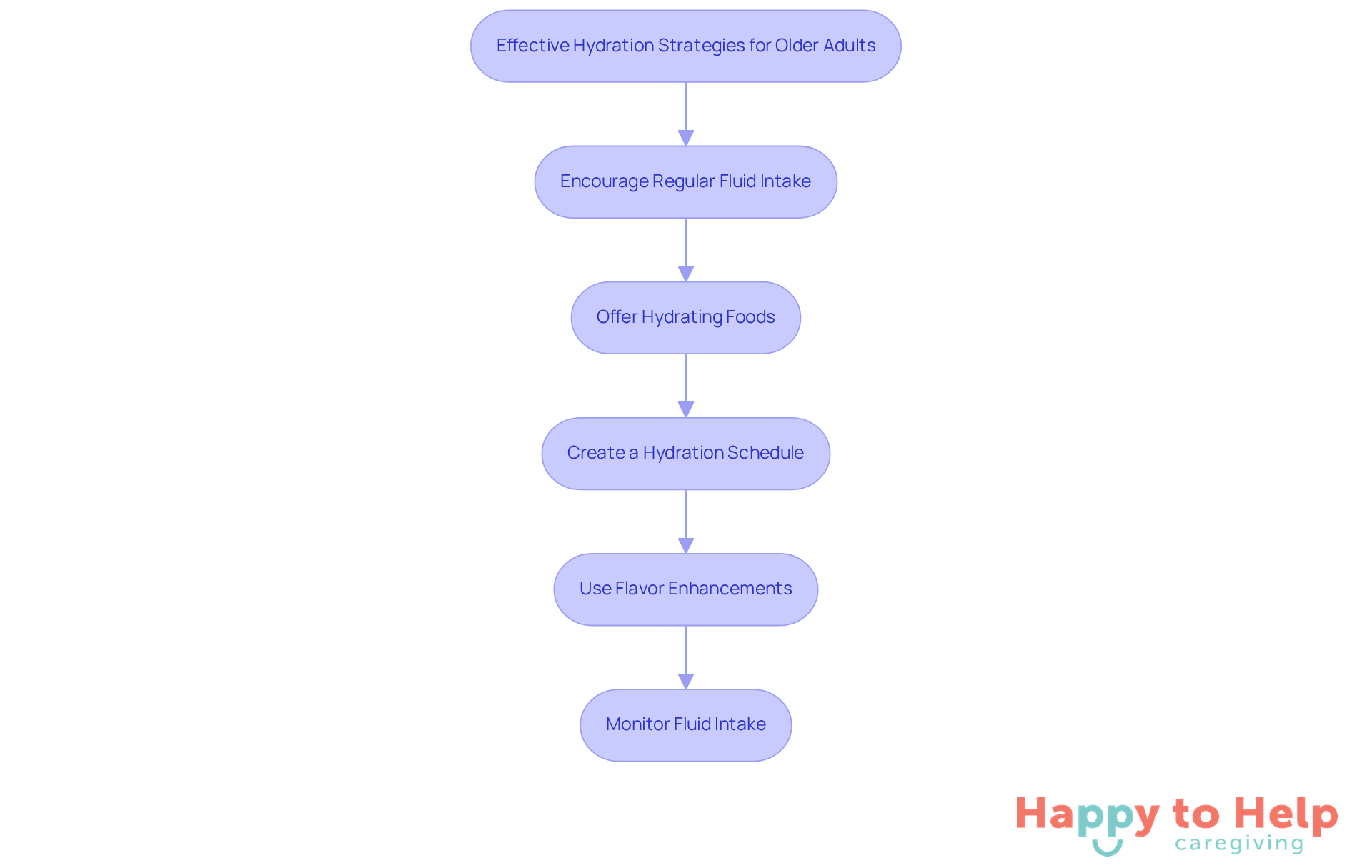
To address this problem, caregivers can implement several practical strategies:
-
Encourage Regular Fluid Intake: Remind seniors to drink water consistently throughout the day, not just when they feel thirsty.
-
Offer Hydrating Foods: Incorporate fruits and vegetables with high water content, such as watermelon, cucumbers, and oranges, into their diet. Foods like soups and broths can also contribute significantly to hydration, especially in colder weather.
-
Create a Hydration Schedule: Establish a routine for beverage intake, such as drinking a glass of water with each meal and snack. For example, a water intake strategy could include consuming 8 ounces of water at breakfast, lunch, and dinner, along with extra beverages during snacks. The National Academy of Medicine advises that older men should intake a minimum of 2 liters and older women at least 1.6 liters of beverages each day.
-
Use Flavor Enhancements: If seniors are reluctant to drink plain water, consider adding natural flavorings like lemon or mint to make it more appealing. This can help increase their willingness to hydrate.
-
Monitor Fluid Intake: Keep track of daily fluid consumption to ensure that seniors meet their fluid goals. Caregivers should also be aware that certain medications, such as diuretics, can increase the risk of dehydration, necessitating closer monitoring. Furthermore, monitoring urine color can act as a useful sign of fluid levels, with pale yellow urine suggesting sufficient fluid intake.
By employing these strategies, caregivers can significantly improve the importance of hydration in elderly individuals, leading to better overall health outcomes and reducing the risk of dehydration-related complications.
Making the Right Choice
Hydration is a critical concern in elderly care, as it significantly impacts health and can prevent serious complications. Dehydration is alarmingly prevalent among seniors, leading to various health risks that can affect their physical and cognitive well-being. Caregivers must recognize the unique hydration needs of the elderly to create a supportive environment that prioritizes their health.
To combat dehydration, caregivers can implement several effective strategies:
- Encouraging regular fluid intake
- Offering hydrating foods
- Closely monitoring fluid consumption
Additionally, recognizing the symptoms of dehydration and taking proactive measures can greatly enhance the quality of life for elderly individuals, helping them stay active and engaged.
Ultimately, the importance of hydration in elderly care cannot be overstated. By prioritizing fluid intake, caregivers can mitigate the risks associated with dehydration, ensuring that seniors maintain their health and vitality. It is crucial for caregivers to remain vigilant and proactive in nurturing hydration habits, reinforcing the understanding that adequate fluid consumption is a cornerstone of elderly health and well-being.
https://iframe.tely.ai/cta/eyJhcnRpY2xlX2lkIjogIjY5MmY5MTg1NWE2YzBkMzU2MDcwMDJmMSIsICJjb21wYW55X2lkIjogIjY4ZWU1ZGNhNzMxNzYyNTU3ZjNjOTVjMSIsICJpbmRleCI6IG51bGwsICJ0eXBlIjogImFydGljbGUifQ==Frequently Asked Questions
Why is hydration important for elderly individuals?
Hydration is crucial for elderly individuals as it supports essential bodily functions like digestion, temperature regulation, and nutrient transport. Inadequate fluid intake can lead to serious health complications such as urinary tract infections, kidney stones, and cognitive decline.
What are the risks associated with dehydration in seniors?
Dehydration in seniors can result in complications such as urinary tract infections, kidney stones, cognitive decline, and notable muscle loss. Chronic conditions like diabetes and kidney disease can further disrupt fluid balance, making proper hydration even more essential.
How does hydration affect muscle mass in the elderly?
Research indicates that 10% to 20% of older individuals experience significant muscle loss, highlighting the importance of fluid intake in preserving muscle mass and overall well-being.
What should caregivers prioritize regarding hydration in elderly care?
Caregivers should prioritize regular water intake throughout the day, monitor fluid consumption, especially for those with chronic conditions, and offer a variety of fluids, such as water, herbal teas, and broths, to encourage hydration.
What are the potential benefits of staying hydrated throughout life?
Staying hydrated throughout life is associated with a lower risk of chronic diseases and may contribute to a longer lifespan, influencing energy levels, mood, and physical health.
What precautions should caregivers take regarding fluid intake?
While ensuring adequate fluid intake is crucial, caregivers must also be cautious of excessive water consumption, as it can pose its own health risks.
How can caregivers enhance the quality of life for seniors through hydration?
By emphasizing the importance of hydration, caregivers can significantly enhance the quality of life for seniors, helping them remain active and engaged in their daily activities.
List of Sources
- Explore the Role of Hydration in Elderly Health
- Why Should Older Adults Stay Hydrated? (https://ncoa.org/article/10-reasons-why-hydration-is-important)
- What Older Adults Need to Know About Hydration (https://health.usnews.com/health-care/patient-advice/articles/what-older-adults-need-to-know-about-hydration)
- H20 for healthy aging | NIH MedlinePlus Magazine (https://magazine.medlineplus.gov/article/h20-for-healthy-aging)
- Good hydration linked to healthy aging (https://nhlbi.nih.gov/news/2023/good-hydration-linked-healthy-aging)
- Understand Age-Related Changes Impacting Hydration
- Hydration and older adults: Why water matters more as you age (https://uclahealth.org/news/article/hydration-and-older-adults-why-water-matters-more-you-age)
- What Older Adults Need to Know About Hydration (https://health.usnews.com/health-care/patient-advice/articles/what-older-adults-need-to-know-about-hydration)
- The Connection Between Age and Dehydration Risk (https://health.clevelandclinic.org/drink-up-dehydration-is-an-often-overlooked-health-risk-for-seniors)
- Link between hydration and aging (https://nih.gov/news-events/nih-research-matters/link-between-hydration-aging)
- The Importance of Staying Hydrated As You Age (https://christianhealthnj.org/news/2024/june/the-importance-of-staying-hydrated-as-you-age2)
- Identify Symptoms and Risks of Dehydration in Seniors
- Study finds a lack of adequate hydration among the elderly (https://newsroom.ucla.edu/releases/study-finds-a-lack-of-adequate-hydration-among-the-elderly)
- Hydration and older adults: Why water matters more as you age (https://uclahealth.org/news/article/hydration-and-older-adults-why-water-matters-more-you-age)
- What Older Adults Need to Know About Hydration (https://health.usnews.com/health-care/patient-advice/articles/what-older-adults-need-to-know-about-hydration)
- Seniors Should Boost Their Water Intake; Here Are 6 Ways (https://morningstarseniorliving.com/seniors-should-boost-their-water-intake-here-are-6-ways)
- Implement Effective Hydration Strategies for Older Adults
- Good hydration linked to healthy aging (https://nhlbi.nih.gov/news/2023/good-hydration-linked-healthy-aging)
- Fast Facts: Data on Water Consumption (https://cdc.gov/nutrition/php/data-research/fast-facts-water-consumption.html)
- What Older Adults Need to Know About Hydration (https://health.usnews.com/health-care/patient-advice/articles/what-older-adults-need-to-know-about-hydration)
- The Importance of Hydration for Older Adults (https://ncoa.org/article/how-to-stay-hydrated-for-better-health)
- 4 Hydration Tips for Older Adults | Home Health Care (https://phoenixhomehc.com/news/hydration-tips-for-older-adults)