Understand the Causes of Falling and How to Prevent Them
For families in our service areas
For families in our service areas, this guide explains caregiving and how non-medical in-home caregiving can support care planning in East Idaho, Treasure Valley & Magic Valley, Northern Wasatch, North Central West Virginia, and Northeast Ohio.
Why Understand the Causes of Falling and Matters
Falls represent a significant problem for older adults, being a leading cause of injury that can lead to devastating consequences. These incidents not only result in physical harm but can also severely impact the quality of life for those affected. With millions of falls occurring each year, caregivers face the urgent challenge of understanding the factors that contribute to these accidents.
The interplay of intrinsic factors, such as age-related changes and existing health conditions, alongside extrinsic factors like environmental hazards, complicates the situation. This complexity highlights the need for caregivers to be proactive in their approach to fall prevention. So, what can caregivers do to effectively mitigate these risks and ensure the safety and independence of their clients?
To tackle this issue, caregivers can implement several practical strategies:
- Conducting regular assessments of the living environment to help identify potential hazards.
- Encouraging physical activity tailored to the individual's abilities to enhance strength and balance.
- Educating clients about the importance of proper footwear and the use of assistive devices.
By taking these proactive measures, caregivers can significantly reduce the risk of falls and improve the overall well-being of older adults.
Explore the Fundamentals of Fall Risks
Falls pose a significant risk for older adults, often resulting in serious injuries and a diminished quality of life. Understanding the causes of falling is crucial for caregivers.
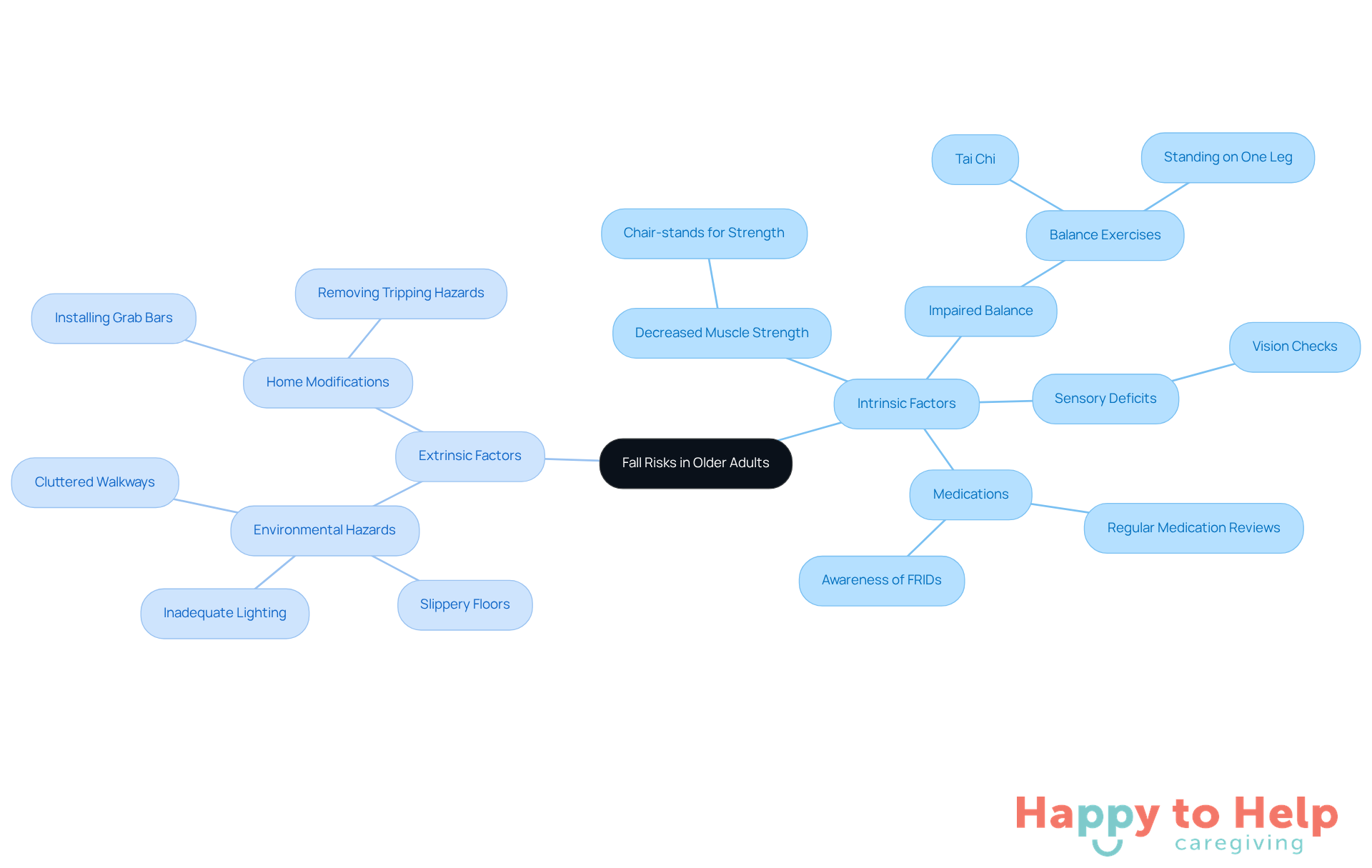
Intrinsic factors, such as age-related changes, play a major role. Decreased muscle strength, impaired balance, and sensory deficits - like poor vision and hearing - can increase the likelihood of falls. For example, seniors taking multiple fall-inducing medications (FRIDs) are 13% more likely to fall, and those on several FRIDs experience 22% more total falls. This highlights the importance of regular medication evaluations to assess the benefits against the risks.
Extrinsic factors also contribute to falls, including environmental hazards like slippery floors, inadequate lighting, and cluttered walkways. By understanding the causes of falling, caregivers can better assess the safety of their clients' environments and implement tailored interventions. Regular mobility assessments and home evaluations can pinpoint potential hazards, allowing for necessary modifications to enhance safety.
To effectively prevent falls, caregivers can promote exercises that challenge balance, such as tai chi, which has been shown to improve stability in older adults. Additionally, functional exercises that mimic daily tasks are more effective at preventing accidents than walking or resistance training alone. Simple home modifications, like installing grab bars and ensuring clear pathways, can significantly reduce the risk of falls. By addressing both intrinsic and extrinsic factors, caregivers can better understand the causes of falling and create a safer living environment, ultimately supporting their clients' independence and well-being.
Identify Common Conditions That Increase Fall Risk
Multiple health issues significantly increase the risk of accidents among elderly individuals, necessitating vigilant monitoring from caregivers.
Key conditions such as arthritis, cognitive impairments, neurological disorders, vision problems, and medication side effects are recognized as causes of falling that contribute to this heightened risk.
-
Arthritis: Affecting one in five adults in the U.S., arthritis causes joint pain and stiffness, severely limiting mobility and balance. Seniors with arthritis are 2.5 times more likely to experience falls or injuries related to the causes of falling compared to those who do not have the condition. The discomfort associated with arthritis often leads to reduced movement, further increasing the risk of tripping.
-
Cognitive Impairments: Conditions like dementia can impair judgment and spatial awareness, making it challenging for individuals to navigate their surroundings safely. This cognitive decline can lead to greater disorientation and a higher risk of accidents, which are considered causes of falling.
-
Neurological Disorders: Disorders such as Parkinson's disease and the aftermath of strokes can significantly hinder movement and coordination, leading to instability and being known as causes of falling.
-
Vision Problems: Impaired vision, often due to conditions like cataracts or glaucoma, can obstruct an individual's ability to recognize hazards in their environment, contributing to the causes of falling.
-
Medication Side Effects: Certain medications, particularly those classified as risk-increasing drugs (FRIDs), can be significant causes of falling, resulting in dizziness, drowsiness, or confusion. Elders taking multiple FRIDs face a 22% increase in total incidents and a 33% increase in harmful incidents, which are potential causes of falling. Dr. Kenneth J. Perry emphasizes the inherent dangers of medication use, advocating for discussions about the risks versus benefits with a primary care physician.
Solution: By recognizing these conditions, caregivers can proactively address the specific needs of their clients. Implementing suitable protective measures and interventions is crucial for enhancing their well-being and minimizing hazards.

Implement Safety Measures to Prevent Falls at Home
Falls at home pose a significant risk for seniors, which are among the leading causes of falling, leading to serious injuries and even fatalities. In fact, the causes of falling are the leading incidents contributing to injury-related deaths among elderly individuals, with over 36,000 deaths reported in 2021. Each year, around 14 million senior Americans experience falls, which underscores the serious causes of falling that lead to 3 million emergency room visits and 39,000 fatalities. Given these alarming statistics, caregivers must take proactive steps to address the causes of falling and enhance safety for their clients.
To address this pressing issue, caregivers can implement several effective safety measures:
-
Home Modifications: Installing grab bars in bathrooms, securing handrails on stairs, and ensuring all areas are well-lit are essential steps. To significantly reduce the causes of falling, it is important to remove throw rugs and other tripping hazards. With home modifications averaging less than $200, they represent a cost-effective solution for enhancing safety.
-
Regular Exercise: Encouraging clients to engage in strength and balance exercises is crucial. Programs focusing on these aspects have proven successful in decreasing the likelihood of tumbles among seniors. Consistent physical activity is crucial for prevention strategies, as it enhances stability and overall health, helping to mitigate the causes of falling.
-
Medication Review: Conducting regular evaluations of medications with healthcare professionals helps identify the causes of falling that may elevate the risk of tumbling. Adjusting dosages or switching medications can be critical in minimizing potential hazards associated with certain prescriptions.
-
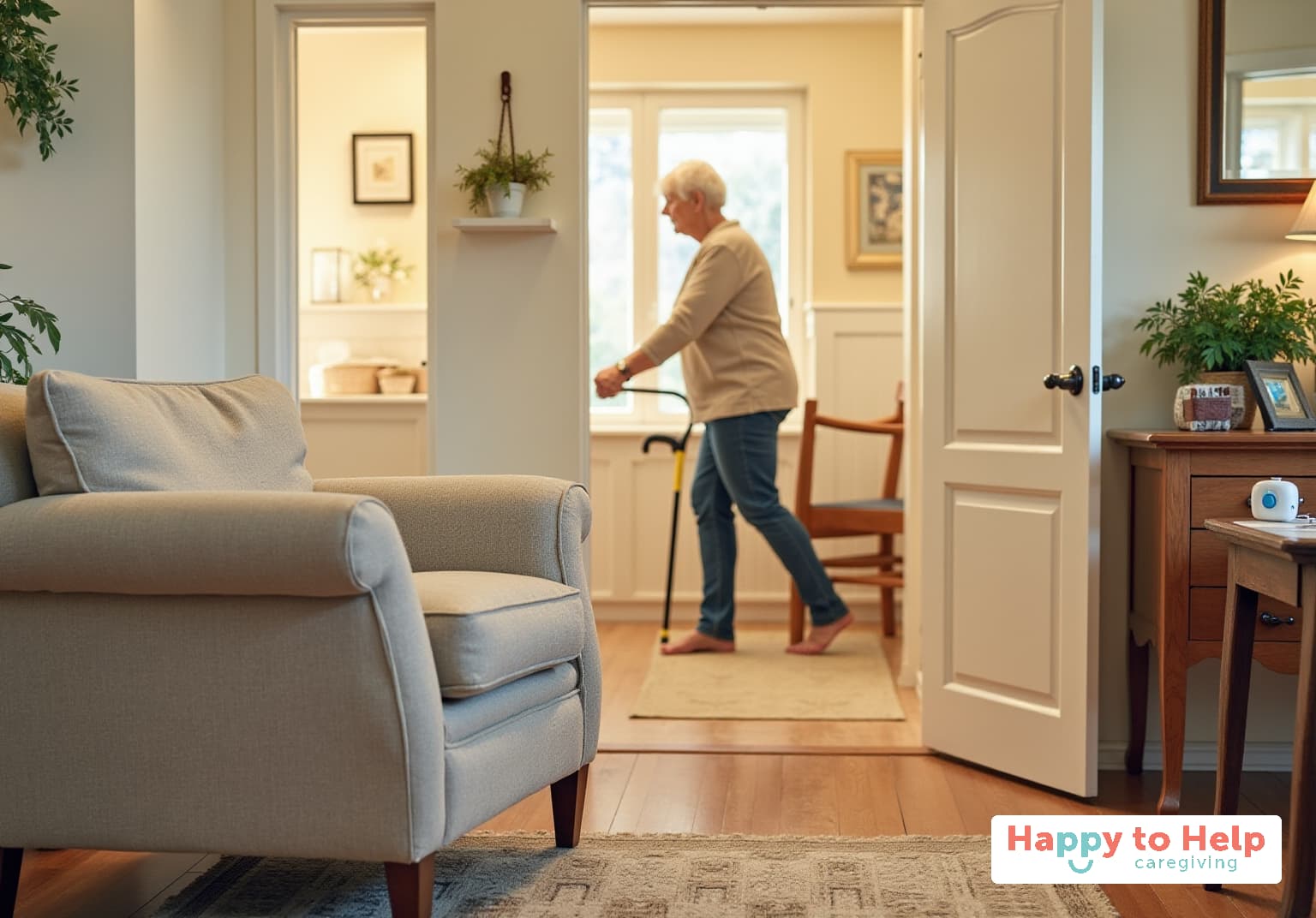
Assistive Devices: Utilizing mobility aids such as canes or walkers can enhance stability for seniors. It’s important to ensure that users are trained in their proper use to maximize their effectiveness and safety.
-
Emergency Preparedness: Providing individuals with medical alert systems or personal alarms ensures they can request assistance if an accident occurs. This readiness offers peace of mind for both clients and their families.
By implementing these measures, caregivers can significantly decrease the chances of accidents related to the causes of falling, thereby creating a safer environment and enhancing the overall quality of life for their clients. Additionally, the Stand Strong for Medicare Act aims to make fall prevention equipment more affordable through Medicare reimbursements, further supporting caregivers in their efforts to enhance safety for seniors.

Key Takeaways for Caregivers
Understanding the causes of falls is crucial for safeguarding the health and well-being of older adults. Falls are a leading cause of injury and mortality in this population, making it essential for caregivers to address both intrinsic and extrinsic factors that contribute to these incidents. By doing so, they can create safer environments and promote greater independence for their clients.
The implications of falls are significant. Age-related changes, common health conditions, and environmental hazards all increase fall risk. Regular medication reviews and tailored home modifications are vital. Engaging seniors in exercises that enhance balance and strength can also make a substantial difference. These proactive measures are essential for minimizing the risk of falls and ensuring that elderly individuals can navigate their surroundings safely.
To combat this pressing issue, caregivers are encouraged to take immediate action. Implementing safety measures, conducting thorough risk assessments, and fostering open communication about health concerns can profoundly impact the lives of older adults. By prioritizing fall prevention, caregivers help maintain the dignity and quality of life for those they support.
https://iframe.tely.ai/cta/eyJhcnRpY2xlX2lkIjogIjY5NDBhMjEzOTc5ZjhiMGM0MmQzYjU2NiIsICJjb21wYW55X2lkIjogIjY4ZWU1ZGNhNzMxNzYyNTU3ZjNjOTVjMSIsICJpbmRleCI6IG51bGwsICJ0eXBlIjogImFydGljbGUifQ==Frequently Asked Questions
Why are falls a significant risk for older adults?
Falls pose a significant risk for older adults because they often result in serious injuries and a diminished quality of life.
What are intrinsic factors that contribute to falls in older adults?
Intrinsic factors include age-related changes such as decreased muscle strength, impaired balance, and sensory deficits like poor vision and hearing.
How do fall-inducing medications affect the likelihood of falls?
Seniors taking multiple fall-inducing medications (FRIDs) are 13% more likely to fall, and those on several FRIDs experience 22% more total falls, emphasizing the need for regular medication evaluations.
What are some extrinsic factors that can lead to falls?
Extrinsic factors include environmental hazards such as slippery floors, inadequate lighting, and cluttered walkways.
How can caregivers assess the safety of their clients' environments?
Caregivers can conduct regular mobility assessments and home evaluations to identify potential hazards and implement necessary modifications to enhance safety.
What types of exercises can help prevent falls in older adults?
Caregivers can promote exercises that challenge balance, such as tai chi, and functional exercises that mimic daily tasks, which are more effective at preventing falls than walking or resistance training alone.
What home modifications can reduce the risk of falls?
Simple home modifications, such as installing grab bars and ensuring clear pathways, can significantly reduce the risk of falls for older adults.
How can addressing both intrinsic and extrinsic factors benefit older adults?
By addressing both intrinsic and extrinsic factors, caregivers can better understand the causes of falling, create a safer living environment, and ultimately support their clients' independence and well-being.
List of Sources
- Explore the Fundamentals of Fall Risks
- Common prescription drugs linked to surge in fall-related death rates among seniors (https://foxnews.com/health/common-prescription-drugs-linked-surge-fall-related-death-rates-among-seniors)
- Exploring a personalized approach to fall prevention among older adults (https://uclahealth.org/news/article/exploring-personalized-approach-fall-prevention-among-older)
- Reducing fall risk for aging adults – what works and why | VCU Health (https://vcuhealth.org/news/reducing-fall-risk-for-aging-adults--what-works-and-why)
- Reduced Visual Function, Home Hazards Increase Fall Rates For Older Adults (https://ophthalmologyadvisor.com/news/poor-vision-increases-falls-other-home-hazards)
- Identify Common Conditions That Increase Fall Risk
- Common prescription drugs linked to surge in fall-related death rates among seniors (https://foxnews.com/health/common-prescription-drugs-linked-surge-fall-related-death-rates-among-seniors)
- The Hidden Dangers of Arthritis: More Than Just Joint Pain - Maragal Medical (https://maragalmedical.com/the-hidden-dangers-of-arthritis-more-than-just-joint-pain)
- Deadly Falls in Older Adults Rising, Study Finds. Here are Preventive Steps. | Baptist Health South Florida (https://baptisthealth.net/baptist-health-news/take-a-stand-help-prevent-falls-and-related-injuries)
- Osteoarthritis Joint Pain in the Elderly Increases Fall Risk - Jethro Health System (JHS) (https://jethrohealthsystem.com/osteoarthritis-joint-pain-in-the-elderly-increases-fall-risk)
- Implement Safety Measures to Prevent Falls at Home
- King and Magaziner Introduce Bill to Protect Seniors from Falls During Fall Prevention Awareness Week (https://magaziner.house.gov/media/press-releases/king-and-magaziner-introduce-bill-protect-seniors-falls-during-fall-prevention)
- As falling deaths rise for older adults, how home safety can make a difference (https://denver7.com/news/local-news/as-falling-deaths-rise-for-older-adults-how-home-safety-can-make-a-difference)
- Home Modification Programs to Prevent Falls - RHIhub Toolkit (https://ruralhealthinfo.org/toolkits/unintentional-injury/2/falls/home-modification)
- Experts warn of rising winter fall risks for seniors; urge proactive safety measures (https://13wham.com/news/local/experts-warn-of-rising-winter-fall-risks-for-seniors-urge-proactive-safety-measures-university-rochester-cdc-physical-therapists-urmc-injury-related-deaths)
- Fall-prevention program can help reduce harmful in-home falls by nearly 40% | WashU Medicine (https://medicine.washu.edu/news/fall-prevention-program-can-help-reduce-dangerous-in-home-tumbles-by-nearly-40)