Understanding 24/7 Caregivers: Roles, Importance, and Services

For families in our service areas
For families in our service areas, this guide explains caregiver support and how non-medical in-home caregiving can support care planning in East Idaho, Treasure Valley & Magic Valley, Northern Wasatch, North Central West Virginia, and Northeast Ohio.
Why 24/7 Caregivers: Roles, Importance, and Matters
The role of 24/7 caregivers has become increasingly vital as the aging population and chronic health conditions rise. Families face a significant problem: how to ensure their loved ones receive the necessary support. Caregivers provide not just physical assistance but also emotional support and companionship, helping individuals feel secure and cared for in their own homes.
This situation raises important questions:
- How can families identify when a 24/7 caregiver is necessary?
- What services do these caregivers offer to enhance their clients' quality of life?
Understanding the multifaceted responsibilities of caregivers is crucial. By recognizing the critical importance of continuous care, families can make informed decisions about their loved ones' wellbeing.
To address these challenges, families should consider:
- Evaluating their loved ones' needs regularly.
- Engaging with healthcare professionals to gain insights into when additional support is required.
Caregivers can offer a range of services, from personal care to companionship, ensuring that individuals maintain a good quality of life at home.
Defining a 24/7 Caregiver: Role and Responsibilities
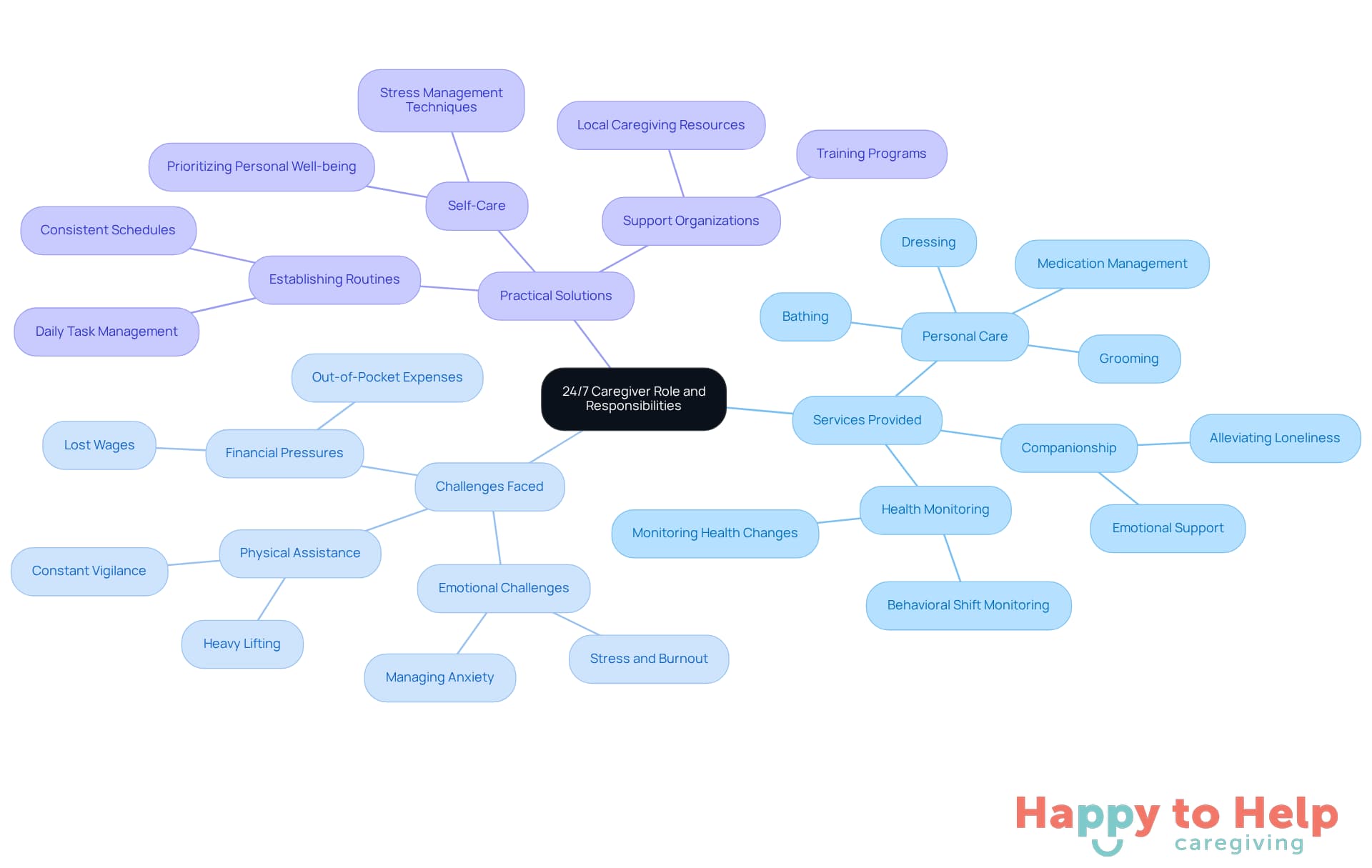
A 24/7 caregiver encounters significant challenges in providing continuous support to individuals who need round-the-clock assistance. Approximately 44% of these caregivers offer personal care services at home, which include essential tasks like bathing, dressing, grooming, and medication management. This demanding role not only requires physical assistance but also involves managing emotional challenges and financial pressures that can impact their well-being.
The implications of these challenges are profound. Caregivers must ensure clients can navigate their living spaces safely while also providing companionship, which is crucial for alleviating feelings of loneliness and anxiety, especially among seniors and individuals with special needs. The emotional support provided by 24/7 caregivers fosters a sense of security and well-being in the home environment. Their constant presence allows for monitoring health changes and behavioral shifts, enabling timely interventions when necessary.
To address these challenges, caregivers can implement several practical solutions:
- Seeking support from local caregiving organizations can provide resources and training.
- Establishing a routine can help manage daily tasks more efficiently.
- Caregivers should prioritize self-care to maintain their own well-being, ensuring they can provide the attentive care their clients deserve.
As the caregiving landscape evolves, it is essential to recognize the growing complexity of caregiving duties. According to caregiving experts, "The role of a support provider is not just about offering physical assistance; it also involves managing emotional challenges and financial pressures that can affect their well-being." By acknowledging these issues and implementing effective strategies, caregivers can enhance the quality of life for their clients while also finding reassurance in their vital role.
The Importance of 24/7 Caregiving: Context and Necessity
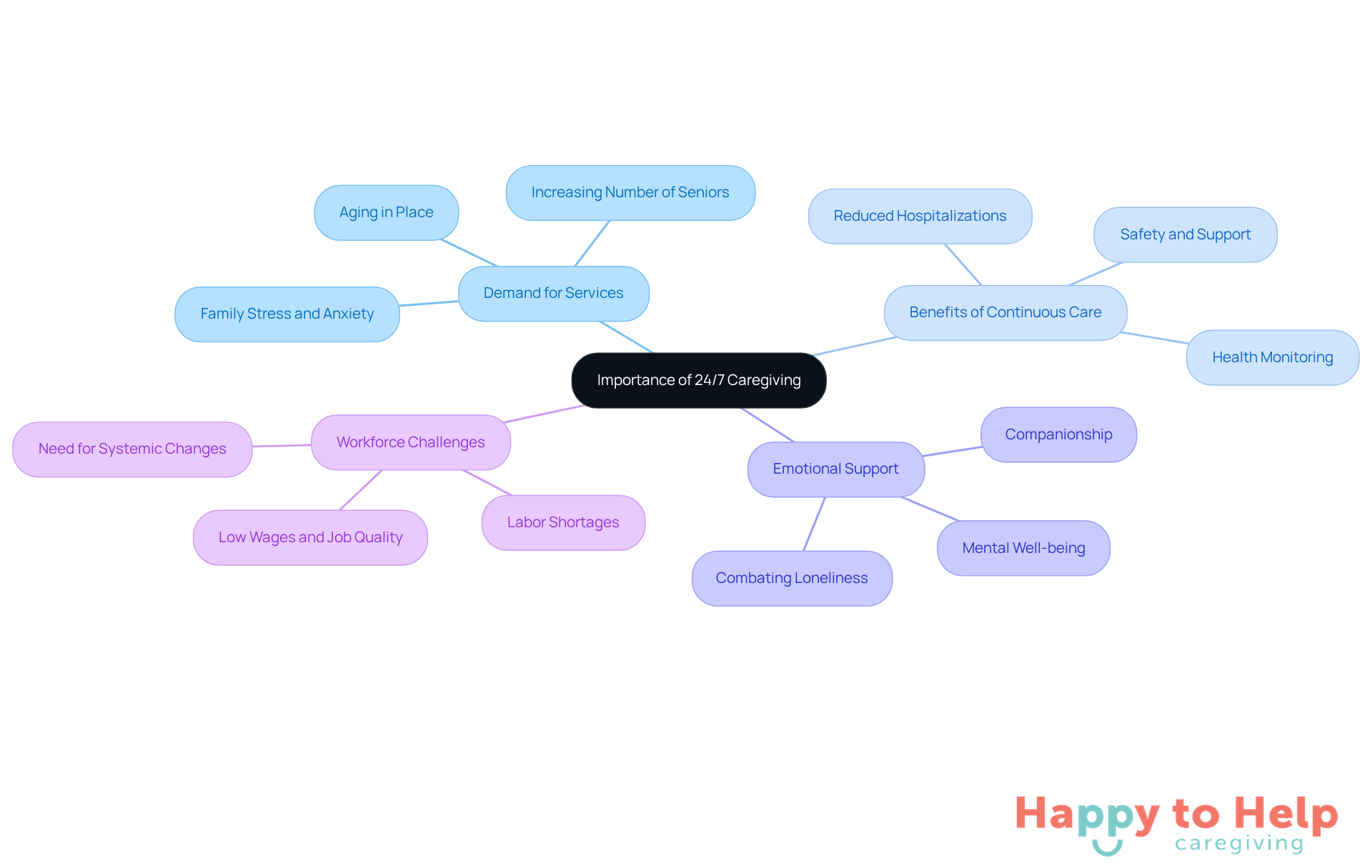
The demand for 24/7 caregiver services is a pressing issue, driven by the increasing number of individuals needing assistance due to age, illness, or disability. Many seniors prefer to age in place, valuing the comfort and familiarity of their own homes over assisted living facilities. This preference highlights a significant problem: families often face stress and anxiety regarding the safety and well-being of their loved ones.
A 24/7 caregiver provides continuous care that addresses these concerns by ensuring that seniors are safe and supported at all times. With a 24/7 caregiver available around the clock, families can find peace of mind, knowing their loved ones are never isolated and that their medical needs are being managed effectively at home. This proactive approach can significantly reduce the risk of hospitalizations, as caregivers monitor health changes and provide necessary interventions.
Moreover, consistent oversight not only minimizes risks for seniors but also enhances their emotional and mental well-being. Companionship fosters a sense of security and connection, which is vital for aging individuals. As highlighted in various case studies, continuous care offers both companionship and emotional support, effectively combating feelings of loneliness and isolation.
Integrating a 24/7 caregiver into the home environment is essential for modern elder care. It not only improves physical health but also nurtures the emotional needs of seniors. However, the growing workforce shortages in elder care present challenges for families seeking adequate support, further emphasizing the importance of having a reliable 24/7 caregiver.
Services Offered by 24/7 Caregivers: A Comprehensive Overview
Caregivers face numerous challenges in providing quality support to those in need. The demands of caregiving can lead to feelings of isolation and overwhelm, making it essential to address these issues effectively.
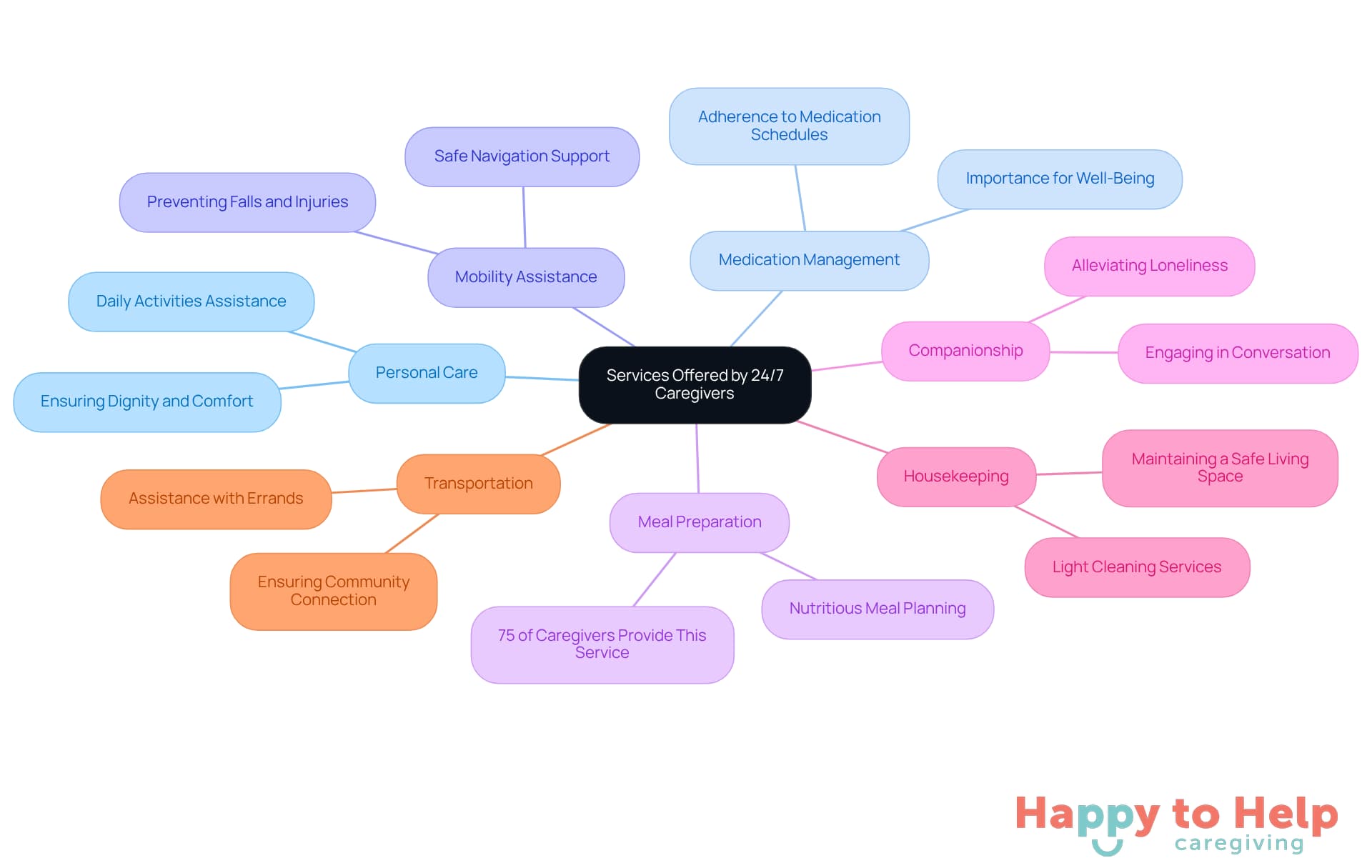
A comprehensive range of services is offered by 24/7 caregivers, tailored to meet the unique needs of their clients. These services typically include:
- Personal Care: Assistance with daily activities such as bathing, dressing, and grooming, ensuring dignity and comfort.
- Medication Management: Caregivers help clients adhere to their medication schedules, taking medications punctually and as directed, which is crucial for maintaining well-being.
- Mobility Assistance: Support in safely navigating the home environment, including transferring from bed to wheelchair, which helps prevent falls and injuries.
- Meal Preparation: Caregivers plan and prepare nutritious meals that accommodate dietary restrictions, enhancing wellness. Notably, around 75% of caregivers provide meal preparation and dietary assistance, recognizing its vital role in wellness management.
- Companionship: Engaging individuals in conversation and activities to alleviate feelings of loneliness and isolation, promoting emotional well-being.
- Housekeeping: Light cleaning and laundry services maintain a safe and comfortable living space, contributing to overall quality of life.
- Transportation: Assistance with errands and appointments ensures individuals remain connected to their community and social networks.
These services are highly customizable, allowing families to create a care plan that aligns with their loved one's specific needs and preferences. Healthcare professionals stress that personalized care plans are essential for enhancing the quality of life for seniors, as they address individual circumstances and promote autonomy. For example, successful personalized care plans from a 24/7 caregiver often include tailored activities that reflect clients' interests and preferences, significantly improving satisfaction and well-being.
Additionally, the average age of care recipients is 69.4 years, highlighting the importance of tailored care approaches for this demographic. As the demand for home care services is projected to increase by 22% by 2034, the significance of these customizable care plans will only grow.
Navigating Family Needs: When to Consider 24/7 Caregiving
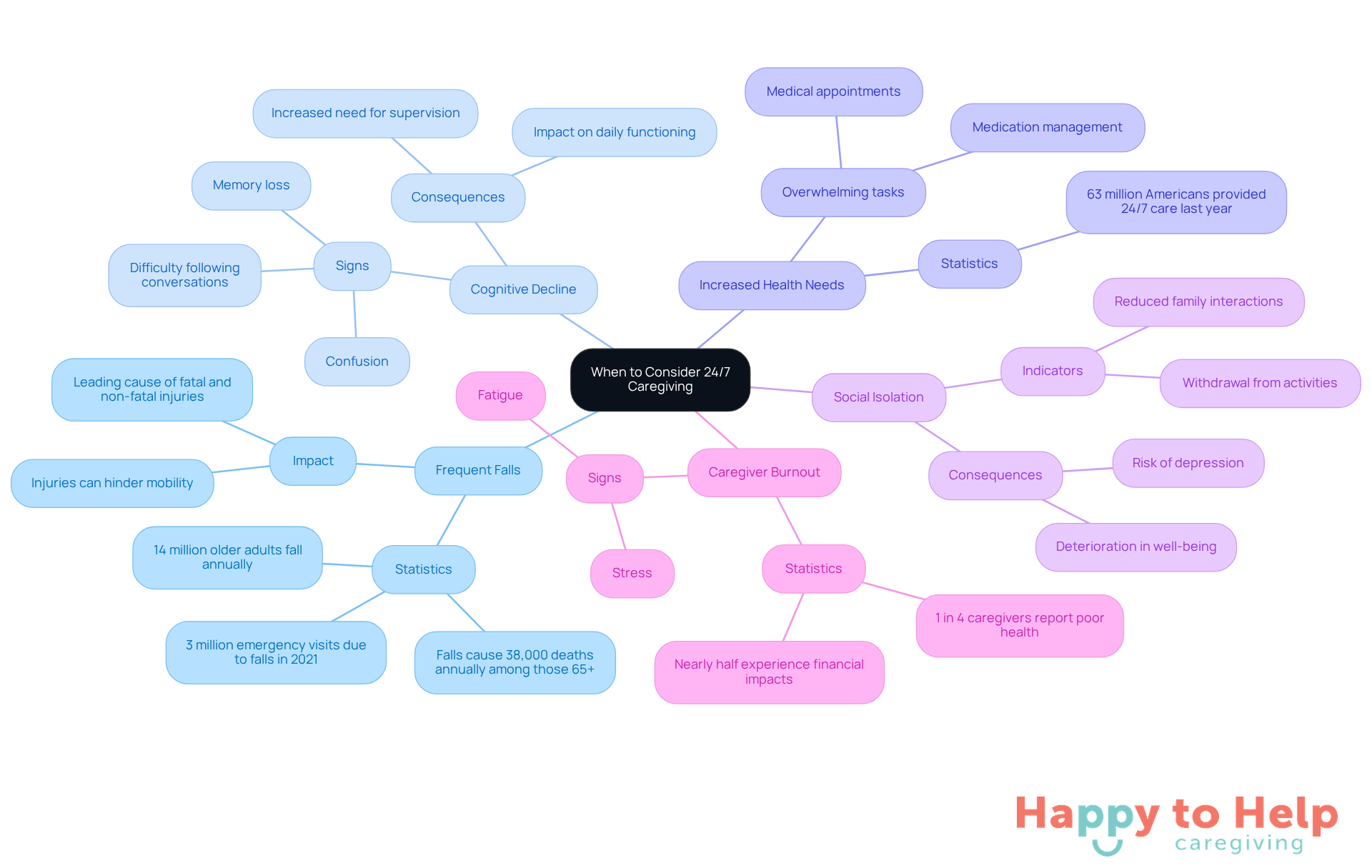
Determining when to consider a 24/7 caregiver can be challenging for families. Key indicators include:
-
Frequent Falls: If a loved one is experiencing falls or mobility issues, it may be time to seek additional support. Falls are the leading cause of fatal and non-fatal injuries among older adults, with approximately 14 million individuals aged 65 and older falling each year. This alarming statistic highlights the urgency of addressing mobility concerns.
-
Cognitive Decline: Signs of confusion, memory loss, or difficulty following conversations can signal the need for constant supervision. Cognitive decline can significantly impact daily functioning, making the role of a 24/7 caregiver essential for safety and well-being. Recognizing these signs early can prevent further complications.
-
Increased Health Needs: If managing medications or medical appointments becomes overwhelming, professional assistance may be necessary. Almost 63 million Americans served as a 24/7 caregiver for someone with intricate medical issues in the previous year, emphasizing the increasing demand for assistance. Seeking help can alleviate stress and ensure proper care.
-
Social Isolation: A noticeable withdrawal from social activities or family interactions can indicate a need for companionship and support. Social isolation can result in depression and further deterioration in well-being, making it essential to tackle these changes swiftly. Engaging with a 24/7 caregiver can provide the necessary social interaction.
Caregiver burnout can happen when family members experience fatigue or stress, highlighting the need for a 24/7 caregiver to help share the responsibilities. Nearly one in four caregivers report struggling to care for their own health due to caregiving duties, underscoring the importance of recognizing burnout. Seeking support can help restore balance and well-being.
Recognizing these signs early can lead to timely interventions, ensuring that loved ones receive the care they need to maintain their quality of life.
Taking the Next Steps
The significance of 24/7 caregivers cannot be overstated. They play a crucial role in enhancing the quality of life for individuals requiring continuous support. However, the increasing demand for such care presents challenges for families. Caregivers not only provide essential physical assistance but also address emotional and mental health needs, ensuring a holistic approach to care that fosters a sense of security and well-being in the home environment.
Families often face the problem of recognizing when additional support is necessary. This can lead to stress and uncertainty about how to best care for their loved ones. Understanding the signs that indicate a need for 24/7 caregiving is vital. For instance, if a loved one struggles with personal care, medication management, or mobility, it may be time to consider professional help.
Engaging a 24/7 caregiver alleviates the burden on family members while ensuring that individuals receive the compassionate care they deserve. This not only enhances safety but also improves overall quality of life. By acknowledging the vital role of caregivers and the services they provide, families can make informed choices that lead to healthier, happier lives for their loved ones.
In conclusion, as the demand for 24/7 caregiving continues to grow, families must prioritize the well-being of their loved ones. Seeking necessary support is essential. By doing so, they can ensure that their loved ones receive the care they need, allowing everyone to enjoy a better quality of life.
https://iframe.tely.ai/cta/eyJhcnRpY2xlX2lkIjogIjY5NDBhMjI1OTc5ZjhiMGM0MmQzYjU3NiIsICJjb21wYW55X2lkIjogIjY4ZWU1ZGNhNzMxNzYyNTU3ZjNjOTVjMSIsICJpbmRleCI6IG51bGwsICJ0eXBlIjogImFydGljbGUifQ==Frequently Asked Questions
What is the primary role of a 24/7 caregiver?
The primary role of a 24/7 caregiver is to provide continuous support and assistance to individuals who require round-the-clock care, including personal care services such as bathing, dressing, grooming, and medication management.
What are some of the challenges faced by 24/7 caregivers?
24/7 caregivers face significant challenges, including managing emotional difficulties, financial pressures, and ensuring the safety and well-being of their clients, which can impact their own well-being.
How do 24/7 caregivers provide emotional support?
Caregivers provide emotional support by offering companionship, which helps alleviate feelings of loneliness and anxiety, particularly among seniors and individuals with special needs, thereby fostering a sense of security and well-being.
Why is monitoring health changes important for 24/7 caregivers?
Monitoring health changes is important because it allows caregivers to detect behavioral shifts and health issues promptly, enabling timely interventions that can improve the client's overall care.
What practical solutions can caregivers implement to address their challenges?
Caregivers can seek support from local caregiving organizations for resources and training, establish a routine to manage daily tasks more efficiently, and prioritize self-care to maintain their own well-being.
How has the role of caregivers evolved over time?
The role of caregivers has evolved to encompass not only physical assistance but also the management of emotional challenges and financial pressures, reflecting the growing complexity of caregiving duties.
List of Sources
- Defining a 24/7 Caregiver: Role and Responsibilities
- Signs Your Loved One Needs 24/7 Home Care (https://villagecaregiving.com/blog/signs-for-24-7-care)
- The Caregiving Landscape: Data & Insights on the Caregiver Experience in the U.S. (https://caregiveraction.org/caregiver-statistics)
- Caregiving Crisis: 45% Increase in Americans Providing Care (https://aarp.org/caregiving/basics/caregiving-in-us-survey-2025)
- Caregiver Statistics: Work and Caregiving (https://caregiver.org/resource/caregiver-statistics-work-and-caregiving)
- Around-the-Clock Support: The Benefits of 24-Hour Home Care for Seniors (https://afcsnc.com/around-the-clock-support-the-benefits-of-24-hour-home-care-for-seniors)
- The Importance of 24/7 Caregiving: Context and Necessity
- Around-the-Clock Support: The Benefits of 24-Hour Home Care for Seniors (https://afcsnc.com/around-the-clock-support-the-benefits-of-24-hour-home-care-for-seniors)
- The senior population is booming. Caregiving is struggling to keep up (https://cnbc.com/2025/11/21/senior-caregiving-labor.html)
- The declining population will make it even harder to care for elders (https://npr.org/2025/11/02/nx-s1-5535648/population-elderly-caregivers)
- Opinion | America’s Caregivers Are in Crisis (https://nytimes.com/2025/11/24/opinion/caregiving-crisis.html)
- National Alliance for Caregiving: Caregiving in the US 2025 Report (https://johnahartford.org/resources/view/national-alliance-for-caregiving-caregiving-in-the-us-2025-report)
- Services Offered by 24/7 Caregivers: A Comprehensive Overview
- Caregiver Statistics: Demographics (https://caregiver.org/resource/caregiver-statistics-demographics)
- 24-Hour Home Care | BrightStar Care | BrightStar Care (https://brightstarcare.com/about-brightstar-care/resources/benefits-of-24-hour-home-care)
- Home Care Industry Trends to Watch in 2025 (https://firstlighthomecare.com/blog/home-care-industry-trends)
- The Future of Senior Care: What to Expect in 2025 and Beyond (https://arhomecare.com/the-future-of-senior-care-what-to-expect-in-2025-and-beyond)
- Navigating Family Needs: When to Consider 24/7 Caregiving
- What Are 10 Warning Signs An Elderly Loved One Needs 24/7 Home Care? (https://visitingangels.com/articles/live-in-or-24-hour-care-allowing-elderly-adults-to-age-in-place-in-their-homes/432)
- 11 Signs Your Aging Parent Needs Senior Care (https://health.usnews.com/senior-care/caregiving/articles/identifying-the-right-time-for-senior-care)
- New Report Reveals Crisis Point for America’s 63 million Family Caregivers (https://press.aarp.org/2025-07-24-New-Report-Reveals-Crisis-Point-for-Americas-63-million-Family-Caregivers)
- Get the Facts on Falls Prevention (https://ncoa.org/article/get-the-facts-on-falls-prevention)
- Facts About Falls (https://cdc.gov/falls/data-research/facts-stats)